How do you choose a London music video studio with blackout, a cove and drive-in access?
Choose the studio by matching the stage to the job: clean cove performance, full lighting control, vehicle or set load-in, and crew flow. For London music video studio hire, the useful question is whether access, electrical supply, support rooms and blackout method fit the shoot schedule.
Table of Contents
Blackout, cove and drive-in mean control
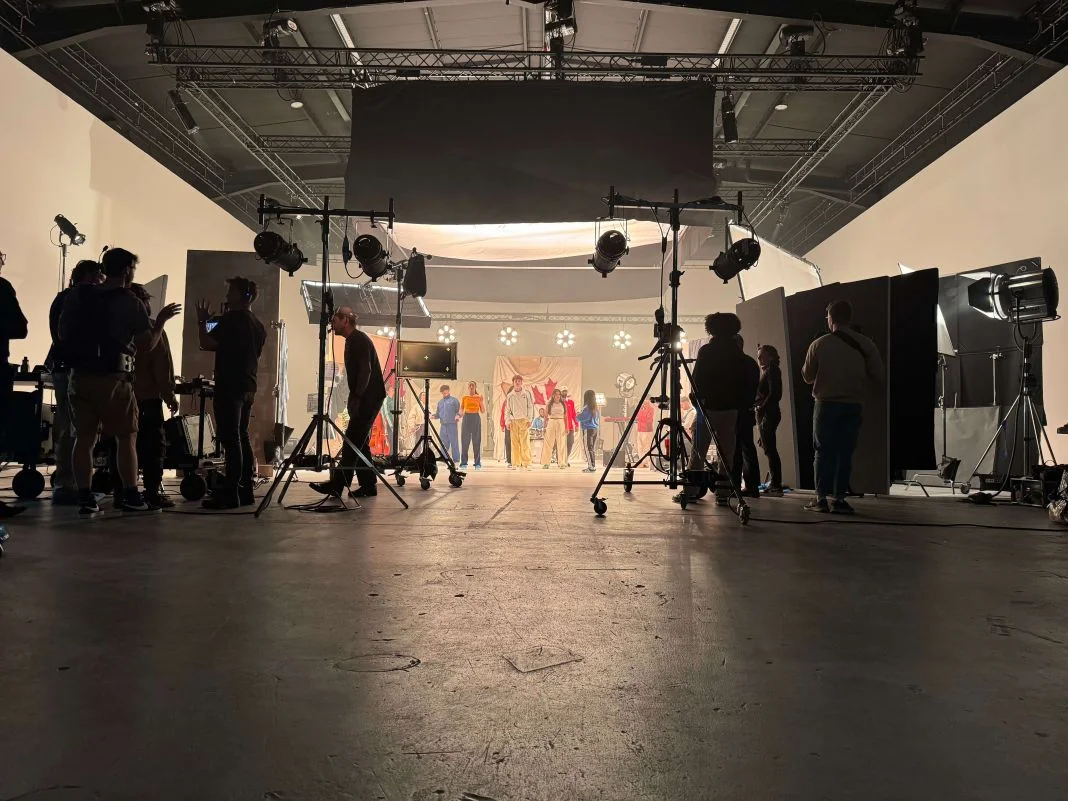
An artist performance setup is ready to light, a car arrives for a hero shot, and a scenic piece needs to move from vehicle to stage without eating the morning. That is where the words in a studio listing start to matter. Blackout, cove and drive-in access are operational requirements, so they need testing before they become useful.
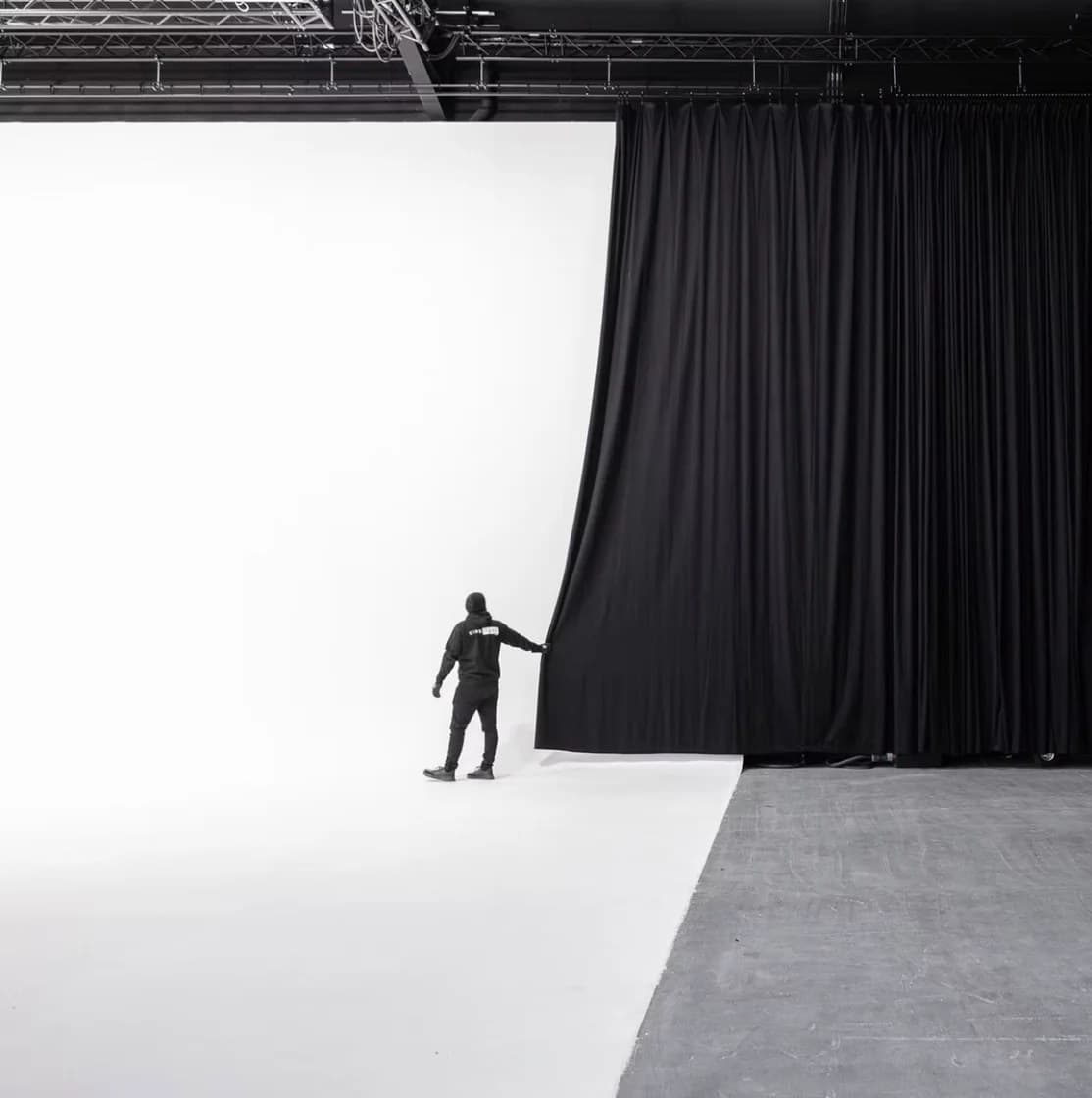
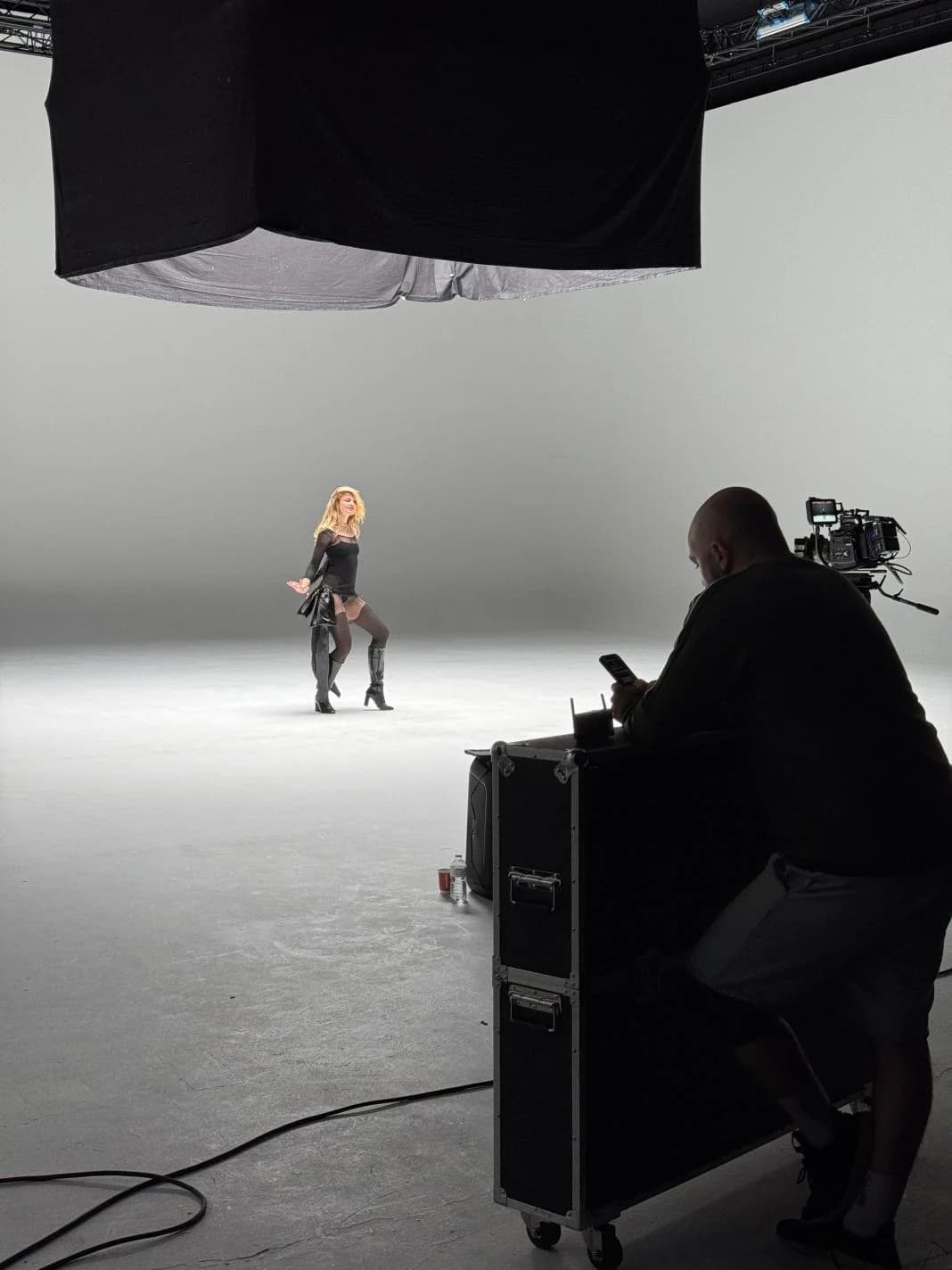
A white infinity cove gives you scale, clean curves and lighting continuity across floor and wall. It suits performance work, pack-style shots and camera movement where visible corners would fight the frame. Cove condition also matters, because repainting, floor protection and shoe traffic can affect how clean the set stays across a long day.
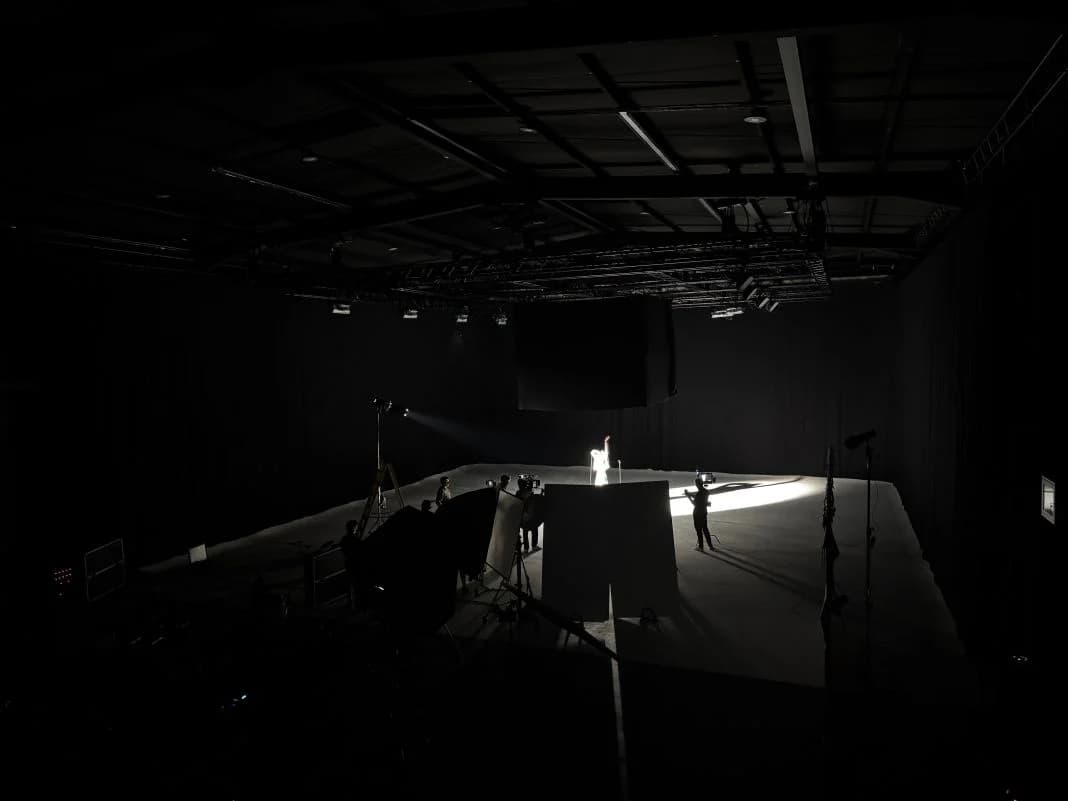
Blackout is about repeatable control. A director of photography may need to hold exposure, cut spill, control practicals, use projection, work near screens or create a controlled lighting environment that does not change every time a door opens.
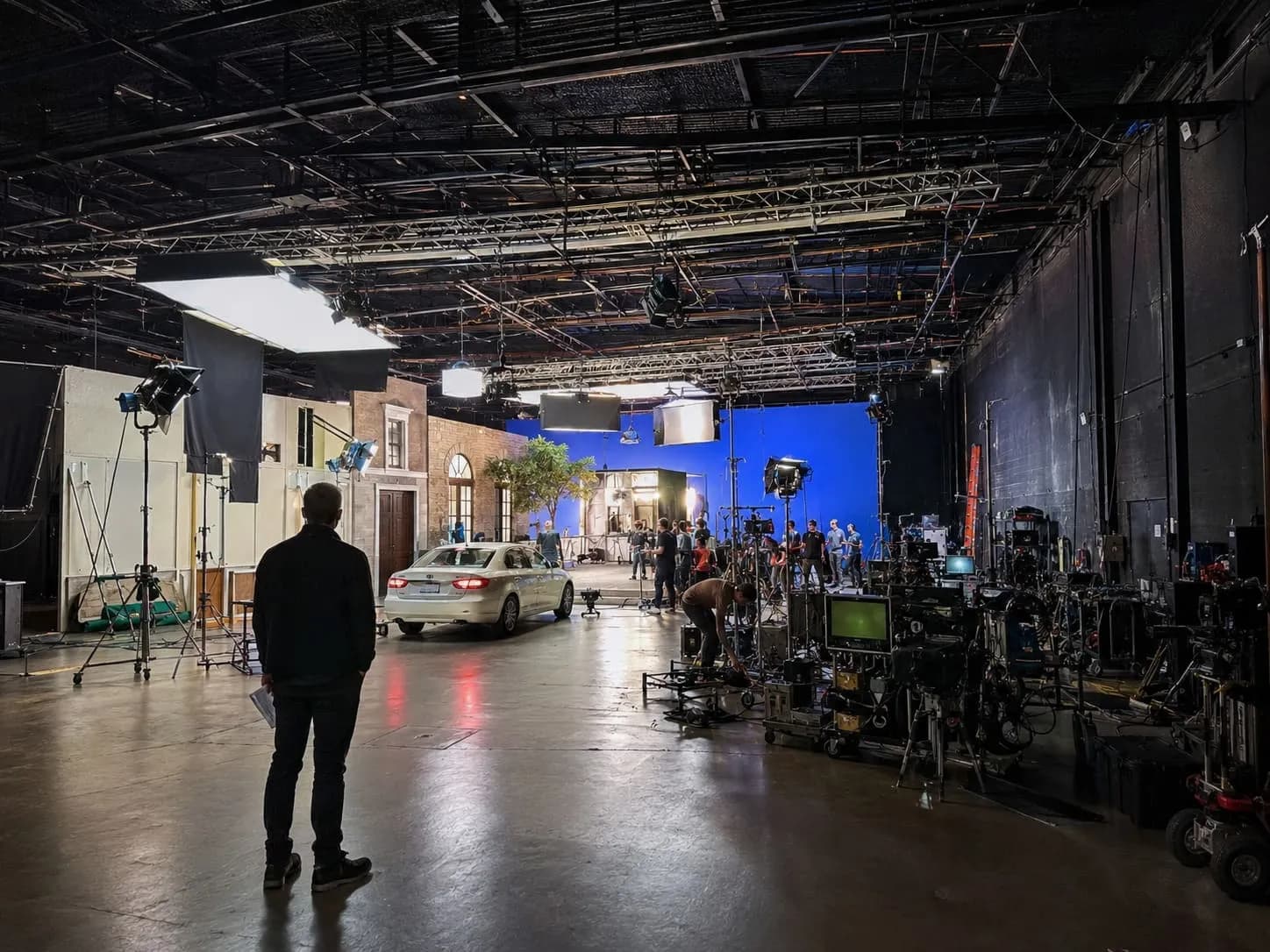
Drive-in access has separate meanings. A car on camera is one use. Heavy set load-in is another. Unit vehicle movement is a third, especially when crew parking, hair and make-up, client areas and production offices all compete for time and space.
London SE8 and London Zone 2 matter because music video days depend on movement as much as square footage. Crew, suppliers, equipment and artists all need a workable route into the site and through the building. A London music video studio should be judged by how the day runs, not by how convincing the facility list looks on a page.
Studio choice decides the shoot
The stage decision comes before the kit list. A cove-led performance video, a blackout lighting setup and a light emitting diode, or LED, volume workflow place different demands on the room.
Mammoth Film Studios separates the decision clearly: Studio 1 is the large-format cove and blackout stage, while Studio 2 is the blackout and LED-based virtual production stage. That distinction matters because “has blackout” and “has a cove” do not describe the same production workflow.
Studio 1 is an 8,000 sq ft stage with a 60 x 60 ft infinity cove, blackout via drapes, 24 ft grid height, 200A three-phase electrical supply and drive-in access. That combination supports a large-format infinity cove studio London brief where the set needs room to breathe and the lighting plan needs height.
Studio 2 is a 5,000 sq ft hybrid stage with 360° blackout, drive-in access and an in-house modular 8 x 4 m LED volume using ROE LED panels with Brompton processing. Virtual production in Studio 2 is delivered with Elsewhere Productions, including LED volume support, content and on-set supervision.
A virtual production music video studio is useful when the brief gains from controlled backgrounds, interactive light or fast changes between looks. It is a production tool, and it still needs the same discipline as any other shoot: space for camera, crew, artist movement, playback and reset time.
Drive-in access has to work beyond the doorway
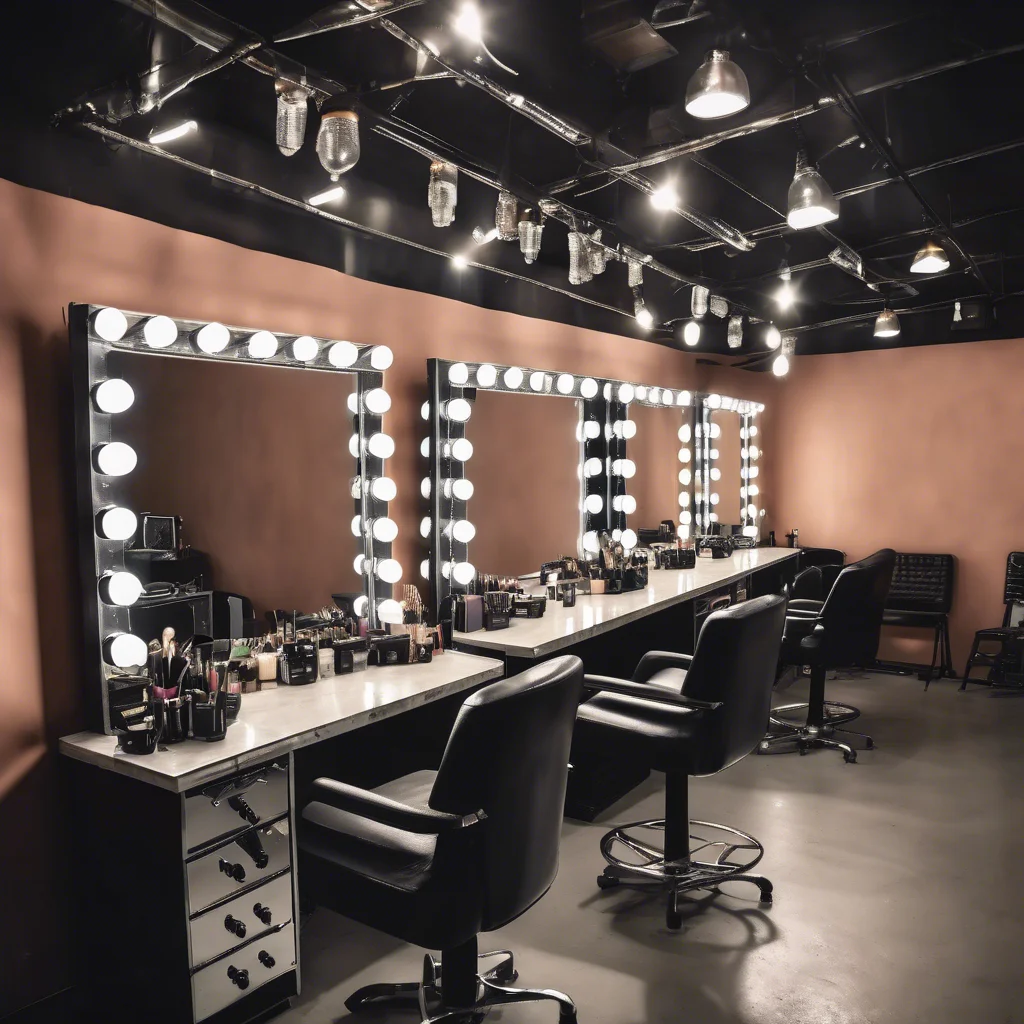
A car music video and a set-build delivery need different forms of access. A vehicle on camera needs a route onto the stage, space to position it, a safe plan for crew around it and enough room for lighting. A scenic delivery needs a route that keeps the art department moving without repeated handling.
A drive-in studio London claim is weak if nobody can explain the route. Where does the vehicle wait? Where does the unloading happen? How close can the truck get to the stage? A loading bay helps only if timing, floor route and crew movement have been agreed.
Vehicle access also affects departments that are not shooting the car. Lighting may need to hold equipment close to stage. Production may need parking for unit vehicles. Hair and make-up needs the artist available without blocking crew movement. Small access delays become real schedule pressure on a music video because the day is usually built around tight changes.
Health and Safety Executive guidance on loading is direct: loading and unloading areas should be kept clear of unrelated traffic and pedestrians, and where more than one company is involved, the parties should agree the loading plan in advance. For a production manager, that is a practical recce point, not paperwork for its own sake.
The useful test is simple: walk the load-in route and agree the timing before the shoot day.
Electrical supply and sound claims need scrutiny
Studio pages can sound convincing until the lighting plot, playback requirement or audio need is tested. “Three-phase” and “soundproof” are labels, and labels do not tell you whether the stage fits the plan.
Electrical supply needs a real lighting plan
Three-phase electrical supply means a higher-capacity studio supply used for larger lighting packages, but the label alone does not answer the production question. The relevant issue is how the lighting package will be distributed, what else draws from the supply, and who is responsible for temporary electrical planning.
The British Standards Institution identifies British Standard BS 7909:2023 as the code of practice for temporary electrical systems for entertainment and related purposes. A producer does not need to read the standard to hire a stage, but the production does need competent people handling temporary electrical systems properly.
At Mammoth Film Studios, the separation is explicit: Studio 1 has 200A three-phase electrical supply for larger cove and blackout work, while Studio 2 has 63A three-phase electrical supply for its blackout and LED volume setup. The studio structure also includes Cinelight London as the lighting partner and 12G serial digital interface video routing, which allows video signals to move internally from stage to production areas.
That gives a production manager something concrete to test. A credible London music video studio should be able to discuss the lighting plan against the stage, the supplier structure and the route from stage to production monitoring.
Sound needs the right expectation
Music video audio often centres on playback, sync and guide capture, but some briefs bring dialogue, live vocal capture or interview elements into the same day. Those are different requirements, and the word “soundproof” should be treated with care.
Sound insulation and true soundproofing are not the same claim. A blackout music video studio may be highly workable for playback and sync, yet still need a recce if clean dialogue matters. Playback level, neighbouring activity, internal spill and the position of speakers all affect the plan.
Ask for the audio expectation to be named plainly. A vague sound claim is not enough when the schedule gives no room for a fix.
The recce should expose friction
A recce should test the shoot day, not admire the empty room. The right questions reveal whether the stage, access and support spaces will hold up once the artist, crew, agency, label and suppliers are all moving.
Use the recce to test these points:
- Load-in route: Walk the path from vehicle to stage and confirm how large set pieces, lighting equipment or vehicles will move.
- Blackout method: Ask how blackout is achieved and whether any access points affect lighting control during takes.
- Cove condition: Confirm repainting, floor protection and any restrictions that affect footwear, tyres or set dressing.
- Rigging and height: Match the lighting and camera plan to the grid, beams, hoists or rigging route available in the selected stage.
- Electrical supply: Tie the lighting package to the correct stage supply and the agreed supplier structure.
- Production areas: Check where the artist, hair and make-up, agency, label and production team will sit without spilling onto stage.
- Parking and unit movement: Treat parking as part of the schedule, especially where crew, suppliers and unit vehicles arrive in waves.
- Booking duration: Judge the day against build, lighting, shoot and strike. If a 10-hour studio day applies and overtime is available, plan the schedule against that reality.
- Audio expectation: State whether the job needs playback, sync, guide audio or cleaner capture, because each one changes the recce.
- Responsibility: Health and Safety Executive guidance for UK film, TV and broadcasting work is clear that responsibilities, risk assessment, management systems and review all need to be in place.
That list should make the weak points visible quickly. A studio may look suitable when empty, then slow the day once a truck arrives, a cove needs refreshing, or a playback setup competes with crew movement.
The common misconception is that one large, feature-heavy studio automatically suits every music video. It does not. A stage earns its place when its cove, blackout, access, electrical supply and support spaces match the actual workflow you are shooting.
Common questions about music video studio hire in London
Can you bring your own props and set build into a music video studio?
Many studios allow props and set builds, but the useful answer depends on load-in route, floor protection, storage and strike time. Confirm those points during the recce so the art department can plan without guessing.
Does every London music video studio include lighting?
No. Lighting kit, crew, supplier structure and electrical distribution vary by studio and booking. Treat lighting as a separate production question, even when a studio has a preferred or in-house lighting partner.
Is an infinity cove always the right choice for a performance video?
An infinity cove works well when the brief needs a clean white space, curved transitions and controlled lighting continuity. A darker performance setup, LED volume plan or set-build concept may suit a blackout stage better.
Can an LED volume work for a music video?
An LED volume can work well when the brief needs controlled backgrounds, interactive light or fast changes between environments. It still needs content preparation, technical supervision and enough stage space for camera and performer movement.
Should audio be discussed even if the track is played back?
Yes. Playback and sync still need planning, and any dialogue or clean capture changes the room requirement. A recce should separate playback needs from sound insulation claims.
This is general information, not professional advice.