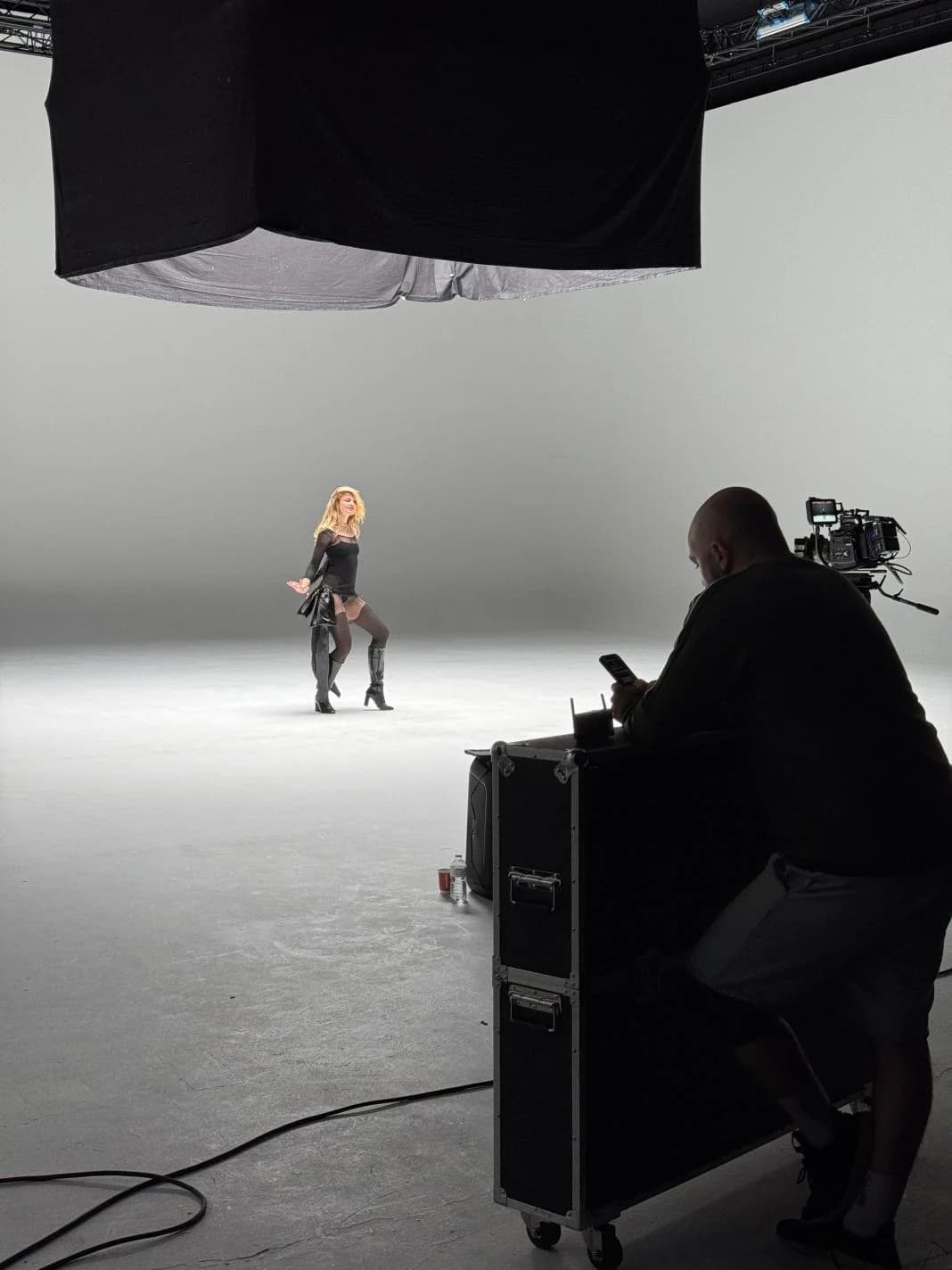
What should you assess before booking an infinity cove studio for a shoot day?
Start with the cove itself, then assess the technical setup around it. A good infinity cove studio needs the right scale, lighting control, rigging, power, access and support spaces for the production you are actually running. The most successful shoot days usually come from matching the studio to the workflow, not from booking the largest white space available.
Table of Contents
Understanding Infinity Cove Studios: What Sets Them Apart
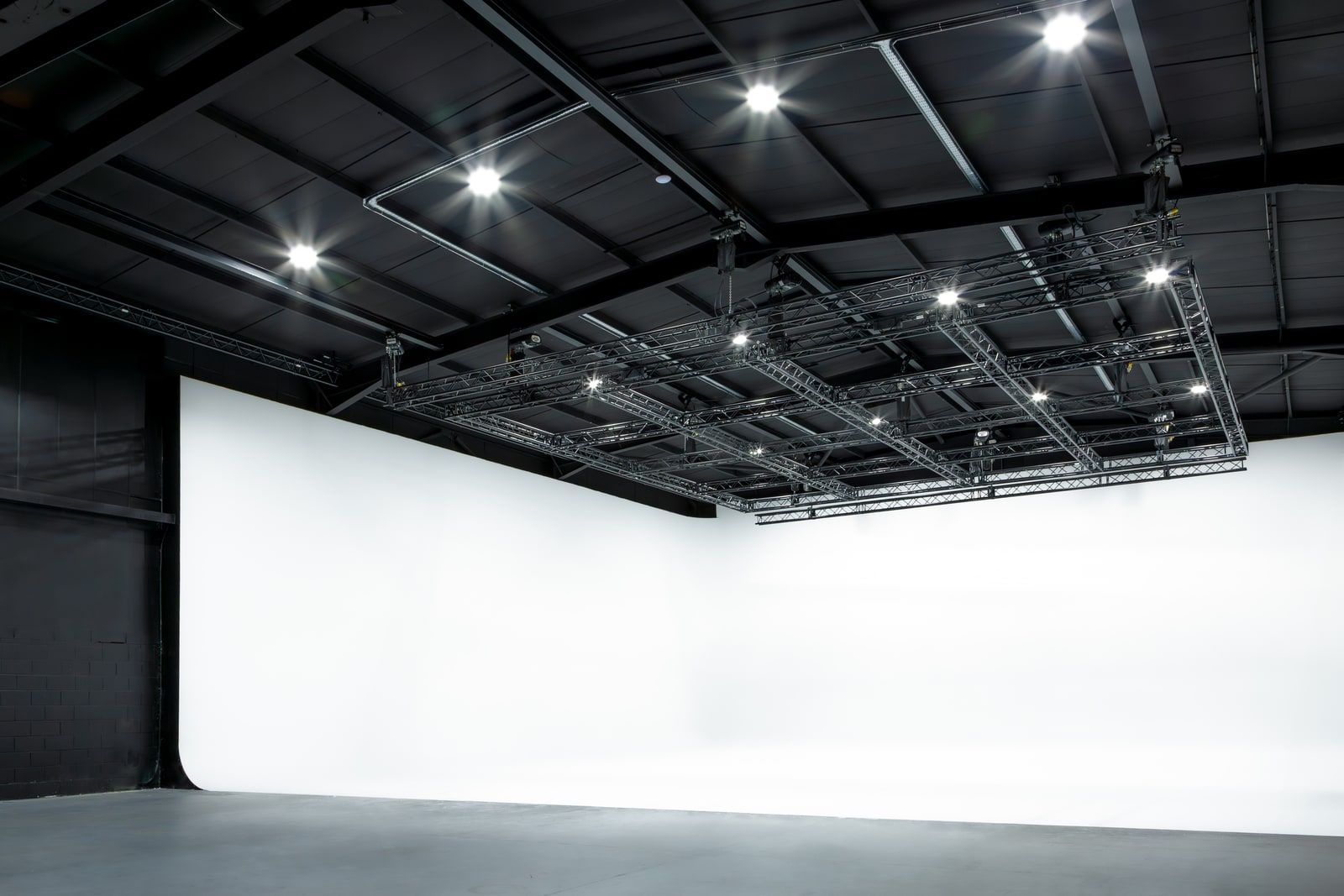
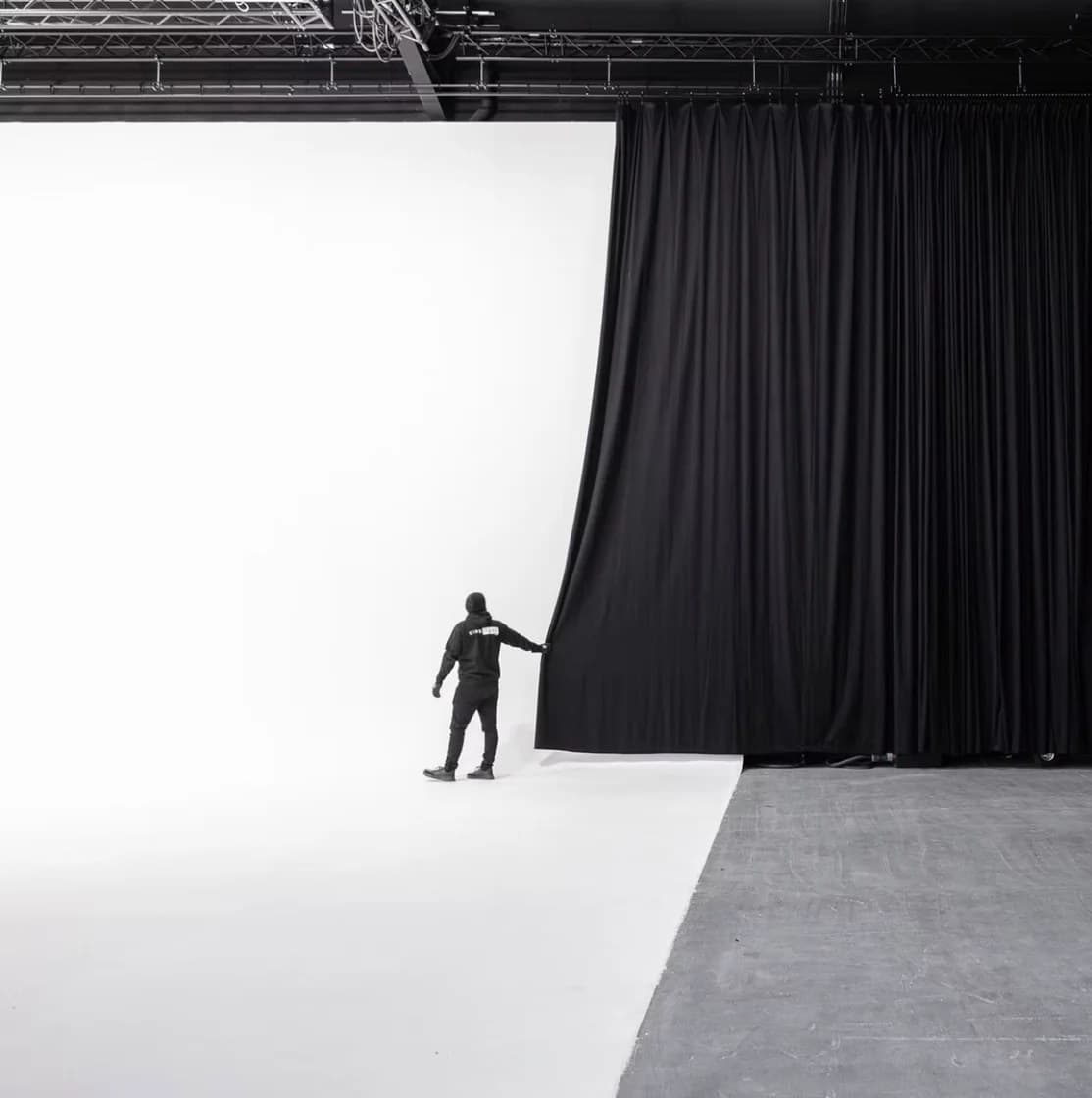
An infinity cove is a smooth cyclorama built to remove the visible junction between wall and floor. That single detail changes the image more than many people expect, because it allows edge-free visuals, cleaner product framing and more consistent background treatment in camera.
A standard studio can still produce strong work, but it often asks more of art direction, set build requirements or post-production cleanup. By comparison, a white cove studio gives the crew a controlled, repeatable base from the start. That matters on commercial stills, car shoots, fashion campaigns and motion work where background consistency is part of the brief.
Some productions need a cove. Others simply benefit from one. If the brief depends on a smooth background studio look, a true infinity cove is hard to substitute. If the shot list is built around constructed sets, textured backdrops or tightly cropped frames, the cove may be useful without being the deciding factor.
Studio 1 at Mammoth Film Studios is a useful reference point because it separates the cove from the rest of the production equation. The 60 x 60 ft white infinity cove sits within a larger studio environment that also includes blackout capability, rigging and support rooms, which means the cove functions as part of a broader working stage rather than as an isolated visual feature.
A few distinctions matter when comparing production studios:
- A cyclorama studio is built for smooth imaging, not just white walls.
- A professional photography studio may have a cove, but the surrounding infrastructure can vary widely.
- A blackout-capable cove stage gives more control over lighting uniformity than a daylight-led space.
- A large cove reduces frame limitations for wider lenses, bigger set pieces and vehicle work.
That final point often decides whether a cove is merely convenient or genuinely necessary.
Key Technical Considerations When Evaluating Studios
Technical suitability should come before aesthetics. A cove may look right in a recce, yet still be wrong for the job if the power, height or load-in setup does not support the lighting plan and schedule.
Grid height changes what can be lit cleanly and how comfortably the crew can rig overhead. A higher grid usually gives more flexibility with larger soft sources, suspended diffusion and camera movement. On a busy shoot, that extra clearance can also reduce compromises in lensing and fixture placement.
Power is equally practical. Shoots with substantial lighting packages, charging demands, monitors and live client viewing all draw from the same infrastructure. Studio 1, for example, includes 200A 3-phase power and motorised truss systems, which suits productions that need more ambitious overhead rigging and a less improvised setup.
Blackout capability deserves close attention. A cove that cannot be properly controlled for ambient light may be fine for some photography, but it can become awkward for motion work, reflective products or lighting setups that depend on consistency from morning through to wrap. Full blackout drapes give the crew a more stable starting point.
Load-in logistics often separate efficient studio days from slow ones. Drive-in access is not simply a convenience for large builds. It affects how quickly vehicles unload, how many handling stages equipment passes through and how much labour is spent moving kit instead of using it.
When assessing studio technical specifications, focus on the following points:
- Grid height in relation to the lighting plan and camera movement
- 3-phase power capacity for the full package, not just key fixtures
- Rigging options, including truss systems and load distribution
- Blackout studio features that support repeatable lighting conditions
- Drive-in access studio layout, parking and practical load-in routes
Some features are nice to have. Others are production studio requirements. A broad white cove with poor rigging flexibility may still suit a straightforward stills day, whereas a commercial shoot with moving light, suspended elements and client monitoring will feel the limits very quickly, often before first shot.
Operational Support and In-House Services
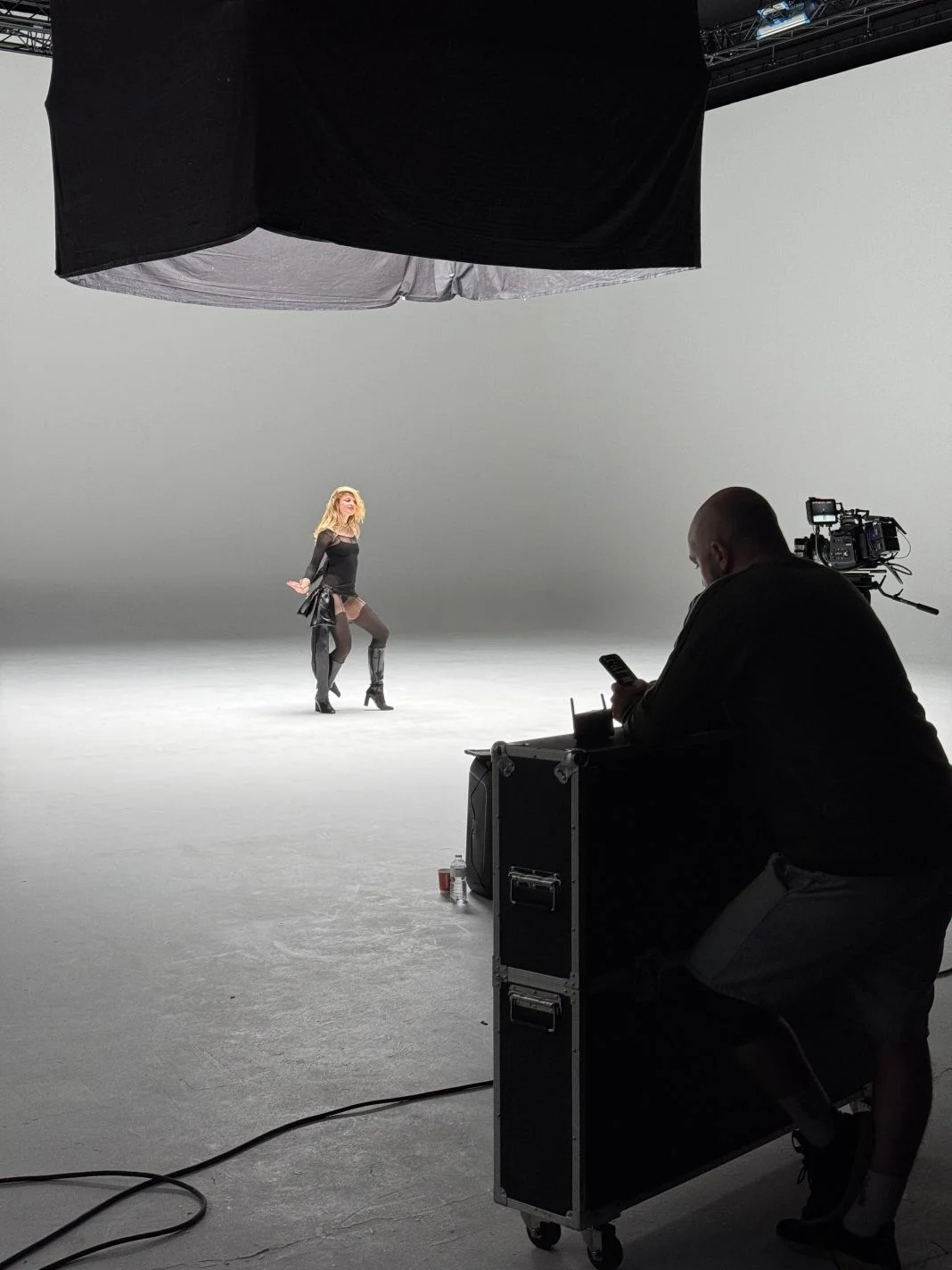
Physical space matters, but operational structure can matter just as much once the day starts. Studios with integrated support tend to remove decision lag, reduce handover points and give production a clearer route from prep to execution.
Blank-shell venues can work well for certain teams, particularly if every department is self-contained and familiar with the site type. Even so, they often require more coordination in advance because rigging, lighting, access and technical troubleshooting may sit across several suppliers with different timings and responsibilities.
By contrast, a studio with an in-house rigging team and an exclusive lighting partner such as Cinelight London can simplify the chain of command. That does not limit creative choice. It gives production a more stable operating framework, which means the crew spends less time resolving basic site issues.
A common example is the pre-light. If overhead positions, power distribution and access timing are agreed early, the gaffer and rigging crew can move straight into execution. If those elements are split across multiple external parties, small delays tend to stack up through the morning call.
Useful signs of strong in-house studio services include:
- A production support team that can coordinate access, timings and technical prep
- Integrated lighting and rigging arrangements with clear responsibility lines
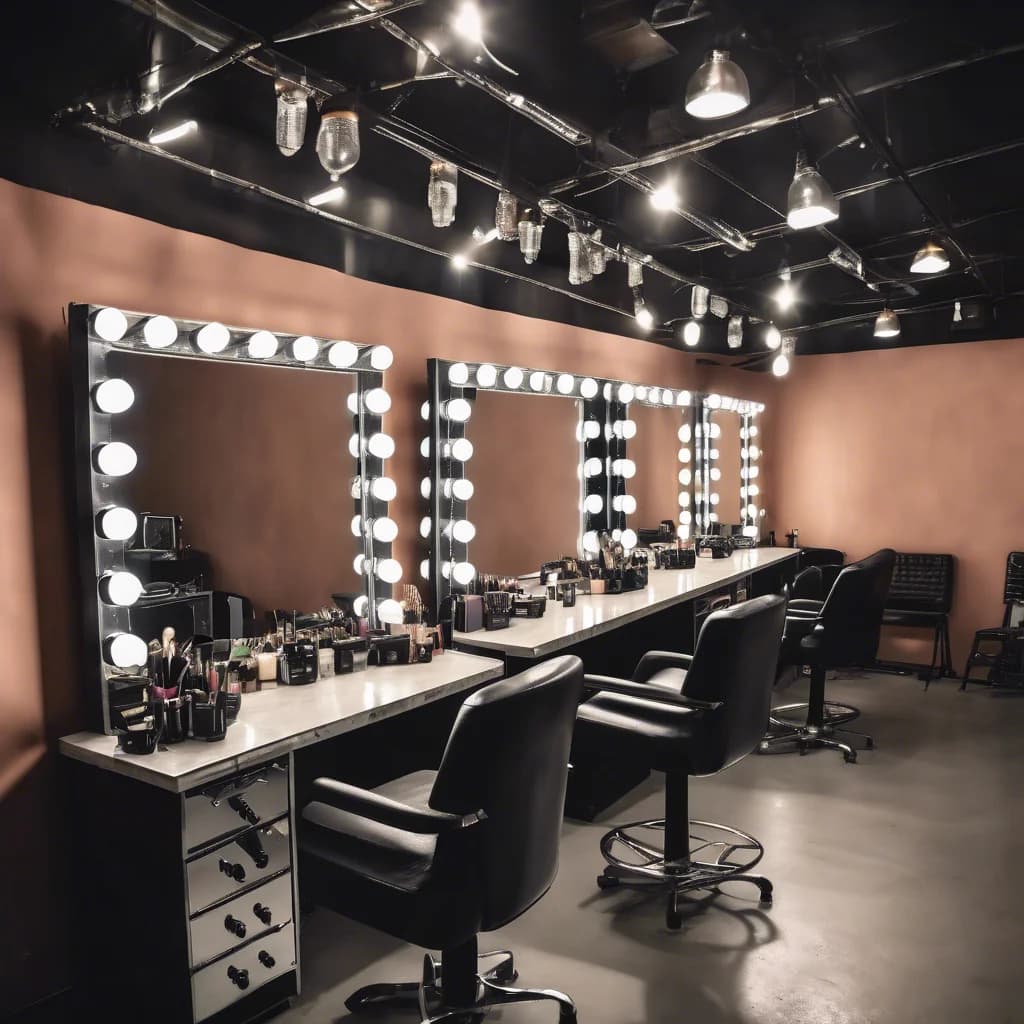
- Production office and client spaces that sit close to the stage workflow
- On-set technical support where specialist systems are involved
- A clear distinction between standard stage support and specialist services, such as virtual production delivered by Elsewhere Productions in a separate studio context
Studios that organise support this way usually feel calmer under pressure, especially when the schedule changes halfway through the day.
Assessing Location, Access and Logistics
Logistics shape the day long before cameras roll. In London, location matters less as a prestige marker and more as a question of crew movement, supplier access and how many friction points sit between the call sheet and the floor.
A London Zone 2 studio can offer a practical advantage if it reduces travel challenge for crew, talent and clients arriving from different parts of the city. Proximity to Overground and Jubilee line connections also widens the pool of crew who can reach the site without relying on cars or taxis.
Vehicle access matters just as much. A drive-in film studio allows direct movement of set pieces, props and heavier equipment, which can save both time and handling risk. On-site parking for shoots adds another layer of control, especially for unit vehicles, technical vans and late-running departments.
Flexible external space can help, but it should be understood properly. Some studios have parking that can also function as a backlot space London productions may use for staging, overflow or certain exterior needs. That is useful conditional space, not a permanent exterior set.
When reviewing studio access logistics, check these points before booking:
- How crew, clients and suppliers actually enter and move through the site.
- Whether drive-in access reaches the relevant stage without awkward transfers.
- How much on-site parking is available once technical vehicles are counted.
- Whether step-free access covers the full working route for people and equipment.
- How any external area is allocated on the day, including parking that may double as flexible backlot use.
Urban production logistics rarely fail because of one dramatic mistake. More often, the trouble comes from ten small assumptions made too early.
Maximising Your Shoot Day: Preparation and Workflow
A well-equipped cove can still produce a messy day if the prep is vague. Most lost time on stage comes from issues that could have been settled before the first van arrived.
Begin with a technical recce that reflects the actual shoot, not a generic site visit. Lighting positions, camera lanes, set dimensions, power draw, client viewing, sound needs and turnover points should all be discussed in relation to the call sheet. Once those details are pinned down, the cove becomes easier to use efficiently.
Advance rigging can make the difference between a compressed morning and a workable one. If the production office, styling room, client area and stage access routes are assigned clearly, departments avoid competing for the same space at the same time. That is especially useful on jobs with agency attendance, multiple talent changes or separate stills and motion outputs.
For shoot day preparation, the basics still matter:
- Confirm the final floor plan, lighting plan and set-up schedule before the crew call.
- Share access times, parking allocations and delivery windows with every supplier.
- Brief departments on cove protection, floor treatment and turnaround expectations.
- Allocate support spaces early, including styling, client holding and production control.
- Test any monitoring, data and routing requirements before live review begins.
During the day, crew briefings should be short and specific. A cove stage tends to look open, but once stands, monitors, playback, props and people accumulate, circulation narrows quickly. Keeping clean paths between stage, HMU, styling and client areas reduces unnecessary stoppages.
Client handling also needs planning. If viewing positions, approval routes and reset timings are agreed in advance, the stage team can keep moving without forcing clients into technical decision points that belong elsewhere.
The best run days usually look unremarkable from the outside. Vans unload on time, departments know their zones, the cove stays clean enough for the brief, and no one is hunting for a spare room halfway through a lens change.
Common Misconceptions and Overlooked Details
Infinity cove studio myths usually come from assuming the white space will solve problems on its own. In practice, the cove is only one part of the system.
One common mistake is expecting post-production to correct weak on-set discipline. A damaged floor, uneven lighting or uncontrolled spill often takes longer to clean up than teams expect, especially on reflective products, full-length fashion frames or moving shots.
Another oversight is underestimating infrastructure outside the cove itself. Rigging and power for shoots should be assessed against the real package, including monitors, playback, charging, data wrangling and live feeds. A neat floor plan can hide a strained technical setup.
Confusion also appears when teams mix up a traditional cove stage with a virtual production environment. Studio 1 and Studio 2 serve different purposes. Studio 1 is the infinity cove and blackout stage. Studio 2 is the blackout and virtual production studio, with an LED volume used for LED-based workflows. One does not stand in for the other simply because both support controlled production.
Connectivity is another detail that gets missed until the crew is working. Internal LAN, 12G SDI video routing and up to 4 Gbps symmetrical hard-wired internet can affect playback, remote review, streaming and production coordination in very practical ways. Those systems are easy to ignore during booking, yet they become highly visible as soon as multiple stakeholders need reliable signal paths at once.
A calmer way to frame these issues is simple: double-check the assumptions that sit outside the hero image, because many of the real delays live there.
Rethinking Studio Selection: Infrastructure as a Production Asset
Studio choice is often discussed as a visual decision first. For experienced producers, it usually makes more sense to treat it as an infrastructure decision that happens to have visual consequences.
An infinity cove is useful because of what it removes from the frame. A well-run studio is useful because of what it removes from the day, including uncertainty around access, rigging, support spaces, signal flow and technical control. That distinction matters in contemporary London studios, where space alone rarely tells you how well a production will run.
Mammoth Film Studios offers a clear example of this separation. Studio 1 serves large-format cove and blackout work. Studio 2 supports blackout-led virtual production with a distinct technical model. Seen that way, the site reads as production infrastructure arranged around different workflows, not as a single generic hire space.
Three ideas are worth keeping in view:
- The cove should match the shot plan, not just the mood board.
- Technical systems should be judged by operational effect, not by spec sheets alone.
- Support spaces and logistics should be treated as part of the stage, because they shape the usable day.
Production methods will continue to shift, but the underlying test stays familiar. The most reliable studio choices are usually the ones that give the crew control, consistency and enough headroom to execute the brief without forcing workarounds where they were never needed.