What affects studio hire rates in London, and how should you compare quotes?
Studio hire rates in London vary because studios differ in size, technical specification, access, staffing, booking terms and what is included in the quoted price. A useful comparison depends on reading beyond the headline figure and checking whether power, rigging support, blackout capability, parking, overtime terms and other operational details match your production needs.
Table of Contents
Understanding Studio Hire Rates in London
London studio pricing is rarely a flat market with a single standard rate. Two spaces may look similar on a rate card and still carry very different hire costs once infrastructure, support and booking terms are taken into account.
A headline day rate often tells only part of the story. Production managers usually need to know what sits behind that number, including prep access, strike time, power provision, technical routing, parking allocation, crew facilities and any staffing assumptions built into the quote.
Several factors tend to shape studio rental rates in London:
- Stage size and configuration, including whether the space is a white cove, blackout stage or specialist hybrid environment
- Technical infrastructure, such as rigging capacity, power supply, internal video routing and connectivity
- Operational overheads, including on-site support teams, maintenance and site management
- Access and logistics, including drive-in capability, unit parking and transport links
- Booking terms, such as minimum hire periods, overtime, cancellation and schedule changes
Common misunderstandings often come from treating all London studios as interchangeable. A photography studio rate for a small, simple setup does not translate neatly to a larger film stage with blackout drapes, motorised truss systems or integrated streaming infrastructure.
Transparent rate structures matter because they reduce friction before the shoot starts. Where a quote is clearly broken down, both sides can see whether the hire cost reflects space alone or a broader operational package, which becomes especially relevant on long production days.
Key Factors That Affect Studio Hire Prices
Hire cost is usually the result of several variables working together. Space matters, but so do the systems that allow a stage to function smoothly under production pressure.
Size and configuration
Larger stages generally cost more because they require more building volume, more maintenance and more technical support. Configuration also changes value. A white infinity cove, a full blackout environment and a hybrid LED-ready stage serve different production needs, so they cannot be priced as if they were identical shells.
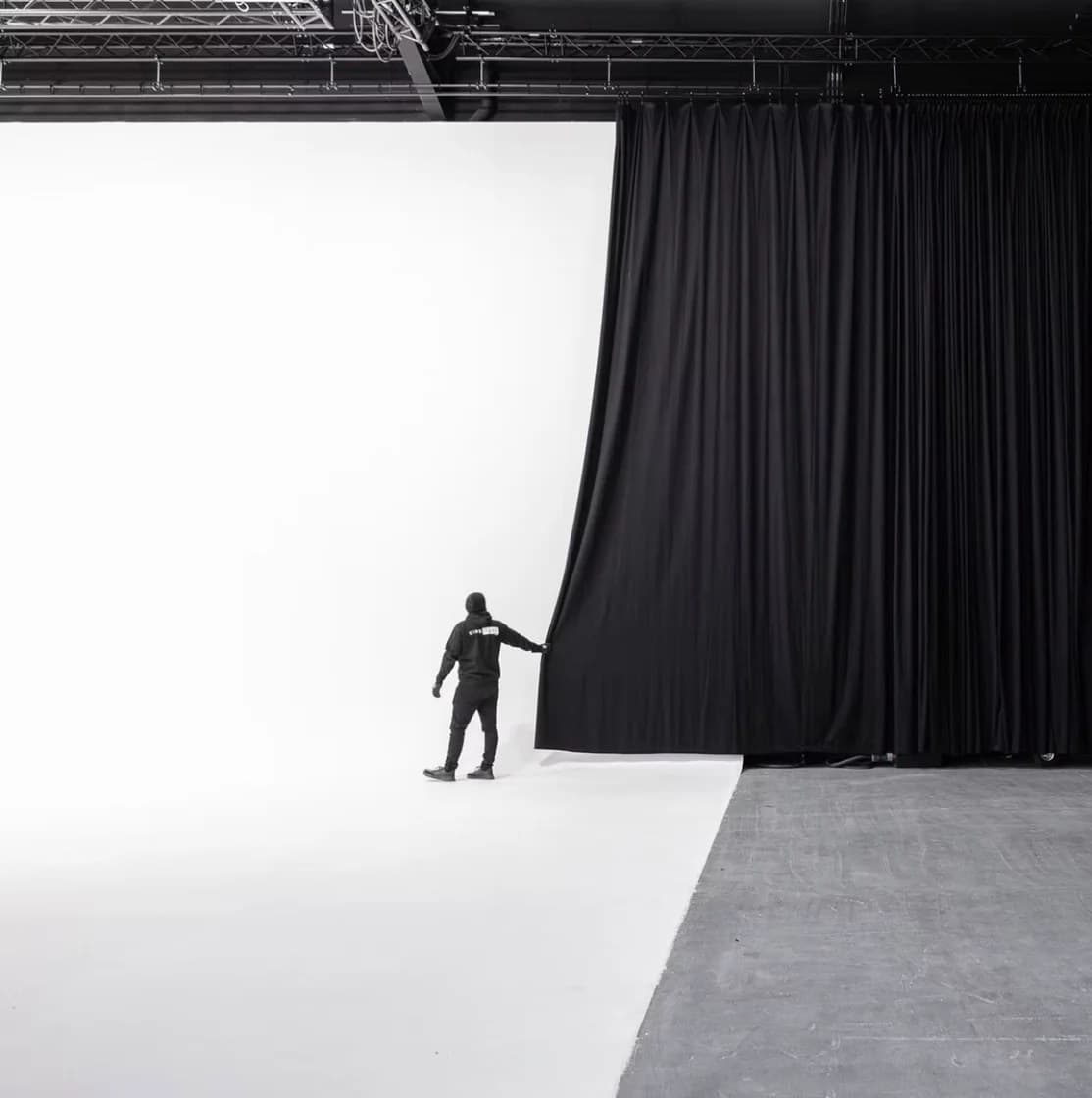
At Mammoth Film Studios, Studio 1 and Studio 2 show how this distinction plays out in practice. Studio 1 is an 8,000 sq ft stage with a 60 x 60 ft white infinity cove, full blackout via drapes, 24 ft grid height, 200A 3-phase power, motorised truss systems and drive-in access for larger vehicles. Studio 2 is a 5,000 sq ft blackout and virtual production stage with an in-house modular 8 x 4 m ROE 2.8mm HDR LED volume, 24 ft rigging height, steel beams, chain hoists, 63A 3-phase power and step-free access throughout. Those are different technical environments, so rate differences are expected.
Technical infrastructure
Studios with stronger infrastructure usually carry higher film studio charges because the building can do more without extra temporary kit. Power supply, rigging points, internal LAN, 12G SDI routing, dedicated streaming networks and hard-wired internet all affect what a production can achieve on site.
A stage with internal signal routing to production areas may reduce the need for workaround cabling or separate monitoring arrangements. Similarly, built-in blackout capability changes both setup time and lighting control in ways that can influence the overall production schedule.
Booking pattern
Half-day, full-day and multi-day bookings are rarely priced by simply dividing or multiplying a standard number. Prep periods, access windows, turnaround requirements and staffing cover all shape the final quote.
Longer bookings can change the structure of London studio pricing because the operator may account for continuous occupation differently from a one-day hire. Weekend use, night work and schedule changes can also affect the quoted total, especially where site staffing or security needs to be extended.
In-house services and specialist partners
Some studios operate as bare spaces, while others include integrated operational support. In-house rigging teams, exclusive lighting partners and specialist virtual production providers can alter both price and workflow.
That does not automatically make one model better. A production with a stable supplier chain may prefer to bring more in externally, whereas another may value the clarity of a studio where technical support is already aligned to the site. The difference becomes visible in the quote structure rather than in the headline alone.
Location, access and logistics
A London location affects more than postcode perception. Zone, transport links, drive-in access, unit vehicle movement and parking all shape crew time and site efficiency.
Close rail access can reduce call-time friction for crew and agency teams. On-site parking and vehicle access can matter just as much, especially for shoots involving set pieces, product deliveries, camera trucks or frequent load-ins. A stage that saves an hour at each end of the day may change the real production cost more than a lower listed hire rate elsewhere.
Comparing Studio Quotes: What to Look For
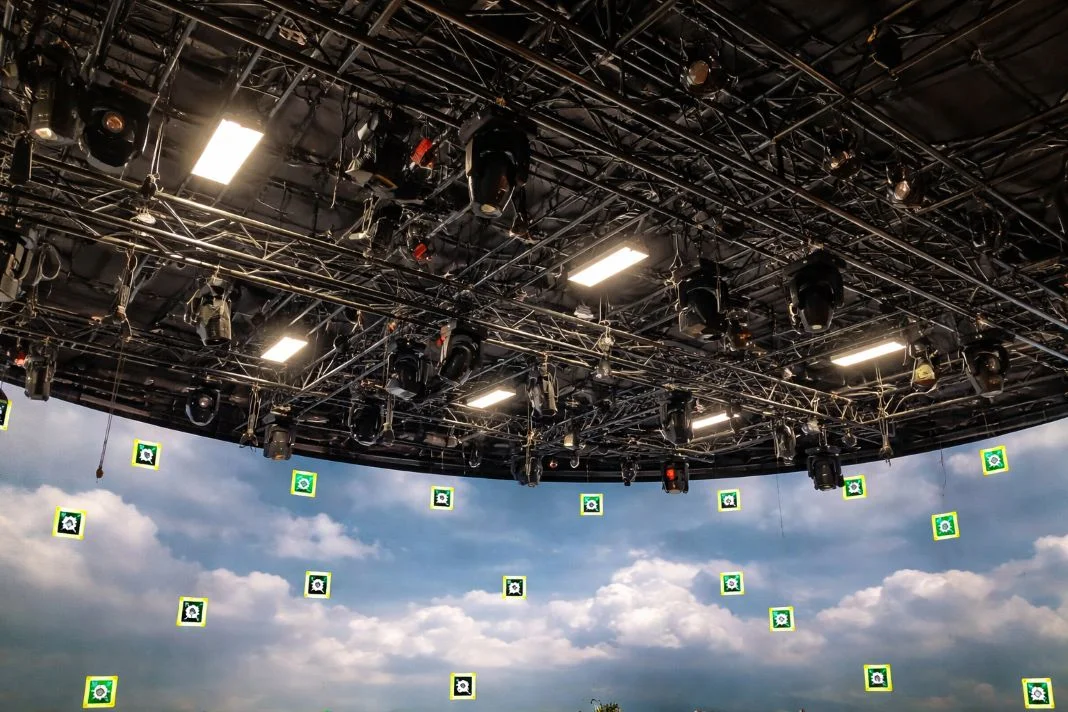
Two studio hire quotations can arrive with the same total on the first page and still represent very different offers. One may include meaningful production support, while the other leaves several cost lines to be added later.
A like-for-like comparison starts with line items. If the quote is short on detail, the safest assumption is that some elements still need clarification.
- Check the exact space being hired. Confirm square footage, stage type, blackout status, ceiling or grid height and whether any specialist features are included in the base rate.
- Review technical inclusions. Look for power availability, rigging access, internet provision, internal routing, LED volume access where relevant, and any staffing tied to those systems.
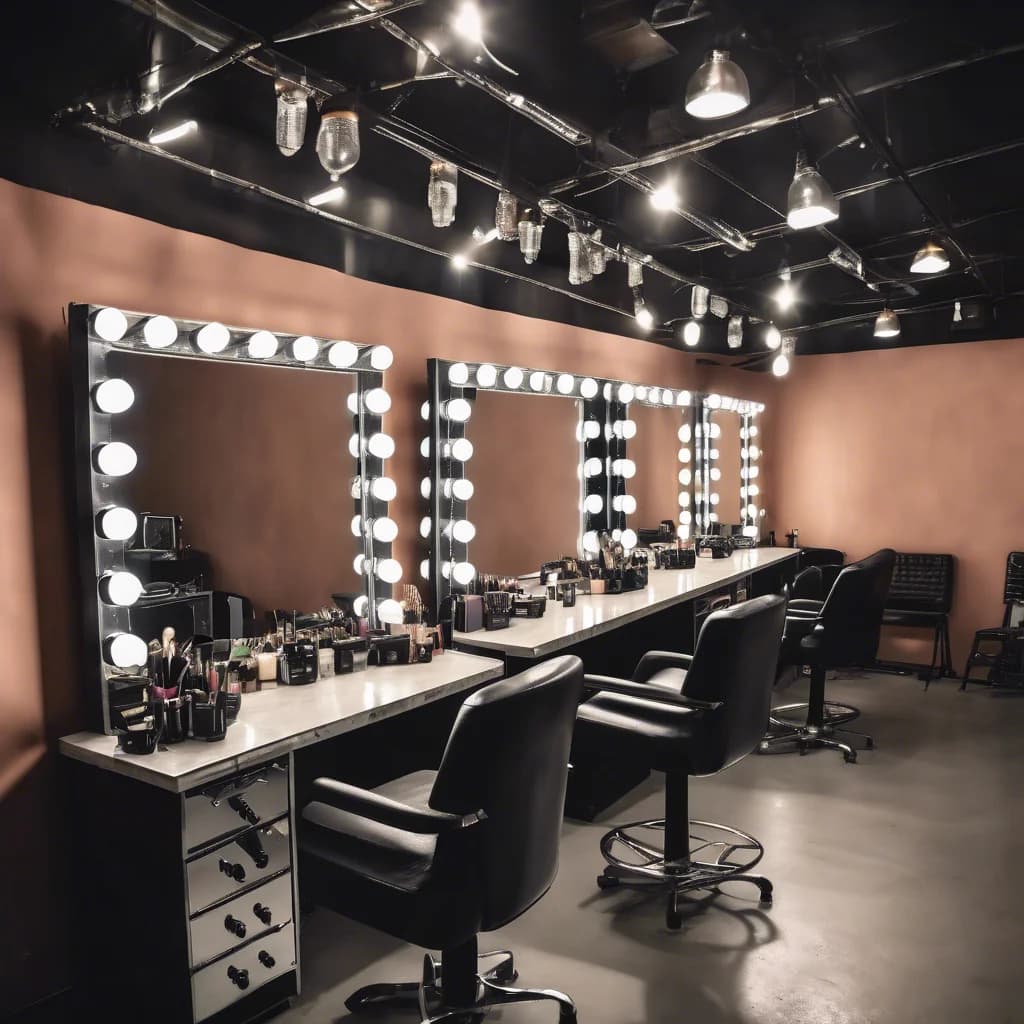
- Identify operational inclusions and exclusions. Parking, production office use, HMU rooms, client areas, cleaning, security and site management can sit inside or outside the hire cost.
- Read the time assumptions closely. Start time, end time, prep, strike, overtime thresholds and overage fees need to be clear before approval.
- Examine booking terms. Cancellation policy, date moves, payment schedule and liability wording can materially affect the true cost of the booking.
Technical breakdown matters because broad language can hide useful distinctions. "Studio access included" may mean access to the stage only, or it may extend to office areas, client rooms, separate photography space or support rooms that would otherwise need to be hired separately.
Conditional costs deserve close attention. These may include extra parking, out-of-hours staffing, specialist supervision, additional chain hoists, power distribution, lighting support or setup time for virtual production workflows. A cheaper base figure can shift quickly once those items are added back in.
Flexibility also belongs in the comparison. Some studio operators can accommodate revised call sheets, vehicle movements or live-streaming needs more easily than others because the site is structured for that kind of use. That difference may not appear in a single line item, yet it often shows up on the shoot day.
Operational Considerations: Beyond the Price
Studio hire is also an infrastructure decision. The rate matters, although the production outcome often depends on how the site functions once crew, talent, equipment and schedule pressure are all in motion.
Integrated systems can remove layers of coordination. If a stage has hard-wired connectivity, internal video routing, on-site rigging support and clearly defined production areas, teams spend less time building temporary solutions around the building. That can be worth more than a lower initial hire cost on paper.
Support structure matters in a similar way. A studio with an in-house rigging team and a known lighting partner offers a different operational model from a space where each technical element must be arranged separately. For virtual production, the distinction is sharper still. A blackout stage with LED capability becomes more useful when playback systems and on-set technical crew are already aligned with the space, rather than assembled ad hoc.
Access is one of the most underestimated parts of studio access planning in London. Drive-in capability, loading routes and parking influence call times, turnaround and how many assumptions a production can safely make. A site in Zone 2 with practical road access and nearby rail connections may support smoother movement for both crew and suppliers than a location that sounds convenient but proves awkward once vehicles arrive.
External flexibility can also have value, provided it is described accurately. Some sites can use parking space as conditional backlot overflow or support space when the schedule allows, which means that the production gains another operational option without relying on a permanent exterior build area. That distinction matters during planning.
Common Misconceptions When Comparing Studio Hire Rates
Misread pricing often starts with a few familiar assumptions. Most are understandable, but they can distort a production studio cost comparison if left unchallenged.
- Similar rates mean similar capability. Two London studios can charge within the same range and still differ sharply in power, rigging, blackout control, support rooms, parking and network infrastructure.
- A lower day rate always means lower hire costs. Extra charges for overtime, staffing, power, prep access or support spaces can change the final figure once the booking is fully specified.
- Virtual production capability and traditional stage hire are interchangeable. A specialist blackout stage with an LED workflow serves a different use case from a large-format white cove stage, so comparisons need to reflect intended production method.
- Operational support is a secondary extra. Site teams, rigging support and aligned technical partners often affect schedule reliability as much as the room itself.
- Every quote uses the same structure. Studio operators format their quotations differently, so absence of detail should be treated as a point for clarification rather than as proof that something is included.
Technical parity is often assumed where none exists. A traditional stage built for large-format shooting and a hybrid virtual production space may both be described as studios, yet the equipment, staffing and booking logic behind them are plainly different once the specification is examined.
Price transparency also gets misunderstood. A longer, more itemised quote can look more expensive at first glance simply because it exposes all the moving parts. A shorter quote may feel cleaner, although it can leave production managers carrying more uncertainty into the booking stage.
Editorial Closing: Rethinking Value in London Studio Hire
The most useful way to read studio value in London is to see the rate as a summary of space, systems and operational support. Price still matters, yet it only becomes meaningful once the quote shows what the production is actually receiving in return.
Infrastructure-led studios tend to make comparison easier because their offer is grounded in specification, workflow and access rather than vague positioning. For production teams, that usually leads to a better assessment of risk, fewer assumptions at booking stage and a stronger fit between the chosen stage and the demands of the shoot.
A careful reading of London studio pricing therefore starts with one principle: compare what the space enables, not just what the invoice headline says.