How should you book time for your studio set build?
Book studio time as separate blocks for access, build, pre-light, shoot, hold, strike and reinstatement. A set build in a hire studio works when each block has its own access window, crew plan and handover point, so usable camera time is protected before the call sheet is locked.
Table of Contents
Under-booking usually starts with one optimistic assumption: the shoot day has room for everything around the shoot. That assumption disappears quickly once unit vehicles arrive, scenic crew need access, departments overlap and the studio has to be handed back in a clear condition.
Your booking pattern should show when the production occupies the space and when camera work actually begins. Those are different planning questions. Once you separate them, the budget becomes clearer and the schedule stops relying on late fixes.
Overnight holds need the same discipline. Keeping a standing set, pre-light or rig in place between working periods is workable only when the hold has been agreed as a handover state, with access and condition spelled out before the room is left.
Studio access sets the calendar
Studio access is the first scheduling decision because it decides when the production can move, build and reset. A studio day buys controlled occupation, not a guaranteed full day of camera time.
In London Zone 2, that access decision has a practical edge. City-based crew, agencies and suppliers can reach the site efficiently, but the day still has to absorb loading bay sequencing, crew arrival, unit vehicles, parking allocation and movement between the stage, production office and client spaces. None of that is camera time, yet all of it sits inside the same booked occupation unless you separate it.
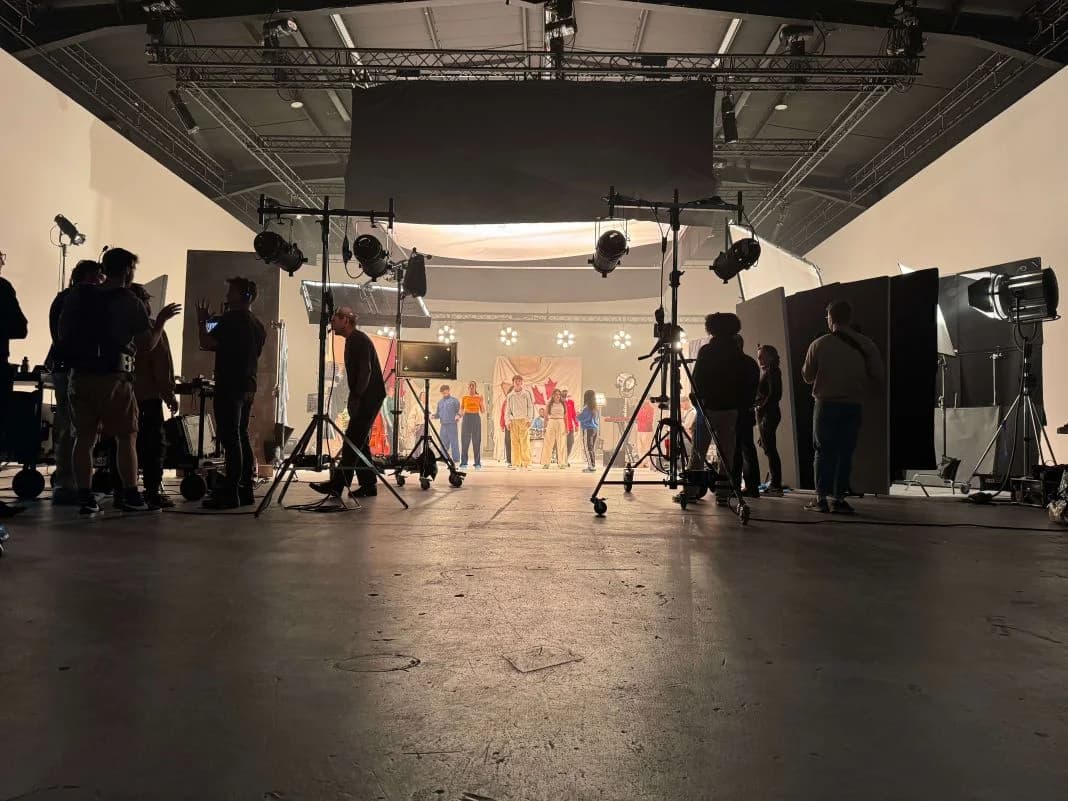
Mammoth Film Studios gives a useful London studio hire logistics example. Its hire is based on a standard 10-hour day, with overtime available. That headline day length gives you a commercial frame, but the production schedule still needs to state when vehicles arrive, when the stage opens to departments and when handover to the shoot team happens.
Call sheets work best when they reflect usable studio time rather than simple room access. Confirm access windows with the studio before crew calls are locked.
Build days need separate control
A build day is a managed working period with its own crew, access and handover. Once set construction in a studio involves flats, platforms, rigging, SFX or heavy components, the build needs a plan before anyone treats the shoot call as fixed.
HSE guidance for entertainment work states that the Construction (Design and Management) Regulations 2015 apply to construction projects that include building, fitting out and taking down temporary structures for TV, film and theatre productions. In practical terms, that means responsibility for the build plan has to be settled early and kept in line with the scale of the work.
For commercial production scheduling, the APA recommended terms identify prep, pre-light, construction or build and strike as non-shooting days, with an eight-hour non-shooting working day before overtime. That matters because a studio prep day and a shoot day carry different crew and timing assumptions.
A controlled build day usually runs in this order:
- Load-in and access control. Vehicles, bays and crew movement need a sequence, especially where scenic materials and camera or lighting equipment arrive close together.
- Scenic construction or fitting out. The construction manager and production designer need room to build, adjust and inspect before other departments crowd the stage.
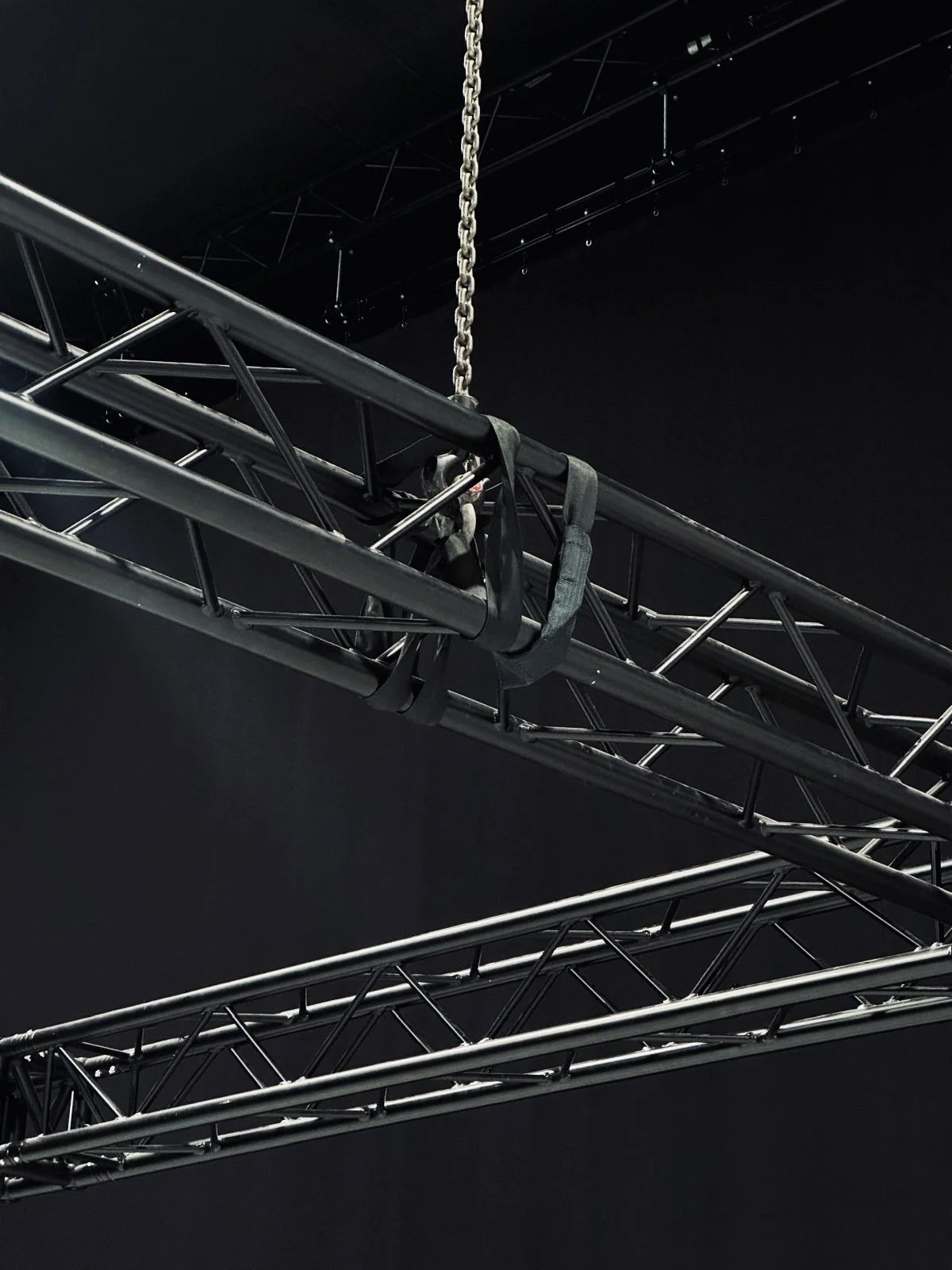
- Rigging, electrical supply and technical checks. The gaffer, rigging team and studio manager need agreement on what is being fixed, flown, connected or restricted before pre-light begins.
- Pre-light, dressing and department review. A pre-light before a studio shoot can sit inside prep or have its own booked period, depending on the scale of the rig and how much dressing needs to be protected.
- Completed-set handover for the shoot. The production designer signs off the finished set, and the studio manager confirms the stage rules and access arrangements that apply from that point.
Agree the handover before the shoot call, because a finished set still needs a clear route into camera work.
Overnight holds require handover
Suppose a dressed room set has been built on day one, pre-lit in the afternoon and held for a day two shoot. The hold needs to say what stays on the floor, which systems are isolated, who can enter and what condition the studio must be in when the next call starts. An overnight hold is a managed handover, not permission to leave a live set unattended.
The isolated set
A standing set in a studio can be simple if it is scenic retention with no live technical state. The situation changes when lights remain rigged, playback systems stay configured, blackout conditions have to be preserved or specialist supervisors need to approve the next use.
The handover normally sits between the production manager and studio manager, with the gaffer, construction manager, rigger or SFX supervisor involved where their work remains in place. Each department needs to know what it owns overnight and what has been made safe for the room to be left.
The next-call condition
Next-call condition is the practical test for an overnight hold. Access needs to work, dressing needs to remain as agreed, cleaning expectations need to be settled and any retained equipment needs clear boundaries around who can touch it.
Security and reinstatement should be discussed before the hold begins, because those details affect cost and permission to occupy the stage between working periods. The point is simple: the first scheduled activity on the next call should be able to start as planned.
Strike days protect wrap
When camera wraps and the set still has to be dismantled, loaded out, cleaned and handed back, strike becomes part of the production day unless you have booked it separately. That decision affects wrap margin, crew planning and the condition in which the studio is returned.
Strike day film production planning covers de-rig, set dismantling in a studio, waste removal, repainting where required, vehicle loading and final handback. A late or weekend strike also changes the shape of crew scheduling and studio occupation, so it belongs in the first budget pass.
Two booking patterns are available, and the difference shows up in wrap margin and handback.
A separate strike period is especially useful after a dark day, an overnight hold or a build with meaningful de-rig. Confirm the studio strike planning before the first build vehicle arrives.
The right studio changes planning
A hire studio for set build work has to match the whole booking pattern. The floor area matters, but the practical decision also turns on drive-in access, loading, parking, rigging route, blackout needs, technical supervision and how handback is handled after strike.
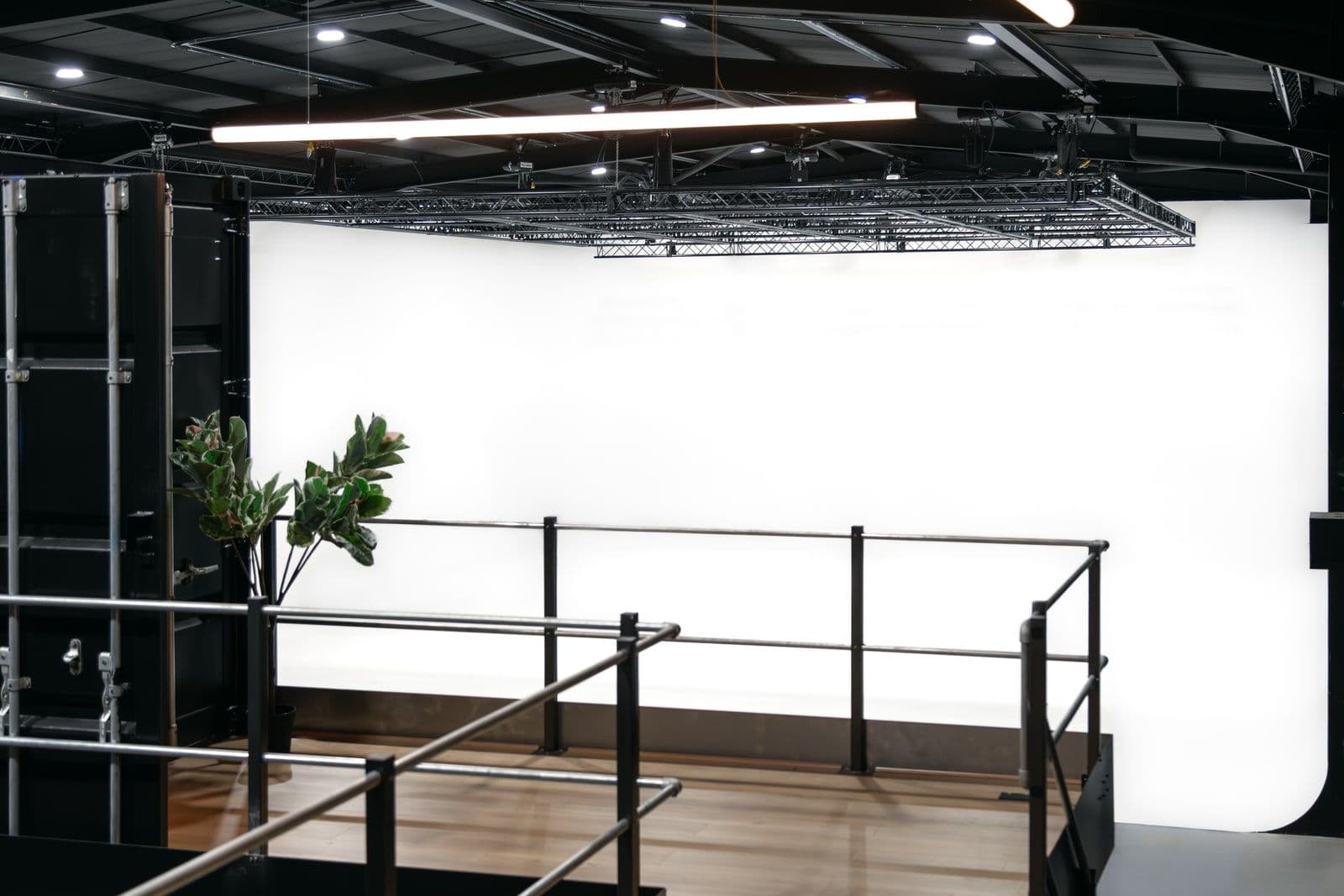
Mammoth Film Studios shows that separation clearly in a London Zone 2 setting. Studio 1 is the larger stage for cove and blackout work, with 8,000 sq ft of space and a 60 x 60 ft infinity cove. Studio 2 is a 5,000 sq ft blackout and virtual production stage with an 8 x 4 m LED screen and in-house virtual production support through Elsewhere Productions. Those two spaces create different prep, hold and handover questions.
The studio versus warehouse choice comes down to control. A warehouse may give you room, but a professional studio gives you production infrastructure, studio management and a known handback expectation. That becomes important when a standing set studio hire needs retained dressing one day, a technical reset the next and a clean strike after camera wrap.
The common misconception is that holding a set is mainly about having enough floor space. Floor space alone does no planning work. Access, technical state, supervision and reinstatement decide whether the hold protects the shoot or steals time from it.
Common questions about set build studio bookings
Can agency review run from a production area during the build?
Agency review can work during prep if the studio layout and access rules allow it. Build work still needs controlled movement, so client areas and production spaces belong in the schedule with their own access timings.
Does remote review change the studio specification?
Remote review changes the technical brief because playback, monitoring and network requirements need to be known before the booking is fixed. If approvals depend on live feeds or fast turnaround, agree those needs with the studio before the shoot pattern is costed.
Can a backlot area replace an exterior location?
A flexible external area can support controlled production use where the studio offers it and availability is agreed. It should be treated as a booked production space, with access, vehicles and handback covered in the same way as the stage.
Who agrees shared spaces such as HMU and client rooms?
Shared spaces should be agreed between the production and studio as part of the operational plan. They affect arrival timing, department movement and where people can work during build, pre-light, shoot and strike.