What makes a London car photography studio truly ready for your vehicle shoot?
A London car photography studio is vehicle-ready when access, floor area, electrical supply, lighting control, parking and production rooms work together. A shutter door helps only if the car can move safely to set, the lighting package can be supplied properly and the client team can review work without blocking the floor.
Table of Contents
Vehicle-ready means the whole production chain works
The vehicle arrives late, the lighting package is bigger than the recce notes suggested, the client wants live approval on site and the schedule has no spare hour for a slow get-in. That is the test for a car photography studio, because the weakness rarely sits in one feature. It sits in the link between the gate, the loading route, the cove floor, the electrical plan and the people moving through the building.
Vehicle-ready means the car can reach the set without improvisation, and the shoot can continue once it gets there. An infinity cove matters for clean automotive work, but it does not solve turning space, tyre marks, floor protection, reflections, repainting time or where the agency sits during client review.
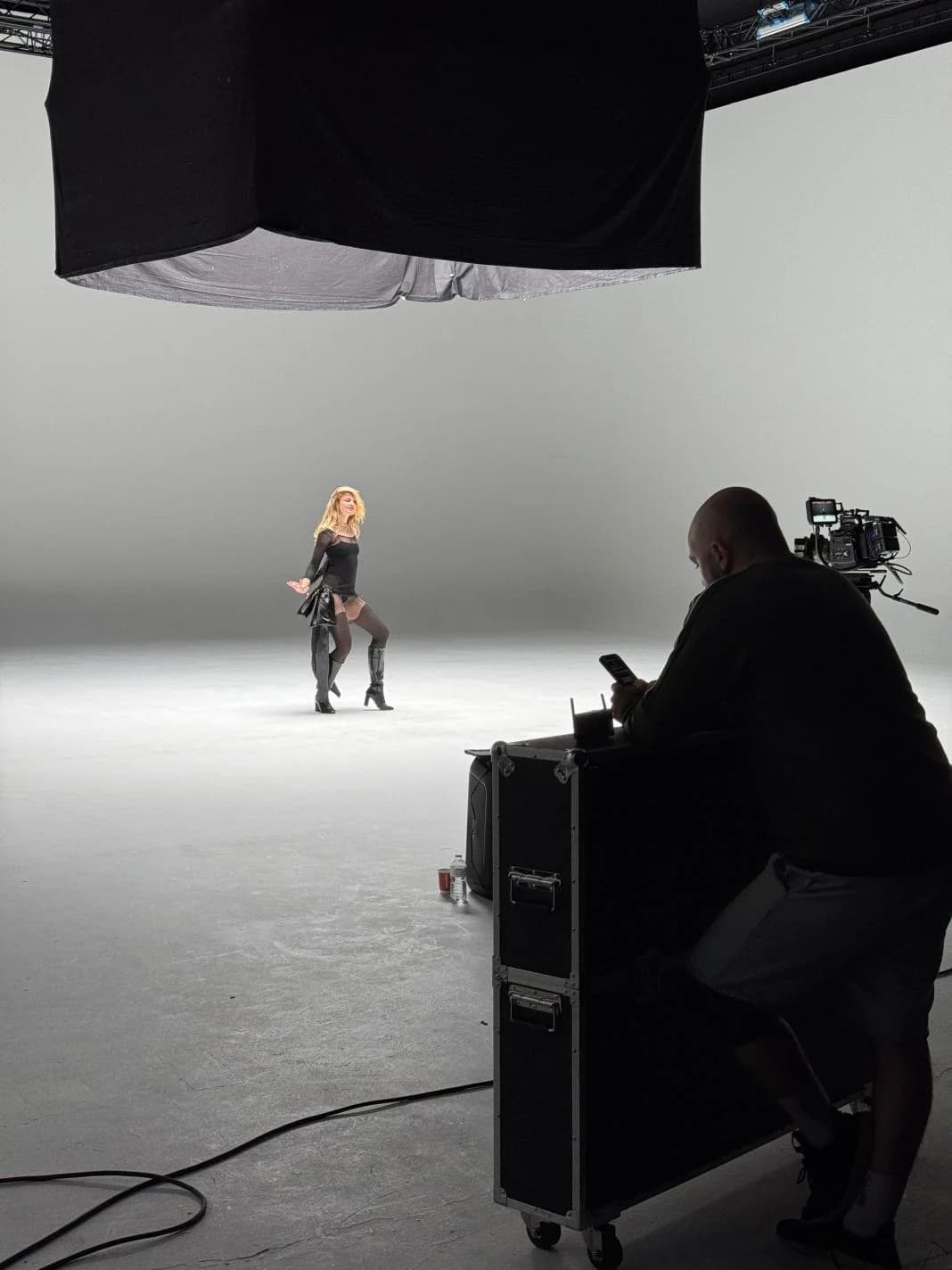
Mammoth Film Studios Studio 1 is a useful London example of the infrastructure-led version of this. Studio 1 has 8,000 sq ft of floor area, a 60 ft by 60 ft white infinity cove and a separate photography area, which means the cove is part of a wider working floor, not a visual feature in isolation.
A simple way to test a drive-in photography studio is to compare the headline with the production reality.
Car photography studio hire in London works best when those items are treated as one chain. A strong cove with awkward loading still slows the day.
Drive-in access has to cover the route, not the doorway
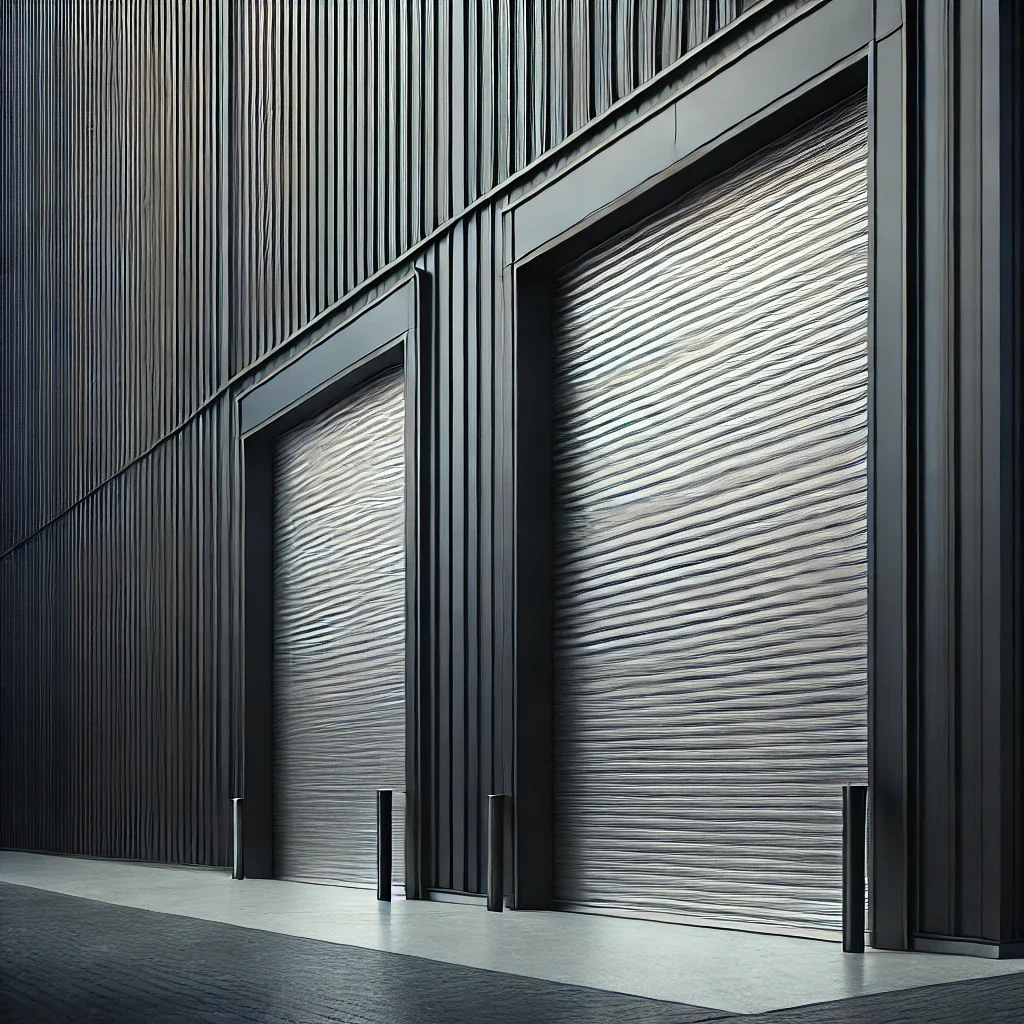
Drive-in access is useful only when the route works end to end. A London studio with drive-in access needs to handle arrival, shutter access, turning, unloading, floor protection, parking and crew flow without forcing the production team to solve basic movement on the day.
London Zone 2 matters here in practical terms. City-based crews, agency teams and suppliers may arrive by different routes, so proximity to the Overground and Jubilee lines helps people move, while on-site parking protects the vehicle plan from street-level pressure. For a car studio with parking, the parking is part of the shooting system, especially when unit vehicles and kit suppliers need predictable access.
Studio language can be loose. “Easy access” might mean a shutter exists, but a production manager needs to know whether the car can enter cleanly, whether a loading hold is available and whether a heavy goods vehicle can get close enough to unload without blocking the rest of the site. Studio 1’s vehicle access supports up to 18 t box vehicles, which gives a clearer production signal than a vague access claim.
Routine vehicle-entry checks belong in the conversation before the day: fuel level, drip tray, engine running, ventilation and who marshals movement on the floor. Those details do not make studio work difficult. They make the difference between controlled entry and a get-in that starts with guesswork.
Full electrical capacity means usable supply for the lighting plan
Full electrical capacity for what lighting plan? That is the question that separates a useful technical specification from a marketing phrase. Automotive lighting can involve large sources, reflection control, pre-light time, motion capture and client review, so the practical issue is usable supply, not a single number.
Supply is not distribution
A 3-phase electrical supply gives a production more capacity than a domestic-style supply, but it does not make every lighting plan workable by default. The gaffer and lighting supplier still need to know where the supply is, how it is distributed, which sockets are available and who is responsible for safe connection.
Studio 1 lists 200A 3-phase electrical supply, with production sockets placed across the working areas and Socapex, a multicore lighting connector, on the truss. For a car photoshoot lighting setup, that matters because the team can plan around specific connection points instead of finding late that the right supply is on the wrong side of the set.
Large source control also changes the calculation. Lighting a car is rarely about pointing fixtures at the vehicle; reflections, bodywork and glass mean the lighting plan depends on where units can sit, where they can be rigged and how much pre-light time the schedule allows.
Standards sit behind the planning
Temporary production electrics are a professional responsibility, even when the article you are reading is about studio choice rather than electrical design. The British Standards Institution describes BS 7909:2023 as guidance for setting up and managing safe and suitable temporary electrical systems in entertainment and similar production contexts.
Permanent studio installations sit in their own framework too. The Institution of Engineering and Technology identifies BS 7671, the IET Wiring Regulations, as the national standard for electrical installations in the UK. In booking terms, you do not need a compliance lecture; you need clear responsibility between the studio, gaffer and lighting supplier before the pre-light begins.
One studio booking can carry mixed deliverables only if the infrastructure matches the format
A vehicle shoot that starts as stills can become a motion day, a reveal film, a launch asset capture or a remote approval session inside the same booking. Once deliverables cross formats, the studio requirement grows beyond a clean floor and a good cove.
Stills work may need a large white infinity cove with space for controlled reflections and client review close to set. Motion adds rigging, blackout control, playback and a cleaner separation between camera floor and production areas. A car reveal brings timing, lighting cues and agency approval into the same environment, so traffic around the set becomes a production issue.
At Mammoth Film Studios, the distinction between Studio 1 and Studio 2 shows why one site may need more than one type of stage. Studio 1 is the large-format cove and blackout option for photography, commercials and traditional film production. Studio 2 is a separate blackout and virtual production space, with virtual production delivered through Elsewhere Productions, so it belongs in the conversation when the brief needs LED-based environments rather than a main white cove.
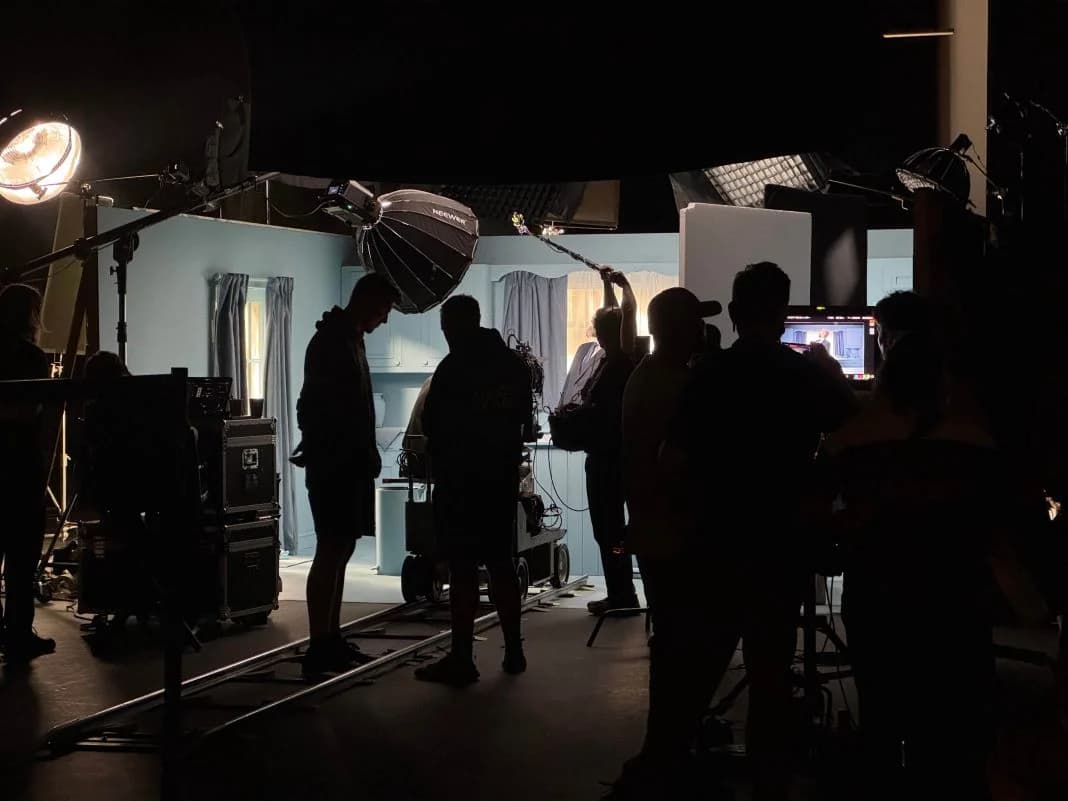
Routing and review matter more as the client group grows. Internal 12G Serial Digital Interface video routing, hard-wired internet and an internal local area network give production teams a cleaner way to support live review or remote approval than relying on ad hoc monitor feeds. For a vehicle launch studio, that can be the difference between a productive client area and a crowd forming beside camera.
Confirmation before pencilling dates reduces technical unknowns
The right studio is easier to pencil when the technical unknowns are reduced early. A production manager does not need every department to solve every detail before dates are held, but the main constraints need to be visible enough for the recce to mean something.
Use this as a compact drive-in studio hire checklist before the booking moves forward:
- Vehicle route: Confirm entry, internal movement, turning space and where the car waits before going on set.
- Weight and handling: Ask about vehicle weight limits, fuel level, drip trays, engine running and ventilation as routine studio confirmations.
- Cove condition and floor protection. Tyre marks, repainting time and any protective surface need to be agreed before the vehicle reaches the floor.
- Lighting and electrical plan: Share the intended draw with the gaffer, lighting supplier and studio manager so distribution is planned before pre-light.
- Rigging and blackout. Match the creative treatment to the available rigging route and light control, especially for motion or reveal work.
- People flow: Check parking, client area, production office and overtime assumptions so the agency group and crew do not compete for the same space.
- Review workflow. If live review or remote approval is part of the day, confirm the monitor route, hard-wired internet options and production room layout.
Over the next 12 to 24 months, London automotive studio work will depend more heavily on mixed stills-and-motion schedules, reliable connectivity, remote approval and flexible lighting infrastructure. Drive-in access will still matter, but the studios that hold production value will be the ones where the vehicle route, electrical plan and review workflow have been built to function together.
Common questions about London car photography studio hire
Can you drive a car into an infinity cove studio?
Yes, if the studio has proper vehicle access and the cove floor can be protected for the shoot. The useful question is how the car reaches the cove, where it turns and what condition the cove needs to be in before and after the booking.
Does every car photoshoot need a 3-phase electrical supply?
No single answer fits every lighting plan. A small stills setup may be lighter, but larger automotive lighting, motion work and pre-light plans need the gaffer to confirm the required draw and distribution before the studio is booked.
Is blackout needed for automotive photography?
Blackout is useful when the brief needs tight lighting control, motion work, reveal cues or controlled reflections. A white cove can still be the right choice for many car stills, provided the studio can control spill and manage reflections properly.
How much parking does a vehicle shoot need?
Parking depends on the hero vehicle, unit vehicles, crew size, agency attendance and supplier movements. For London automotive shoot studio hire, on-site parking reduces pressure on the get-in and keeps the shoot day less exposed to street access problems.
Can a vehicle photoshoot studio support remote client approval?
Yes, if the studio has the right routing, production areas and wired connectivity for review workflows. Remote approval should be treated as part of the technical recce, not as an extra decided after the set is built.
This is general information, not professional advice.