How should you judge a large photography studio in London?
Judge a large photography studio by whether it can carry the whole production. Headline size is secondary. Check usable shooting space, cove or blackout control, access, crew routes, support rooms and technical supply together, because a big set fails when one part of that system cannot keep pace.
Table of Contents
Large means the whole studio system can carry the job
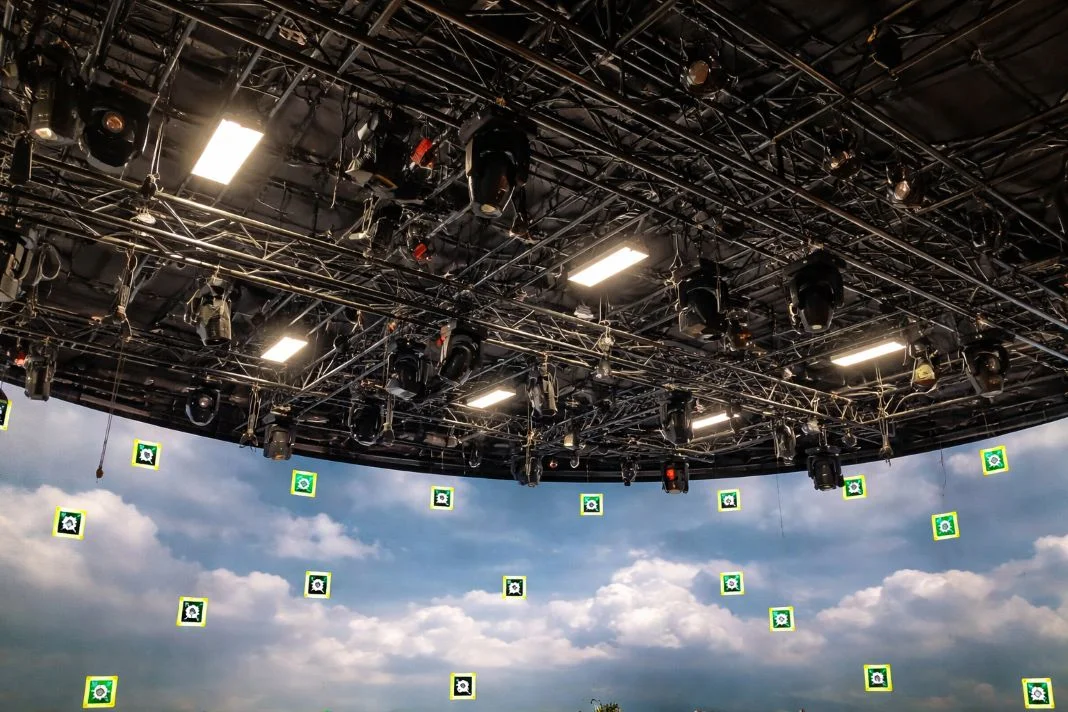
“Large” gets used loosely in studio listings. A floor area figure can look convincing, then lose its value once the set footprint, camera position, lighting stands, crew circulation and department space all enter the same room.
A useful assessment separates three things: the shooting area, the cove or blackout environment, and the wider site. Total building size is rarely the same as usable floor area. A large studio for photoshoot work needs enough clear space for the set and enough working space around it, so the crew is not solving layout problems all day.
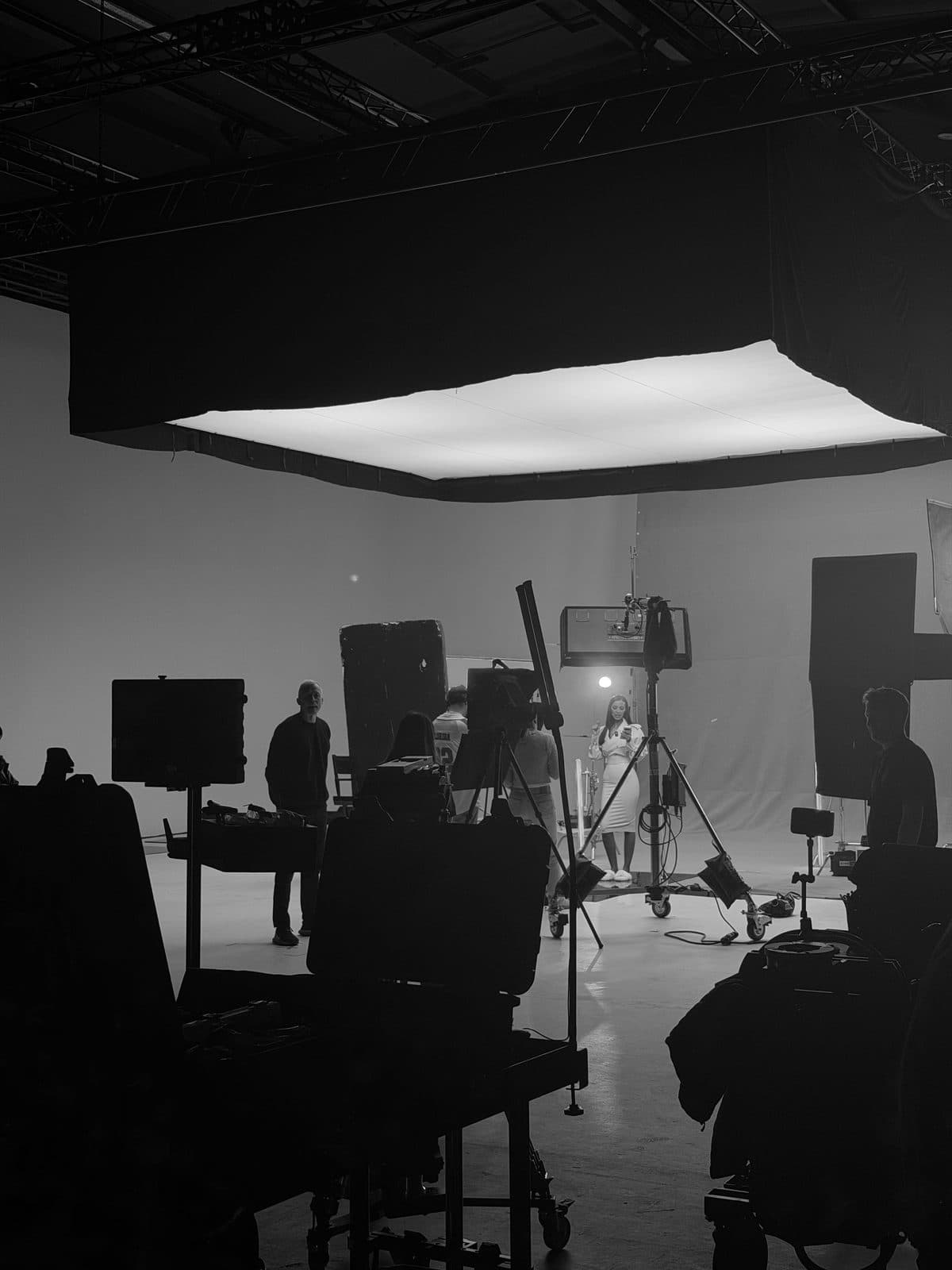
Full-crew production also needs separation. Styling, hair and make-up, client review, production office work and holding space all compete for attention if they sit on top of the set. A big photography studio in London earns its keep when those functions have places to go.
That is why large photography studio hire London searches should lead to a suitability check, rather than a hunt for the largest number on a page.
Size, cove and blackout spec decide whether the set can breathe
A large set can fail in a room that looks big on paper if the camera, lighting and crew have nowhere to sit. Floor area matters, but width, depth, height and control decide whether the stage works under real production pressure.
Use the studio specification to test the job in practical terms:
- Usable floor area. Usable floor area must hold the set footprint, camera distance and crew movement without forcing every department into the same path.
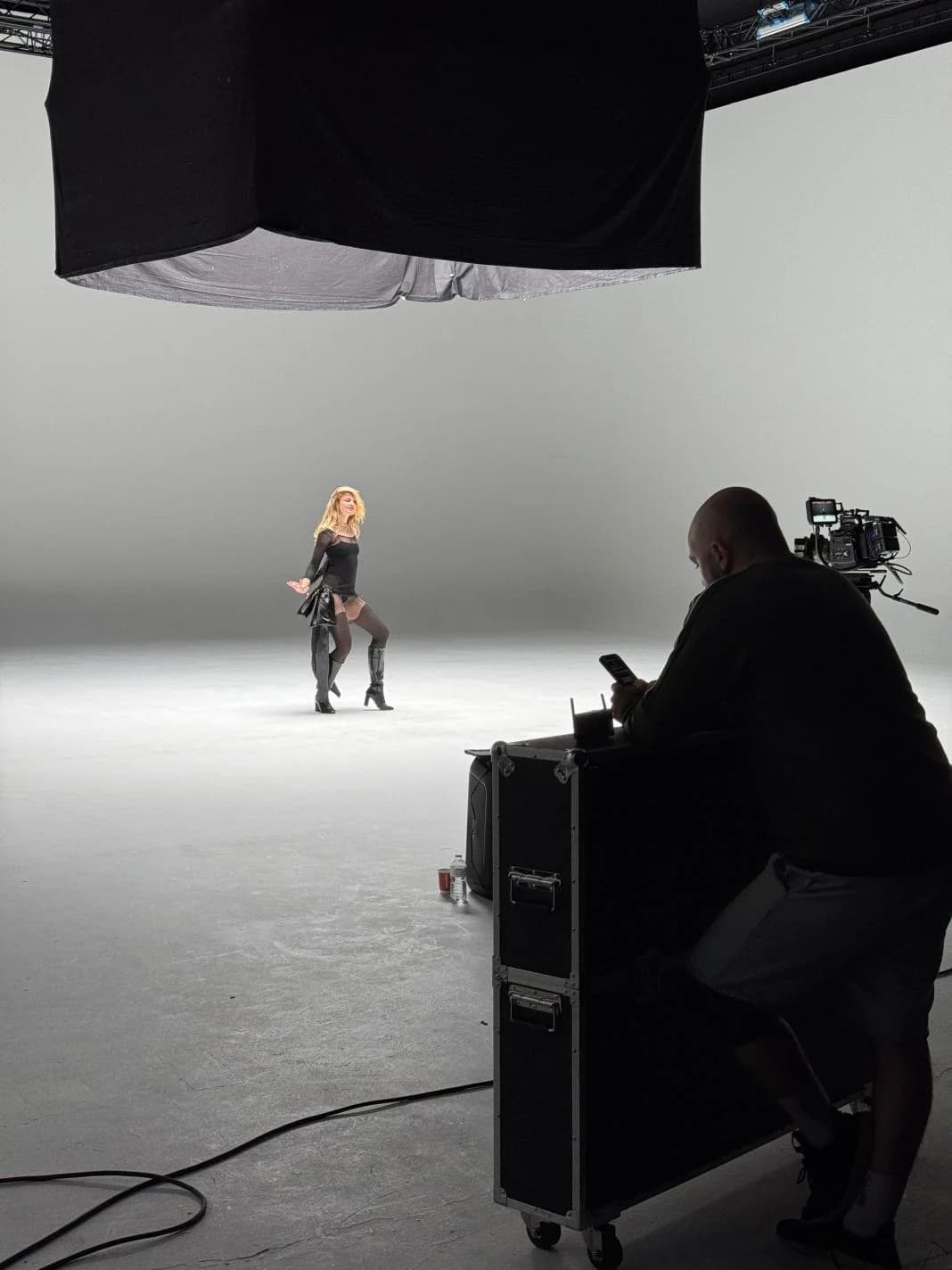
- Cove geometry. An infinity cove or cyclorama gives a clean continuous background, but its width and depth still need to match the lensing distance and subject scale.
- Blackout control. A blackout stage or blackout drapes give the lighting team control over spill, reflections and repeatability across long shoot days.
- Height and rigging. Grid height and overhead rigging decide what can be hung, shaped and kept out of frame, especially on vehicle, product and lifestyle sets.
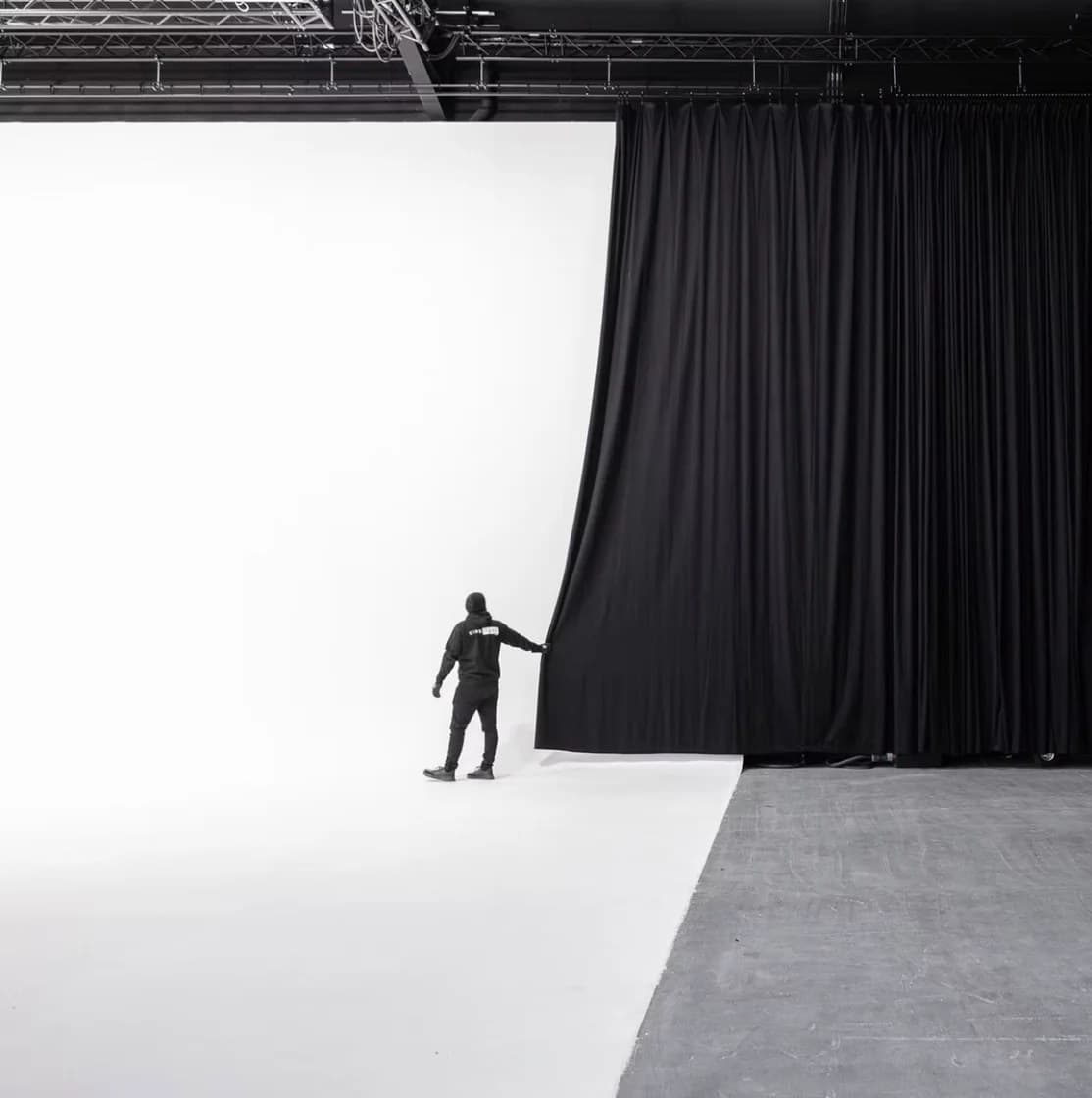
Mammoth Film Studios Studio 1 is a useful London SE8 example of this traditional large-format setup: an 8,000 sq ft stage with a 60 x 60 ft white infinity cove, full blackout via drapes, 24 ft grid height, motorised truss systems and 200A three-phase electrical supply. Those details matter because they affect working distance, lighting placement and set build clearance. They are not decorative spec sheet language.
A large commercial photo studio should make the relationship between the cove, the blackout option and the grid height clear before the recce. If those elements are vague, the room may still be large, but the production has less control.
Access, parking and crew flow remove the bottleneck at the door
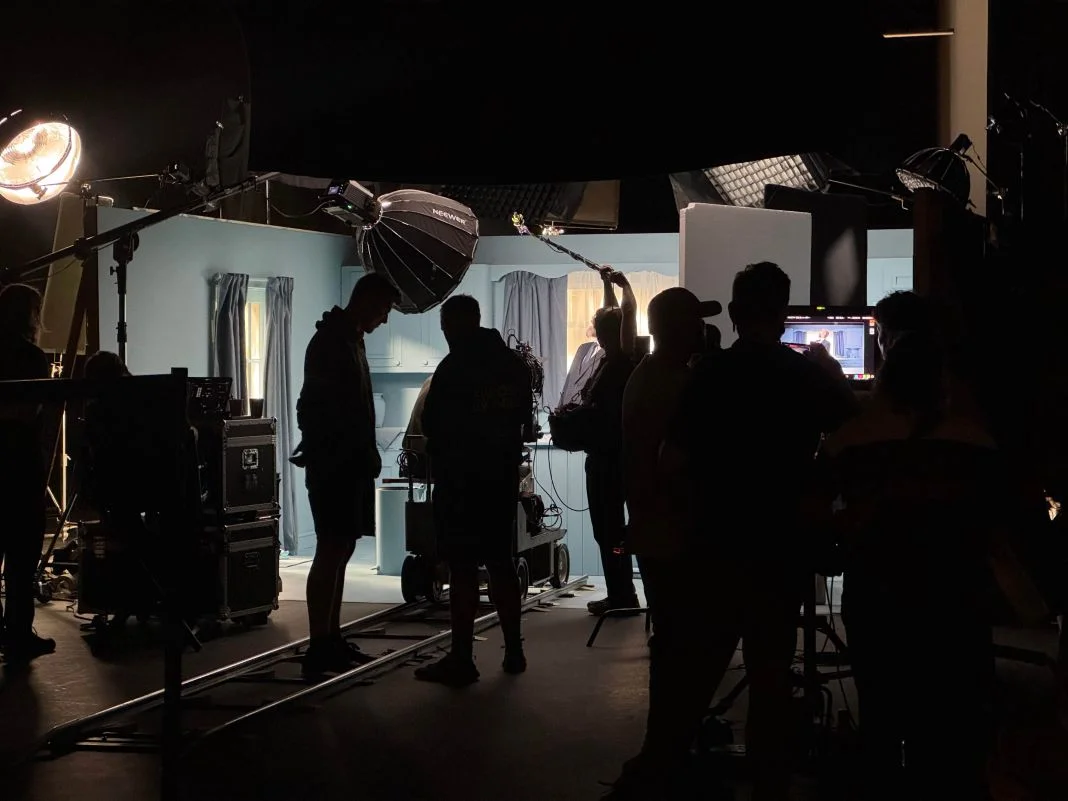
Kit arrives, vehicles queue, suppliers need clear loading, agency teams turn up, and departments start claiming space before the first frame is made. The studio either absorbs that movement or becomes the bottleneck.
London Zone 2 access has practical value for city-based crews, agencies and suppliers when the site supports the load-in properly. Drive-in access, loading bays, on-site parking and sensible internal routes do more than make arrival easier. They protect the shoot day from avoidable delays.
Here is the useful way to read common studio wording.
Vehicle movement needs proper control on any large studio shoot. The Health and Safety Executive says pedestrians and vehicles should be separated wherever possible, and loading areas should have enough room for vehicles and people to move safely. A competent studio treats that as routine site management, not as a favour to the production.
For studio hire for full crew work, access is part of the stage. A London studio for set builds has to handle arrival, holding and movement with the same seriousness as the shooting floor.
Technical infrastructure separates a working stage from a big room
During a recce, the useful question is simple: what is actually available once the lighting plan, client feed and data workflow are known. A large empty room can look workable until the production asks for electrical supply, routing, monitoring and technical support at the same time.
Electrical supply, rigging and lighting readiness
Three-phase electrical supply is a planning check, not a badge. Some stills jobs need modest distribution, while larger lighting packages and temporary setups require closer coordination between the production team, the studio and the electrical crew.
The British Standards Institution’s BS 7909:2023 code covers temporary electrical systems for entertainment and related work. You do not need a standards lecture during a studio search, but you do need confidence that the stage, supply and distribution plan will be handled by people who know that framework.
Rigging also deserves scrutiny. A studio with high grid height gives the lighting and set teams more options, but the real question is what can be safely hung, where it can be positioned and who manages the rig. Lighting support through a defined partner, such as Cinelight London at Mammoth Film Studios, can give production teams a clearer line of responsibility than an open-ended dry hire arrangement.
Connectivity, routing and monitoring
Connectivity means more than crew Wi-Fi. For commercial photography studio hire, you may need hard-wired internet, an internal local area network, a dedicated streaming network or a reliable feed into production areas.
Professional video routing also changes how the site works. 12G SDI video routing, meaning a high-bandwidth signal path for monitoring, can keep client review and production oversight away from the shooting floor when the setup supports it. That becomes important when agency, brand and technical teams all need visibility without crowding the set.
Mammoth Film Studios makes the split between production modes clear: Studio 1 serves large-format cove and blackout work, while Studio 2 is the blackout and virtual production stage. If the brief involves a ROE 2.8 mm HDR LED volume, supervision through Elsewhere Productions and on-set playback are part of a different workflow from a standard stills cove day.
Technical readiness is easiest to judge when the studio can say what is installed, what is included and what needs to be planned separately.
The real hiring decision is whether the studio can carry the production
The better question is not “How big is the studio?” The better question is “Can this stage carry the production from load-in to wrap without forcing compromises that were avoidable at booking stage?”
For a large photo studio for big sets, that means the space must match the set, the lensing distance, the lighting plan and the crew pattern. For a London photography studio for full crews, it also means access, parking, holding areas and production rooms have to work under pressure. A blackout stage, a white cove stage and a virtual production stage solve different problems, so treating them as a hierarchy is a weak way to choose.
Studio 1 and Studio 2 style decisions belong early in the planning. A large-format stills stage suits one kind of commercial studio hire London brief; a blackout virtual production stage with an LED volume suits another. Virtual production is a practical production tool when the brief needs it, not a universal answer.
Large studio hire for production teams is infrastructure selection. The right stage is the one whose space, access and technical systems match the job before the crew arrives.
Common questions about large photography studio hire in London
Can you drive a car into a photography studio in London?
Some large studios offer drive-in access, but you need to check the stage, loading route and vehicle limits for the specific room. Drive-in access matters for vehicle photography, large props and set build materials as much as for cars appearing on camera.
Does every big shoot need three-phase electrical supply?
No. The need depends on the lighting package, temporary electrical setup and how the production distributes its load. A proper studio conversation should test the electrical plan against the actual brief.
What facilities should a full crew expect from a large studio?
A full crew needs more than the shooting floor. Production office space, styling, hair and make-up, client areas, toilets, parking and clear loading all affect whether the day runs cleanly.
Is blackout always needed for commercial photography?
Blackout is useful when the lighting team needs control over spill, reflections or repeatability. Some shoots can work without it, but any brief involving controlled light should confirm the blackout setup before booking.
How far ahead should production teams assess access and logistics?
Access and logistics should be assessed before the studio is treated as a serious option. Loading, parking, crew flow and client movement can change whether a large-looking stage is workable for the brief.
This is general information, not professional advice.