Will a prepared lighting setup cut your shoot costs?
Yes, if the prepared lighting setup cuts rig time, crew waiting time and schedule risk. Pre-lit studio hire means the studio has agreed a usable lighting state before the shoot, but the saving depends on exactly what is rigged, powered, controlled and ready when your crew arrives.
Table of Contents
On a real shoot, the phrase can mislead. A producer sees “lighting included” on a quote and assumes the lighting job has been solved. Then the team arrives and learns that the kit exists in the building, while rigging, control and changes still need arranging.
Your budget cares about the working day. A pre-lit setup earns its keep when it gives your gaffer and production team a known baseline, with fewer unknowns during setup and fewer reasons for the schedule to slide.
Producers already know that a cheap line item can become expensive once people wait around. The useful question is whether the studio is selling a room with some kit available, or a stage state that has been prepared for the shoot you are booking.
A pre-lit studio starts with a defined lighting state
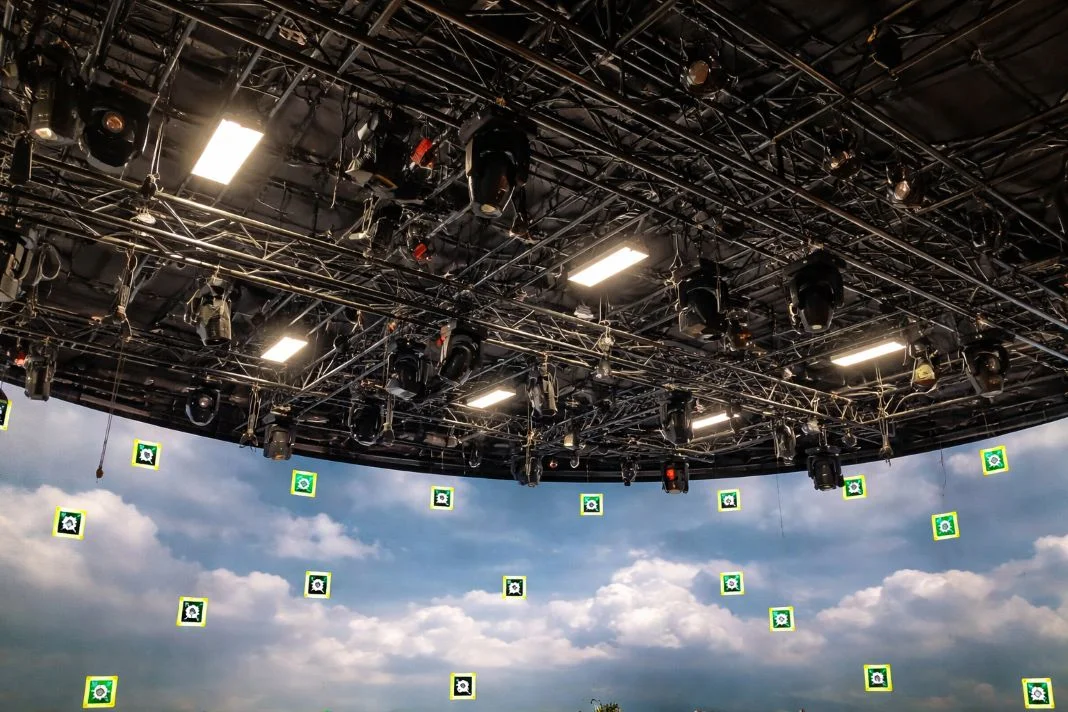
Pre-lit studio meaning varies because the phrase has no fixed commercial value until the quote explains the setup. In plain working terms, a pre-lit film studio gives you an agreed lighting state before your shoot starts.
One booking might cover a simple interview arrangement. Another might involve pre-rigged studio hire for a larger stage where fixtures, control and access have been planned around the production. Both can be useful, provided the baseline setup matches the job.
A useful pre-lit quote defines the lighting state, not just the presence of equipment. That wording matters because “pre-lit” should tell you what condition the stage reaches before your crew starts work.
Ask for the practical boundaries in writing. The quote should say what setup time is covered, where rig time sits, whether pack-down time is part of the hire period, and what changes trigger extra labour or hire.
Where pre-lit hire works well, the lighting package gives the production a clear starting point. Where the wording stays vague, your team has to price the uncertainty themselves.
Pack-down deserves the same attention as setup. A studio that looks efficient at call time can still create a cost problem if wrap expectations, access windows or reset needs have been left loose.
Hire inclusions need operational proof
The word “included” needs production detail before it helps your budget. A studio lighting package has to show what is usable on the day, who controls it and which changes sit outside the agreed hire.
The table below compares vague quote wording with useful operational confirmation.
For London studio hire with lighting, infrastructure can matter as much as the kit list. Drive-in access, production areas and a stage that can take the planned rig all affect whether the booking saves time or simply moves work into a different line of the quote.
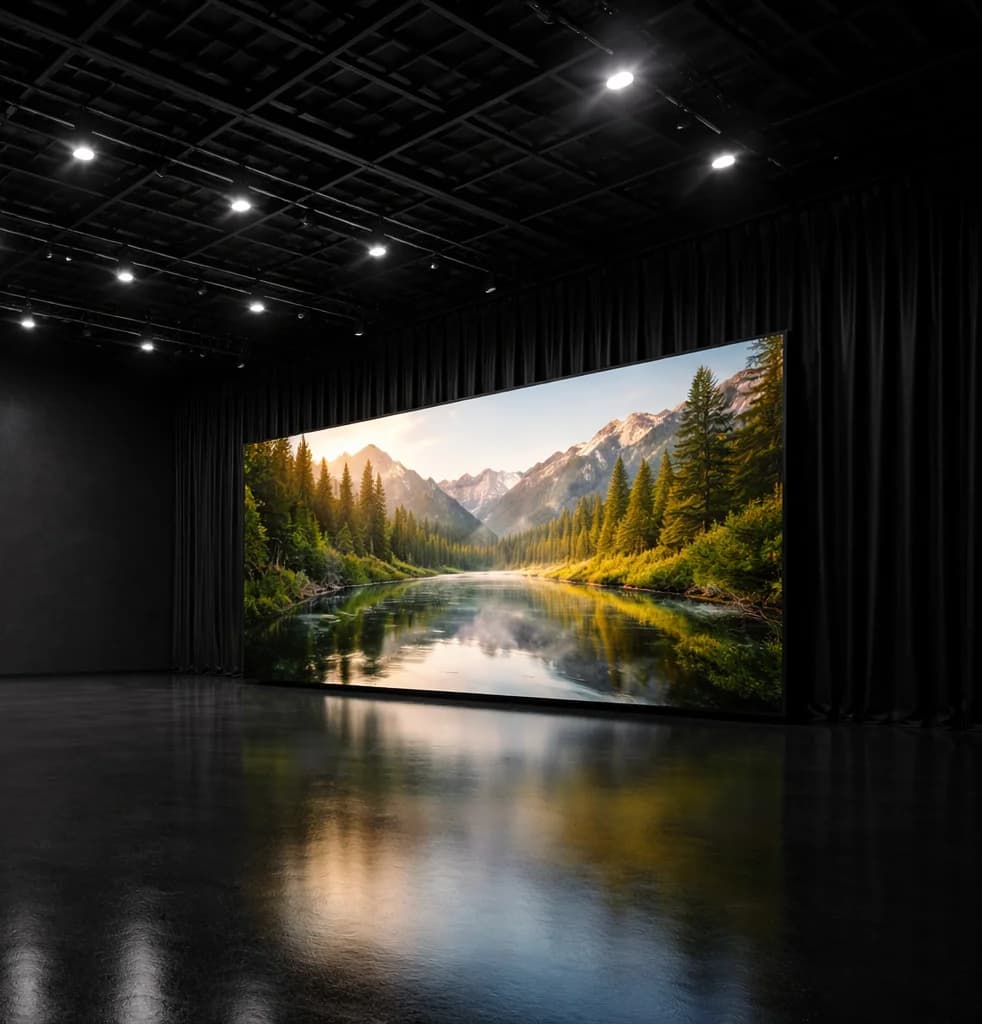
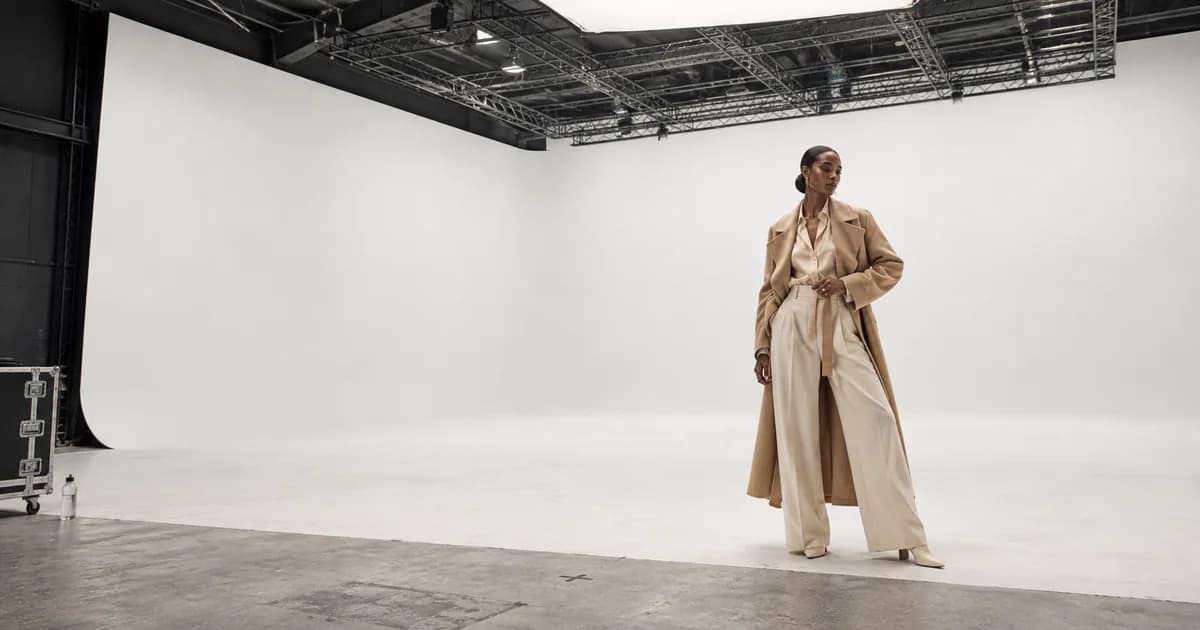
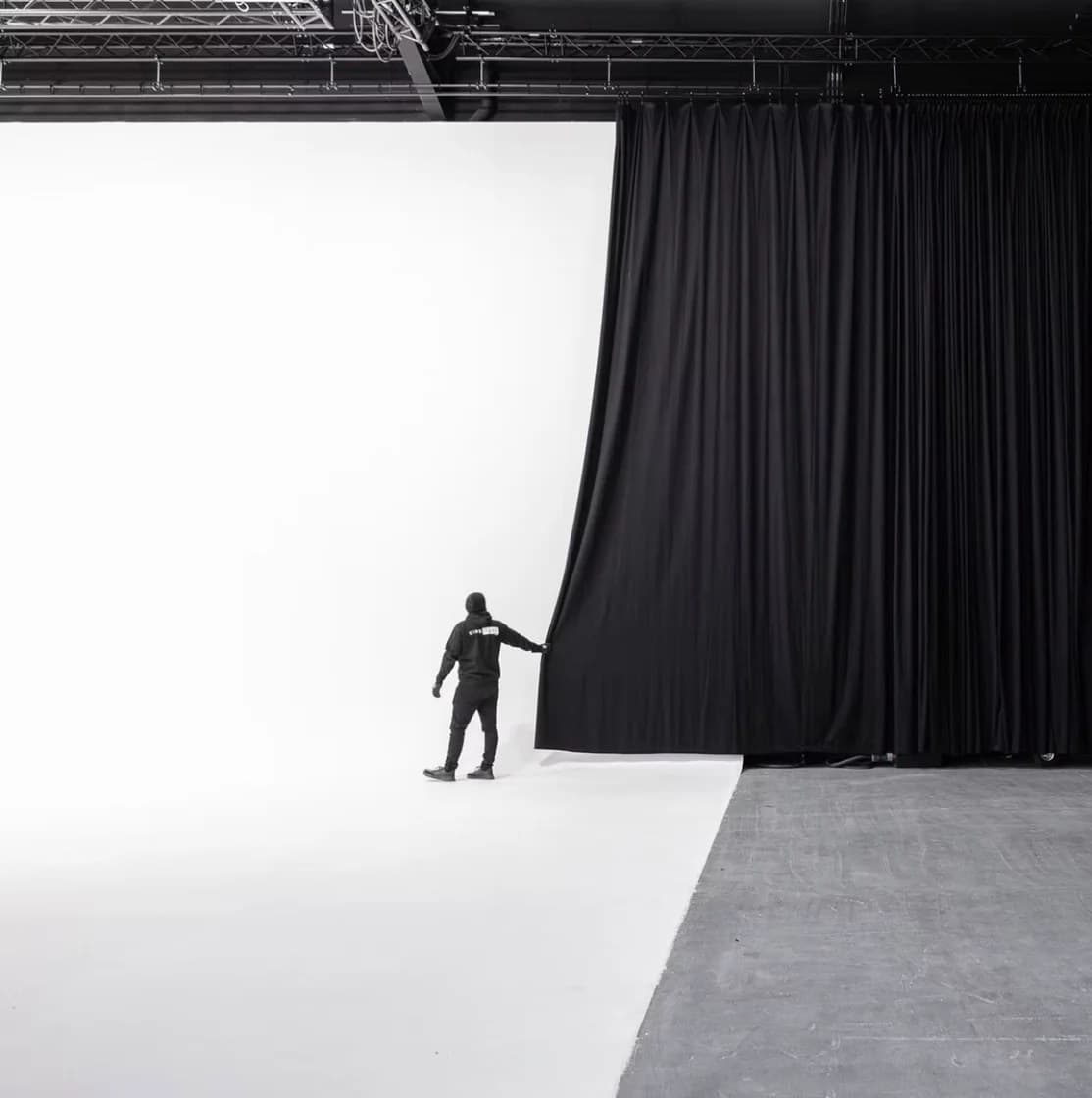
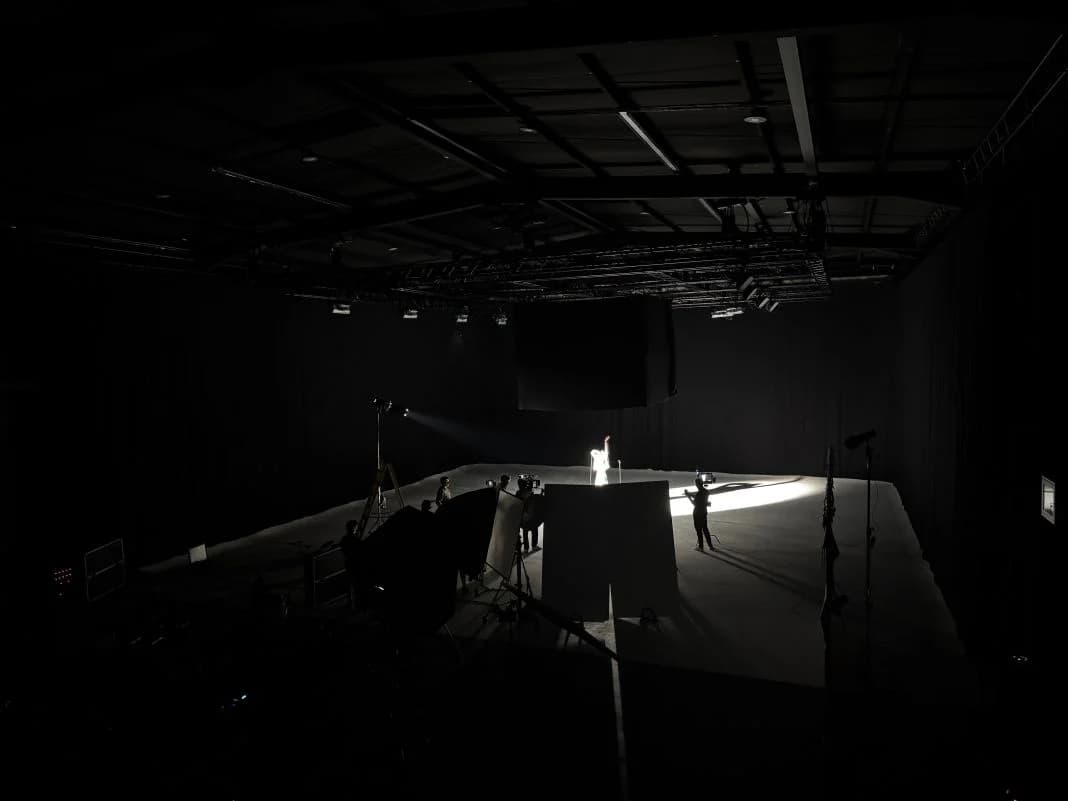
Mammoth Film Studios is a useful London example because its two stages serve different production needs. Studio 1 is an infinity cove and blackout stage, while Studio 2 is the blackout and virtual production stage. That distinction matters when you are comparing pre-lit studio inclusions against the actual shoot plan.
A strong quote separates the base studio hire from extras such as extra fixtures, desk operation, additional electrical distribution or technical crew. That separation lets you compare options cleanly before a low headline rate pulls attention away from the real production cost.
Lighting changes still need crew ownership
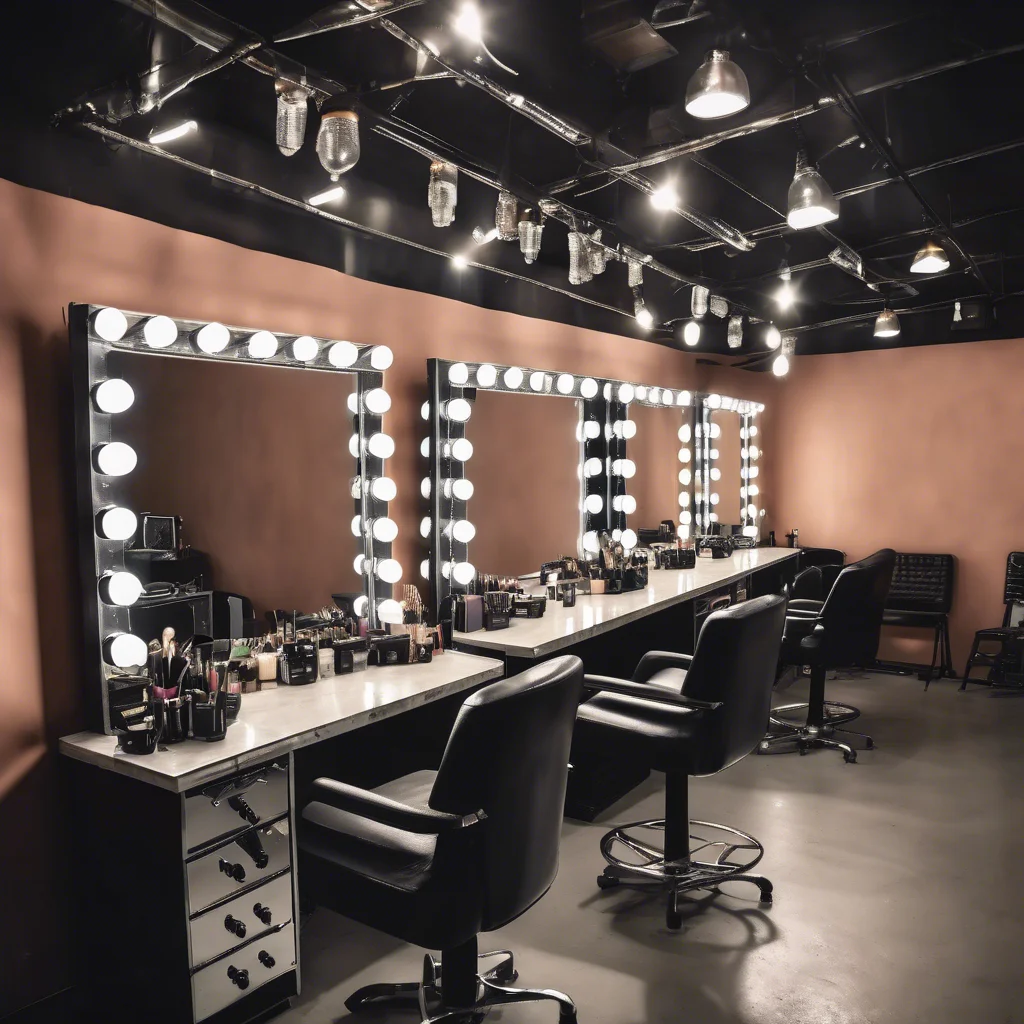
Pre-lit hire changes the lighting department’s work. On professional shoots, the gaffer still needs authority over the lighting plan, and the production still needs named responsibility for changes, rigging adjustments and electrical setup.
Creative control stays with the production
A prepared rig can be shaped, softened, supplemented or reduced once the camera plan and art direction are locked. The problem starts when those changes are assumed inside the booking, then priced later after the schedule is already built.
Bring your own lighting kit if the studio allows it and the integration has been agreed. The important part is who takes responsibility for how that kit joins the existing setup, including patching, control and any extra labour.
Pre-lit studio crew requirements depend on how far your shoot moves from the baseline. A gaffer may spend less time building from scratch and more time refining the prepared setup, which is exactly where a planned lighting state can protect the day.
Electrical supply and rigging responsibility must be clear
Temporary electrical systems for entertainment and related production work are covered by BS 7909:2023, which gives recommendations for their management, design, setting-up and operation. For a producer, the practical takeaway is simple: the person responsible for electrical distribution and sign-off has to be named.
Rigging changes need the same clarity. If the shoot calls for flown fixtures, altered positions or additional loads, the booking should confirm who approves the change and who provides the labour.
Control should be agreed before the booking is locked, especially where the lighting desk, dimming, brought-in kit or technical crew sit outside the base hire.
Money is saved in the working day
A lower studio rate pulls attention because it is easy to compare. Real savings appear when pre-lit studio hire reduces paid time across the working day, especially the time lost to setup changes, crew waiting and overruns.
Pre-lit studio hire saves money when it protects the working day, not when it merely adds a lighting line to the quote. The September 2026 Advertising Producers Association crew terms list a gaffer at £585 maximum basic day rate with £73 standard hourly overtime, which shows why even a small overrun can matter once the wider crew and production team are still on the clock.
Pre-lit studio cost saving usually comes from these conditions:
- Shorter rig time: The baseline lighting state already covers most of the plan, so the department can refine it and move into shooting sooner.
- Lower overtime exposure: Late setup changes can push beyond the lighting team and affect production, agency time, client approvals and wrap.
- Less supplier friction: Fewer emergency hires and fewer deliveries make the day easier to hold together.
- Cleaner reset time: Repeatable setups help where continuity matters across takes, scenes or multiple content units.
Film studio hire cost logic gets weaker when the lighting plan will be fully replaced. A major scenic build, complex camera movement or a highly bespoke look can make the included rig a minor convenience with limited budget effect.
The best use cases are the shoots where the prepared setup and the production plan already align. Interviews, commercial content, tabletop work and repeatable controlled setups can all benefit when the stage is ready in the right way.
Stage choice decides the value of pre-lit hire
Stage choice decides whether pre-lit hire has financial value. A prepared lighting state only protects the budget when the room, access, blackout, rigging capacity and technical workflow suit the shoot.
A cove stage, a blackout stage and a virtual production stage solve different problems. If your shoot needs infinity cove studio hire, the value sits in the scale, the cove condition, the rigging path and the ability to work cleanly around the set. If your production depends on an LED workflow, the blackout and technical setup become part of the budget logic.
London Zone 2 access also has an operational effect. Crew, suppliers, agencies and unit vehicles need to move through the city with the least avoidable friction, so location only matters when it helps the working day hold its shape.
At Mammoth Film Studios, Studio 1 and Studio 2 show why the label “pre-lit” should lead to a stage-fit conversation. Studio 1 supports infinity cove and blackout production, while Studio 2 supports blackout and virtual production workflows through its dedicated technical setup.
The real buying decision is the match between the prepared stage and the shoot’s technical dependencies. Once that match is clear, pre-lit hire stops being a package label and becomes a way to keep paid production time under control.
Common questions about pre-lit studio hire
Should the production pay for a pre-light day as well as pre-lit hire?
A pre-light day makes sense when the shoot needs a specific look built before the main unit arrives. If the studio’s prepared setup already matches the plan, the production may only need time for checks and final adjustments.
Can a pre-lit setup be used for both interviews and product work?
A pre-lit setup can support both if the baseline lighting state has been planned for those uses. Product work often needs tighter control over shape, reflection and surface detail, so the quote should say what can be adjusted.
Who should operate the lighting desk during the shoot?
The booking should name whether desk operation is included, supplied by the production or added as a separate technical role. Leaving that open creates confusion once lighting changes start during the shoot.
Does pre-lit hire reduce kit transport?
Pre-lit hire can reduce transport when the included setup replaces part of the lighting package your team would otherwise bring. If the production still needs a full bespoke rig, transport savings become much smaller.
What happens to the pre-lit rig if your shoot overruns into another booking?
Ask how the stage turns around between productions, because a prepared baseline has to be restored for the next client. That reset expectation can affect your wrap time and what your crew is allowed to leave in place.