What are the important pre-production steps for a virtual production shoot at a London studio?
A successful virtual production shoot in a London studio relies on early stakeholder alignment, thorough technical checks, diligent logistics planning, and clearly defined protocols for workflow and data management. Taking a methodical approach to each stage reduces the chance of miscommunication and minimises operational risk.
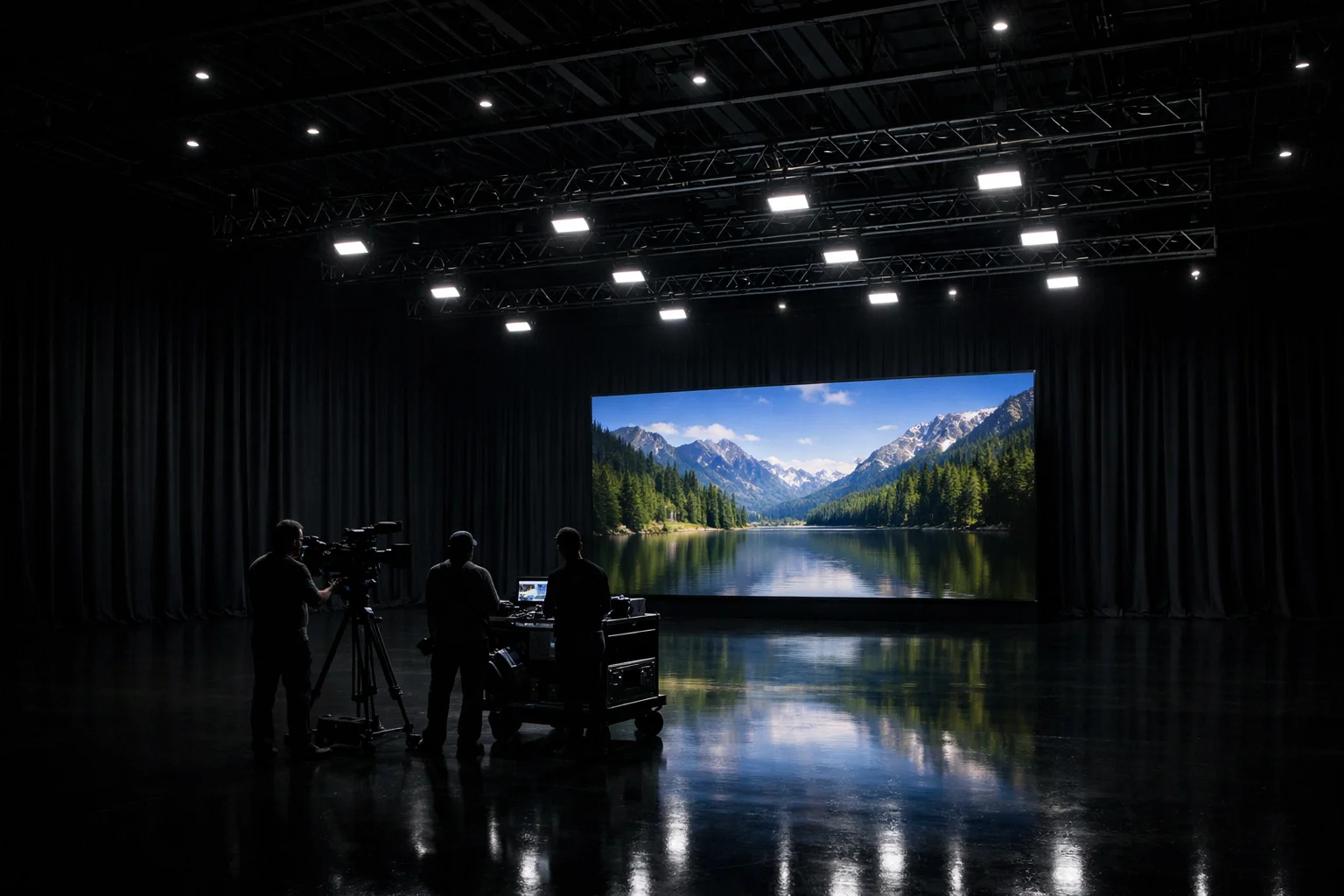
Defining Project Scope and Virtual Production Requirements
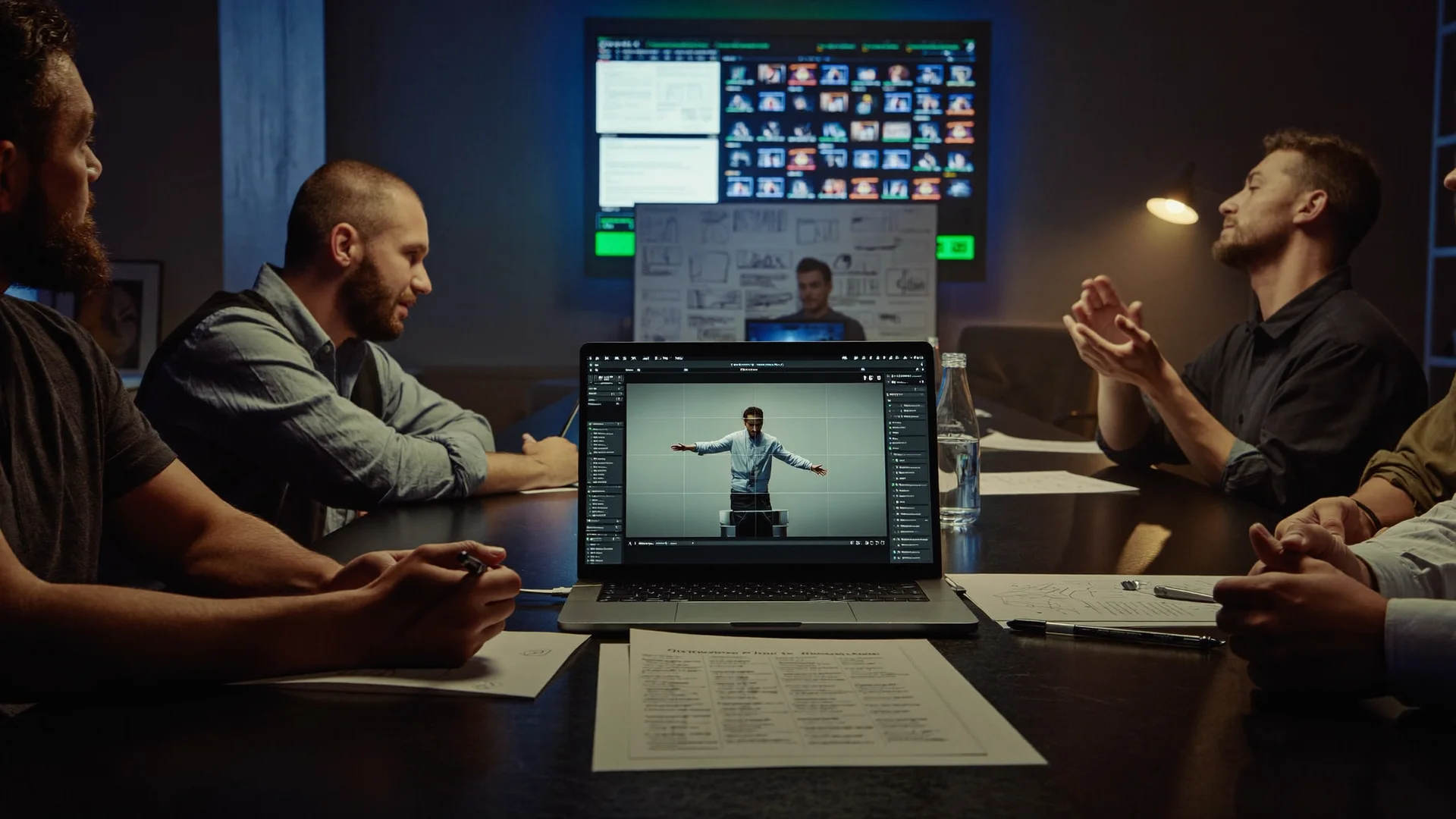
Establishing an accurate project brief is the starting point for a smooth virtual production process. Productions that begin with clear creative, technical, and logistical criteria have a distinct operational advantage. Every team involved, from director and production manager to client agency and virtual production supervisor, should know what deliverables are required and how virtual production fits the schedule.
Key factors to clarify before engaging a studio include:
- Differentiating which elements will use traditional approaches and which need LED, playback, or digital workflows
- Outlining the full list of assets and creative requirements
- Confirming important technical and environmental specifications, such as blackout or grid height needs
- Aligning expectations with stakeholders through a documented brief and technical specification
- Preventing scope drift by mapping dependencies before moving to production conversations
A solid foundation in scope and alignment avoids late-stage surprises, wasted resources, or misaligned expectations.
Selecting the Right Studio: Capabilities and Suitability
Matching your project requirements to the available studio infrastructure is important. In London, studios vary in their technical offerings, especially when comparing traditional stages with those supporting LED-based virtual production.
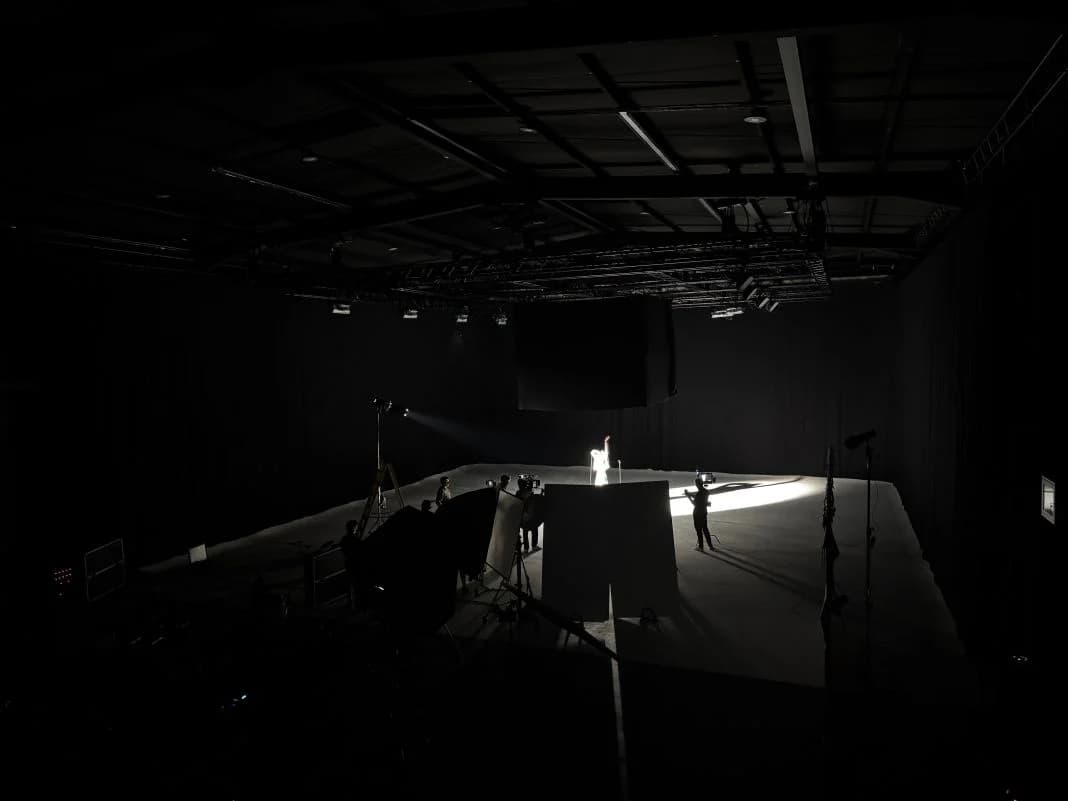
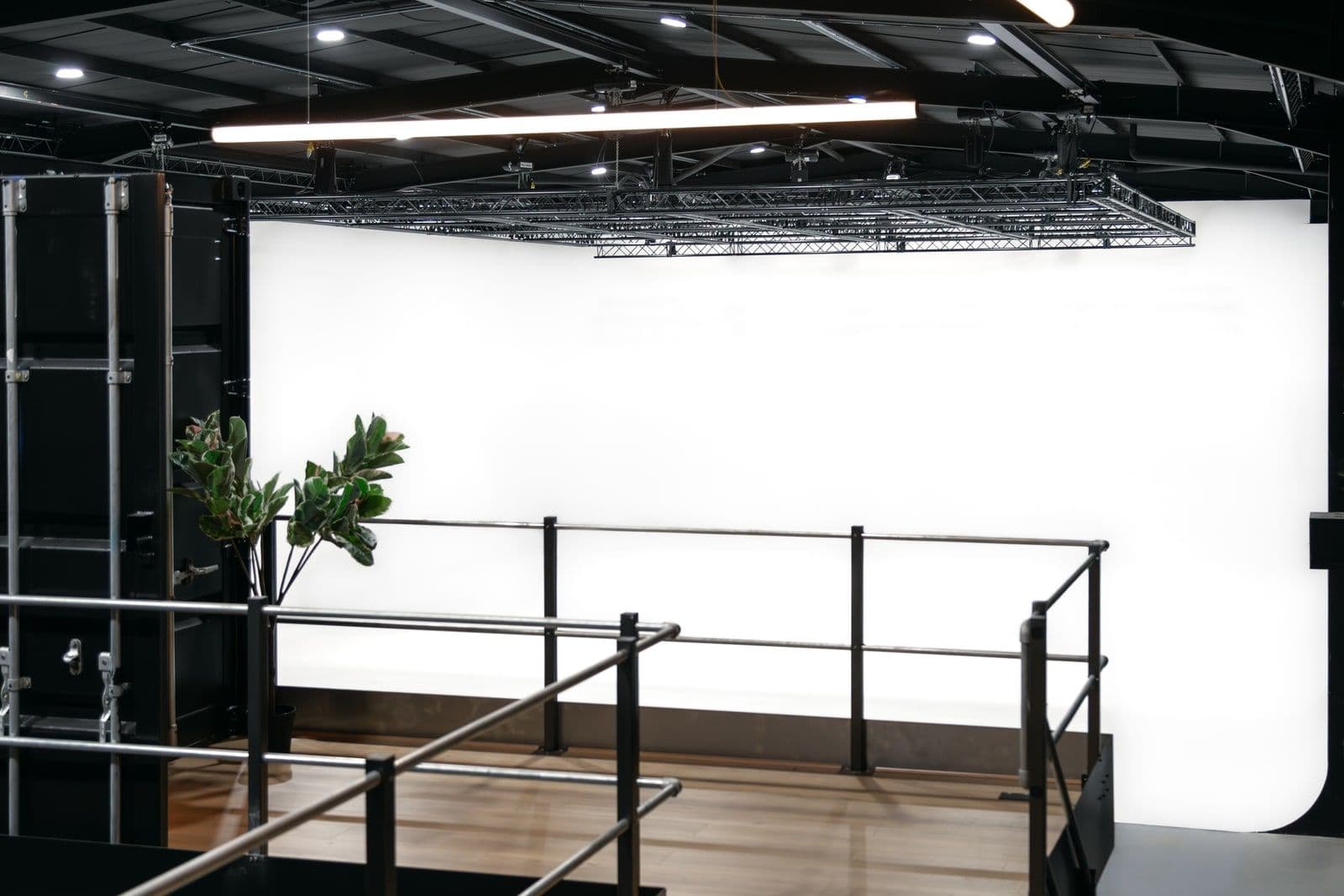
For example, Mammoth Film Studios separates large-format and virtual production work via Studio 1 and Studio 2, the blackout and virtual production stage. Studio 1 is configured for expansive photography and film shoots, offering an 8,000 sq ft stage, infinity cove, blackout options, high grid height, and substantial power. However, it is not an LED or virtual production stage.
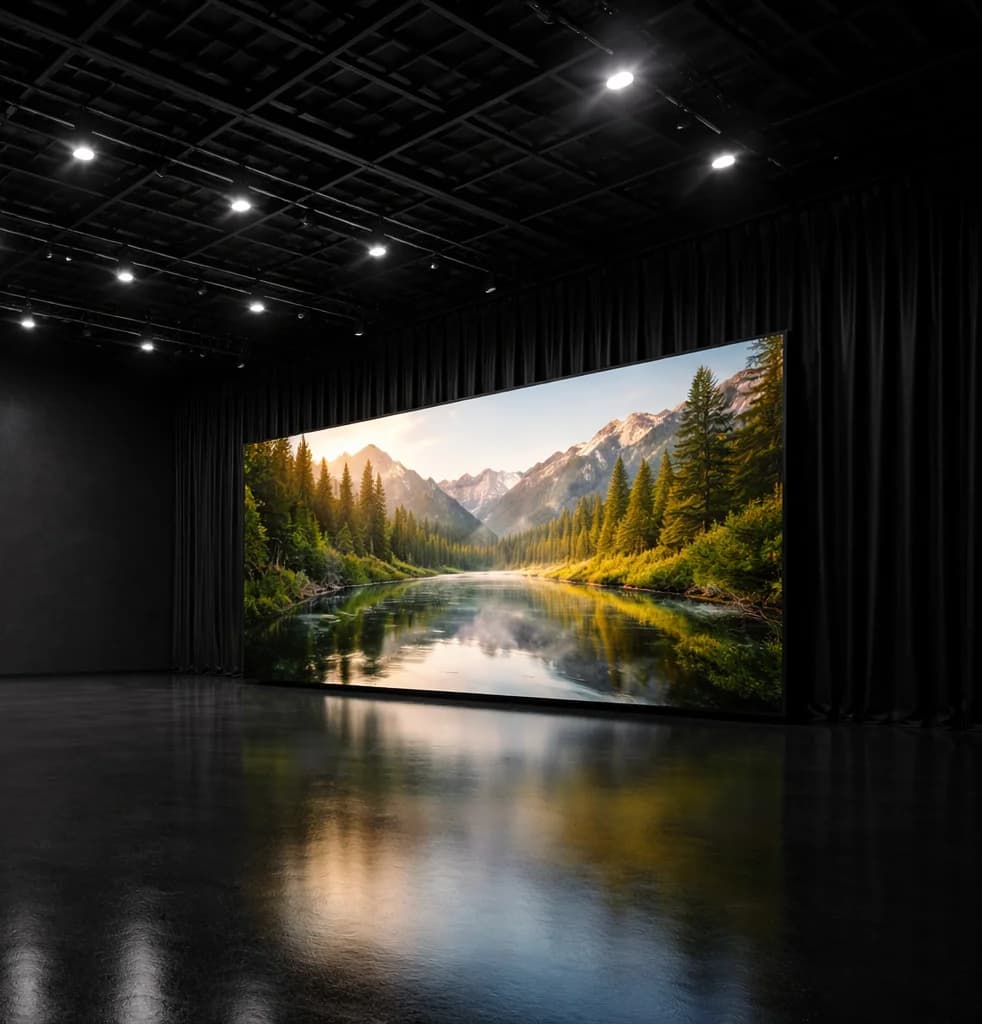
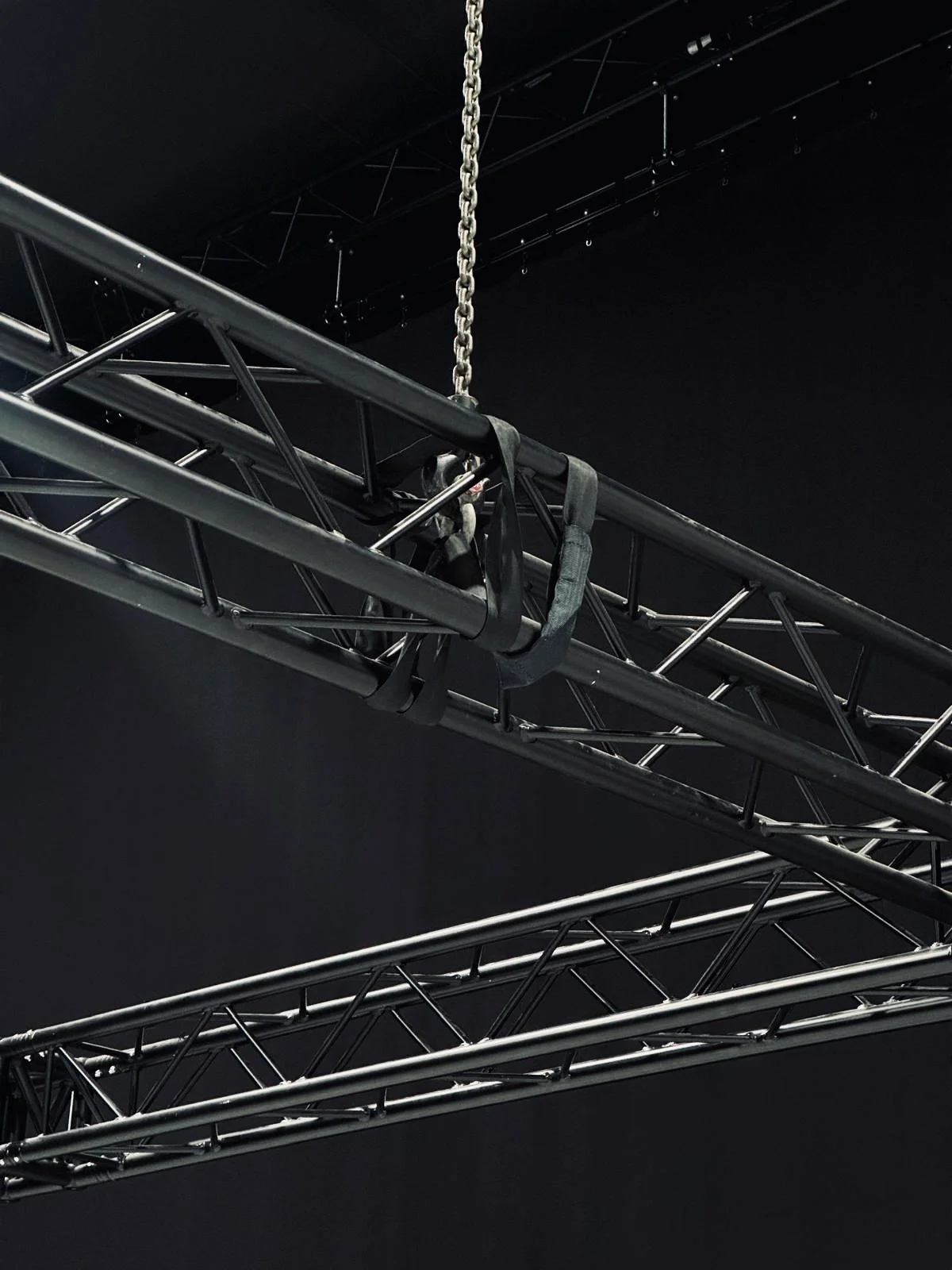
Studio 2, by contrast, is purpose built for virtual production. Key features include:
- 360-degree blackout for controlled lighting conditions
- Modular HDR LED volume for active backgrounds (8 x 4 m, expandable)
- 24 ft rigging height and flexible load points via steel beams and chain hoists
- Dedicated power and step-free access for crew and vehicles
- On-site facilities suited for talent, crew, and production teams
Studio selection should always be based on a precise match between creative requirements and studio capabilities. Clarifying operational needs early ensures you secure a studio that delivers the technical platform your production demands.
Technical Pre-Checks: Infrastructure, Power, and Connectivity
Technical infrastructure supports the reliability of a virtual production shoot. Verifying power, rigging, and connectivity before committing to a studio booking avoids delays and technical issues on the shoot day.
Key items to confirm in advance:
- Power availability compatible with LED volumes, high-wattage lighting, and camera systems (e.g., 63A or 200A 3-phase power)
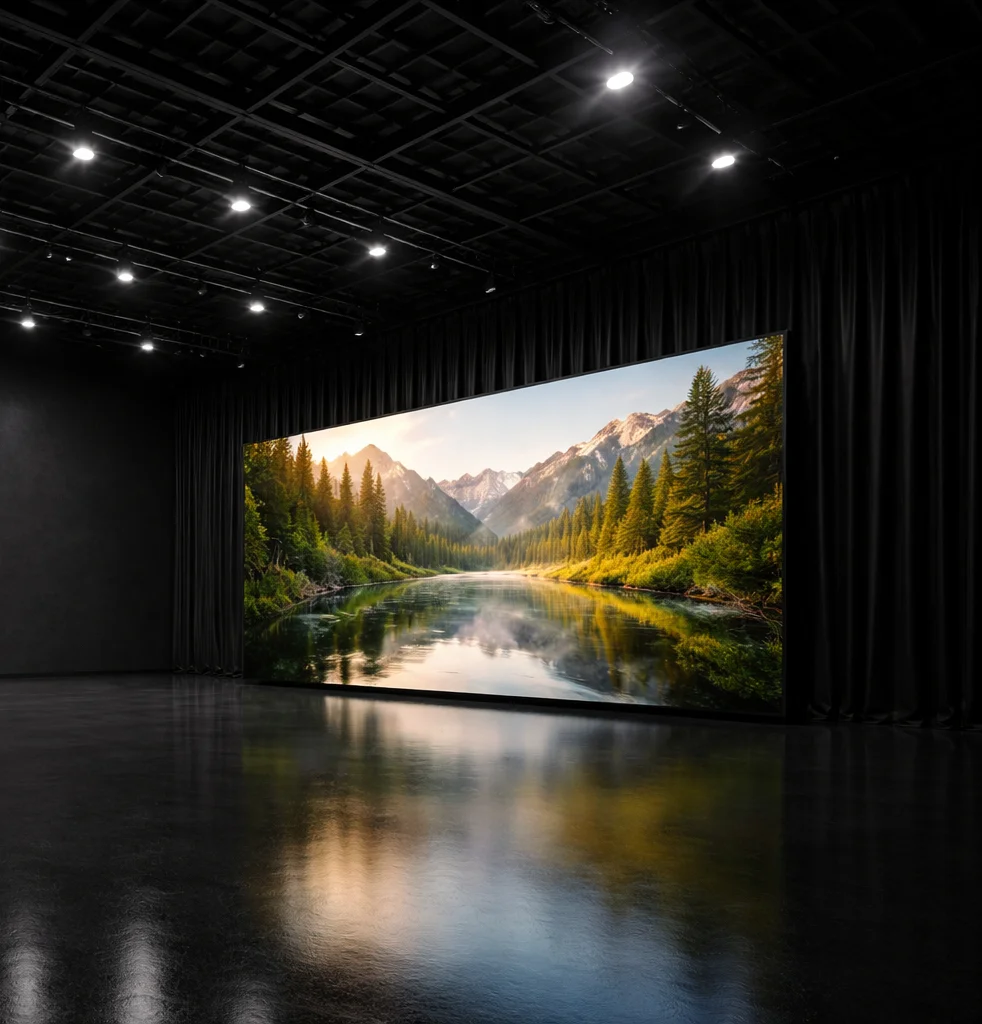
- Rigging points, load capacity, and the availability of in-house rigging staff or partners, such as Cinelight London
- Network specifications including up to 4 Gbps symmetrical hard-wired internet, crew Wi-Fi, production LAN, and streaming networks
- Video routing infrastructure, for example, 12G SDI pathways from the main stage to the production and client areas
- Accessibility for vehicles and parking, including drive-in access if required
Overlooking technical dependencies often results in last-minute equipment changes, incompatible workflows, or even costly cancellations. Treat these checks as mandatory, not optional.
Virtual Production Workflow Planning and On-Set Supervision
Virtual production succeeds when it is fully integrated into the standard production workflow and supported by specialist supervision on set. Detailed planning ensures the creative and technical teams move in step.
A recommended workflow:
- Initiate pre-visualisation using approved tools, so all departments understand virtual backgrounds and playback cues in advance.
- Coordinate asset delivery and playback system set-up, involving the support of Elsewhere Productions if working in Studio 2.
- Assign a virtual production supervisor to oversee system integration and provide technical guidance throughout pre-light, rehearsal, and shooting.
- Use real-time playback and review steps to make live adjustments as the production evolves on set.
- Implement troubleshooting protocols, so issues with playback, LED calibration, or tracked camera systems are resolved quickly.
Relying on experienced technical crew provides valuable operational insurance. On-set supervision bridges creative intent with technical execution, reducing workflow friction and minimising disruption.
Crew, Talent, and Access Logistics
Smooth logistics keep a production running to schedule and help avoid unnecessary stress on shoot day. Being proactive with access and facilities planning is particularly beneficial in London studios.
Core logistics to manage:
- Accurate call times for all departments
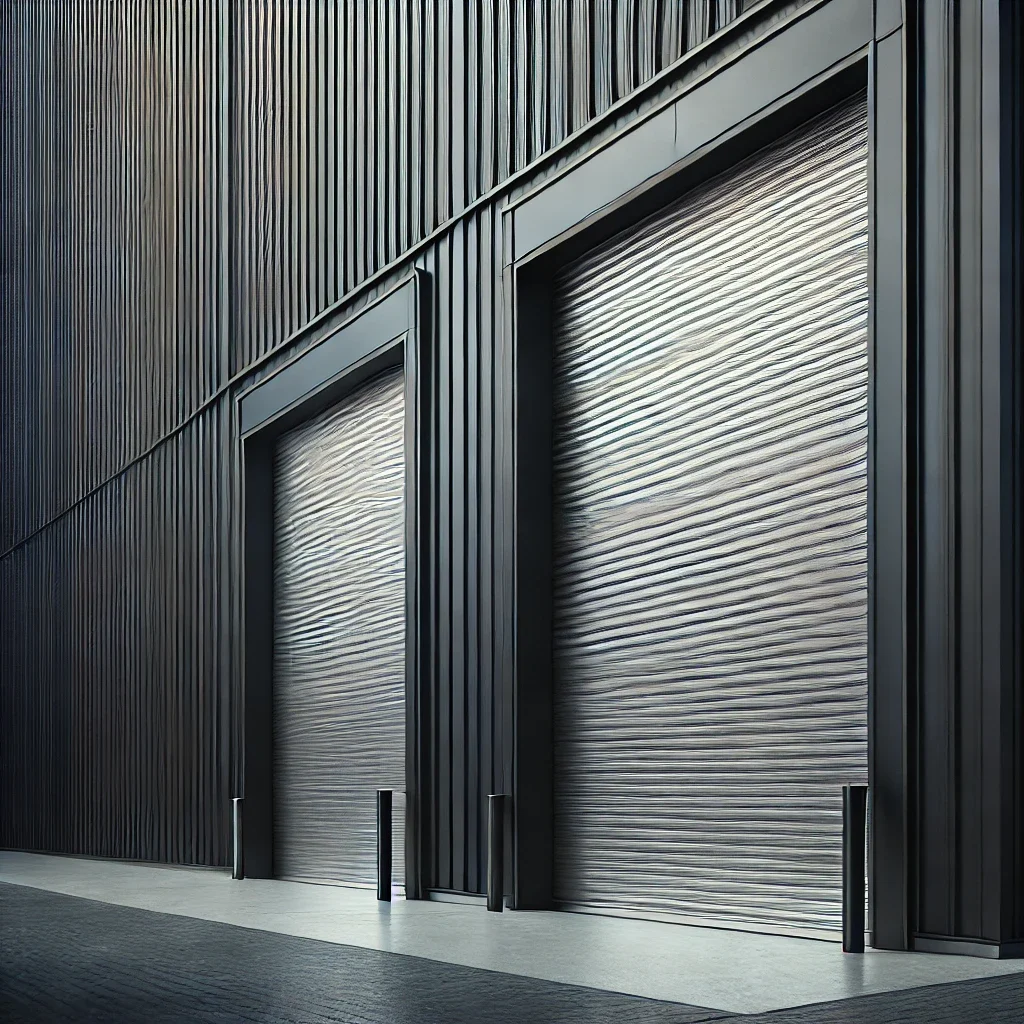
- Drive-in access for trucks, technical vehicles, and deliveries
- Allocated on-site parking for crew and unit vehicles, with clear communication of available spaces
- Step-free routes for talent, production, and equipment movement
- Assigned spaces for hair and make-up (HMU), client holding, and production coordination
- Efficient access for city-based teams via the Overground, Jubilee line, or road routes
Facilities such as dedicated HMU rooms, client lounges, and step-free access support professional teams working under pressure. Addressing these details early helps the production start on time and limits operational bottlenecks.
Content, Asset, and Data Management
Virtual production workflows depend on prompt, secure data transfer and content management systems. Establishing protocols safeguards high-value digital assets and supports version control.
Recommended data management protocols include:
- Coordinating with the studio to use internal LAN and high-bandwidth internet for on-set data flows
- Securing daily backups of all shot material, motion-capture data, and digital assets
- Using secure file transfer and storage, especially when sensitive content is involved or mandated by client agency guidelines
- Managing version control and playback assets centrally, to prevent confusion during live takes
- Assigning data wranglers or technical supervisors responsibility for monitoring asset flows and protecting confidentiality
These measures reduce the risk of data loss, leaks, or workflow disruptions during and after the shoot.
Final Pre-Shoot Checks and Contingency Planning
A last round of operational review and contingency planning provides a safeguard against oversights and last-minute crises. This practice asserts discipline and ensures that every department is ready to execute.
Final pre-shoot checklist:
- Confirm all studio bookings, access permissions, and crew call times
- Double check technical infrastructure: power, rigging, LED systems, and playback
- Test network connectivity, streaming setups, and all video routing pathways
- Validate parking allocations and logistics for all key arrivals
- Run through a department-by-department checklist with production manager, studio manager, and technical crew
- Prepare troubleshooting and escalation protocols for likely issues (LED calibration, network dropouts, playback glitches)
- Ensure contingency plans are in place for delays, equipment swaps, or environmental adjustments
Approaching the pre-shoot review with a checklist mindset gives the entire production a stronger base to adapt if unexpected challenges arise.
Effective pre-production for a virtual production shoot in London relies on early clarity, precise technical checks, careful facility planning, and strong data management. Strong groundwork at each stage enables greater creative control and smoother operational delivery.