What does hiring a virtual production studio in London involve?
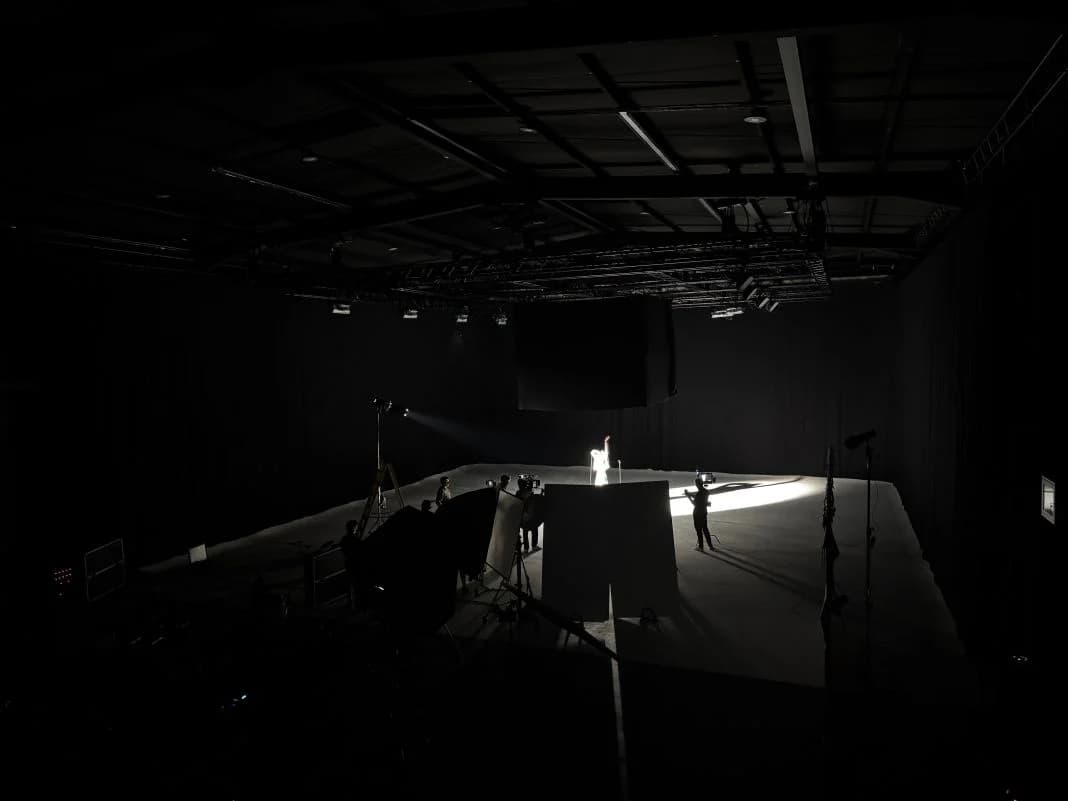
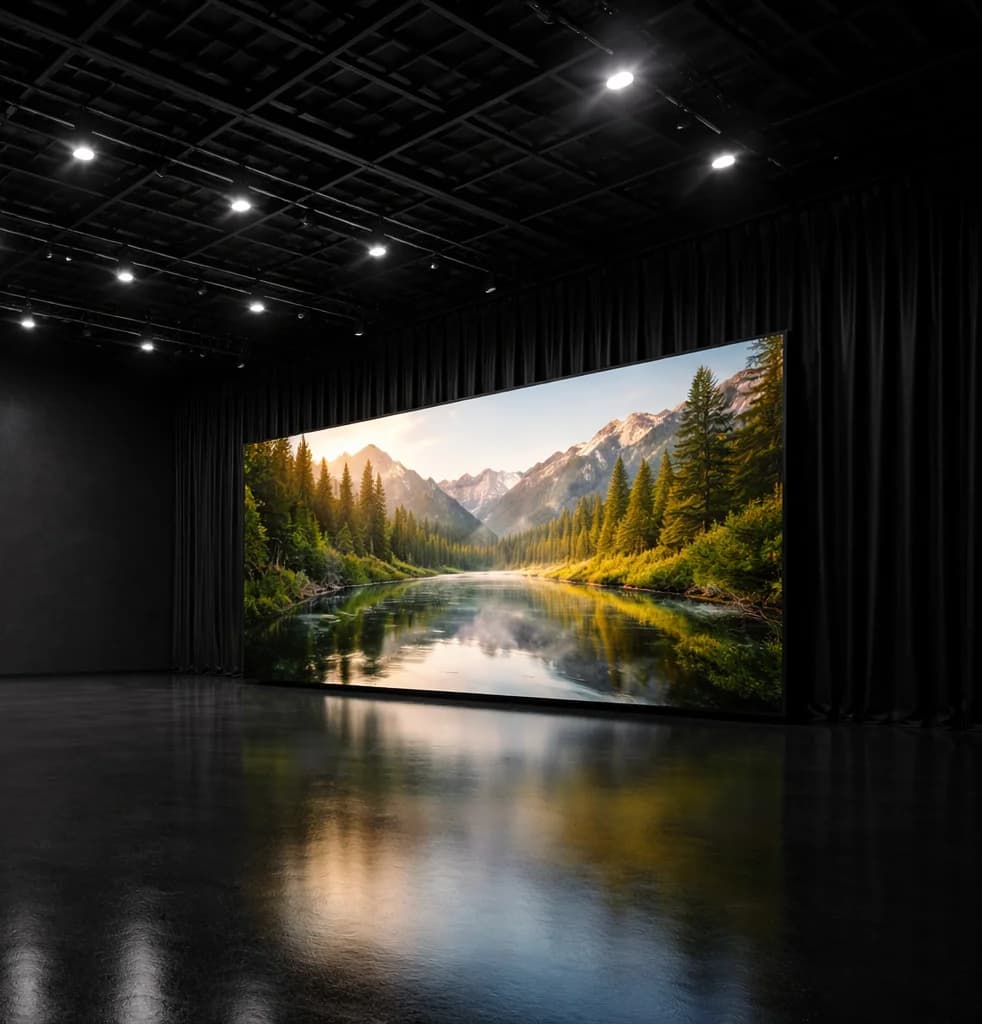
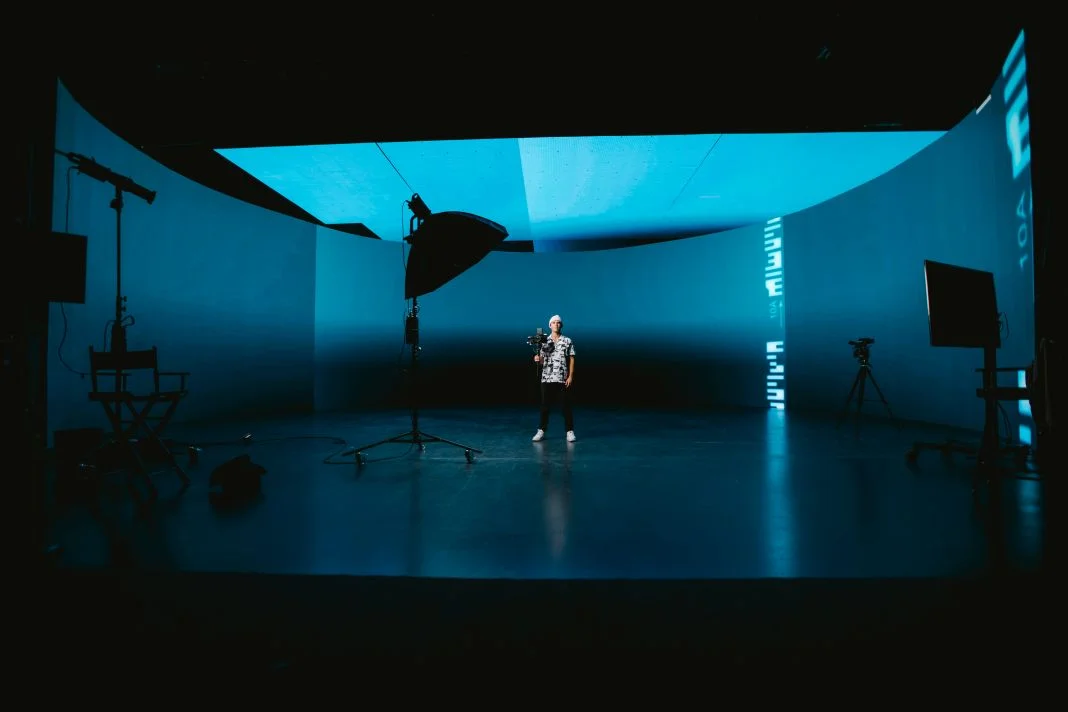
Hiring a virtual production studio in London means securing access to a purpose-built facility equipped with LED volume, blackout control, and onsite technical support. This environment enables production teams to create controlled visuals with consistent lighting and rapid scene changes, without replacing traditional filmmaking entirely.
Understanding Virtual Production Studio Hire in London
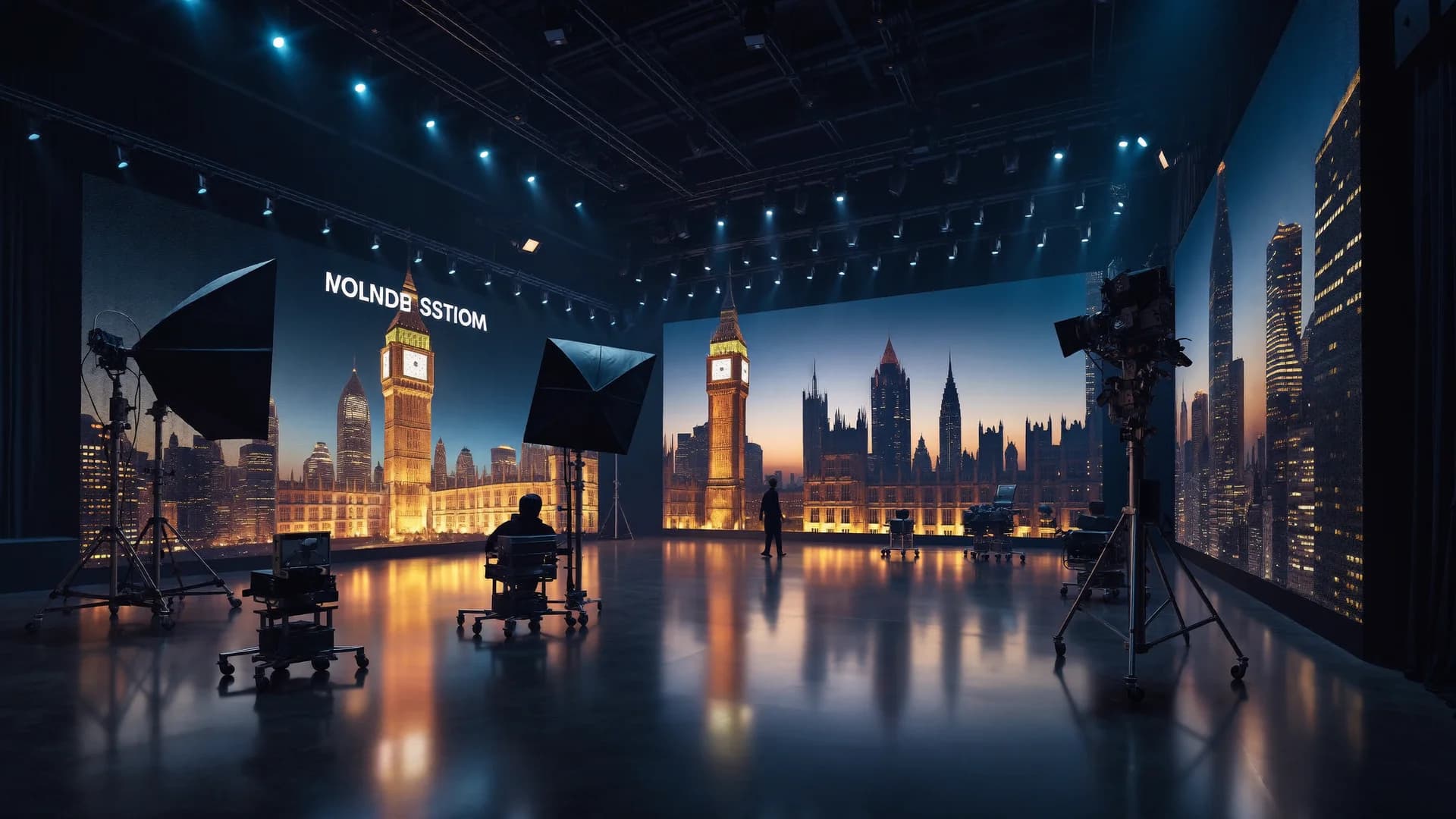
Virtual production studio hire in London refers to renting studios that integrate LED technology, virtual backdrops, and flexible blackout conditions alongside important support systems. In contrast to conventional studio hire, virtual production spaces offer interactive environments where real-time visuals and physical sets harmonise, supporting advanced workflows.
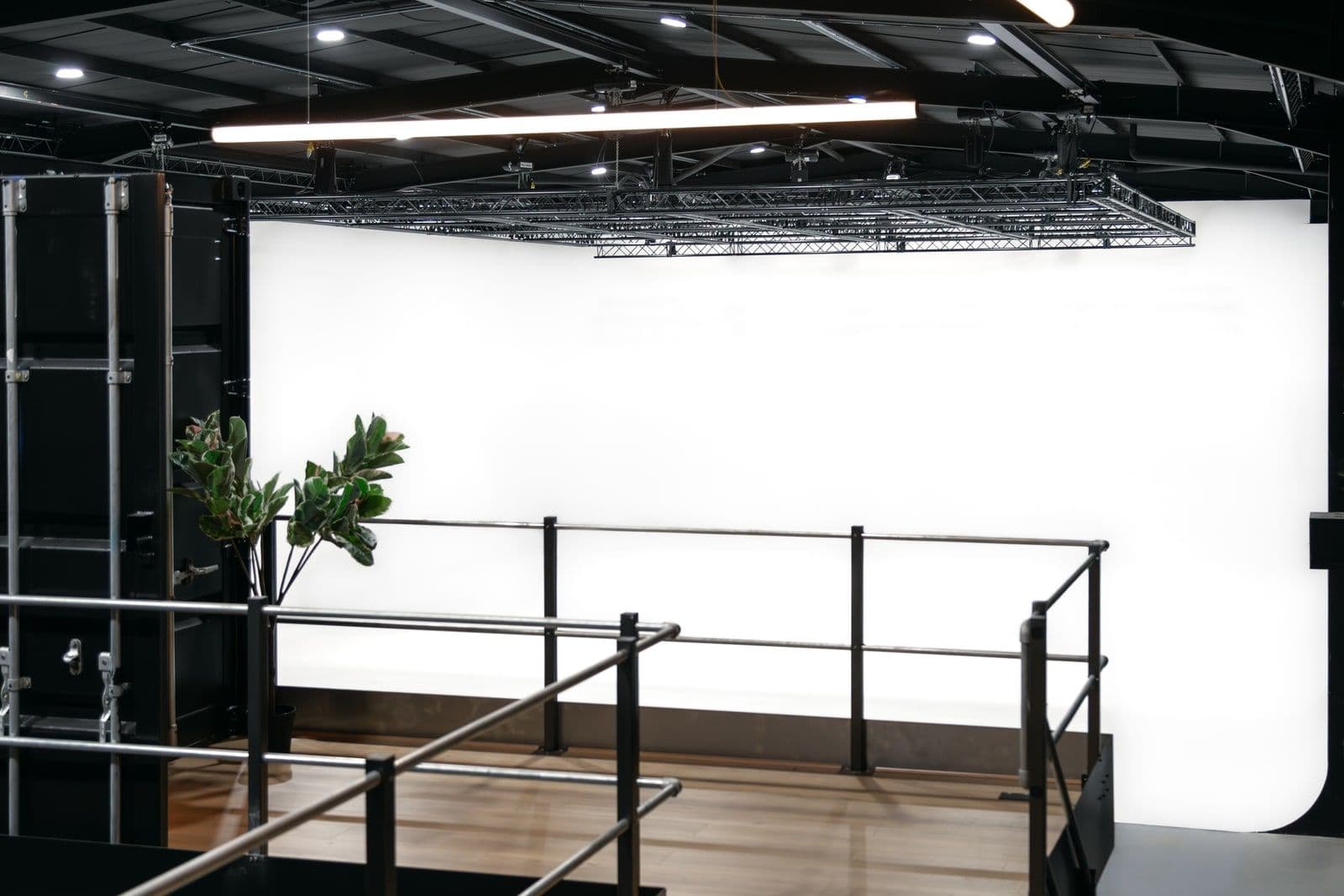
Traditional studios have focused on infinity coves, blackout stages, and physical set builds. Virtual production studios layer LED volumes and on-set playback systems into a similar physical structure, which means that location changes, interactive lighting, and digital backgrounds can be achieved without leaving the stage.
It is worth noting that virtual production is designed to complement, not override, established production methods. Most London venues offering virtual studio rental provide hybrid configurations, allowing for both conventional and digital workflows.
Key operational details in London include:
- Agreement frameworks specifying technical provisions and available supervision
- Industry-standard installations, such as ROE LED volumes and 360-degree blackout capability
- Expert on-set technical crew for playback, rigging, and real-time troubleshooting
- The option to hire a virtual production stage specifically for technical flexibility, not just headline features
A clear understanding of the differences between conventional and virtual production studio hire helps teams match the right space to their project.
Key Features of a Virtual Production Studio: What Matters Most
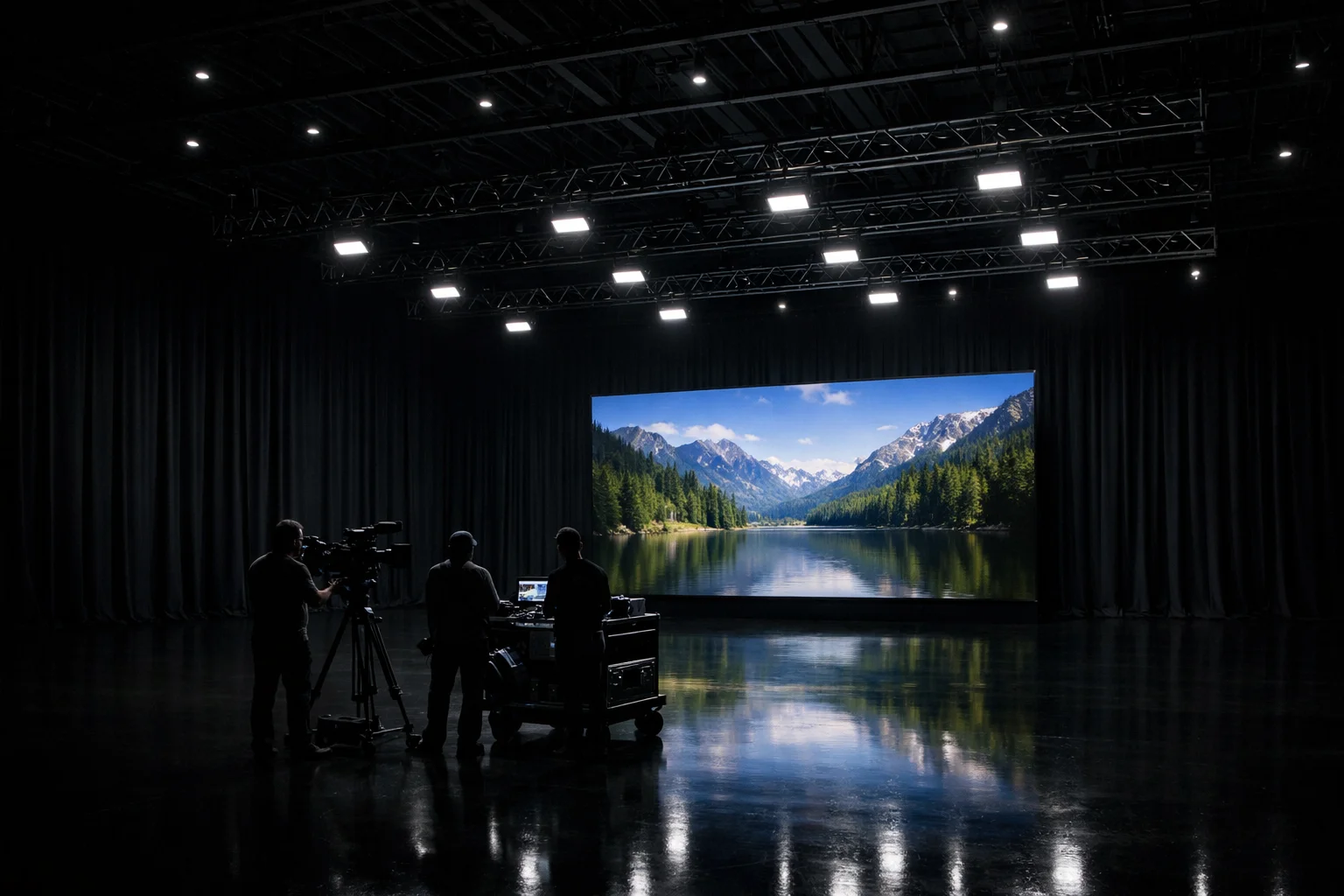
The effectiveness of a virtual production studio relies on a well-structured technical and operational foundation. The following features are central to a high-functioning stage:
- LED volume specification: Look for modular, high-resolution LED walls such as 2.8mm HDR screens that support immersive backgrounds and accurate interactive lighting.
- 360° blackout capability: Complete blackout enables precise control of ambience, reducing costly on-set variables.
- Rigging and power infrastructure: Substantial steel beams (rated for heavy loads), multiple chain hoists, and 3-phase power provision allow for flexible and safe equipment rigging.
- On-set technical integration: Dedicated playback systems, internal video routing, and wired network access ensure smooth workflow between departments.
- In-house support: Availability of experienced rigging teams and technical supervisors contributes to safety and operational speed.
- Full vehicle drive-in access and onsite parking: Help efficient load in and load out without bottlenecks or delays.
- Supporting spaces: Production areas, HMU rooms, client zones, and step-free access are fundamental for teams working long days.
These features define the operational ceiling of a stage. A studio built around Studio 2's LED volume at Mammoth Film Studios, for example, offers these core functions, enabling complex technical setups and strong hybrid workflows. Prioritising must-have specifications ensures production outcomes are driven by practical rather than aspirational needs.
Operational Considerations: Workflow, Access and Logistics
Efficient workflow and site logistics can determine production viability. When bringing a virtual production to life in London, these elements require close attention:
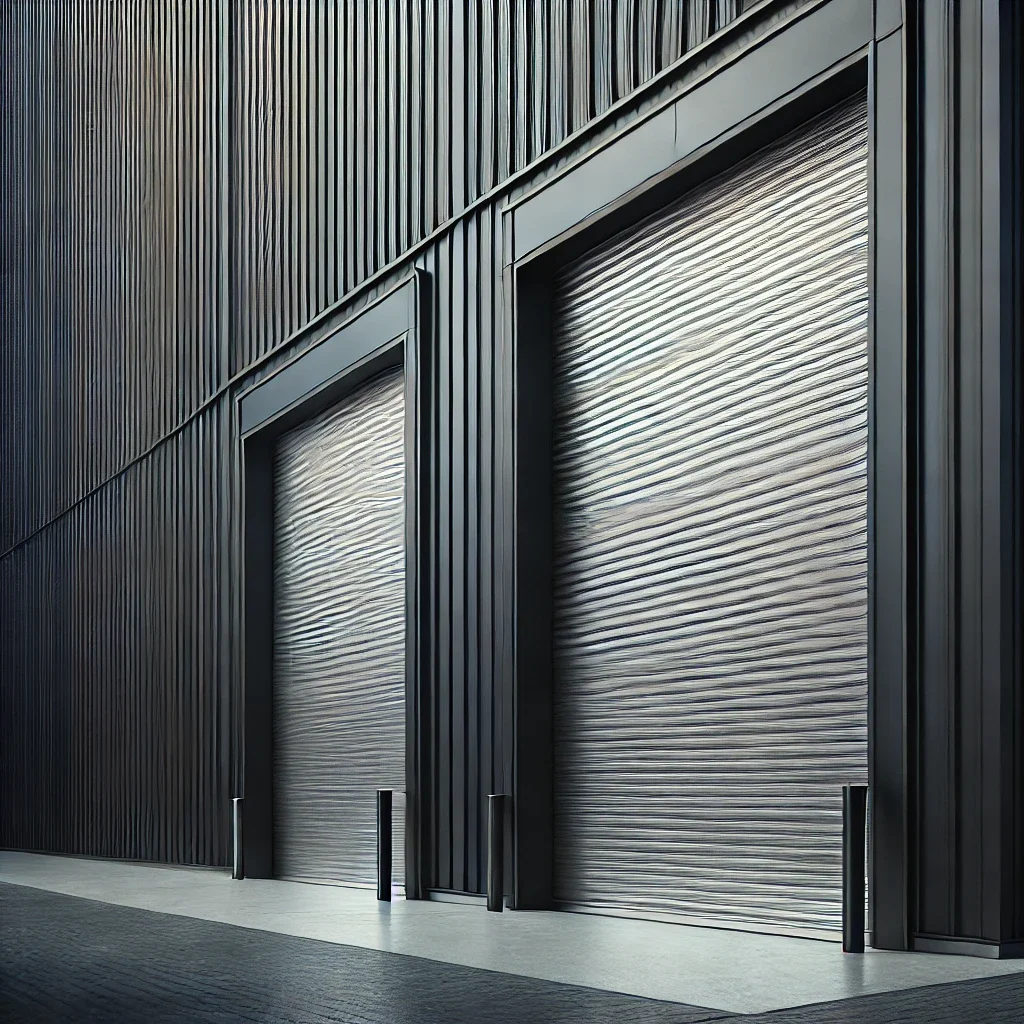
- Logistics begin at site arrival. Studios positioned in London Zone 2, with nearby Overground and Jubilee line links, allow city-based crews fast access to set. Drive-in access to the stage, available at both Studio 1 and Studio 2 at Mammoth Film Studios, enables vehicles and equipment to move from street to studio floor with minimal delay.
- Onsite parking supports unit vehicles and larger technical teams. Step-free access allows easy movement of crew, talent, and heavy kit, while supporting spaces such as production offices, client areas, and specialist rooms keep workflow centralised.
- A flexible external area, like a conditional backlot or overspill parking, adds operational bandwidth, though it should be viewed as an additional asset rather than a primary location.
- Integration with different production workflows, film, photography, or commercial, relies on purpose-built environments. Modern studios now house dedicated streaming networks, strong internal LAN, and hard-wired internet to enable simultaneous on-set work and offsite collaboration.
For producers and managers, a clear understanding of these logistical details reduces risk and helps maintain momentum from load-in to wrap.
Evaluating Studio Capabilities: Questions to Ask Before You Hire
Choosing the right virtual production studio in London requires careful due diligence. Here are key questions production professionals should ask:
- What are the LED volume specifications and how flexible is the configuration?
- Understand screen resolution, available footprint, and expansion options to ensure support for your creative requirements.
- Is 360-degree blackout achievable, and how is light spill managed?
- Absolute light control can be the difference between smooth virtual integration and visible compositing errors.
- How much rigging load can the stage accommodate, and what power distribution is available?
- Confirm there is enough infrastructure for custom grids, large lighting setups, and heavy fixtures.
- Who provides on-set technical support, and is supervision included in the hire agreement?
- Reliable technical supervisors handle playback and LED wall operation, reducing delays in decision making.
- What connectivity is provided, including wired internet and video/audio routing?
- Smooth connection between cameras, LEDs, and playback is important for efficient workflow.
- What is included in the site visit, and how transparent are the rates?
- Insist on site walk-throughs and clear, structured pricing for informed decision making.
- Are supporting spaces, such as client or production offices, included and sufficient for your team’s size?
- Lack of space can introduce unnecessary friction and slow production processes.
Asking these questions, and verifying claims on-site with the relevant supervisors or technical partners, reduces the risk of misaligned expectations. Production managers who pursue clarity and operational transparency can significantly de-risk the hiring decision.
The Role of Integrated Partners and In-House Support
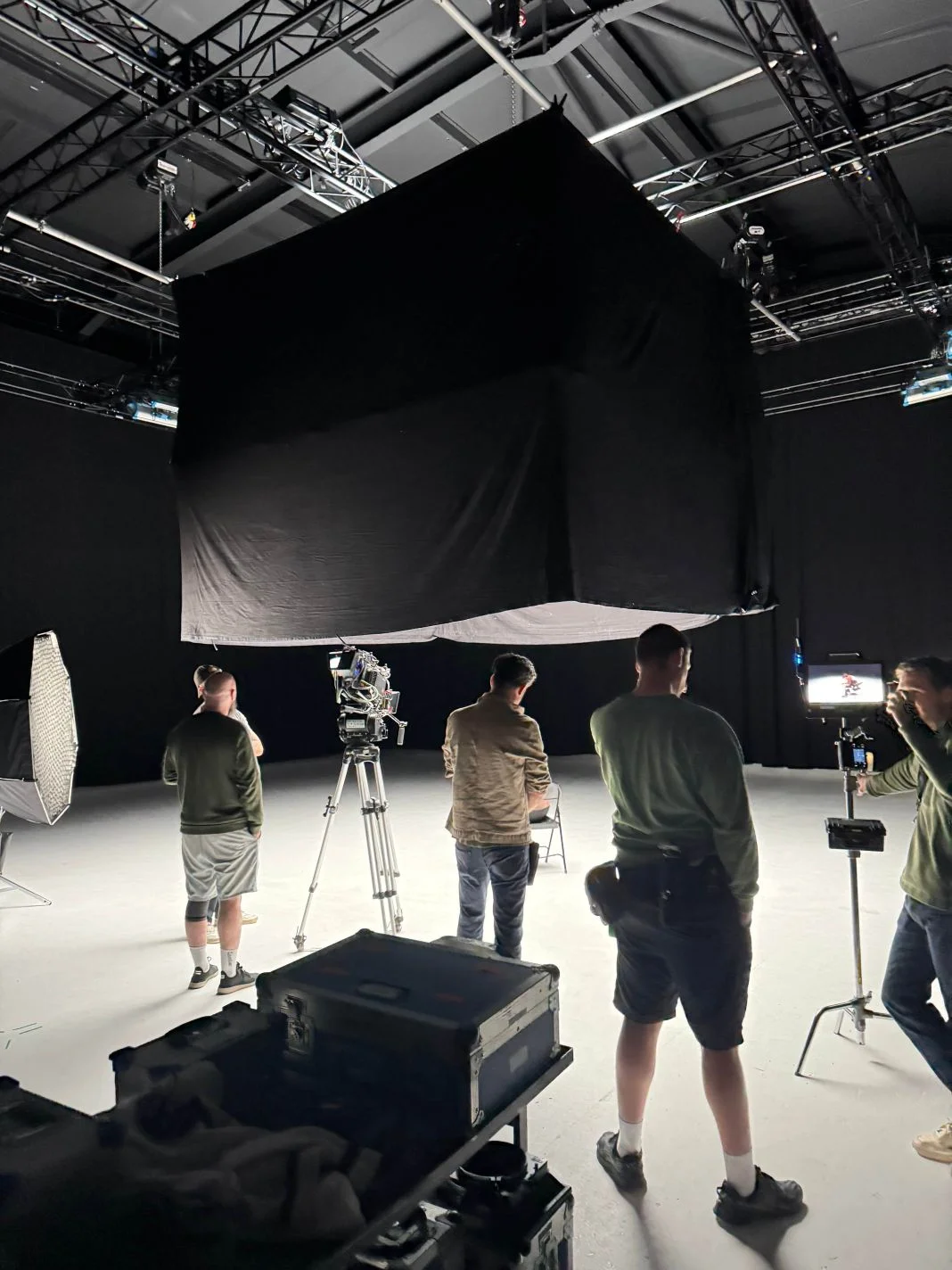
Integrated partners and in-house teams underpin operational reliability on virtual production stages. Their involvement is often misinterpreted as introducing creative restriction, but in most professional environments, it ensures technical consistency and removes uncertainty.
For example, Mammoth Film Studios structures its Studio 2 offering with in-house rigging teams and lighting support from Cinelight London, and delivers virtual production in partnership with Elsewhere Productions. This guarantees that core systems, such as electrical supply, rigging, LED operation, and technical supervision, and are aligned every time, regardless of the production.
Compared to external suppliers, integrated support teams deliver:
- Higher levels of workflow continuity and safety
- Consistent standards of equipment and supervision
- Reduced setup friction and fewer communication gaps between departments
- Stronger technical collaboration across key areas, from lighting to virtual environments
This approach does not reduce creative flexibility. Instead, it gives production managers and directors greater assurance that technical workflows will be coherent and reliably maintained throughout the shoot.
Practical Scenarios: When to Choose Virtual Production in London
Virtual production is not a universal answer, but it offers clear advantages in several real-world situations. For instance:
- Productions requiring multiple location changes benefit from virtual environments, where LED volumes allow rapid transitions from cityscape to landscape without the logistical weight of travel.
- Shoots needing highly controlled lighting or complex reflections find 360-degree blackout and programmable LED surfaces particularly useful.
- Schedule-driven commercials or episodic work, where weather and external conditions threaten timelines, can proceed confidently by working in a controlled stage such as Studio 2 at Mammoth Film Studios.
- Hybrid workflows combining physical props with digital backgrounds avoid time-consuming builds and reduce set construction costs, while still enabling classic cinematography.
However, traditional stages remain important for projects with large physical builds, vehicle choreography, or set destruction, where space and practicalities outweigh digital flexibility. In many cases, hybrid approaches deliver the best results by blending the strengths of both methods.
Experienced producers weigh these choices based on creative vision, logistics, and project scale. The decision should align with the specific needs of the production, rather than following industry trends alone.

Making the Hire: Process, Transparency and Next Steps
Engaging a virtual production studio in London follows a structured process built around operational transparency. The core steps include:
- Initial enquiry and stage availability confirmation
- Contact the studio booking team to discuss dates, technical needs, and availability of the required space.
- Technical brief and requirements gathering
- Share a summary of your production's scale, rigging or LED needs, and any workflow considerations.
- Studio walkthrough and site visit
- Arrange an in-person or virtual tour, focusing on key areas such as the stage, production offices, and supporting infrastructure.
- Transparent rate structure proposal
- Receive a detailed breakdown of costs and included services relevant to your use case.
- Agreement drafting and confirmation
- Review the hire agreement, technical provisions, and cancellation policies. Clarify any custom requests up front.
- Pre-production technical and operational meetings
- Engage with in-house supervisors and partners to align expectations and plan for setup, supervision, and wrap.
By approaching the hire process methodically and requesting clear information at each stage, producers and production managers can ensure that their chosen studio matches project needs, timescales, and operational preferences. Early communication and transparency form the core of a well-supported production experience.