What hidden costs can arise when booking an LED volume studio in London, and how can productions avoid them?
Hidden costs often emerge from technical requirements, crew support fees, content handling, logistics, overtime, and insurance when booking an LED volume studio in London. Productions can avoid these costs by specifying technical needs early, clarifying inclusions and exclusions, confirming crew and supervision arrangements, planning content delivery, reviewing access logistics, and requesting a transparent itemised quote from the studio.
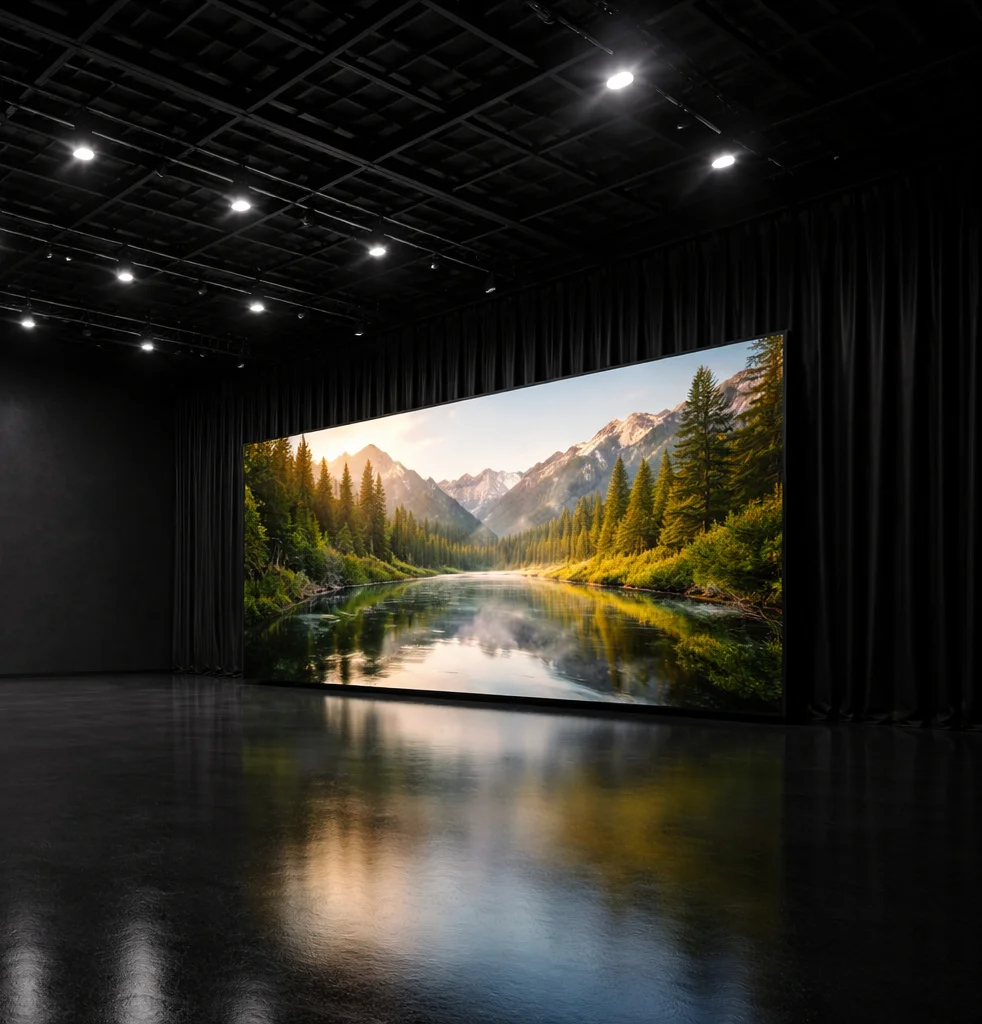
Clear budgeting for London LED volume studios depends on untangling what is genuinely included in a studio booking. Productions often assume that an LED volume comes with everything needed for a shoot, only to encounter supplementary charges for elements beyond the basic hire fee. The distinction between core space rental and associated technical or operational services is not always immediately clear.
Typical inclusions:
- Studio stage and core blackout or LED volume environment
- Standard power allocation (for house systems)
- Basic rigging infrastructure
- Site access during contracted hours
Common exclusions:
- Specialist technical supervision and crew
- Content playback and media server systems
- Additional power or expanded LED volume capacity
- Extensive rigging or bespoke set structures
- Parking beyond standard allocation
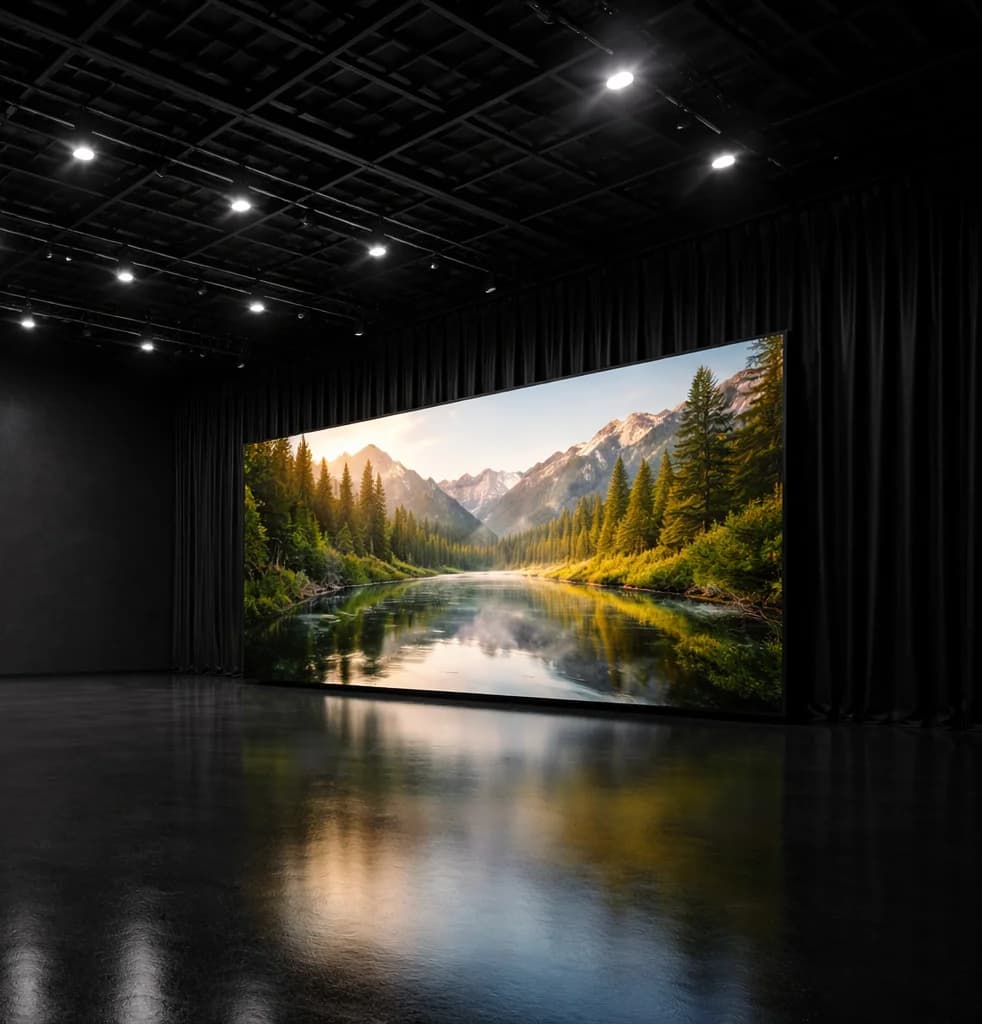
At a site like Mammoth Film Studios, for instance, Studio 2, our LED volume and blackout stage, provides a dedicated LED volume environment with in-house supervision delivered by Elsewhere Productions. However, support crew, expanded screen setups, or custom playback usually attract additional charges. Understanding the service structure and drilling into the detail helps productions avoid budget shortfalls during planning.
Studios also structure their inclusions around in-house partners, such as Cinelight London for lighting or rigging teams for technical setups. What appears as an “all-in” stage can easily require clarification on optional extras versus genuinely bundled services. Early communication around these specifics allows production managers to develop accurate budgets and realistic timeframes.
Technical Infrastructure: What’s Standard and What’s Extra
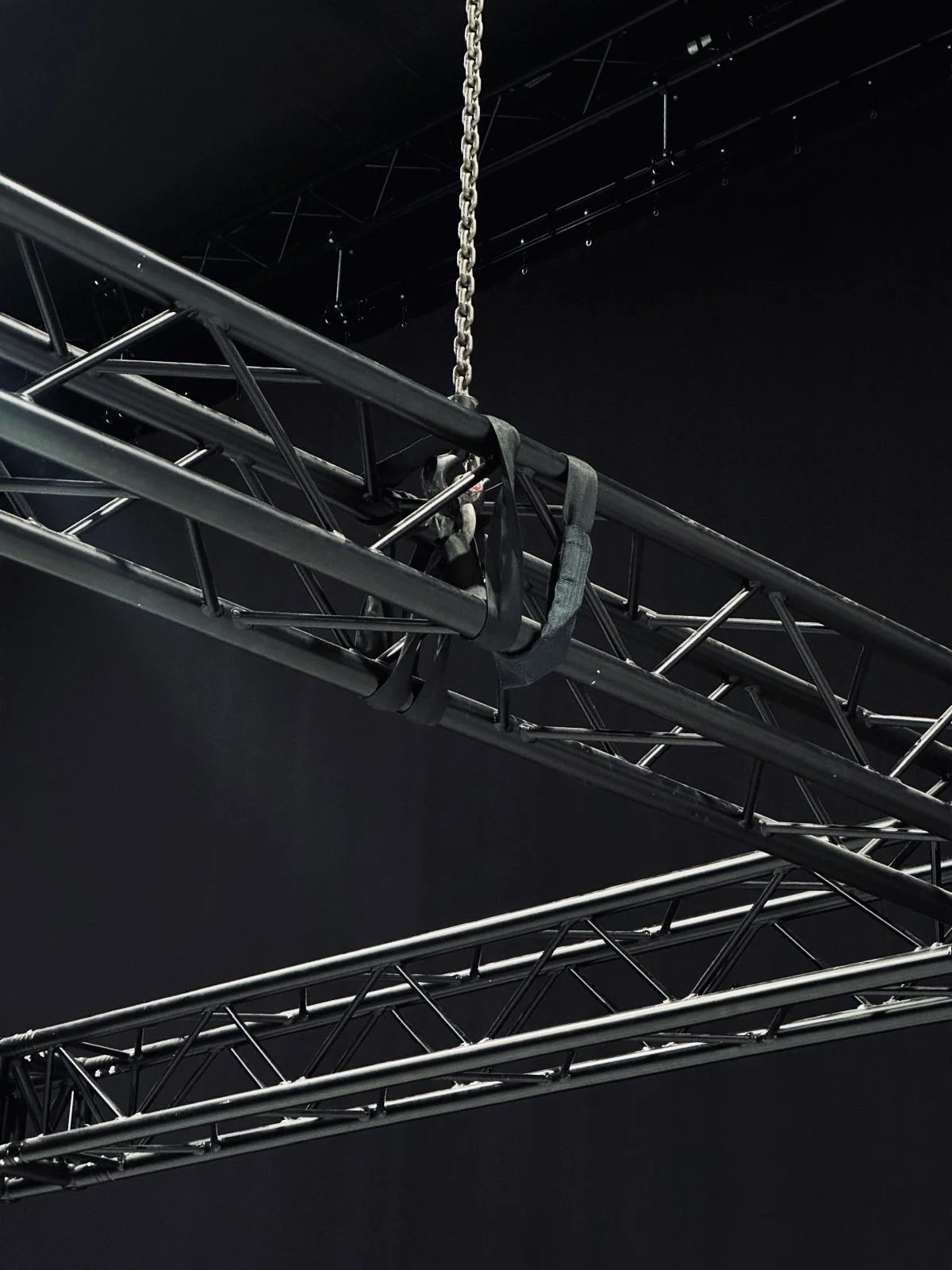
Technical infrastructure is often where unforeseen costs begin to surface. While most LED volume studios in London offer a set baseline of technical capability, productions may discover that some requirements fall outside the standard provision.
Standard technical inclusions typically cover:
- Pre-installed LED volume (for example, the modular ROE LED volume in Studio 2)
- 3-phase power and house electricity for regular operation
- Core rigging options, such as motorised chain hoists or steel beams with set load ratings
- Internal video and data connectivity, including SDI video routing to production areas
Additional costs can arise for:
- Growing the physical LED wall or adding LED tiles beyond the house setup
- Requesting custom or complex rigging configurations
- Specifying increased power delivery for high-wattage equipment
- Integrating custom playback or control systems not part of the default house workflow
A quick checklist for technical planning:
- Confirm the dimensions, type, and resolution of the LED volume included as standard.
- Check what is provided for rigging capacity and whether bespoke structures incur additional cost.
- Specify power requirements in advance, especially for high-load setups.
- Clarify the availability and charges for media servers, playback, or signal routing not included as house systems.
Early consultation with the technical team, especially at specialist studios such as Studio 2, is key. Precise communication around these elements ensures that the production technical brief aligns with what the studio can deliver without incurring surprise costs.
Crew, Supervision, and On-Set Support: Unpacking Operational Charges
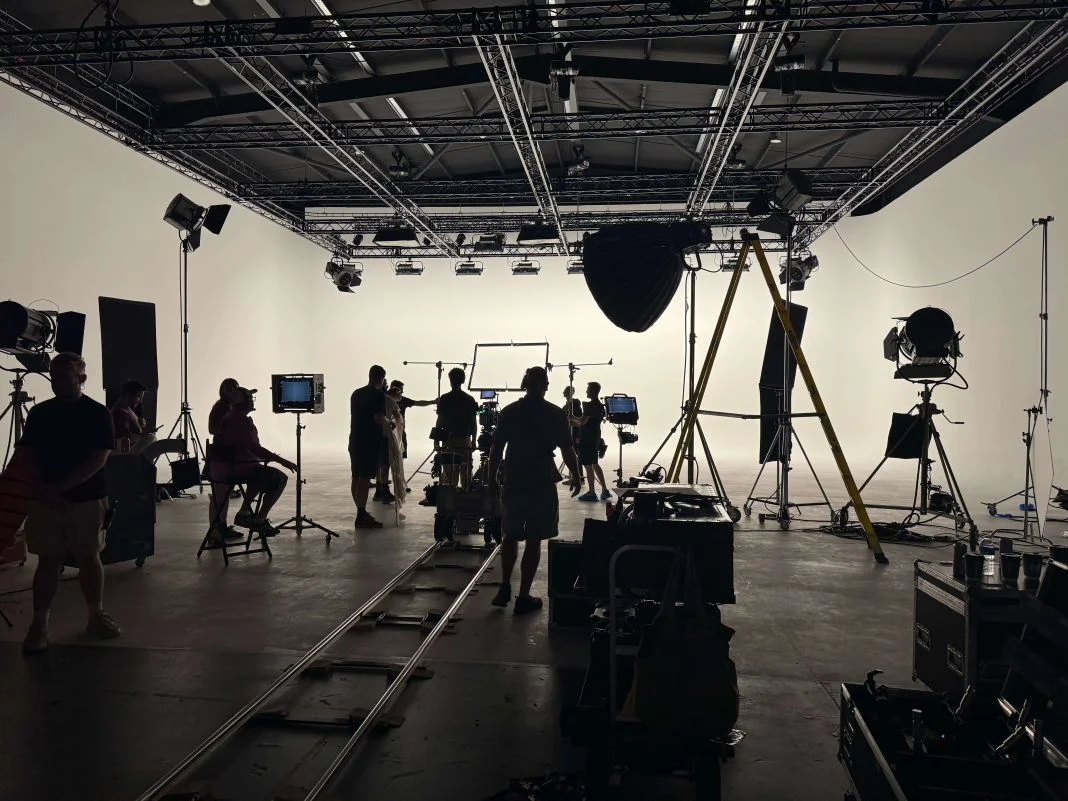
A common production scenario unfolds like this: the LED volume stage has been secured and basic technical needs planned, but crew-related charges start to appear in the operational breakdown. Specialist crew are almost always required when working with virtual production environments.
Charges can split across:
- Technical supervision (usually per day, covering LED operation and playback)
- In-house rigging or lighting teams (potentially mandatory or as an option)
- Virtual production specialists, such as those provided by Elsewhere Productions
- Additional on-set support for expanded or complex workflows
It is worth noting that many studios distinguish between house crew and external hires. Using in-house technical supervisors streamlines workflow but may be charged separately from the venue hire. Complex productions might require a larger technical crew, leading to higher daily rates. Always ask for a clear staffing matrix or breakdown during planning.
Key takeaways for managing operational charges:
- Specialist LED or virtual production crew are usually required and may be billed separately.
- Playback, supervision and technical support can add up quickly, especially for longer or multi-day shoots.
- External crew often require integration with in-house teams, so factor in handover or briefing costs.
- Detailed crew plans from the outset reduce risk of budget surprises once production is under way.
Content Preparation, Previsualisation, and File Handling Fees
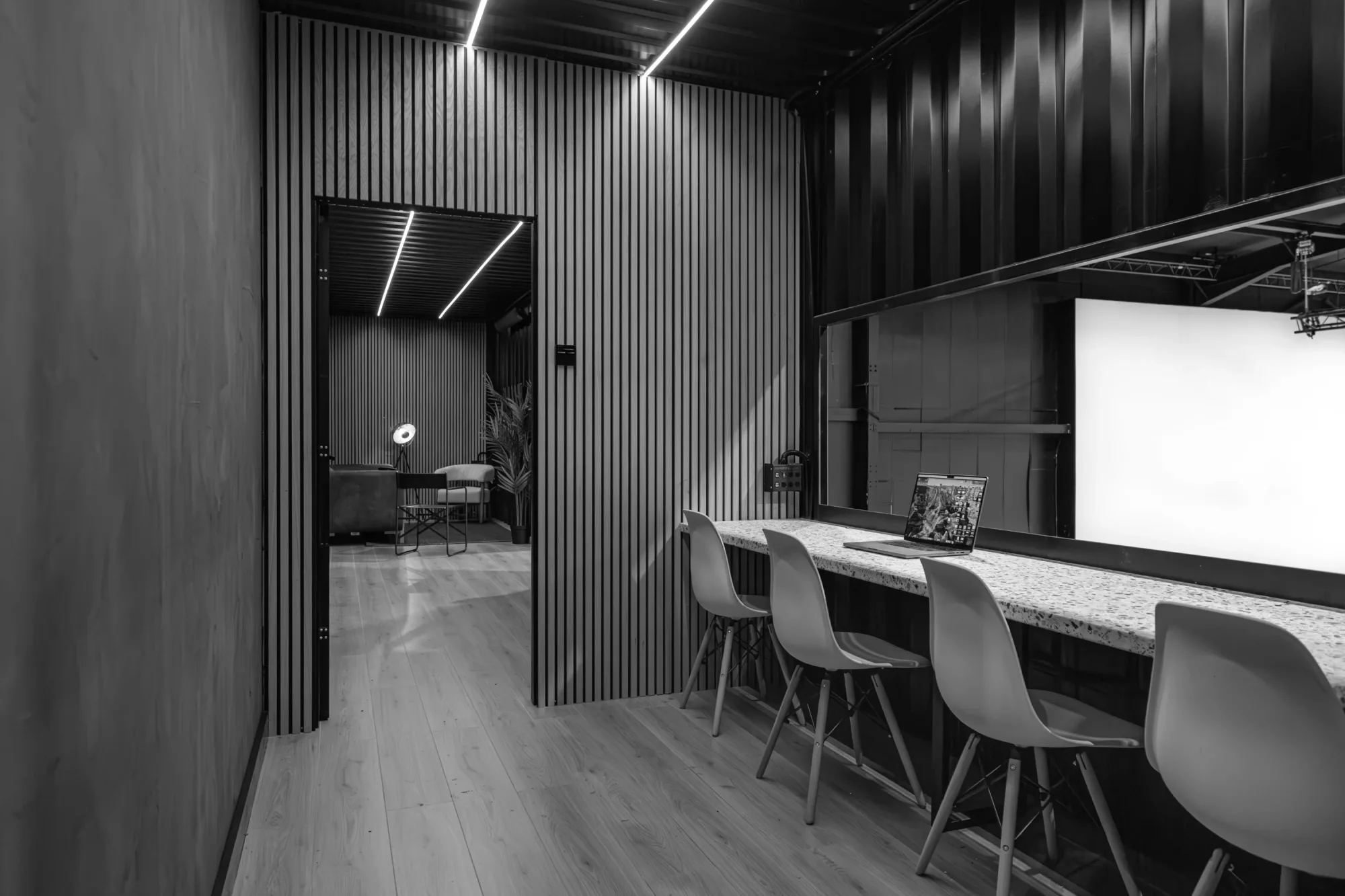
Content readiness supports efficient use of LED volume studios, yet it is often a source of unexpected expense. File handling, previsualisation, and last-minute conversions frequently incur additional charges if not scoped accurately.
Common content-related costs:
- File format conversion and content prep for playback systems
- On-site or fast-turnaround previsualisation
- Data transfer services, especially for large or complex assets
- Late-stage content changes that require new renders or compatibility fixes
Best practice is to clarify early:
- The required video formats, resolutions, and playback specifications
- Whether previsualisation or animated previews are included in the overall fee
- How content will be delivered, stored, and managed during the production
Productions that prepare and deliver content according to studio guidelines avoid both delays and unplanned content handling fees. Early technical consultation and close liaison between post teams and the studio’s virtual production specialists are key to smoothing this process.
Studio Access, Logistics, and Vehicle Movement: Avoiding Unexpected Charges
Logistical details around site access and vehicle movement often generate hidden operational costs. This is especially relevant in London, where many production teams expect extensive on-site facilities and flexible external space.
Potential logistical charges include:
- Additional vehicle access beyond permitted drive-in or parking allocations
- Overflow parking for larger units or crew vehicles
- Conditional use of external or backlot space for support operations
- Access outside contracted hours or complex site entry requirements
For instance, at Studio 2 in Mammoth Film Studios, drive-in access and a fixed number of parking places are included, but exceeding allocations or requesting conditional use of backlot space brings extra cost. Productions should always supply a detailed vehicle and crew movement plan when booking.
Advance planning on logistics enables smoother load-ins, avoids day-of congestion, and precludes last-minute cost spikes related to access or parking infringements.
Overtime, Overruns, and Scheduling Flexibility
Time management is one of the most easily underestimated cost factors when booking an LED volume studio in London. Studios generally structure rates around core booking hours, with additional fees for time outside the contracted window.
Typical overtime triggers include:
- Overrunning scheduled shoot days
- Last-minute schedule extensions or shifts
- Requirements for pre-light, pre-rig, or same-day de-rig
- Delayed load-outs or late access requests
The best approach is to:
- Pin down a realistic production timetable and confirm flexibility policies in advance
- Specify anticipated overtime requirements and clarify the rate structure for extensions
- Document all agreed changes and ensure they are reflected in the final booking agreement
Clear, early communication about schedule expectations, combined with thorough documentation, helps manage overtime exposure and keeps project timelines on track.
Insurance, Damage, and Liability: Managing Risk-Related Costs
Insurance and risk management are mandatory considerations with LED volume studio hire. The challenge and expense of LED infrastructure mean liability issues can quickly escalate if not properly covered.
Key considerations include:
- Mandatory production insurance for studio bookings, typically including property damage and third-party liability
- Studio-led assessment of damage to LED panels, rigging, or infrastructure
- Clearly documented liability and damage clauses in all agreements
- Requirement for risk assessment or method statements for larger productions
Productions sometimes overlook the scope of cover required or misinterpret the need for specific insurance endorsements. Early review of documentation and risk requirements with the studio’s management protects both parties and minimises post-shoot disputes.
Effective risk management:
- Confirm required insurance certificates before booking
- Ensure liability clauses are fully understood and fit the scale and nature of the shoot
- Address damage waiver options or exclusions at the contractual stage
Taking these steps closes common risk-related gaps that can lead to significant unplanned spend.
Transparent Pricing and How to Secure an Accurate Quote
Securing an accurate, transparent quote is the surest way to avoid hidden costs. Studios with structured rate cards and open communication protocols simplify the process for production teams.
For best results, follow these steps:
- Request a structured rate card covering both core hire and optional services.
- Submit a detailed technical and operational brief, specifying all anticipated requirements.
- Ask for a quote breakdown that distinguishes inclusions from variable or contingency fees.
- Confirm crew, supervision, logistics, and content handling arrangements in writing.
- Clarify overtime, risk, and insurance policies with specific examples, if needed.
- Maintain ongoing dialogue with the studio before, during, and after booking to address any scope changes in real time.
Full, transparent dialogue is the key to safeguarding budgets and maintaining operational efficiency. Productions that take a methodical approach minimise risk, avoid day-of surprises, and get the most out of London’s LED volume studio infrastructure.