How does a curved studio wall affect your shoot?
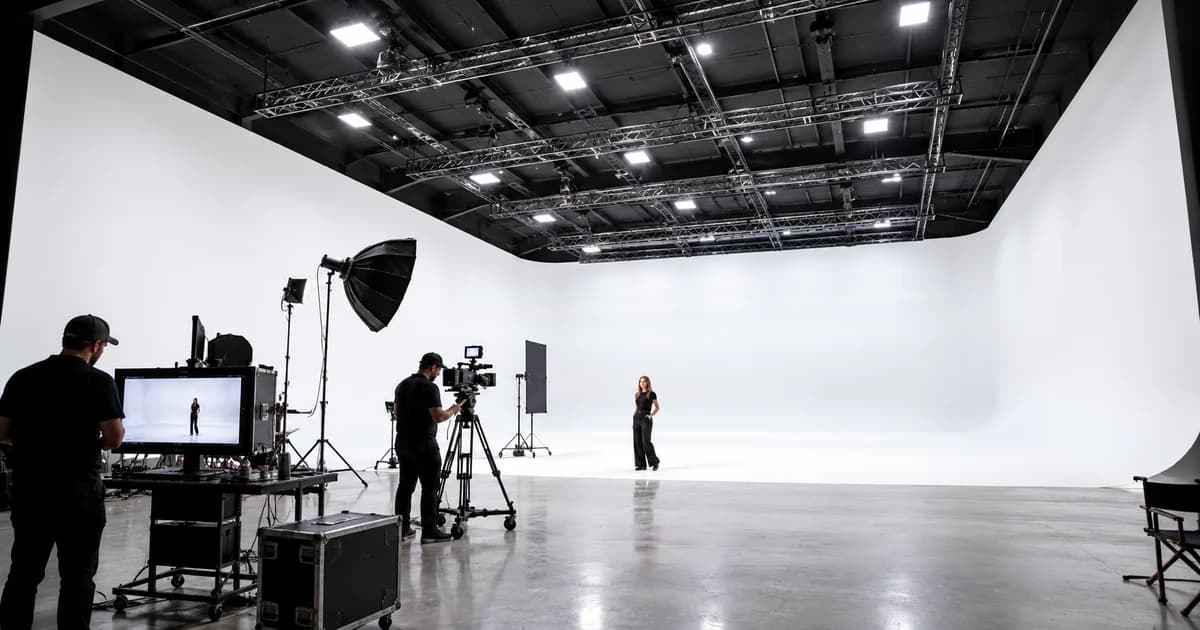
An infinity cove is a studio background where the wall curves into the floor, so the camera can frame a continuous field with no visible corner. On a shoot, its value comes from controllable framing, lighting, scale and stage support, because those details decide whether the seamless effect holds.
Table of Contents
For a producer or camera team, the useful question is practical. The cove has to support the shot list, lens choice, talent movement, lighting plan and load-in. A neat definition will only take you so far.
Plenty of weak cove work starts with the same assumption: white wall, white floor, clean background. Actual shoot days are less forgiving. The background has to be framed cleanly, lit separately, kept in usable condition and given enough space around the subject.
That is why a cove is best treated as stage infrastructure. The curve is the start of the effect. The production plan decides whether the camera gets the result.
Curved corners create the infinity effect
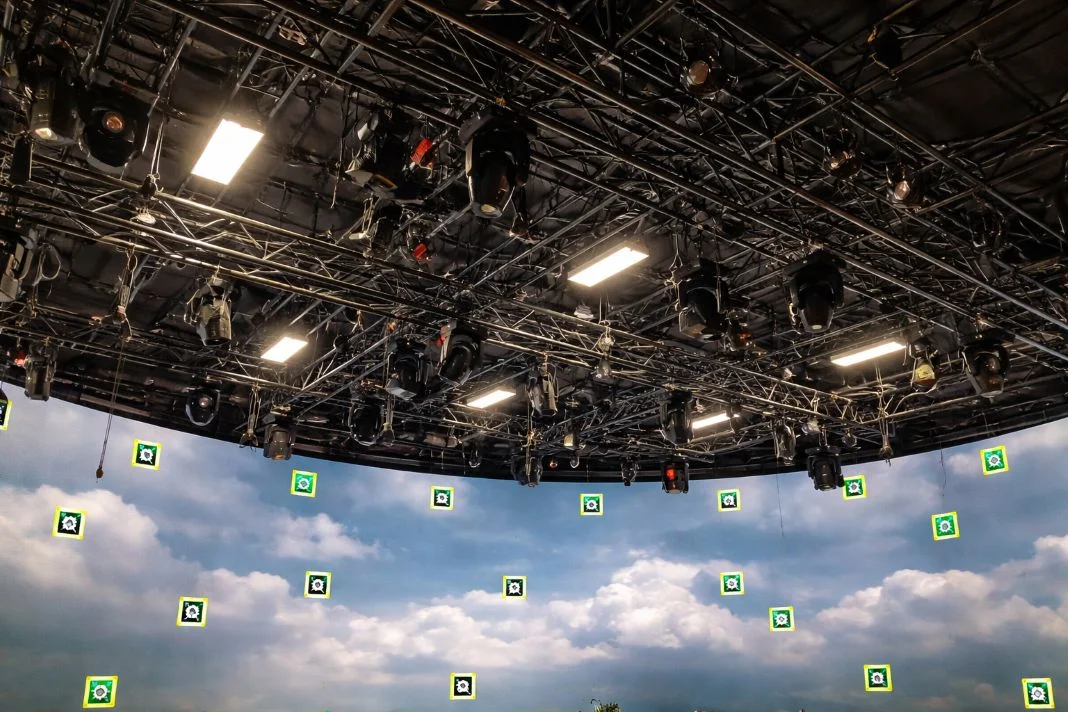
An infinity cove is a curved studio background that removes the hard line where a wall and floor would normally meet. In studio language, you will also hear cyclorama, cyclorama wall or cyc wall used for the same kind of continuous background.
The physical build is simple in principle: a floor sweep curves up into the wall, so the frame has no visible horizon line when the angle is right. The optical result depends on what the camera sees. A wide lens placed too close to the wall can catch the side edge or reveal the curve. A subject set too near the sweep can cast shadows or show floor marks.
Put a model several steps forward from the curve, frame tightly enough to avoid the side returns, and keep the floor clean inside the shot. That is when an infinity cove studio gives you the controlled field people expect from a seamless white background. The cove works as camera-controlled continuity, not as a blank white room.
Surface condition matters as much as shape. Scuffs, footprints and uneven repainting show quickly in full-length fashion, product movement and low-angle shots. An infinity wall for shoots gives you background continuity, but the camera still records the actual floor in front of it.
Lighting separation makes the cove work
The lighting plan determines whether the cove reads as clean, even and controllable. Good cove lighting treats the background and the subject as separate jobs, then brings them together inside the frame.
Background wash
Start with the cove surface. The background wash has to cover the wall and sweep evenly across the part of the cove the camera will see. Dedicated cyc fixtures, soft sources or bounced light can all form part of the plan, but coverage depends on fixture type, throw distance and where the lamps can physically sit.
For a clean white result, one practical starting point is around one to two stops brighter on the background than on the subject. Pushing beyond that can create flare, clipped edges and loss of detail around hair, clothing or product contours. White cove lighting is a balance, because overexposure creates its own clean-up problem.
Subject control
Once the wash is set, the subject key and fill can be shaped without relying on the background lights to do that work. Flags, negative fill and V-flats give the camera team ways to control spill, hold edge separation and stop white floor bounce from flattening the image.
Subject-to-background distance also matters. A person, pack shot or vehicle placed hard against the cove gives the lighting team fewer options. More working room gives the image a cleaner edge and makes relighting faster across campaign assets.
Exposure checks
A light meter or camera histogram helps verify the background wash across the frame before the shoot settles into rhythm. The check is basic, but it catches uneven exposure early, especially on wider setups where the cove stretches across much of the image.
Reliable cove lighting comes from coverage, distance and control. If the brief depends on a consistent white field, the lighting requirements need to be in the plan early.
Stage scale decides what the camera can use
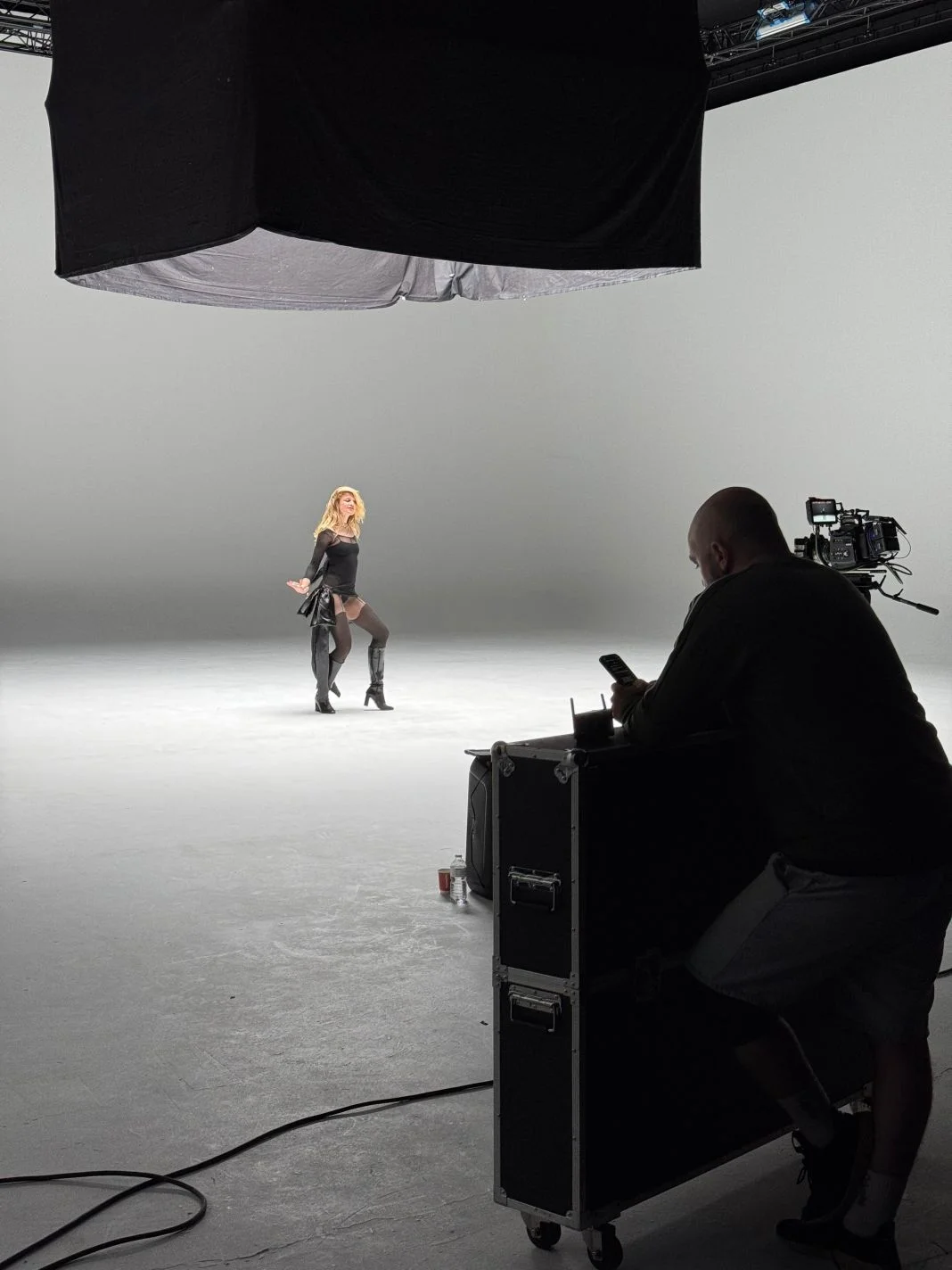
A wide fashion setup with walking talent, a performance plate with camera movement or a product campaign needing repeated angles will test the cove long before the first hero frame is approved. Width affects lens clearance. Depth affects how far the subject can sit from the curve. Height affects where the lighting can go.
At Mammoth Film Studios in London Zone 2, Studio 1 is the relevant large-format white cove stage: a 60 x 60 ft white infinity cove with a 24 ft / 7.3 m grid height. Those figures matter because a camera team can plan for wider blocking, overhead lighting positions and cleaner working distance from the background.
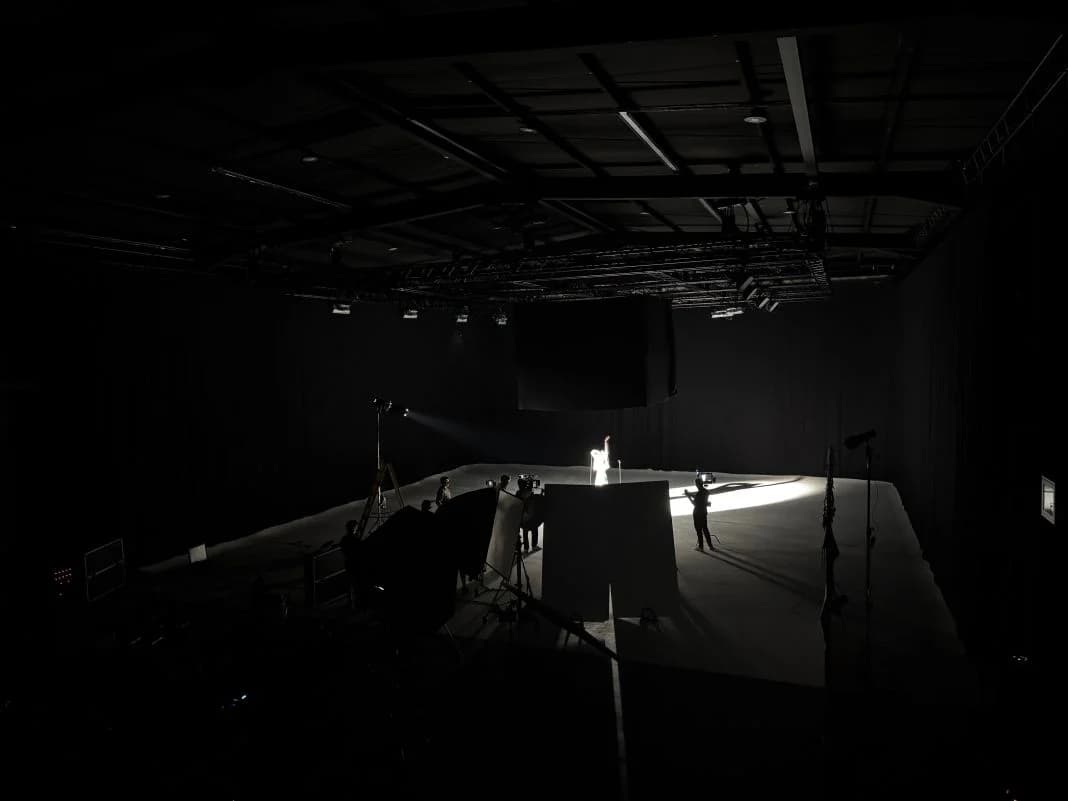
Drive-in access changes the production day as well. Large props, product builds and vehicle-related work become easier to plan when the load-in route supports the scale of the object. Blackout control also gives the lighting team a cleaner starting point when daylight would interfere with exposure or repeatability.
Location still has an operational role. London Zone 2 access helps city-based crews, agencies and suppliers work within familiar travel and unit patterns, especially when clients attend for approvals or multiple departments need to move through the stage. The final check is usable shooting space, because headline floor area and usable frame are different production facts.
Controlled briefs suit white coves
Some briefs gain value from removing location variables. Product ranges, fashion sets, interviews, music videos and controlled film work all benefit when the background can stay consistent while lighting, talent, props or camera position change.
A cove is strongest when the brief needs repeatable control, not when the environment itself is the subject. The table below compares briefs suited to a cove with briefs where another setting may serve the shot better.
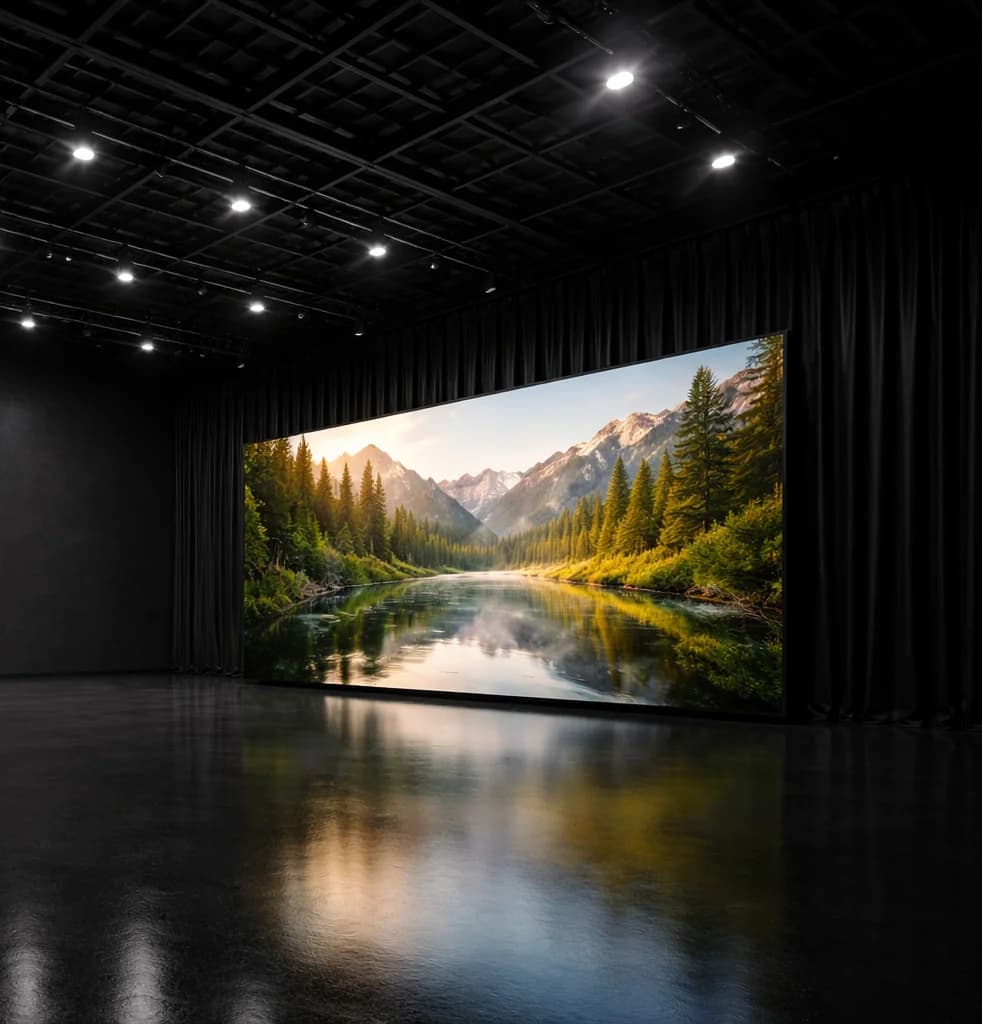
A white cove, chroma key surface and LED volume serve different production jobs. Cyclorama surfaces can be made in colours including chroma key green and chroma key blue, and light-coloured coves can also take coloured light for background changes. An LED virtual production stage is a separate tool with a different workflow.
Booking checks reveal the real stage
When you are deciding whether to book an infinity cove studio, the background curve is only one part of the decision. The stage around it determines how the crew, kit and client process actually run.
Mammoth Film Studios separates this clearly: Studio 1 is the infinity cove and blackout stage, and Studio 2 is the virtual production and blackout stage. That distinction matters because a white cove shoot and an LED-led virtual production brief place different demands on space, lighting, playback and crew support.
Use these checks before committing the brief to a professional infinity cove studio:
- Cove size and usable frame. Ask for the width, depth and height that affect your actual lensing and blocking, then compare those numbers with the widest frame on the shot list.
- Lighting infrastructure. Check grid height, rigging options, power and whether the stage supports the background wash and subject lighting as separate setups.
- Surface condition. Confirm how the cove floor and sweep are prepared, especially for full-length work, reflective products and low camera angles.
- Blackout and spill control. Look at how the stage controls outside light and whether the lighting team has room for flags, V-flats and negative fill.
- Access and support spaces. Match the load-in route, parking, production office, client area and styling space to the people and objects the shoot brings through the door.
Rates vary by studio, duration and technical requirements, so pricing belongs in the commercial conversation rather than in a generic explainer. The stronger booking filter is operational: does the stage give your camera team enough room, your lighting team enough control and your production team enough support to keep the day moving?
A seamless background is the visible result. The real asset is the production margin around it.
Common questions about infinity cove shoots
Can an infinity cove handle both stills and moving image work?
Yes. A cove can support photography, video and controlled film work, provided the stage size, lighting plan and access suit the brief.
Who needs the cove dimensions before the shoot is confirmed?
Your producer, camera lead and lighting lead should all see the usable dimensions. The numbers affect lens choice, movement, rigging and how much distance the subject can have from the background.
Does an infinity cove change the art department’s job?
Yes, because the background becomes a controlled surface rather than a found environment. Art direction still matters through props, styling, set pieces and how the white field is broken up or kept clean.
Can practical furniture or props be used inside a cove?
Yes, as long as the stage supports the load-in, floor protection and working space the items need. Larger objects make access, turning room and surface preparation more important.
Can a cove shoot include client viewing or agency attendance?
Yes, if the studio has the right support spaces for the production. Client rooms, production offices and clear routes off the shooting floor help approvals happen without interrupting the camera area.