Which stage is the safer default for your production?
The safer default is the stage that removes the most friction from your workflow. Choose an infinity cove when the image is built physically, lit conventionally and needs camera freedom. Choose a light-emitting diode volume, usually called an LED volume, when the environment must appear in-camera, shape reflections or change without a location move.
Table of Contents
Stage choice starts with workflow, not technology
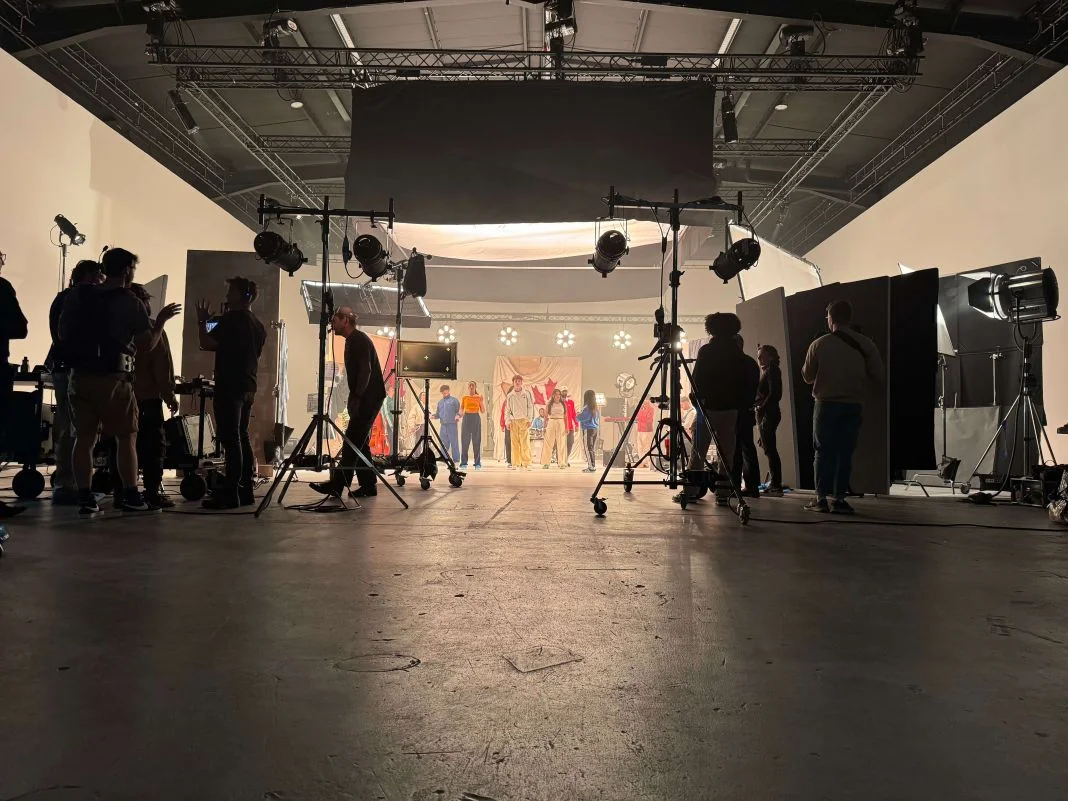
An LED volume is not automatically the more suitable stage because it is the more technical option. The better booking is the one that protects the shoot from avoidable compromise in lighting, camera movement, art department work, prep time and client review.
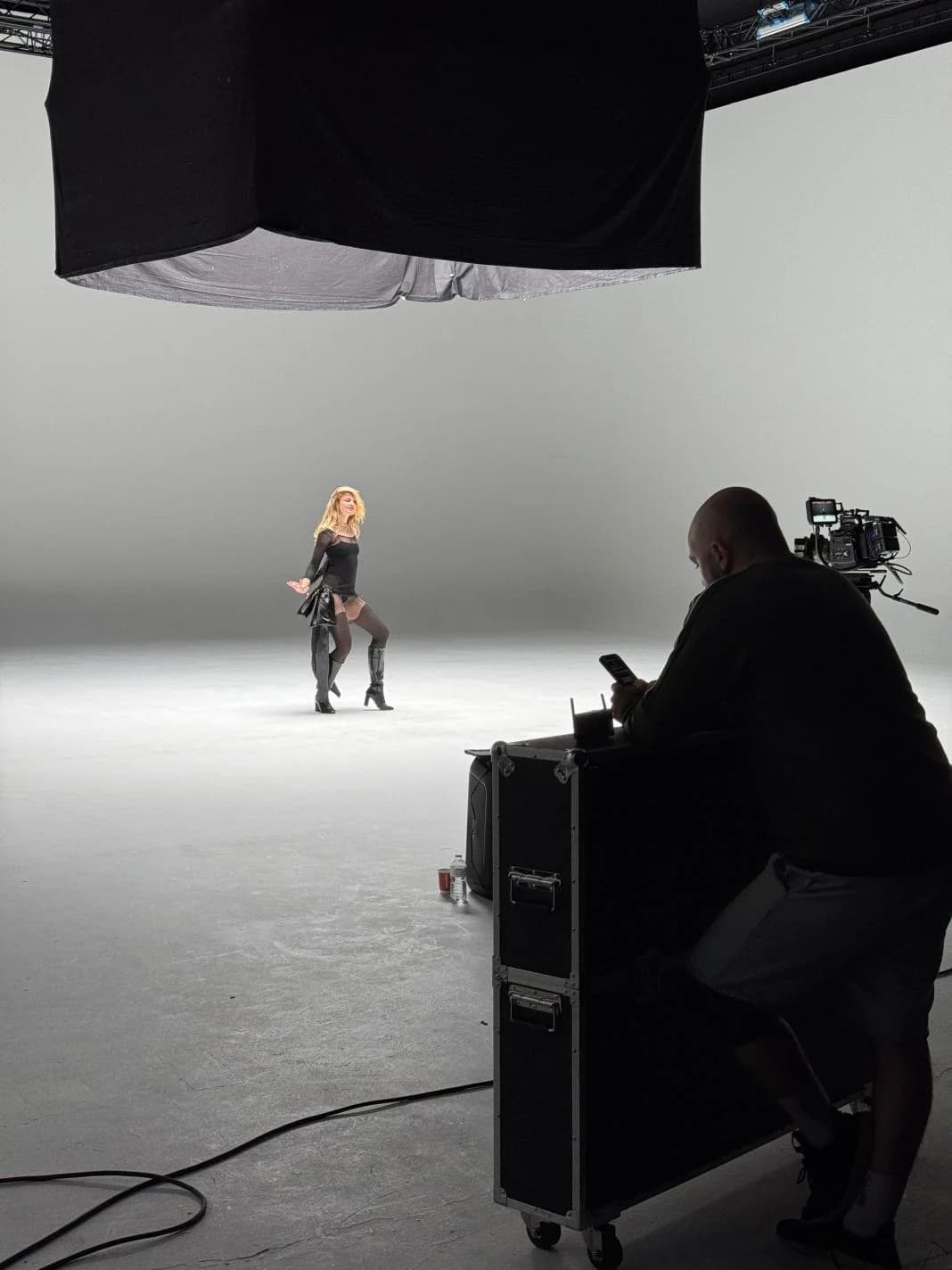
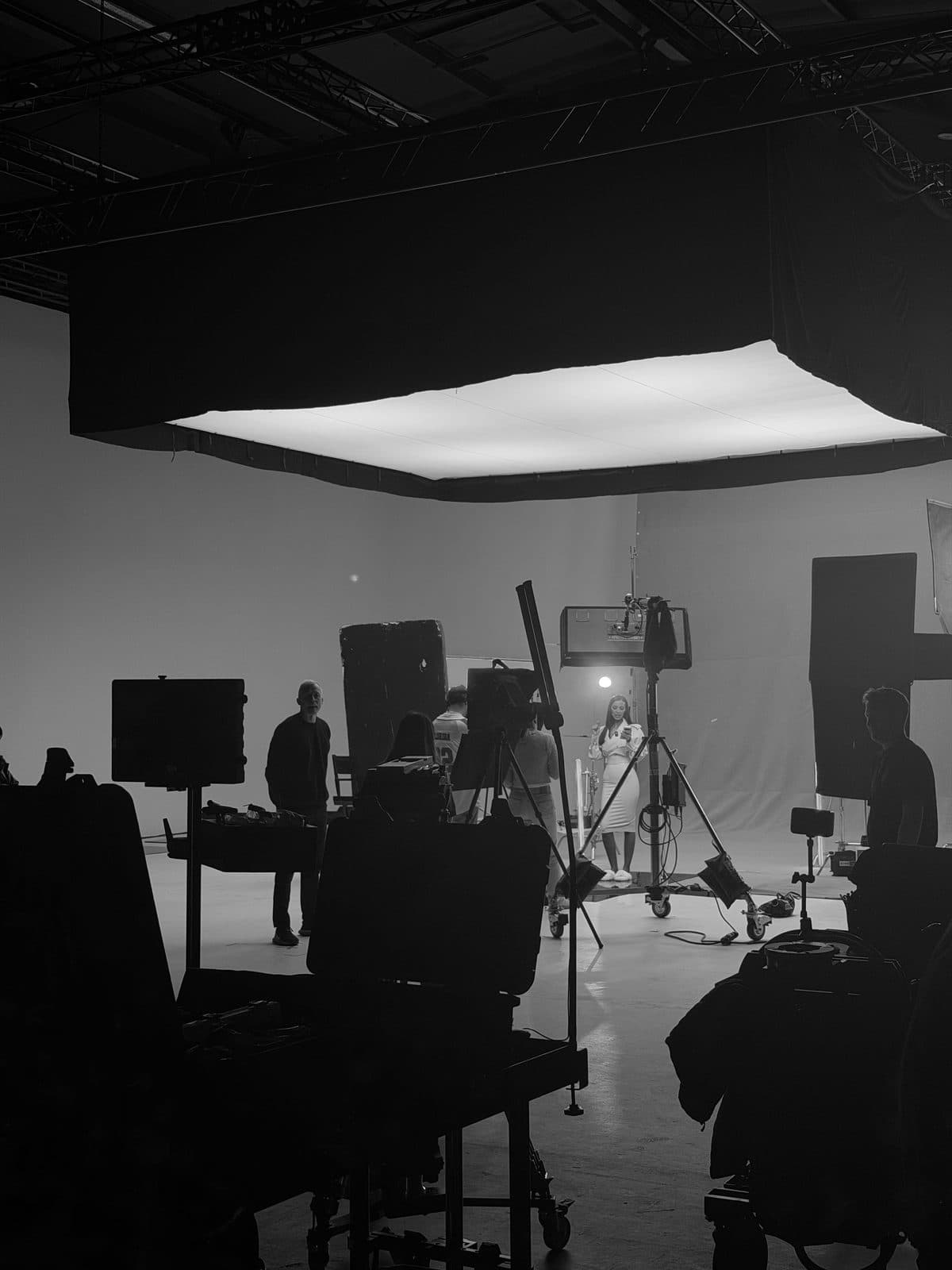
An infinity cove suits productions where the room itself gives you scale and control. Product work, talent-led commercials, fashion, automotive, set builds and clean blackout setups all benefit from a space where the crew can light the subject without negotiating with a screen. A cove stage also keeps camera blocking open, which matters when the director and director of photography want freedom to find the frame during the day.
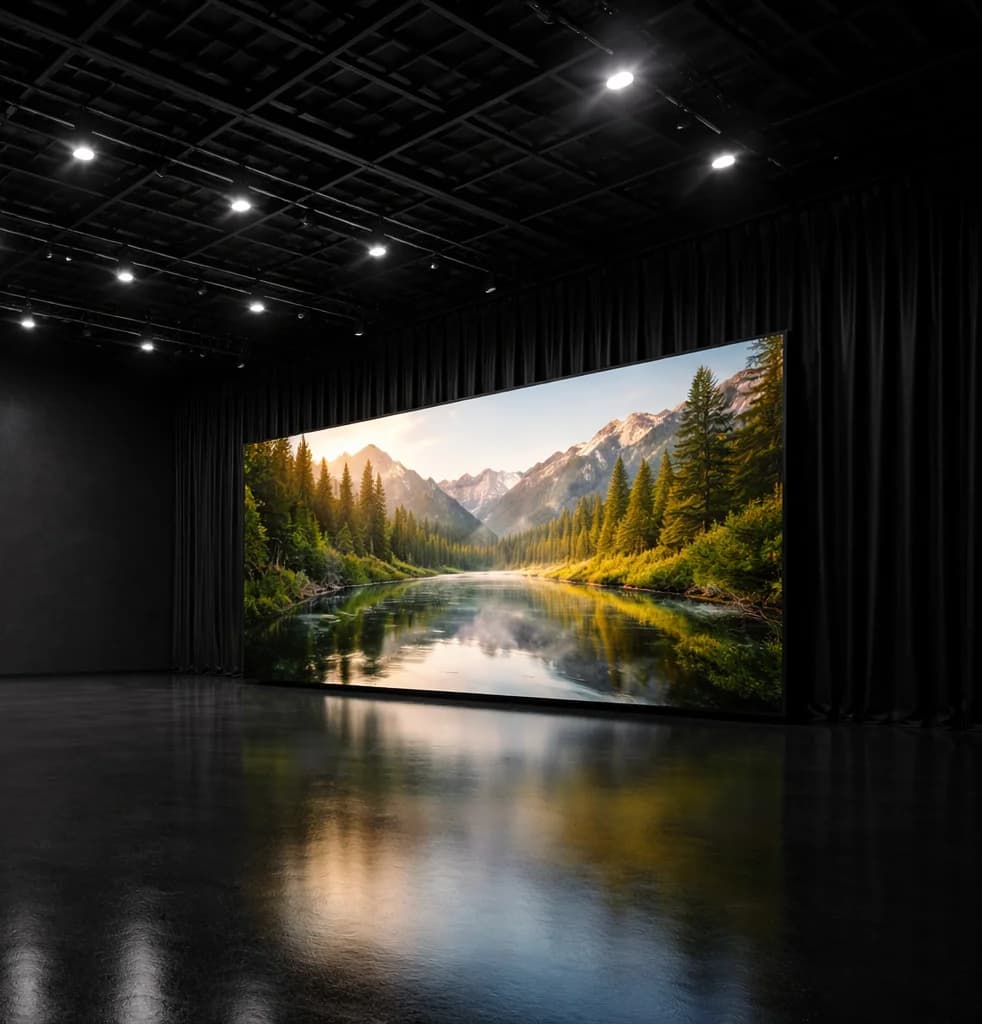
A virtual production stage works differently. The environment becomes part of the photographed image, and the LED wall contributes light, reflections and background detail. That makes it strong for controlled location looks, reflective objects, repeatable conditions and in-camera visual effects, often called in-camera VFX, where the background work is captured live rather than left entirely for later.
Blackout can serve both routes. In a cove, blackout creates a controlled physical stage. In an LED volume, blackout protects the screen environment and the lighting plan around it. The same word covers different production needs, so the early decision has to be guided by workflow.
The operating conditions change more than the backdrop
An infinity cove and an LED volume change who carries the work before and during the shoot. The cove puts more weight on the physical room, lighting and build. The LED volume puts more weight on content, playback and technical alignment.
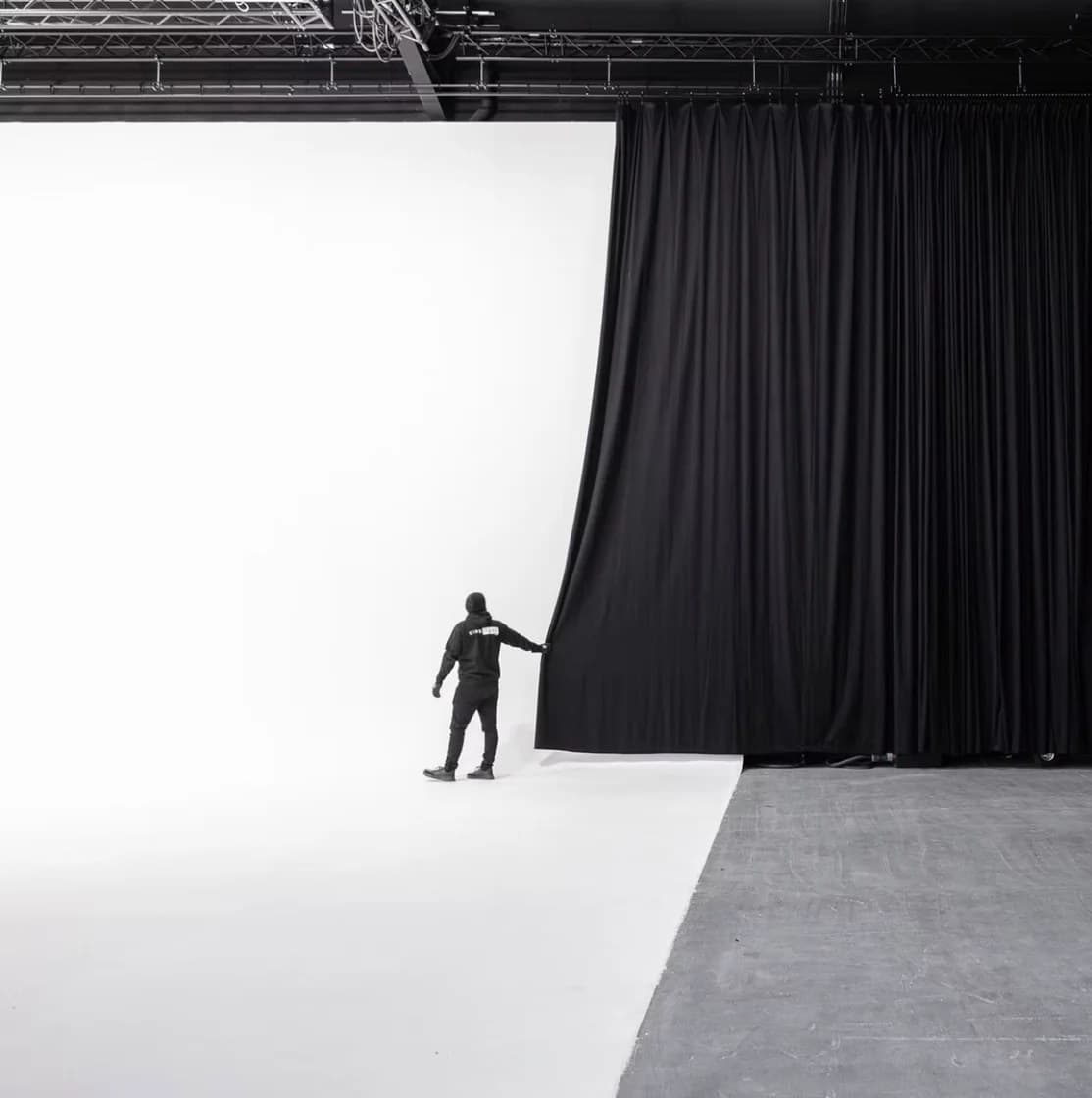
Mammoth Film Studios is a useful London example of that separation. Studio 1 is built around a 60 x 60 ft infinity cove, while Studio 2 has a standard 8 x 4 m LED screen that can be scaled into other configurations.
That table is the booking decision in plain terms. If the shot depends on a physical build, flexible lighting and open blocking, the cove keeps the day clean. If the environment itself needs to appear, reflect or shift quickly, the LED volume earns its place.
Neither route removes discipline. A poorly planned cove shoot becomes a scramble of rigging changes and art department fixes. A poorly planned LED shoot becomes a screen, camera and content problem at the least convenient moment.
Image, lighting and camera needs decide the stage
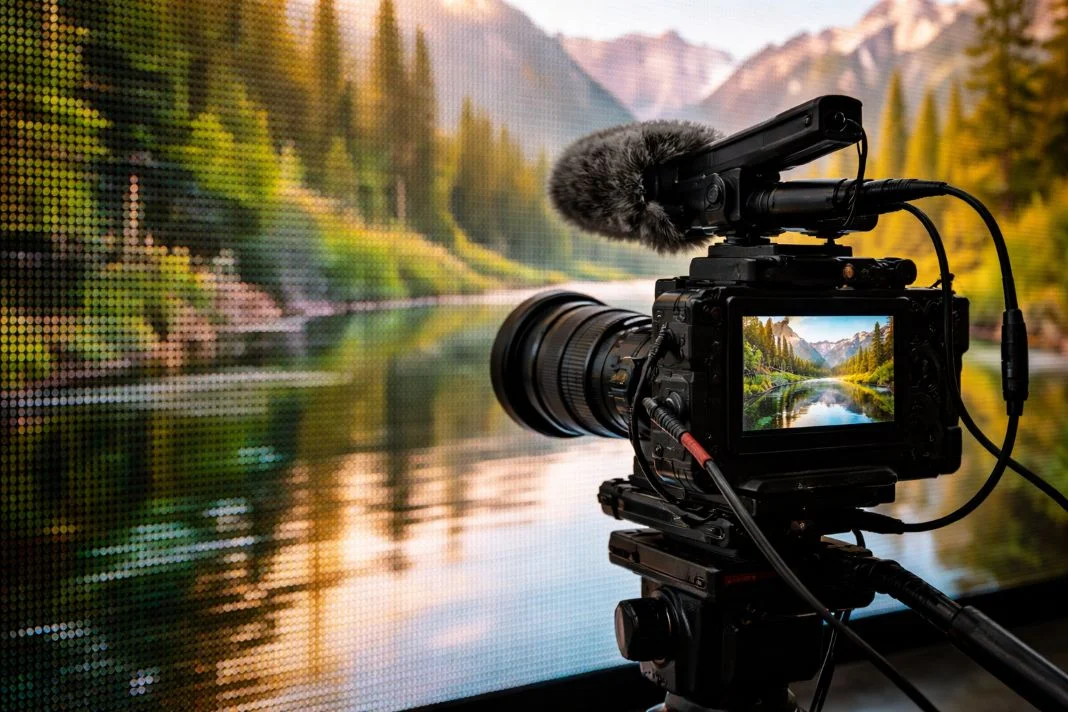
A reflective product shoot shows the split clearly. On a cove, the crew builds the reflection with lighting, flags and physical control. On an LED volume, the background can appear in the reflection itself, which can be exactly the point if the product needs to sit inside a defined environment.
The cove protects camera freedom
An infinity cove gives the director of photography a neutral base that can become white, black or built. That matters where the subject, set and lighting design need to carry the image without display limits. Camera movement remains easier to adjust because the background is a physical space rather than a screen with its own behaviour.
Commercial video often fits this route better than people assume. A clean cove is a stills background and can also support talent, vehicles, motion work, practical sets and multi-camera coverage where the production wants to stay nimble. The practical advantage is simple: the crew controls the image through familiar stage methods.
Blackout adds another layer. Once the room is controlled, the lighting department can work with less spill and fewer unwanted variables. That is useful when the production needs a clean plate, a controlled product surface or a darker set look without moving into virtual production.
The volume adds interactive image control
An LED volume becomes persuasive when the background must do real work in camera. Interactive light can affect skin, glass, metal and polished surfaces in ways that are hard to fake with a flat comp plan. Location changes can also become part of the shoot design, provided the content and playback route are ready.
Display behaviour has to be planned, not feared. Pixel pitch means the spacing between the individual light-emitting diodes on the screen, and poor matching between the wall, lens and camera settings can show up as moire or a low-resolution look. Latency is the delay between camera movement and the screen perspective updating, and it matters most with very fast moves.
Research from XR Stories at the University of York treats these as recognised virtual production issues, which is the right way to view them. They are planning checks. The wrong response is to treat the LED wall as a magic background or a complete lighting package for every scene.
For film cameras, unusual shutter choices or aggressive movement, build in a proper camera test. If the test says the volume works, it gives you a controlled result with real in-camera value. If the test exposes limits, the production has found them before the client is watching the monitor.
Prep and crew load move to different departments
Shoot-day pressure rarely appears out of nowhere. Most of it is created earlier, when the production decides what must be built, what must be rendered, what must be approved and who owns each technical decision.
Cove work pushes prep into the physical room. The art department needs the build and dressing ready. The lighting team needs time to rig and shape the space. The production team needs changeovers planned so the stage does not lose half a day to avoidable resets.
LED volume work shifts pressure upstream. Background content, playback, supervision and camera tests need to settle before the main crew arrives. At Mammoth Film Studios, virtual production in Studio 2 is delivered with Elsewhere Productions, while lighting support is structured through Cinelight London, which shows the practical point: the stage is part of a working system, not a bare room with a screen in it.
Use these checks before you commit to either route:
- Image source: Decide whether the final image is mainly created in the room or through screen content. That choice drives almost everything else.
- Foreground build: Match physical dressing to the chosen route. An LED background still needs foreground pieces that hold up in camera.
- Camera tests belong early if the wall, lens, movement or reflective materials carry risk.
- Lighting plan: Treat screen light as part of the design, not as the whole lighting answer.
- Review route: decide who needs to approve the image live and what they will be looking at.
- Changeover plan: separate cove work, blackout work and LED sequences clearly if the production uses more than one setup.
A hybrid plan can work well when each part has a defined job. The mistake is booking both environments as a comfort blanket, then letting departments find the boundary on the day.
London logistics reward workflow fit over labels
When a London shoot involves agency attendance, unit vehicles, hired equipment and quick client review, the stage decision becomes logistical as well as visual. A strong stage on paper can still cost time if loading, crew movement or production space are treated as afterthoughts.
London Zone 2 matters when it connects to real production use. Drive-in access helps with heavy kit and larger builds. On-site parking changes how crew and suppliers arrive. Links to the Overground and Jubilee line can make agency attendance and crew movement more practical, especially when the schedule needs people in and out without turning transport into its own production problem.
Mammoth Film Studios keeps the distinction clear by separating Studio 1 as the large-format infinity cove and blackout stage from Studio 2 as the blackout and virtual production stage. That matters because the booking conversation starts from the work, rather than from a generic studio label.
Two approaches show up again and again. One chooses the stage by headline technology and then asks the production to adapt. The other starts with the shot list, the review route, the art department load and the way the day has to run. The second approach holds up better across commercial, film and photography work because it protects the actual shoot, not the idea of the shoot.
Common questions about infinity cove and LED volume stages
What is the difference between an infinity cove and a cyclorama?
An infinity cove is a type of cyclorama with curved joins that remove visible corners in camera. In production planning, people often use the terms closely, but the useful question is whether the stage gives you the scale, finish and blackout control your shoot needs.
Is an infinity cove suitable for video as well as photography?
Yes, an infinity cove can suit video when the production needs clean background control, flexible lighting and room for movement. It is especially useful when the camera needs freedom and the image is being made physically on stage.
Can you use an LED wall for product photography?
An LED wall can work well for product photography when reflections, background detail or environment cues matter. Reflective products need careful testing because the wall, lens and lighting plan all affect the final image.
Is an LED volume better than green screen?
An LED volume is better for some work because the background can appear in camera and contribute light or reflections. Green screen remains useful where the production wants a simpler capture stage and expects the background to be finished later.
How much prep does an LED volume shoot need?
An LED volume shoot needs enough prep to test the content, camera settings, playback route and foreground build before shoot day. The exact amount depends on how much of the final image depends on the screen.