Which setup gives your final image the right control?
The right setup is the one that puts control where your final image needs it: on the studio floor, in compositing, or inside an LED workflow. Choose an infinity cove for a real seamless environment, green screen for planned replacement, and LED when live backgrounds or reflections matter.
Table of Contents
A request for a “clean background” is rarely enough. Clean for packshot stills, clean for a car plate, clean for social cutdowns and clean for a VFX-heavy commercial can all point to different studio choices.
Most wrong bookings begin too early. A surface gets chosen before the team has agreed what the final frame must prove, who signs it off, and how much work can safely move into post.
Start with the deliverable. Once the final image has a job, the studio setup stops being a preference and becomes a production decision.
The final image chooses the setup
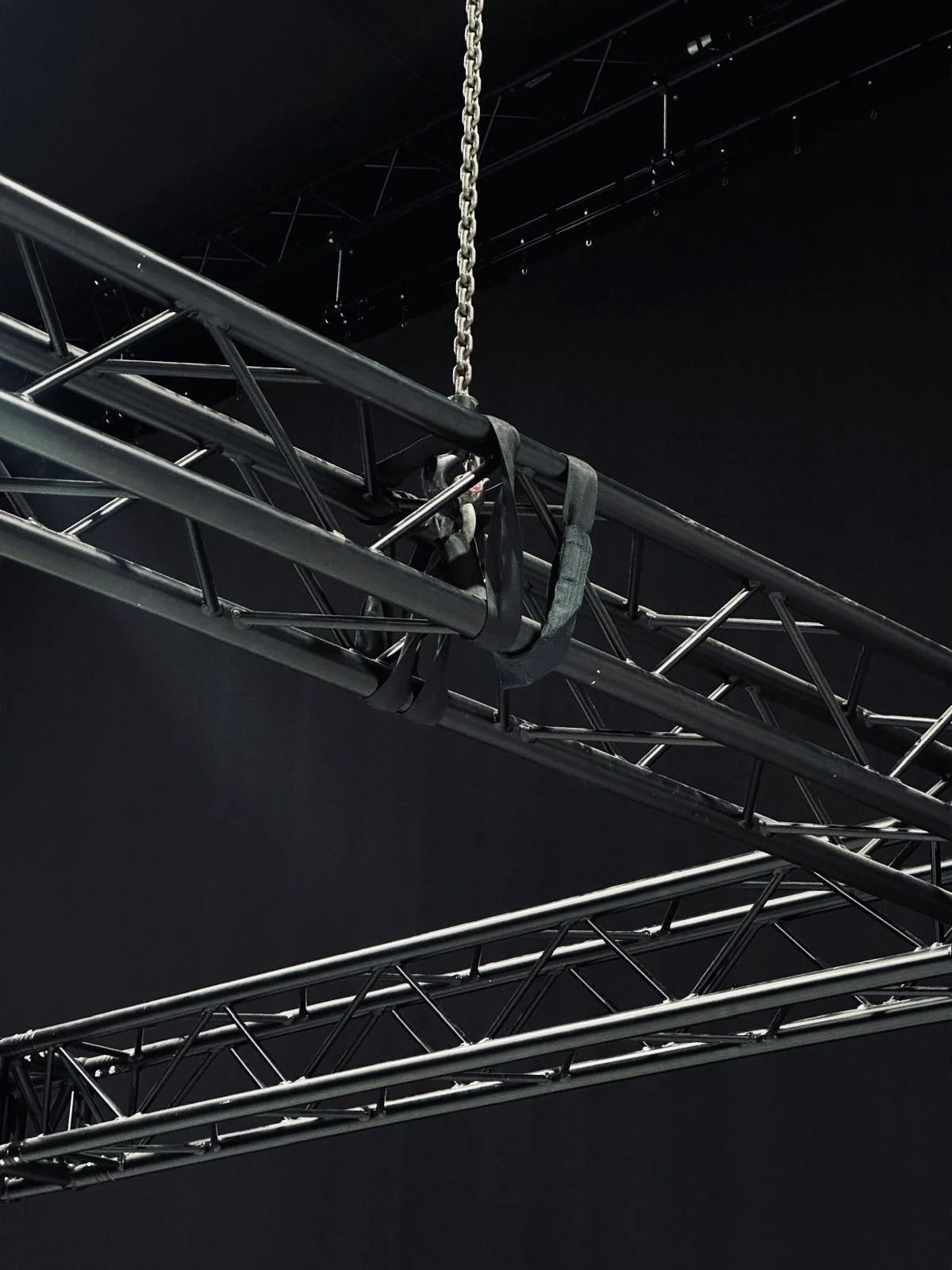
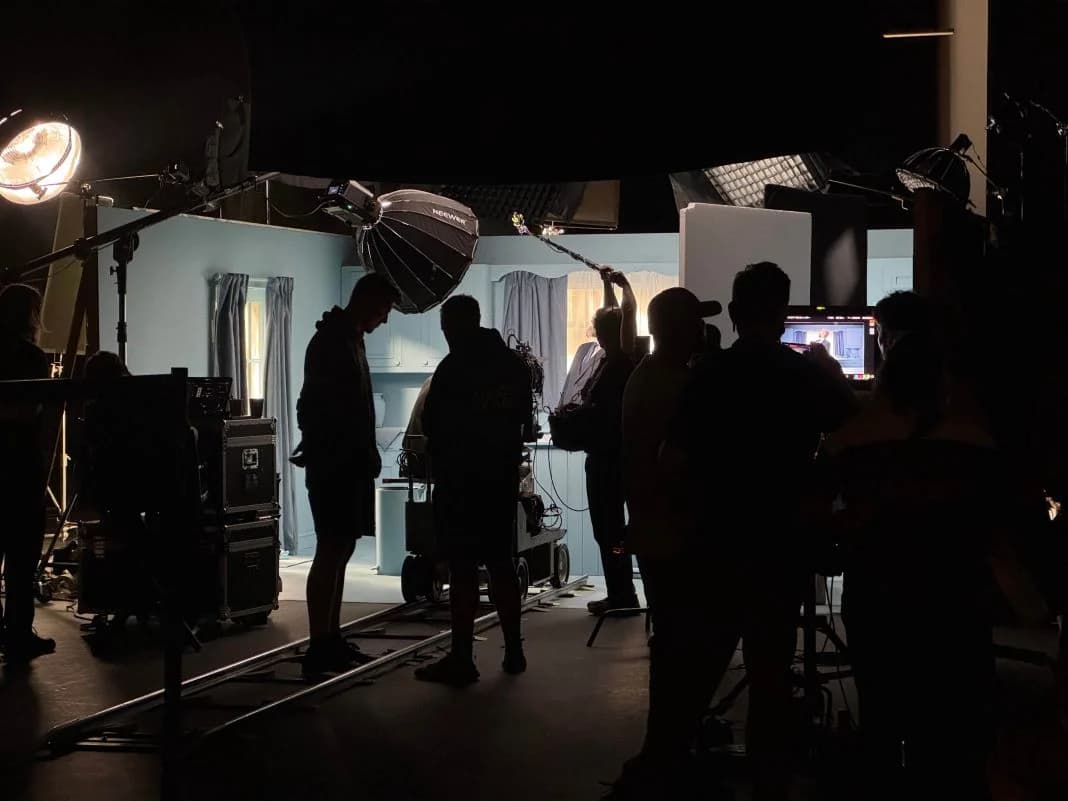
A familiar booking conversation starts with a simple request: “We need a cove or green screen for a clean background.” That sounds clear until the producer asks what the agency needs to approve on the day, whether the floor appears in shot, and whether the final world exists in camera or later in post. The choice is a workflow decision, not a backdrop preference. Everything after that question is easier to answer.
The table below compares an infinity cove, a green screen and LED virtual production as three different ways to control the final frame.
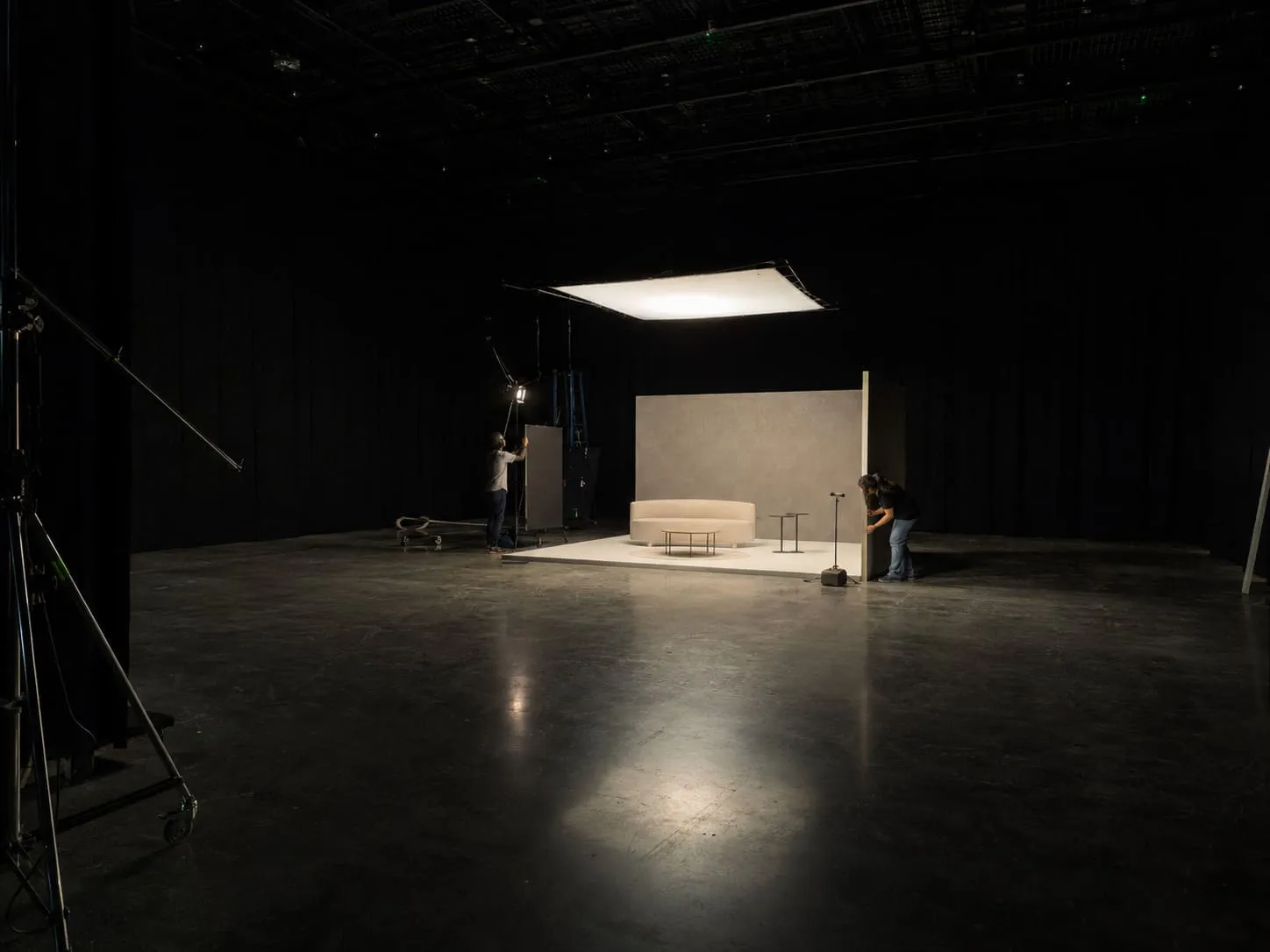
For a white cove studio, the value lies in what the camera captures without needing to rebuild the environment later. A subject can stand, move, cast a shadow and interact with the floor in a way the lens records directly. That matters for commercial films, automotive work, fashion movement, product runs and stills where the final image depends on physical contact with the space.
Green screen works differently. The shoot captures a subject against a chroma surface so the background can be replaced. That opens creative room, but it also asks the production to plan for keying, spill control and compositing approvals before the camera rolls.
Mammoth Film Studios is a useful London Zone 2 example because its stages are separated by workflow. Studio 1 is configured around an 8,000 sq ft infinity cove and blackout stage with a 60 x 60 ft white cove, so it supports large-format cove work without being treated as an LED stage.
A booking brief that names where the final background comes from will expose the right stage faster than a request for a clean background.
Green screen moves the work into post
Green screen is a production route with consequences after the shoot. The stage choice affects the VFX plan, the colour pipeline, the approval path and the amount of cleanup a team has to carry once the plates leave set.
Keying is a pipeline choice
Green screen transfers control into compositing, not into the studio wall. The captured colour is used to create a matte, which separates the subject from the background so a different image can be placed behind it. On a professional job, that decision belongs in the same conversation as turnaround, supervision and sign-off.
Foundry Keylight is a useful reference point because it shows what keying actually involves: screen colour selection, matte controls, despill bias and outside masks for unwanted objects. In plain production terms, the green area is only the start. Someone still has to pull the key, control edge quality, manage colour contamination and judge whether the replacement background holds up across the edit.
That is why a green screen workflow needs the post team involved before the studio is booked. Wardrobe, camera movement, lighting angles and background design all affect the key. A producer who leaves those calls until after the shoot has turned a studio choice into a post problem.
Surface continuity matters
Surface quality also has a direct effect on the result. Professional chroma surfaces, including Rosco Chroma Key Paint and Rosco DigiComp HD, rely on even preparation. Rosco’s painting guidance says the surface should be clean, dry, primed and flat because uneven coverage can affect the finish.
That point matters if a cove is being adapted, painted or reset for a chroma key studio job. The schedule has to allow for preparation and continuity, and the lighting plan has to keep the screen usable across the shots. Cloth screens bring their own management demands around creases, tension and repeatability.
Green screen compositing is powerful when the team has planned the handover from set to post. A green screen studio choice needs a post resource plan at the same moment it gets a stage hold.
Why floor contact changes the decision
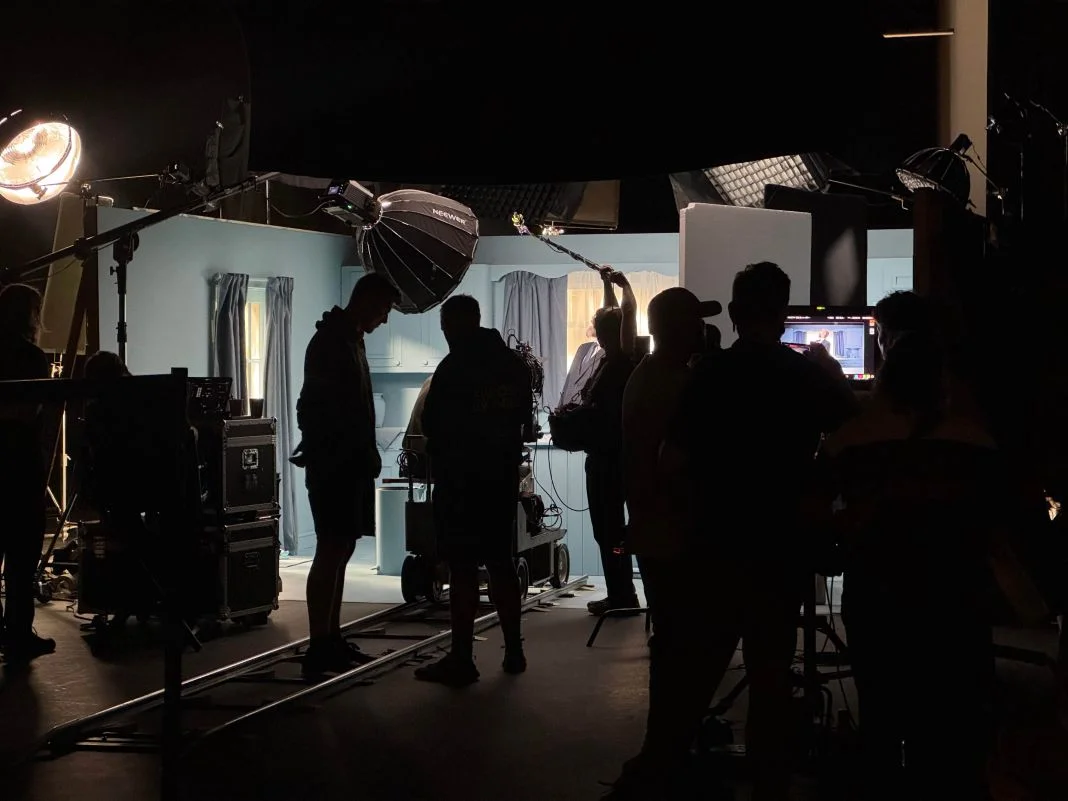
What touches the floor, and what reflects the environment? Those two questions catch weak assumptions quickly.
Feet and movement. Performers who cross frame, turn, jump or work close to the floor create contact points the audience will read. A white cove can give you real foot contact and shadow behaviour in camera. Chroma can handle movement, but the cleanup has to be planned as part of the job.
Props and set pieces. Chairs, plinths, stands and hand props can make the floor part of the image even when the background looks simple. Once shadows and object edges become visible, the production needs to decide how much of that grounding belongs on set.
Vehicles and wheels. Tyres, wheel arches and lower bodywork expose contact with the floor. An infinity cove for vehicles can make sense where the real scale and contact need to survive close review. A green screen product shoot with wheels in frame needs tighter compositing control.
Reflective products. Glass, chrome, polished packaging and liquid surfaces record the space around them. Green screen can introduce spill and unwanted colour into those surfaces, so the team needs a plan for reflections before the product arrives on stage.
Compositing can solve a lot, and good teams use it well. The mistake is treating roto and cleanup as invisible overhead. Build those details into the boards before the studio setup is locked.
The LED route solves different problems
A car interior, glasses campaign or polished product film can look like a green screen job at first. The background needs control, the scene may change between shots, and the client may want options. Then reflections enter the brief, or agency approval needs to happen with a background visible on set, and the route changes.
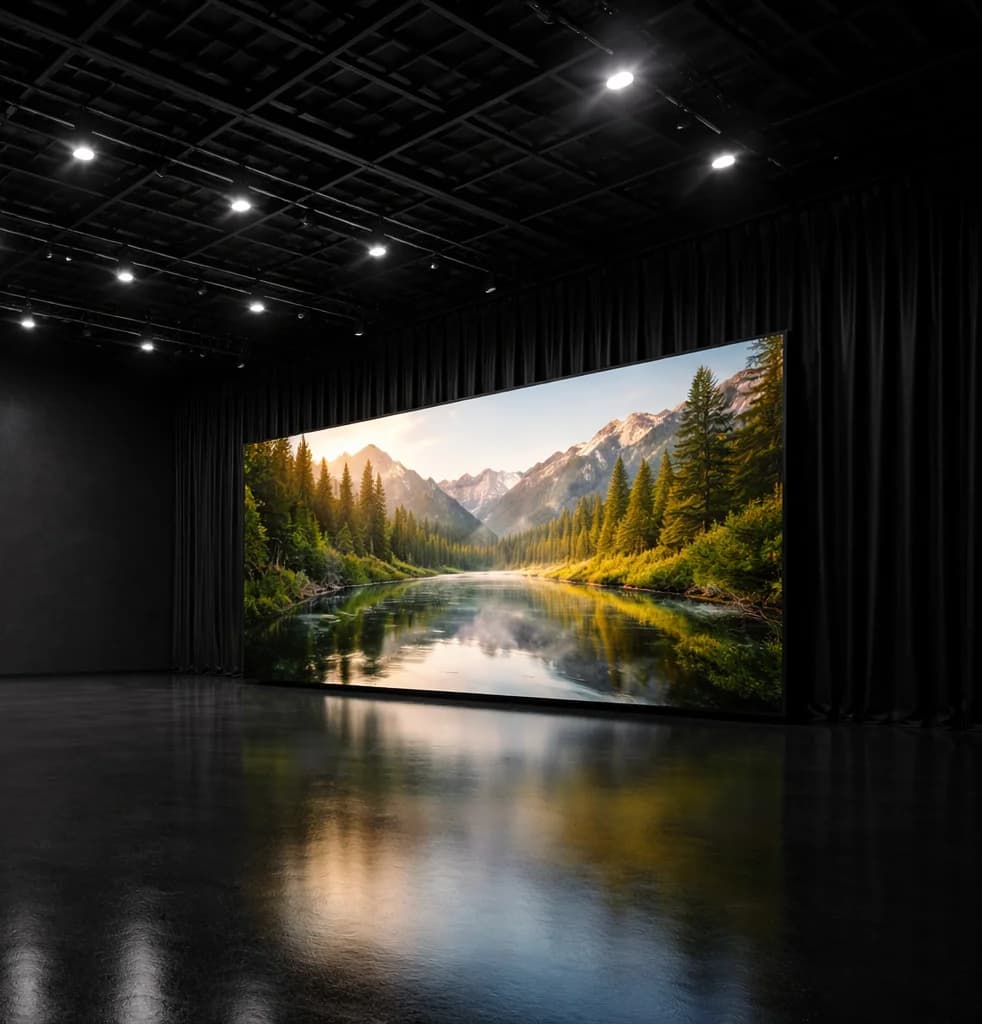
LED virtual production, where screen panels show the environment during the shoot, gives the camera a background to record. It can also give the subject usable light and reflections from content outside the camera’s view. Unreal Engine’s in-camera VFX documentation describes this outer screen area as a source of light and reflection for the physical set.
That matters most when the product or performer responds to the environment. Glasses, cars, glossy packaging and polished props can all record the set around them. With LED, those cues can be present during capture, so the shoot day is closer to the final frame the client reviews.
Professional workflows also combine methods. Unreal Engine documentation describes cases where the camera-facing area uses green screen and surrounding LED imagery continues to provide light and reflections. That hybrid approach can be the practical answer for shots that need compositing and on-set environmental response in the same setup.
At Mammoth Film Studios, Studio 2 is the site’s virtual production and blackout stage, with a 5,000 sq ft footprint and an in-house modular 8 x 4 m LED volume. That separation matters: Studio 1 is for large-format cove and blackout work, and Studio 2 is the route when the brief points to LED-based control.
That route belongs in the conversation before budget, crew and review assumptions settle around a standard green screen production.
London stage logistics make the choice concrete
When the creative route is clear, the logistical checks become much simpler. A London studio shoot has to work for the deliverable and for the people moving through the day: crew, agency, suppliers, unit vehicles and anyone reviewing work as it happens.
London Zone 2 access has practical value because city-based teams rarely work in isolation. Proximity to Overground and Jubilee lines can matter for agency attendance and crew movement, while drive-in access and on-site parking affect how quickly equipment, product, vehicles and set pieces reach the floor. Those details only help when they match the chosen workflow.
Use this final check before you pencil the stage:
- Final image. Decide what the camera must capture as a finished element on the day. If the seamless physical space is part of the image, the cove is doing real work.
- Background source. Agree whether the background is a studio surface, a replacement plate, or live screen content. That answer shapes the crew you need around the camera.
- Post load. Put keying, cleanup, colour decisions and approvals into the schedule if green screen is chosen. Treat them as planned work.
- Floor and reflections. Check every shot for feet, wheels, props, glass, metal and polished surfaces. These are the details that reveal whether the environment needs to exist in camera.
- Access and review. Match the studio to how people and material move through the day. Drive-in access, parking, production areas and reliable review routes matter when schedule pressure is real.
Once those checks are named, the brief looks different. You are no longer asking for an infinity cove or green screen in the abstract; you are choosing the setup that keeps the most important creative control in the right place.
Common questions about cove, green screen and LED studio choices
What is the difference between an infinity cove and a cyclorama?
A cyclorama is the curved, seamless wall-and-floor construction used to remove visible corners. An infinity cove is the production term many crews use for that seamless cove environment, especially when it is used to create a continuous white or blackout space.
Do you need a full cyclorama for green screen?
You need a full cyclorama only if the shot needs continuous floor, wall and movement coverage. Tighter framing or waist-up work can use a smaller green screen setup, provided the screen gives enough clean area for the subject and camera move.
Is green screen paint better than cloth?
Painted chroma surfaces suit repeatable stage work because they can give a flatter, more controlled area. Cloth is useful when portability matters, but creases, tension and surface consistency need more attention.
Can a shoot combine a white cove and green screen work?
A production can use different setups for different scenes or deliverables. The clean way to plan it is to separate which shots need real physical contact on the cove and which shots need background replacement in post.
Does remote review change the studio choice?
Remote or live review can affect the choice if clients need to judge backgrounds, reflections or screen content during the shoot. In that case, the review path becomes part of the studio brief, alongside the surface or stage type.