What does drive-in studio hire in London need to do for your shoot?
Drive-in studio hire in London is worth it when vehicle access connects to the whole production route: arrival, unloading, parking, stage entry, crew movement and load-out. A car through a door is a feature. Controlled movement through the site is what protects your schedule.
Table of Contents
The short answer on drive-in studio hire
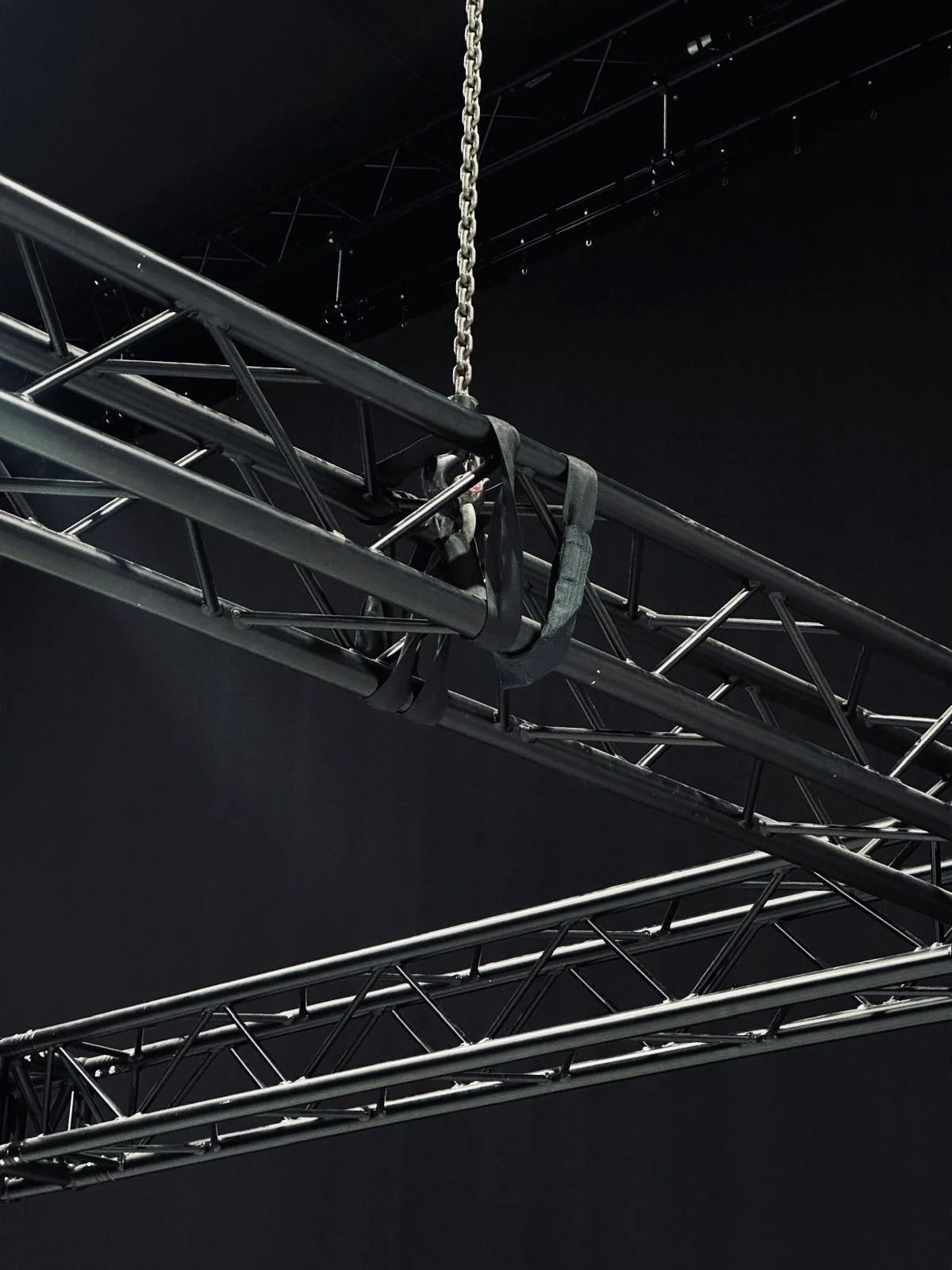
Drive-in studio hire means more than ground-floor access. In production terms, it means the site can move vehicles, unit kit, set flats, props and delivery loads close to the working area without forcing everything through a narrow pedestrian route.
That distinction matters because the first hour of the day sets the tone. If vans are waiting on the street, scenic pieces are being carried twice and the art department is working around crew movement, the studio has not solved the load-in problem. It has moved it indoors.
Useful drive-in access reduces handling. It gives location management and production management a cleaner route from vehicle to stage, then back out again when the shoot wraps. The label matters far less than whether the access speeds the production.
Why the door is not the load-in
A wide door can still leave you with a slow load-in. The bottleneck usually sits in the route, the waiting space and the order of movement, not in the size of the opening alone.
Vehicle access works when the largest vehicle can arrive, turn or hold safely, unload in the right order and stay clear of crew routes. If the vehicle reaches the stage but blocks make-up, wardrobe, client access or lighting movement, the schedule starts leaking time. Fast load-in comes from fewer hand-offs, not from rushing people with heavy kit.
Large set work makes the weakness obvious. Scenic build, pre-light, prop movement and waste removal can all overlap during the same production window. A studio that has no sensible holding area or storage plan can make each department wait for the last one to clear the route.
Safety planning belongs in the same conversation as speed. The Health and Safety Executive says loading and unloading areas should be clear of passing traffic, pedestrians and people not involved in the operation. Its workplace transport guidance also says pedestrians and vehicles must be able to circulate safely. For a production, that translates into plain site discipline: vehicle movements need marshals where needed, crew routes need to stay workable and nobody should be improvising around a reversing van.
A proper access plan covers build, shoot, strike and load-out. If the site works only for the first delivery, it is not a fast load-in studio in any meaningful production sense.
The checks that prove a studio can handle vehicles
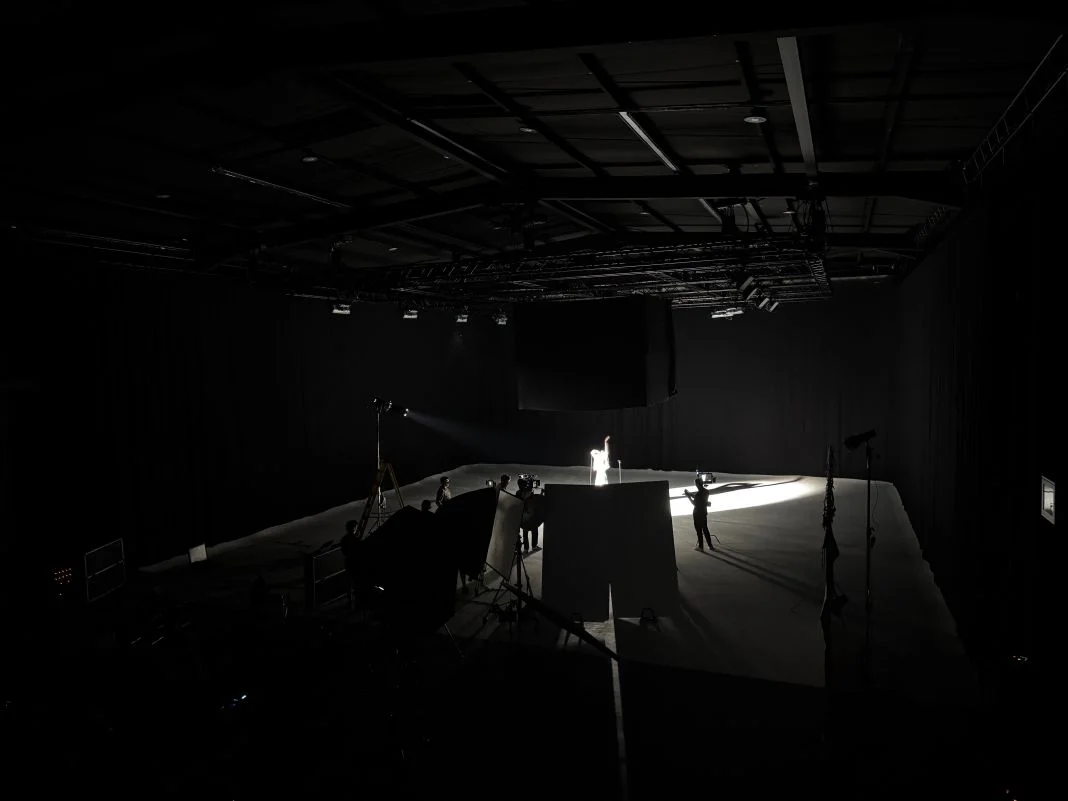
The right checks happen before a tech recce becomes a rescue mission. Treat the studio like production infrastructure and test it against the heaviest movement in the job, not the average case.
Use these checks before committing a vehicle shoot, large set build or fast-turnaround brief:
- Largest vehicle and load. Confirm the biggest van, box vehicle or car that needs access, plus the largest set element that has to reach the stage.
- Door clearance and floor route. The route from entrance to stage matters as much as the door itself. Look for pinch points, changes in level and awkward turns.
- Turning and waiting space. A vehicle that can enter but cannot hold or turn without blocking the site will slow suppliers and crew.
- Vehicle-on-set plan. Ask whether the vehicle needs to remain on set, move between setups or leave once unloaded. Each version changes the stage plan.
- Parking allocation. Unit vehicles, agency attendance and supplier vans need a realistic parking plan, especially in London Zone 2.
- Electrical supply and rigging. Large builds and vehicle work need more than access. Lighting, grip and any overhead work have to fit the stage configuration.
- Blackout, cove and floor protection. A car shoot on an infinity cove has different controls from a blackout product shoot or a large scenic build.
- Production areas and supplier timing. The production office, client area, hair and make-up room and delivery schedule all affect whether movement stays orderly.
Mammoth Film Studios is a useful London Zone 2 reference point because its access discussion sits alongside parking, stage configuration and site operation, rather than treating the drive-in door as a standalone feature. That is the standard worth applying to any London drive-in studio you assess.
The London logistics behind vehicle access
When a shoot involves box trucks, heavy goods vehicles or multiple supplier drops, London logistics sit inside the studio decision. The vehicle journey starts well before the studio entrance, so the route across the city, the arrival window and the site’s ability to hold vehicles all affect the day.
Transport for London states that heavy goods vehicles over 12 tonnes gross vehicle weight need a safety permit before operating in most of Greater London. The HGV Safety Permit Scheme runs 24 hours a day, every day of the year, and the permit application is free. Recent Direct Vision Standard rules also mean some lower-rated heavy goods vehicles need the Progressive Safe System fitted before they can receive a new permit.
That does not need to turn into a production headache. It does mean the transport plan has to be checked before call time, especially if a scenic supplier, lighting truck or larger delivery vehicle is coming in from outside London. A vague instruction to “arrive in the morning” is not a plan.
London Zone 2 can help city-based crews, agencies and suppliers when the site is managed properly. Proximity to Overground and Jubilee line connections can reduce pressure on crew arrivals, while on-site parking can keep unit vehicles out of street-side holding patterns. Those benefits only matter when the studio has a clear approach to arrivals and unloading.
For producers comparing drive-in studio London options, the best question is simple: does the studio make the wider vehicle movement easier, or does it leave production to solve the city around it?
The false equivalence between drive-in studios
The common assumption is that drive-in studios sit in one neat category. They do not. A cove stage, a blackout stage and a virtual production stage solve different production problems, even if each offers vehicle access.
Stage type changes the decision. A reflective vehicle shoot, a large-format fashion set, a promo with scenic build and a controlled virtual production setup all place different demands on blackout, floor area, rigging, electrical supply and production support.
The cove and blackout route
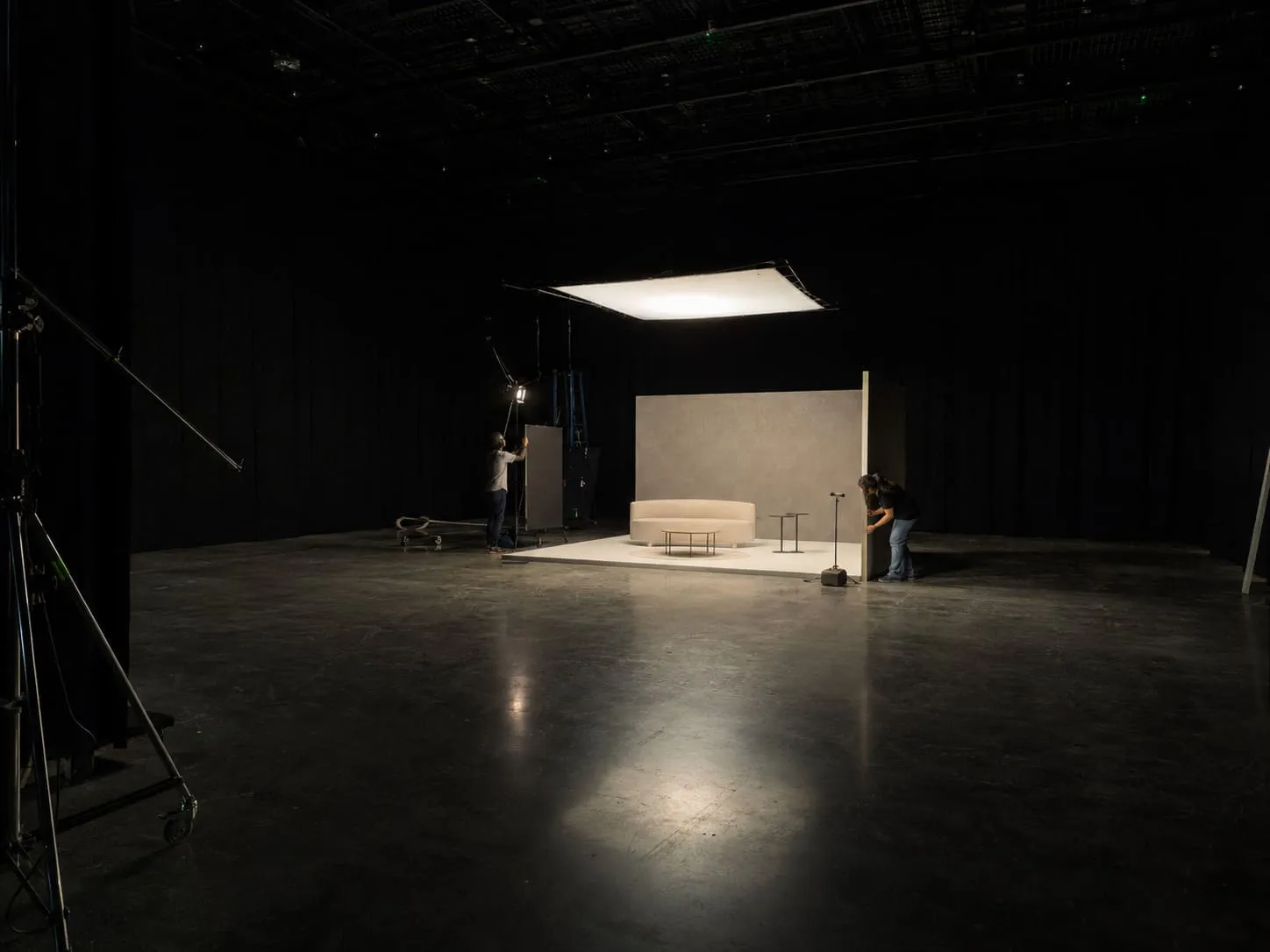
For large-format photography, commercial shoots and traditional film work, the cove and blackout route is often the right reference point. At Mammoth Film Studios, Studio 1 is an 8,000 sq ft Infinity Cove and Blackout stage with drive-in access, a 60 x 60 ft white infinity cove, blackout capability, motorised truss systems, three-phase supply and on-site parking.
Those details matter because a vehicle entering the stage is only one part of the shot. The cove surface, lighting control, rigging position and space around the vehicle all affect how the setup runs. A car that gets in easily but leaves no workable room around it has not helped the production.
The blackout and virtual production route
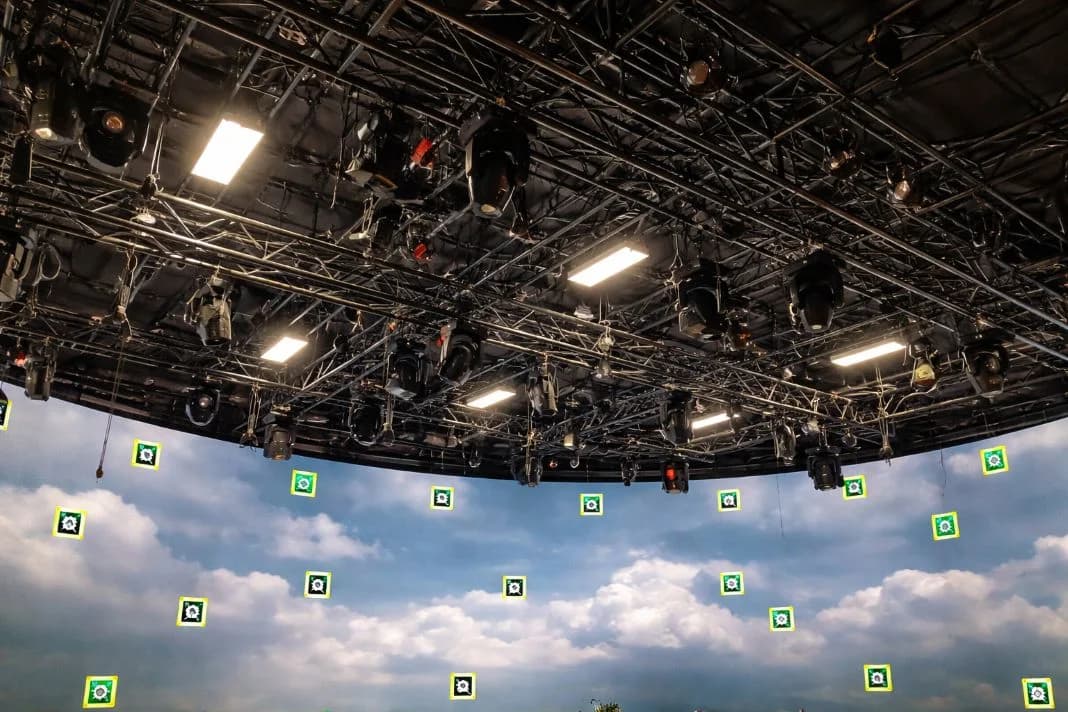
A different brief may need blackout and virtual production workflow instead. Studio 2 is a 5,000 sq ft Blackout and Virtual Production stage with drive-in access, 360 degree blackout capability, an in-house modular light-emitting diode, or LED, volume, three-phase supply and on-site parking.
Here, drive-in access supports the method rather than replacing planning. Vehicle movement still has to fit the stage, the LED volume, crew routes and technical setup. Virtual production can give a controlled environment and consistent lighting conditions, but it still depends on ordinary production discipline: what comes in, where it sits and how people move around it.
The misconception to drop is that “drive-in” is a single standard. It is a loose label, and it only earns its place when the stage, route and site operation match the production method.
Common questions about drive-in studio hire in London
Can a car stay on set throughout the shoot?
A car can stay on set only if the stage plan allows for it without blocking crew routes, lighting movement or safe unloading. The answer depends on the shot list, the floor layout and whether the vehicle needs to move between setups.
Can you drive a vehicle onto an infinity cove?
A vehicle may be able to go onto an infinity cove where the studio permits it and the floor is properly protected. You should check tyre control, turning space, cove protection and whether the shot needs the vehicle fully on the cove or simply near it.
Does drive-in access help with large set builds?
Drive-in access helps large set builds when scenic pieces can move from vehicle to stage with minimal double-handling. The benefit drops quickly if set flats have to be stored in the wrong place or moved again before the build starts.
Does a London drive-in studio need parking as well as access?
Parking matters because access without holding space can push the problem onto the street. Unit vehicles, supplier vans and client attendance all need to be considered before the shoot day.
Is a virtual production studio with drive-in access suitable for car work?
A virtual production studio with drive-in access can suit some car work where the stage layout, LED setup, blackout and vehicle movement plan all support the brief. The mistake is assuming the access alone proves the stage is right.
This is general information, not professional advice.