Why are more brands turning to virtual production studio hire now?
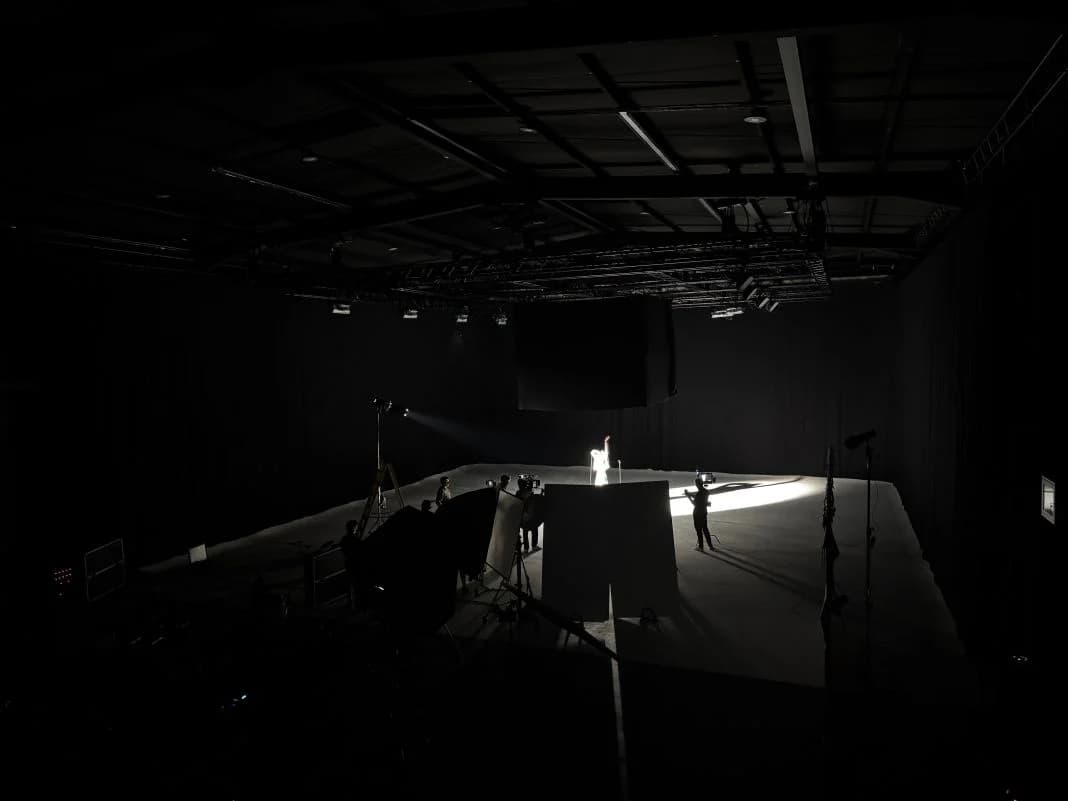
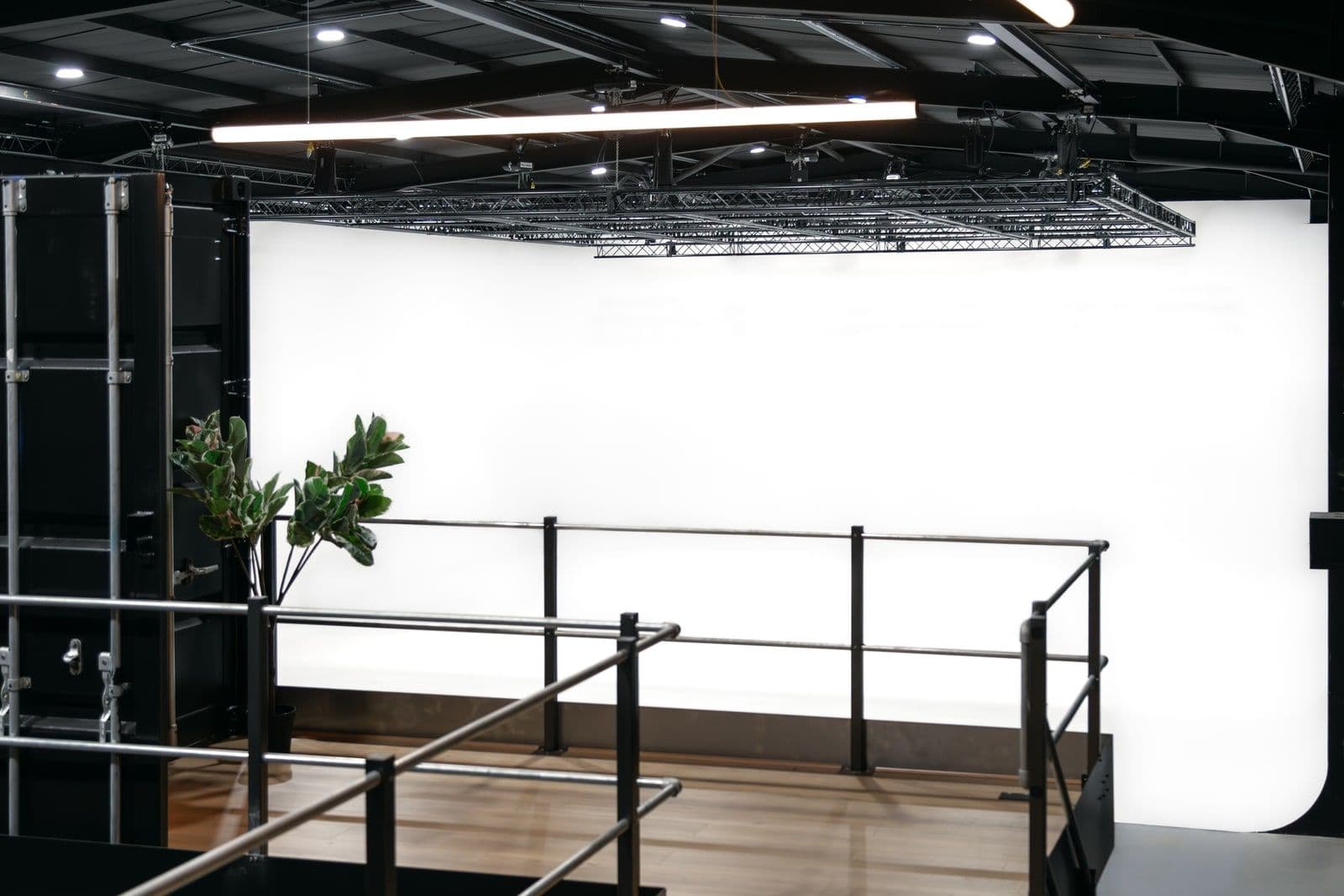
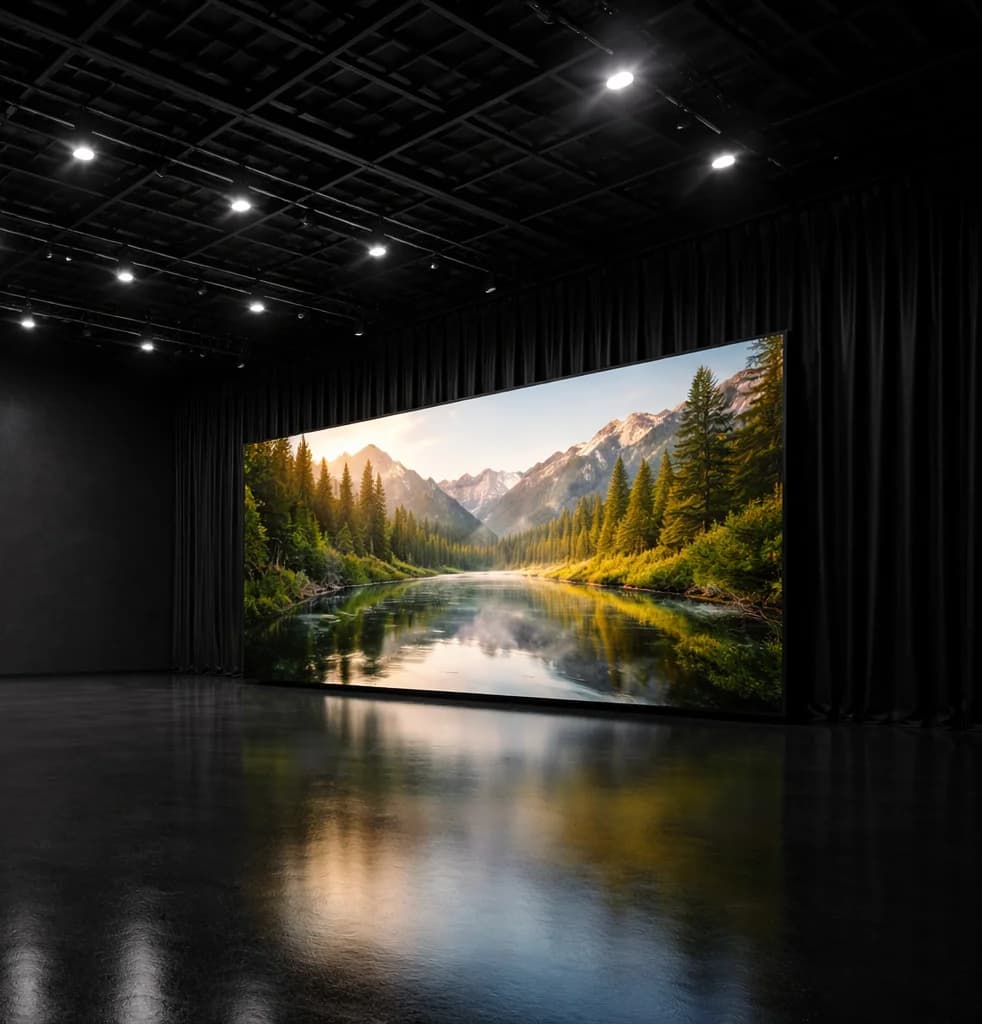
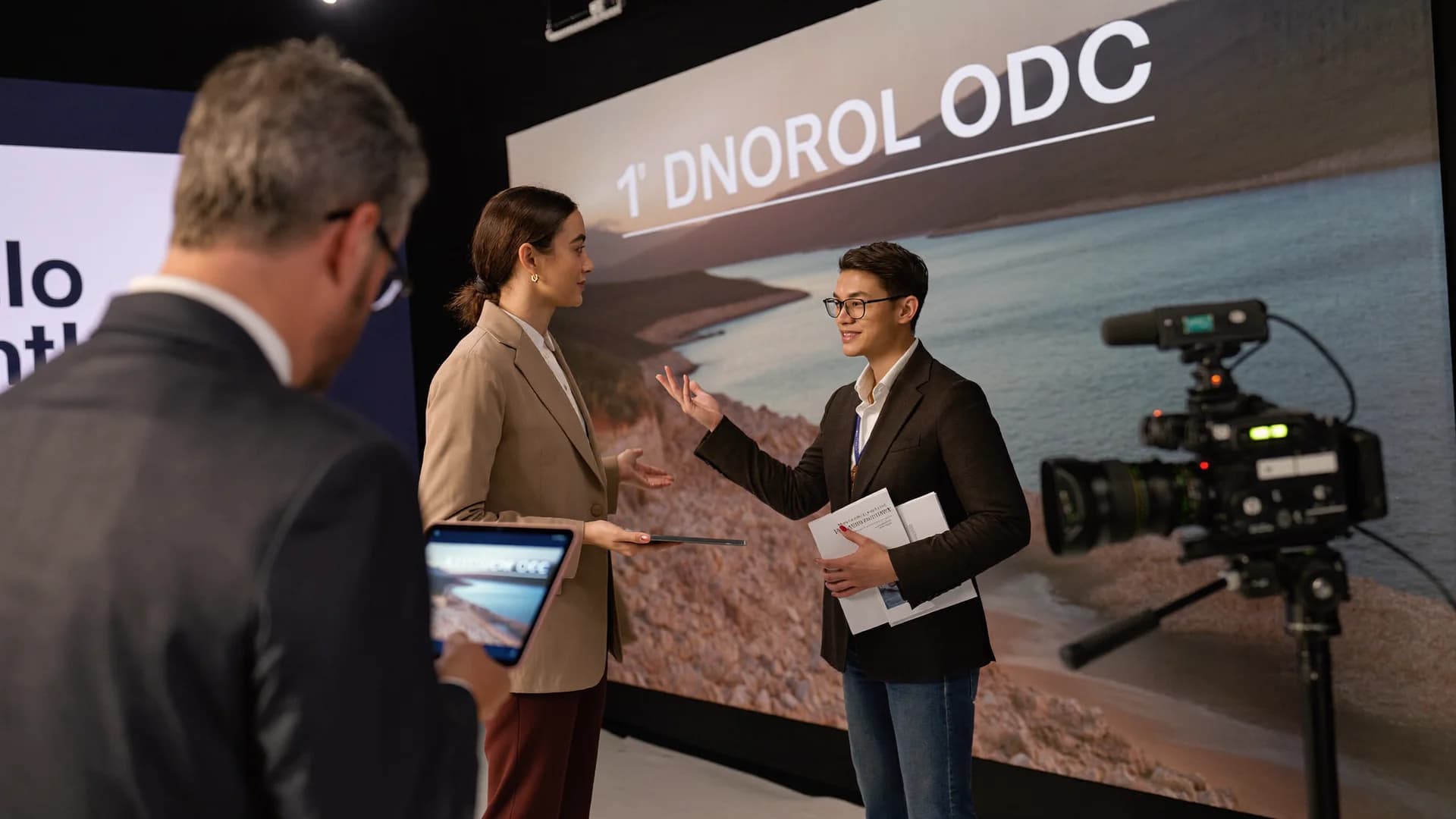
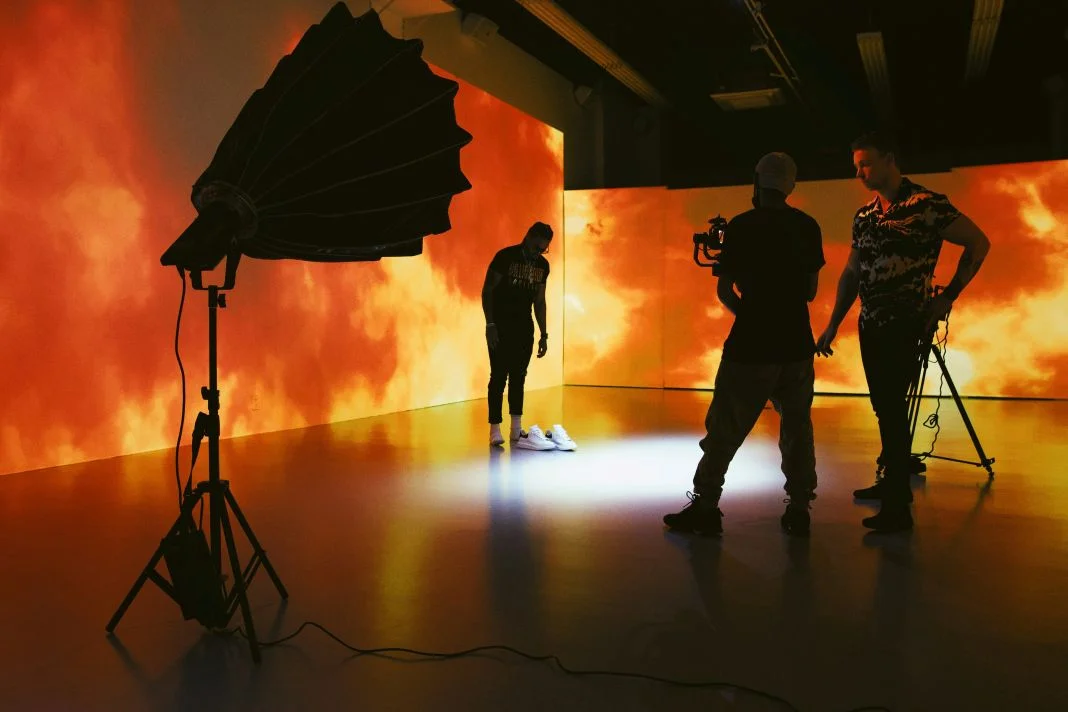
Hiring a virtual production studio is a practical choice for brands that need fast, high-quality content. These brand content studios, such as Studio 2, our LED volume and blackout stage, allow production teams to shoot multiple scenes in one controlled space. Often, they complete in a single day what previously took a week. With growing demand for flexible, immersive content production across platforms, this setup offers consistency, faster output, and more control over costs.
This shift is long-term. Brands in sectors such as fashion, automotive, music, and technology now rely on this model to create immersive, on-brand content efficiently. It removes the need for travel, weather concerns, and on-location complexity. As omnichannel marketing grows, this approach meets the demand for scalable, repeatable content aligned with brand identity.
A major factor in the rise of virtual production is the use of Epic Games’ Unreal Engine. This software enables responsive digital environments with photorealistic visuals. These visuals can be adjusted live, helping to accelerate campaign rollouts. Netflix and other streamers have helped make this method mainstream. Their adoption has encouraged agencies to use similar techniques in branded storytelling.
What’s the difference between virtual production and traditional studio hire?
Here's a comparison of virtual production and traditional studio setups:
| Feature | Traditional Studio Hire | Virtual Production Studio Hire |
| Backdrops | Physical sets or green screen | LED walls with real-time environments |
| Scene Changes | Manual rebuilds or added in post | Immediate digital environment changes |
| Lighting | Depends on rig or outdoor light | Matched to digital scene in real time |
| Post-production | Heavy editing often required | Reduced due to in-camera effects |
| Revisions | Time-consuming | Faster with editable digital assets |
| Shoot Consistency | Affected by weather and location | Fully controlled conditions |
For campaigns with multiple deliverables and tight schedules, virtual studio hire simplifies setup. It also maintains brand consistency and reduces risks tied to location changes.
How much does it cost to hire a virtual production studio – and what’s included?
Rates for virtual production studio hire can typically range from £5,000 to £30,000 per day. These costs depend on the studio’s size, technology, and level of service. While this can seem expensive, it often covers expenses that would otherwise be paid separately.
What’s commonly included:
- Studio space with LED volume, lighting rig, and audio control
- Camera package with operators
- Tracking systems such as Mo-Sys
- Real-time rendering engines, often Unreal Engine
- Virtual art department or environment technician
- Pre-lighting and technical preparation
- Access to prebuilt or custom digital environments
- On-site project manager
- Studio rate cards detailing tiered pricing
It is important to request clear documentation and review what is included in each package to avoid unplanned costs.
What equipment and capabilities should brands look for? (LED walls, tracking & more)
Choosing the right virtual production studio means understanding how its technology can affect content quality, workflow, and asset turnaround.
LED Wall Specifications
- Size and curve: Larger, wrap-around walls improve lighting and realism.
- Pixel pitch: Lower values (like 2.6mm or less) result in sharper visuals.
Camera Tracking Systems
- Systems such as Mo-Sys maintain alignment between camera motion and digital sets.
- Smooth real-time rendering depends on low latency and accurate tracking.
Rendering Engines
- Unreal Engine is widely used for its real-time visual quality.
- Disguise systems allow complex scene playback and control.
- Support for ICVFX (In-Camera Visual Effects) helps ensure practical and post-ready results.
Lighting and Sound
- Custom lighting rigs allow for tailored setups.
- Soundproofing supports clean on-set audio recording.
Technical Questions to Ask
- What is the LED wall resolution and pixel pitch?
- Is Unreal Engine fully supported on-site?
- Which tracking system is installed?
- Are pre-lighting and test sessions part of the standard package?
- Can the studio support clean sound recording?
What should brands know about timelines, crew, and studio logistics?
Virtual production has different logistics from traditional studio shoots. Understanding timelines, crew structure, and booking processes helps brands avoid delays.
Sample Timeline
- Seven days prior: Creative review and studio visit
- Five days prior: Digital environment approvals
- Three days prior: Pre-lighting and technical setup
- Shoot day: Filming with synced camera and LED systems
- Following day: Review content or reshoot if needed
Planning Checklist
- Is technical crew provided, or is it a dry hire?
- Are buffers built in for possible delays?
- Will you receive full studio documentation and call sheets?
- Who manages file storage and transfers during the shoot?
- Will a studio manager oversee daily operations?
Brands should verify booking terms, cancellation policies, and liability coverage with the studio or through their production agency.

What questions should a brand ask before booking a virtual production studio?
To get the best results, ask these questions before confirming your booking:
- Have you produced branded or commercial campaigns before?
- What version of Unreal Engine do you use?
- Who owns the rights to the digital assets post-shoot?
- Is creative or environment design available in-house?
- Can we view similar campaign test footage?
- Do you have backup equipment and crew if needed?
- Is environment build time included in your quote?
- Are licensing options available for future use of assets?
- What’s the maximum resolution supported for close-up product work?
- Can we tour the space before committing?
If any content involves third-party IP or sensitive subjects, brand teams should ensure contracts include appropriate usage rights and media release clauses.
What are the risks or mistakes brands make when booking – and how to avoid them?
Some common booking mistakes can be avoided with early checks:
- Using digital assets that don’t fit the LED wall format
- Skipping pre-light or test days
- Assuming the studio includes creative or environment teams
- Overlooking studio policies on overrun charges
- Booking based on visual presentation without technical checks
Studios should always provide a specification sheet in advance. Creative directors and producers should review this alongside any production health and safety policies.
How can brands measure ROI from a virtual production shoot?
Virtual production offers measurable benefits for brand teams. Consider these ROI indicators:
Key Metrics
- Number of assets created per shoot day
- Cost per deliverable
- Time saved in setup, lighting, and environment changes
- Visual consistency across platforms
- Speed from shoot to final campaign deployment
- Asset turnaround aligned with channel needs
Marketing teams should compare virtual production metrics against historical campaign data where available. Studios with branded content experience may offer asset tracking dashboards.
What role does sustainability play in virtual production for brands?
Virtual production can significantly reduce environmental impact:
- No need for set construction or disposal
- Fewer transport emissions from crew and location travel
- Lower energy use thanks to LED-based lighting
- Reusable digital environments for future campaigns
- Eco-budgeting support through planning tools
How do you know a virtual studio is future-proof for your brand’s needs?
Before choosing a studio, assess its flexibility and roadmap:
- Are Unreal Engine updates implemented regularly?
- Can the LED wall be adapted for multiple aspect ratios or setups?
- Does the studio support spatial content, VR, or AI-ready formats?
- How often is their hardware upgraded?
- Is asset storage secure and accessible for reuse?
Brands planning for content repurposing or emerging platforms (AR, interactive formats) should ask for a tech roadmap or service continuity plan. A future-proof virtual production studio will support evolving creative and commercial goals.