How do you plan a hybrid studio shoot in London that combines real-world and virtual production?
To plan a hybrid studio shoot in London, you’ll need to combine physical and digital production methods while staying focused on a clear creative goal. Find a studio equipped with LED volumes and space for set building. Bring together a crew familiar with both formats. Align your schedule, budget, and technical setup to support a production that runs smoothly from start to finish. Prioritise scene blending, lighting consistency, and real-time playback integration throughout.
Why Hybrid Studio Shoots Are Reshaping London’s Production Scene
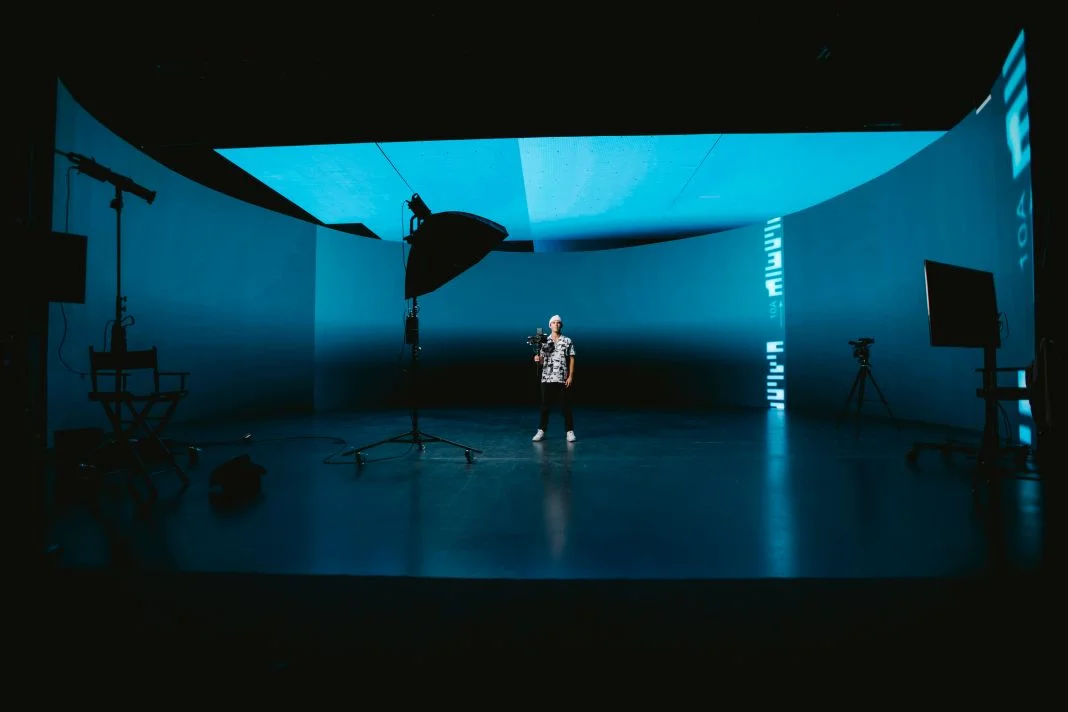
Hybrid production is changing the way visual content is created in London. Teams are increasingly using a mix of real sets and digital backdrops to work faster and meet higher visual standards.
London has the infrastructure, technology, and skilled crews to support this shift. From LED panel calibration and real-time rendering to streamlined scene blocking, London’s production ecosystem enables seamless scene integration. Hybrid production does not replace traditional methods or virtual production, with the fundamentals covered in virtual production explained. It combines the two to offer more flexibility, speed, and creative options.
Set Clear Goals: Blending Live Action and Virtual Production with Purpose
A successful hybrid shoot starts with a solid plan. When you set clear goals, every department understands what is expected.
- Choose which scenes will be filmed on physical sets and which will use digital environments.
- Keep lighting and camera angles consistent across both formats to support lens metadata matching and LED wall calibration.
- Make sure roles and responsibilities are clearly defined and coordinated with real-time playback schedules.
Early planning keeps everyone aligned and makes the entire process more efficient, especially when integrating tracked camera data and digital asset libraries.
Choosing the Right London Studio: What to Look for in a Hybrid Space
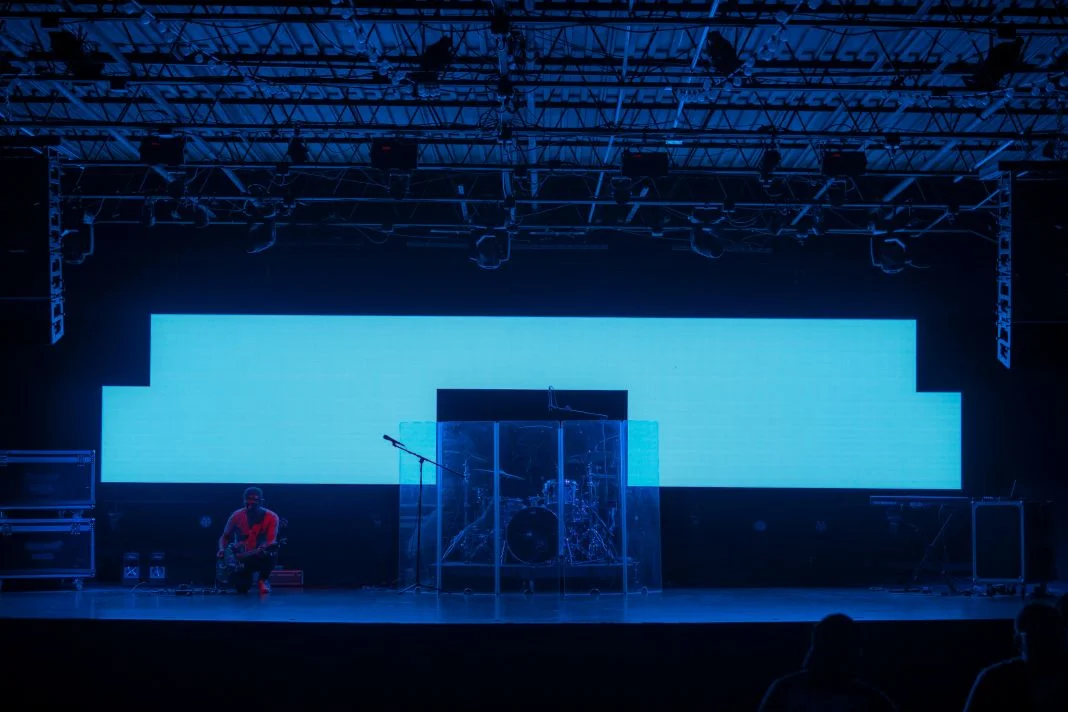
Hybrid production needs the right setup. Not every studio is suitable for this approach.
Look for a space that includes:
- LED volumes with tracking systems that work in real time.
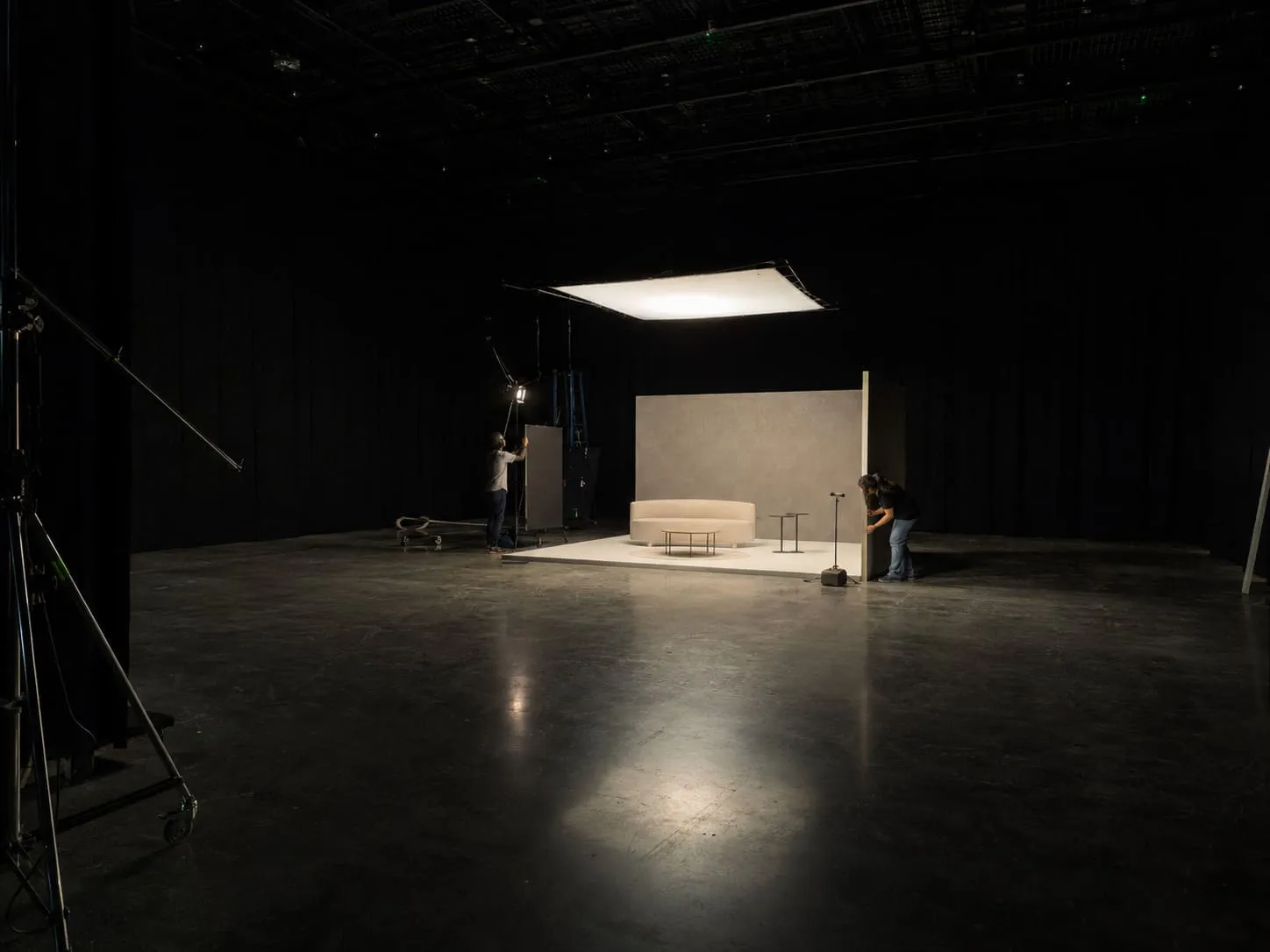
- Enough space to build and dress physical sets within a clearly defined studio footprint.
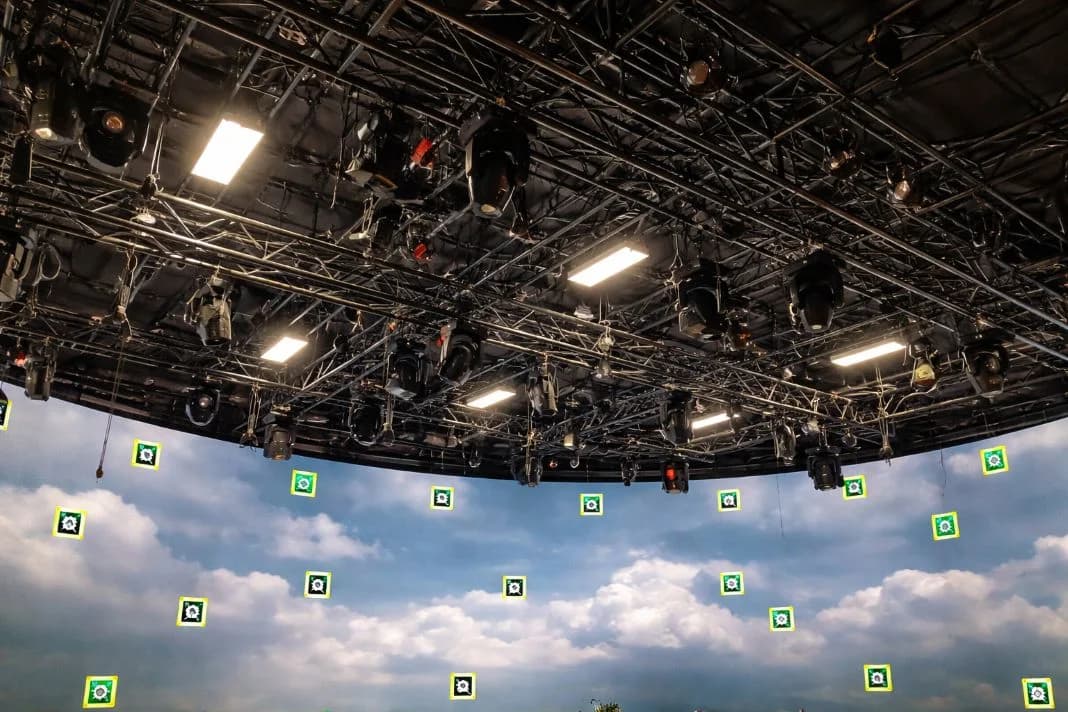
- Strong infrastructure for lighting, rigging, and high-speed data transfer.
Studios such as Mammoth Film Studios’ Studio 2 are built for this kind of work. They support both traditional and digital workflows in one location and can accommodate complex render pipelines and live scene switching.
Note: Mammoth Film Studios and Studio 2 are referenced here based on industry information available as of the time of writing. Always verify current specifications and availability directly with the studio.
Tech Essentials: LED Volumes, Set Builds & Seamless System Integration
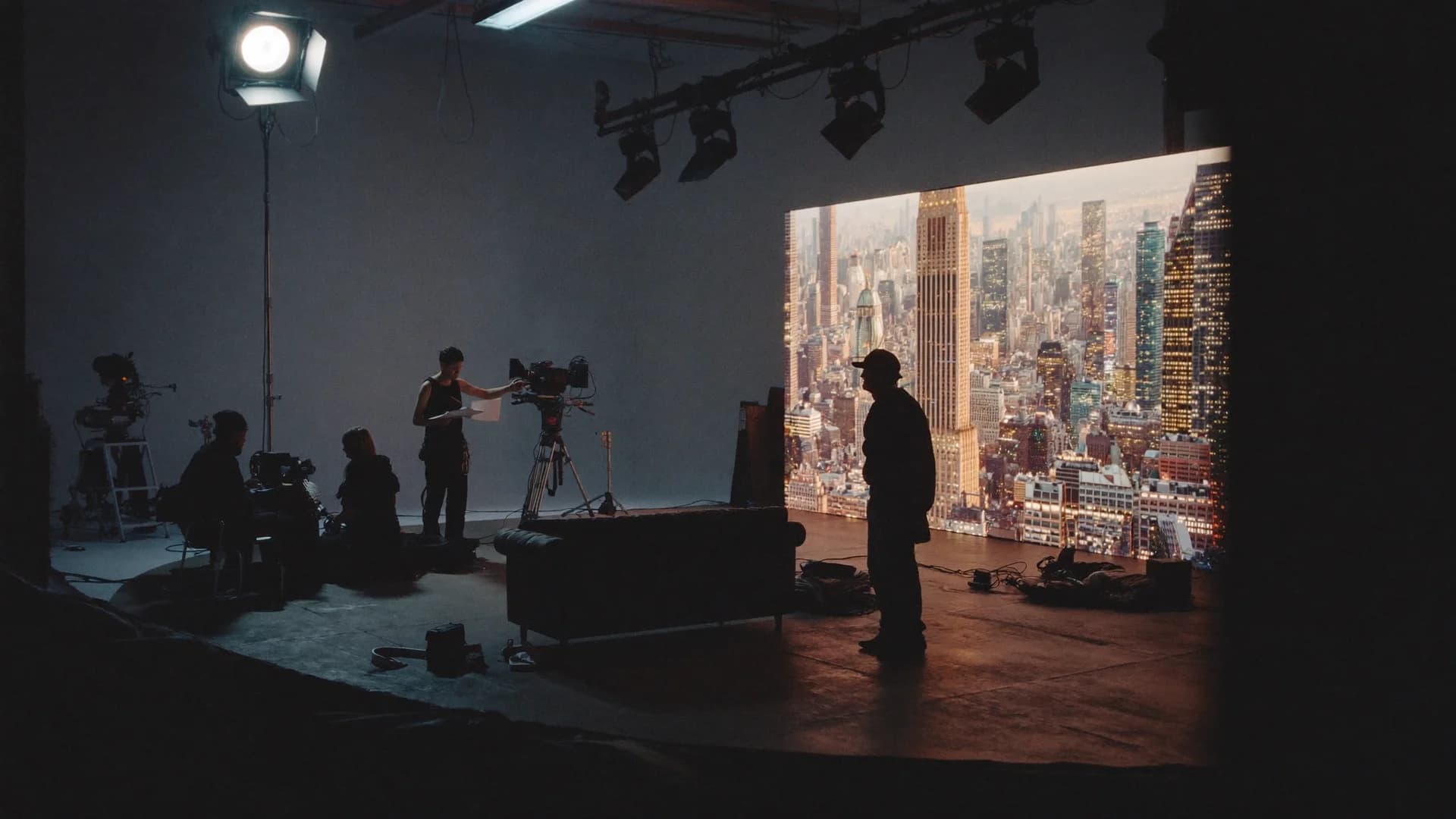
Hybrid production relies on technology that works together. LED walls display virtual scenes that respond in real time to the camera’s position, using tracking metadata to drive environment parallax and camera sync.
To get the best results:
- Match lighting between real and digital elements using calibrated lighting rigs and light wrap techniques.
- Test tracking, lens metadata feeds, and media server specifications before filming begins.
- Design physical sets that align with the LED refresh rate and perceived depth.
When systems are properly set up and tested, the scene appears as one continuous space, even when it includes multiple environmental layers.
Pro Tip: Always test your LED content with tracked camera moves before shoot day to avoid mismatches.
Assembling the Right Crew: Traditional Teams Meet Virtual Specialists
You will need a team with a mix of skills. A hybrid shoot requires both traditional film crew members and digital production experts.
Key roles include:
- A Virtual Production Supervisor who coordinates LED environments, scene blocking, and asset playback.
- LED operators who manage virtual backgrounds and ensure reliable system performance.
- An on-set VFX Supervisor, render wrangler, tracking technician, and asset builder to maintain system accuracy.
In London, it is possible to build your crew using in-house studio teams or freelance professionals. Ensure everyone understands their role in the wider workflow, including camera synchronisation and playback cycles.
Plan Your Budget and Schedule: What a Hybrid Shoot in London Really Costs
Hybrid shoots involve different types of costs. You will need specialist gear and a skilled crew, but you can also save on travel and post-production.
Expect to budget for:
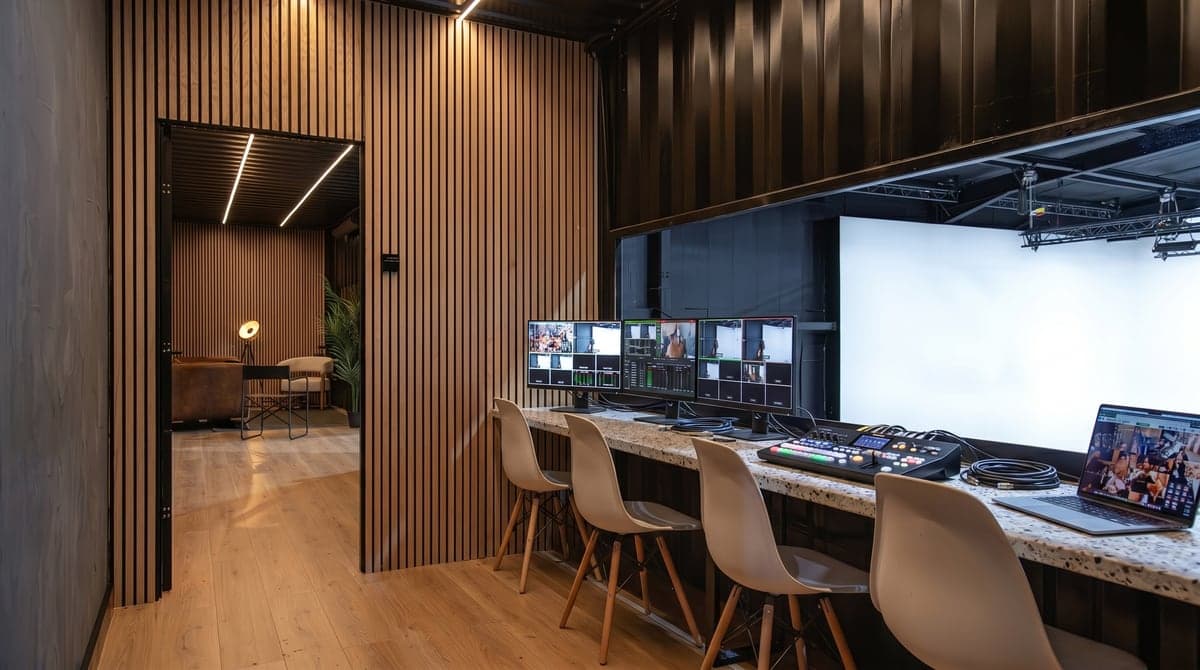
- Studio hire, including access to LED volumes, media servers, and playback tools.
- Crew skilled in both traditional and virtual production, including technicians and render specialists.
- Software licences, high-specification workstations, and collaborative asset platforms.
- Set materials, construction time, and schedule buffers for technical testing.
Allocate time for system setup, LED panel testing, and rehearsal. Your project may qualify for UK tax relief under the British Film Institute’s cultural test and expenditure requirements.
Note: UK tax relief and BFI certification are subject to government guidelines and eligibility requirements. Producers should consult HMRC or a certified production accountant for current details.
The Hybrid Workflow: From Pre-Production to Final Delivery
Hybrid production follows a structured process. Each stage connects physical and digital assets into a cohesive workflow.
Steps include:
- Develop storyboards, camera visualisation, and scene layout plans.
- Build physical props and design digital environments with your asset team.
- Shoot using LED volumes with live tracking, synced lens metadata, and traditional set builds.
- Complete compositing, grading, and delivery, using clearly defined handoff formats.
When everything is planned early, the hybrid workflow moves efficiently and avoids technical interruptions.
Pro Tip: Lighting continuity between real and virtual scenes is one of the most common failure points so plan this early.
Avoid These Pitfalls: Hybrid Production Risks and How to Prevent Them
Like any shoot, hybrid production comes with potential problems. Planning in advance helps you stay on track.
Common issues include:
- Lighting mismatches, calibration delays, or untracked camera movement.
- Delays caused by incomplete digital assets or playback system errors.
- Crew uncertainty about responsibilities or technical workflows.
Address these by testing playback loops early, creating detailed pipeline diagrams, and confirming all lighting and tracking settings before shooting begins.
Studio 2 at Mammoth Film Studios: Hybrid-Ready Space in London
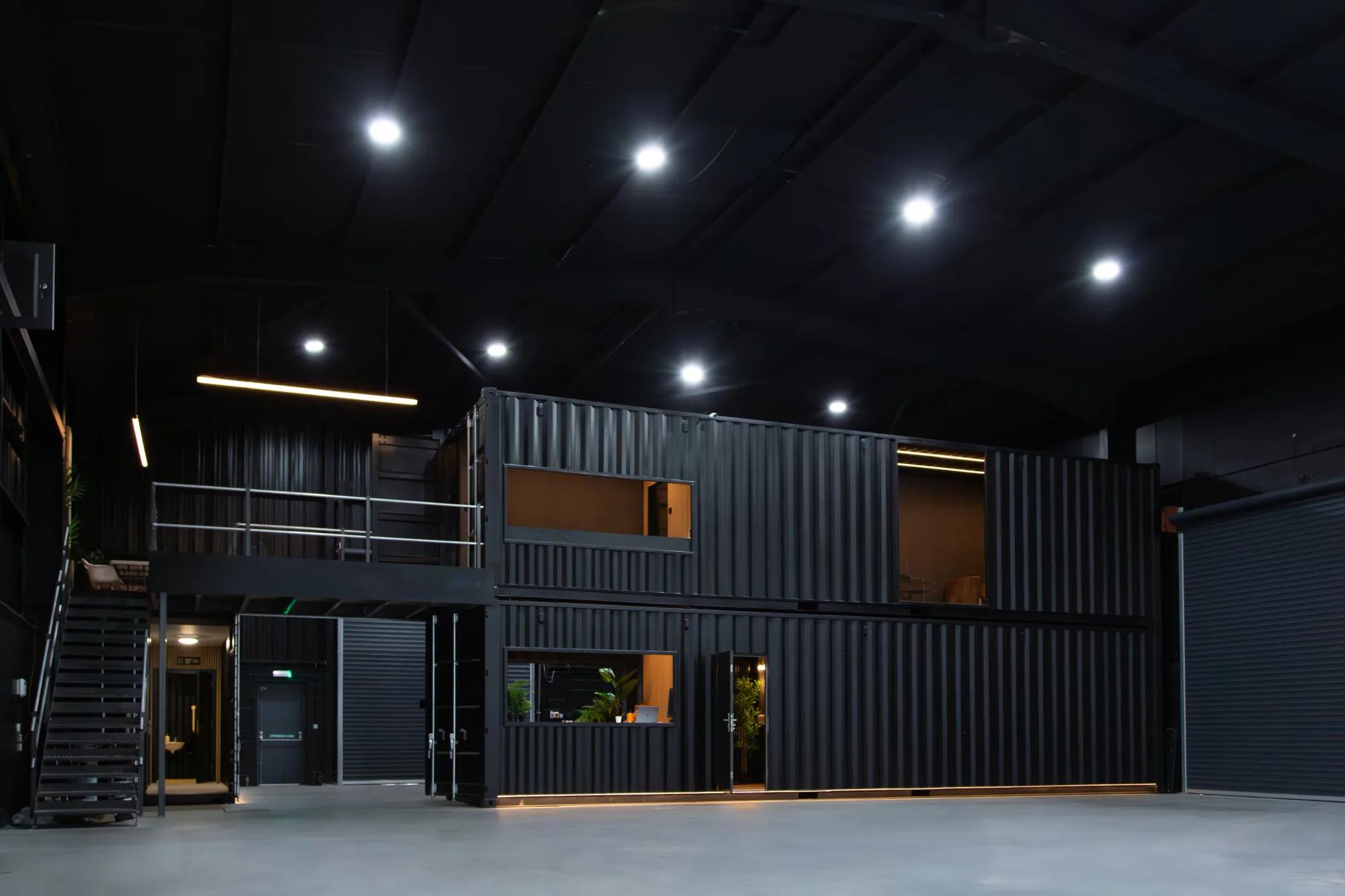
Studio 2 at Mammoth Film Studios is built for hybrid production. It supports digital and traditional workflows in one flexible space.
This studio provides:
- An LED volume with real-time tracking, pre-visualisation, and synchronisation tools.
- Flexible layout for set builds with adjustable lighting rigs and modular systems.
- Built-in infrastructure for rendering pipelines, media management, and remote access.
It is a reliable option for productions that need to combine digital content with live-action footage in a single location.
Disclaimer: Studio features are described based on available industry details and may vary. Always contact the studio directly to confirm technical specifications and service offerings.
Your Hybrid Shoot Checklist: Prepare, Book, Execute
Use this checklist to manage your hybrid shoot effectively:
- Define creative goals, integration needs, and scene blending requirements.
- Choose a London studio that supports LED volumes and physical set construction.
- Hire a crew that includes technical specialists and traditional production leads.
- Confirm tracking systems, metadata workflows, and rendering hardware.
- Schedule rehearsals to check lighting, movement, and synchronisation.
- Prepare all assets, props, and delivery-ready files.
- Budget for infrastructure, technical crew, and digital asset tools.
- Review your project’s eligibility for BFI certification and UK tax relief.
- Align departments with workflow diagrams and production timelines.
- Establish file formats, naming conventions, and delivery milestones.
With solid planning, clear roles, and well-tested systems, your hybrid shoot in London can run efficiently and achieve outstanding results.