How much does London infinity cove hire cost?
Current London infinity cove hire runs from about £300 plus value added tax (VAT) for a 5-hour compact cove booking to about £2,000 plus VAT for a large drive-in commercial cove day rate. Treat that range as a scale comparison, because booking length, inclusions and production requirements change the invoice.
Table of Contents
Comparing those two figures as if they describe the same product is a common budgeting mistake. A compact photography cove booked for a short shoot and a large-format commercial stage with drive-in access solve different production problems.
That matters because the headline rate rarely tells you enough. White cove studio hire in London can be priced as dry hire, half-day hire, full-day hire or a larger production booking with specific technical requirements. Each version can be valid, but each one sits in a different budget line.
For a producer, the useful question is not just the London cyclorama studio price. The useful question is what the booking actually lets your crew do within the time, access and technical limits of the space.
The headline rate is incomplete

Two quotes can look miles apart because they are pricing different working conditions. One might be a base booking for the room, and another might account for loading, lighting support, blackout, repainting, crew areas or out-of-hours use.
Here is the cleaner way to compare the logic behind the quote.
A low half-day rate works when the job genuinely fits the block. It stops working when the production needs a build window, a fresh white floor, a larger lighting package or a load-in that eats into shoot time.
Dry hire is the clearest example. The term means you are hiring the space without assuming that lighting, camera kit, crew or repainting come with it. Some studios package extras clearly, but no producer should read a rate card and assume that every production need is covered.
Facilities can matter as much as the cove itself. A make-up room, client area, Wi-Fi and parking are not decorative extras on a commercial day; they change how smoothly the call sheet runs. The best quote comparison starts with what each rate includes, then looks at what the production still has to add.
Time, paint and overruns
A booking may say one day, but the production may need the studio before and after that day. Budget pressure often appears around the shoot block, especially when the cove needs preparation, reset time or a finish that cannot be rushed.
Prep and strike days
Pre-light, setup, build and strike days belong in the cost model from the start. Treating them as admin around the shoot day leads to compressed schedules and avoidable overtime.
A music video with a simple performance setup might fit a full-day hire. An automotive shoot with a dressed cove, vehicle movement and a controlled lighting plan will need more space in the schedule. The same logic applies to product work where surface finish matters, because resetting the cove between looks takes time even when the crew is lean.
Half-day studio hire in London is cheaper on paper only when the call time, load-in, shoot and wrap all fit inside the agreed window. Once the booking overruns, the saving can disappear quickly.
Repainting and cleaning
Repainting is a production cost, not a cosmetic footnote. White-floor work, vehicles, heavy footfall and custom paint colour requests all change how the studio has to prepare and reset the cove.
Current London cove rate pages make repainting, fresh white floor preparation, cleaning, overtime, weekend use and out-of-hours access visible as add-ons. That should not put you off the booking. It should make you brief the job properly before you compare quotes.
A clean schedule tells the studio the real footprint of the job: when the space needs to be prepared, when the crew needs it clean, and what condition it must return to afterwards.
Scale, access and infrastructure
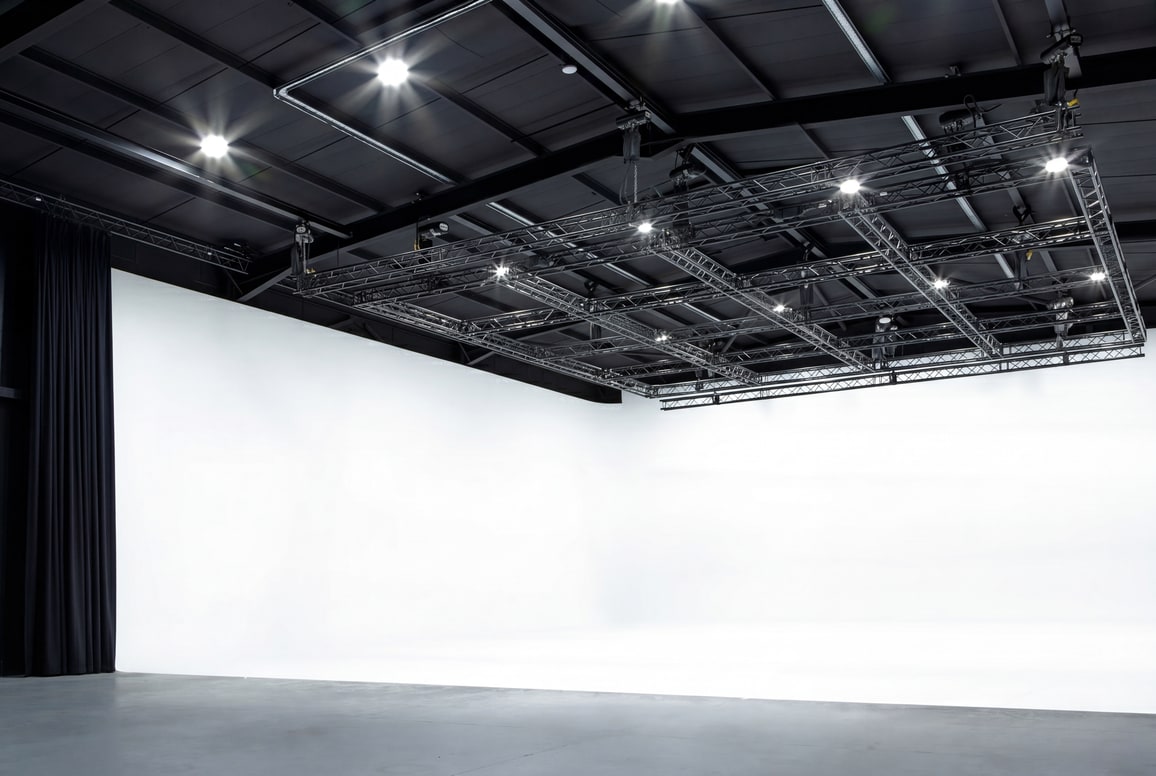
The bigger cost difference is often what the studio lets the production avoid. Workarounds cost time, especially on shoots with vehicles, heavy lighting setups, blackout requirements or larger crews.
Compact space can be efficient for smaller work. Large-format infrastructure protects demanding shoots from compromises that creep into the day, such as awkward load-in, staged unloading, limited crew parking or technical limits that force a lighting plan to be redesigned.
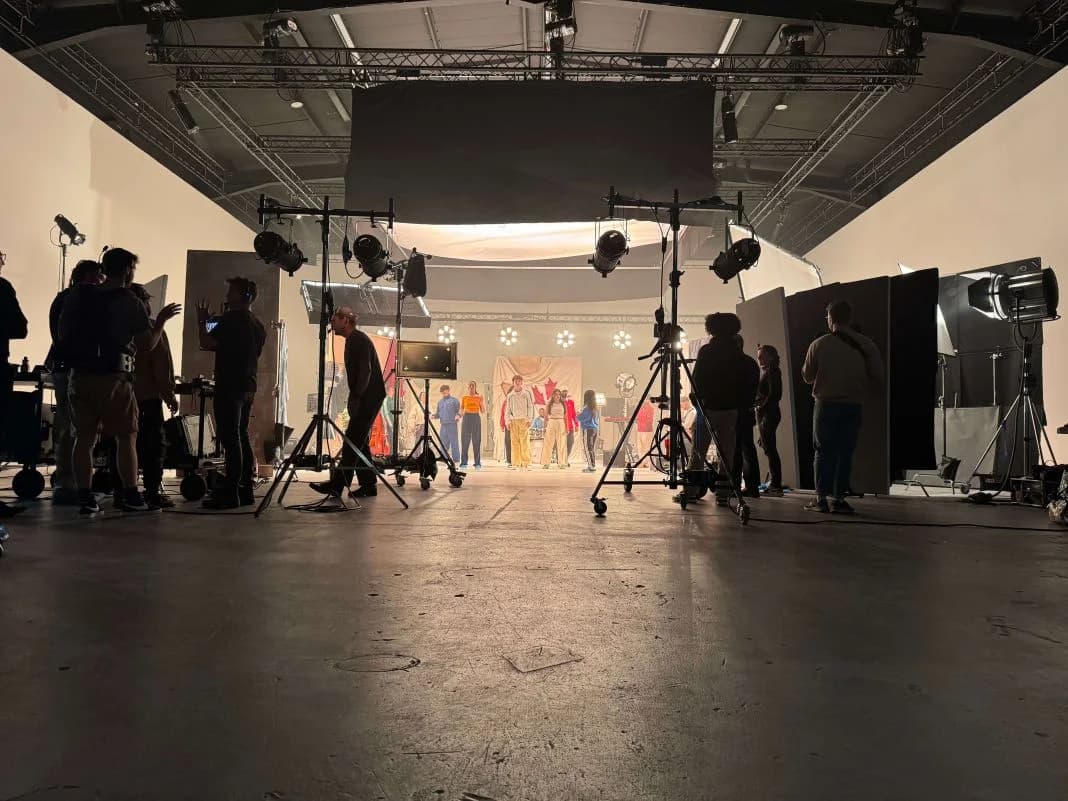
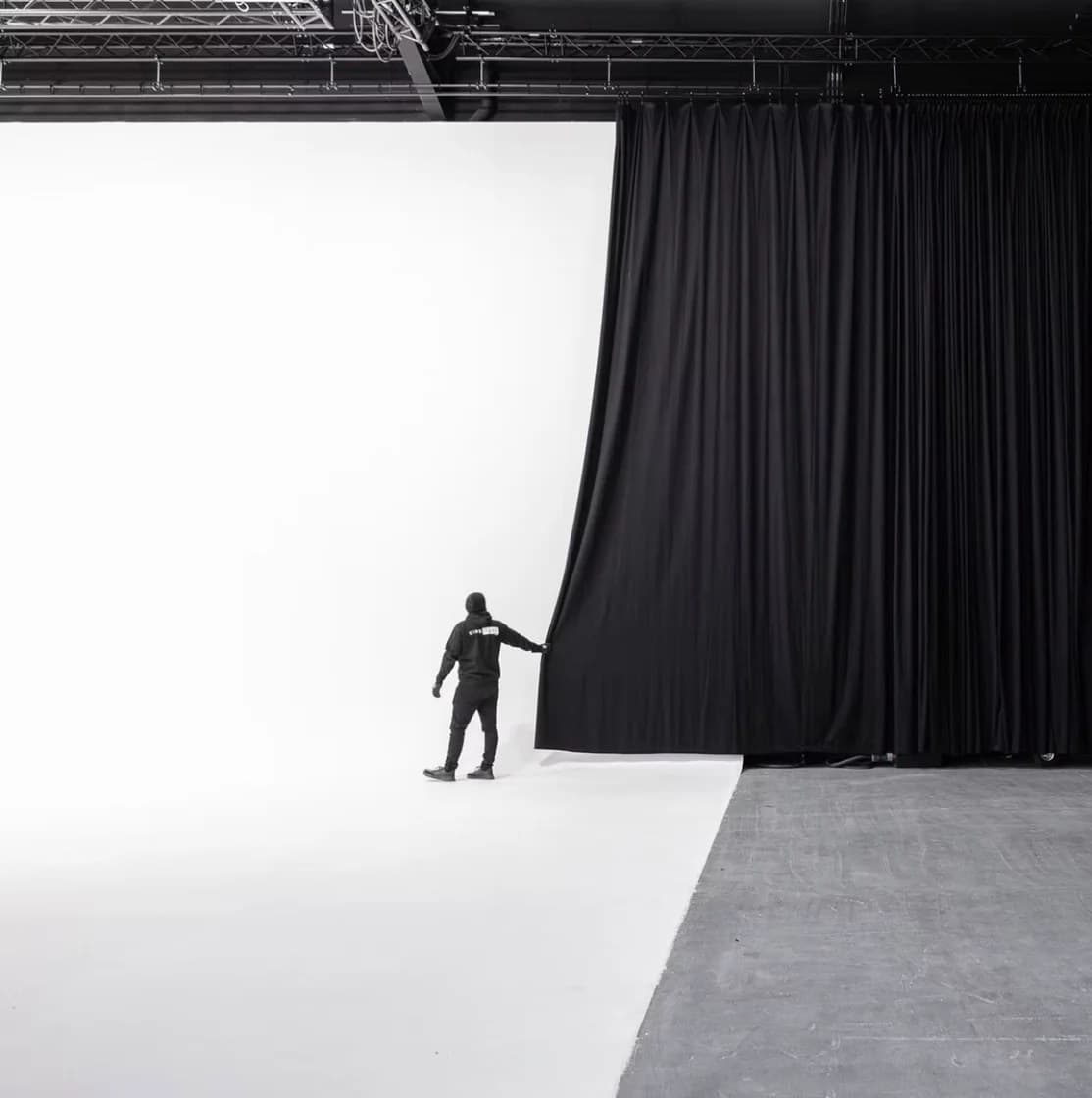
Mammoth Film Studios Studio 1 gives a useful London Zone 2 reference point for this larger end of the market. Its published technical specifications list a 60 ft by 57 ft infinity cove, 24 ft grid height and 3,420 sq ft cove area, with 200A three-phase electrical supply, 20 parking spaces, two shutter doors and vehicle access up to an 18 tonne box vehicle.
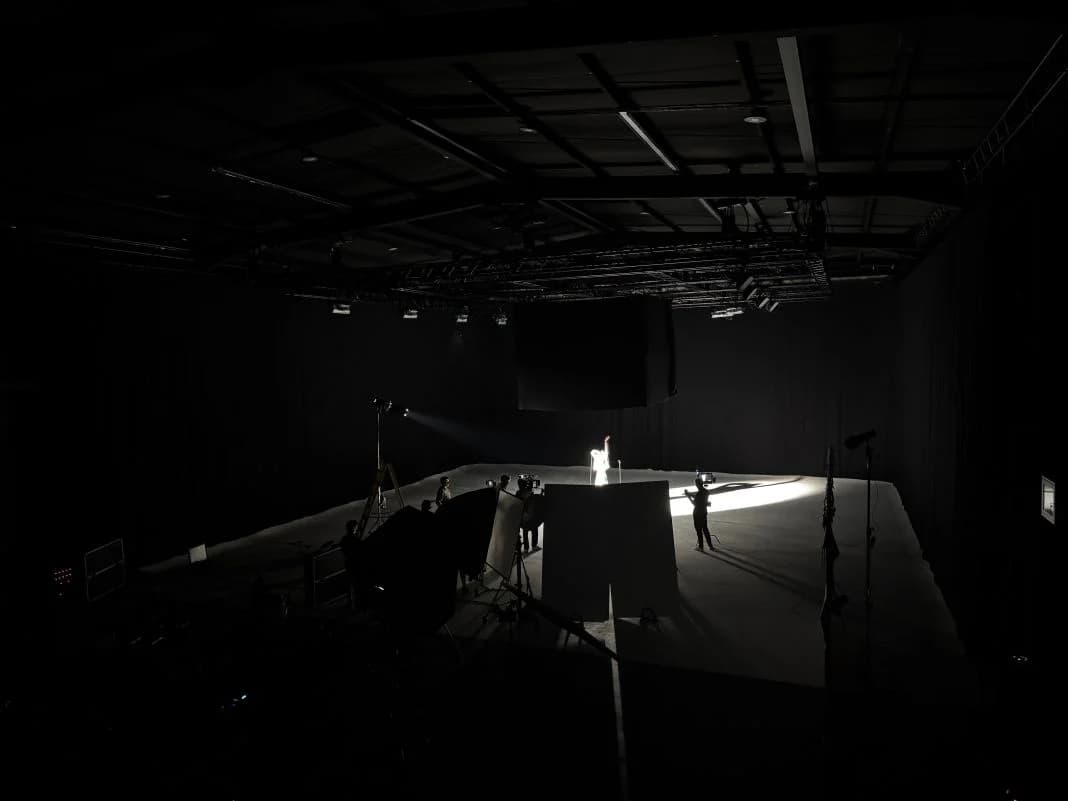
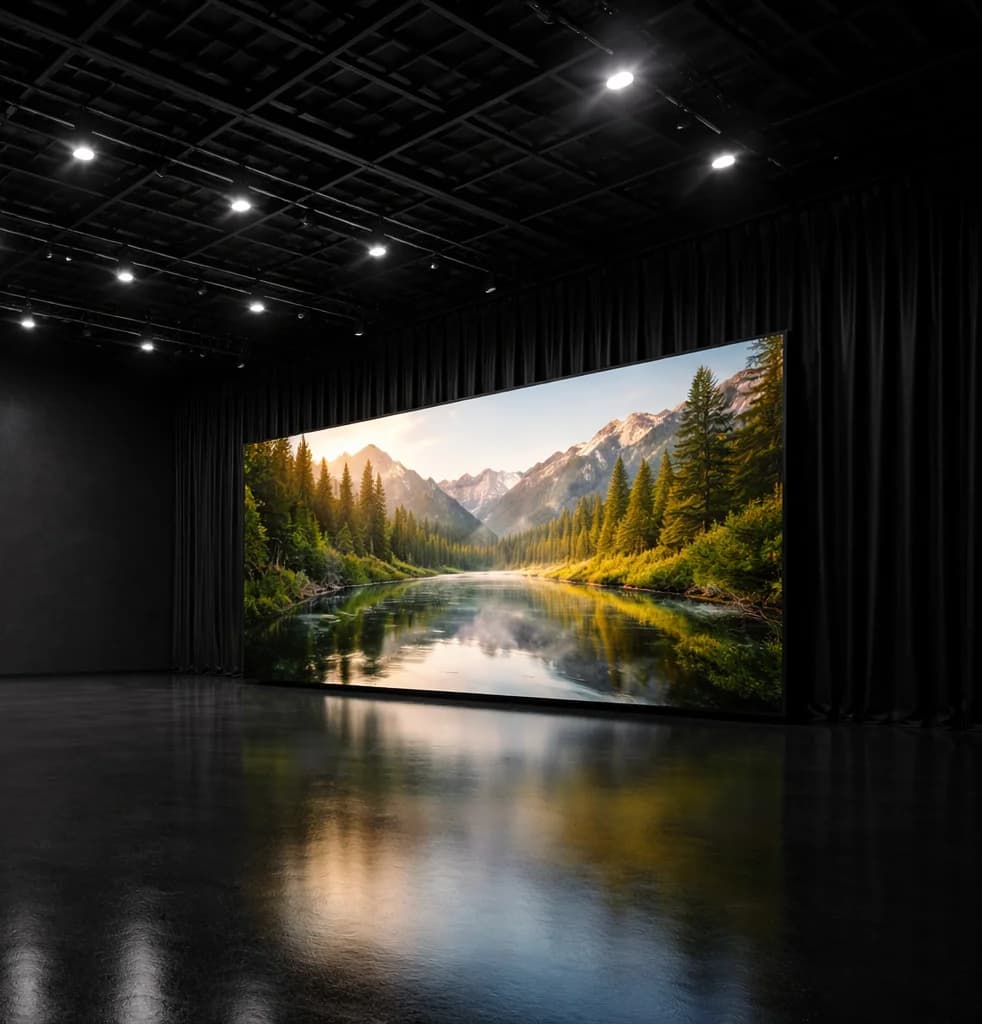
Those details affect budget because they affect the crew day. Drive-in access changes how vehicles, set pieces and unit equipment enter the space. Parking changes how much time is lost managing arrivals. A proper blackout option gives the director and director of photography more control without relying on improvised fixes.
Rigging and suspended loads need competent planning, including safe working load checks and suitable work equipment. You do not need the legal mechanics in your budget note, but you do need a studio team that treats those items as part of the production plan rather than a late query.
Zone 2 matters for practical reasons. Access to London crews, agencies, suppliers, Overground and Jubilee line connections can support the day, but loading routes and parking still decide whether the schedule works on the ground.
Like-for-like quote comparison
The sharpest comparison starts with the production brief, not the rate. A studio can price more accurately when you give the operational shape of the job before you ask which day rate applies.
For a like-for-like infinity cove studio quote, line up the same information across every option:
- Booking length and timing. Confirm whether you need half-day hire, full-day hire, evening access or a weekend booking.
- Prep, pre-light, setup, build and strike time. Separate the shoot day from the time needed to make the shoot possible.
- Cove finish. State whether you need a fresh white floor, repainting after heavy use, or a custom paint colour.
- Lighting, rigging and electrical requirements. Give enough detail for the studio to check what the setup needs.
- Access, loading and parking. Include vehicles, crew numbers and any large equipment movements.
- Blackout and control requirements. Say whether the shoot depends on full blackout or controlled light conditions.
- Overtime position and VAT. Check how overrun time is charged and whether quoted prices exclude VAT.
Mammoth Film Studios uses structured, requirement-led pricing provided on request, with cost shaped by the studio, duration and technical requirements. That approach suits production-led work because it prices the actual conditions, not a generic room hire line.
One approach chases the lowest visible rate and fixes the gaps later. Another gives the studio the real brief early, compares inclusions clearly and budgets the shoot as a working production environment. The second approach holds up better long-term because it reduces the number of surprises that arrive after the date is pencilled.
Common questions about London infinity cove hire
Does studio hire include lighting and equipment?
Studio hire includes lighting and equipment only when the quote says so. Dry hire usually means you are booking the space, with kit, crew and technical support priced separately or supplied by the production.
Do London studios charge extra for repainting the cove?
Many London cove bookings price repainting, fresh white floor preparation or cleaning separately. Producers should state the finish required before comparing quotes, especially for white-floor work, vehicle shoots or custom colour requests.
Is a half-day studio booking good value?
A half-day booking is good value when the entire shoot fits inside the agreed block, including load-in and wrap. If the schedule needs setup time or reset time, a full-day or longer booking can be easier to budget.
Can you drive a car into an infinity cove studio?
Some large-format London infinity coves offer drive-in access, but you should check the studio’s vehicle access, shutter arrangements and floor requirements before pencilling the date. Vehicle work also affects repainting, cleaning and schedule planning.
What should producers compare besides the day rate?
Producers should compare booking length, included facilities, technical requirements, access, parking, repainting, overtime and VAT. The quote with the clearest inclusions is usually easier to manage than the lowest headline rate.
This is general information, not professional advice.