What should you actually look for on a studio recce beyond the obvious?
A useful studio recce goes further than ceiling height, floor area and a quick glance at the power supply. The checks that most often save time later involve infrastructure, workflow and operational detail, including how power is distributed, how networks are separated, how rigging is supported, how vehicles move through the site, and how ancillary spaces function under production pressure.
A studio can look right on paper and still create avoidable friction on the day. Most of the missed issues sit in the gap between headline specifications and practical use.
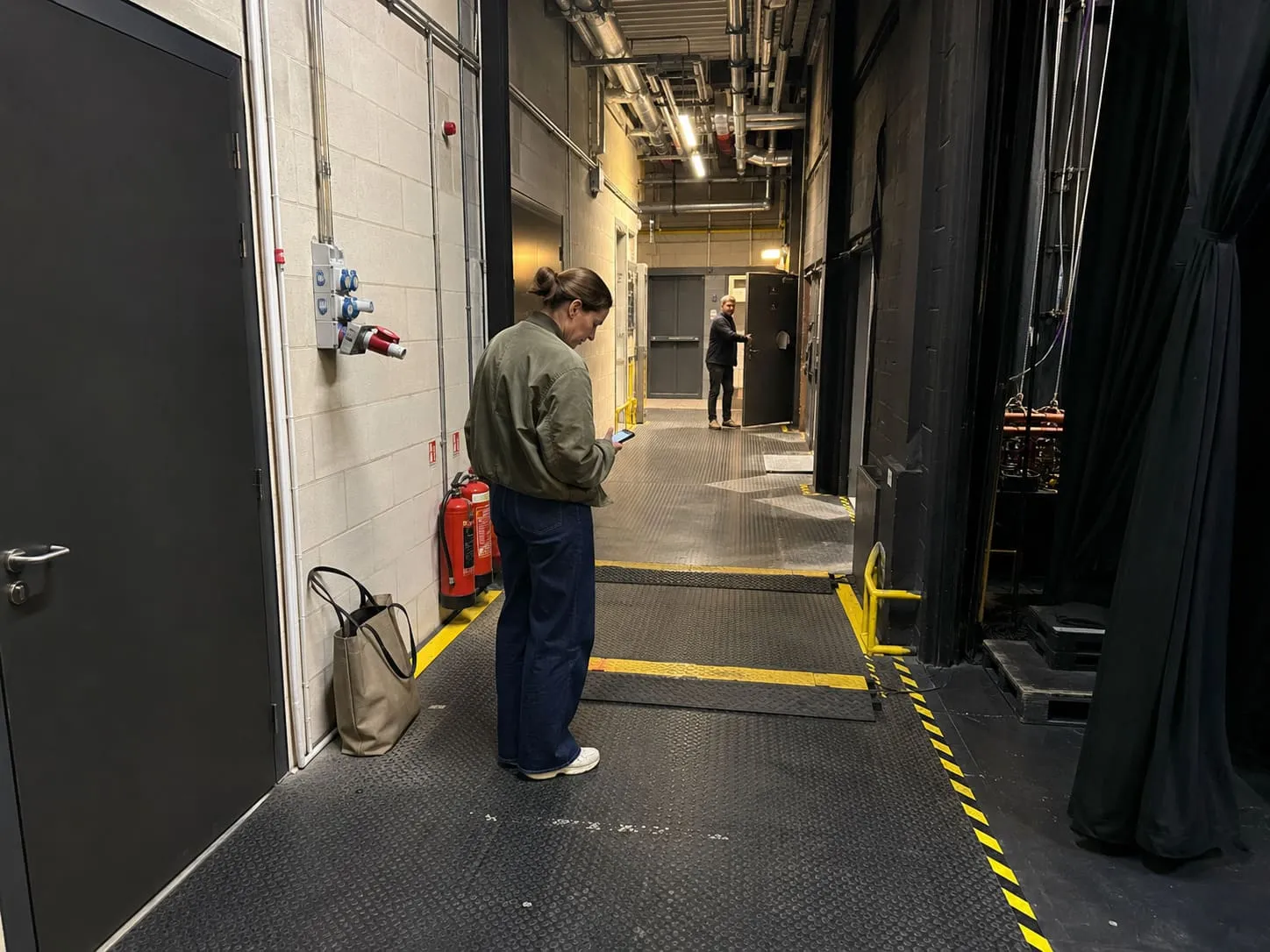
Power distribution beyond the obvious
A stage can have ample incoming power and still cause delays if the distribution does not match the shooting plan. One common problem appears when a crew arrives with high-draw lighting, playback, charging stations and specialist kit, then finds that the nearest usable circuits are poorly placed or already committed to another area of the floor.
Headline amperage only tells part of the story. A recce should cover how electrical distribution in studios is laid out across the space, where the distribution boards sit, and whether the circuit map reflects the way the set will actually be built. A technical manager should be able to explain the available 3-phase power systems, the separation between circuits, and any constraints that affect load balancing.
Key studio power checks include:
- The number and type of usable circuits, rather than only total supply
- The location of distribution boards in relation to set builds, dimmer beach and video village
- 3-phase compatibility for lighting, motion control, battery charging and specialist equipment
- Emergency power cut-off positions and who controls them
- Any redundancy for systems that cannot drop out mid-shoot
Assumptions around sockets also cause trouble. Floor boxes, wall outlets and temporary distro points may not support the same loads, and cable runs can affect where departments can work comfortably. The practical question is simple: can the studio circuit layout support your floor plan without awkward rerouting, temporary workarounds or overloaded local circuits?
Studios that operate to current IET Wiring Regulations should still be asked for the detail that affects your production, because compliance does not replace planning.
Data connectivity and network segregation
All studio internet infrastructure is not equal. A recce that stops at "yes, we have Wi-Fi" misses the difference between crew browsing, live client review, camera to monitor routing, file transfer and a protected production network setup.
Public or shared Wi-Fi has very little to do with the network reliability a working shoot needs. If livestream approvals, cloud upload, remote agency attendance or same-day delivery are in the schedule, ask whether the studio offers a dedicated streaming network, a separate internal LAN, and symmetrical hard-wired bandwidth that does not collapse when another production is online.
A studio IT manager or operations lead should be able to clarify:
- Whether production traffic is isolated from guest Wi-Fi
- Whether a VLAN is available for secure file transfer or segmented device access
- Whether upload and download speeds are symmetrical on the wired connection
- Whether internal feeds can move through 12G SDI routing to production areas, client spaces or engineering positions
Shared bandwidth is often the hidden issue. A site may have a strong top-line connection, but concurrent shoots, remote monitoring and media transfer can still create data bottlenecks if segregation is weak. That matters most on jobs where live streaming requirements and camera feeds run alongside agency review, off-site post support or near-live social delivery.
At Mammoth Film Studios, our film studios in London Zone 2, the distinction between crew Wi-Fi, dedicated streaming and internal routing reflects the wider point. Secure studio networks are less about headline speed and more about whether each part of the workflow has a stable lane of its own.
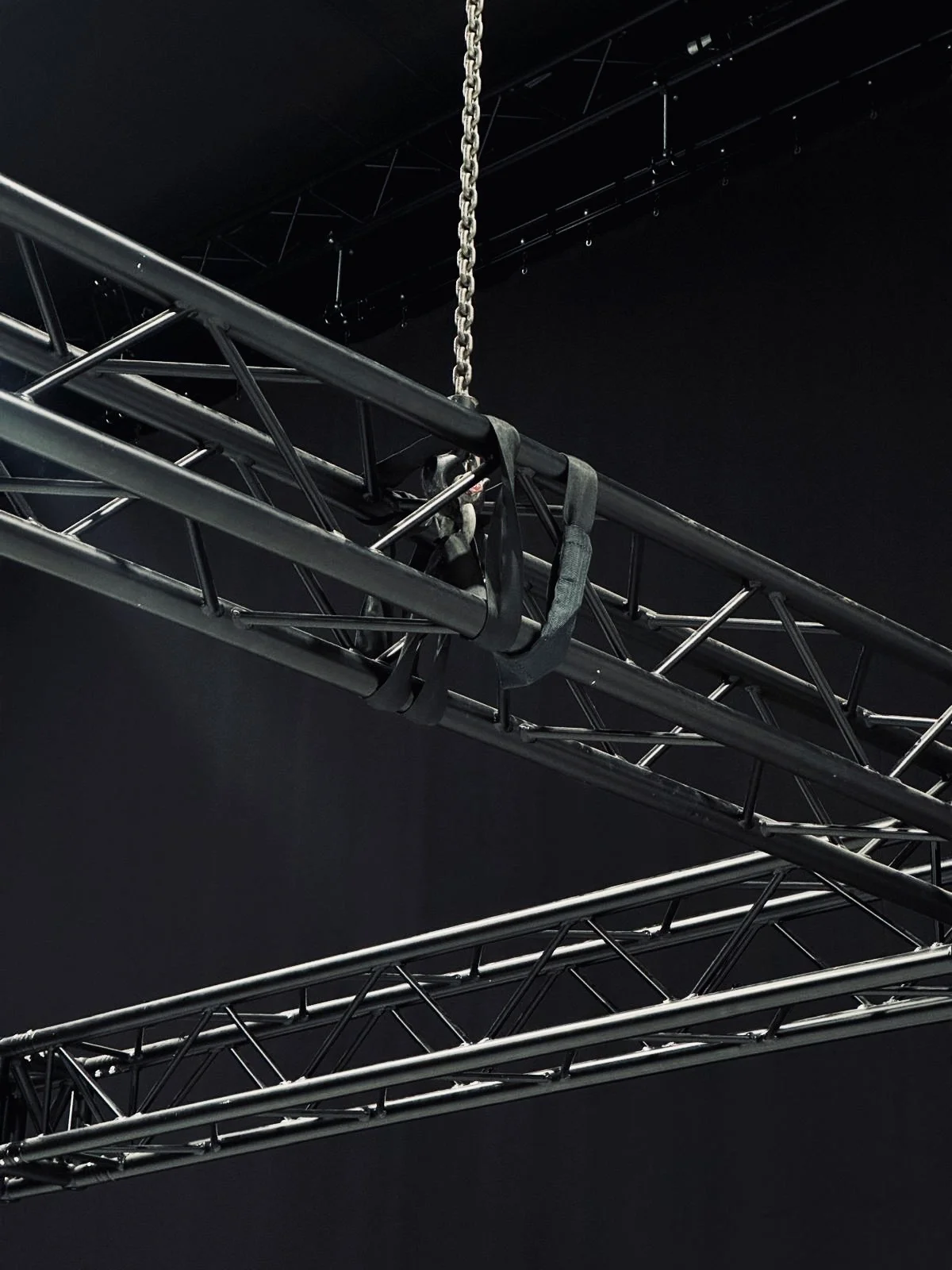
Rigging capacity and flexibility
Rigging problems usually begin with a number that looked reassuring in a spec sheet. Grid height can sound generous, yet the usable load, beam spacing, access route and hoist travel may still limit what can actually go above set.
Imagine a lighting plan built around several flown elements and a last-minute scenic addition. The height is workable, but the selected rigging points cannot take the revised load where it needs to sit, and the nearest alternative shifts the lighting geometry. That is not a dramatic failure. It is a half-day of redesign and compromise.
A recce should therefore test rigging flexibility in studios, not just advertised capacity. Ask for load ratings by point or beam, confirm whether systems are fixed or modular, and check whether chain hoists can travel to the positions your team needs. Access matters too. If rigging equipment or personnel cannot reach the working area cleanly, changeover speed suffers long before shooting starts.
Useful studio rigging checks include:
- Point loads and beam loads, rather than one overall figure
- The difference between permanent rigging points and temporary options
- Chain hoist systems, including travel range and control access
- Rigging access routes for crew, towers, lifts and flown elements
- Whether an in-house rigging team handles adjustments during prep and shoot days
One site may suit a stable lighting plan, while another may cope better with moving targets and late-stage revisions. Studio 1 and Studio 2 at Mammoth Film Studios show that distinction clearly, with motorised truss systems in the larger traditional stage and beam-and-hoist infrastructure in the specialist blackout and virtual production space.
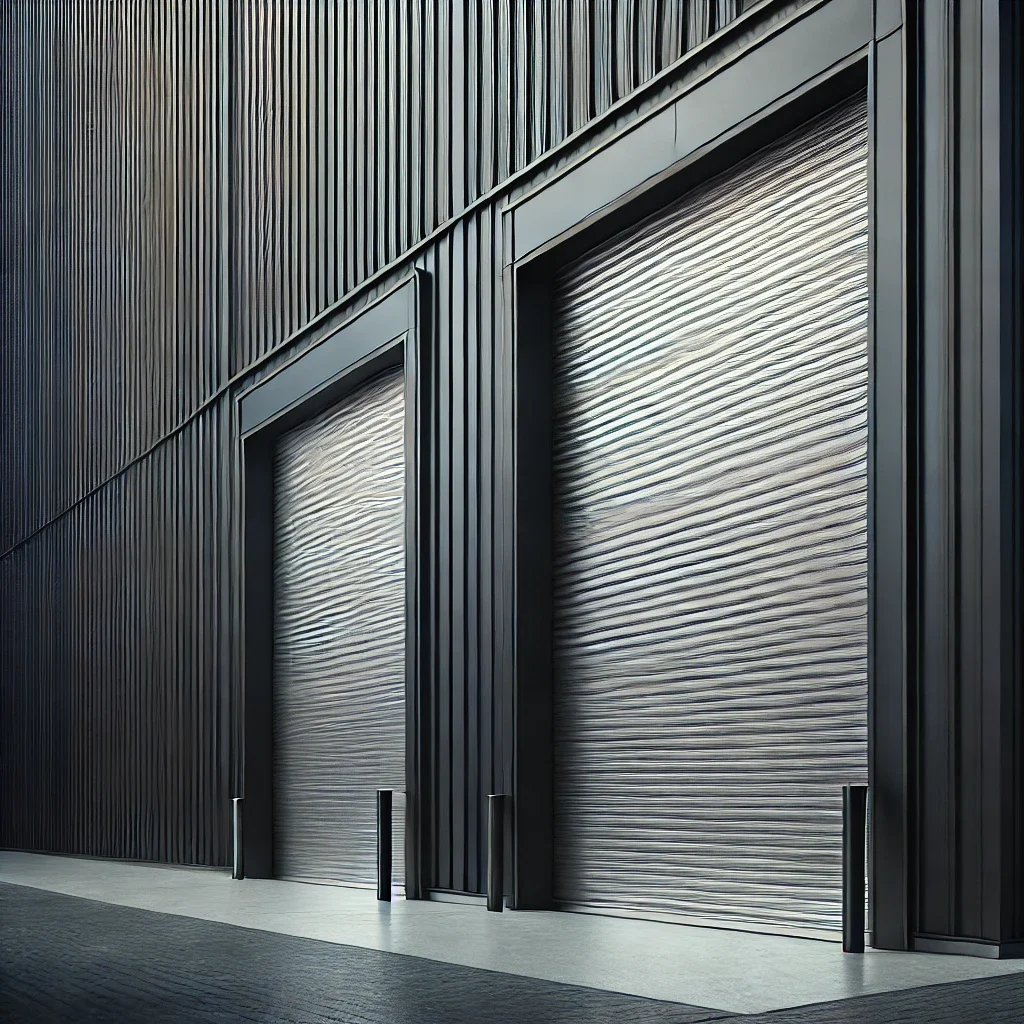
Vehicle access and on-site logistics
A studio can advertise drive-in access and still be awkward to use once the vehicles arrive. The issue is rarely the doorway alone. The issue is turning space, vehicle order, parking allocation, local timing constraints and the route between unloading point and set.
Delays often begin outside. A box vehicle reaches site on schedule, but another department is already using the nearest unload position, crew cars are parked where support vans expected to sit, and the path into the stage is narrower in practice than it looked during the initial walk-round.
During a recce, confirm:
- What "drive-in" means for your actual vehicle size and weight
- Whether large vehicles can manoeuvre, reverse and unload without blocking the next move
- How on-site parking for shoots is divided between crew cars, unit vehicles and technical support
- Whether external areas can function as flexible backlot space on your dates
- Whether step-free access exists from unload point to stage and ancillary rooms
London access planning also needs local context. A Zone 2 site close to the Overground and Jubilee lines can reduce crew travel friction, but public transport convenience does not solve unit movement. Delivery windows, neighbourhood restrictions and sequencing between art department, lighting and camera vehicles all need a realistic plan.
A flexible external area can be genuinely useful, especially for overflow staging or conditional backlot use, but it should be assessed as a working option rather than assumed as a permanent exterior set.
Ancillary spaces and workflow separation
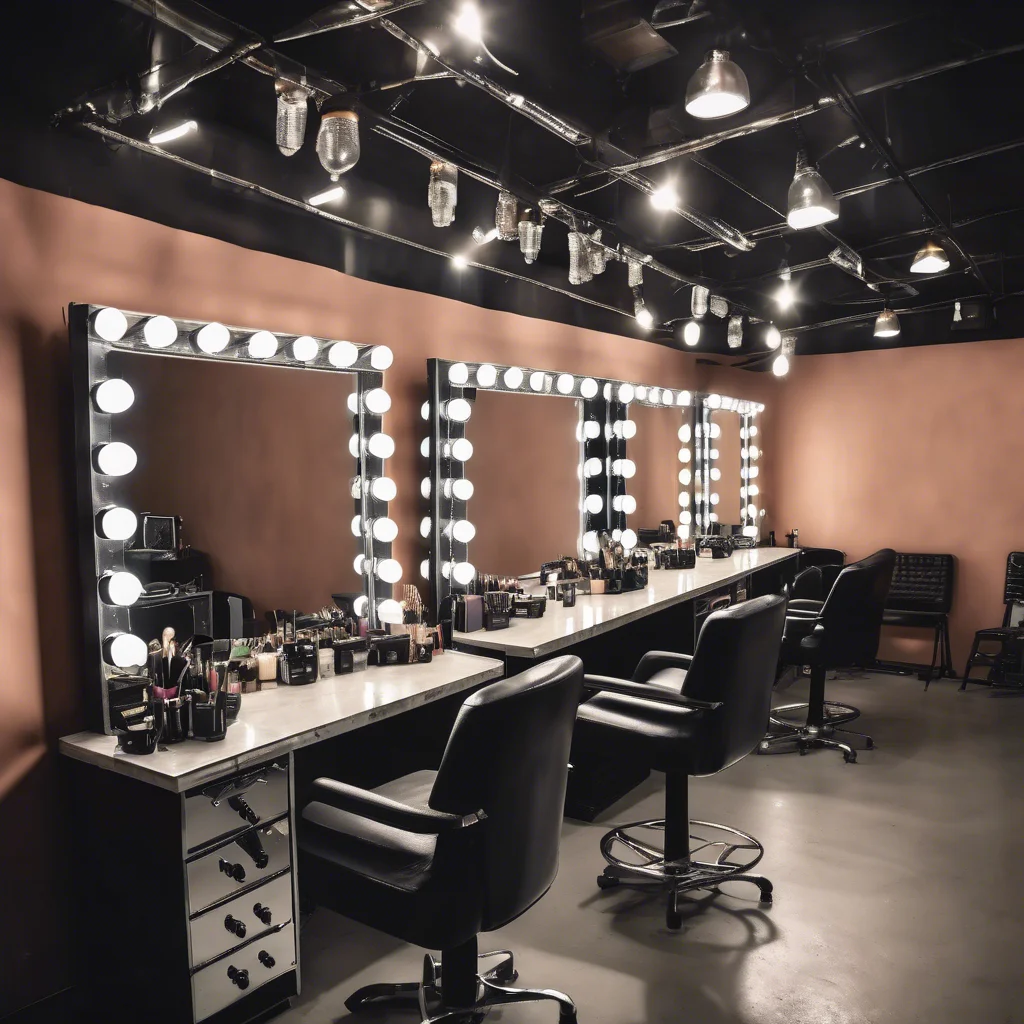
Floor area gets attention because it is visible. The rooms around the stage often get waved through, then become the source of disruption once agency, cast, HMU, production and stills all need to work at once.
A styling room that doubles as client holding may be fine on a stripped-back shoot. On a confidential commercial or a busy multi-department day, that overlap can create noise, traffic and avoidable exposure to work-in-progress. Proximity matters just as much as existence. A production office tucked too far from the floor slows approvals, and a client room placed directly on a noisy route changes how feedback happens.
Different ancillary spaces support different functions:
- Styling room or HMU room for prep, continuity and cast flow
- Client room or client area for review, waiting and agency attendance
- Production office for scheduling, paperwork, calls and protected working time
Some configurations offer extra flexibility. A mezzanine can give production or clients a clearer vantage point without occupying floor space, while a separate photography area may allow parallel activity that would otherwise interrupt the main set. Studio 1, for instance, includes a styling room, client room, production office, mezzanine and separate photography area, whereas Studio 2 is arranged around an 8-bay HMU room, client area and production area suited to its own style of operation.
Accessibility should be checked room by room. A stage may be straightforward to enter, yet support spaces can still create pinch points for kit, cast movement or step-free circulation.
Virtual production and LED volume integration
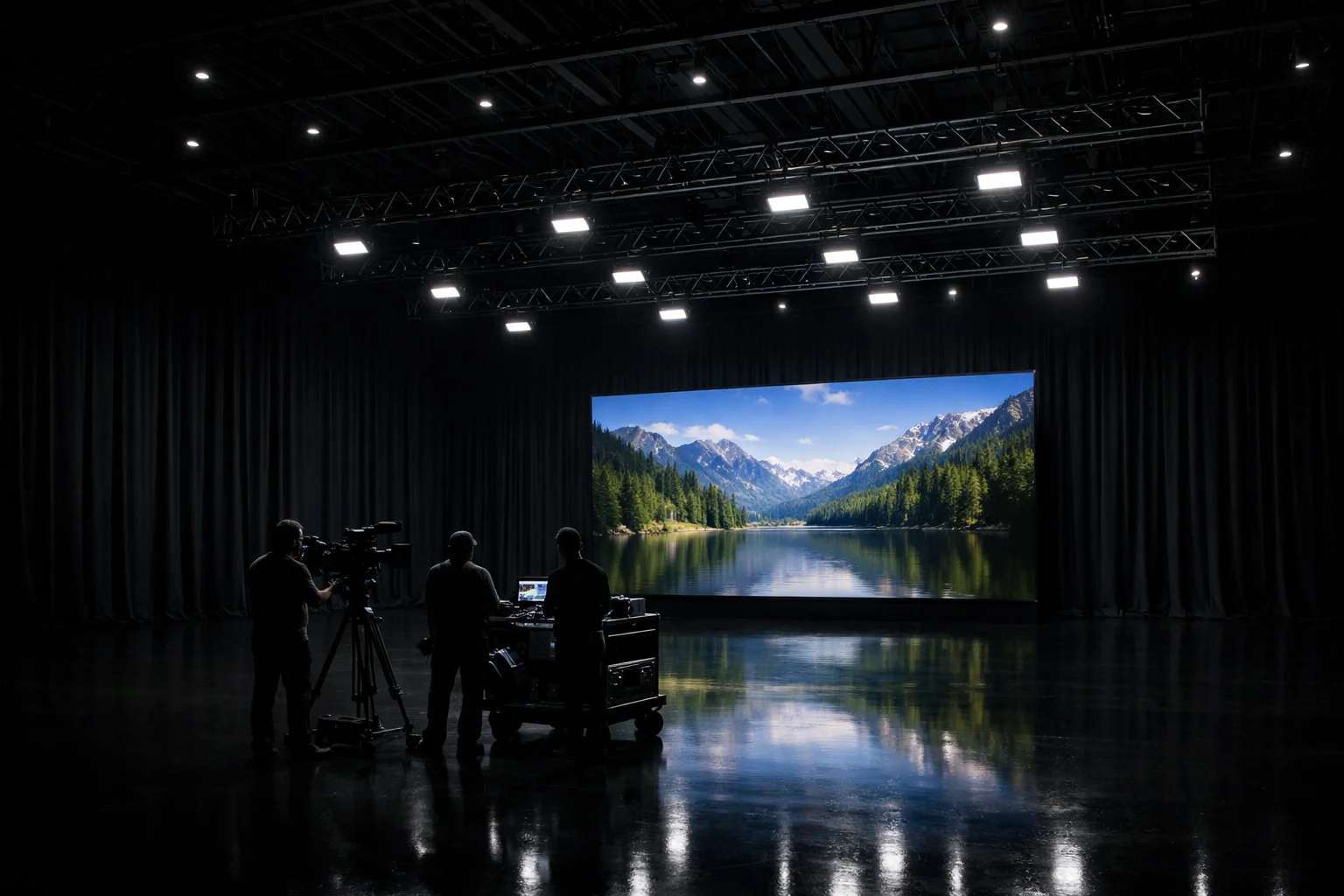
An LED wall on its own is not a virtual production workflow. That is the misconception that causes the most confusion on a recce.
What matters is integration. A usable setup needs the LED volume, playback systems, supervision, on-set technical crew and a workflow that fits the rest of the production. Without that structure, the wall risks becoming a specialist display surface rather than a reliable production tool.
This matters because hybrid production methods depend on coordination between departments. Camera, lighting, content playback, tracking if required, and stage operations all need a common plan. Virtual production supervision should be visible in the recce process, not introduced as an afterthought once dates are booked.
For virtual production studio checks, verify:
- Whether the LED volume is in-house and how it is configured
- Who provides virtual production supervision and playback systems
- How the stage supports blackout, rigging and lighting around the volume
- How the workflow integrates with conventional film or photography requirements
A grounded example helps here. Studio 2 at Mammoth Film Studios uses a modular ROE LED volume within a blackout stage, with virtual production delivered alongside Elsewhere Productions and supported by on-set technical crew. That is a clear operational model. It does not suggest that LED work replaces location shooting or traditional set builds. It shows where LED volume integration fits a controlled production plan with defined support.
The overlooked value of operational clarity
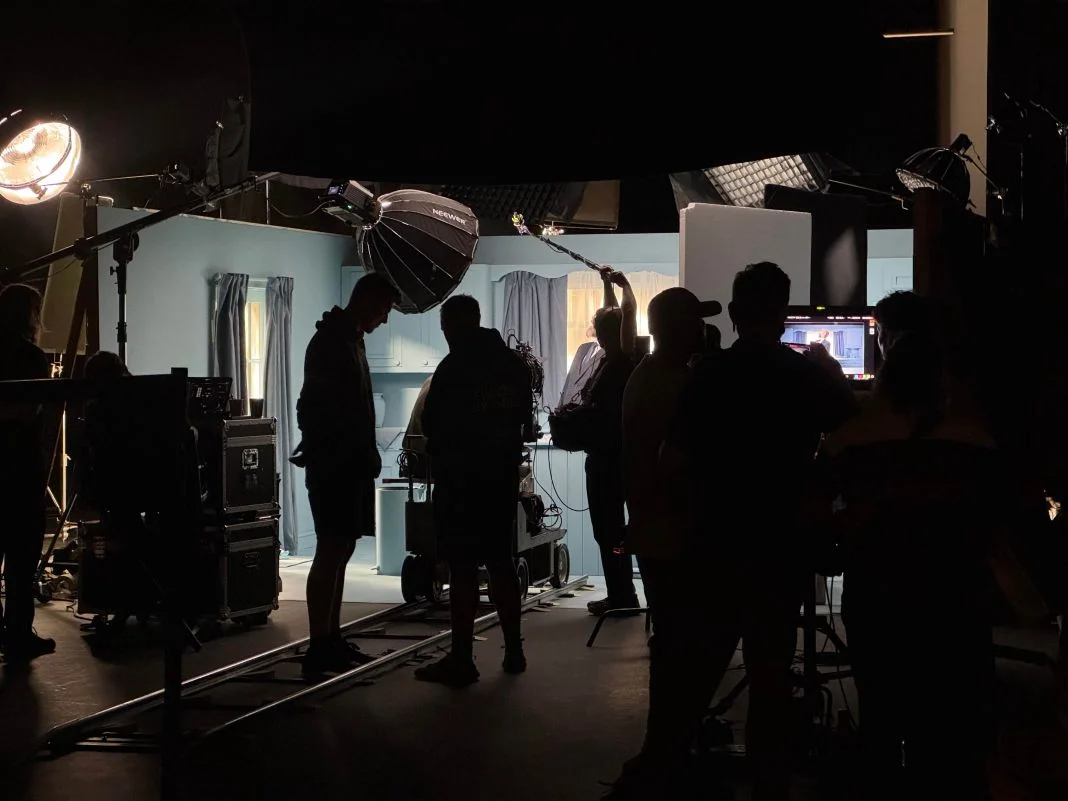
Many recces focus on physical features because they are easy to photograph and compare. The quieter differentiator is studio operational clarity: who handles what, how departments connect, and whether the site runs as an organised production environment rather than a collection of attractive features.
A useful recce should identify partner roles early. If rigging is handled by an in-house rigging team, if lighting support comes through an exclusive lighting partner, or if specialist systems rely on named technical partners, that information affects prep, communication lines and change management on the day. None of that is restrictive by default. In practice, defined responsibility often removes ambiguity.
Look for a few signs of structured studio operations:
- Named responsibility for power, rigging, network and stage operations
- Clear documentation, whether that sits in a studio operations manual or a technical pack
- Transparent explanation of what is included, what is optional and where third-party support sits
Structured pricing also falls into this category, even though a recce is not the place to get into rate detail. What matters is whether costs are explained in a way that matches the actual studio, duration and technical requirement, instead of being left vague until the job is already moving.
The best recces therefore read the space and the system together. A polished floor, a large cove or a good-looking LED setup can all be useful, but productions tend to remember the studios where infrastructure, people and process line up cleanly under pressure.