How are London film studios changing to meet modern production requirements?
London film studios are moving away from fixed, visually driven sets and instead prioritising flexible, production-led environments that support modern workflows with built-in infrastructure, hybrid capability and operational clarity.
From Fixed Sets to Flexible Infrastructure: The Shift in Studio Design
Studio design in London has undergone a marked shift. Formerly focused on architecturally impressive stages and static sets, the emphasis has now turned toward adaptability, workflow alignment and technical readiness.
For production managers and agency producers, flexibility in layout and infrastructure is now of greater value than aesthetic design flourishes. Studios built with modular stages, blackout zones and easy reconfiguration allow teams to adjust quickly around changing scripts, crew demands or formats mid-schedule. This responsiveness has become important.
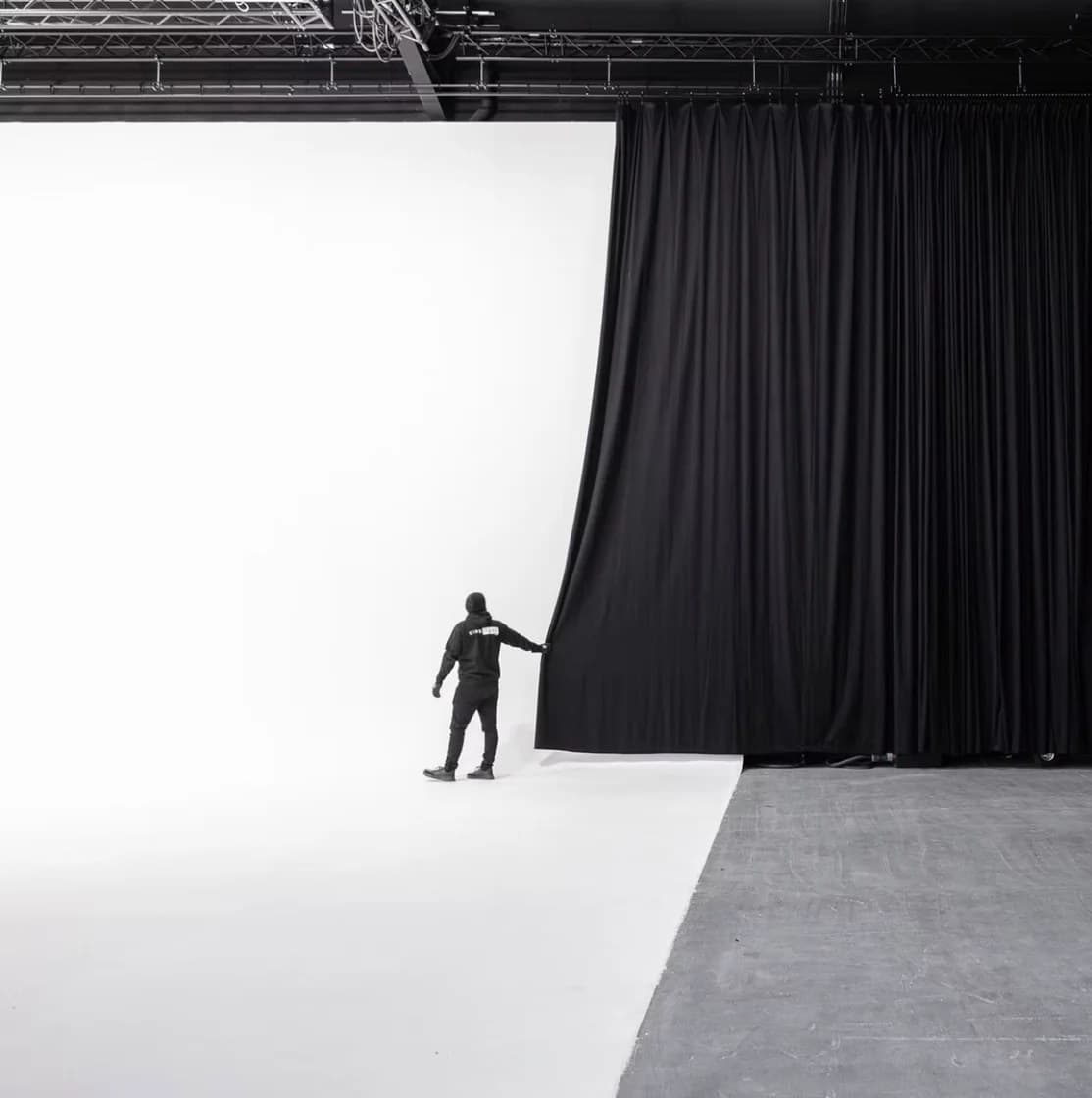
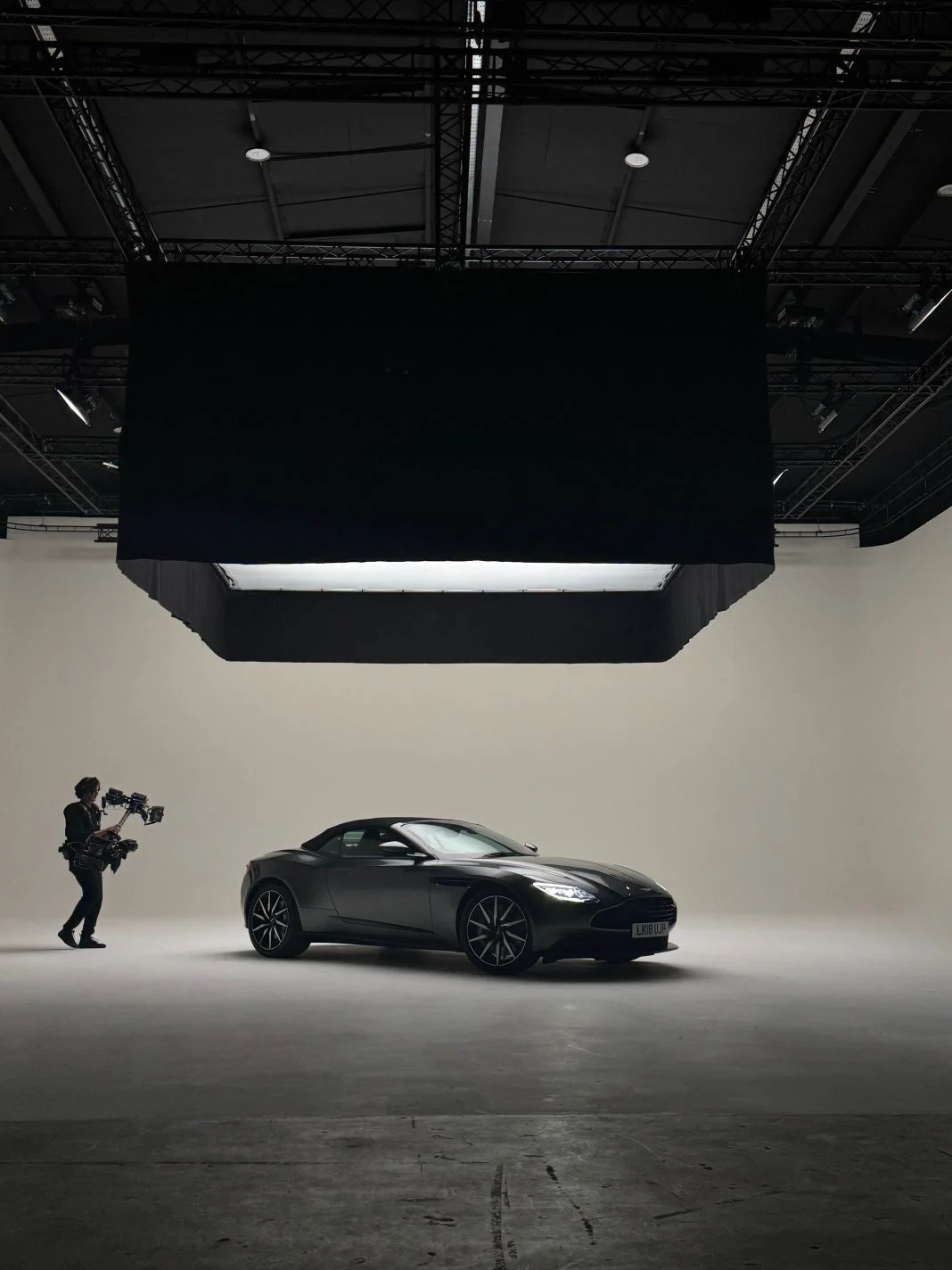
Mammoth Film Studios, the biggest film studio in Zone 2, offers a straightforward example of this transition. Studio 1, at 8,000 square feet, includes a full white infinity cove and complete blackout capability. The ability to move seamlessly between these modes within the same footprint enables production teams to increase use of time and crew. The integration of dedicated styling rooms, production offices and vehicle access points removes logistical barriers that often slow down commercial and long-form shoots.
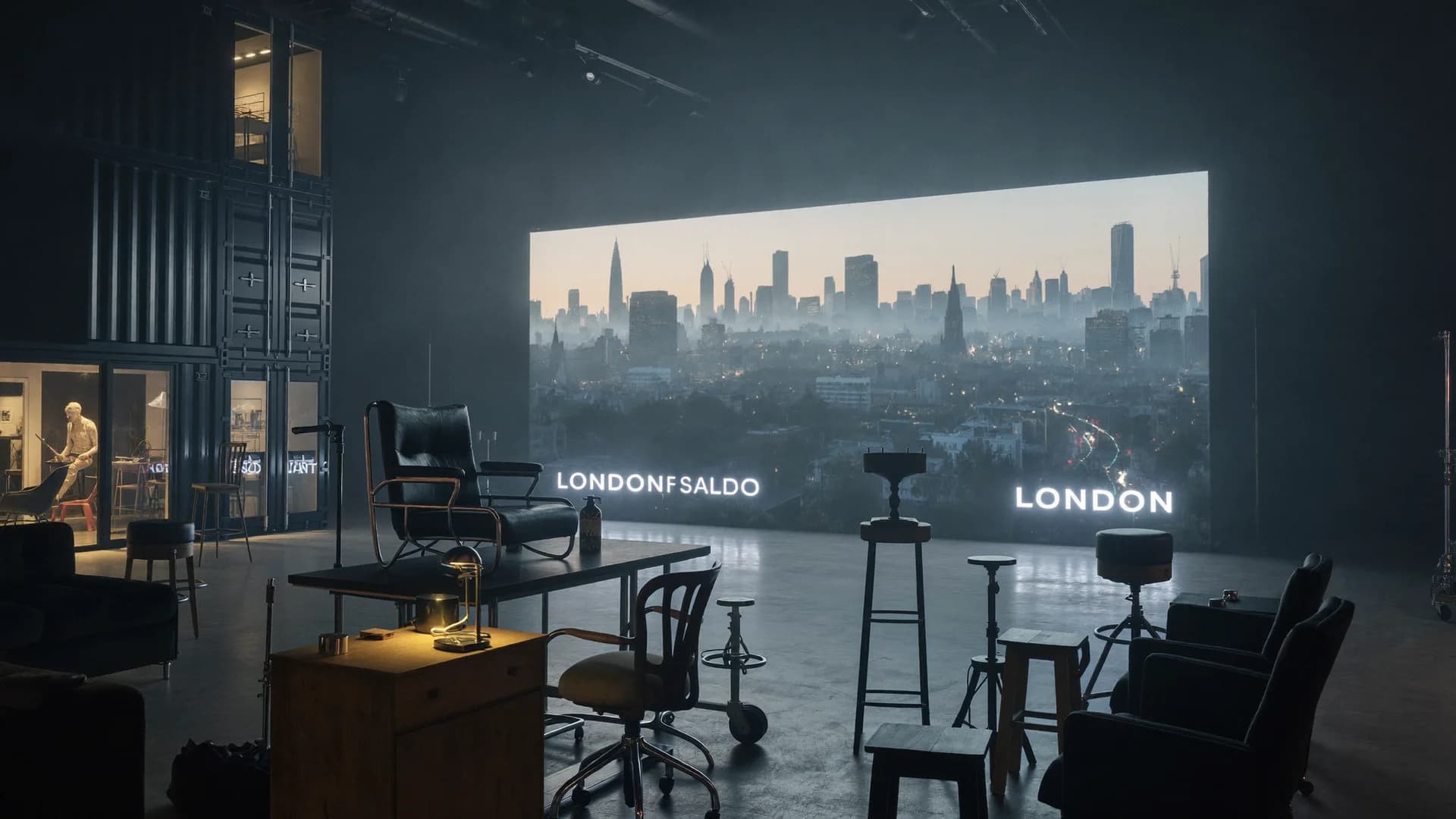
Studio 2 approaches flexibility from another angle. Designed specifically with LED virtual production in mind, it still accommodates a range of non-VP work through its blackout environment and large rigging load. This dual-use capability underscores how hybrid studios are not attempting to do everything in one space, but are instead built to support pivot points in production planning.
By moving past the divide between "creative" and "functional", modern studio infrastructure now reflects the reality of commercial production: complex, live, and dependent on controllable environments more than decorative ones.
Virtual Production as a Practical Tool, Not a Replacement
Virtual production has grown in visibility, but its practical role within a studio environment is still frequently misunderstood. It is not a wholesale replacement for location filming or traditional studio work. Rather, it solves very specific challenges in a controlled setting.
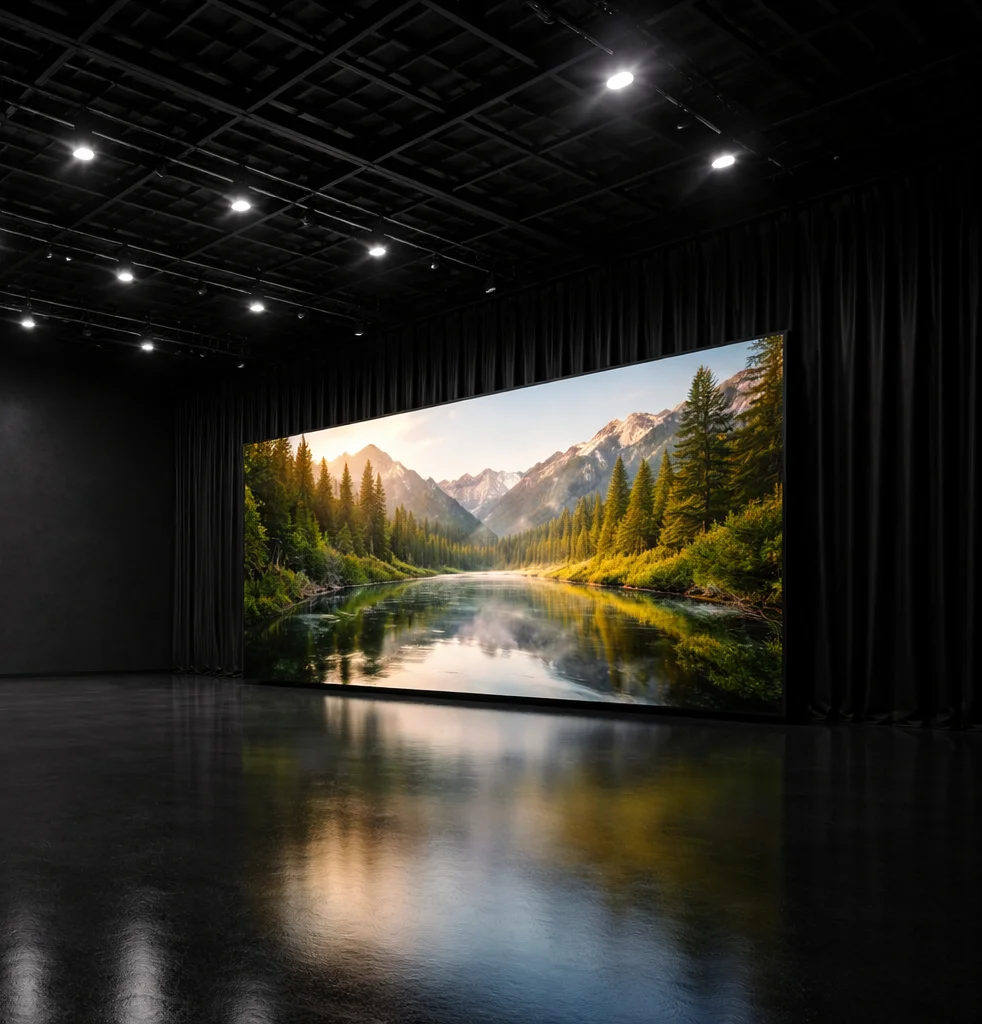
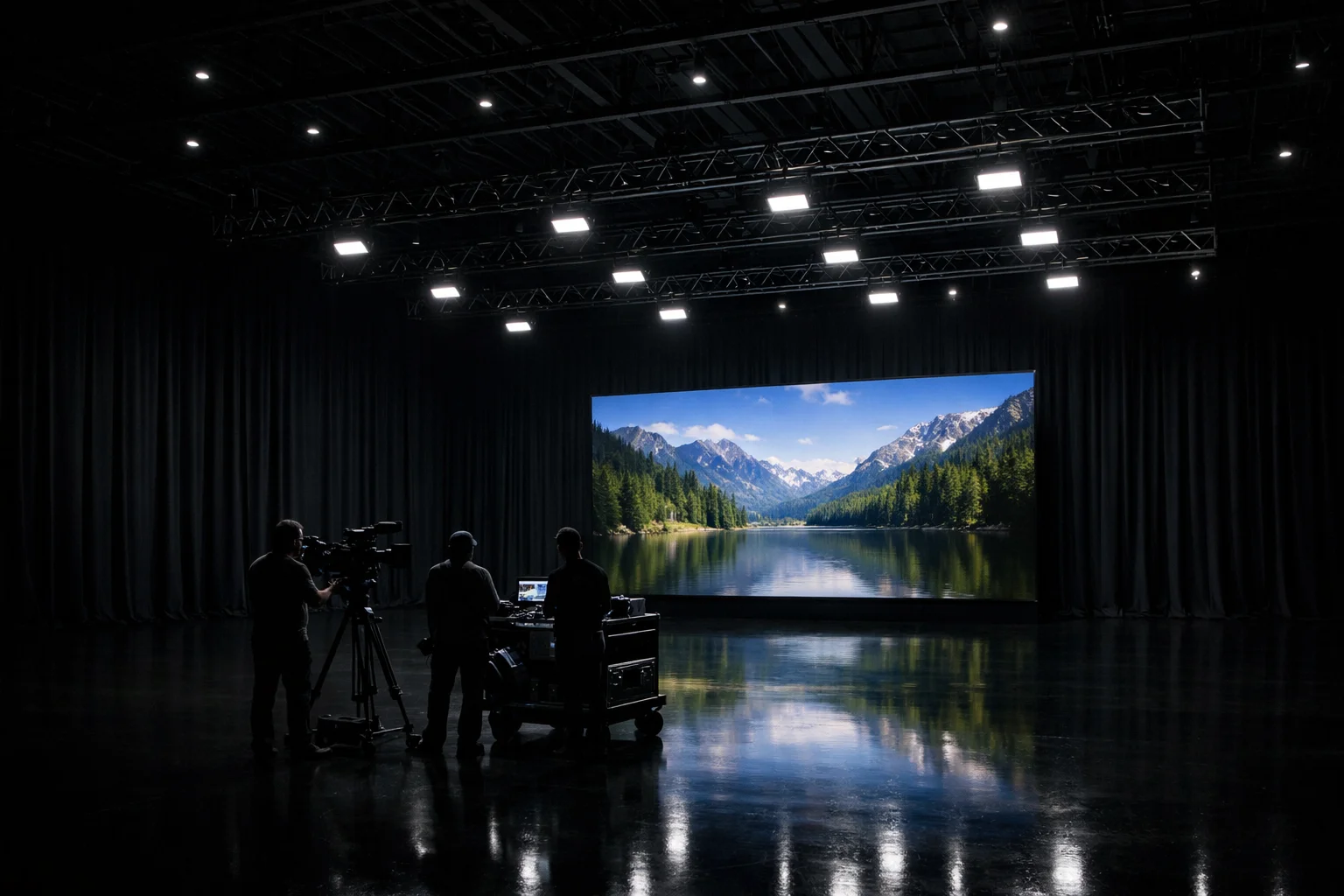
At Mammoth’s Studio 2, virtual production is embedded as a workable tool rather than a standalone feature. The use of ROE 2.8mm HDR LED panels allows art departments and DOPs to preview and shoot scenes with interactive light and reflective realism. This reduces the need for complex physical builds or long travel schedules, particularly for commercial work or VFX-heavy sequences.
The operational difference comes in the integration. Studio 2 is supported by Elsewhere Productions, which provides on-set technical supervision, playback systems and crew experienced in hybrid workflows. This allows virtual production to function as part of a broader filming pipeline, not apart from it.
Practical benefits of virtual production in working studios include:
- Scene transitions without location changes
- Controlled lighting and environmental conditions
- More accurate in-camera reflections and interactive light
- Reduced transport and crew movement
- Integration with traditional filming workflows
Used well, virtual production is not a concept piece. It is a tool designed to address known inefficiencies in the shoot schedule, especially under time or geographical constraints.
Integrated Technical Systems Are Now a Baseline Expectation
Studios can no longer approach technical infrastructure as optional. Production workflows assume connectivity, rigging, and routing will be in place and testable before camera prep even begins.
Mammoth Film Studios operates with this expectation in mind. Both Studio 1 and Studio 2 offer internal 12G SDI routing from stage to production areas. This supports multi-cam monitoring and live playback without the need for additional cabling or third-party setup. Streaming workflows are assisted by a dedicated network and up to 4 Gbps symmetrical fibre.
Integrated support also includes the presence of in-house riggers and Cinelight London as the exclusive lighting partner. Projects benefit from faster installs and consistent planning between lighting, grip and camera departments. With three motorised trusses in Studio 1 and a 12-point chain hoist system in Studio 2, rigging structures can be deployed quickly and safely under supervision.
Key systems now expected as standard include:
- Hard-wired high-speed internet connections
- In-house rigging teams familiar with the space
- Production capability including 200A and 63A feeds
- Internal SDI video routing
- Integrated lighting systems and local crew support
- Crew Wi-Fi and stable client access zones
This level of technical integration defines what a production-ready studio now is, not the presence of basic utilities, but the elimination of avoidable technical gaps on set.
Location Matters, But Only in Operational Terms
For London-based productions, location no longer refers to postcode branding or creative atmosphere. It refers to logistics, how fast you can get crew, vehicles and suppliers onto site and off again.
Studio locations within Zone 2 offer a practical advantage: they reduce response times for deliveries, gear swaps and mid-shoot personnel changes. Mammoth Film Studios is positioned near the Overground and Jubilee Line, giving clear access to London’s crew base and major transport arteries without being isolated from key supplier warehouses.
Both Studio 1 and Studio 2 offer vehicle drive-in access large enough for up to 18-tonne box trucks, meaning unit gear can go straight to the stage without offloading to smaller vans. On-site parking for 30 vehicles across both studios makes this viable for larger units without requiring offsite shuttling.
Operational access features include:
- London Zone 2 location
- Proximity to Overground and Jubilee Line
- Full vehicle drive-in to studio floors
- On-site parking for crew and unit vehicles
- Step-free access to all interior areas
These elements affect crew start times, delivery risk and overall unit coordination more heavily than postcode references or brand narratives. For producers, they are the difference between an efficient day and wasted margin.
Studios Are Separating Traditional and Virtual Workflows by Design
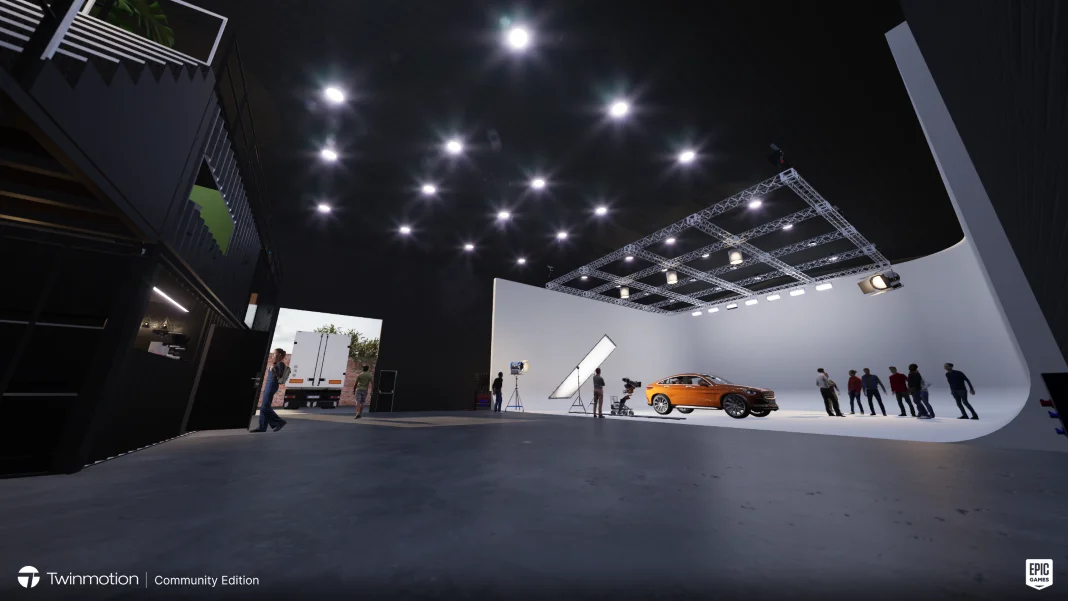
Instead of merging all technical capabilities into one ambiguous space, newer studio models now clearly separate traditional film stages from virtual production environments. This separation improves workflow clarity and limits gear and crew clashes.
At Mammoth Film Studios, this distinction is embedded in the physical format. Studio 1 operates as a large-format traditional production space with a white infinity cove and blackout options but no LED volume. It is ideal for conventional camera work, set builds and high-capacity shoot days.
Studio 2, in contrast, is a blacked-out hybrid stage with permanent rigging for LED workflows. It integrates virtual production capability, including real-time environments and supervised playback systems, without interfering with conventional setup flows in Studio 1.
This separation supports production planning in several ways:
- Simplifies load-in and prep across departments
- Reduces cross-format technical conflicts
- Aligns crew configuration with space capability
- Allows simultaneous use of both formats across parallel shoots
- Prevents overbuilding one space to inadequately cover both roles
For producers managing both marketing content and scripted scenes, or running commercial and behind-the-scenes units side by side, the benefit is obvious: greater schedule control and format-specific readiness.
External Space Is Being Reimagined as Conditional Backlot
Outdoor areas are under reconsideration as conditional production assets. Not every project needs a backlot, but many need exterior flexibility under the right conditions.
At Mammoth, approximately 6,000 square feet of parking area can be repurposed as exterior staging, overflow, or light rig environments when required. This is not a permanent backlot, nor is it designed to host set builds indefinitely. However, with coordination, it becomes a valuable support zone on multi-day productions.
Typical uses include:
- Temporary unit base
- Prop holding or standby area
- Equipment prep and load balancing
- Low-impact exterior setups
- Overflow greenroom or catering locations
Planning considerations still apply. Availability may shift depending on site use, and weather control is minimal. Nonetheless, for shoots needing outdoor support without relocating offsite, access to adaptable open space adds a layer of flexibility that complements interior capability.
Operational Clarity Is Now a Competitive Advantage
What distinguishes studios today is not their marketing profile, but the level of structure behind each booking. Teams need answers, not options, particularly when managing tight schedules and cross-departmental demands.
Producers increasingly favour studios with integrated systems, transparent rate structures and consistent in-house partnerships. This is less about control and more about predictability. At Mammoth, integration with Cinelight London and Elsewhere Productions enables lighting and virtual production teams to plan effectively with studio management rather than operating in isolation.
Additional built-in elements improving clarity include:
- In-house rigging coordination
- Technical prep access in advance
- Structured rate guidance on request
- Defined zone use (client, makeup, production)
- Practical separation of production formats
By knowing what is in scope and which elements are embedded, teams reduce their exposure to mid-shoot negotiation, unexpected fees or unclear responsibilities. This allows creative and technical heads alike to focus on execution rather than adaptation. Studios are no longer blank canvases to fill in. They are systems that need to work under pressure, predictably and without ambiguity. Operational clarity is not an extra. It is the baseline.