What are the most common causes of avoidable delays during studio shoots?
Studio shoots are often delayed by preventable logistical and coordination issues, including misaligned crew timings, vague lighting plans, under-planned load-ins, incomplete technical specifications, unmanaged client presence, and last-minute creative decisions. Each of these creates friction that can compound quickly, costing valuable time and increasing production pressure.
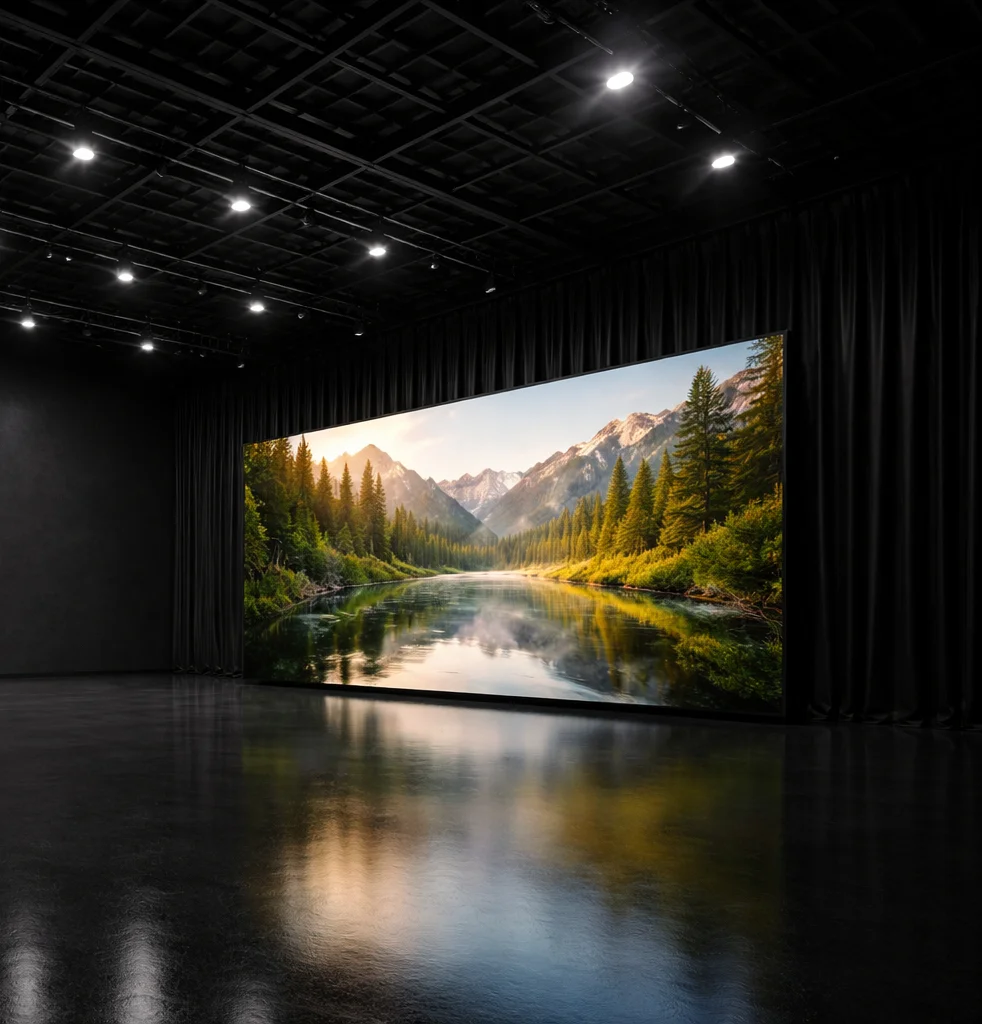
Crew call times that clash with studio access
A crew arriving before the space is ready is not an efficient head start. It creates idle time, confusion, and sometimes a build-up of vehicles with nowhere to offload. One common oversight is treating crew call as synonymous with shoot start, without considering the physical flow required to reach that point.
Delays often arise from:
- Load-in doors opening later than riggers or art departments expect
- Staggered crew calls assuming earlier teams will have access, when they do not
- Parking or access not available for the units listed on the call sheet
- Misreading studio schedules that list access time, not shoot time
For production managers, the fix lies in aligning call sheet timing with confirmed access periods, factoring in vehicle turnaround, and confirming who needs to be inside first. Timing coordination is rarely glamorous, but consistently important.
Vague lighting plans that lead to reactive rigging
Lighting setups often define the entire pace of the shoot. In large-scale blackout spaces or high-ceiling studios, a late-starting rig can put the day’s momentum at risk. The source of delay is rarely equipment-related. It is more often a case of unclear lighting diagrams, missing information, or changing creative decisions without technical follow-through.
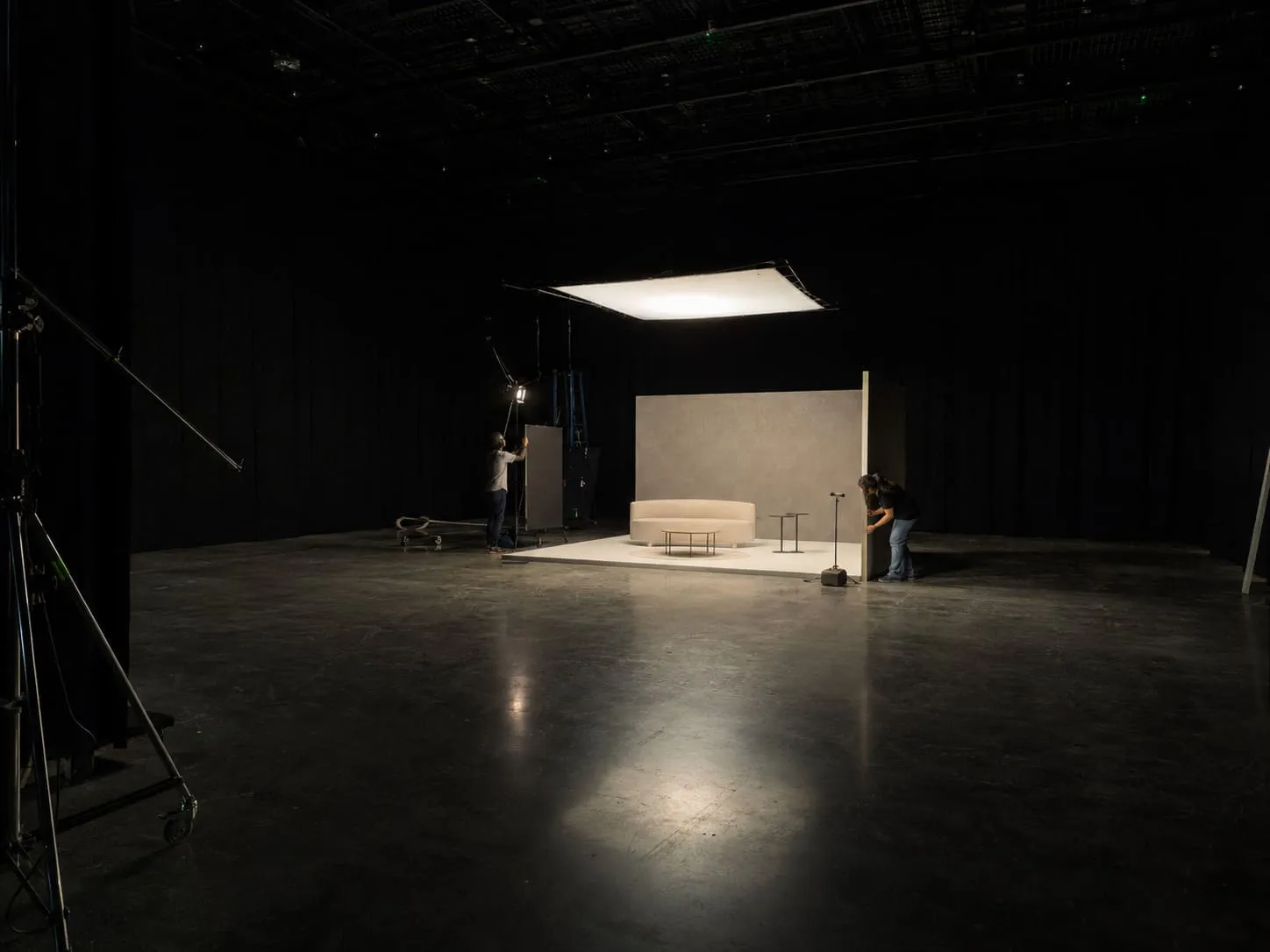
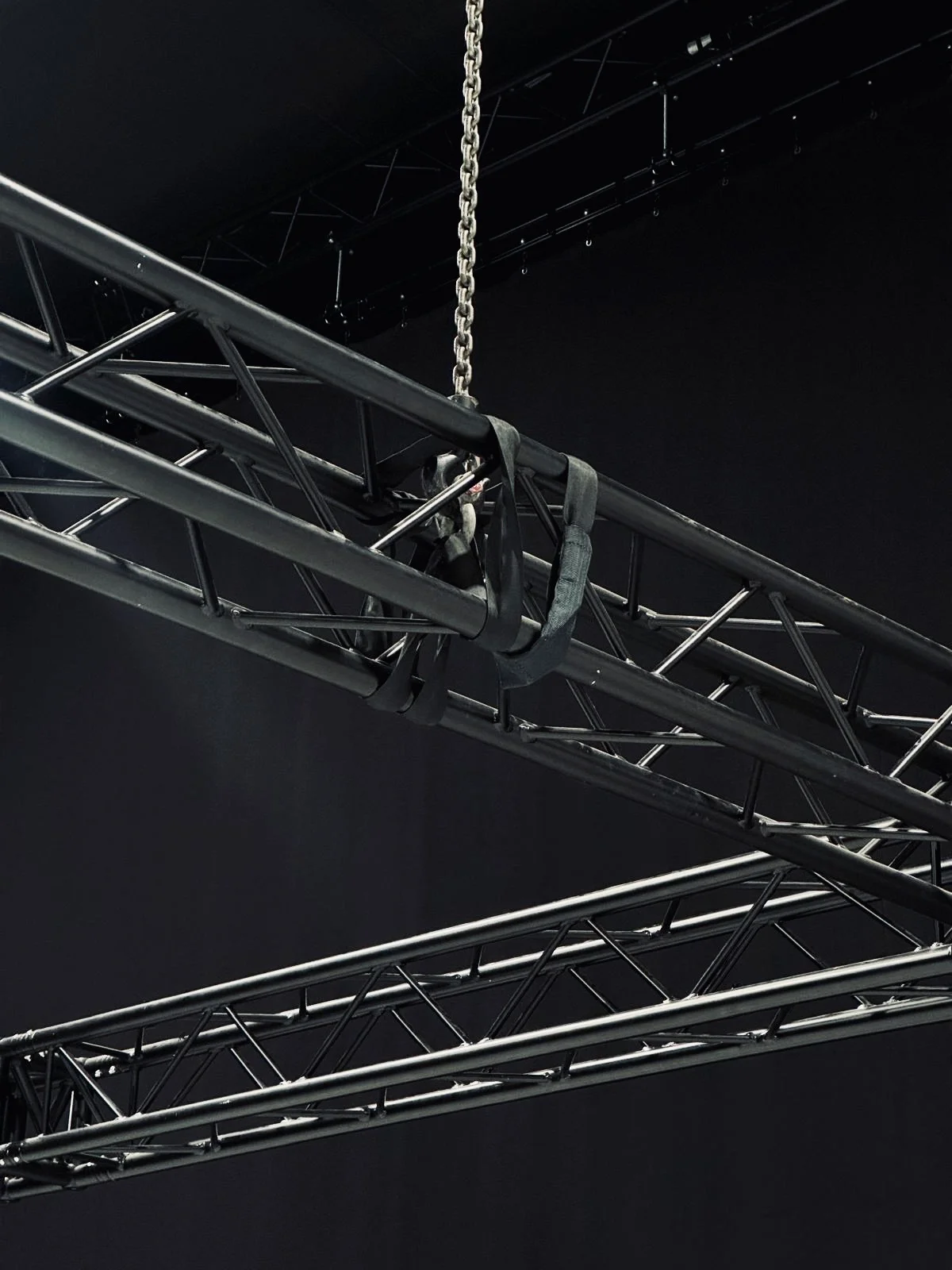
Pre-rigging is the defining factor. In studios such as Studio 1 at Mammoth Film Studios, our London film studio, with 24-foot grid height and motorised truss systems, rigging teams rely on advance detail to move quickly and safely. Integrated partners such as Cinelight London can eliminate technical uncertainty, but only if the plan they are following is finalised.
Avoid:
- Relying on verbal briefs or partial diagrams
- Making lighting decisions on site without rigging lead sign-off
- Reworking setups that could have been specified during tech recces
A structured lighting plan, confirmed with the rigging supervisor, prevents reactive delays, especially before cameras roll.
Underestimating load-in and turnaround times
Physical access does not equal immediate usability. Load-ins involve movement of equipment, time to position and cable it, and additional setup of production departments. A miscalculation of even 90 minutes can derail the first scene or product setup, especially in commercial workstreams.
Common miscalculations include:
- Assuming studio entry time translates to rig-ready environments
- Under-planning for internal transfers between vehicle bays and set
- Overlooking how long production designers, stylists, or art teams need for layout
- Compressing turnaround between shots or scenes without resetting time buffers
Studios with drive-in access and internal production offices, such as both filming stages at Mammoth, support speed, but only if that capability is built into the schedule from the outset.
For more efficient days, producers should add practical movement time to theoretical setup time.
Incomplete tech specs and unwarranted assumptions
Arriving with gear that does not connect as expected is not a minor setback. It often triggers cumulative troubleshooting that disrupts AV sync, lighting control, and post integration.
Key risk areas:
- Assuming capability will match existing rig configurations without confirmation
- Bringing routing-dependent monitors without considering cable distance or signal type
- Overlooking whether the studio supports 3G, 6G, or 12G SDI routing
- Over relying on Wi-Fi without verifying security or bandwidth
Studios like Mammoth integrate 12G SDI routing, internal LAN and hard-wired streaming networks, but those systems only accelerate work if they match what the crew brings. Technical briefs should be exchanged before kit is booked. A 15-minute compatibility check in advance can save an hour on set.
Unstructured agency or client presence
Client teams often want to see progress first-hand, give feedback live, or steer approvals in person. These instincts are valid, but without a structured format, they can cause unintended drag.
Two primary friction points:
- Decision-making is delayed by unclear authority or missing stakeholders
- Creative reviews happen live with the main unit paused and crew waiting
Studios with defined viewing areas or client rooms can help manage this. At Mammoth, client approval zones exist separately from the main stage to allow feedback loops without disrupting flow.
The best-run sets clarify:
- Who has sign-off authority
- When and how that input will be timed
- When on-screen reviews will occur
- Where clients will base themselves during filming
Structured presence enables trust and responsiveness. Unstructured presence slows delivery.
Delaying creative decisions to the shoot day
Indecision wastes more time than technical error. Waiting for scene composition, lenses, or movement to be finalised on shoot day forces stylists, riggers, gaffers and operators to work reactively, often in isolation.
The impact is broad:
- Blocking becomes trial-and-error
- Lighting teams cannot pre-rig to target areas
- Grip and camera teams must reconfigure framing for unexpected angles
- Set teams lose time adapting layout for late-breaking ideas
None of these are creative failings. Most are the result of planning gaps. Production design workflows, mood refs, and previsualisation tools exist to give studios a formula to follow. Pre-shoot tech scouts remain one of the most efficient methods for pressure-testing ideas in context.
The more decisions locked before arrival, the more freedom the team has to work within them.
Misunderstanding how virtual production functions
Virtual production can speed up scenic transitions and lighting control, but only if its pipeline is understood and prepped. Problems arise when LED volume time is booked like a regular studio, without allowing for environment build, playback loading, or technical rehearsals.
Common misconceptions:
- Believing any scene is plug-and-play with minimal preparation
- Assuming on-site rendering will solve late environment changes
- Ignoring the difference between LED time and usable shoot time
- Under-scoping the technical crew required to run playback and synchronise elements
Movie studio 2 at Mammoth, in partnership with Elsewhere Productions, builds virtual production pipelines with in-house LED and on-set supervision. But like any technology, results are only as reliable as the pre-planning allows.
To avoid delay, teams should:
- Confirm formats, resolutions, and playback specs in advance
- Allocate time for environment loading and testing before camera blocking
- Include LED crew in creative planning
- Treat virtual production as a rehearsed workflow, not a live improvisation
Studio delays are rarely the result of bad intent. They are most often caused by overlooked timing, unclear coordination, or optimistic assumptions. By treating physical space, equipment, and approvals as structured workflows, and choosing a film studio suitable for long shoot days, productions can find hours of lost time, and ensure those hours are used to shoot rather than wait.