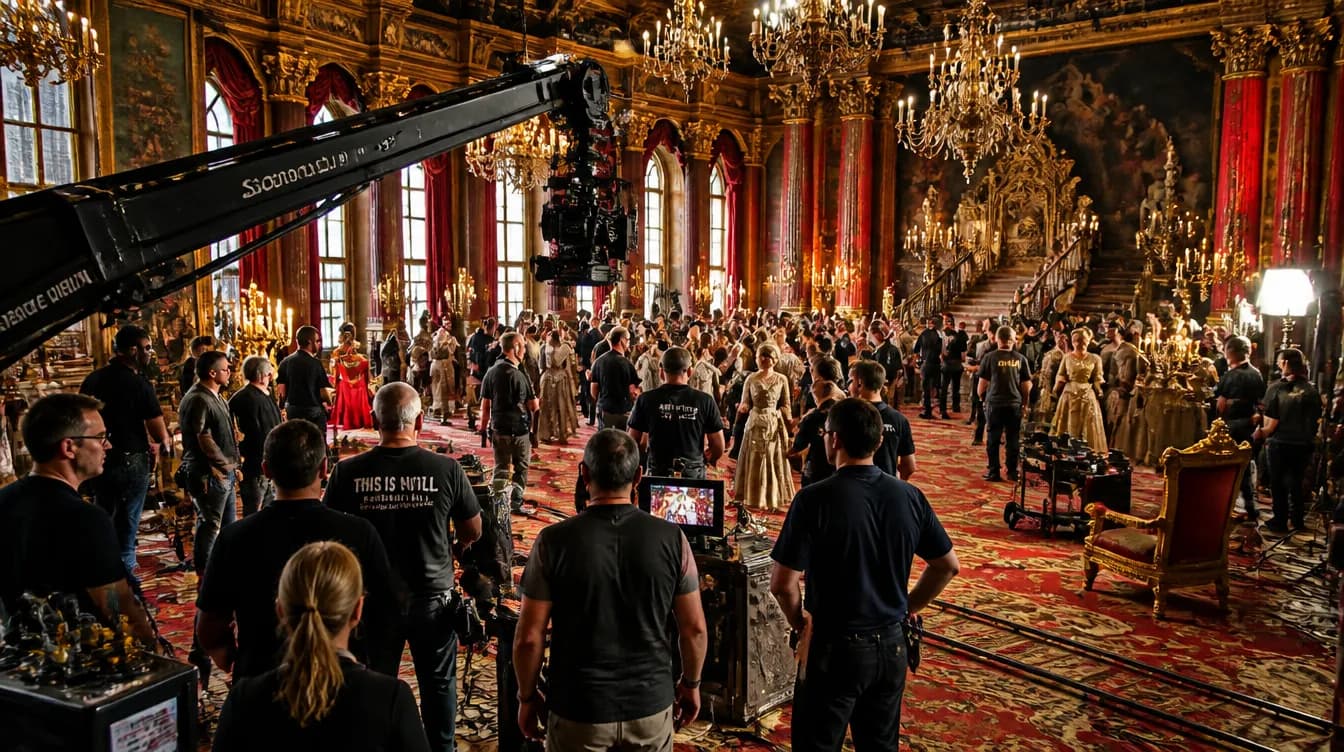
Why do so many London studio shoots go over budget?
Studio shoots in London often go over budget not because of unexpected fees, but because of hidden pressures: delays, unclear communication, and flawed logistics. Experienced professionals stay within budget by preparing for the pace of the city, coordinating properly, and expecting the unpredictable. Knowing how to plan a London studio shoot, whether at Mammoth's London studio facility or elsewhere, means spotting risks early.
The Hidden Pressures That Push London Studio Shoots Over Budget
London’s fast-paced production environment adds subtle costs. High turnover, strict schedules, and difficult access all cause delays. These factors need to be managed early to avoid budget creep. They are among the most common reasons studio budgets overrun.
How London’s Logistics Create Delays Before You Even Start Rolling
Schedules often run late before filming begins. Delays from traffic, fines, and congestion zones add up. When vans are unable to unload or crew members are delayed, the entire shoot can fall behind. Many studios allow access only at set times, which limits flexibility. These planning oversights increase overall costs. Including logistics in London shoot planning is essential.
Why Setup and Pack-Down Always Take Longer Than Estimated
Even organised crews often overrun. Lighting changes, gear issues, or minor interruptions consume more time than expected. When another team runs late, delays can carry over. Underestimating timing turns manageable tasks into costly setbacks.
When Crew Workflow Slows Everything Down (And Costs More Than You Expect)
Crews unfamiliar with each other usually take longer to work efficiently. Miscommunication, repeated instructions, and slow decision-making extend the timeline. These moments accumulate and lengthen the production day. Hiring an experienced, efficient film crew familiar with London studios helps avoid these delays.
The Technical Demands That Inflate Lighting, Power and Equipment Costs
Older studios often lack modern infrastructure. Newer lighting and camera setups require more power. Some studios charge extra for energy use, and others may not support the load. These shortfalls lead to added hires or wasted time on workarounds.
Choosing the Wrong Type of Studio for the Shoot
Studios must match the creative and technical brief. A high-end virtual production space might be unnecessary for a basic setup. Poor soundproofing, oversized stages, or excessive in-house gear can all push costs up.
Why Most Budget Estimates Fail Before the Shoot Even Begins
Budget problems usually start with early assumptions, not decisions made on the day of the shoot. Inaccurate estimates and skipped technical checks lead to weak planning foundations. Understanding common causes of overspending helps producers build better budgets.
The Trap of Relying Only on the Studio’s Base Rate
A studio’s rate card usually covers only the basics. It often excludes overtime, equipment, power, or access costs. Relying on the base rate alone creates a misleading sense of the total spend.
The Cost of Not Building Strong Contingency Into the Budget
Without a financial buffer, minor problems create major delays. Additional transport, overtime, or emergency hires quickly increase spend. A 15–20% contingency helps keep the budget intact when unexpected issues arise.
When Limited Prep Leads to Expensive On-Set Surprises
Skipping recces or technical checks increases the chance of problems. Layout issues, missing equipment, or setup delays force reactive changes. These changes often cost more than the time saved by skipping prep.
What Experienced Producers Do Differently to Stay on Budget
Experienced producers manage costs by preparing thoroughly, breaking down budgets into clear categories, and hiring crews that work well together. Predictability helps control spending.
Building a Detailed Budget With Realistic Line Items and Buffers
Effective budgets account for every expected cost. Time, power, equipment, and soft costs are calculated with practical flexibility. This structure prevents surprises from derailing the plan.
Auditing Gear, Power and Studio Requirements Before Booking
Producers check that equipment matches studio capacity. Power access, acoustics, and layout are confirmed before signing agreements. These steps avoid last-minute changes and additional costs.
Negotiating Rates, Extras and Off-Peak Options Like a Professional
Experienced producers clarify overtime rates, access windows, and package options. Studios like Mammoth Film Studio are referenced here only as an example of a facility that supports clear communication and detailed production planning. No commercial claims are made.
Relying on Trusted, Efficient Crews to Reduce Setup Times
Crews that have worked together before move more quickly. They communicate effectively, avoid duplication, and stay aligned with the schedule. This teamwork supports efficient production in London studios.
Using Low-Complexity Lighting and Workflow Planning to Prevent Delays
Simpler setups reduce time spent on rigging and adjustments. Modular lighting and repeatable workflows help keep things on track and reduce the chance of technical setbacks.
A Pre-Shoot Budget Control Checklist for London Studio Productions
Use this checklist to keep your project on track:
- Confirm access times, parking options, and borough regulations.
- Check gear compatibility with studio power and layout.
- Walk through the space ahead of time to identify workflow challenges.
- Hire a crew with existing familiarity.
- Add a 15–20% buffer to each major budget category.
- Ask for a full breakdown of rates, including any extras and overtime charges.
- Review call sheets to ensure realistic expectations.
How Pros Analyse a Shoot After Wrap to Improve Next Time
Professional producers review every aspect of a shoot. They evaluate timing, accuracy of budgeting, and team workflow. These reviews inform future projects and improve efficiency.
Why Predictability Beats Guesswork in London Studio Budgeting
Most budget issues come from missed details. Successful producers avoid these by planning carefully. Studios such as Mammoth Film Studio support well-prepared teams by maintaining transparent workflows and flexible scheduling structures. This reference is informational only and not promotional. When producers plan for disruptions, they reduce risk and keep control over costs.