How much does a virtual production stage in London usually cost?
Treat the light-emitting diode, or LED, wall as one line item, not the whole cost. In the current UK market, virtual production day rates sit roughly between £3,000 and £20,000+ per day, with many shoots around £5,000 to £15,000+. London quotes move with stage scope, workflow, crew and prep time.
Table of Contents
Headline rates need careful reading
Producers get into trouble when they compare an LED stage day rate with a full production package. A dry studio hire rate covers space. An LED volume hire cost adds the screen and related systems. A complete virtual production studio quote also has to account for playback systems, media servers, technical crew and any prep needed before the shoot day.
Published London “from” pricing can start at £3,550 + value added tax, or VAT, for an LED stage. That figure is useful market context, but it is not the final gross cost of a scoped commercial shoot. A starting rate can sit below a full virtual production day rate because it may exclude technical, content or crew requirements that your production will still need.
The clean comparison is between scoped packages. One quote may include technical supervision and playback. Another may leave those as add-ons. The wall is not the package, and the difference sits in the detail that follows.
Stage hire and technical hire are separate cost areas
The word “included” carries different meanings across virtual production stage hire in London. A proper quote should separate the physical stage from the LED volume, the playback or Unreal Engine workflow, and the people responsible for running it under production pressure.
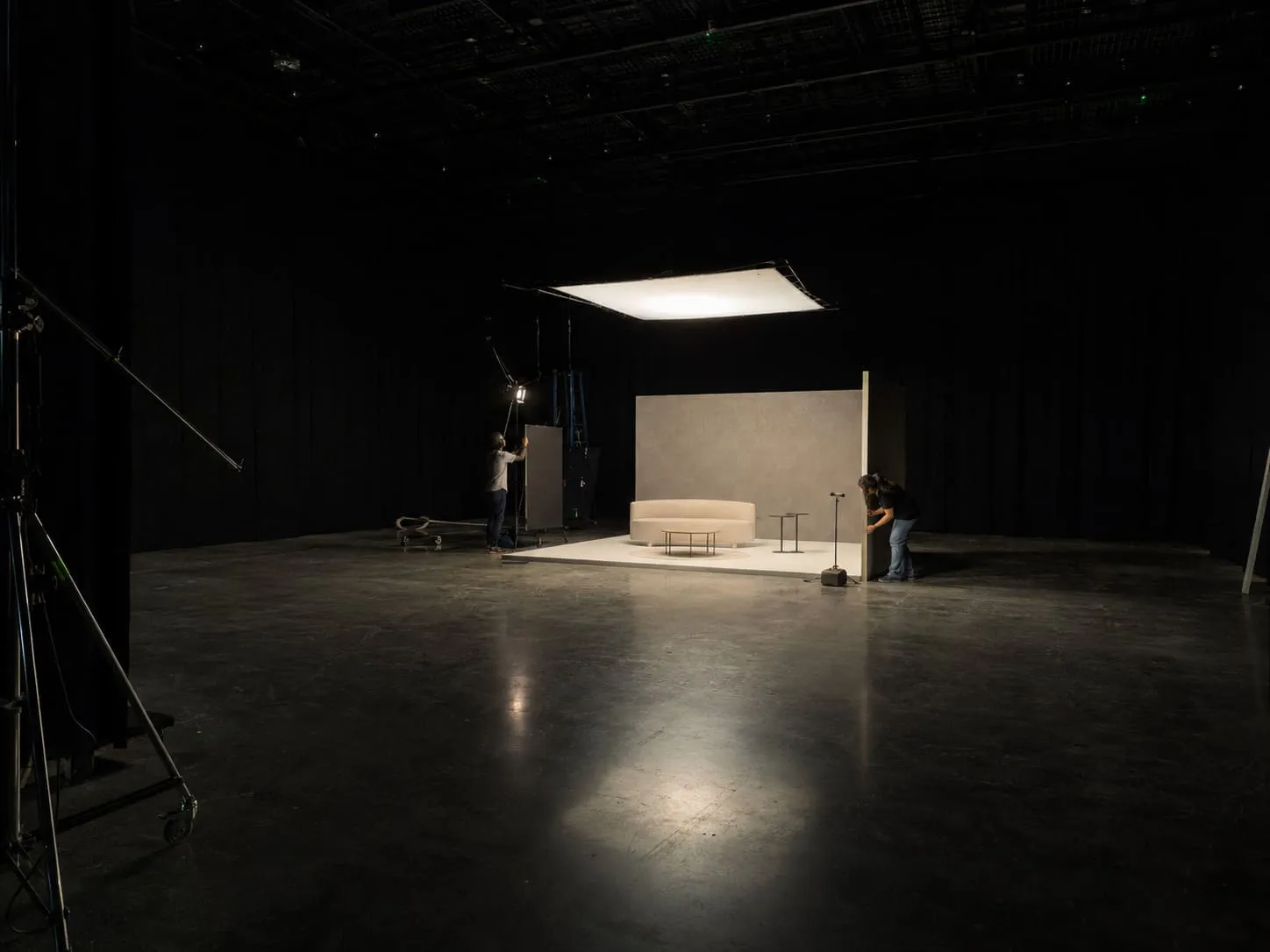
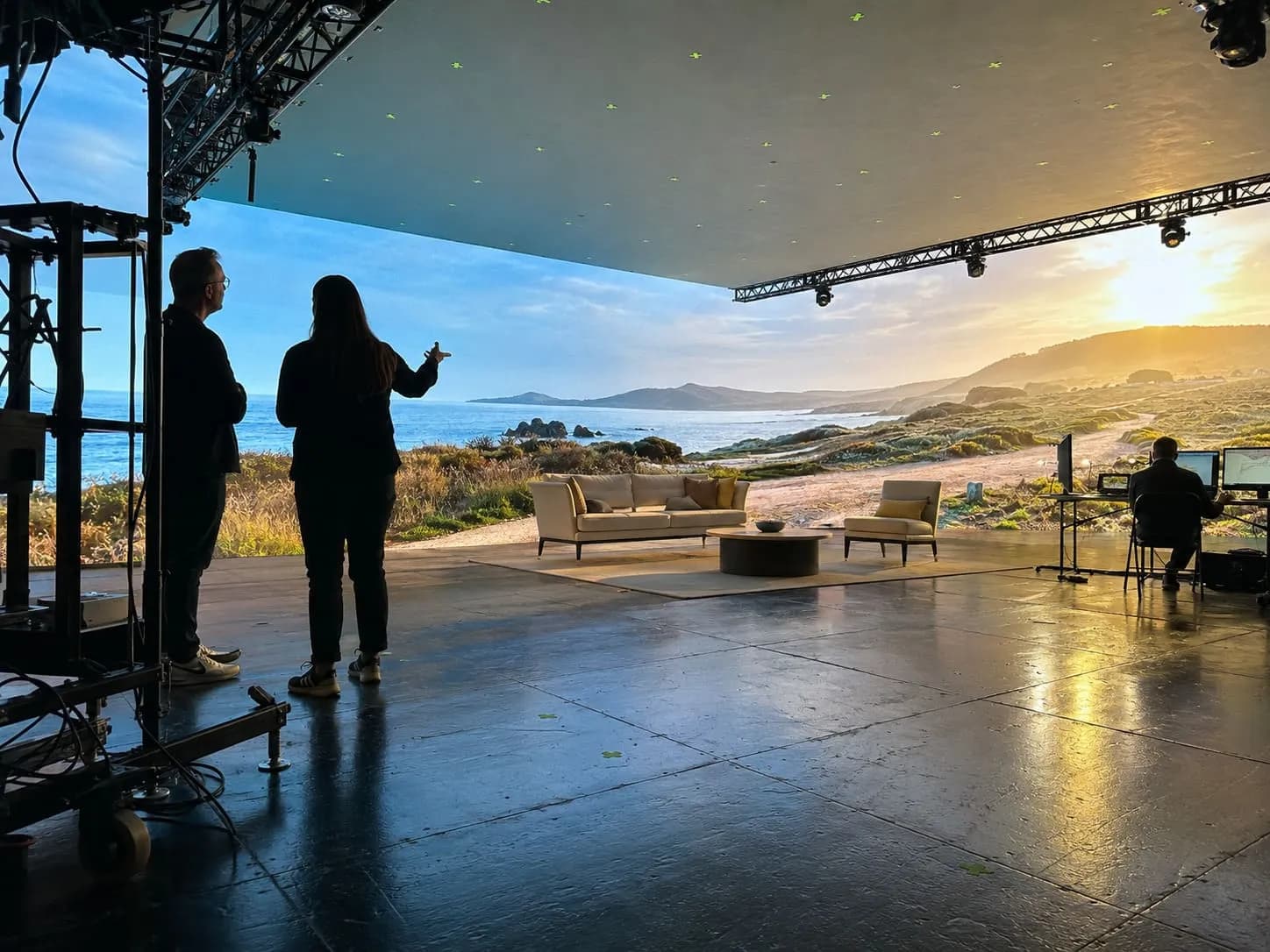
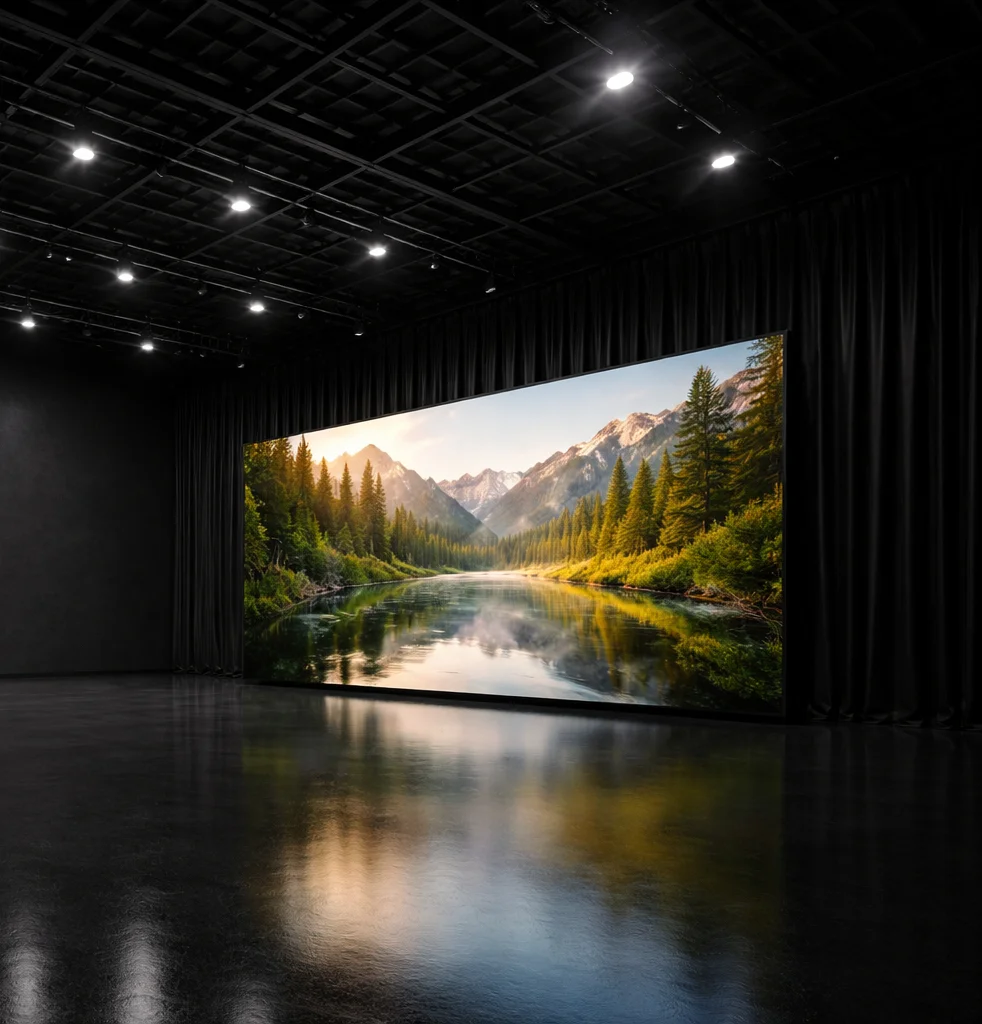
Mammoth Film Studios’ Studio 2 is a useful London example of why those lines matter. Studio 2 is a 5,000 sq ft, or 500 sqm, virtual production and blackout space with an 8 m x 4 m in-house LED volume screen that can be expanded to production specification. Virtual production in Studio 2 is delivered with Elsewhere Productions and includes supervision, playback systems and on-set technical crew.
That structure matters commercially because responsibility is clear. If the LED wall, playback system and technical supervision are treated as separate assumptions, a low headline figure can grow once the production asks for the workflow it actually needs.
Workflow choice changes both price and schedule
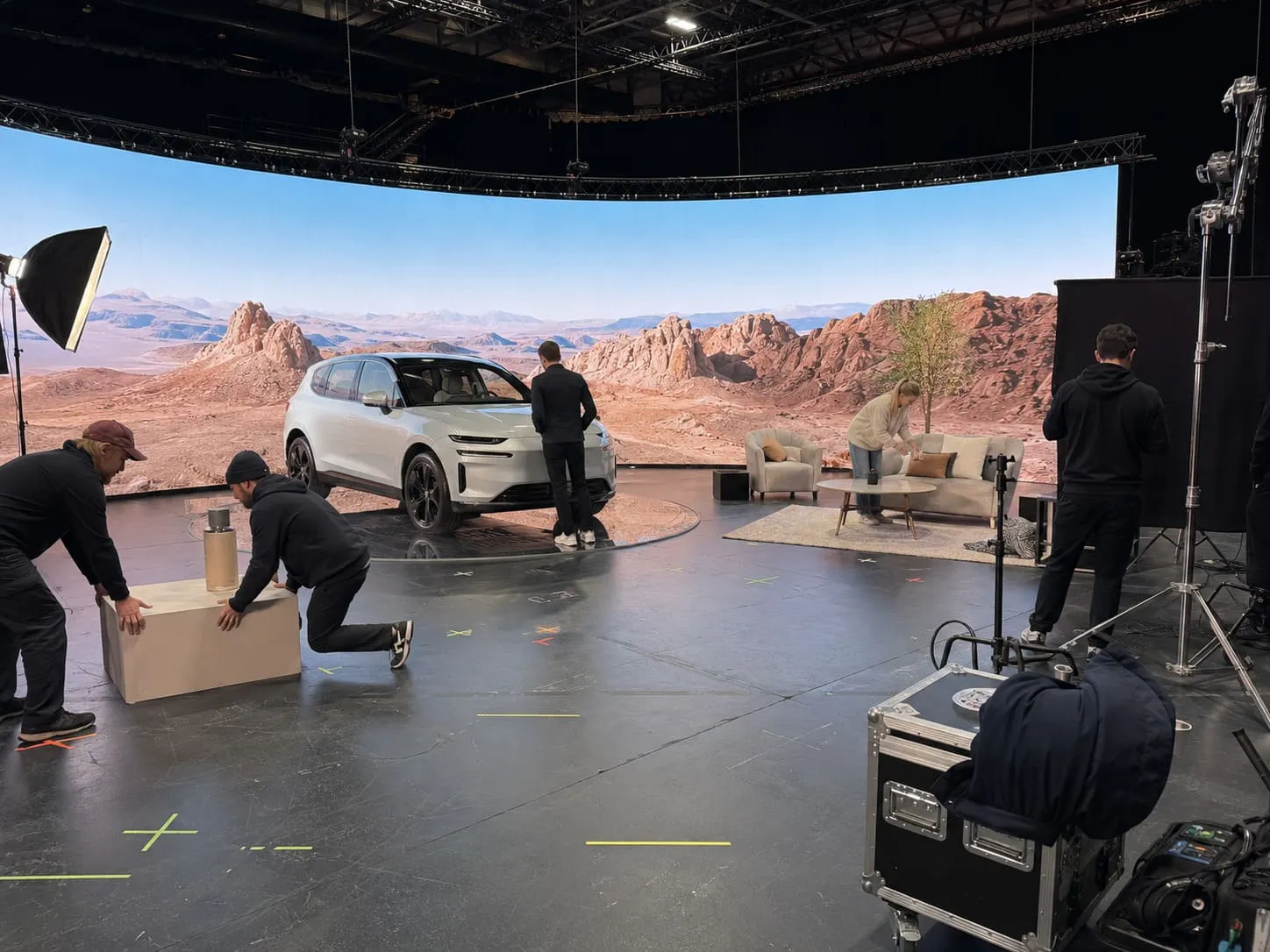
A car interior using pre-recorded driving plates is a different job from a camera-tracked environment where the background shifts with the lens. Both can use an LED volume, but they do not carry the same prep burden or crew shape.
2D plate playback
Two-dimensional plate playback, often shortened to 2D plate playback, uses pre-created content on the LED volume. Driving plates are the obvious example: the background is ready to play, the shoot relies on controlled playback, and the technical challenge sits in getting the plates, screen and camera to behave predictably.
That kind of production can be leaner because the environment is not being generated live. A simple LED volume production using pre-created content may fit into a single studio day, provided the content and stage requirements are already resolved. The price still depends on crew and stage scope, but the route to a quote is more direct.
Unreal Engine and camera tracking
An Unreal Engine workflow is different because the environment is rendered in real time. Camera tracking tells the system where the camera is, so the background can respond with the correct perspective. Once that enters the plan, testing becomes part of the cost conversation.
Bespoke environments add another layer through the Virtual Art Department, which builds or adapts the digital world before it reaches the stage. Larger productions involving Unreal Engine environments, camera tracking and Virtual Art Department development need planning, testing and production stages, so a single day rate will not tell you enough on its own.
The practical question is whether your shot needs real-time control, perspective change, interactive light or reflections. If the answer is no, a playback-led route may keep the quote tighter.
London logistics belong in the cost conversation
When the stage is in London, the cost is the room and screen, but it is also load-in, unit vehicles, parking, blackout, rigging and production rooms. All of those affect how much usable work your crew gets from the day.
For a London Zone 2 virtual production studio, the key checks are practical:
- Access for kit and vehicles. Drive-in access reduces the friction around loading and strike, especially when the shoot carries camera, lighting, grip and art department volume.
- Parking needs a real answer. Crew cars, unit vehicles and supplier movement can become a cost issue if the site plan is vague.
- Blackout and rigging. A virtual production stage needs control over the environment, and it needs a rigging plan that works with the LED volume rather than fighting it.
- Production areas matter when agencies, clients, hair and make-up, wardrobe and production teams all need to function near the stage.
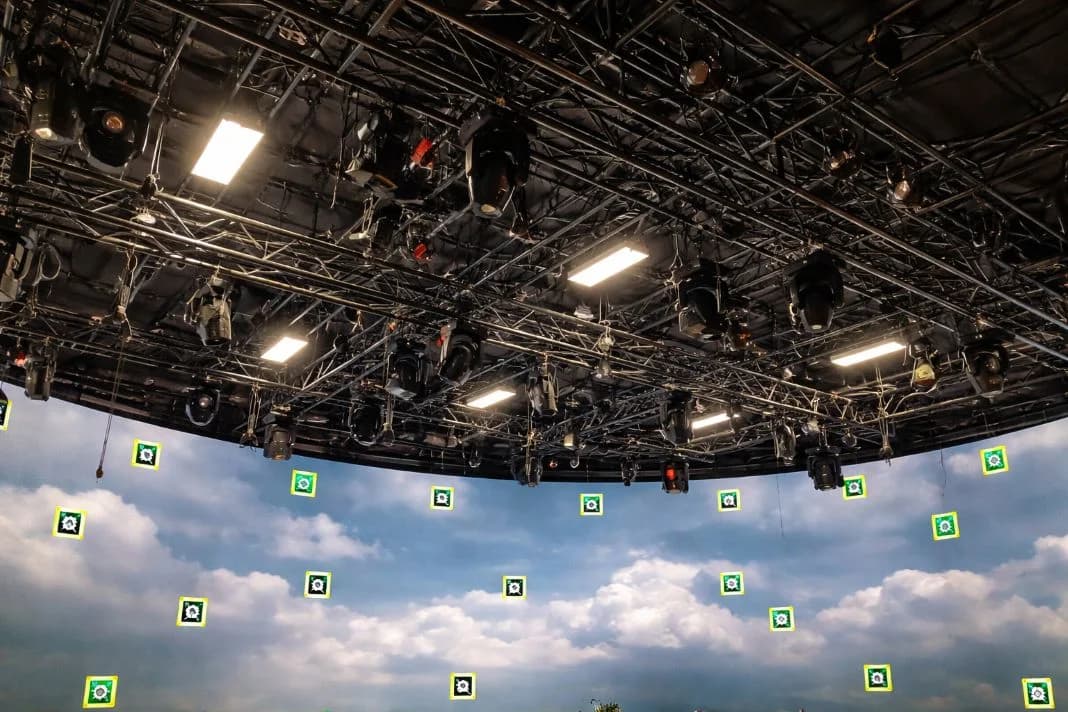
Mammoth Film Studios’ Studio 2 puts those requirements into one Zone 2 example: 360 degree blackout capability, drive-in access, rigging, production and client areas. The stage also lists five 15 m steel beams, a 1 tonne load capacity per beam, twelve 1 tonne chain hoists on travel trolleys, 24 ft, or 7.3 m, rigging height and a 63A 3-phase electrical supply.
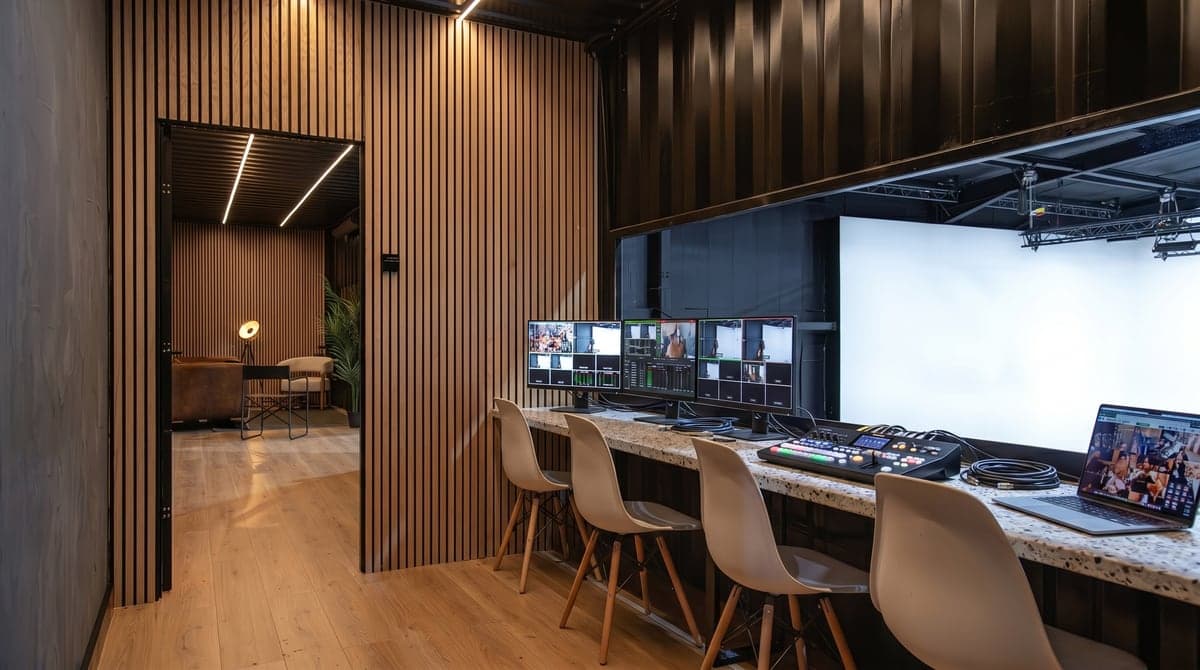
Site support changes the day, too. Studio 2 includes 10 parking spaces, an 8-bay hair and make-up room, client area, production area, kitchenette, toilet and step-free access. Those details do not replace the technical quote, but they reduce the need for workarounds around the stage.
Producers should read the quote as a production plan
The right test is simple: does the quote show how the shoot will actually run? A strong virtual production quote should separate the stage, screen, workflow, crew, prep time and shoot days clearly enough that you can brief stakeholders without guessing.
Work through the quote in this order:
- Separate the space from the screen. Confirm whether the price is dry studio hire, LED volume hire or a scoped virtual production package.
- Check the workflow. A 2D plate playback shoot and an Unreal Engine workflow with camera tracking should not be priced as if they require the same preparation.
- Look for prep time. Test days, pre-light, technical rehearsal and content checks need to be visible somewhere in the plan.
- Confirm the technical crew. Operators, supervision and on-set support should be named as part of the scope, not left as an assumption.
- Read exclusions as carefully as inclusions. The missing line item is often the one that moves the final cost.
Once you separate stage, screen, workflow, crew and prep, a virtual production quote stops looking like a single day rate and starts looking like a workable production plan. The useful question is no longer whether the LED stage day rate looks low; the useful question is whether the scope matches the shoot you are asking it to carry.
Common questions about virtual production stage costs
Is virtual production cheaper than location filming?
Virtual production is not automatically cheaper than location filming. The commercial case is strongest when control, repeatability, travel reduction, reflections or location compression justify the combined stage and technical package.
Is an LED wall cheaper than green screen?
An LED wall and green screen solve different production problems. LED volume work can reduce some on-set uncertainty because the background and interactive light are present during filming, but the screen, crew and workflow need proper costing.
Can you use pre-recorded plates on an LED volume?
Pre-recorded plates can be used on an LED volume, and this is common for driving plates and controlled background playback. This route is usually simpler than a real-time Unreal Engine workflow because the content is already made before the shoot.
Do virtual production studios include technical crew?
Some virtual production studio quotes include technical crew, and some treat crew as a separate cost. Producers should check whether the quote covers supervision, playback operation, technical direction and on-set support.
How many days do you need for a virtual production shoot?
A simple playback-led shoot may need less time than a camera-tracked real-time environment. The schedule depends on content readiness, testing, pre-light and whether the production needs Virtual Art Department work before the stage day.
This is general information, not professional advice.