Why do London studios become harder to book in summer?
London studios tighten up in summer because several production pressures land at once. Advertising schedules, long daylight hours, event-linked campaigns, school holiday planning, and international shoot activity all compete for a limited number of technically suitable stages. Booking early usually matters more than people expect, especially once a production needs specific rigging, drive-in access, blackout control, or specialist support.
Table of Contents
The Seasonal Surge: Why Summer Drives Studio Demand
Summer demand is not simply a matter of more people wanting to shoot at the same time. The season changes how productions are scheduled, how efficiently crews can work across locations and studio days, and how agencies time campaign delivery against annual calendars.
Longer days give production teams more flexibility with exterior work, which often creates a knock-on effect for studio use rather than reducing it. A campaign might split its schedule between location and controlled stage work, with the studio booked for product sequences, talent-heavy setups, or weather-proof contingency days. Once several productions build around that same logic, London studio demand rises quickly.
Advertising cycles add another layer. Summer campaign launches, autumn retail preparation, and content linked to live events can push agencies and production companies into the same booking window. Festival season and sports-related activity can also tighten capacity, particularly for shoots that need fast turnaround and dependable access.
School holidays affect planning in quieter but important ways. Crew availability can shift. Talent schedules can narrow. Client attendance patterns also change, which means approved dates often cluster more tightly than expected. A production calendar that looks open in theory can become compressed in practice within a few weeks.
A few assumptions tend to create booking bottlenecks:
- Teams often expect August to be looser, yet many studios are already holding dates from spring.
- Producers sometimes assume location work will reduce studio pressure, although mixed schedules often increase it.
- Short-form shoots can appear easy to place, but they still compete for the same high-spec spaces as larger jobs.
That is why summer studio bookings often feel constrained even before a stage is formally confirmed.
What fills studios: types of productions and their timelines
Studios do not fill on a first-come, first-served basis in any simple sense. Availability is shaped by what kind of production is booking, how much pre-production sits behind it, and whether the dates are firm, pencilled, or held with options.
Commercial work often moves in concentrated bursts. A brand campaign may have a relatively short shooting period, but the date can be locked early because agency approval, set build, lighting design, and client attendance all depend on it. Film studio reservations can sit differently. Longer form shoots may need more calendar space, more prep days, and more technical continuity, which reduces the chance of fitting another booking around them.
Stills productions add another pressure point. They are sometimes assumed to be easier to place at short notice, yet that depends entirely on the brief. A stills team shooting clean e-commerce assets has different needs from a large automotive or fashion production with heavy rigging, multiple departments, and live client review.
International work can tighten the local picture further. If a production is coordinating flights, carnets, specialist kit, or overseas approvals, dates may be protected earlier and released later. That creates booking overlap, even where the stage is not finally confirmed until close to the shoot.
A useful way to think about studio booking timelines is by production shape:
- Commercial shoots often secure dates early because approval chains and client attendance leave little room to move.
- Longer form productions can take larger blocks of calendar space, including prep and turnaround days.
- Stills and mixed-content shoots vary widely, with lead times driven more by technical fit than by shoot length alone.
Hold and release systems are part of this landscape, but they are often misunderstood. A date that looks available may already sit under one or more conditional holds. In summer, that can mean a stage appears open until a release deadline passes and the booking hardens within hours, which is why last-minute confidence sometimes evaporates very quickly.
Infrastructure Matters: How Studio Design Influences Availability
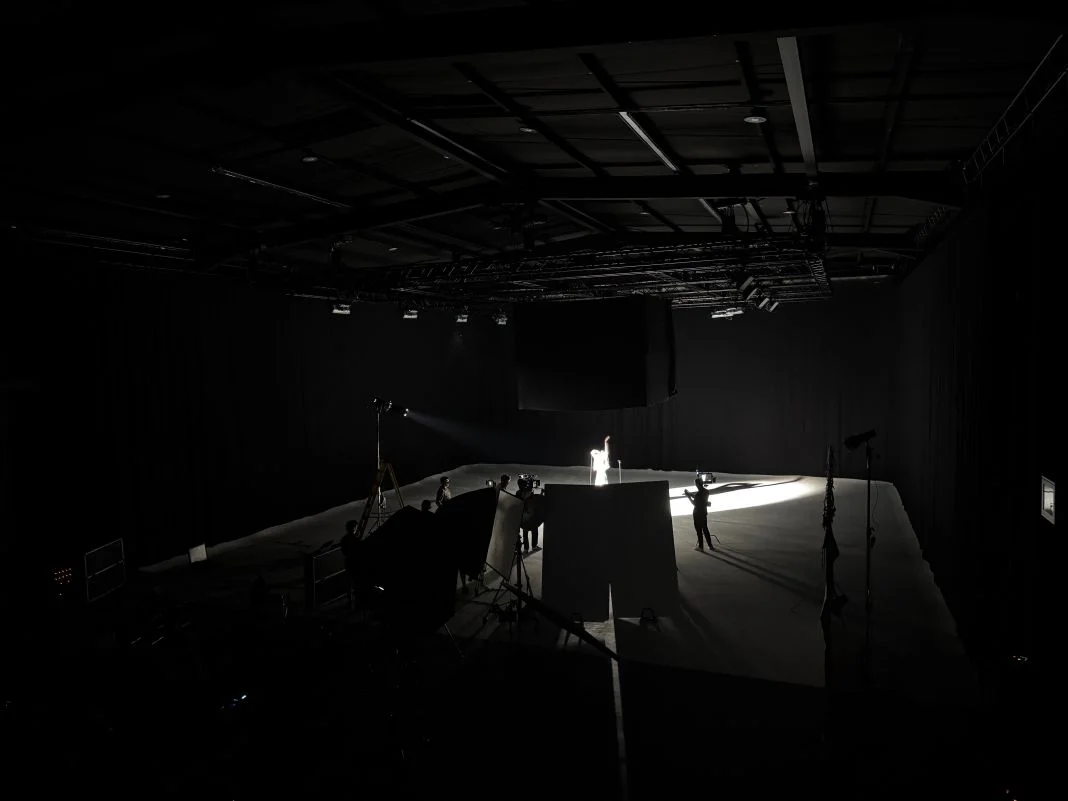
A studio is only available if it is suitable. That sounds obvious, yet many summer booking problems start with the assumption that any large enough stage can absorb any kind of job.
In practice, stage configuration filters demand. A production needing a white infinity cove, vehicle drive-in access, strong rigging capability, and client-facing support areas cannot simply switch into a smaller blackout studio without redesigning the shoot. The same applies in reverse. A team planning LED-based virtual production does not benefit from taking a stage built for traditional large-format photography if the required systems and workflows are elsewhere.
That split is visible in contemporary facilities such as Mammoth Film Studios, where Studio 1 and Studio 2 serve distinct production uses rather than acting as interchangeable rooms.
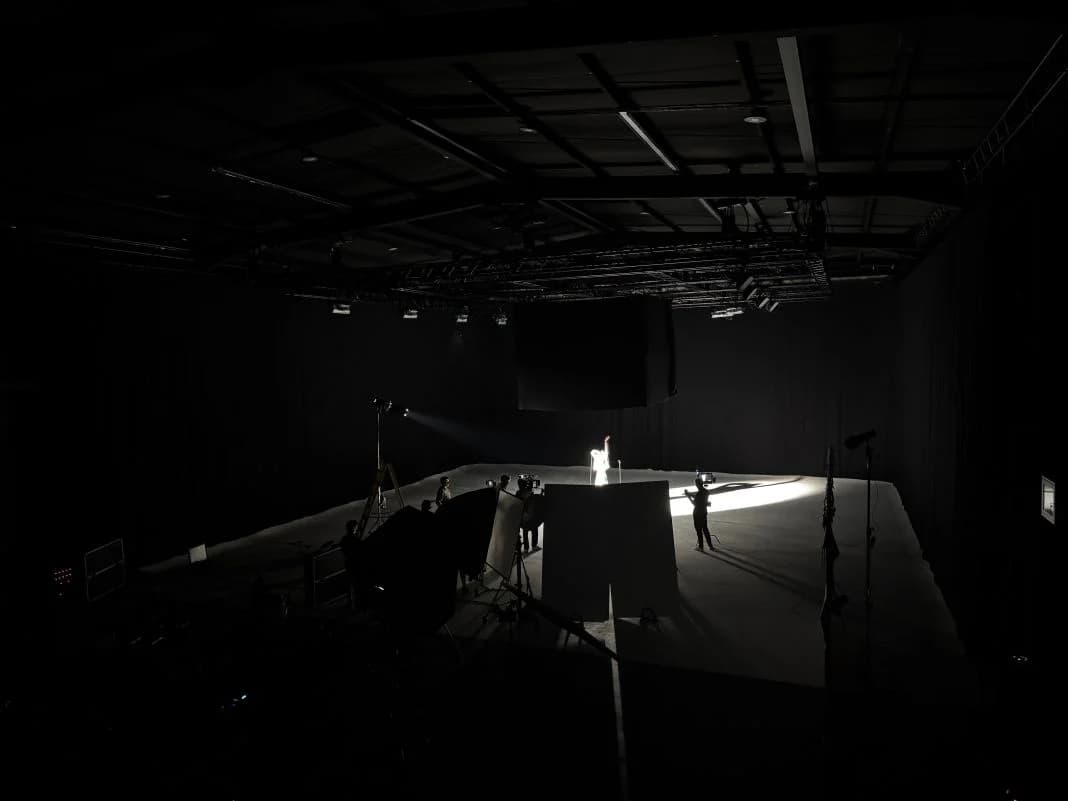
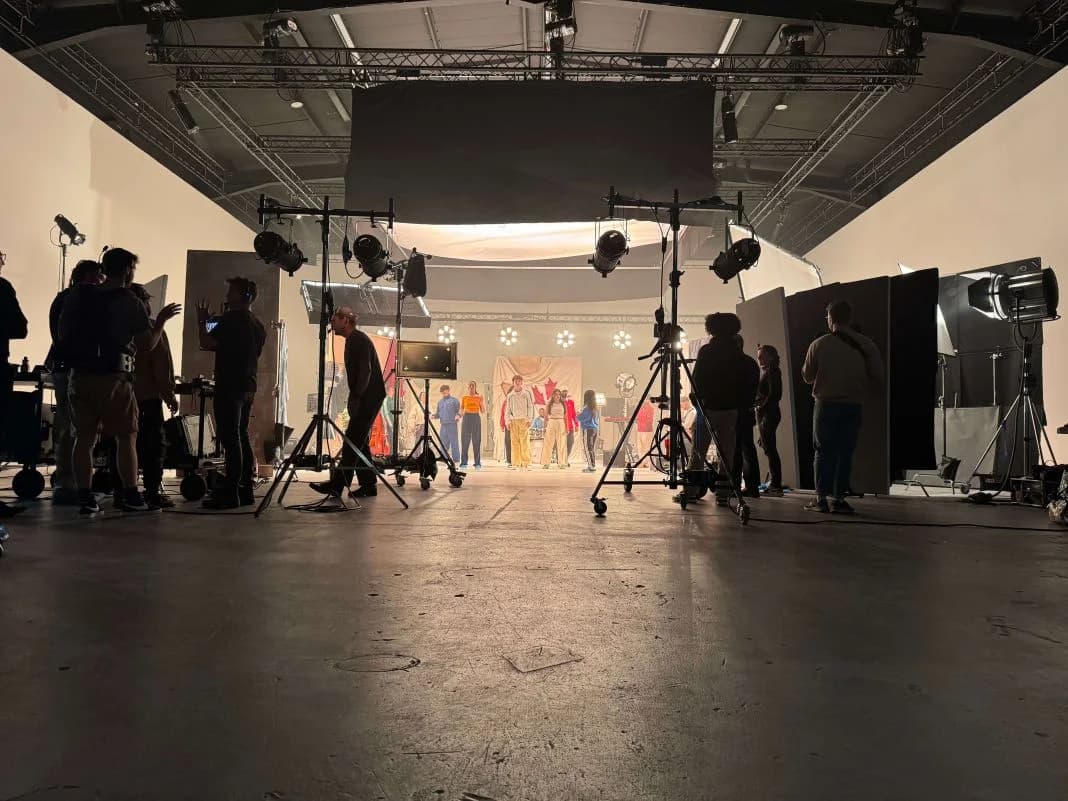
- A large-format stage such as Studio 1 suits productions that need a substantial white cove, blackout control, high grid height, motorised truss support, drive-in access, and room for sizeable crews and client operations.
- A specialist stage such as Studio 2 suits productions working in full blackout with modular LED volume workflows, chain hoists, rigging beams, and technical support linked to virtual production delivery.
Integrated services influence availability as well. In-house rigging support, an exclusive lighting partner such as Cinelight London, and virtual production delivery through Elsewhere Productions can improve operational consistency, but they also mean the booking is partly about system readiness, crew coordination, and turnover time between technically different shoots.
One stage may be free on paper and still be the wrong answer for the job. In summer, technical fit often decides availability before the diary does.
Lead Times and Booking Strategies: How Far Ahead Should You Plan?
Summer planning usually needs more headroom than teams first allow. The right lead time depends on scale, technical challenge, and how specific the brief is, but waiting for every detail to settle can narrow the field very fast.
Smaller shoots with flexible requirements may still find space on shorter notice. Once a production needs a particular stage type, client areas, rigging support, blackout reliability, drive-in access, or extended prep, the booking window generally moves earlier. Production coordinators and studio managers see the same pattern each year: the more exact the production environment, the less useful a late search becomes.
A practical approach often includes three points:
- Place holds as soon as viable dates emerge, even if some creative details remain in motion.
- Distinguish between what is genuinely fixed and what could move by a day or two.
- Review the technical brief early so the team is booking the right category of stage, not merely any open room.
Structured rates and clear commercial terms matter here as well, although they do not solve timing on their own. Transparent pricing helps productions compare options quickly, but a clear price does not create capacity where the calendar is already compressed.
The biggest booking misstep in summer is assuming flexibility exists later in the process than it actually does. A team may feel it is keeping options open, yet the market reads that pause as hesitation and reallocates the best-fit spaces elsewhere.
Beyond the Calendar: Operational Factors That Affect Summer Availability
Dates are only one part of summer access. Logistics, technical constraints, and support capacity often decide whether a booking is workable.
Transport and vehicle movement matter more in London than many schedules admit. A Zone 2 studio with practical access to the London Overground and Jubilee line can simplify crew movement, but that only solves one layer of the day. Unit vehicles, load-in timing, parking allocation, and drive-in stage access all shape how efficiently a production can start and finish. If two suitable studios are available, the one with cleaner load-in logistics may effectively be the only realistic option.
Connectivity can also become a limiting factor. Live agency review, streaming, video village routing, playback, and file handling place real demands on a production environment. Free crew Wi-Fi is useful, yet productions with streaming or data-heavy workflows may also need a dedicated network, hard-wired internet, internal LAN, or routed video feeds between stage and production spaces.
Support structures play their part as well. In-house rigging teams can tighten planning and improve execution, but they also require scheduling against the broader studio diary. The same applies to specialist partner services linked to lighting or virtual production. Availability is therefore tied to the whole operating system around the stage, not just the room itself.
External space is another area where assumptions can drift. Some sites can use parking areas as flexible backlot space under the right conditions, but that does not make every exterior requirement easy to accommodate. Weather exposure, vehicle placement, unit base needs, and site traffic all affect whether that space can genuinely support the day as planned.
A summer booking can look straightforward until access, power, parking, and support requirements are mapped against the actual running order of the shoot.
Looking Ahead: Rethinking Studio Planning for Future Summers
Future summer pressure is unlikely to be defined by volume alone. The more useful shift to watch is how production needs are separating into clearer categories, with hybrid workflows asking for spaces that can support both conventional filming and more specialist technical setups.
Virtual production will be part of that picture, especially where controlled lighting, repeatable conditions, and fast scene changes are useful. Even so, it works best as one option within a broader studio strategy. Productions still need to match the method to the brief, the crew, and the stage, rather than assuming every hybrid workflow solves the same problem.
Industry trend reports often point to tighter production schedules and greater pressure on efficiency. For summer planning, that usually means earlier technical decisions, clearer hold management, and fewer assumptions that a suitable stage will appear later if the first option falls through. Operational discipline matters because delays in one part of prep now ripple across access, support teams, and specialist infrastructure more quickly than before.
Recent summers have also reinforced a simpler lesson. Availability is rarely just about whether a studio is free. It is about whether the right studio, with the right systems and the right operational support, is free on the right day.
Teams that plan around that distinction tend to make better use of the season, even when the calendar tightens.