Which option gives better value, an LED wall or a green screen?
Neither option is automatically better value. An LED wall can shift spending into studio time, technical supervision and real-time playback, while a green screen can lower stage challenge but increase compositing and post-production labour. Better value depends on the shot, the schedule, the level of realism needed in camera, and how much flexibility the production wants before and after the shoot.
Table of Contents
Defining LED walls and green screens in contemporary production
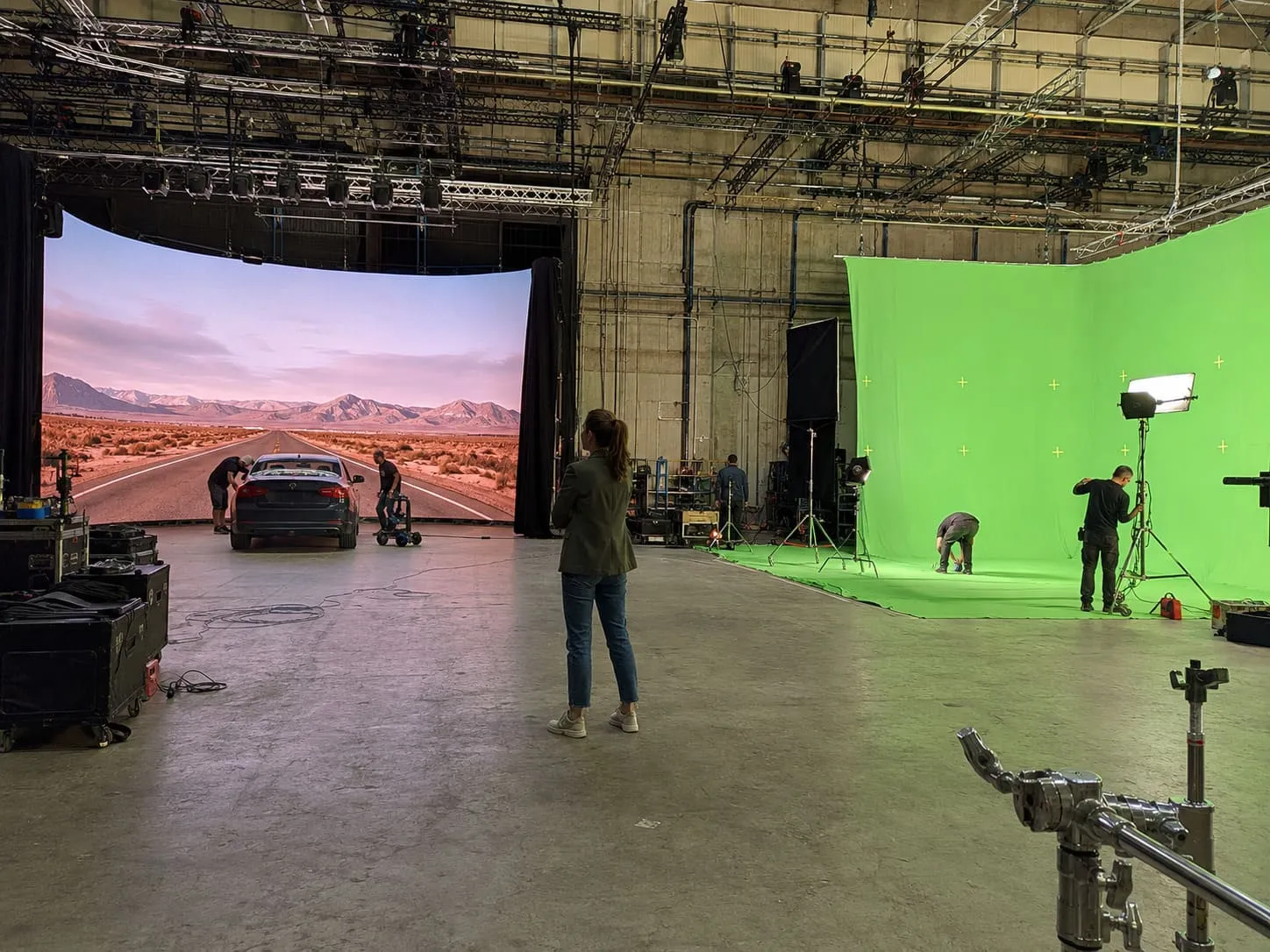
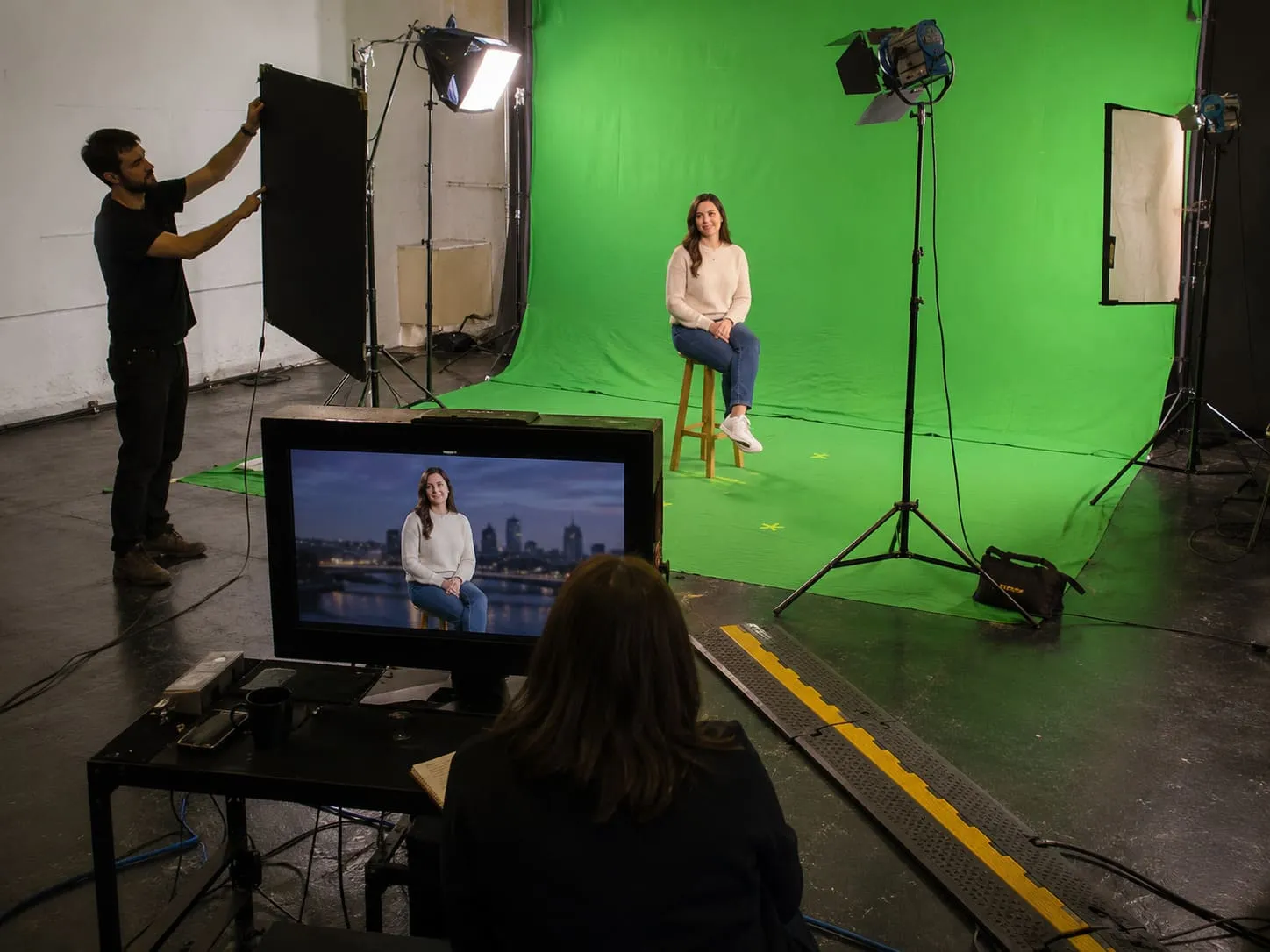
An LED wall is a large display system used as an active background on set. In a virtual production workflow, that wall can show real-time environments, moving plates or graphic content that responds to camera position and lens data. A green screen, by contrast, is a chroma key surface that is removed later so a new background can be added in post.
The practical difference is straightforward. With an LED stage, the camera often captures part of the final environment during the shoot. With green screen technology, the background is usually built later through compositing.
A quick comparison helps set the terms clearly:
Misconceptions often come from treating these as rival technologies with identical jobs. They are not. A green screen remains useful where heavy set extension, substantial VFX manipulation or broad post flexibility are expected. An LED volume is often chosen where real-time visualisation, interactive light or reflective surfaces matter to the shot.
Expectations have also shifted because virtual production is now discussed far beyond specialist circles. That wider attention can make LED volume vs green screen sound like a simple upgrade path, even though the better choice still depends on scene design, camera needs and the balance between set work and post.
Cost structures: what you really pay for
Headline studio rates rarely tell the whole story. Most productions pay for a chain of decisions, including setup time, technical labour, lighting requirements, content preparation and post-production effort.
The broad cost drivers usually break down like this:
- LED wall productions often concentrate spend around stage infrastructure, playback systems, technical crew, environment preparation and pre-shoot testing.
- Green screen shoots often move more of the spending into post-production costs, including keying, compositing labour, clean-up and additional review rounds.
- Both methods can generate extra expense through schedule changes, camera tests, lighting revisions and asset preparation that arrives late.
An LED wall setup can appear expensive at the point of booking because more of the workflow is visible from the outset. The stage, the processors, the playback pipeline and the supervision all sit close to the shooting day. That concentration of cost does not automatically make it more expensive overall, because some productions recoup time later through fewer composite-heavy fixes or fewer location-related complications.
Green screen expenses often look lighter early on, especially if the stage requirements are simpler. Yet the lower apparent entry point can be misleading if the backgrounds are complex, the keying is difficult, or edge detail needs extensive refinement. Hair, motion blur, transparent props and reflective wardrobe can all stretch compositing labour.
Another distinction sits in scalability. A modest green screen scene with simple keying can be highly efficient. A contained LED shoot with a prepared environment and limited camera angles can also be efficient. Trouble starts when teams assume one system will stay cheap regardless of content demands, because the hidden spend usually appears in either pre-production or post.
Workflow and on-set experience: practical differences
A director looking at an LED wall can judge framing, horizon line, colour and atmosphere on the day. A director working against green screen often relies more heavily on previs, reference monitors and trust in the downstream composite.
That difference shapes the set in several ways.
Real-time feedback versus deferred decisions
With an LED wall, the DOP, production manager and virtual production supervisor can assess the environment in context, including exposure balance and how the background sits with foreground lighting. Adjustments happen live, which means the team can solve certain visual problems before the shot is taken.
Under green screen conditions, many of those decisions move later. The crew still has to create a believable lighting pattern on set, but the final judgement on background fit usually arrives in post. That can be useful where the brief is still shifting, though it also creates a longer line between shooting and certainty.
Lighting and blocking
Interactive lighting is one of the biggest practical differences. An LED wall can cast colour, movement and reflections into the scene, which is especially useful for car work, glossy surfaces, windows and scenes where the background should affect the foreground naturally.
Green screen shoots require more fabricated lighting logic. Gaffers and the DOP must build the intended feel without seeing the final world in front of the lens. That is routine work for experienced crews, but it does place more pressure on planning and reference materials.
Crew shape and technical roles
An LED wall production usually needs tighter coordination between camera, lighting, playback and the technical team managing the wall. Camera tracking, content playback and technical rehearsals can become central parts of the day.
A green screen shoot may run with fewer specialist on-set systems, but the burden shifts elsewhere. VFX supervision, plate planning and clean separation between subject and background become especially important, particularly if the scene involves fine detail or movement that complicates keying.
Actors often respond differently as well. Performers facing a visible environment can react to something concrete, even if the scene still needs later refinement. On a green screen stage, everyone works more from direction, reference and imagination, which suits some setups better than others, especially where the camera language is straightforward and the post plan is well defined.
Visual outcomes: what the camera sees
The camera does not reward theory. It records whatever the chosen method makes easy and whatever it makes difficult.
LED wall realism is strongest where the environment benefits the image directly in camera. Reflections in glass, metallic finishes, polished floors and vehicle bodywork often read more naturally when the background is physically present as light. A colourist and DOP can then work from material that already contains some of the intended interaction.
Green screen holds an advantage in a different area: post latitude. If the background needs major revision after the shoot, chroma keying leaves room to rebuild, replace or extend the environment without being tied to an on-set playback decision. That flexibility matters on VFX-heavy projects where the look is expected to change late.
Several image issues sit at the centre of the comparison:
- Green spill can contaminate edges, wardrobe and skin tones, particularly when the screen is lit aggressively or the subject sits too close.
- LED walls can introduce moiré, panel artefacts or exposure complications if the camera, shutter settings and wall configuration are not matched carefully.
- Edge detail often favours whichever workflow has been prepared more thoroughly, because poor keying and poor wall calibration are both visible very quickly.
Consistency also plays out differently. An LED stage can provide repeatable lighting continuity across takes once the environment is locked and the setup is stable. Green screen can deliver strong consistency too, but the final continuity depends on how well the later composite matches the foreground photography.
A high-result is possible with either route. The deciding factor is usually how closely the method suits the scene, including reflections, movement, edge detail, background challenge and the amount of revision the production expects after principal photography.
Flexibility and scalability: adapting to production needs
If a schedule includes multiple locations in a single day, the useful question is not which tool is more advanced. The useful question is which tool absorbs change with the least friction.
Green screen adaptability remains strong because the physical stage can stay relatively simple while the post team builds many worlds from one shoot. That is attractive for campaigns, product work and VFX sequences where the foreground action is fixed but the background may vary by market, edit version or creative route.
Modular LED setups offer a different kind of flexibility. A modular LED volume can be reconfigured, expanded or used for specific angles and sequences rather than every shot in a project. In practical terms, that can make LED suitable for contained narrative scenes, vehicle work, branded environments and shoots that need rapid transitions between controlled looks.
Scale matters here. Smaller shoots may favour green screen if the production can tolerate more work after the shoot and wants broad freedom to revise backgrounds. Larger shoots can benefit from LED where repeated travel, weather dependency or extensive company moves would otherwise consume time and money.
Hybrid production often sits between the two. A team might use LED for reflective hero shots, driving work or scenes where interactive lighting is central, then switch to green screen for complex set extension or wide post-led builds. That mixed approach tends to reflect modern workflow integration more accurately than any argument about one universal winner.
Physical space still sets limits. LED stages need room, rigging logic, sightline control and a clear plan for content playback. Green screen stages ask less from display infrastructure, but they still need enough distance for clean lighting separation and practical camera movement. A cramped stage can weaken either method, just in different ways.
Operational infrastructure: studio requirements and technical support
Results depend heavily on the room, the rig, the network and the people running them. LED wall and green screen decisions are never purely visual because studio infrastructure shapes what is actually achievable under production pressure.
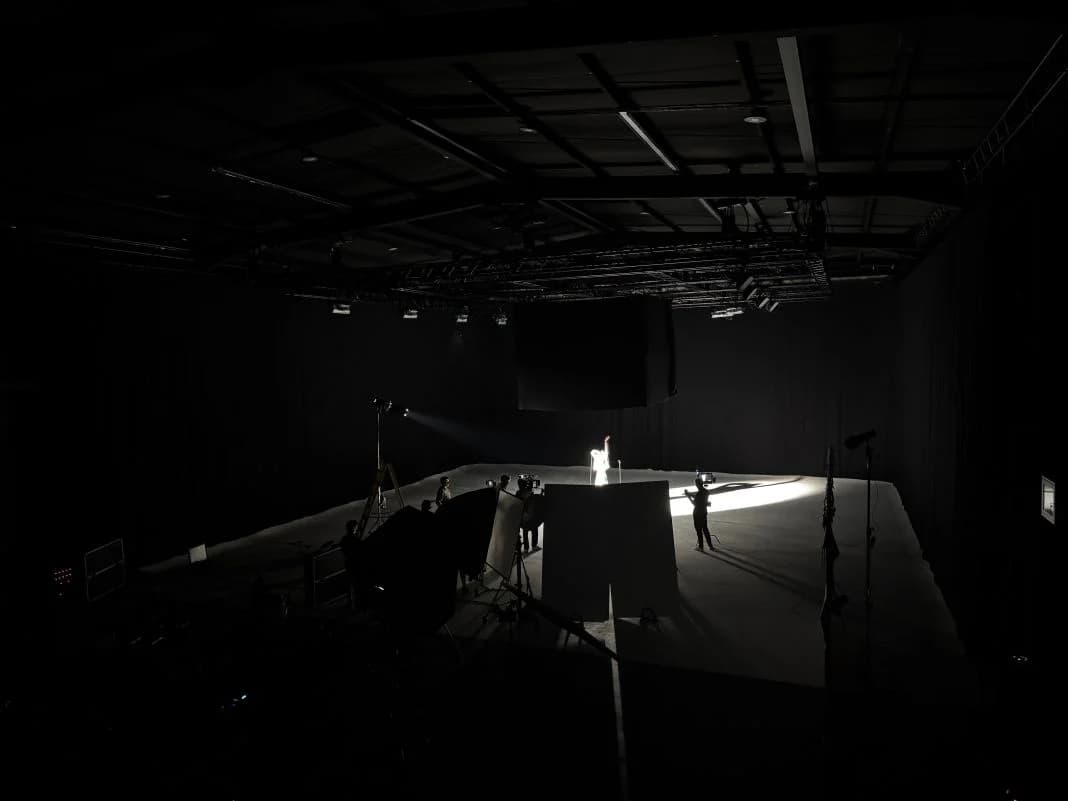
A useful example can be seen in how some London production studios separate large-format conventional stage work from specialist virtual production space. At Mammoth Film Studios, Studio 1 and Studio 2 are configured for distinct jobs rather than treated as interchangeable black boxes.
What green screen and conventional stage work usually need
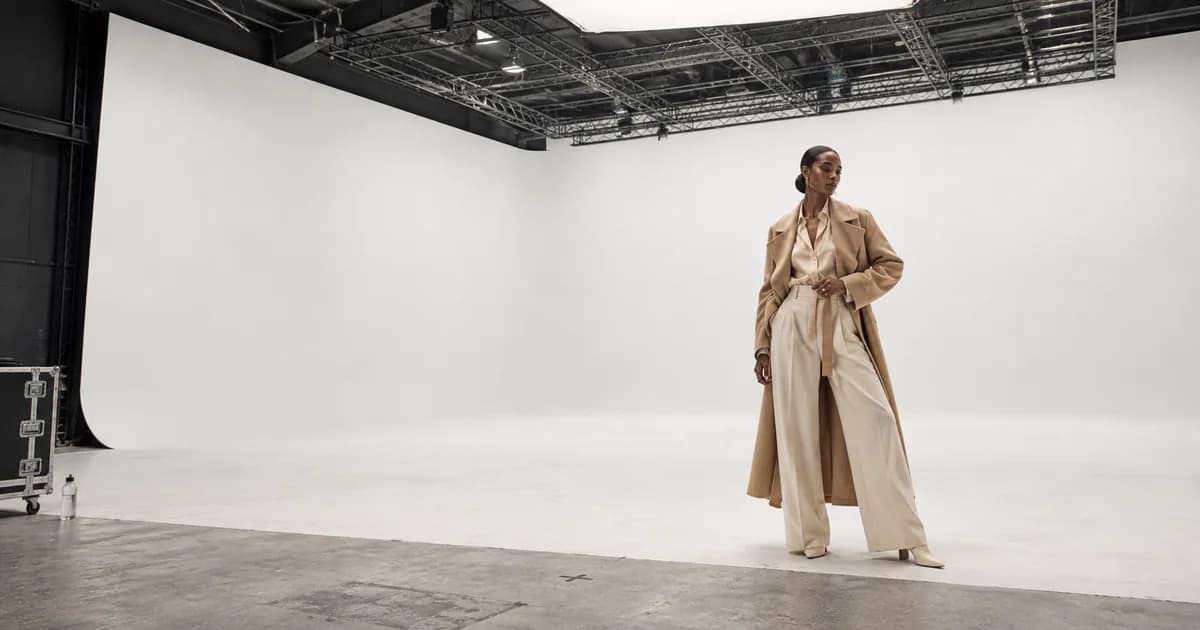
Studio 1 is the larger stage, at 8,000 sq ft, with a 60 x 60 ft white infinity cove, full blackout via drapes, a 24 ft grid height, three motorised truss systems and 200A 3-phase power. It also has full vehicle drive-in access for larger vehicles, on-site parking, a production office, client room, styling room, mezzanine and internal 12G SDI video routing.
For productions using a green screen stage or building a more traditional controlled set, that kind of layout matters because the stage supports lighting control, rigging capacity, camera support and practical access. Large-format work often depends as much on the ease of loading, rigging and routing feeds as on the painted surface or backing itself.
What an LED wall studio typically adds
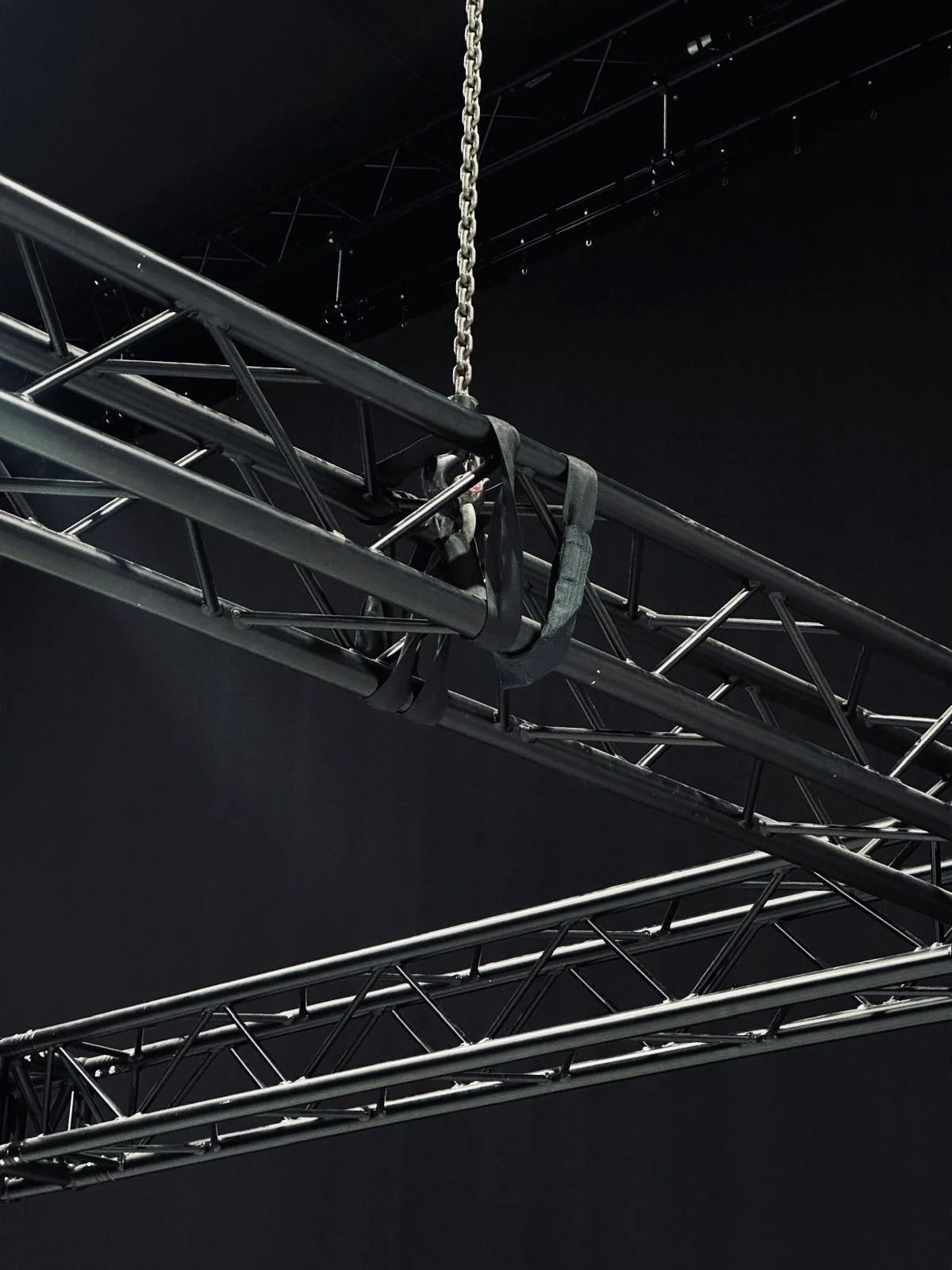
Studio 2, at 5,000 sq ft, is the site’s specialist blackout and virtual production space. It includes 360-degree blackout capability, an in-house modular 8 x 4 m ROE 2.8mm HDR LED volume, a 24 ft rigging height, five 15 m steel beams with 1 tonne load per beam, twelve 1 tonne chain hoists on travel trolleys, 63A 3-phase power, full vehicle drive-in access, step-free access throughout and dedicated production support areas.
That specification reflects the practical needs of an LED wall studio. The wall itself is only one part of the system. Rigging, playback, supervision, beam loading, controlled blackout and internal connectivity all matter because virtual production works best when the stage behaves as a coordinated technical environment.
Technical support also changes the production equation. In-house rigging, an exclusive lighting partner and virtual production delivery through Elsewhere Productions create operational clarity around who manages key systems and how responsibilities are handled on the day. For LED work especially, that clarity can be as valuable as the screen hardware.
Network capacity is another overlooked factor. Dedicated streaming infrastructure, internal LAN and up to 4 Gbps symmetrical hard-wired internet can affect playback reliability, remote review and data movement across production areas. Once a shoot involves real-time environments and live feeds, connectivity becomes part of the stage, not an optional extra.
Common misconceptions and forward-looking considerations
Some of the strongest opinions about LED and green screen come from false comparisons.
- Virtual production does not replace traditional methods. It adds another production option, especially for scenes that benefit from controlled environments and interactive light.
- Green screen is not automatically the cheaper route. A simpler shoot day can still lead to extensive compositing labour later.
- LED does not remove post-production. Many projects still need VFX, clean-up, colour work and set extension after the shoot.
- Green screen is not old technology in any dismissive sense. It remains highly effective for many VFX workflows.
- LED is not right for every scene. Some shots simply need the latitude that comes from building the background later.
The direction of travel in production technology trends points less to replacement and more to hybrid workflows. Production managers and technical directors are increasingly choosing methods shot by shot, based on what each scene demands from lighting, scheduling, background control and post flexibility.
That shift places more emphasis on operational best practice than on novelty. Teams that prepare assets properly, test cameras against the stage, align departments early and choose the right environment for the right scene usually get the strongest return on spend. In that sense, the real money question is rarely LED wall or green screen in isolation. The better question is whether the chosen workflow matches the picture the production is actually trying to make.