Is an LED volume a smart investment for a brand campaign, or an expensive extra?
An LED volume can be worth the spend if a campaign needs controlled environments, interactive light, quick scene changes, or multiple location looks in a tight schedule. It can be poor value if the brief is visually simple, the setup is static, or a conventional stage or real location would achieve the same result with less technical overhead. The real question is not whether the technology is impressive, but whether it suits the production problem in front of you.
Table of Contents
Understanding LED volumes in brand campaign production
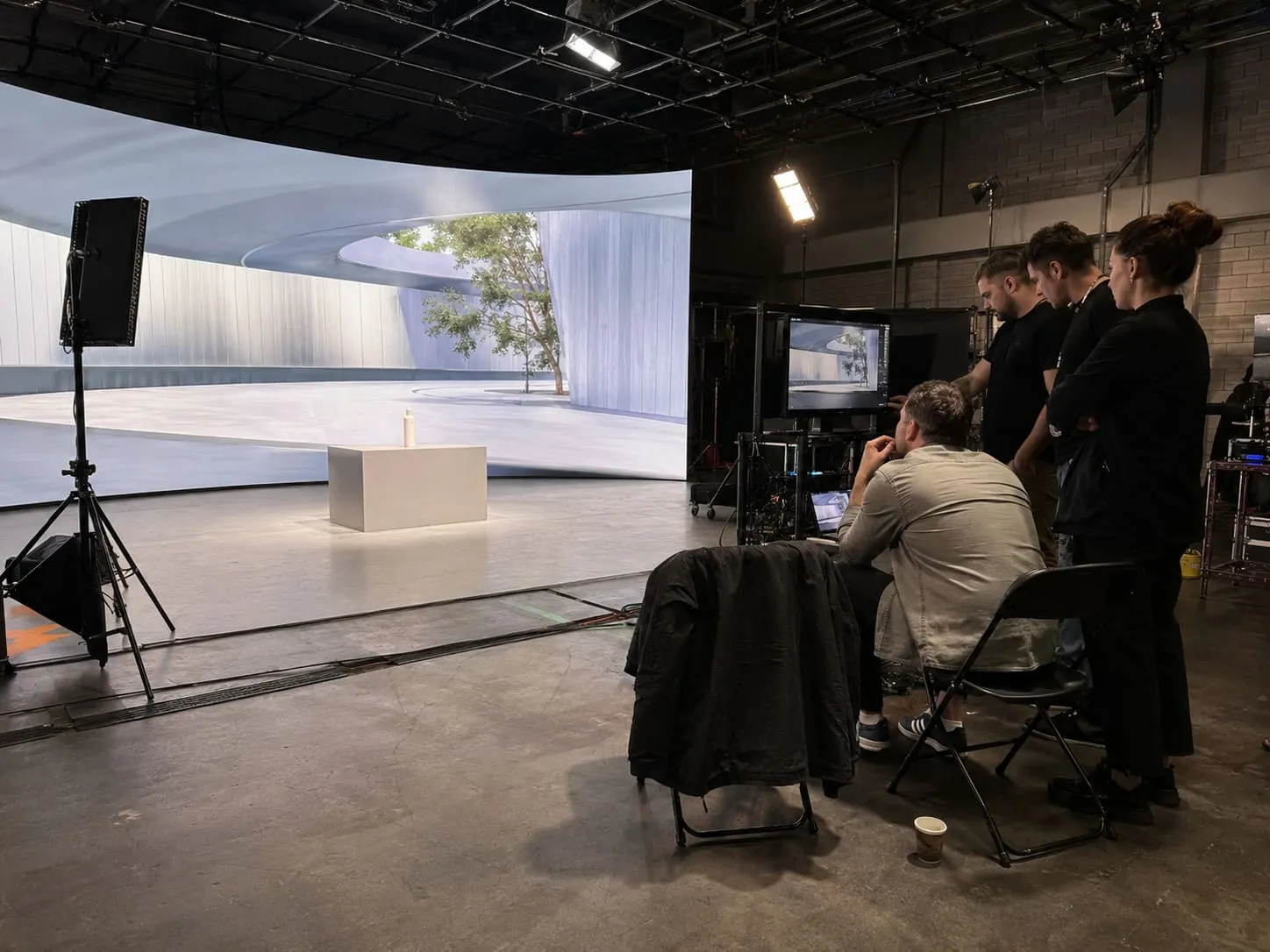
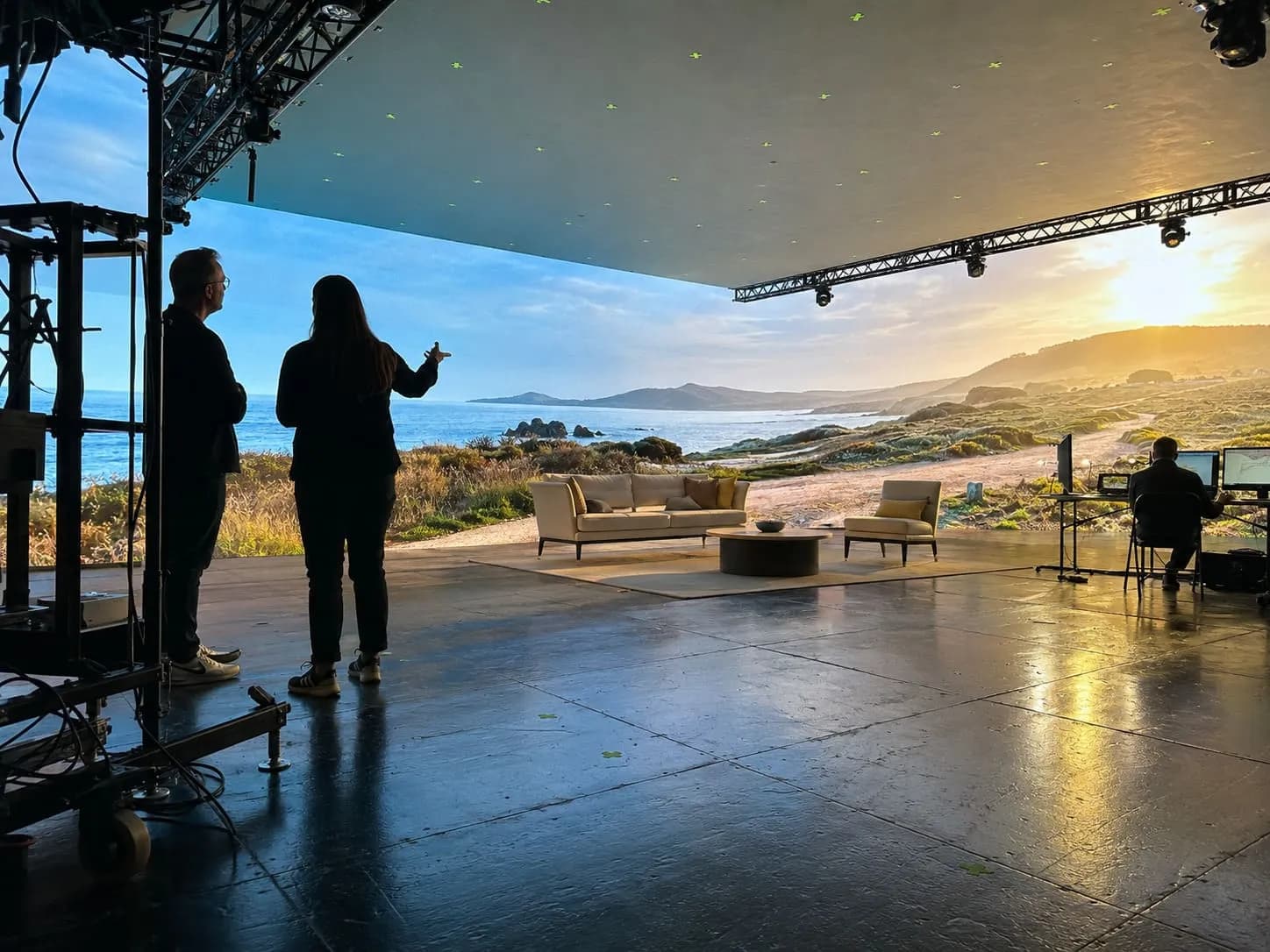
An LED volume is a stage setup built around large LED panels that display digital environments in real time during the shoot. In practice, that means the background, the light it casts, and the reflections it creates are visible on camera as the scene is being filmed. For a brand campaign, that can change how art direction, camera movement and lighting work together on set.
Green screen works differently. A green screen stage gives the team a blank surface for later compositing, which can be efficient in the right circumstances, but it does not provide the same interactive lighting or in-camera reflections. A location shoot, by contrast, gives you a real environment but less control over weather, access, timing and continuity.
A simple way to separate the options is this:
- LED stage: digital environment captured in camera, with interactive lighting and a higher level of technical planning
- Green screen: background added later, with more post reliance and less natural environmental spill on set
- Location shoot: physical setting with real texture and depth, but less environmental control
Virtual production workflows are often talked about as if they replace traditional production methods. They do not. They sit alongside them. A campaign might use LED wall filming for hero shots, a conventional blackout stage for product close-ups, and a real location for exterior cutaways without any contradiction in the plan.
That distinction matters. Studio 2 at Mammoth Film Studios, for example, is a blackout and virtual production stage with an in-house modular 8 x 4 m ROE 2.8mm HDR LED volume, delivered with Elsewhere Productions. That setup is useful because it supports a particular kind of controlled production, not because every campaign suddenly needs an LED wall.
Key advantages of using an LED volume for brand campaigns
The strongest LED volume benefits show up in workflow and image control, not in novelty. Brand teams often feel the difference in scheduling, continuity and the quality of in-camera interaction between subject and background.
Lighting consistency is one of the clearest gains. If a campaign needs the same sunset tone across a long shooting day, or if reflective products need believable environmental light, an LED volume can hold that look with far more precision than a real exterior. Jewellery, cars, cosmetics packaging and glossy consumer tech often benefit from that level of control.
Rapid scene transitions can also reshape the day. A team can move from one digital setting to another without a company move, travel delay or a full rebuild. That does not mean transitions are instant, because content changes, lighting adjustments and camera recalibration still take time, but it does reduce the disruption that comes with changing physical locations.
Location simulation is another practical advantage. A campaign may need an urban night backdrop, a desert road and a modern interior feel within the same schedule. If those environments are prepared properly, the stage can support a broader visual range inside one controlled space. For agencies and production managers working against fixed delivery dates, that can tighten the whole plan.
Studio 2 is set up in a way that reflects this operational approach. The blackout capability, rigging height, modular LED volume and on-set technical support create a space where creative decisions and technical supervision can happen together. That is often more useful than chasing the appearance of scale.
Travel reduction is also part of the value equation. If a brief would otherwise involve flying crew, moving kit between locations or waiting on permissions and weather windows, a virtual production studio can remove friction from the schedule. The savings are not automatic, but the production control can be significant.
Where LED volumes may not add value, or could be overkill
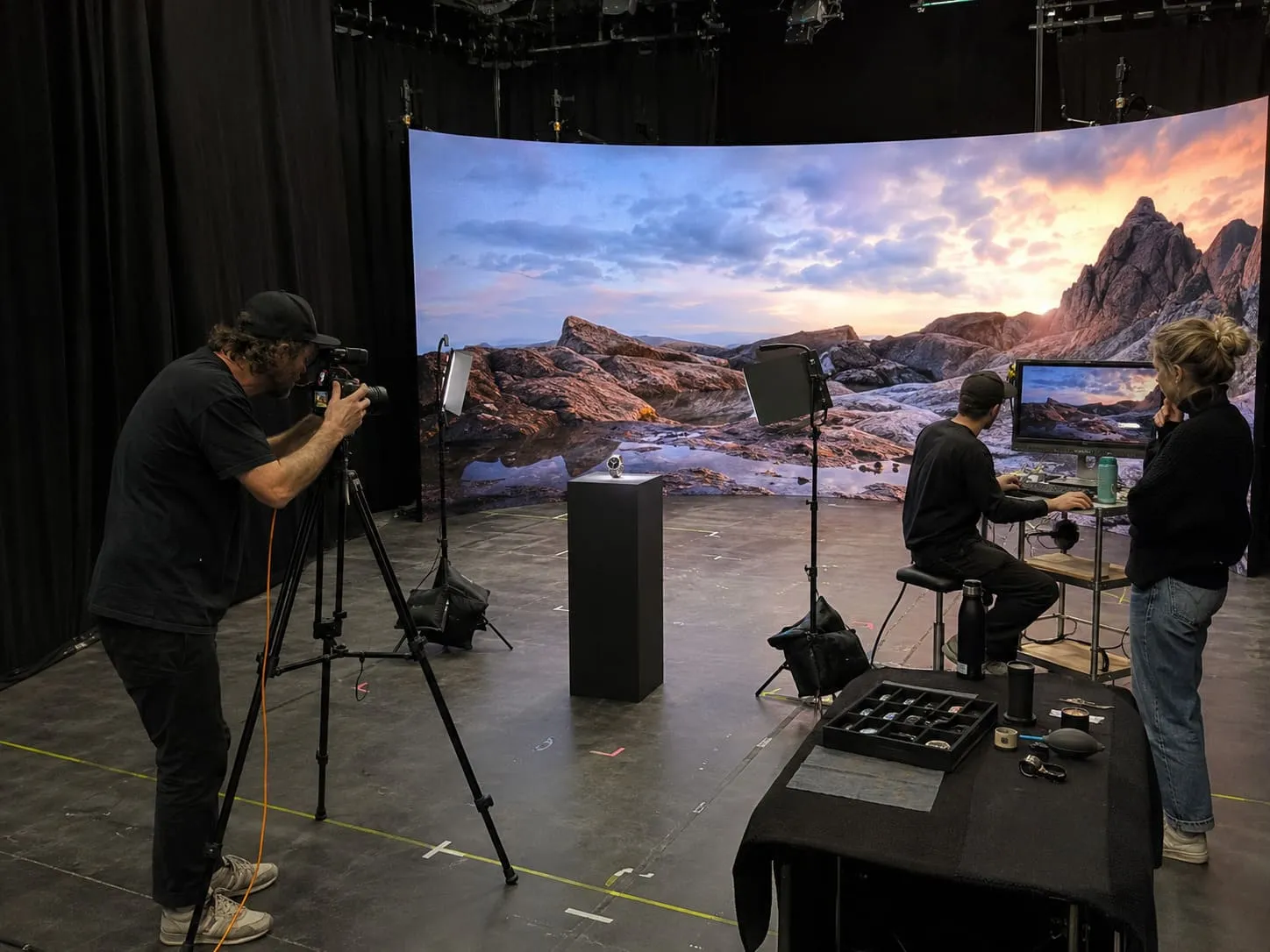
Some briefs do not need this level of infrastructure. If the campaign is built around a simple tabletop setup, a plain portrait background, or a clean product shot with no environmental interaction, the LED stage may add challenge without adding much to the frame.
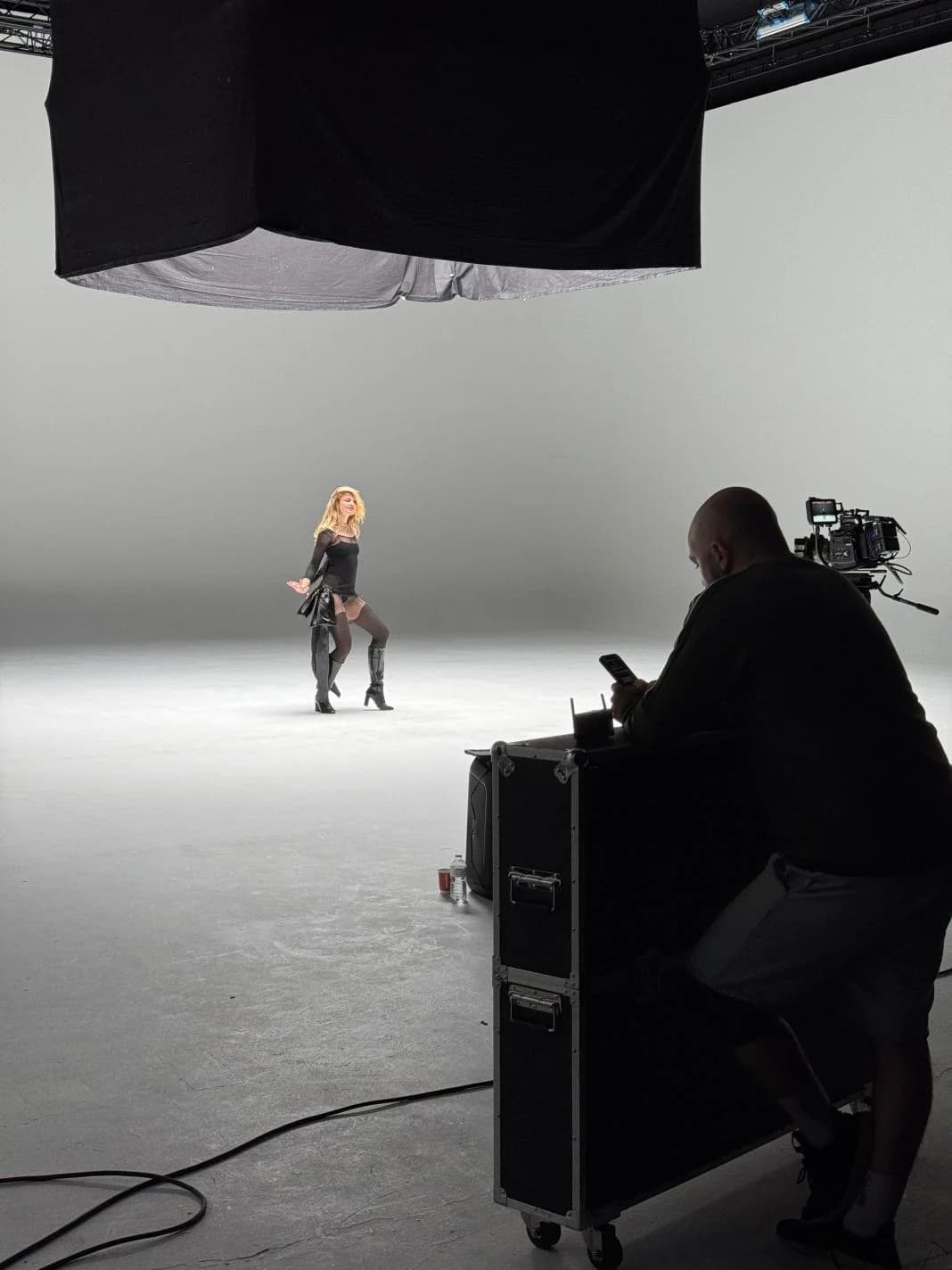
A traditional studio can be the better fit for straightforward execution. Studio 1, which is an 8,000 sq ft infinity cove and blackout stage, suits large-format photography, commercial shoots and film work that needs scale, vehicle access or a controlled white environment. If the visual idea depends on space, rigging and lighting rather than virtual backgrounds, a conventional stage may be the sharper production choice.
Overpaying for LED tech often starts with a mismatch between ambition and need. Common warning signs include:
- The background will be soft, abstract or barely visible on camera.
- The product or talent does not interact with the environment in any meaningful way.
- The same result could be created with a set build, printed backing or standard compositing without extra pressure on crew and schedule.
Technical overhead matters too. LED volume work usually brings extra pre-production, content preparation, calibration and specialist crew into the conversation. If the campaign is small, fast and visually restrained, those requirements can outweigh the benefit. In that case, the issue is not that virtual production is wrong. The issue is that the brief is simpler than the tool.
Cost structures and transparency: what you’re really paying for
LED volume cost is rarely about the screen alone. The spend usually reflects a bundle of space, systems, people and prep, which means that headline comparisons can be misleading if one quote includes technical supervision and another does not.
Most production rate structures in this area are shaped by a few main components:
- Stage hire and access time
- LED volume use and media server setup
- Technical crew, including virtual production supervision and playback
- Rigging, lighting and content integration
- Prep days, rehearsal time and shoot duration
A one-day shoot with pre-built content is very different from a multi-day campaign that needs bespoke environments, camera tracking considerations and repeated scene changes. The question is less about whether one option is cheaper and more about whether the scope is visible from the start.
Transparent studio pricing is especially useful here. A structured approach helps producers understand what is included, which crew roles are assumed, and where extra cost enters the schedule. Mammoth Film Studios positions rates in that way, with costs varying by studio, duration and technical requirements rather than by vague package language.
Operational clarity has financial value of its own. If a production knows in advance who is handling the LED system, who is supervising playback, and what level of support is built into the day, the risk of avoidable overrun drops. Hidden assumptions usually cost more than visible line items.
Operational realities: workflow, crew and technical demands
LED volume workflow asks for a different kind of preparation from a standard blackout stage. The camera department, lighting team, production crew and virtual production specialists need tighter alignment before the shoot starts, because the environment is part of the live setup rather than a post-production placeholder.
Pre-production is where most of the difference shows up. Content has to be prepared at the right resolution and aspect ratio, lighting plans need to account for what the wall is contributing, and camera choices may affect how the digital scene reads on set. A short test can be more useful than a long discussion if the brief depends on reflections, motion or fine texture.
On the day, crew structure tends to shift in three areas:
- A virtual production supervisor or technical lead oversees the LED environment, playback and scene changes.
- Lighting and camera teams work in closer dialogue because the background image affects exposure, colour and reflections.
- Production scheduling needs room for calibration, rehearsals and live adjustments, especially when multiple digital scenes are planned.
Studios that support this well tend to remove friction by design. In-house rigging and lighting teams, dedicated technical crew and a clear operational setup make the day easier to run because responsibilities are already defined. That matters more than flashy terminology.
An LED shoot can still sit inside a familiar production rhythm. Hair and make-up, client review, agency approvals and camera setups all continue as normal. The difference is that playback, real-time environment control and technical rehearsal become active parts of the shooting day rather than background considerations.
Making the decision: assessing value for your brand campaign
A sensible production fit analysis starts with the brief, not the technology. If the campaign needs multiple environments, controlled continuity, reflective interaction or a compressed schedule, an LED volume may support the outcome well. If the brief is static, minimal or heavily post-led anyway, a simpler route may serve it better.
Creative ambition has to sit alongside operational tolerance. Some teams are happy to invest in tests, content prep and specialist supervision because the visual payoff is visible on screen. Others need the leanest possible setup and would gain little from added technical layers.
One useful set of questions for production managers and agency teams includes:
- Does the environment need to be seen in camera, or could it be added later without harming the image?
- Will the subject, product or lensing benefit from interactive light and reflections?
- How many scene changes are planned, and would travel or physical rebuilds slow the schedule more than virtual setup?
- Is the team prepared for the added pre-production and on-set coordination that LED work requires?
- Would a traditional studio, practical build or real location achieve the same result with less challenge?
A strong decision usually comes from matching the production method to the campaign's real pressure points. Sometimes that leads to a virtual production studio. On other jobs, the right answer is a white cove, a blackout stage or a location permit with a solid weather backup.
Beyond the hype: rethinking LED volumes in modern production
LED volume misconceptions tend to come from two extremes. One side treats the technology as the future of everything. The other treats it as an expensive fashion. Neither view is especially useful on a working campaign.
Contemporary London studios are moving in a more practical direction. The most effective setups tend to separate functions clearly, with one stage suited to large-format conventional production and another built for hybrid studio workflows that include LED-based shooting where it genuinely serves the brief. That kind of infrastructure-led studio design reflects how production actually happens now.
The broader shift is not about replacing one method with another. Brand campaign production is becoming more selective, with teams choosing between location work, traditional stages, set builds and virtual tools according to the shot list, the schedule and the visual demands of the job. In that context, an LED volume is worth it when it solves real production problems on screen and in the call sheet. When it does not, the smartest move is often the simpler one.