How does a hybrid studio shoot actually work on a production day?
A hybrid studio shoot works by choosing the best stage method for each scene: physical set work, cove or blackout capture, and light-emitting diode, or LED, screen work where it adds control. The day runs well when assets, camera movement, lighting, monitoring and approvals are planned before crew call.
Table of Contents
A hybrid shoot is not an LED wall demo
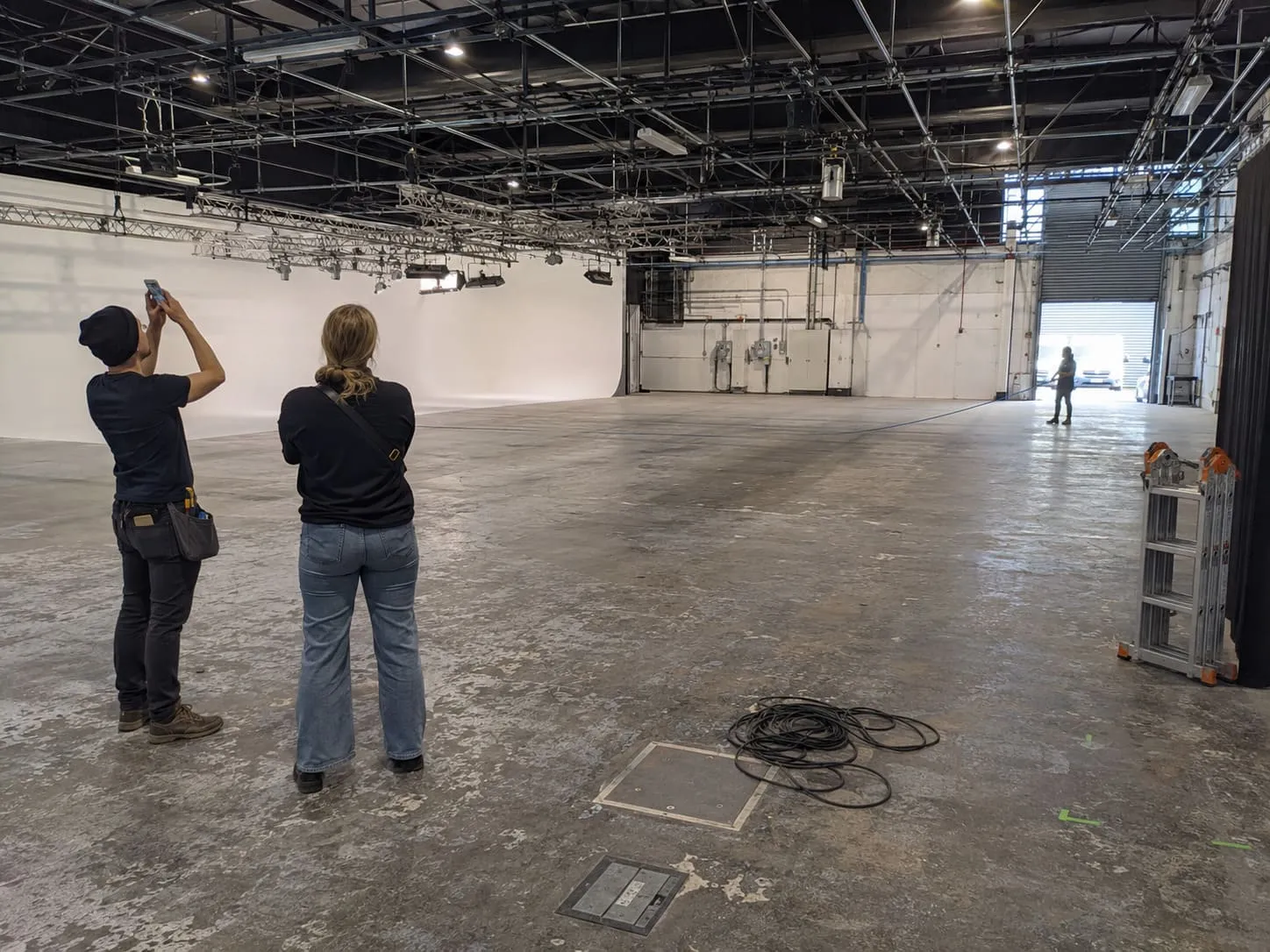
Producers rarely ask whether the LED wall looks impressive. The sharper question is whether a hybrid studio shoot makes the production day more controllable or adds another layer of decisions.
Hybrid production is a workflow. It combines physical and digital sets, conventional lighting, camera work, playback systems, tracking where needed, and client approval routes into one shoot plan. The LED volume is one component inside that plan, not the plan itself.
Industry practice supports that wider view. The Visual Effects Society treats virtual production as a broad discipline covering visualisation, virtual art department work, environment capture, LED setup, cameras, tracking, colour management, external lighting and known limitations. That matters because a stage day can fail at any of those joins, even if the wall performs exactly as specified.
In-camera visual effects, often shortened to ICVFX, can give the camera near-final imagery on set. The trade-off is simple: decisions move earlier. Backgrounds, foreground alignment, reflections and lighting direction need agreement before the shoot day can run cleanly.
Selective use is the discipline. A scene may need LED for controlled backgrounds, a blackout stage for precision, an infinity cove for clean commercial work, or a physical build because the shot gains nothing from screen playback. Stage choice comes first.
Stage choice decides more than the screen
One board may need a large white cove for product, movement and clean negative space. Another may need controlled LED backgrounds with managed reflections. Forcing both through the same setup wastes time before anyone has rolled camera.
Studio selection is a production management decision, especially in London Zone 2 where agency attendance, supplier access, unit vehicles and crew movement all affect the day. A virtual production studio in London is useful only if the rest of the building supports the workflow around it.
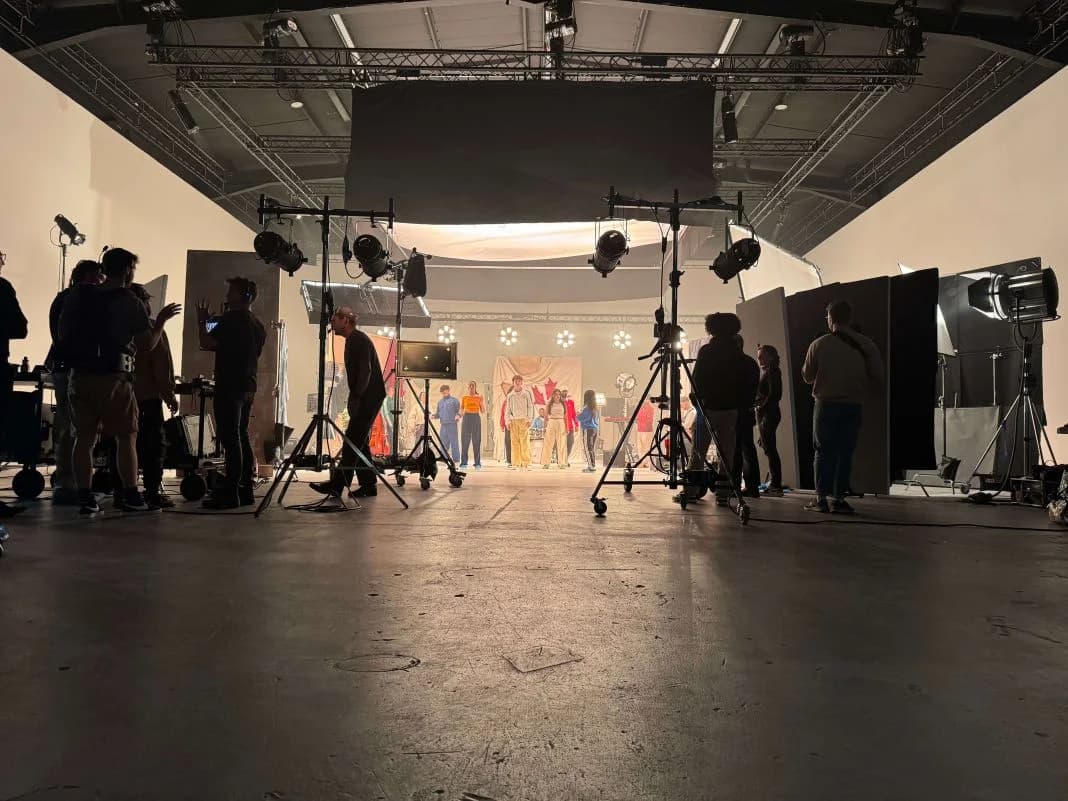
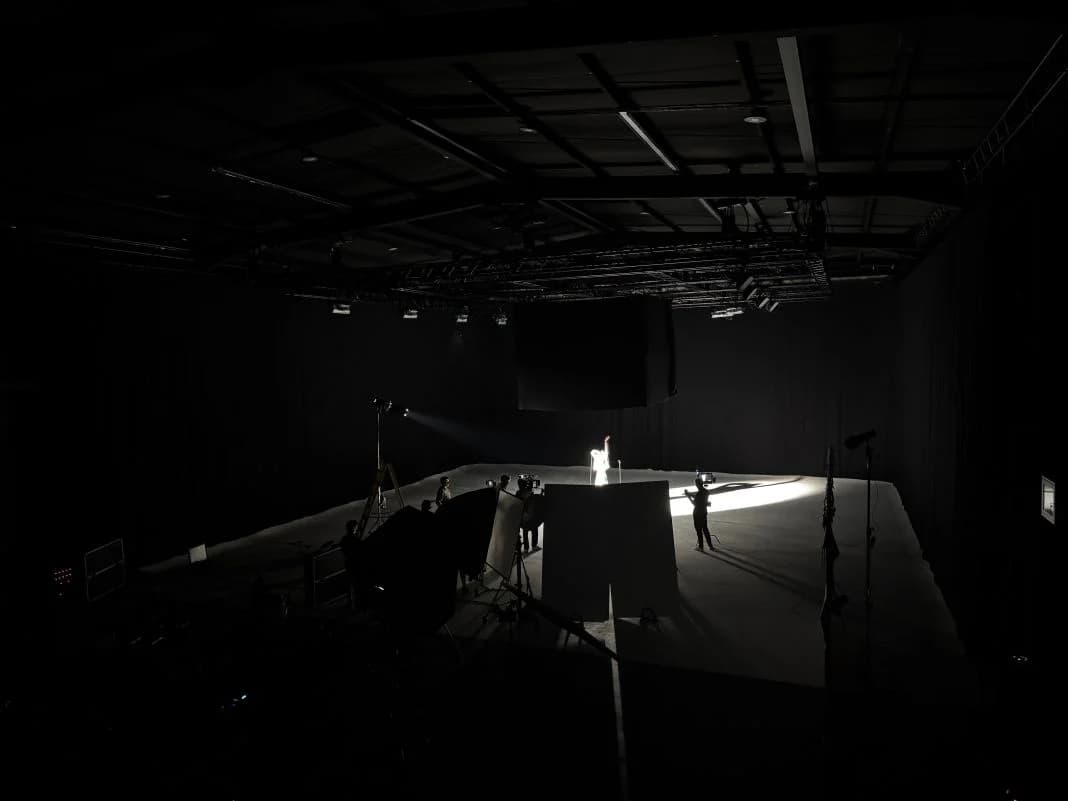
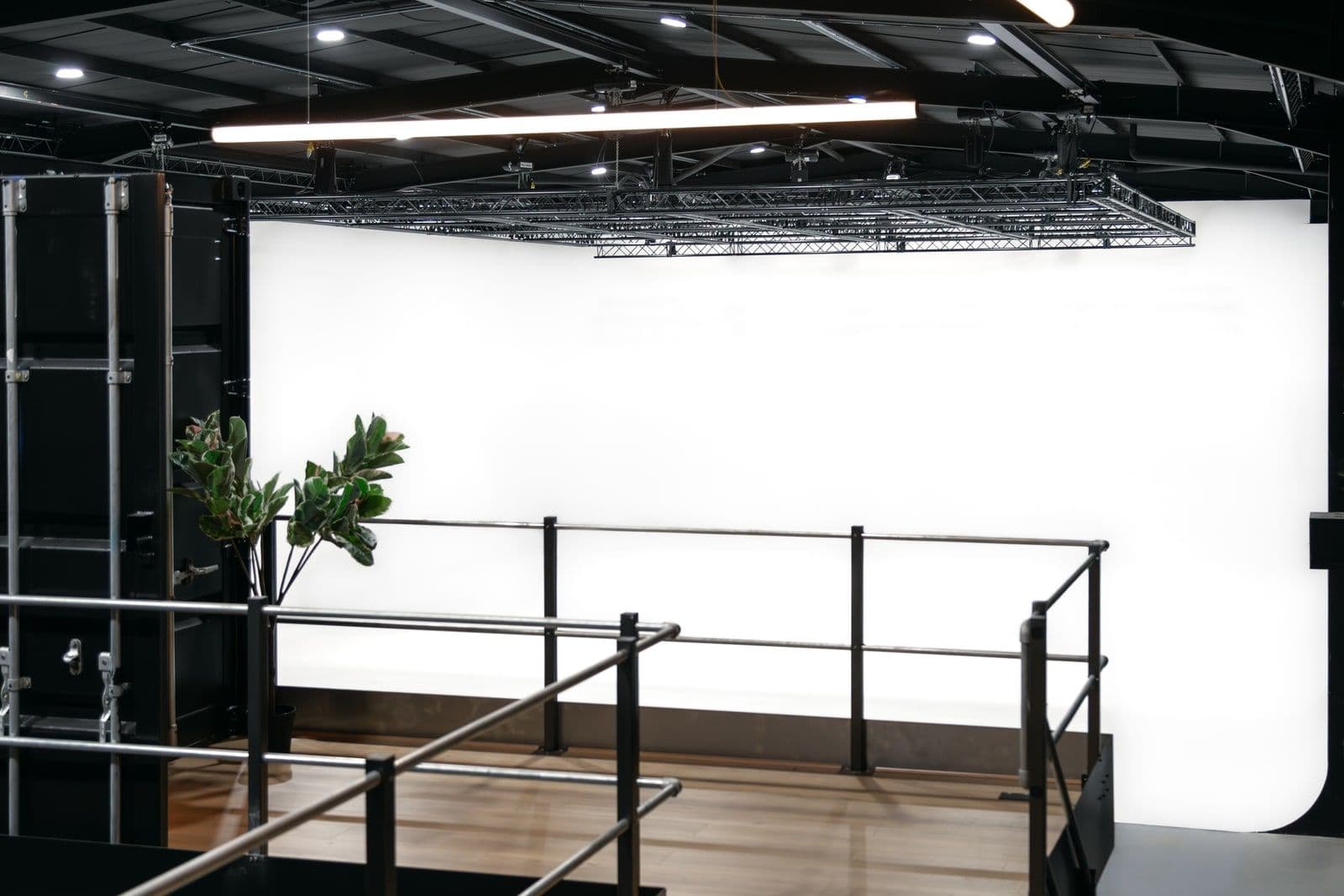
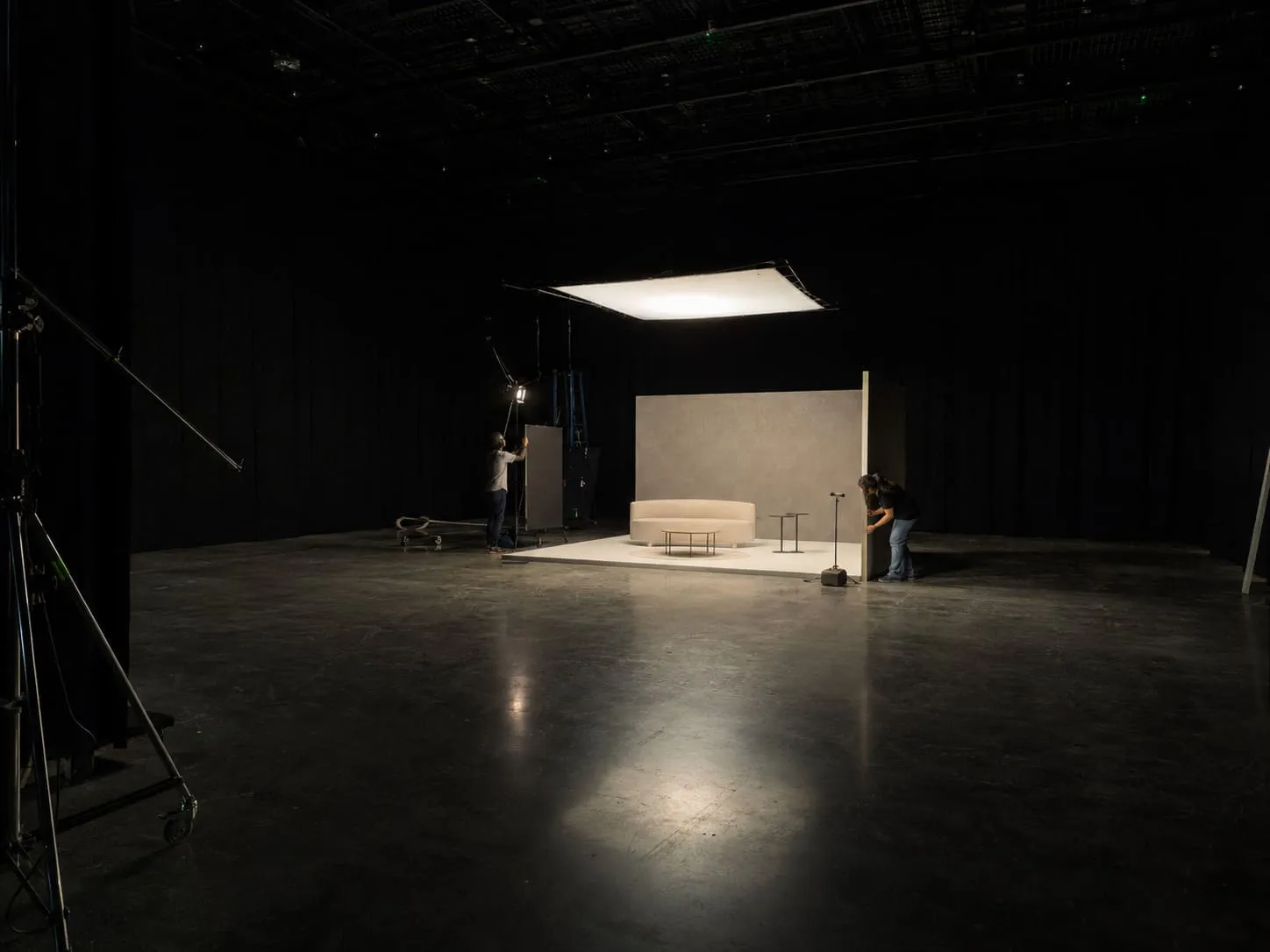
Mammoth Film Studios is a useful London example because its site separates the stage types instead of treating hybrid as one catch-all setup. Studio 1 is published as an 8,000 sq ft Infinity Cove and blackout stage for large-format work, while Studio 2 is published as a 5,000 sq ft blackout and virtual production stage with an in-house modular LED volume.
That separation gives the production team a practical choice. A cove, a blackout space and an LED volume solve different problems, and the wrong match will show up first in load-in, lighting time and client review.
Pre-production carries the real risk
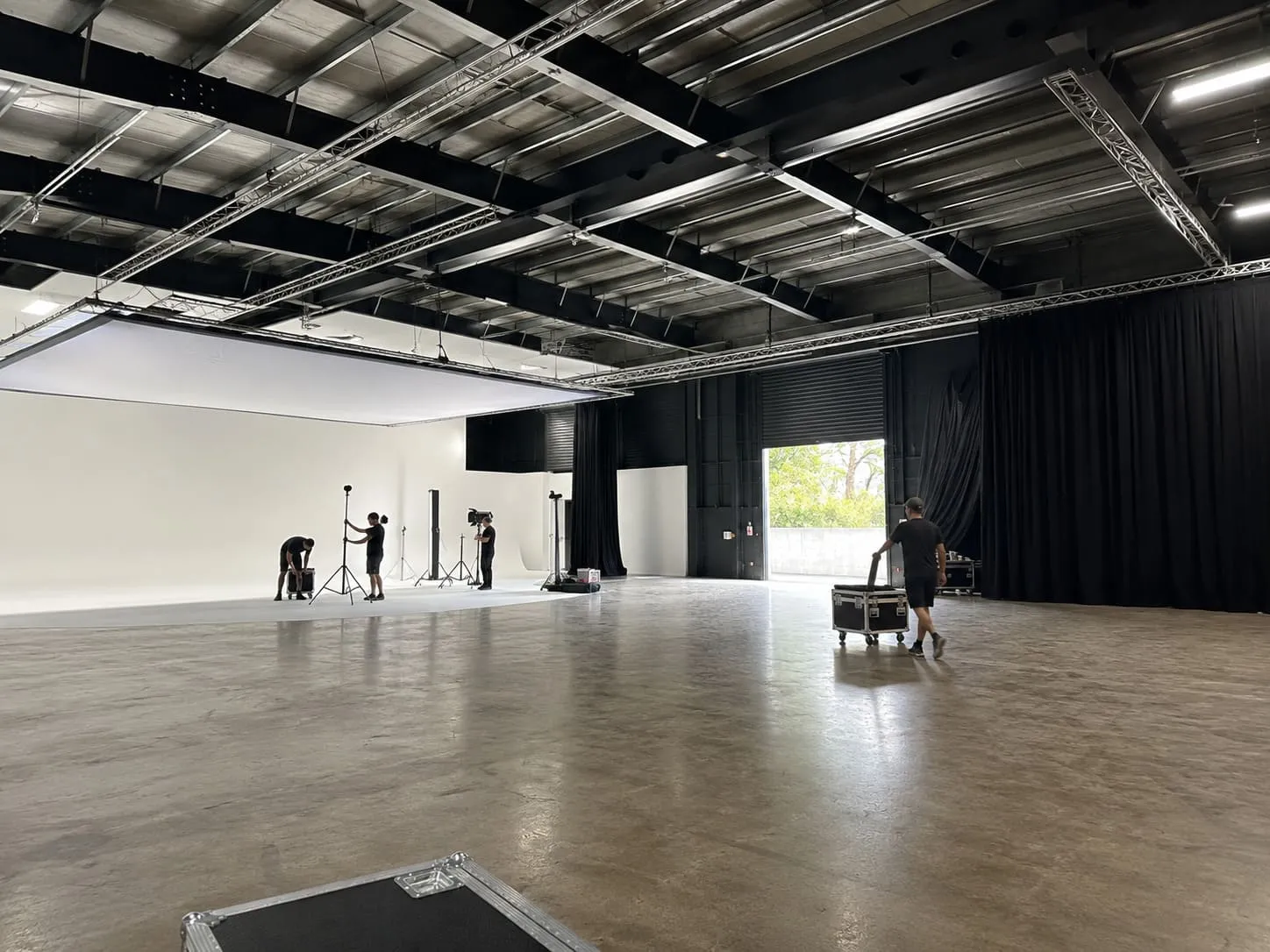
The studio day gets the attention because everyone is in the room and the spend is visible. By then, the important decisions have either been made properly or pushed into the most expensive hours of the schedule.
Hybrid shoot preparation works best when creative approval and technical readiness move together. Camera movement affects tracking. Lens choices affect the screen image. The art department needs to know where the physical set hands over to the digital environment. Agency and client review needs a clear route, or the set turns into a creative redevelopment session.
A practical planning order looks like this:
- Agree which scenes earn the hybrid treatment. Choose LED, cove, blackout, physical build or location by shot requirement, not by novelty.
- Lock the content state before the camera day. Backgrounds, plates, environments and playback versions need approval early enough for testing.
- Tie camera, lenses and movement into the technical plan. Tracking requirements and framing limits must be known before the stage is dressed.
- Match the physical set to the digital space. Scale, perspective, eyelines and lighting direction need one shared answer between art, camera and virtual production.
- Build client approval into the schedule. Review points should confirm agreed work, not reopen the brief during the shoot.
- Protect a handover into post-production. Hybrid capture can reduce some compositing tasks, yet it also fixes certain choices into principal photography.
Late decisions cause more trouble than the technology itself. A production manager can plan for a complex workflow. Nobody can schedule certainty around unresolved approvals.
Shoot-day control comes from sign-off
The shoot day is a sign-off system. Hybrid production works when the team knows what has been approved, what is being tested, what the camera is actually recording and who has authority to call it ready.
The first checks are production checks
Call time should not be the first moment content, camera framing, lighting and review are seen together. Start-of-day checks need to confirm the practical chain: the correct playback is on the wall, the camera sees the intended frame, the foreground lighting belongs with the background, and the approval monitor is showing the image people are judging.
Colour deserves direct attention. The Society of Motion Picture and Television Engineers, known as SMPTE, warned in its 2025 on-set virtual production colour-management work that approving image colour from a display that is not calibrated to a known standard can lead to downstream colour errors that are difficult, time-consuming and expensive to correct. That is a production risk, not a lab concern.
Tracking and playback sit in the same category. If the camera move changes, or the background cue is late, the decision path needs to be clear enough that the director of photography, virtual production supervisor and production manager know whether the shot is ready or needs a reset.
The live rhythm is approval-led
Once shooting starts, the useful distinction is between what the wall shows and what the camera records. The wall may look correct to the eye, but the recorded image is the thing that matters for client approval and post handover.
Lighting has to be worked actively. LED panels can contribute interactive light and reflections, but foreground units, exposure, colour and direction still need to be controlled by the crew. Realism is earned in the join between the physical set and the digital environment.
Mammoth publishes 12G Serial Digital Interface, usually written as 12G SDI, routing from stages to production areas, and Mammoth’s Studio 2 virtual production delivery is structured with Elsewhere Productions for supervision, playback systems and on-set technical crew. Infrastructure of that kind matters because client review should be based on a shared monitored feed, not a chain of separate interpretations.
By wrap, the production should know which takes are approved, which content versions were used and what notes follow the material into post-production. Hybrid capture punishes vague handover because too many choices have already been photographed.
Hybrid production is selective by design
When a scene gains from controlled backgrounds, continuity, reflections or planned changes in setting, LED volume work can be the cleanest route. When a shot is better served by a cove stage, blackout stage, physical set, green screen or location, a hybrid production plan should allow that choice without treating it as a compromise.
That judgement will matter more across the next 12 to 24 months. Colour workflow, calibrated monitoring, technical supervision, stage separation and post handover are becoming the practical tests of virtual production on set. The novelty phase is giving way to operational integration, and productions that choose the right environment for each scene will keep the clearest schedule.
Common questions about hybrid studio shoots
Does a hybrid studio shoot always need a virtual production supervisor?
A shoot using LED playback, camera tracking or in-camera visual effects needs someone responsible for the virtual production workflow. On simpler mixed stage days, the level of supervision depends on how much digital content is being captured in camera.
Can agencies and clients review shots properly during a hybrid shoot?
Yes, provided the review route is planned before the shoot day. The monitored feed, approval display and decision-maker need to be agreed so comments are based on the intended image.
Does hybrid production reduce post-production work?
Hybrid production can reduce some compositing work when near-final imagery is captured on set. Post-production still needs planning because colour, content versions and baked-in visual decisions carry through from the shoot.
Is green screen still useful on a hybrid production?
Green screen remains useful when flexibility in post matters more than capturing the background in camera. A strong hybrid plan chooses between LED, green screen and physical stage work shot by shot.
What should be ready before booking a hybrid stage?
The production should know which scenes need LED, what content exists, how camera movement affects the setup and who approves the image. Stage availability alone will not solve undecided creative or technical choices.