How are film studios reducing environmental impact behind the scenes?
Film studios reduce impact most credibly through the infrastructure that shapes a shoot before it starts: mains electricity, efficient access, clear waste systems, suitable stages and usable data. Lower-impact production works best when the facility reduces avoidable movement and waste, and the production team plans around those conditions.
Table of Contents
The Real Impact Areas Come First
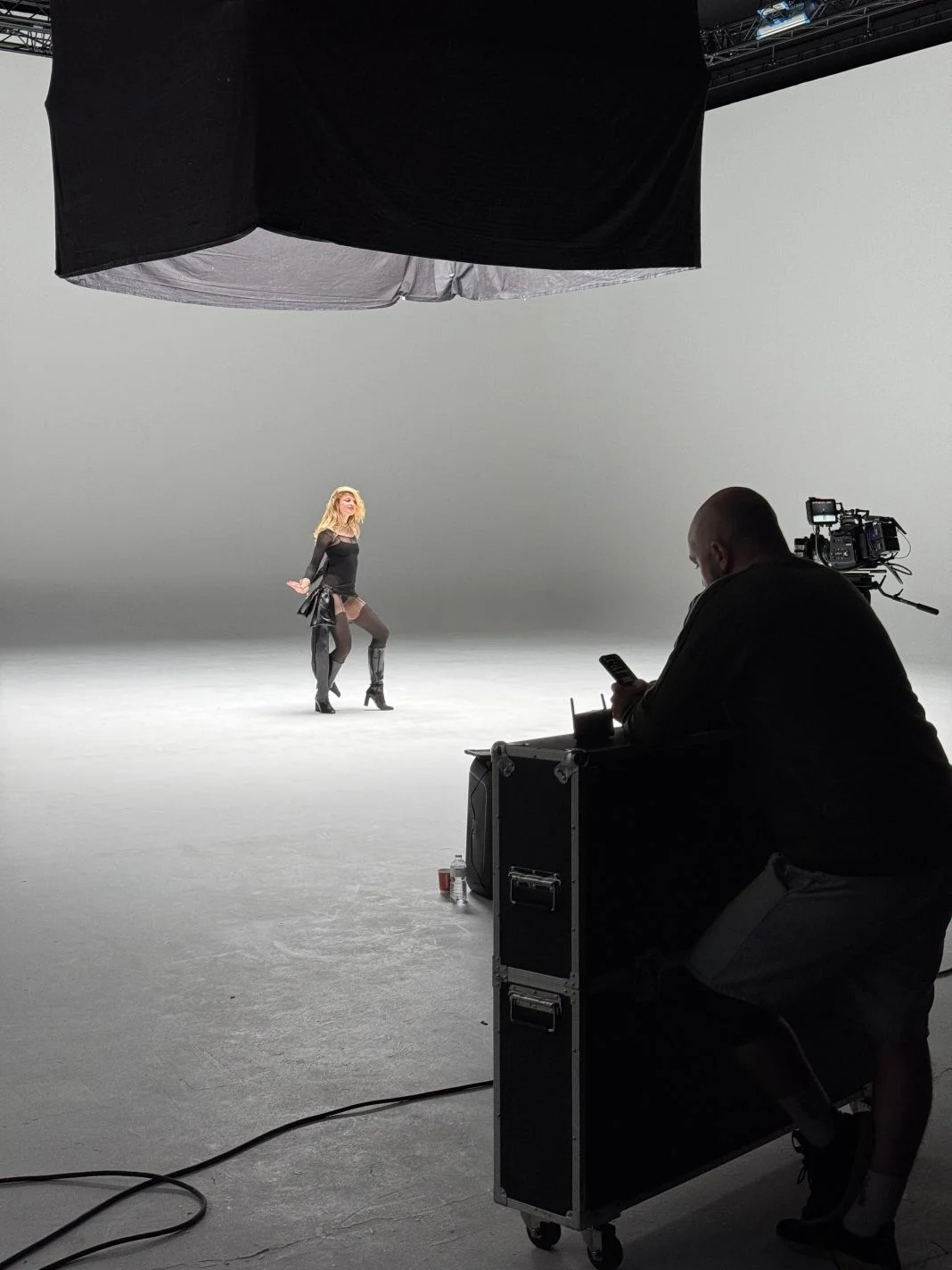
A London shoot can look efficient on the schedule and still carry waste in the background: crew crossing the city twice in a day, generators running longer than planned, set materials arriving with no reuse route and a wrap plan that starts too late. Environmental impact is shaped by decisions made before the cameras roll.
BAFTA Albert’s ACCELERATE 2025 work states that the UK screen industry produces nearly 175,000 tonnes of CO2 emissions annually, based on data from more than 2,500 productions in 2024. That figure matters because it points attention away from cosmetic gestures and back to the production systems that create the load.
Reusable cups, paperless call sheets and reduced single-use plastics have a place. Visible action is not always meaningful action, though. For sustainable film production, the main areas to test are travel, energy, materials, waste handling and production carbon footprinting.
Producers need a working hierarchy. A studio that helps reduce unnecessary vehicle movement, gives a clearer route to mains electricity and supports waste reporting is contributing to the practical side of greener production planning. A studio that speaks mainly in broad green language gives you less to work with.
Lower-impact choices also need auditability. If you are preparing a Carbon Action Plan, the useful information is specific: what the facility can provide, where the production still owns the decision and how the data will be gathered. That split matters.
Studio Control and Production Control Must Stay Separate
Studios create the conditions for lower-impact production, and productions decide how those conditions are used. Confusing those roles leads to weak claims and poor planning.
BAFTA Albert’s Studio Sustainability Standard is useful here because it is built for studio spaces. It assesses the areas where facilities can reduce environmental impact, which keeps the conversation grounded in what a studio can genuinely influence.
Production certification is a different matter. The production still decides how it schedules, buys, hires and reports. A strong facility makes better choices easier, but it cannot make a wasteful set design circular by itself, and it cannot stop a production booking unnecessary moves.
Overlap is where the best work happens. A production manager planning a lower-impact shoot wants clear answers before booking: what the stage can support, where materials can go at wrap and what access pattern reduces vehicle movement. Broad claims collapse under that kind of questioning, which is why practical detail is a better signal than environmental language.
For booking decisions, judge the studio on the conditions it puts in place and the clarity of the handover it gives your team.
Cleaner Electricity Deserves Priority
Energy deserves priority because generator reliance remains one of the most concrete areas where behind-the-scenes change can reduce film production emissions. The best result starts with the actual electrical load, not with a fashionable kit list.
BAFTA has stated that UK productions burned over three million litres of fossil fuels in generators in 2024. That figure makes generator displacement a live production issue, especially where studio infrastructure can support mains electricity and better demand planning.
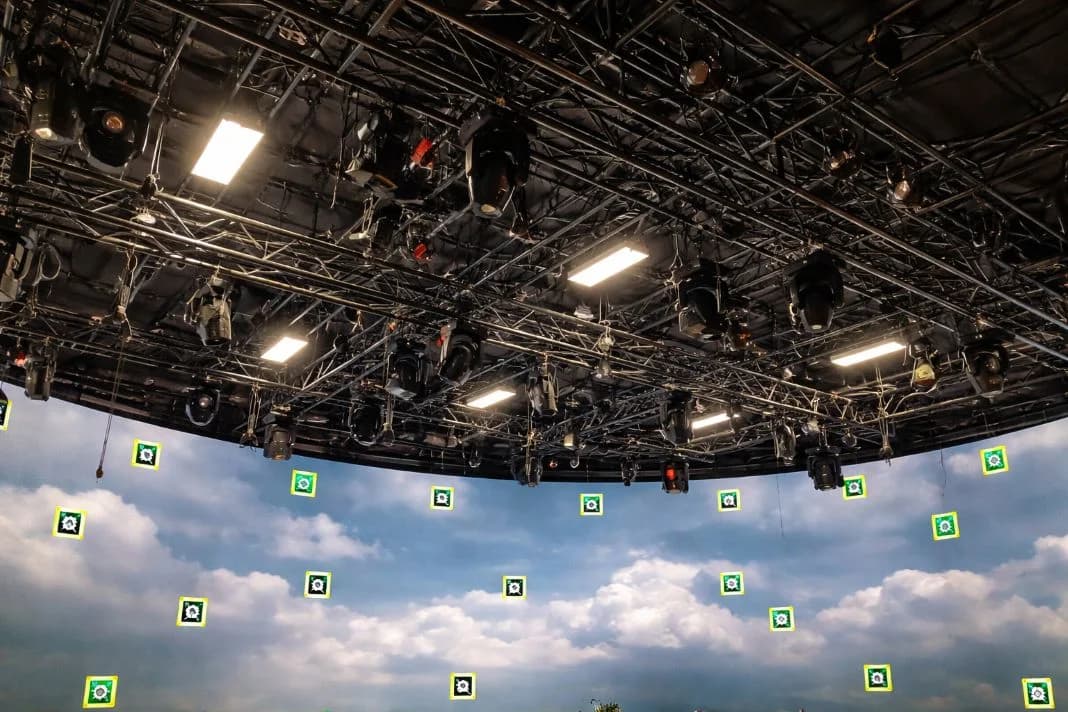
Cleaner electricity planning starts with the rig. Lighting, LED screens, playback, camera systems, set practicals and standby requirements all shape the demand. If that demand is guessed late, the production buys margin through generators and backup fuel. If it is planned early, the studio and gaffer can make cleaner choices without building fragility into the day.
Batteries and hybrid generators can help where mains electricity cannot carry the full load or where the schedule creates peaks. HVO, a fuel made from treated vegetable oils or waste fats, can sit in the mix as a transitional option, but it should not be treated as a clean finish line. The stronger question is whether the production can reduce generator dependence in the first place.
Cleaner electricity planning beats green-looking equipment choices. LED lighting helps when the electrical design fits the shoot, the stage and the schedule. Used badly, any technology becomes another layer of contingency. Used well, the electrical plan protects both the carbon footprint of a film set and the call sheet.
Better Logistics Reduce Avoidable Movement
When agency attendance, unit vehicles and supplier deliveries all converge on one long shoot day, location becomes an operational variable. Access can reduce avoidable movement, but it only works when the production plan uses it deliberately.
London Zone 2 can be useful for city-based crews, agencies and suppliers because it can reduce unnecessary cross-city handling and support mixed travel patterns. That is not an automatic emissions claim. A poorly planned day still wastes movement, even in an accessible location.
Mammoth Film Studios is a grounded example of the kind of London studio infrastructure that can support this planning. Its London Zone 2 site is close to Overground and Jubilee lines, both studios have drive-in access, and on-site parking supports crew and unit vehicles. Those details matter because they affect load-in, attendance and whether vehicles need to shuttle between disconnected spaces.
Public transport access helps some crew and client attendance. Drive-in access matters for kit, set materials and larger vehicles. Parking matters when unit movement cannot be removed. Treating those as production variables gives you a better sustainability read than a vague statement about location.
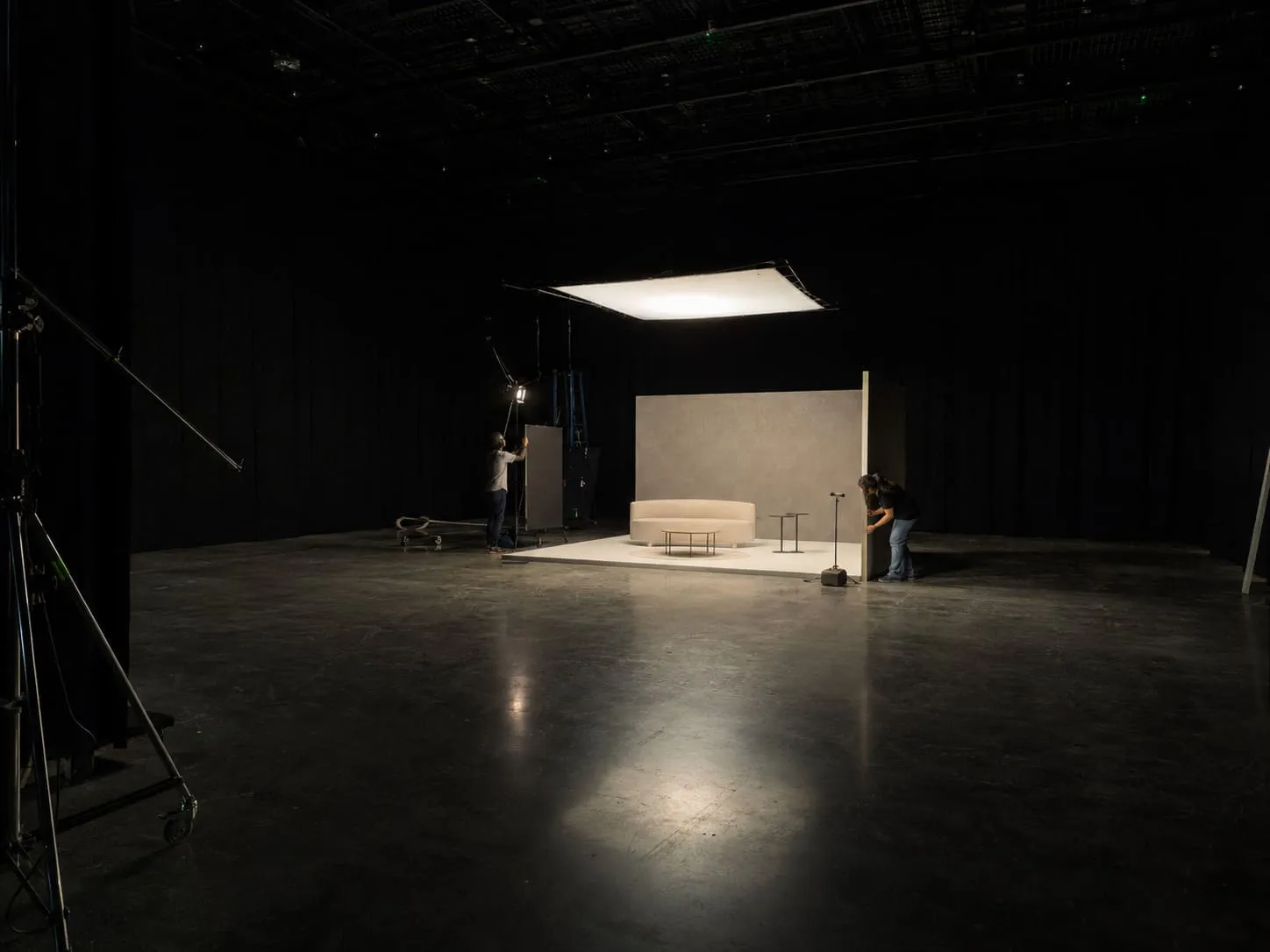
Stage suitability also cuts movement. If the booked space matches the brief, you reduce the chance of extra moves, workarounds or reshoots caused by a poor technical fit. The lowest-impact studio choice is often the one that lets the production stay controlled for longer.
Waste Reduction Starts Before Wrap
Materials enter a studio long before anyone starts talking about bins. Set dressing, props, costume, catering and packaging all arrive through separate decisions, and by wrap many of the waste outcomes have already been locked in.
Circularity gives production teams a better frame than end-of-day recycling. The useful question is whether materials can be rented, reused, repurposed or sent into a clear recycling route, with responsibility agreed before the first delivery. Recycling still matters, but it should not be the rescue plan for poor buying decisions.
Practical checks before the shoot include:
- Set build choices: Ask whether key materials can be hired, reused or adapted after the shoot, especially for short-lived builds.
- Catering and costume flows deserve the same attention as set construction. Food packaging and wardrobe returns are material decisions, not background admin.
- Supplier expectations: Agree take-back routes where suppliers can collect packaging, flats, props or temporary materials.
- Wrap planning needs space, time and ownership. If nobody owns the material route at the end of the day, usable items can become waste by default.
- Waste reporting: Check whether streams are clear enough to support the production’s own reporting, especially where a Carbon Action Plan is being prepared.
Studios can support the system with usable waste streams and site rules. Productions still make many of the buying decisions, so lower-waste production begins with procurement and department planning, not the final sweep of the stage.
Virtual Production Claims Need Testing
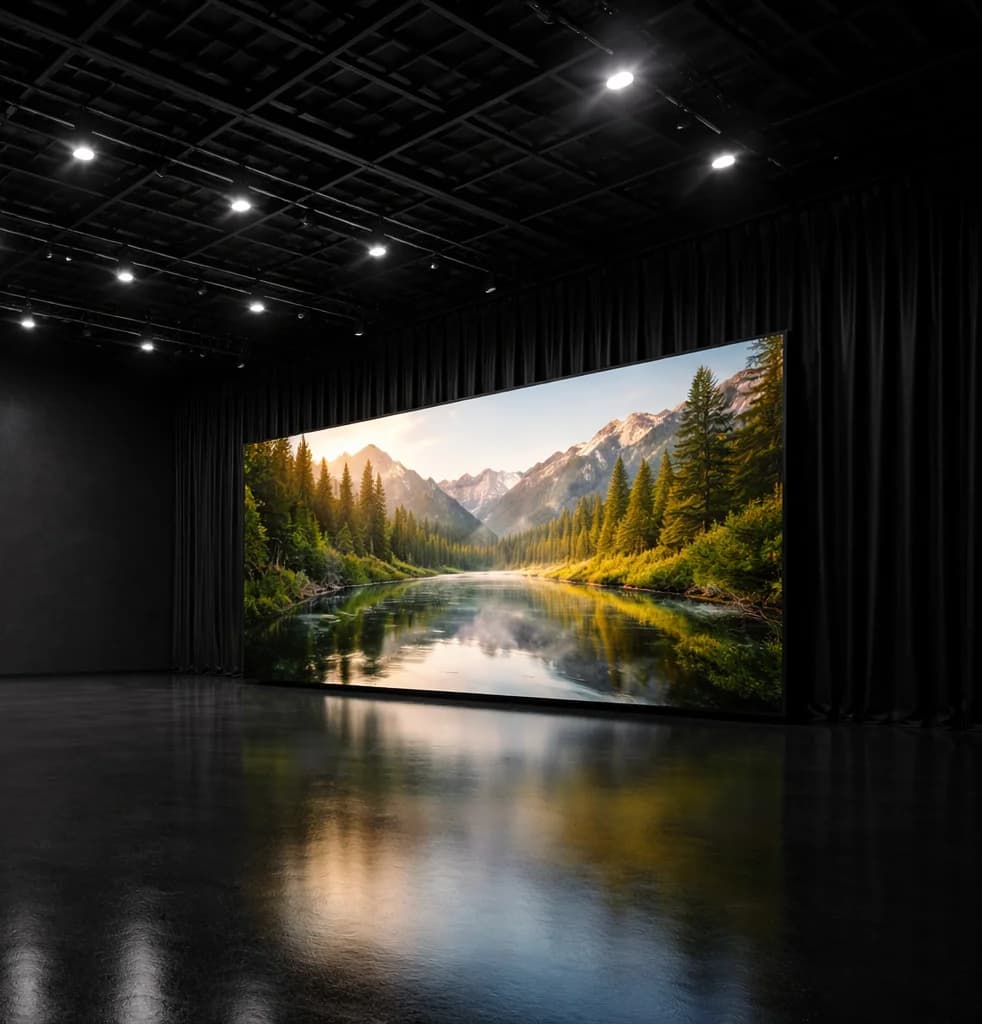
Virtual production can reduce travel and physical builds in the right workflow, but an LED stage is not an automatic carbon saving. Its value depends on what it replaces and how tightly the technical plan fits the creative brief.
The Workflow Must Match the Impact Case
A virtual production setup can make sense when it avoids location moves, reduces repeated travel or replaces a build that would otherwise be short-lived. It can also keep lighting and conditions controlled across a long commercial shoot, which protects the schedule as well as the environmental case.
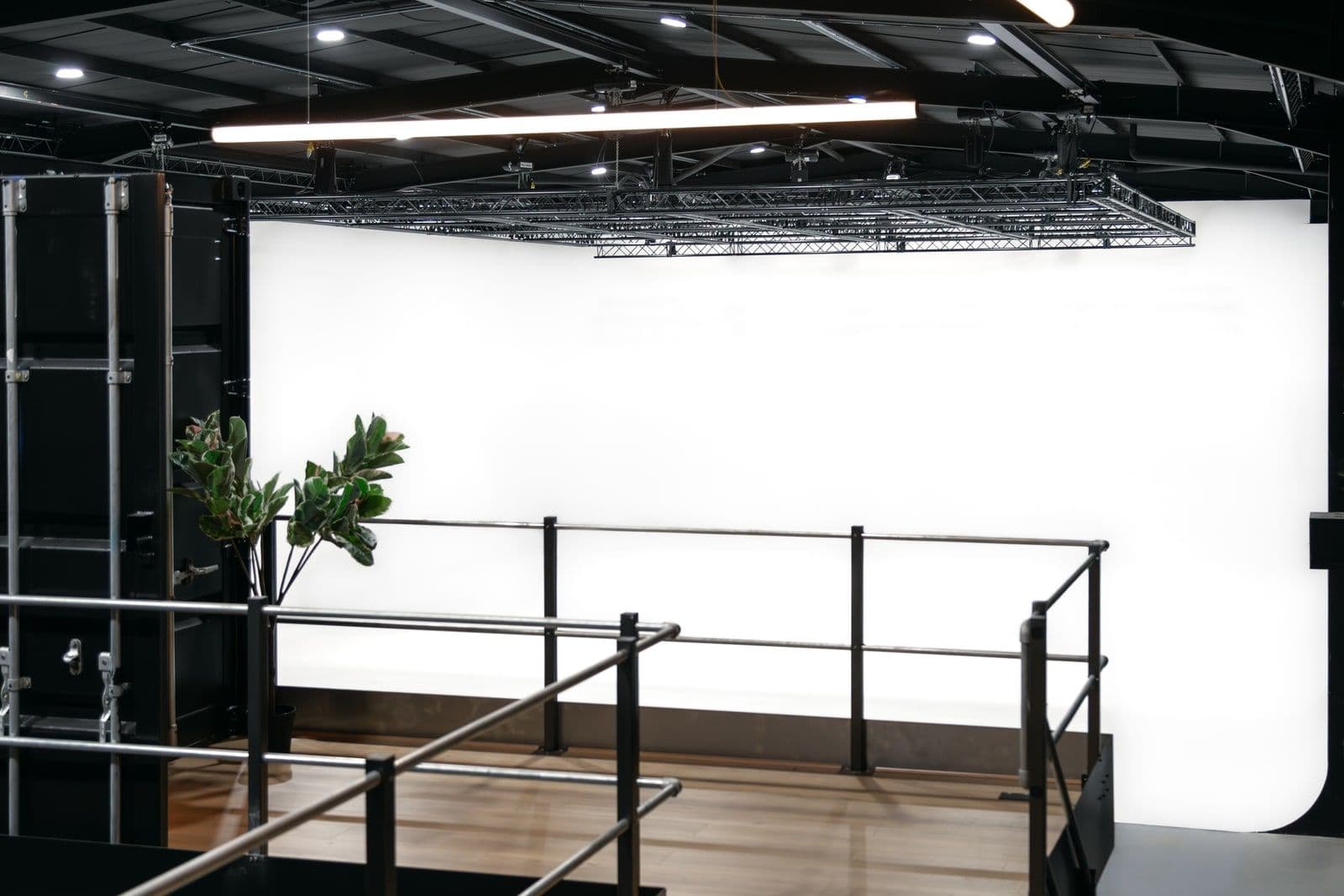
Mammoth Film Studios shows why the distinction between stage types matters. Studio 1 is a large-format infinity cove and blackout stage for traditional film, photography and commercial work. Studio 2 is the blackout and LED-based virtual production stage, with delivery in partnership with Elsewhere Productions. Treating those as the same facility offer would be technically wrong and commercially unhelpful.
LED Does Not Create an Automatic Carbon Saving
LED-based production still uses electricity, playback systems, rendering, technical supervision and specialist crew. The sustainability case depends on the avoided travel, avoided build or avoided location complexity. If the virtual setup adds a heavy technical layer without removing anything material, the claim weakens quickly.
A good studio conversation should put virtual production beside traditional studio shooting, location work and hybrid approaches. The right answer is the method that gives the production control with the least unnecessary movement, build and rework. That decision belongs to the brief.
Evidence Beats Slogans
Ask one sharper question before booking: does this studio remove avoidable waste, movement and uncertainty from the production? That question is more useful than asking whether the studio sounds sustainable.
The evidence worth asking for is operational:
- Electrical supply: What mains electricity is available, and how early can the technical load be planned against it?
- Waste routes: Which material streams can the site support, and what does the production still need to arrange?
- Access planning should be specific. Ask how load-in, unit vehicles, parking and client attendance work on the day.
- Stage fit: Does the space match the shoot’s scale, blackout needs, rigging plan and workflow, or will the production be compensating all day?
- Reporting inputs: Can the studio provide the practical information your production needs for carbon reporting without turning the process into admin theatre?
Certification and standards help when they support these answers. They are weaker when they sit apart from the production plan. The more useful studio is the one that gives your team cleaner choices early, clearer limits and fewer late fixes.
The real question is not which green measures a studio mentions. The real question is whether the studio turns sustainability into production control.
Common questions about lower-impact film studio planning
Can reusable cups make a film production sustainable?
Reusable cups reduce one visible waste stream, but they do not address the biggest operational drivers. Travel, electricity use, materials and reporting need earlier planning and stronger studio support.
Does a studio need certification to be a credible lower-impact option?
Certification can help, especially when it relates to studio operations, but it should lead to practical answers. You still need to test the facility’s electrical supply, waste routes, access and technical fit.
Can virtual production reduce location travel?
Virtual production can reduce location travel when it replaces real moves, repeat travel or short-lived builds. Its environmental case depends on the workflow, because LED-based production still carries its own electricity and technical requirements.
What information helps with production carbon footprinting?
Useful information includes electricity arrangements, generator use where relevant, waste streams, access patterns and supplier responsibilities. The data needs to match the production’s reporting boundary rather than sit as a generic studio statement.
Should sustainability questions be raised before or after booking a studio?
Sustainability questions belong before booking, while stage choice, schedule, suppliers and technical load can still change. Late questions usually leave the production choosing between compromise and extra work.