Daylight studio or blackout studio: which suits your light and schedule?
A daylight studio suits a brief built on real window light when your shot list fits the daylight on your date. A blackout studio suits a shoot where the light must hold from first set-up to wrap, at any hour and in any season. That includes a daylight look built from lamps.
Table of Contents
Before you book, count the hours your shot list needs and mark any frames or takes that have to match each other. Then check the season, because a London daylight studio gets far fewer hours of light in winter than in summer.
Daylight and blackout studios compared
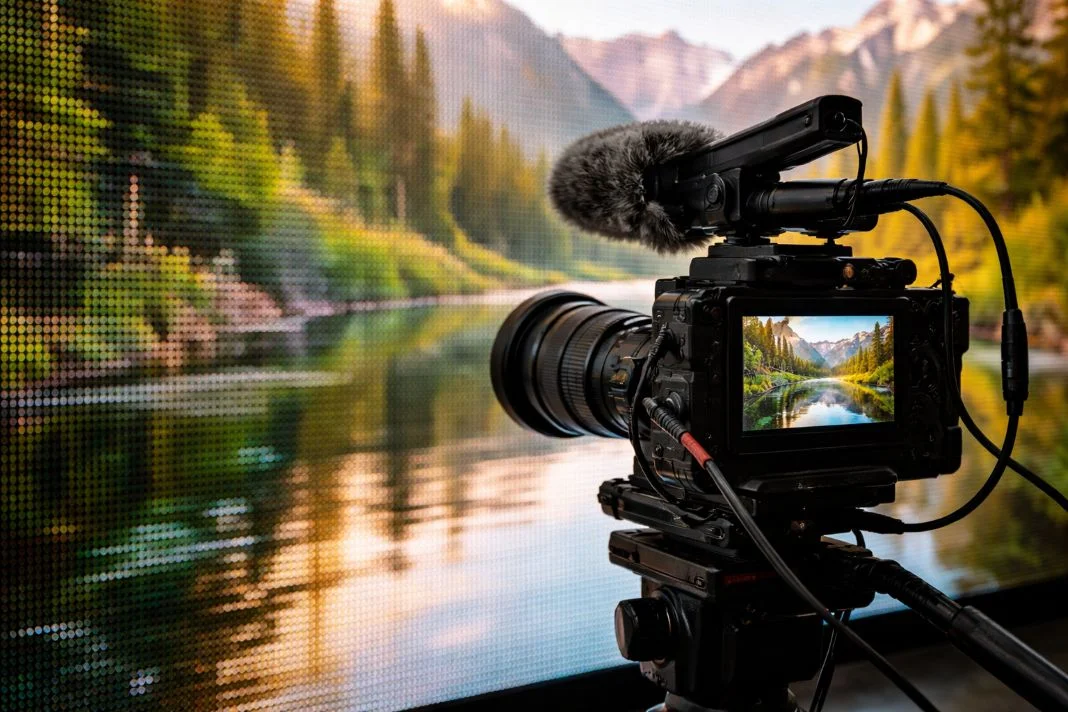
With a daylight studio, the sky sets much of your key light, and with a blackout studio, your crew sets every source.
Daylight studios, sometimes called natural light studios, give you real light from the windows as the base of your look. Your gaffer shapes it and adds to it on the day. They suit a brief that wants window light on camera and has room for it to shift a little as the hours go by.
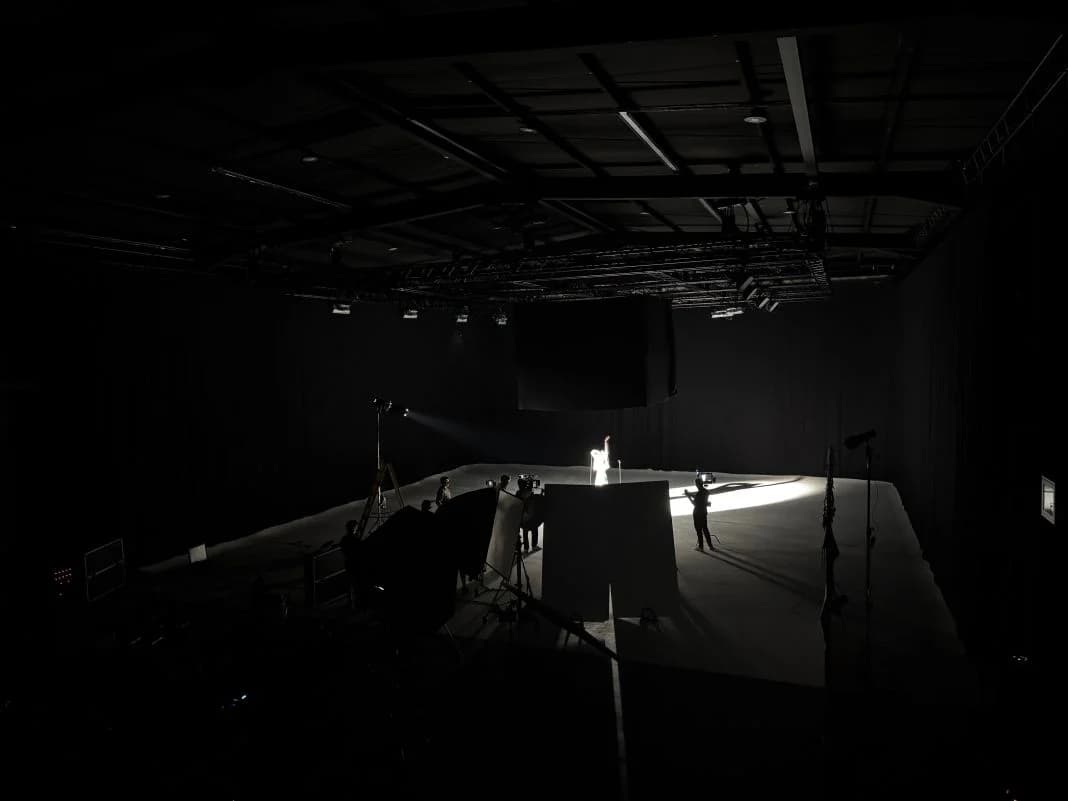
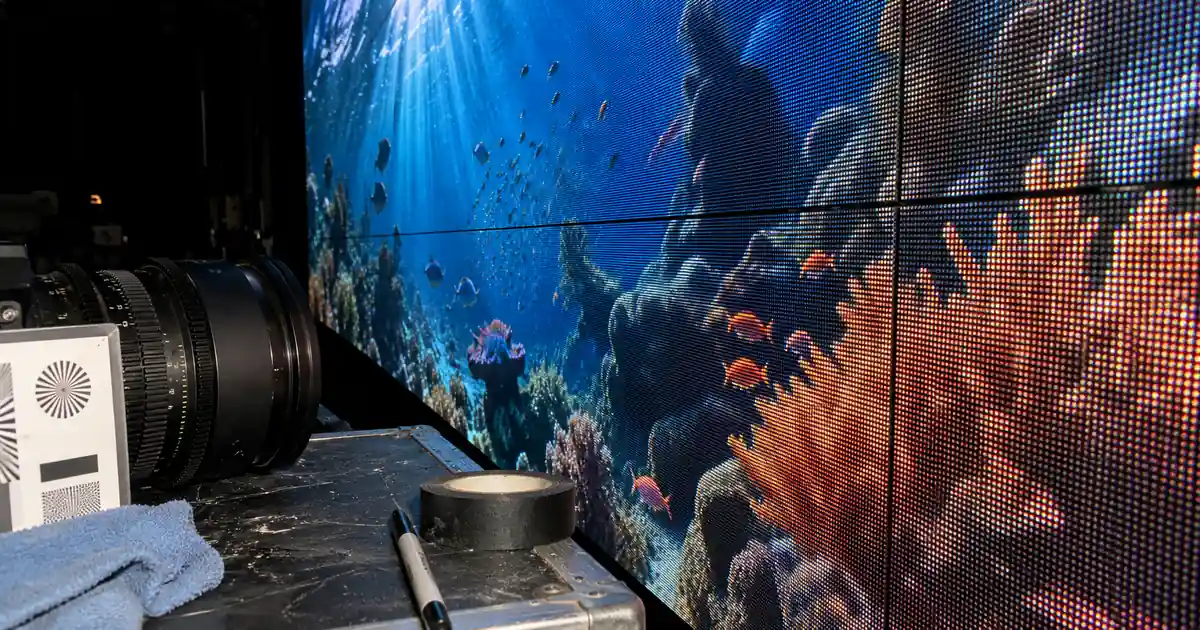
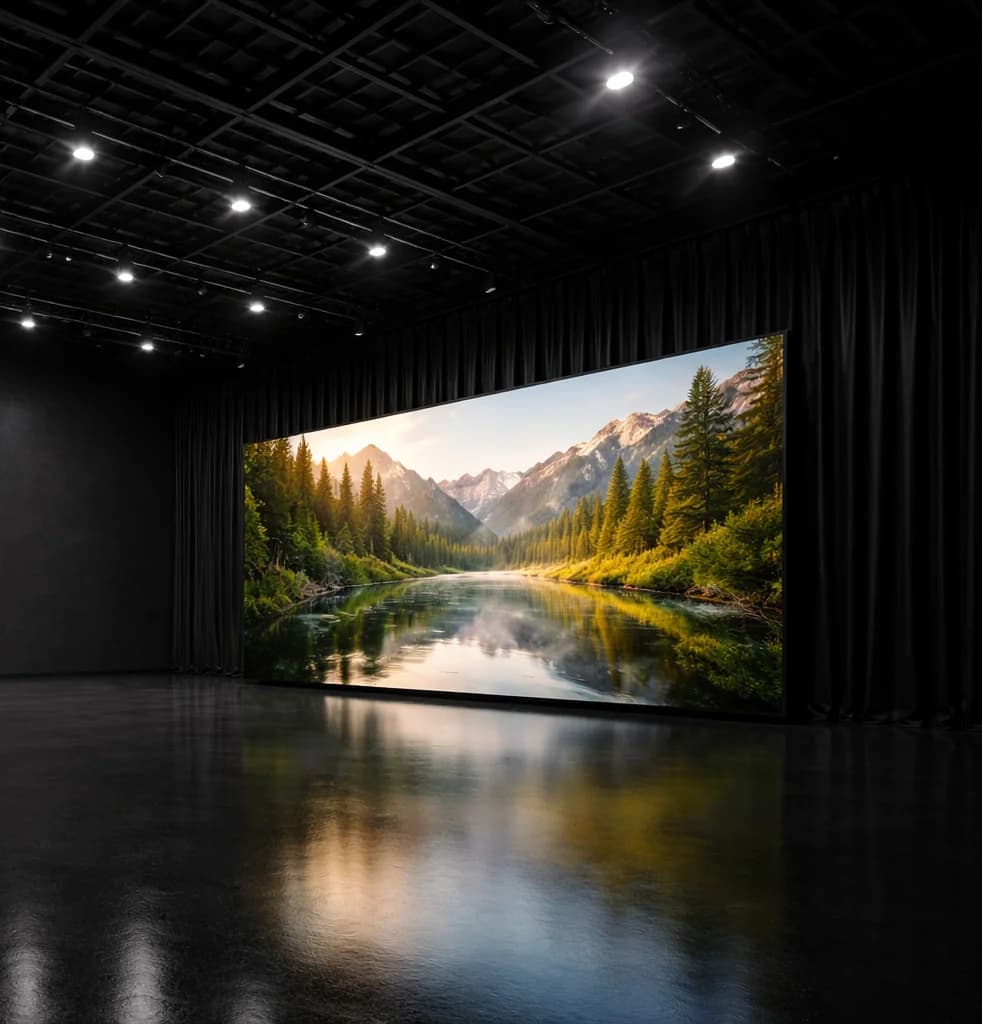
In a blackout studio, no daylight gets in, so your crew builds the whole look from lamps. Your DOP sets the colour temperature and the level, and both stay put until someone changes them. An LED volume, the wall of LED panels that shows a background live in camera, needs exactly this kind of dark, controlled space.
When you book a blackout stage, you will need to order a lighting package for every source in the shot, from the key to the background, along with the crew to rig and run it.
Keeping light consistent across a shoot day
Short winter days and passing cloud
If your shoot date falls in December and your shot list is full, you have little daylight to work with. London's shortest day has 7 hours 49 minutes and 42 seconds of daylight, according to Royal Museums Greenwich, and that figure barely changes from one year to the next.
Every window-lit frame and every turnaround has to fit inside those hours, so build your call time and shot list around the light your date gives you. Passing cloud changes things again, because it dims the light coming through the windows and shifts its colour.
According to Canon's white balance guidance, cloudy light sits at about 6,000K and shade usually at around 7,000K. So the colour of your window light moves each time the sky changes. On a long motion day, that drift shows when you cut between takes shot hours apart, and your colourist has to bring them back into line. Across a campaign, frames shot in bright morning sun have to sit beside frames shot under afternoon cloud.
So a daylight studio suits a short, window-lit shot list on a long summer date. Group the frames that must match into one part of the day to keep their colour close.
Getting a daylight look in a blackout studio
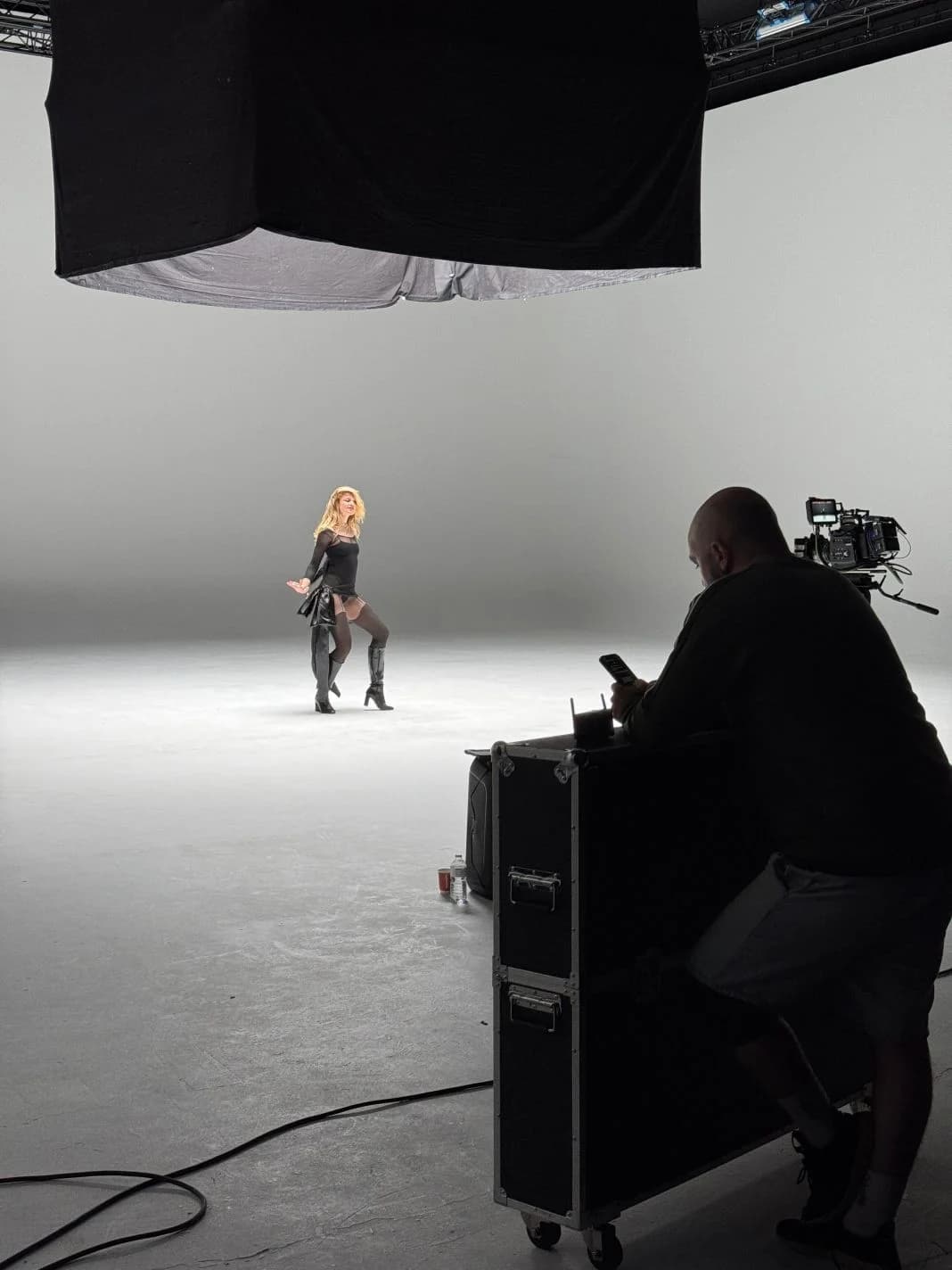
On a blackout stage, your gaffer builds a window look from lamps and diffusion and sets it to about 5,200K, the figure Canon gives for its Daylight preset. Nothing outside the stage can move that setting, so the look your DOP signs off at the first set-up is still there at wrap, in June or December and in any weather.
Your crew can take the lamps the other way as well. For a warm tungsten look on the next set-up, they go to about 3,200K and hold there just as steadily.
Agree the colour temperature with your DOP and gaffer before the pre-light, so the rig goes up already set to it.
What to book for stills, video or LED work
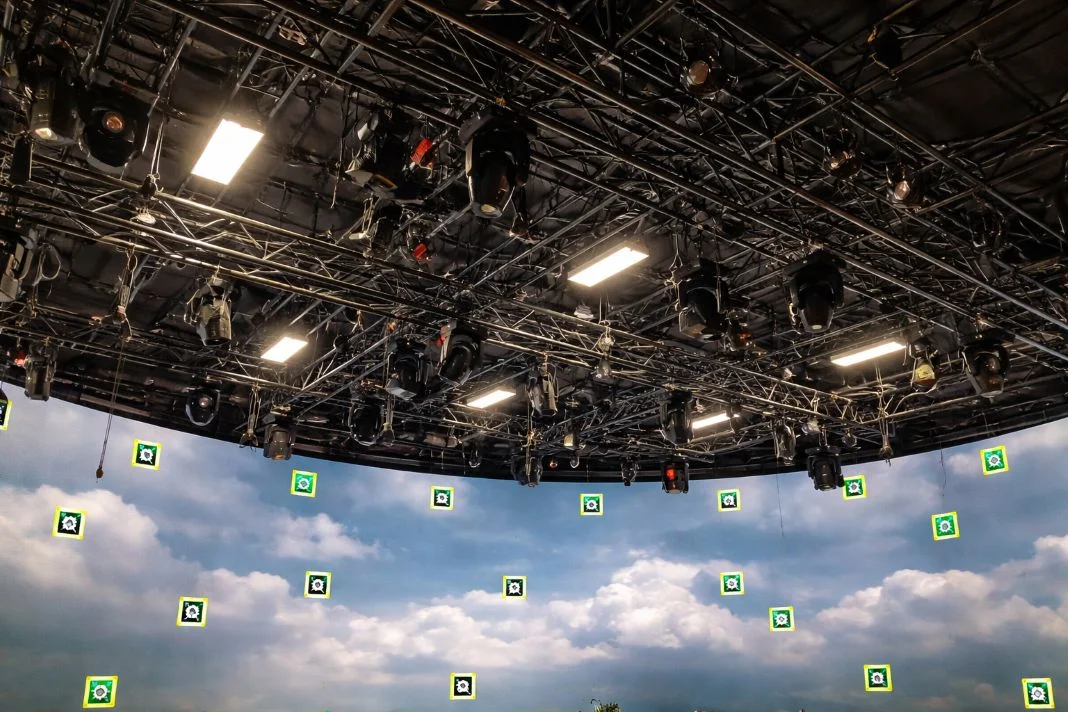
Once you know how long your light has to hold, match it to the kind of production you are making.
- Stills campaigns built around real window light suit a daylight studio well. When frames have to match across many set-ups or several days, a blackout stage lights every one of them the same way.
- Video and motion work suits a daylight studio when the piece is short and welcomes the gentle movement of window light. Longer pieces cut together cleanly on a blackout stage, because colour and level hold from one take to the next.
- Long or multi-day shoots belong on a blackout stage, which keeps the same look from the first day to the last.
- Night or interior looks need darkness you can build at any hour, and a blackout stage lets you shoot a night interior on a normal daytime call.
- LED volume and virtual production need a fully controlled stage. Any light that reaches the screen can wash out the image or reflect the lamp on the screen itself, and even a little stray light starts to lift the blacks. So crews keep it off with careful fixture placement, flags, egg crates and large solids. Mammoth Film Studios builds that control into Studio 2, which pairs 360 degree blackout with an in-house modular 8 x 4 m ROE 2.8mm HDR LED volume that can be made larger. Virtual production there runs in partnership with Elsewhere Productions, with supervision, playback systems and on-set technical crew included. It works alongside location shooting and traditional filming as a practical tool for quick changes between locations or conditions.
If your brief mixes stills and video on the same day, a blackout stage carries both, because the light your photographer approves in the morning is still there for the last video set-up. Mixed days work in a daylight studio too, when the video pieces are short and sit inside the same hours of window light as the stills.
How to choose a blackout stage
When your brief needs light that holds all day, the stage becomes part of your lighting plan. Look for one with enough electrical supply to run your rig and enough height to hang it, plus an easy way in for the trucks that bring it.
Start with floor space and blackout, because your set needs room and the stage has to keep every bit of daylight off it. At Mammoth Film Studios in London Zone 2, both stages are blackout spaces. Studio 1 gives you 8,000 sq ft (743 sqm) with full blackout using drapes, and Studio 2 gives you 5,000 sq ft.
Electrical supply and rigging tell you how big a rig the stage can run and hang. Studio 1 has 200A three-phase electrical supply, a 24 ft (7.3 m) grid height and three motorised truss systems. Over in Studio 2, you get 63A three-phase electrical supply, a 24 ft (7.3 m) rigging height, five 15 m steel beams, each with a 1 tonne load, and twelve 1 tonne chain hoists on travel trolleys.
With drive-in access, your lighting and grip vehicles unload straight onto the stage, and both studios have it. Box vehicles up to 18 tonnes can drive into Studio 1, which has 20 on-site parking spaces, and Studio 2 has 10 spaces of its own. Crews, agencies and suppliers based in the city reach the site easily, because it is close to the Overground and Jubilee lines.
Look at the support on site as well, because an in-house rigging team and the exclusive lighting partner, Cinelight London, give your production clarity and consistency on the rig and the lamps. Every creative decision stays with your team. 12G SDI video routing carries the picture from the stages to the production areas, so clients and agency teams can watch the monitors away from the set.
Each studio has its own working rooms: Studio 1 has a styling room, client room, production office and mezzanine, and Studio 2 has an eight-bay hair and make-up room, with step-free access throughout. What you pay depends on the studio, how long you book and the technical needs of your shoot.
Before you book any blackout stage, compare three things from your lighting plan with its specification: the current your rig will draw, the number and load of the rigging points it needs, and the size of the largest vehicle that has to drive in.
Common questions about daylight and blackout studios
Do daylight studios have blackout blinds?
Sometimes, since some daylight studios offer blackout for their windows as an extra. Ask how complete that blackout is and how long it takes to put in place, so you know how much spill you can control for a night look or an LED screen.
What time of day is best to shoot in a daylight studio?
Midday suits a cooler look and the later part of the day suits a warmer one, since daylight looks cooler at midday and warmer at sunset. Plan your key set-ups for the hours whose colour matches your brief.
Does an infinity cove need a blackout studio?
No, you can shoot on an infinity cove in either a daylight studio or a blackout studio. In a blackout studio, your crew lights the cove entirely from the rig, so its brightness and colour stay the same across the day, which helps when every shot in a campaign has to sit together.