Can your studio cyc be repainted for the look you need?
Yes, a white infinity cove can be painted another colour if the studio approves the method, paint system and reinstatement plan. The real decision is whether painting gives the required camera result without creating avoidable problems with finish, lighting tests, shoot time or return-to-white work.
Table of Contents
Producers often treat colour as an art department choice, then find that the cove surface belongs to the studio’s operating plan. That difference matters. A camera-facing floor and curve take traffic, light, marks and post-production scrutiny in ways a normal painted wall never has to.
Colour also has more than one route. A solid painted floor and wall, a white cove lit with colour, a chroma surface, blackout or an LED route all change the job in different ways. The right answer starts with the shot, then works back through time, access and restoration.
Before you ask for “a coloured cove”, decide what the camera must actually see. If the floor is in shot, paint may make sense. If the colour sits mainly behind talent, lighting the white cove may keep the booking simpler.
Paint only after the studio agrees the method
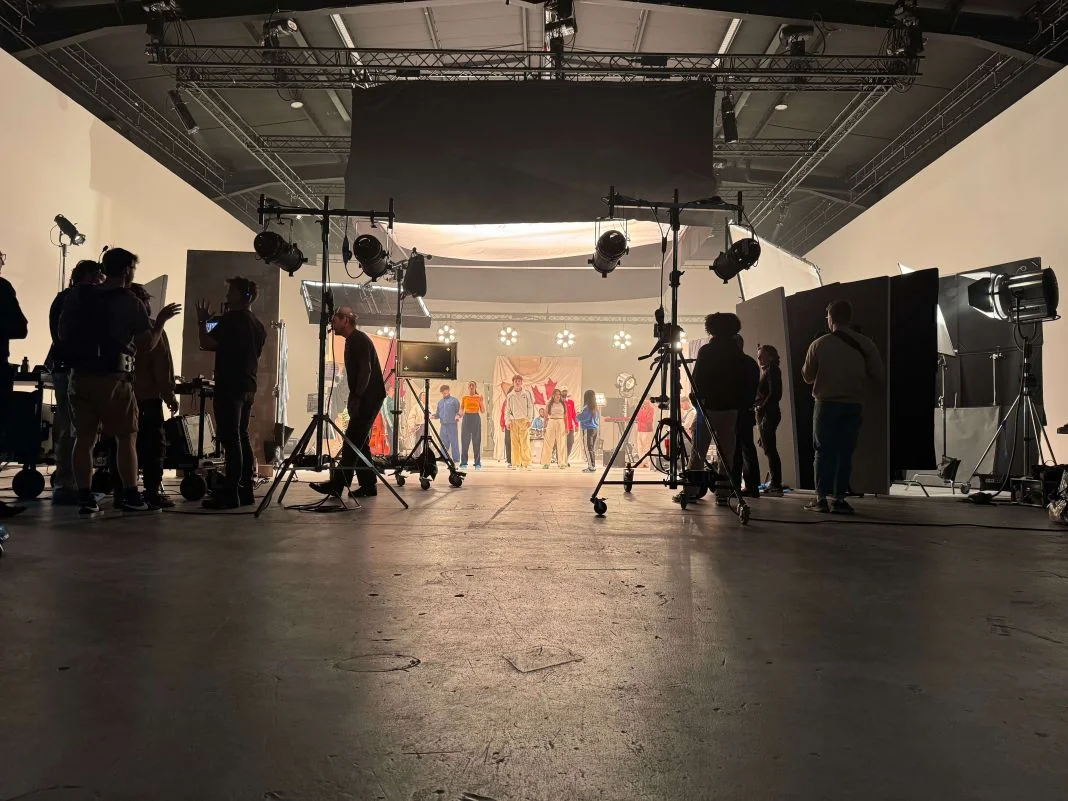
A brief arrives asking for a coloured floor and wall, with wide angles and product movement across the curve. At that point, the first check is who controls the cove surface and what method the studio will approve. A coloured cove is a scheduling and approval decision, not a paint preference.
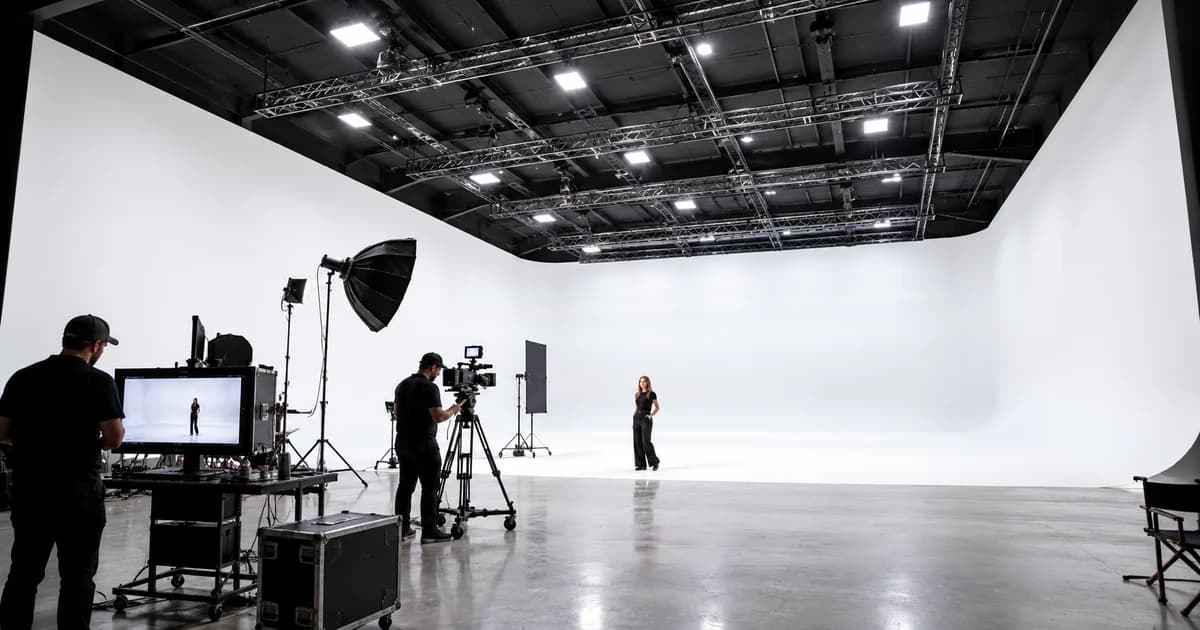
Mammoth Film Studios treats this as a Studio 1 planning issue, because its infinity cove is a 60 x 60 ft white cove inside an 8,000 sq ft London Zone 2 stage. On that scale, a studio cove colour change affects the shoot day, the prep day and the handover back to the next booking. The production manager needs a clear answer on colour, paint product, application and surface protection before any white infinity cove repainting is agreed.
Permission fixes responsibility
Permission gives each party a defined job. The studio management agrees the surface standard, the scenic team or agreed painter applies the finish, and the production knows who signs off the cove before the camera sees it.
That avoids the messy middle ground where a production supplies paint, somebody applies it under time pressure, and nobody has agreed what happens if roller marks or floor scuffs show. For a camera-facing coloured cyclorama, the approved method is part of the production plan.
Reinstatement protects the white cove
Return-to-white work belongs in the booking from the start. A coloured cove that photographs well still has to leave the studio surface in the agreed condition after wrap, especially where the normal working finish is white.
Reinstatement also changes how you think about the end of the job. Strike, clean-up and repainting a cyc wall back to white need room in the schedule, so the production is not trying to solve surface work after the crew has already treated the stage as finished.
Let the finish dictate the schedule
Cameras read a cove surface more harshly than the eye in a recce. A finish that looks acceptable during prep can reveal sheen, uneven colour or roller marks once it is lit, keyed or shot across the curve.
Studio and chroma paints exist for that reason. Rosco Chroma Key Paint is listed as a matte, water-based paint with a vinyl acrylic binder, which is a different planning model from decorative wall paint. For camera work, paint choice affects reflection, colour stability and whether keying behaves cleanly in post.
Rosco’s wall and cyc painting guidance recommends two coats for even coverage. It gives dry time as 30 to 60 minutes and recommends allowing the first coat to dry completely, about 2 to 3 hours, before the second coat. Those figures do not decide every booking, but they make one point clear: cyclorama paint drying time has to sit inside the production schedule, not in the margin around it.
A practical repaint plan works in this order:
- Agree the paint product and colour with the studio. For green screen wall paint or blue screen work, the DP, art department and post team need the colour decision before the surface is touched.
- Prepare and prime the surface where required. Patch repairs across a camera-facing curve are risky because batch changes and surface differences can read as marks.
- Apply the first coat with the agreed technique. Roller direction matters, and compound coves need careful application around the curve.
- Allow the surface to dry properly before recoating. Rushing the recoat window is how a clean paint plan becomes a finish problem.
- Protect the floor during build, shoot and wrap. The floor takes crew movement, props, wheels and tracking shots, so it is the part most likely to mark before the main shot is captured.
- Restore the cove to the agreed finish after production. Repainting a cyc back to white needs the same level of planning as the colour change.
Where painting happens during a booking, the production plan also needs product safety information, ventilation and crew access timing. HSE COSHH guidance covers how employers manage exposure to hazardous substances, and paint vapours are part of that routine planning where products are applied, drying or curing. Handled properly, this remains an operational detail rather than a shoot-stopping issue.
Lighting can beat paint on turnaround
A red background request can mean two different jobs. If the floor never appears and the colour is mainly a background treatment, lighting the white cove may give the result with fewer surface demands. If the red must hold across the wall, curve and floor in wide shots, paint becomes a stronger route.
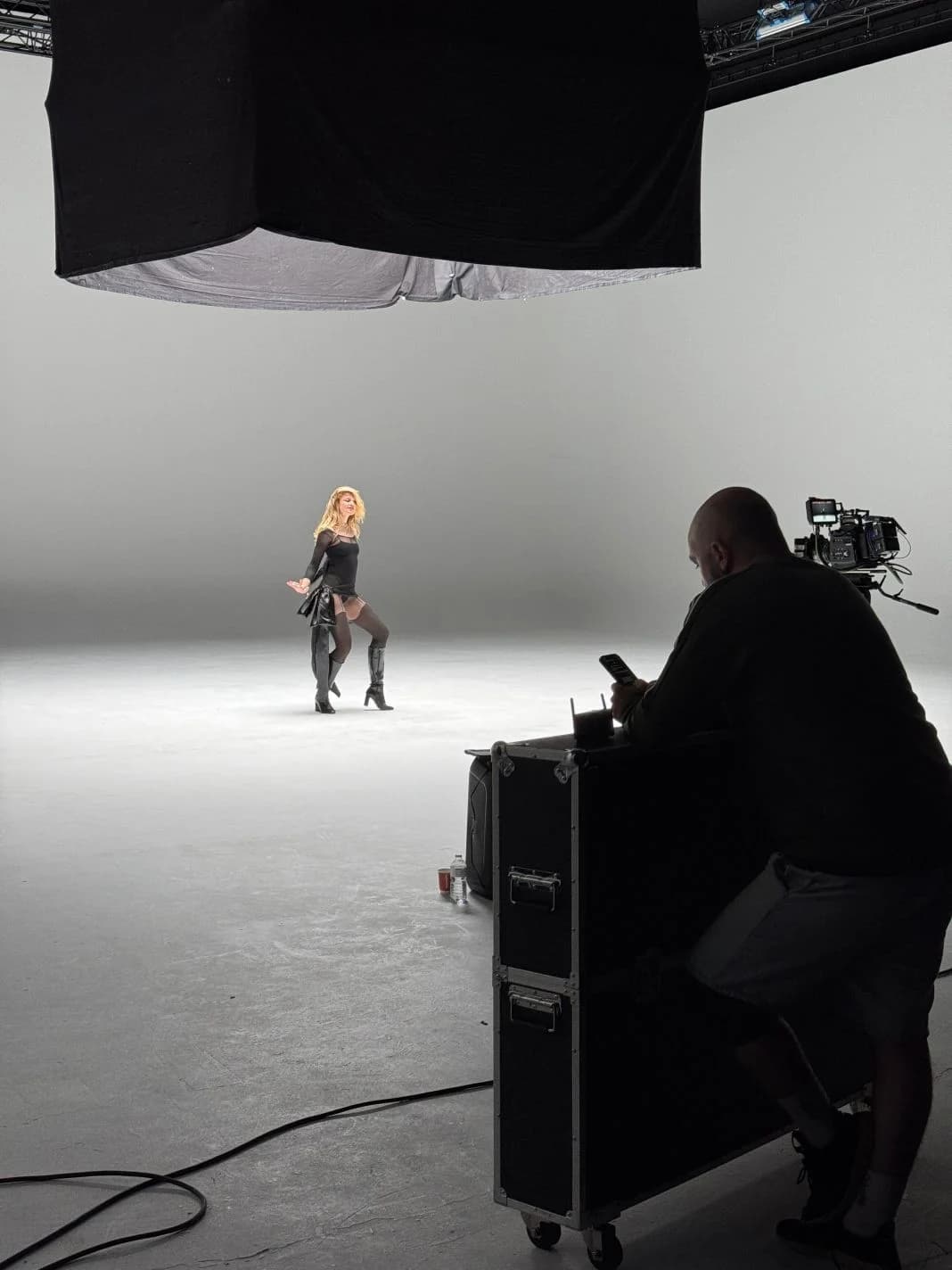
Lighting the white cove can protect turnaround, not just save paint. It keeps the surface white, reduces restoration work and gives the DP room to adjust intensity and spill during tests. Painted colour gives a fixed physical surface, which suits some art direction but commits the booking to drying, protection and repainting.
The table below compares painting the cove, lighting the white cove and using chroma, blackout or LED routes.
Chroma decisions need their own discipline. Green is the common choice, but blue can suit a subject with green tones or a post workflow that needs a different key colour. Wardrobe and props should be checked before the studio commits to a green screen infinity cove, because a clean chroma key cyclorama starts with what stands in front of it.
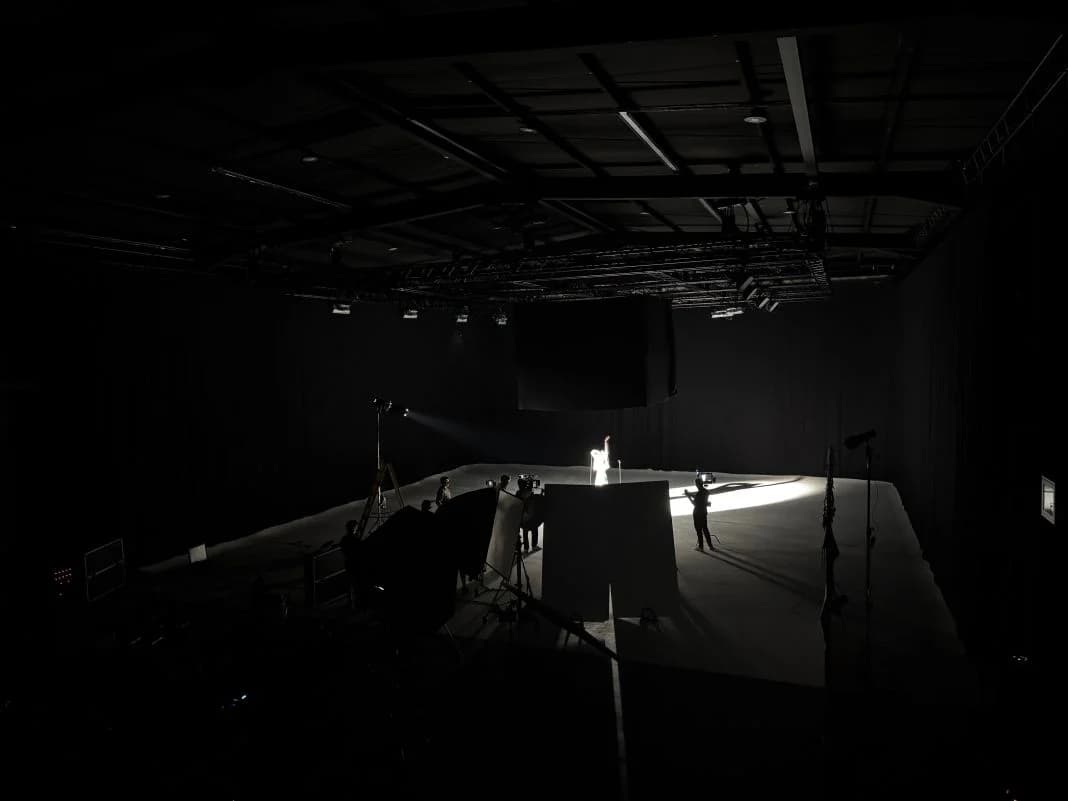
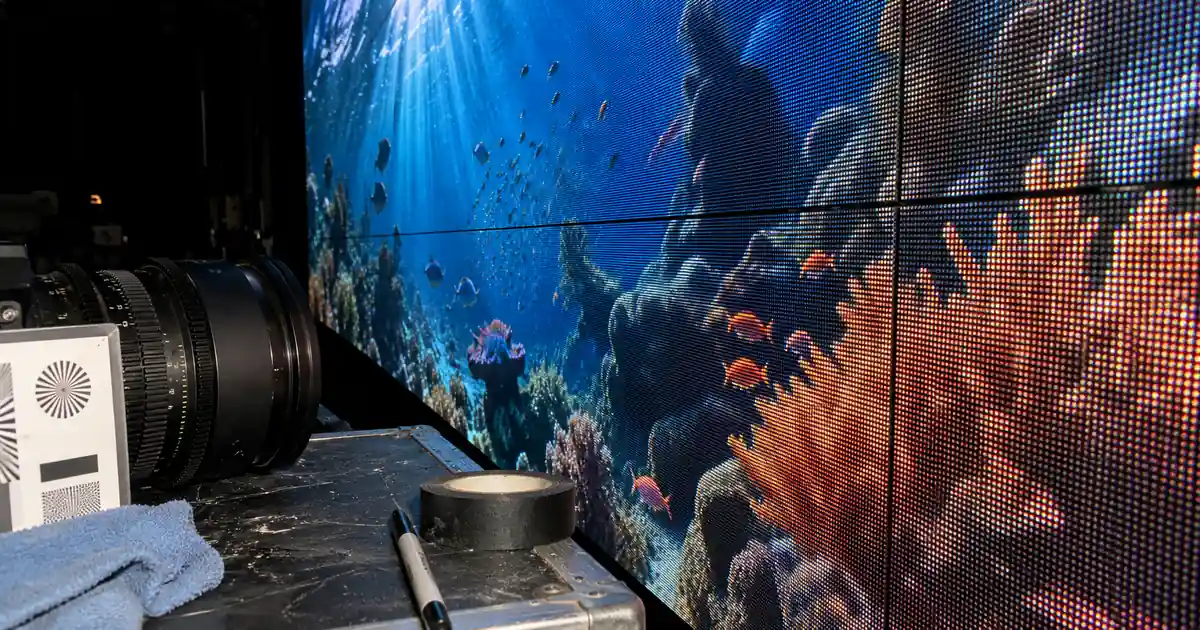
Blackout and LED routes sit in a separate planning lane. They may answer briefs that need controlled reflections, virtual environments or full darkness, but they do not change what is required to paint Studio 1’s white cove. Treat each route as a production choice with its own consequences, then pick the one that best serves the shot.
A clear cove plan removes guesswork
A coloured infinity cove shoot becomes simpler once you reduce it to a small set of checks. The production needs to know the intended colour result, whether the floor is visible, how the surface will be lit, what post needs from the plate, and how the cove returns to its agreed finish.
London Zone 2 logistics sharpen that decision. Repainting a white cyc, allowing for dry time, moving crew through the stage and managing vehicles all sit inside the same booking window. If the method has not been agreed early, the lost time shows up where productions can least afford it: during prep, pre-light or handover.
Mammoth Film Studios is useful as a reference point here because Studio 1 is planned around a professional white cove, drive-in access and the operational support that large-format shoots need. A professional cove studio London booking works best when the colour request is treated as part of the studio plan, with technical sign-off and return-to-white expectations built in.
Once those checks are named, you can judge the request cleanly: method first, then floor exposure, finish quality, timing, lighting tests and reinstatement before paint enters the booking.
Common questions about coloured infinity cove shoots
Can you paint only part of an infinity cove?
A partial paint treatment may be possible only if the studio agrees the boundary, finish and reinstatement plan. Edges, overlaps and visible joins need careful thought because wide shots and low angles can expose compromises.
Should the production supply its own cyclorama paint?
The studio should decide whether production-supplied paint is acceptable. For camera-facing surfaces, the paint needs to suit the cove, the lighting plan and any chroma or post requirements.
Can shoe covers and floor protection stay on during takes?
Floor protection is mainly a prep and movement control measure. If protection appears in shot, the production needs another way to manage traffic before the take.
Does a coloured cove need a separate pre-light?
A pre-light is a sensible production choice where the colour has to read accurately on camera or key cleanly in post. Lighting tests are especially important when the brief relies on spill control or an even chroma surface.
Will repainting fix marks made during the shoot?
Repainting can restore the agreed finish if the method and schedule allow for it. The better plan is to protect the floor during build and movement, because the surface is easiest to control before marks are made.