Which is better for filming: a green screen or an LED wall?
Green screens and LED walls both play a major role in virtual production. Picking the right one depends on what you are filming, the kind of look you want, and how much time and budget you have. A green screen lets you change backgrounds later using chroma key software. An LED wall studio shows the background live during filming. This guide explains how they work and helps you decide which is better for your shoot.
What Do You Prefer?
- Green screen
- LED wall
- I'm really 50/50, it depends on the project
What We Cover In This Article Discussing LED Walls and Green Screens
- The basics of production background
- What is a green screen and how does it work?
- What is an LED wall and what does it do?
- Green screen versus LED wall: which is more efficient?
- Can you use an LED wall as a green screen?
- Which one should you choose for your next production?
- Why not use both?
The basics of production backgrounds
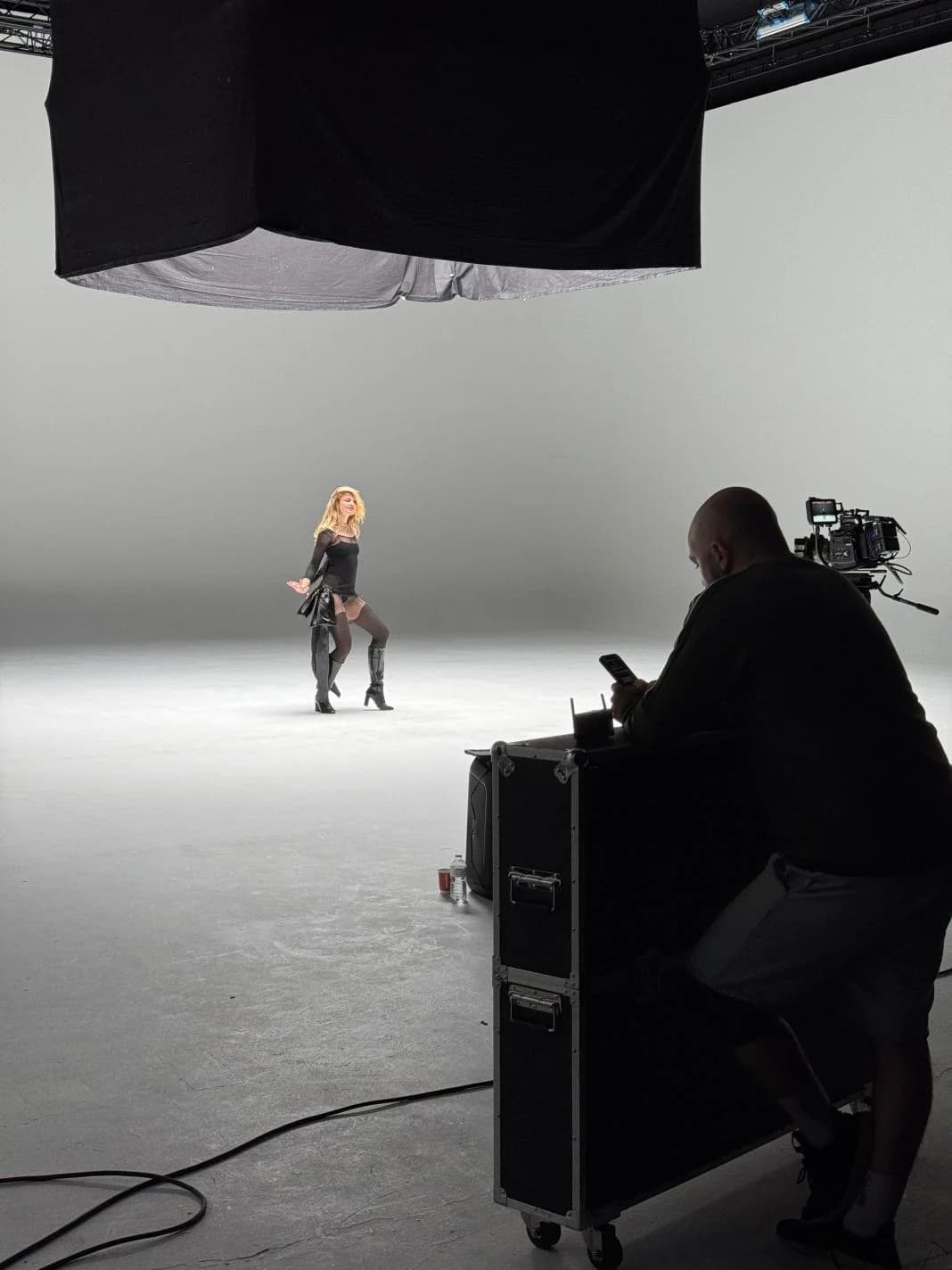
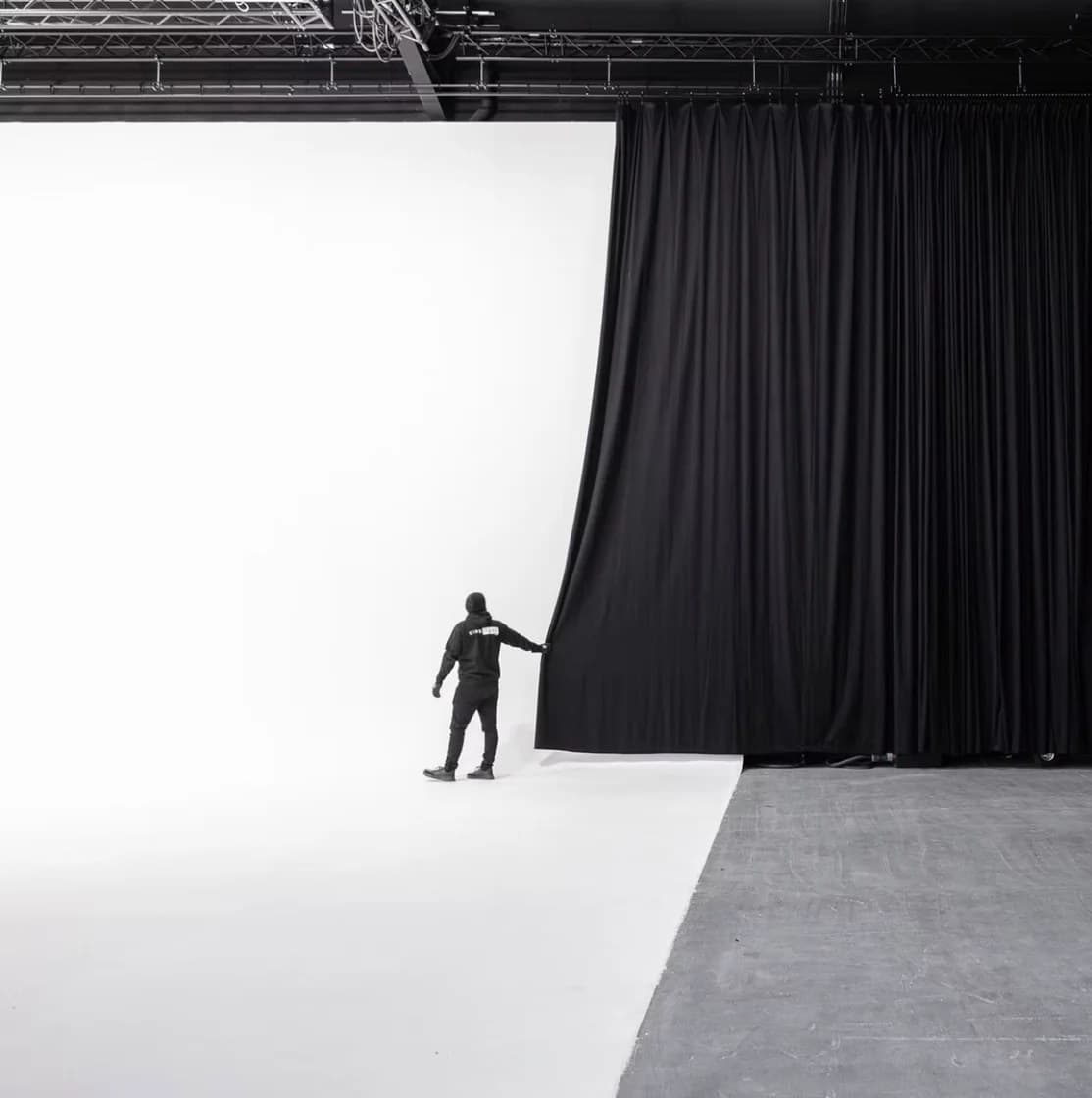
In film, television, and advertising, backgrounds matter. Whether you want to add them later or capture them live, green screen and LED technology both offer useful options, both of which you can run on the 360° blackout stage in Studio 2. Each tool helps tell a story in a different way, and understanding how they work is useful for directors, producers, and camera crews.
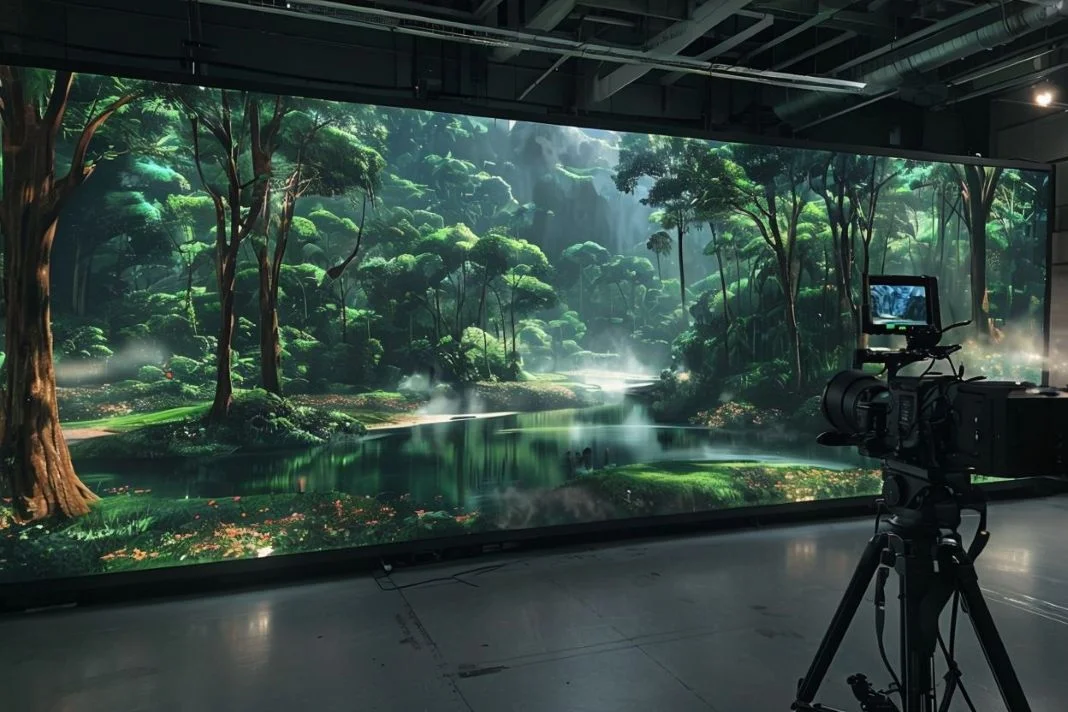
What is a green screen and how does it work?
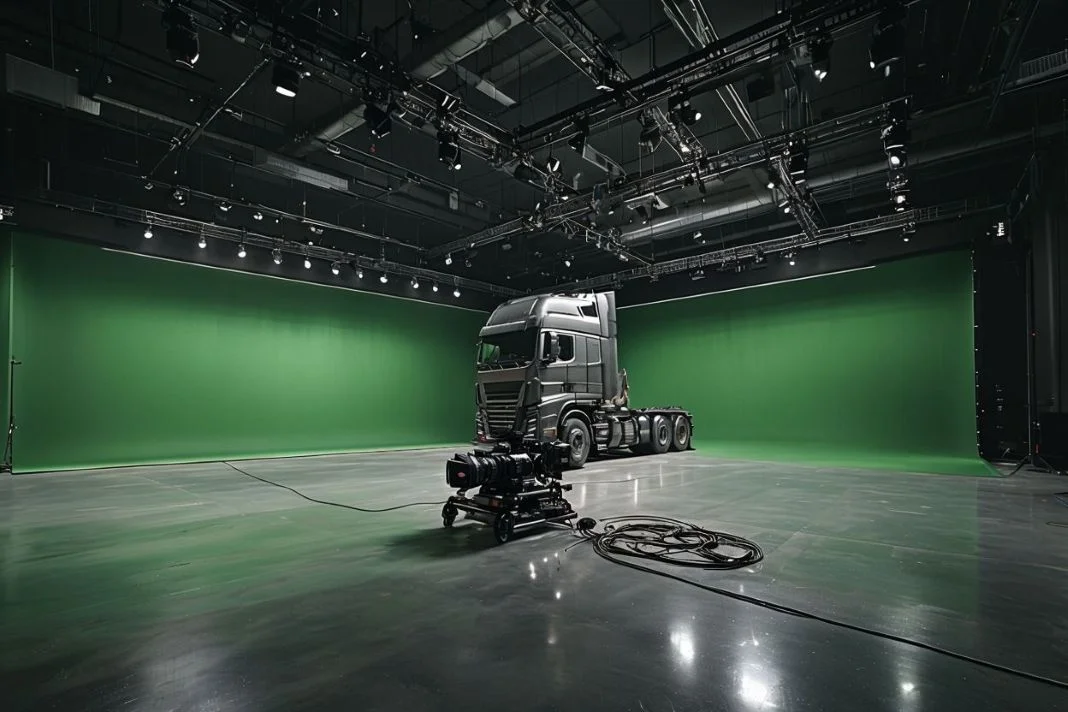
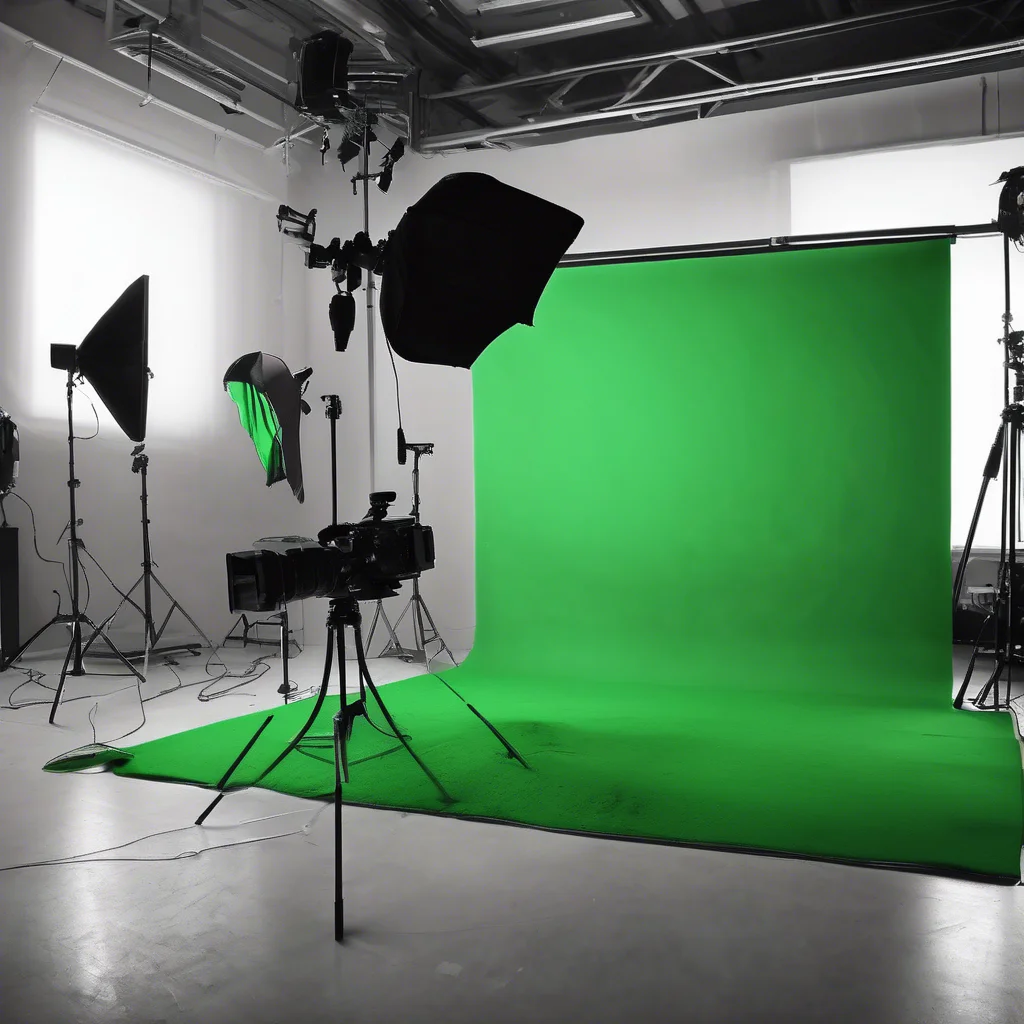
A green screen is a single colour backdrop, usually bright green or blue, used to remove and replace the background during post production. This method relies on chroma key compositing to insert new visual elements. It is commonly used in visual effects workflows.
Why green screens are useful
- Low setup cost
- Useful for smaller studios
- Flexible post production changes
- Great for CGI-heavy scenes
You can film in front of a green screen, then add anything from landscapes to animation. For example, at Mammoth Film Studios, the large infinity space supports green screen production with smooth lighting control and camera access.
When to use a green screen
- Educational videos
- Advertising campaigns that need several versions
- Interviews that need clean or branded backgrounds
- Projects needing complex effects or animation
What is an LED wall and what does it do?
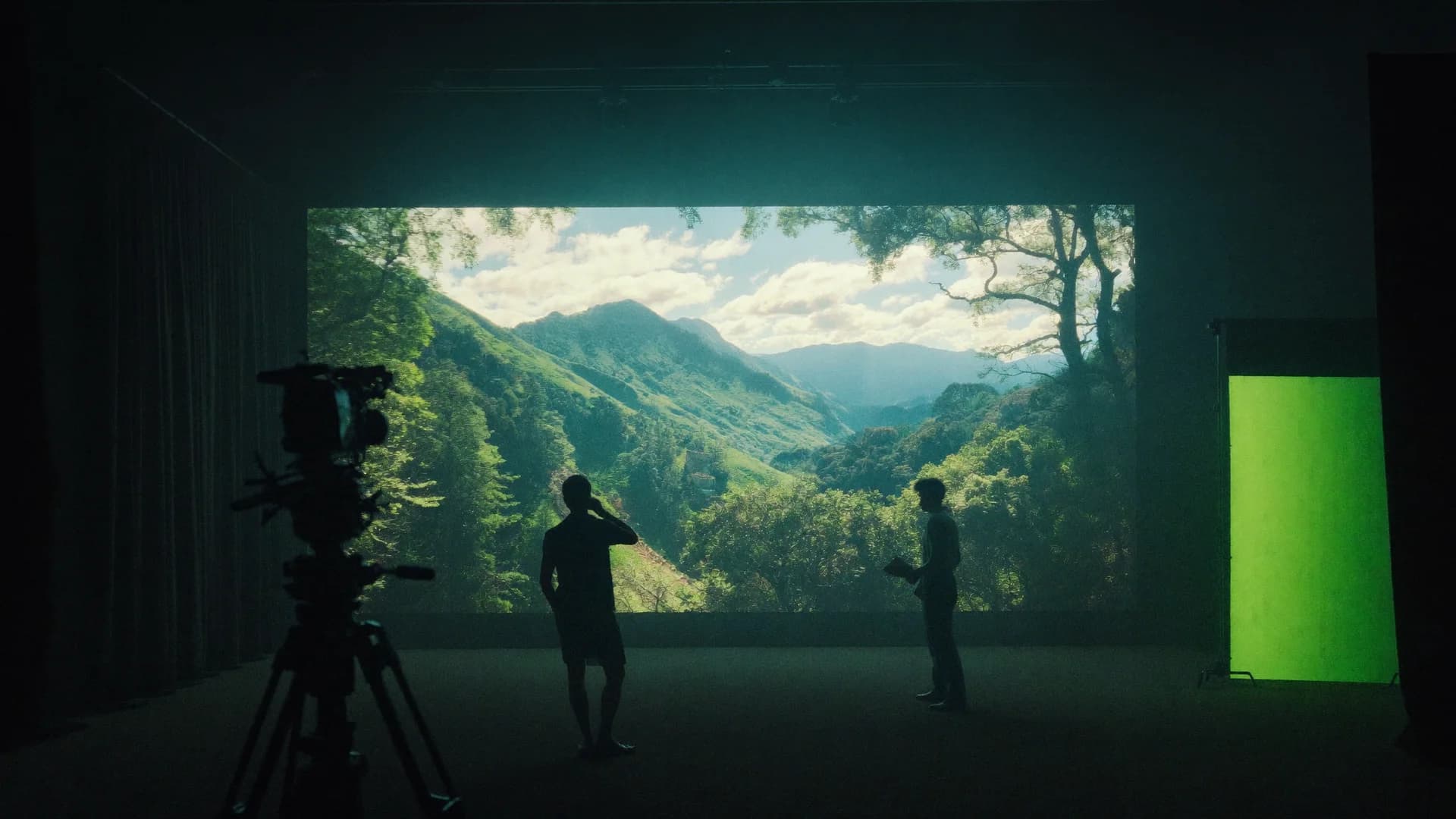
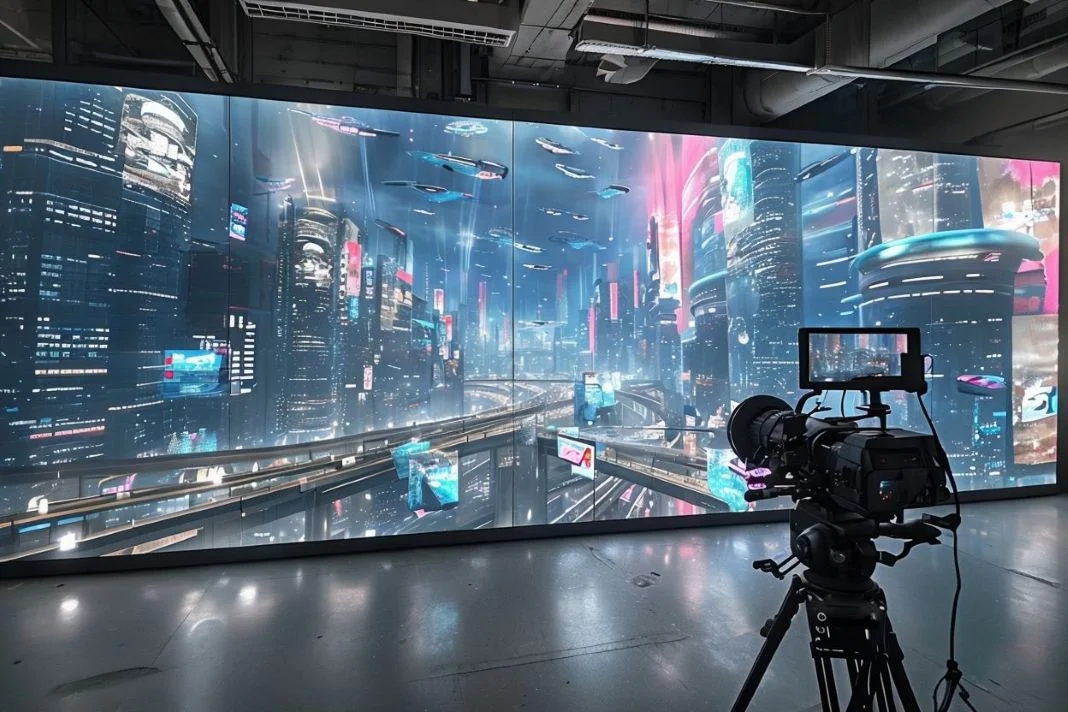
An LED wall is a large display made of light emitting diode panels that show video content during filming. These walls can display a 3D environment that moves in sync with the camera, known as in camera visual effects.
Why LED walls are used in virtual production
- Instant background playback
- Accurate lighting from the screen itself
- Helps actors perform with live scenery
- Less work needed in post production
At Mammoth London, Studio 2 is a dedicated virtual production stage with a modular LED volume, and the technical setup also allows production teams to bring their own LED workflows into a large stage environment that supports heavy power use and professional rigging.
When LED walls work best
- Branded content that needs a fast turnaround
- Live event filming
- Scenes with interactive lighting needs
- Productions where time on set is limited
Green screen versus LED wall: which is more efficient?
Which workflow saves more time?
Green screen workflows delay creative decisions until editing. This gives flexibility but increases post production work. LED wall workflows shift more work into pre production, making shoot days more efficient and faster.
What about lighting?
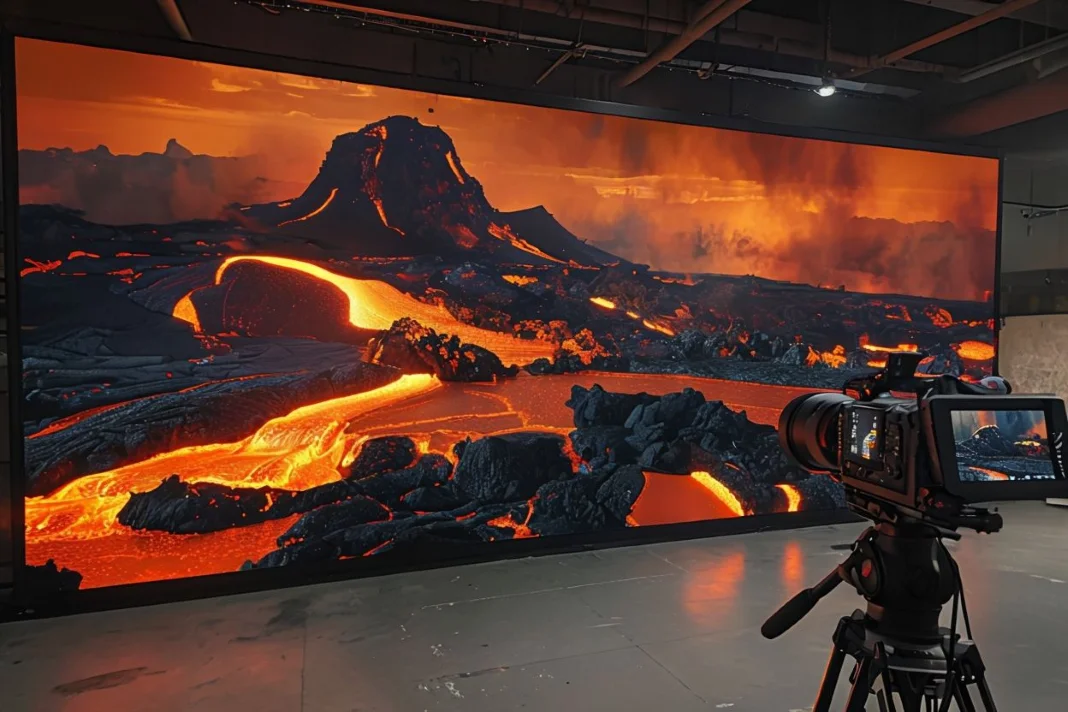
Green screens need separate lighting to avoid colour spill. LED walls act as their own light source, creating realistic reflections on people and props.
What does the camera team see?
With green screens, directors must imagine the final shot. LED walls show the actual background on set, giving everyone a better view of what is being filmed.
What do you need to set up?
Green screen setups are basic. They only need a flat space and consistent lighting. LED walls need camera tracking, pixel mapping, and high frame rate synchronisation to avoid flicker or distortion.
Can you use an LED wall as a green screen?
Yes, you can show a solid green or blue on an LED wall and use it as a chroma key screen. This method offers some benefits such as better reflections and more even lighting. However, it can cause issues like moiré patterns or colour shifts if the screen is not properly managed.
Which one should you choose for your next production?
Think about your project
If you want to change scenes in post, choose a green screen. If you want to see the final image while filming, choose an LED wall. For large scenes or interactive lighting, LED technology can save time. For flexible planning and budget control, green screens are often better.
Studio fit
Make sure your studio can support the technology. At Mammoth London, Studio 2 is a purpose-built blackout and virtual production stage with its own LED volume, and we provide high amperage power supply, fibre internet, rigging points, and production support so you can bring your green screen or LED setup and shoot without limits.
Why not use both?
In many cases, using green screens and LED walls together gives the best results. For example, a main scene can be shot with an LED background, while close ups or insert shots can be filmed later using a green screen. This kind of hybrid setup is becoming more common in commercial film and music video production.
Using both methods allows directors to keep control over certain shots, while still taking advantage of live environments during production. It is all about picking the right tool for the job.