Why do central London film studios reduce production risk?
Central London film studios reduce production risk when the location has controlled access, loading, parking, stage conditions and technical infrastructure. The real value lies in turning changing variables into known conditions, so your schedule, crew movement, client review and technical setup are less exposed to outside disruption.
Table of Contents
Production risk is the practical risk that something slows, blocks or complicates the day. For a producer or production manager, that means anything that affects time, access, continuity, approvals or the ability to recover when plans change.
The main categories are clear enough:
- Schedule risk. A delayed load-in, late approval or slow reset can push the whole call sheet.
- Access risk. Crew, kit, vehicles and suppliers need routes that work under real shoot pressure.
- Permissions risk. Public location filming can depend on agreed terms, public interface and external approvals.
- Technical readiness. Lighting, rigging, electrical supply, playback and data routes need to be known before the shoot day.
- Client workflow. Agency and brand teams need somewhere to review, decide and keep the job moving.
- Contingency. A controllable site gives the production team more room to adapt without rebuilding the day.
That is the useful comparison in studio versus location filming. One side leaves more variables exposed. A professional film studio brings more of them inside a managed environment. Location only earns its value when the logistics work.
Central London is only useful when access is controlled
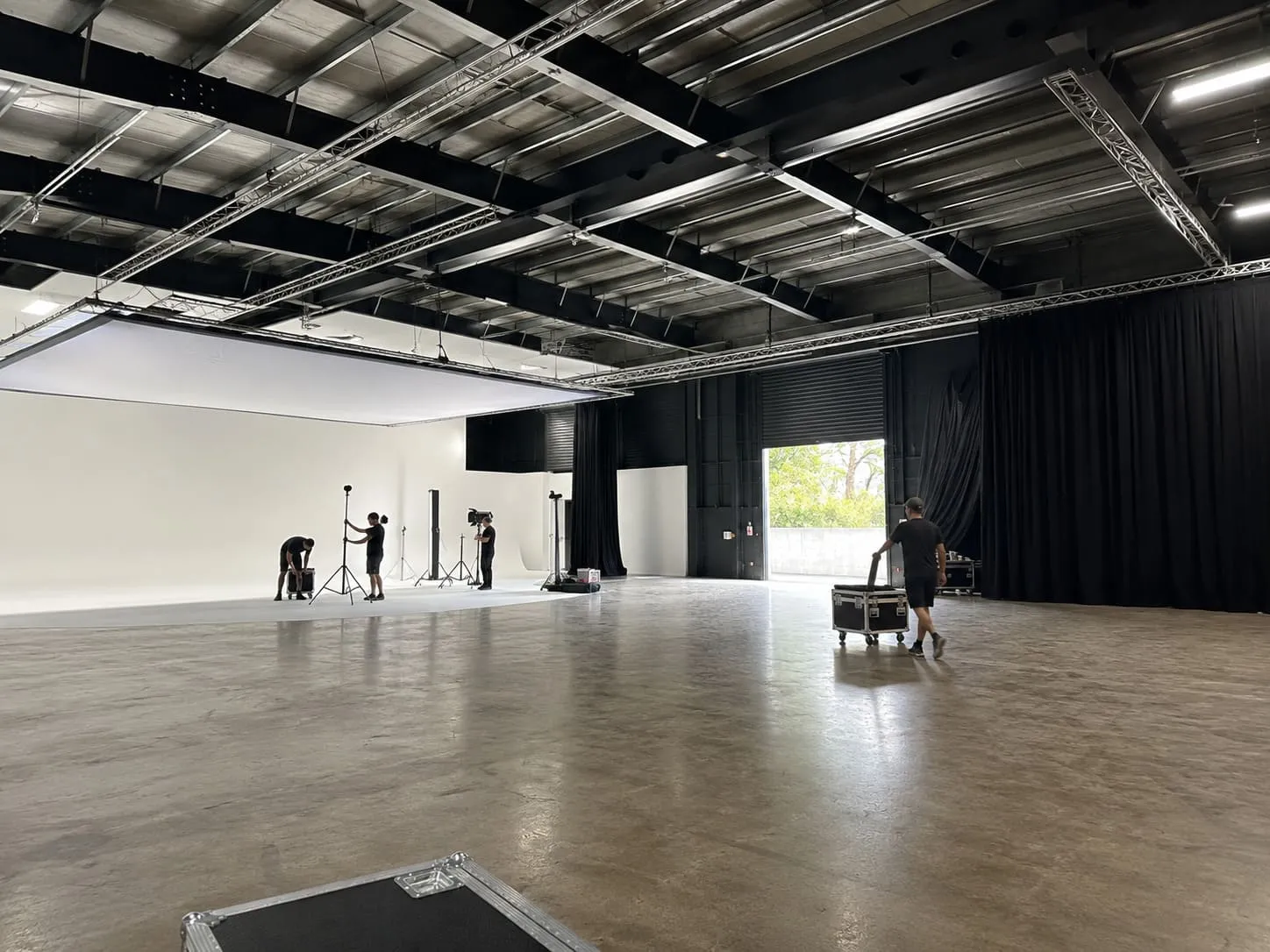
Central location is not enough. A London studio hire option only reduces risk if the site lets people and kit arrive, load, park and work without turning movement into a separate production problem.
Proximity sounds persuasive in a deck, but it has to survive the van test. If the crew can reach the area by Overground or Jubilee line connections, that helps agency attendance and crew calls. If unit vehicles then have no workable loading route or parking allocation, the location benefit starts to fall apart.
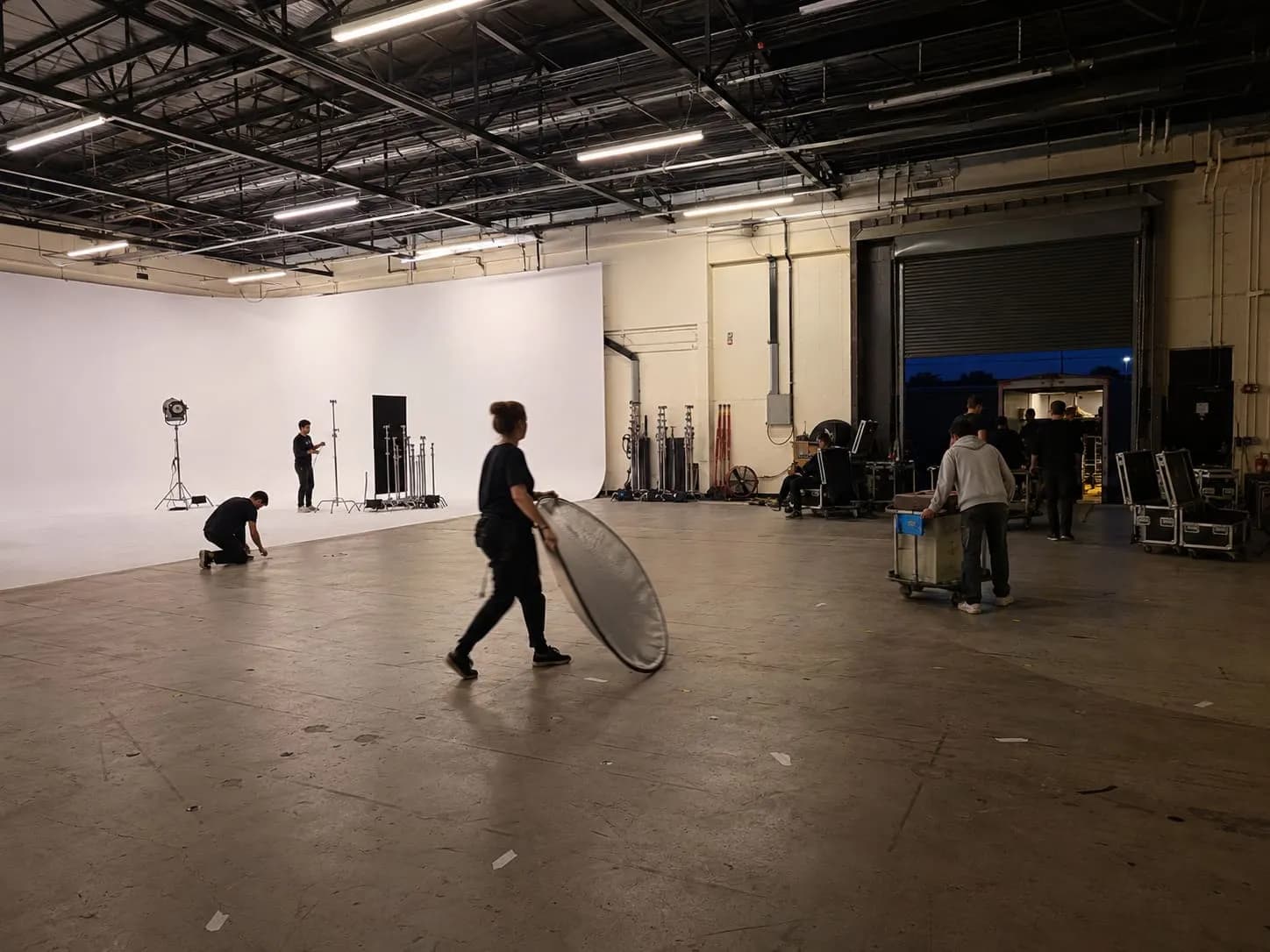
London Zone 2 can be a strong operational compromise because it keeps the production close to city-based crews, suppliers and clients while still allowing a more controlled studio footprint. Drive-in access matters for set pieces, props, vehicles and heavy technical kit because it removes handballing, street dependency and avoidable delay at the start of the day.
Parking deserves more attention than it gets. Film London’s Code of Practice says detailed parking plans for location filming should be discussed and agreed, especially for on-street parking for technical vehicles. A studio with on-site parking changes that exposure because part of the vehicle plan sits within the production site, not on a public street arrangement that can move under pressure.
Strong central London studio access is therefore a practical test. Can the crew get there, can the kit get in, can vehicles be placed sensibly, and can production teams work without turning the surrounding streets into the weak point?
Location filming carries moving permissions risk
A location day can be affected by parking terms, public access, timing conditions and approval requirements before cameras roll. None of those factors makes location filming the wrong choice, but each one adds another dependency that the production manager has to hold.
Public spaces and third-party sites bring external interests into the schedule. Borough Film Services, site owners, residents, transport bodies or other parties may be relevant depending on the location and the nature of the work. Film London is clear that productions need Public Liability Insurance to receive permission to film or carry out commercial photography, and its Code of Practice places overall health and safety management responsibility with the producer.
The production consequence is simple. Permissions are not admin that sits outside the shoot. They shape timing, vehicle plans, public interface and contingency. If a condition changes late, the call sheet absorbs the problem.
A controlled studio does not remove the need for insurance, risk assessment or proper production management. It does reduce exposure to some changing external conditions because access, working areas and many site rules are already within a managed production setting.
Controlled stages make schedule risk visible
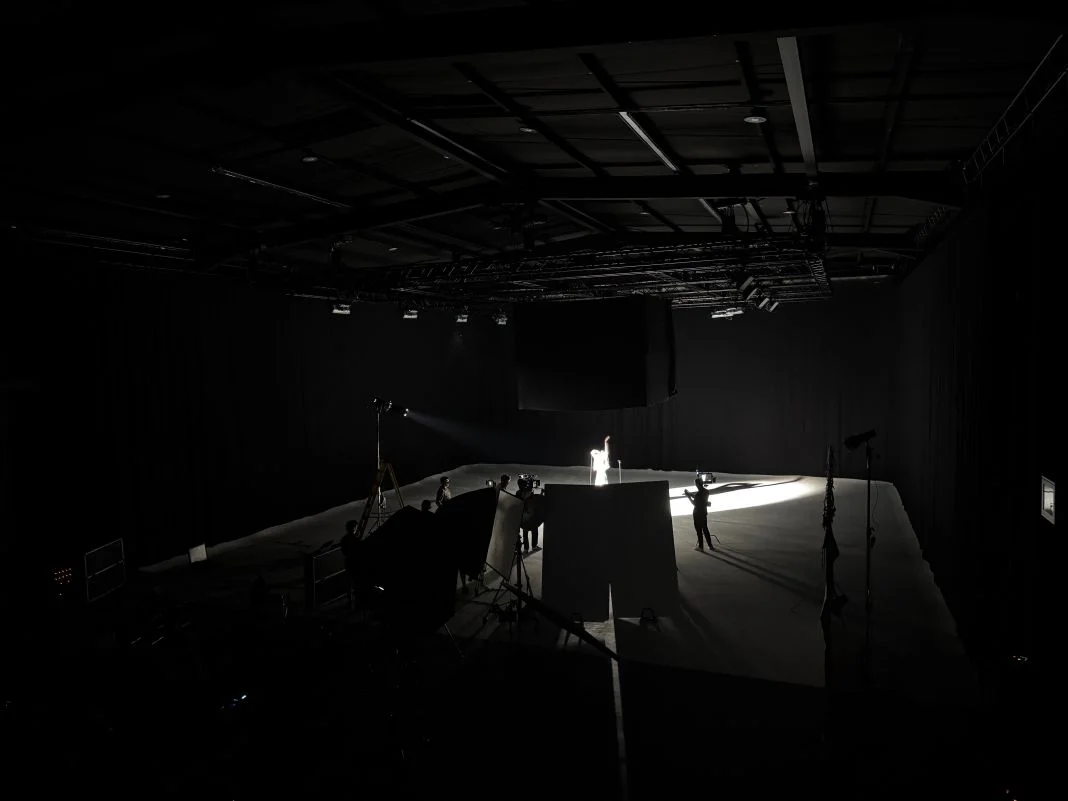
Studio pages often list cove size, blackout, rigging height, electrical supply and production rooms as features. Producers should read those details as risk signals. The point is not the feature itself, but what it allows you to fix before the shoot day.
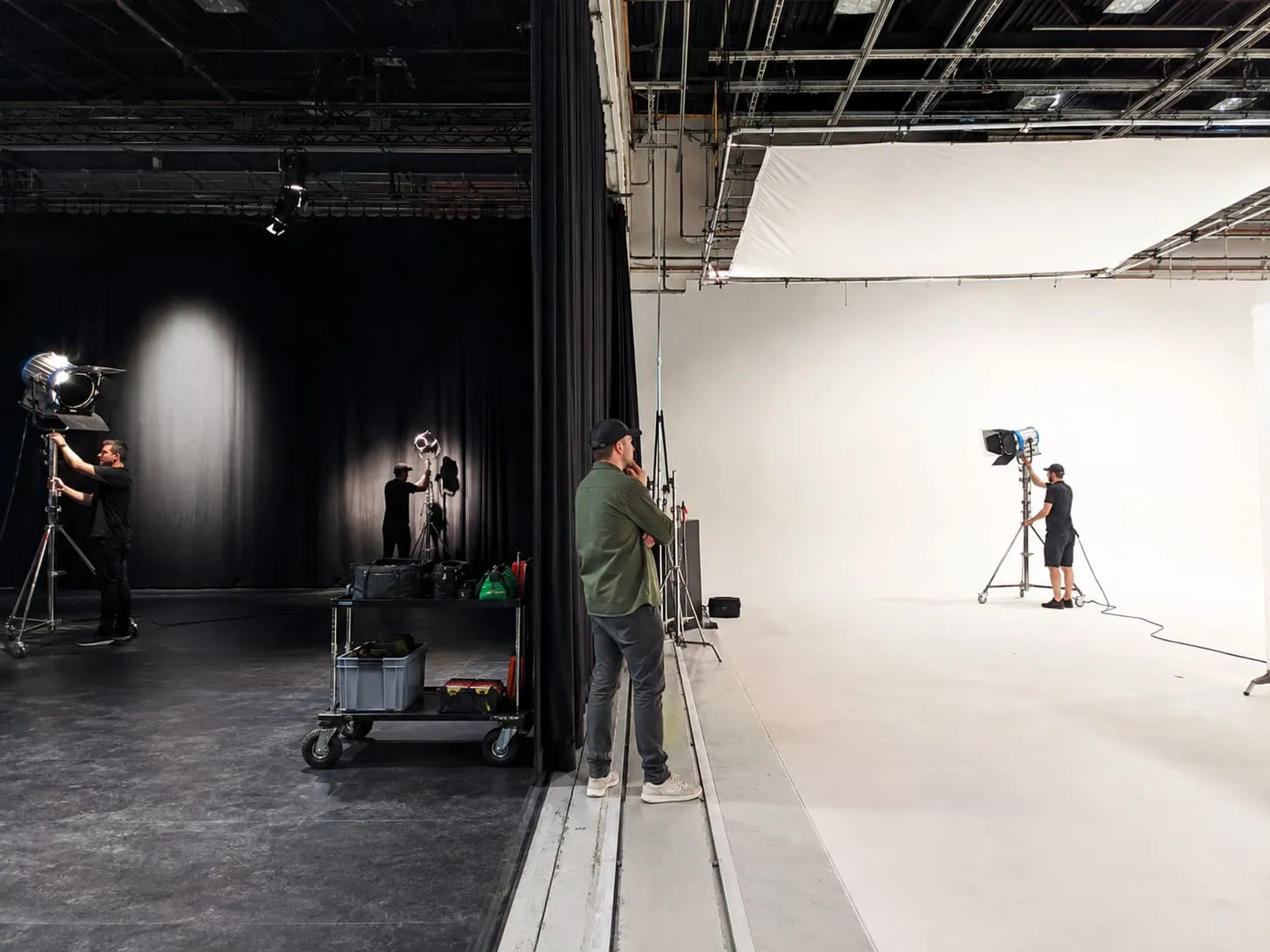
A blackout stage reduces exposure to daylight changes. A white cove can cut reset time for clean commercial setups. Known rigging height and three-phase electrical supply help the production team assess whether a build, lighting plan or suspended element belongs on that stage in the first place. Separate styling, client and production areas then keep the shoot floor from carrying every conversation and every decision.
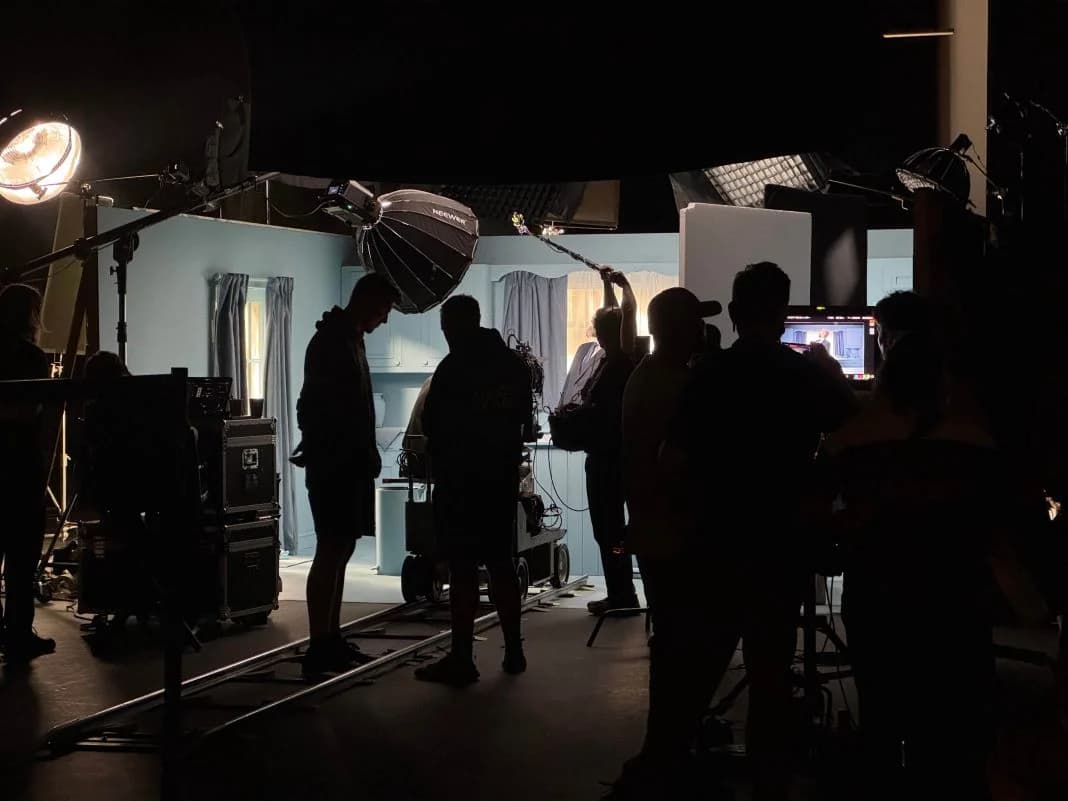
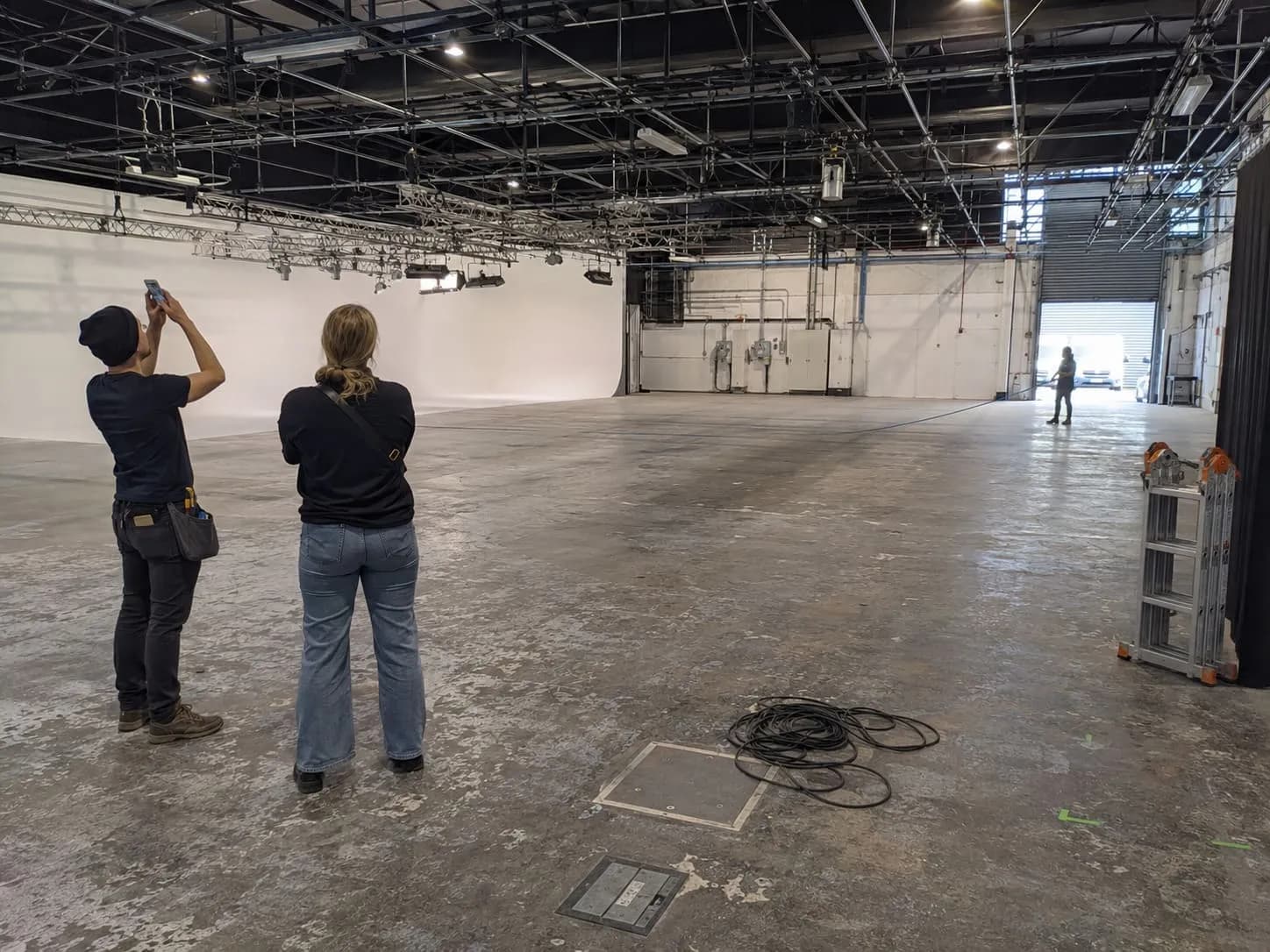
Mammoth Film Studios is a useful example because its two stages answer different production problems. Studio 1 is an 8,000 sq ft Infinity Cove / Blackout space with a 60 x 60 ft white cove, blackout drapes, 24 ft / 7.3 m grid height, three motorised trusses, 200 amp three-phase electrical supply, drive-in access and 20 parking spaces. Studio 2 is a 5,000 sq ft Blackout / Virtual Production space with 360 degree blackout capability, an 8 m x 4 m in-house light-emitting diode volume, 24 ft / 7.3 m rigging height, 63 amp three-phase electrical supply, drive-in access and 10 parking spaces.
Stage choice should follow the risk
A large-format stills job, a vehicle commercial and a controlled blackout shoot do not carry the same operational risks. The right stage is the one that matches the set build, lighting control, client review pattern and reset plan, rather than the one with the most impressive specification line.
Studio 1 type environments suit productions that need scale, clean cove work or traditional blackout control. A stage with dedicated client and production areas also reduces drag when approvals need to happen away from the shoot floor. That separation matters on agency-led work because decisions have somewhere to go.
Virtual production is a control tool
Virtual production should be judged as a practical workflow option. A light-emitting diode volume can reduce reliance on travel, weather, location resets and some physical builds when the brief suits that method.
The sensible producer treats it as another controlled route, not a universal answer. On the right job, LED-based work can bring background, interactive light and repeatable conditions into the stage environment. On the wrong job, a conventional location or physical set still wins. The risk decision comes from matching the method to the production, not from chasing a label.
Hybrid infrastructure will carry more of the risk load
Over the next 12 to 24 months, production risk will sit increasingly in the space between the stage, the production office and remote decision-makers. Playback, streaming, file movement and live review now affect whether approvals happen fast enough to protect the schedule.
Connectivity cannot be treated as a comfort feature. A client monitor feed that cannot reach the right room, a slow file handover or an unstable review route can hold up decisions as surely as a late vehicle. The practical question is whether the studio’s infrastructure supports the way the production will actually be approved.
Mammoth Film Studios lists 12 gigabit Serial Digital Interface video routing, commonly called 12G SDI, from stages to production spaces, alongside up to 4 gigabits per second symmetrical hard-wired internet for file sharing or streaming. That type of routing matters because it connects the shoot floor to the people making decisions, rather than leaving review to improvised workarounds.
Hybrid production will not reward vague claims about being well equipped. The studios that reduce uncertainty will be the ones where access, stage control, playback, networking and technical support are planned as part of the same production system.
Common questions about central London film studios
Does a film studio need drive-in access?
Drive-in access is not required for every shoot, but it lowers risk when you have heavy kit, set pieces, props or vehicles. It reduces handling time and makes load-in less dependent on street conditions.
Is a London Zone 2 film studio better than a studio farther out?
A Zone 2 studio can be useful when crew, agency teams, suppliers and clients are moving across London. The benefit only holds if the site also has controlled loading, parking and proper production areas.
Does studio filming remove the need for a risk assessment?
Studio filming does not remove the need for a risk assessment or health and safety planning. It gives the production team a more controlled setting in which those responsibilities can be managed.
What makes blackout useful for commercial production?
Blackout lets the lighting team control conditions without relying on daylight or weather. That control is valuable when continuity, repeatable setups or long shoot days matter.
Why does technical routing matter in a film studio?
Technical routing matters because modern shoots rely on playback, client review, streaming and file movement. If those routes are planned into the building, approvals and monitoring are less likely to depend on improvised fixes.
This is general information, not professional advice.