How Does Technology Shape Virtual Production Success?
Technology lies at the heart of virtual production, dictating both the quality of results and the efficiency of workflows. However, the disparity between studio investments in advanced systems can lead to significant differences in output.
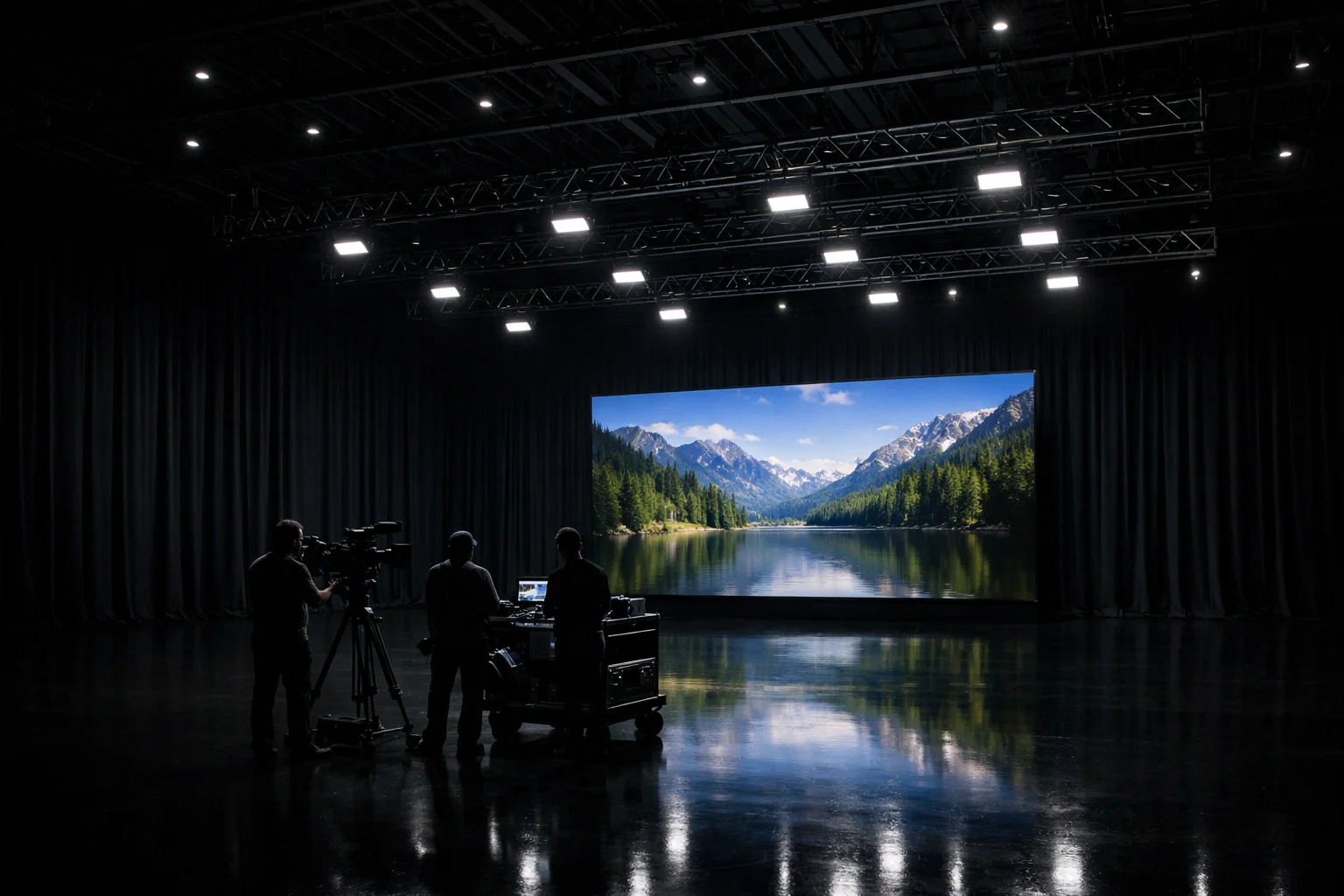
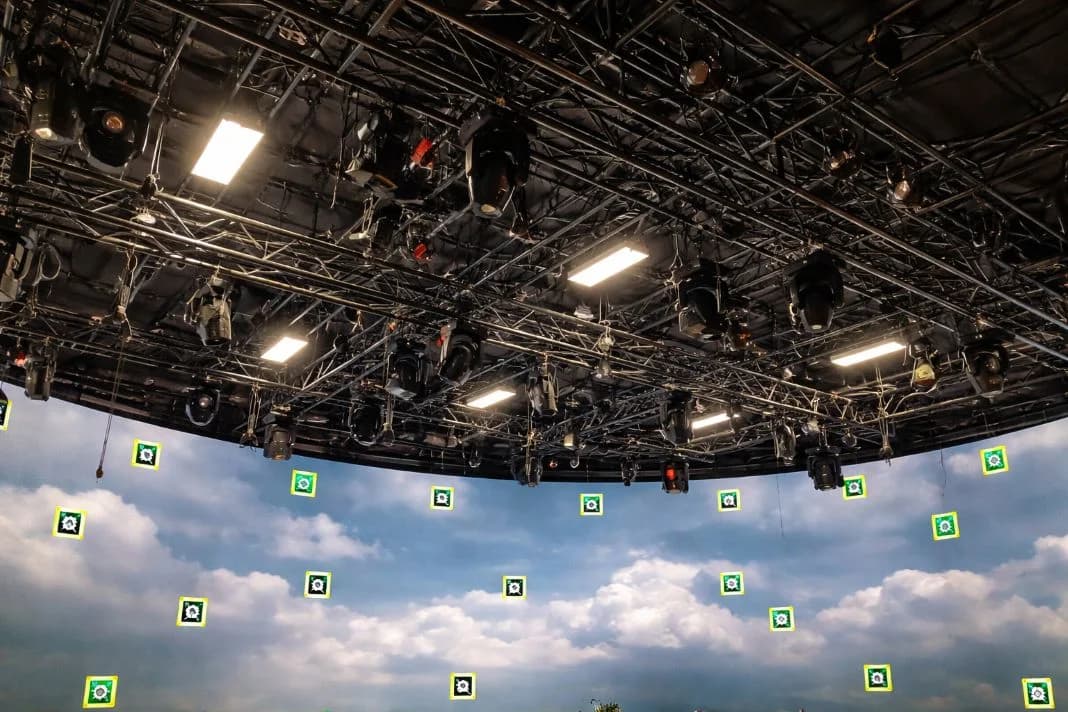
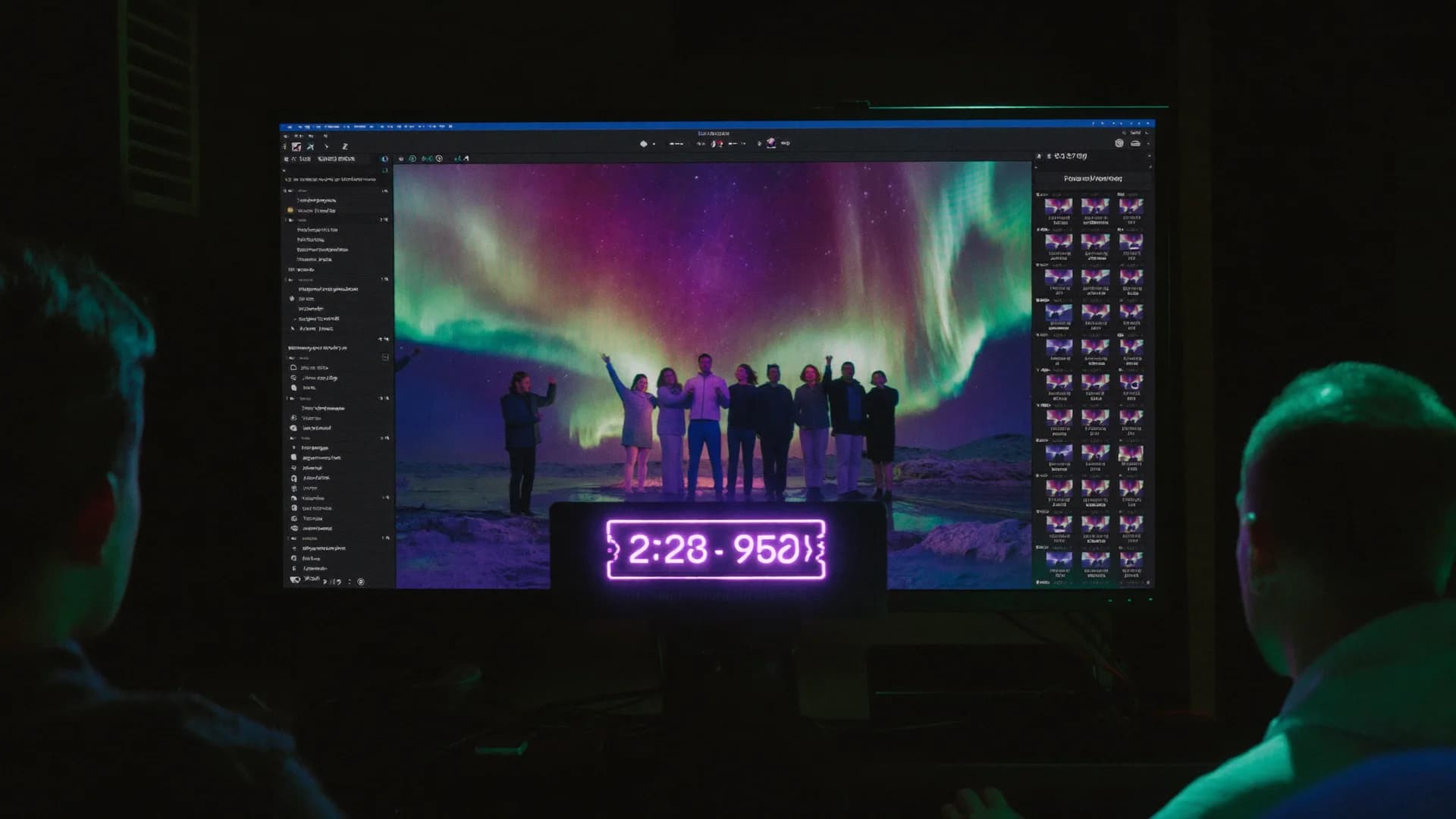
Studios equipped with high-quality LED volumes, particularly those featuring modular designs, allow productions to scale and adapt their setups more effectively. HDR lighting, which replicates natural illumination, plays a critical role in achieving realistic environments. Real-time rendering systems are equally important, ensuring that virtual backgrounds integrate smoothly with live-action footage. Rigging infrastructure and power capacity also influence the sophistication of setups. Without adequate support systems, intricate builds and lighting arrangements can delay or undermine production goals.
Key technological factors include:
- The resolution and scalability of LED volumes.
- Advanced HDR capabilities for consistent and lifelike lighting.
- Real-time rendering software for smoother, interactive visuals.
- Strong rigging systems and sufficient power allocation to handle equipment-intensive setups.
Technology alone, however, does not ensure success. It also requires a team with the skills to increase these capabilities, highlighting the importance of human expertise in virtual production.
Why Is Operational Expertise a Determining Factor?
Even with state-of-the-art equipment, experienced teams remain important to successful virtual production projects. The expertise to manage sophisticated systems and adapt to real-time challenges helps distinguish top studios from the rest.
Virtual production supervisors oversee the technical and creative alignment of a project, working closely with directors and producers to maintain consistency. Skilled technical crews are important for streamlining workflows, ensuring that systems, from LED volumes to playback servers, function smoothly throughout production. Pre-production planning and on-set troubleshooting also play important roles, preventing delays and resolving issues before they affect outcomes.
A highly trained team will typically demonstrate:
- Collaborative skills that ensure alignment across departments during shoots.
- Proficiencies in troubleshooting and adapting to unforeseen challenges.
- A strong emphasis on pre-planning to evaluate and address potential risks.
- The ability to improve available technology while maintaining creative intent.
The difference between studios lies in their proprietary systems but in their ability to deploy those systems effectively through well-trained teams.
What Impact Does Studio Design and Infrastructure Have?
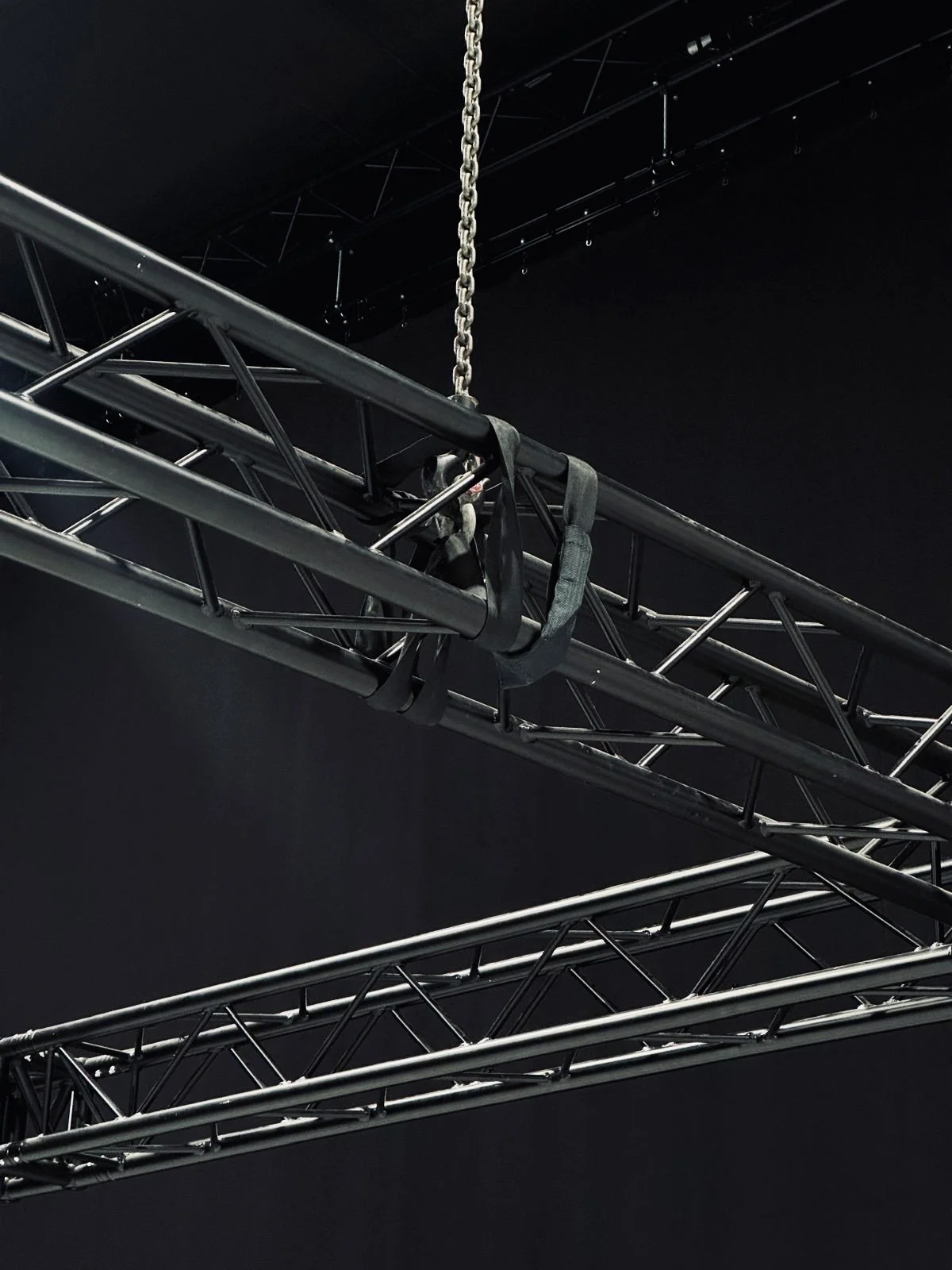
The physical and technical design of a studio can either help a smooth workflow or introduce unnecessary constraints. Studios that have been thoughtfully designed to accommodate diverse production requirements are better equipped to handle the demands of modern virtual production.
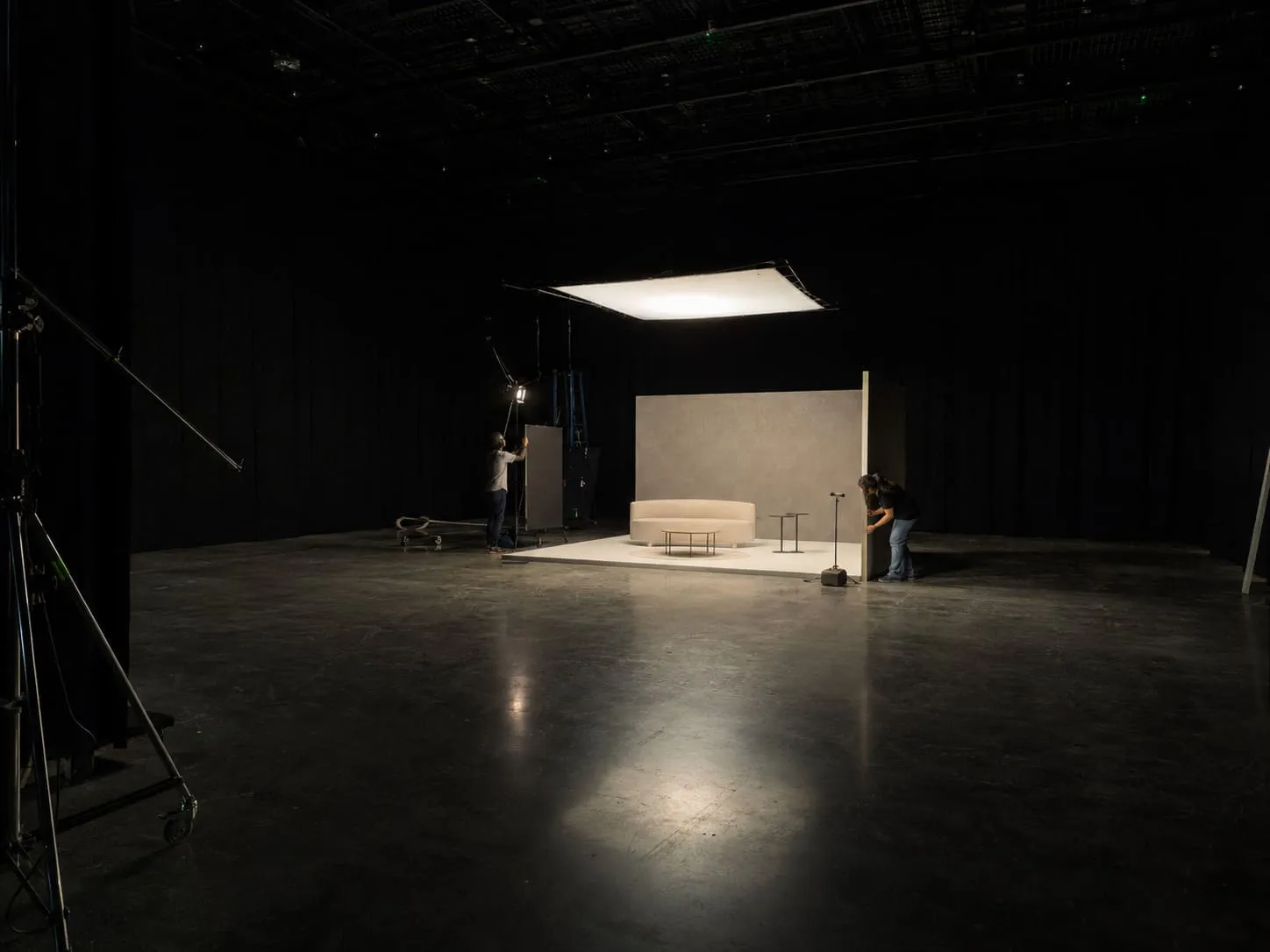
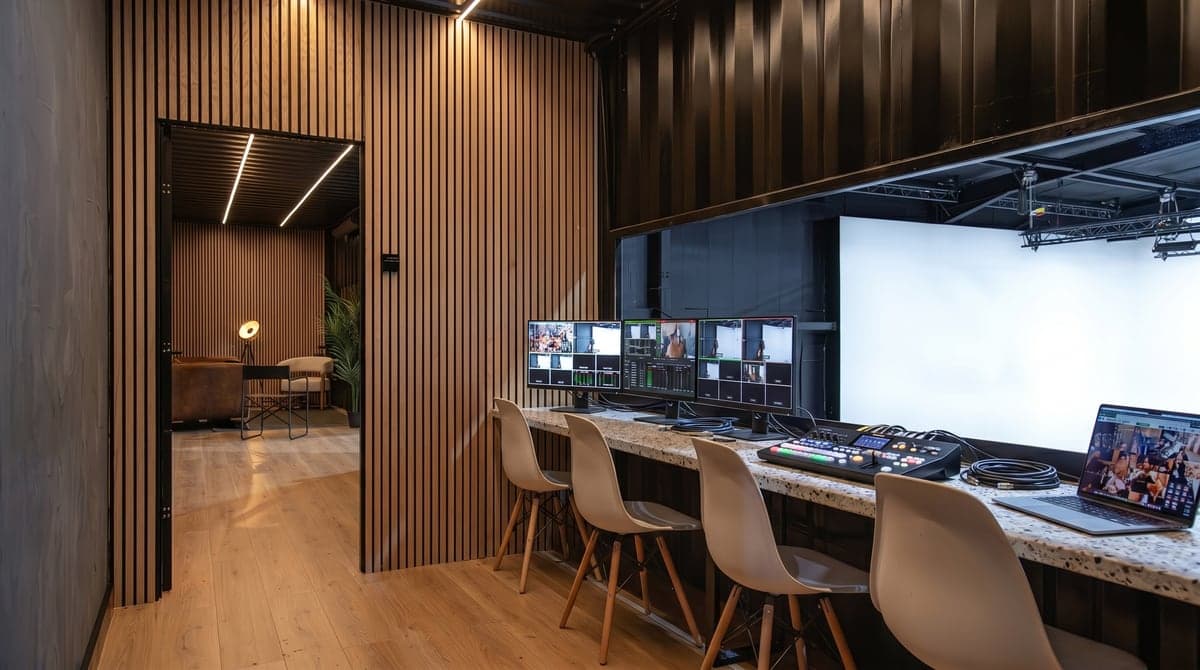
Controlled blackout environments ensure consistent lighting, which is important for matching virtual backgrounds with live-action components. Additional features like drive-in access and flexible rigging systems directly influence the efficiency of set changes and complex builds. Dedicated zones for clients, crew, and production teams create a less congested environment, allowing multiple activities to continue without disruption.
Prominent design elements include:
- Blackout environments for lighting precision.
- Drive-in access for simple equipment setup.
- Sufficient rigging height and load-bearing capacity to support intricate configurations.
- Purpose-built production spaces to house important personnel and functions.
Studios offering these features minimise operational friction, enabling teams to focus on the creative execution of their projects.
How Do Integrated Services and Partnerships Simplify Production?
Production efficiency is significantly improved when studios provide integrated services and work with trusted in-house teams or specialised partners. Studios that offer such setups reduce the risks of miscommunication, delays and technical inconsistencies.
In-house solutions, such as on-site rigging and lighting teams, help standardise processes and help quicker decision-making. Also, collaborations with virtual production specialists ensure that advanced technologies are implemented correctly. Operational structures play a critical role in coordinating these elements, providing clarity around roles and responsibilities while avoiding delays caused by third-party misalignments.
Key benefits of integrated services include:
- Streamlined workflows due to consistent equipment and staff.
- Improved coordination between operational teams and creative leads.
- Improved reliability when dealing with technically complex productions.
Studios offering smooth integration reduce logistical challenge for their clients, allowing them to focus on achieving their creative vision without unnecessary distractions.
Why Does Studio Location and Accessibility Matter?
The geographical location and logistical accessibility of a studio can have a direct impact on the success of a production. For teams based in or around major cities, studios offering convenient access simplify both planning and execution.
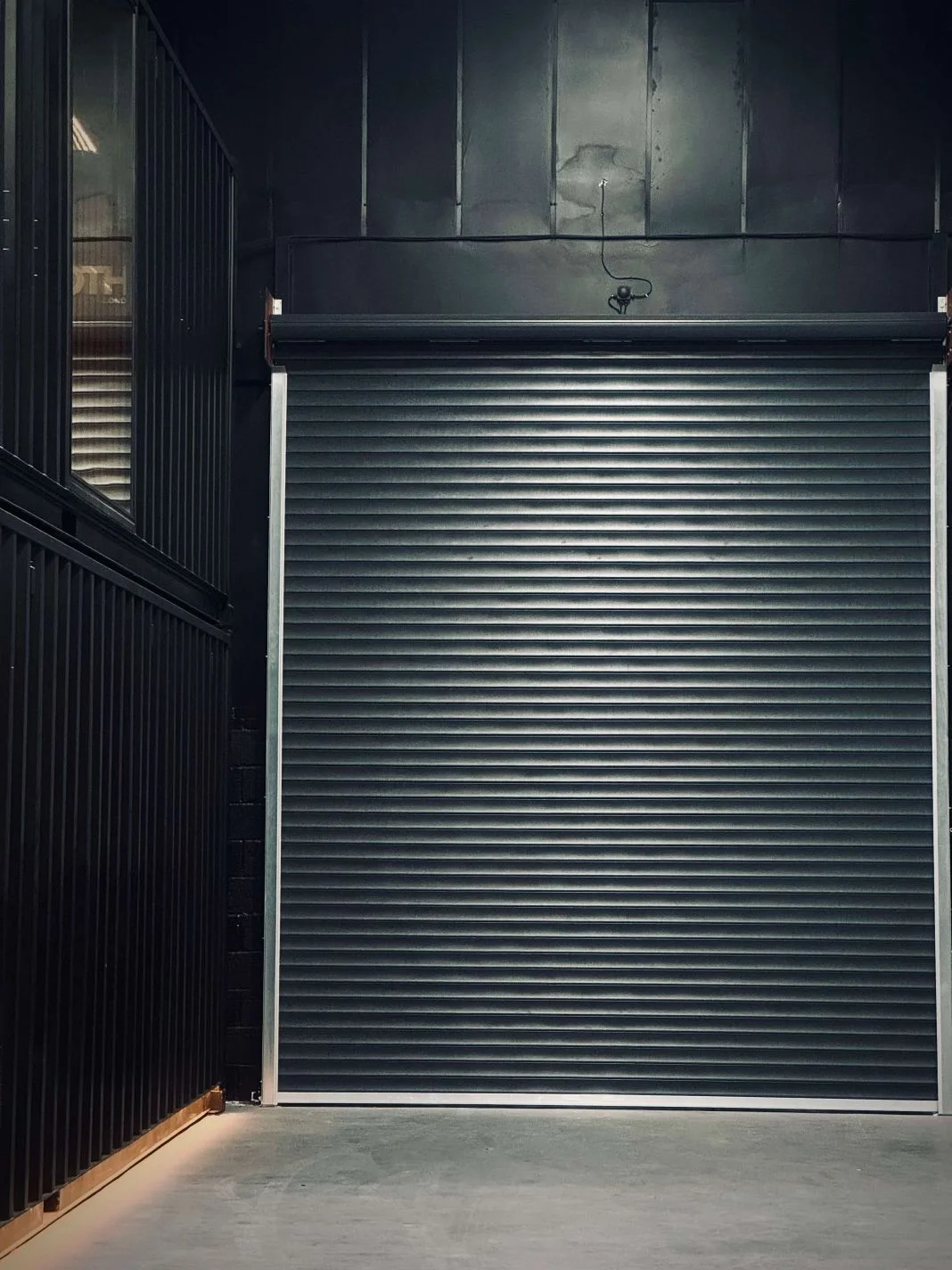
Proximity to strong transport links minimises travel delays for crew and equipment. Drive-in access to stages accommodates large vehicles, while on-site parking supports unit vehicles and additional crew members. Studios like Mammoth Film Studios (see how virtual production works at Mammoth) further benefit from flexible external spaces, which can be configured to meet specific production needs, though these are typically used ad hoc rather than serving as permanent sets.
Important logistical considerations include:
- Easy access to key transport hubs for both personnel and gear.
- Adequate parking to accommodate production vehicles.
- Facilities designed to minimise transport-related disruptions.
Studios located within practical reach of agencies, suppliers, and equipment houses ensure that productions can maintain a tight schedule without unnecessary downtime.
What Sets Top Virtual Production Studios Apart?
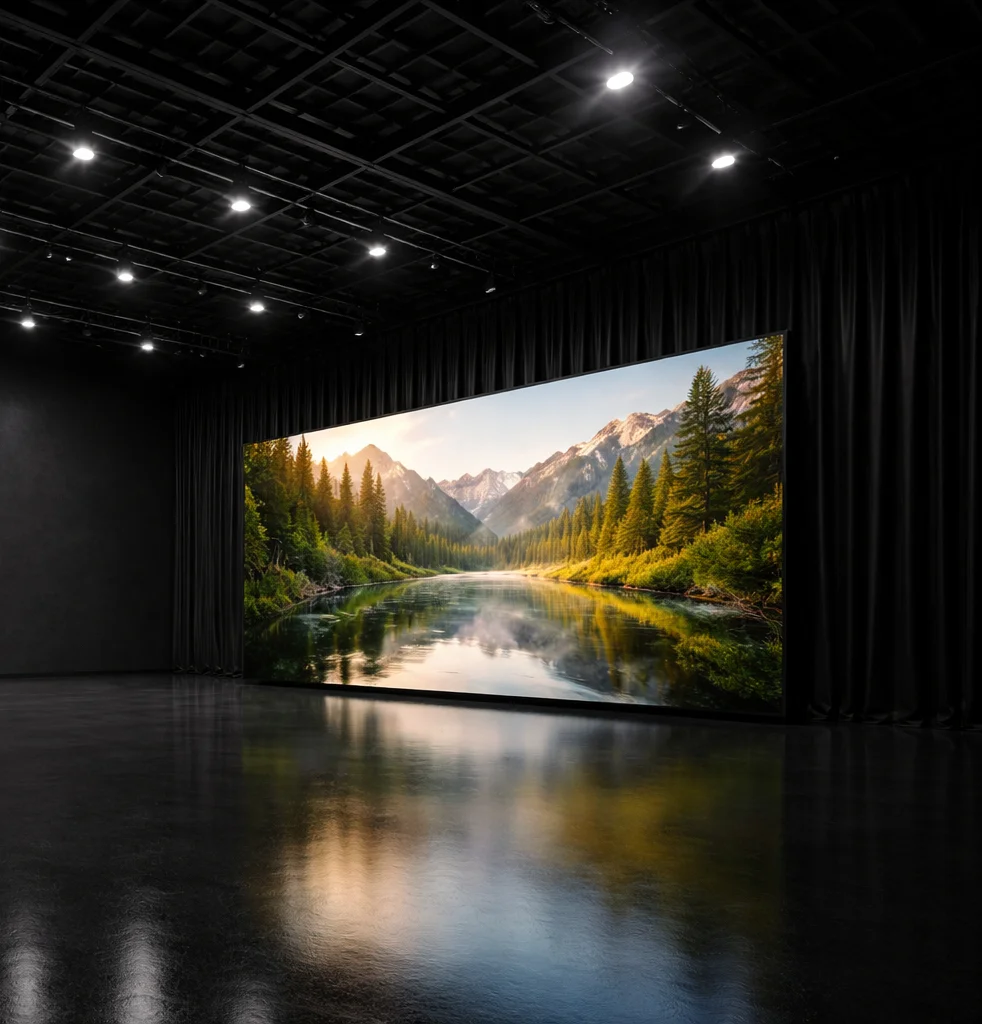
The studios that consistently deliver better virtual production results achieve their success by excelling across a combination of factors, including technology, expertise, design, and integration. These elements form a cohesive framework that supports both technical excellence and operational reliability.
When evaluating a virtual production studio, it is important to consider:
- The quality and scalability of available technology, including LED volumes and HDR lighting.
- Whether the studio offers trained operational teams with expertise in virtual production workflows.
- Infrastructure that accommodates diverse and complex production requirements.
- Integrated services and strong partnerships with specialist providers.
- A location that supports production efficiency through practical access and logistics.
Studios that bring these elements together provide a consistent and reliable production environment that enables teams to execute their creative visions effectively. By aligning studio capabilities with the demands of a project, producers and directors can achieve superior results while staying on schedule and within budget.