What is Virtual Production, and Why Does it Matter?
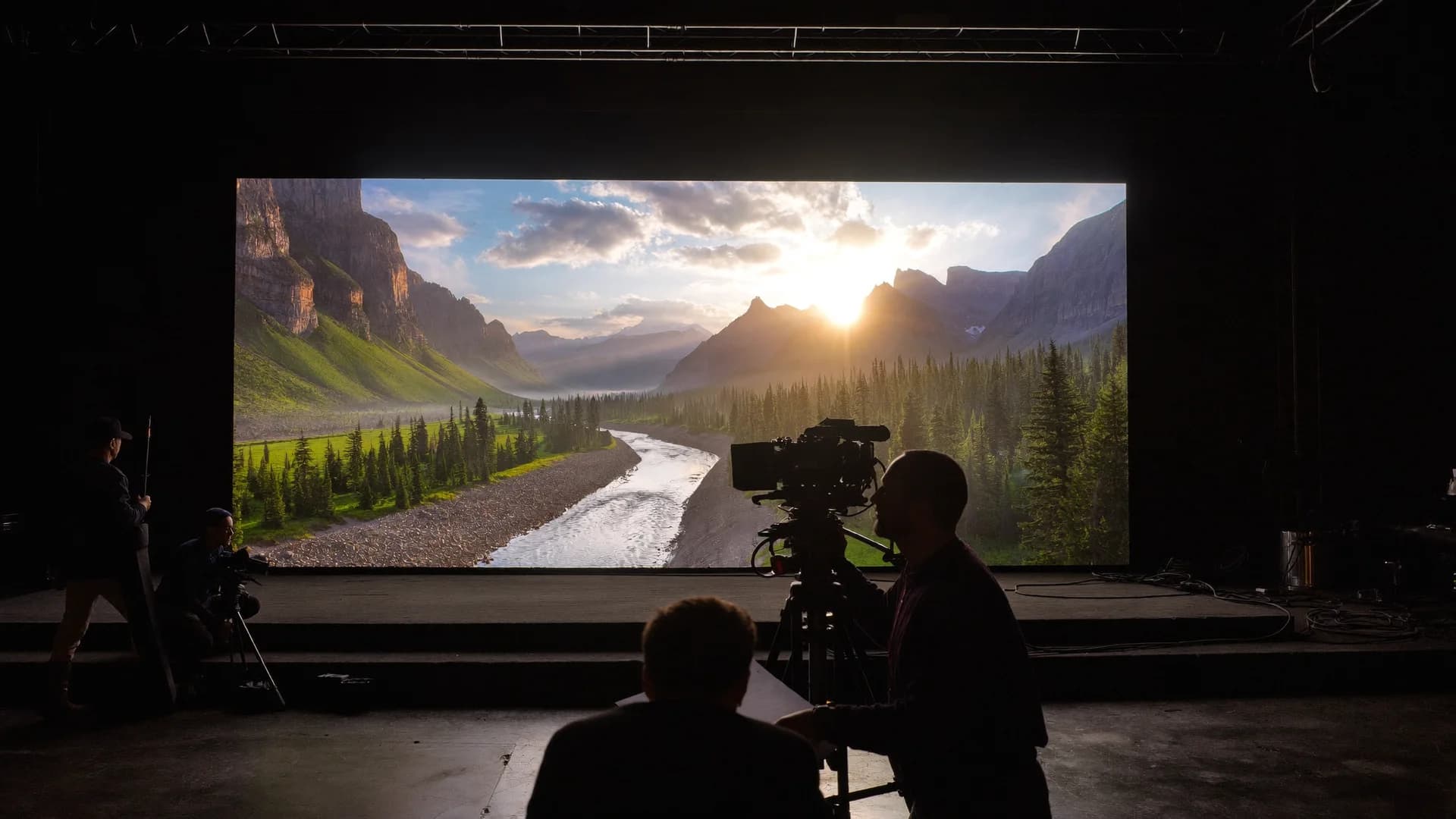
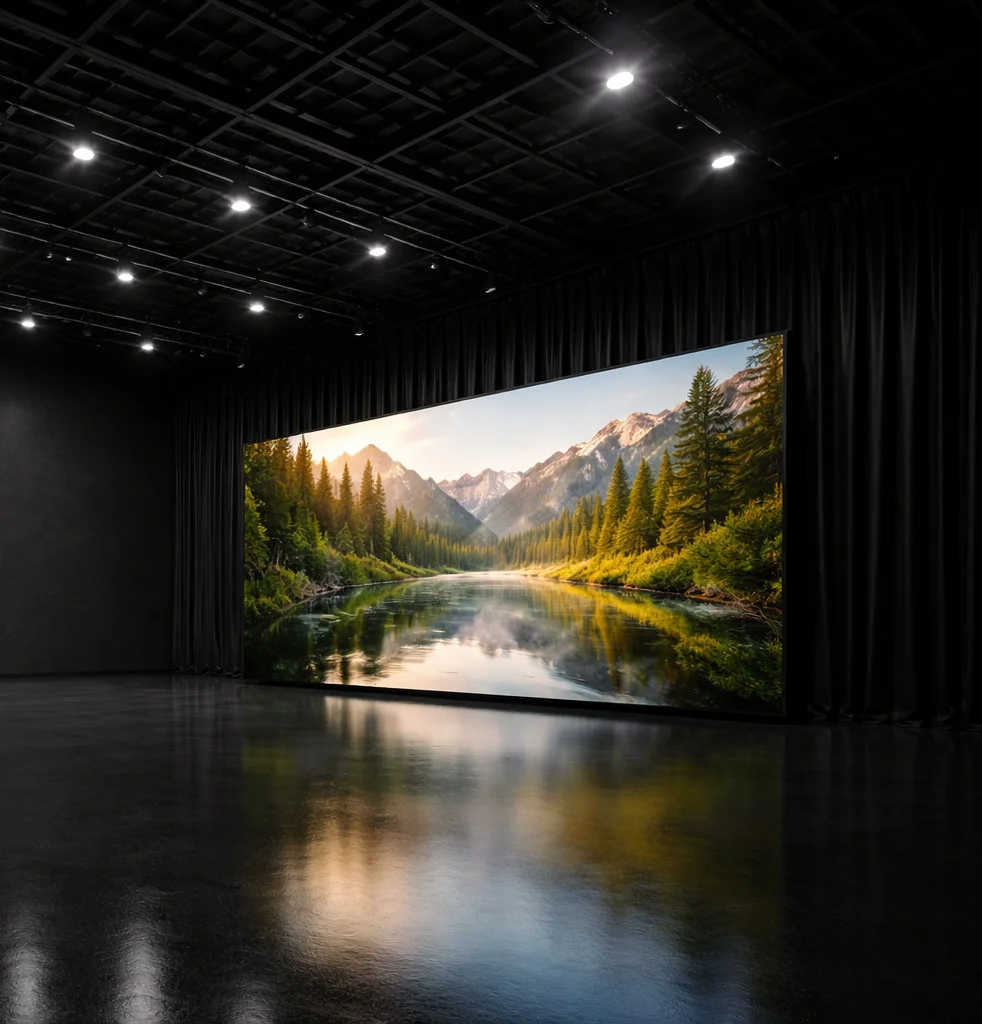
Virtual production is a filmmaking process that integrates real-time computer-generated imagery with live-action shooting using LED screens. At its core, it enables filmmakers to work within controlled environments, blending traditional production techniques with advanced digital tools. These setups often use LED volumes to replace physical sets, allowing immense flexibility in creative storytelling.
The method is increasingly valued for offering realistic lighting, interactive reflections, and rapid transitions between vastly different locations without the need for travel. Its key advantages include consistent conditions, reduced costs associated with physical builds, and the ability to adapt quickly to project changes. However, it is worth noting that virtual production complements rather than replaces traditional workflows, and its success requires careful planning and expertise.
What Technical Features Define a High-Quality Virtual Production Studio?
Assessing the technical infrastructure of a virtual production studio is important. Specific features determine whether a facility can support the challenges of modern production. These include:
- LED Volume Specifications: The size and resolution of the LED panels are important. Look for high-resolution panels with HDR capabilities to ensure realistic visuals.
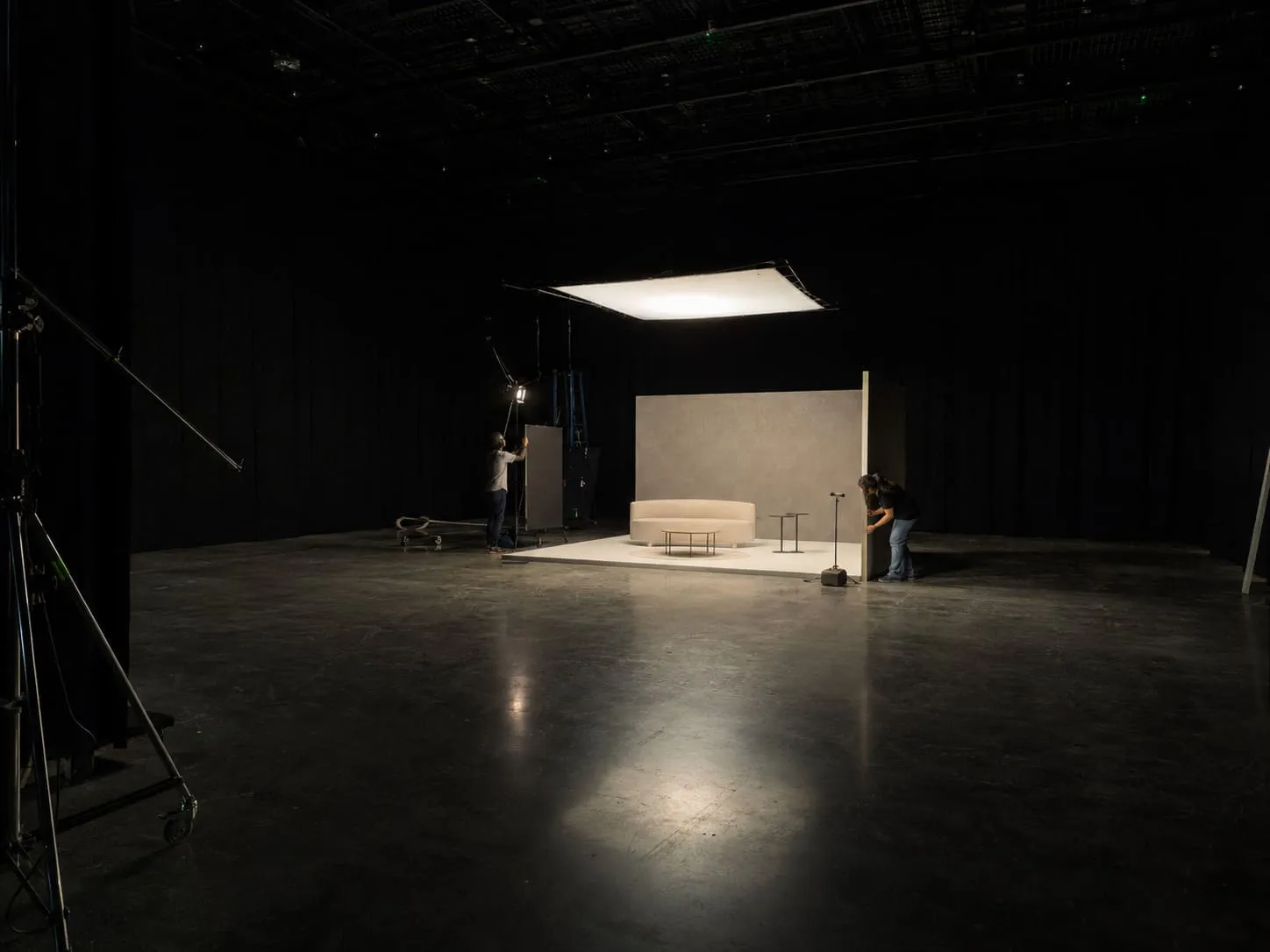
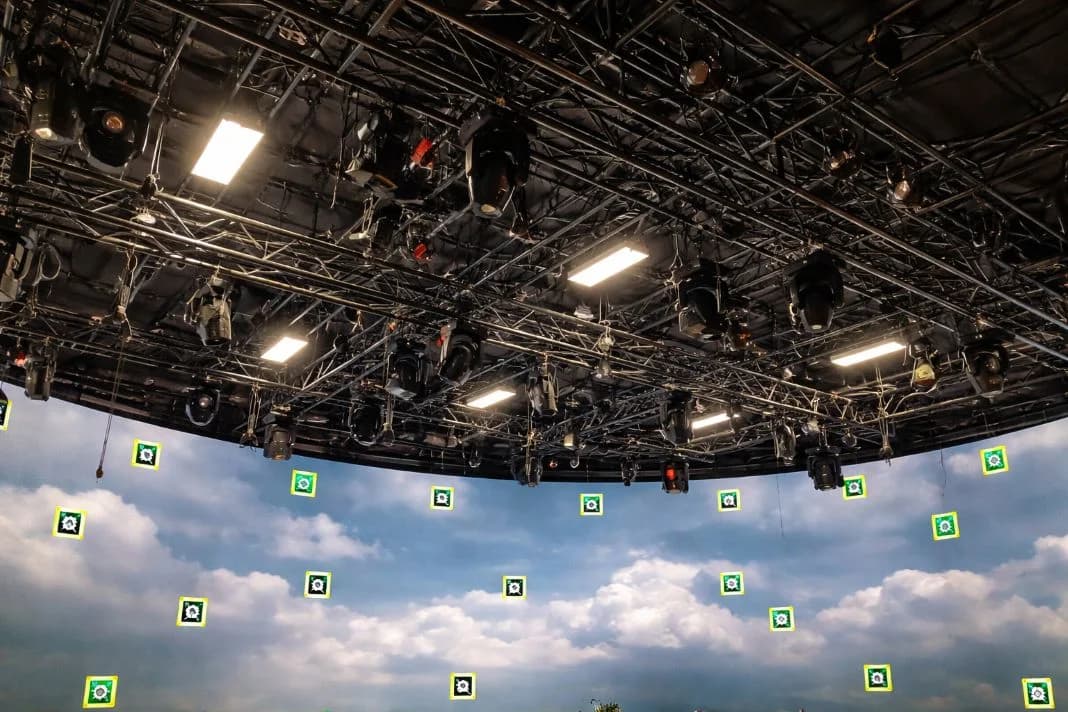
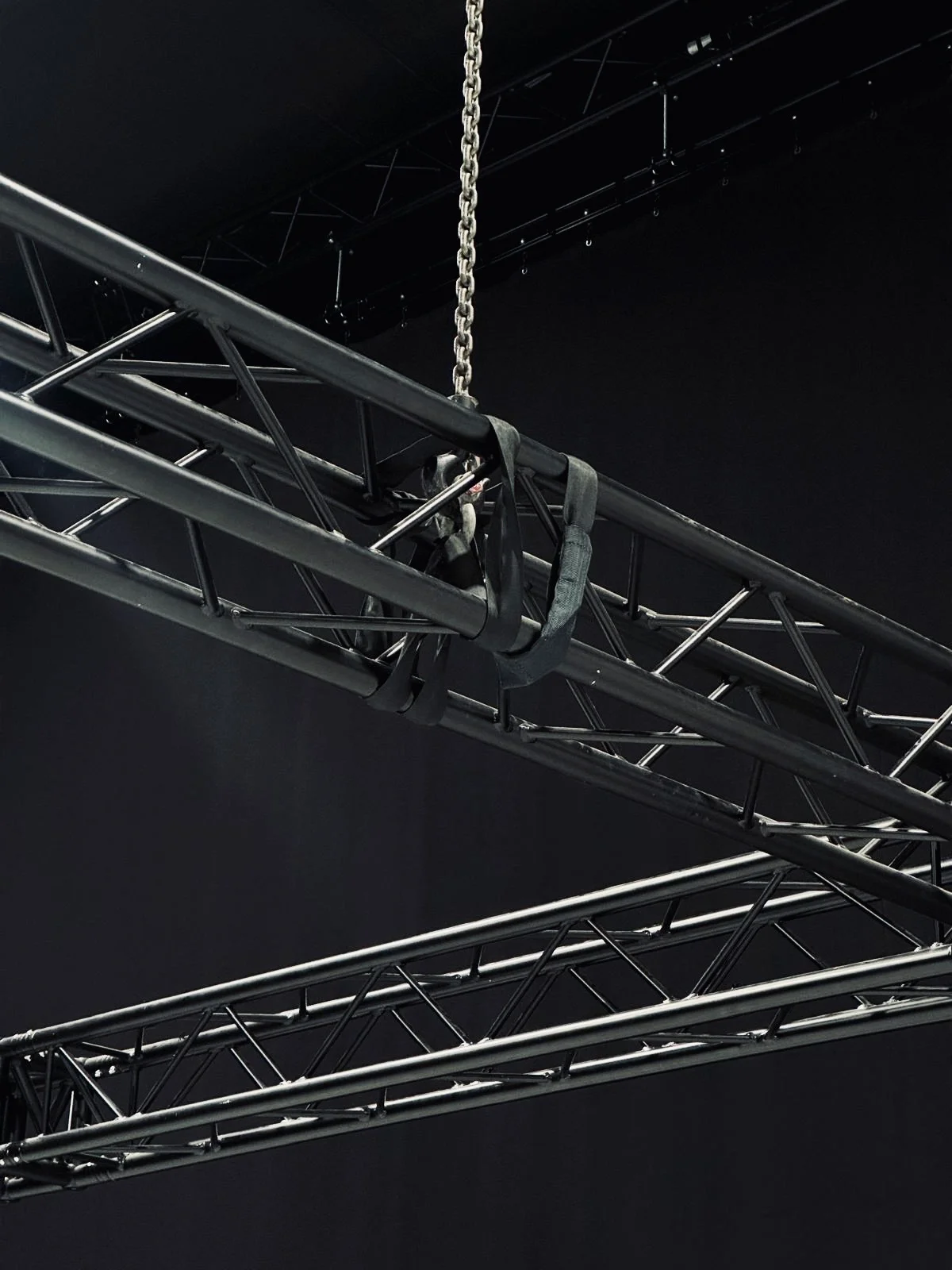
- Rigging and Load Capacity: Adequate rigging height and load support allow for flexible lighting and set dressing. Studios offering modular rigging systems are particularly advantageous.
- Connectivity and Power: Check for strong power systems, such as 3-phase options, and high-speed connectivity like symmetrical internet or 12G SDI video routing, which ensure smooth workflows.
- Modularity and Scalability: Studios with customisable setups allow quicker adaptation to varying project scales and creative needs.
In-house technical support is another key consideration. Teams with specialised equipment knowledge can address troubleshooting and operational challenges, ensuring smooth execution.
How Important is Team Expertise in Virtual Production?
The success of a virtual production setup hinges heavily on the skill and experience of the crew. Operators, technicians, and supervisors who are familiar with LED-based workflows play a important role in maintaining efficiency. They eliminate problems before they arise, offering clarity on processes and advising on creative decisions.
Partnerships between studios and dedicated virtual production companies, such as the collaboration between Mammoth Film Studios’ Studio 2 and our virtual production partner Elsewhere Productions, often bring an additional level of assured technical expertise. Ensuring the availability of on-set support, including playback operators and troubleshooting staff, can dramatically impact the ease of your shoot and the final results. When evaluating a studio, ask detailed questions about the team’s experience and how they manage challenges in real-time.
Can the Studio Integrate Virtual Production with Other Workflows?
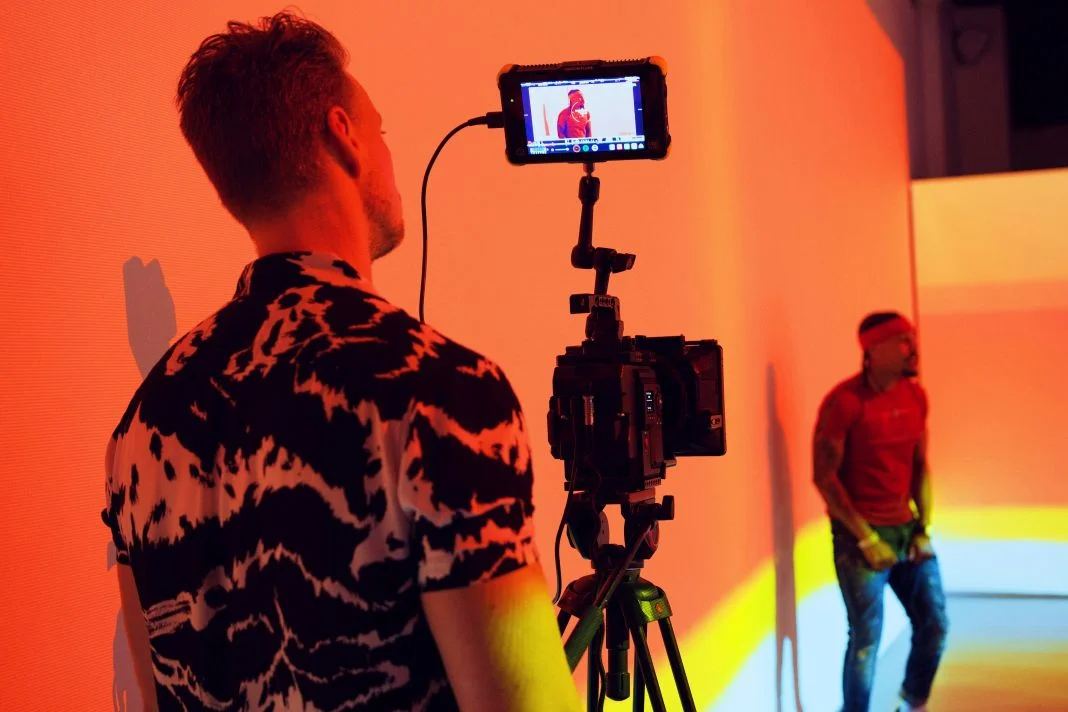
One of the critical factors to examine is how well a studio supports hybrid workflows, combining virtual and traditional production methods. For instance, virtual production techniques might be used in tandem with practical effects or live-action shooting to achieve visually stunning results without sacrificing efficiency.
Studios that offer pre-visualisation tools and detailed planning integrations are often better equipped to align with existing creative processes. Ask how the studio transitions between setups, such as staging a shot on LED walls and shifting to a live-action scene. A well-integrated workflow minimises disruptions and ensures that creative vision remains intact across various stages of production.
Is Operational Reliability a Key Consideration?
Reliability should not be overlooked when evaluating a studio. A well-managed studio provides clarity on scheduling, pricing, and contingency support. Structured pricing ensures there are no surprises, while transparent operational policies indicate that the facility is run with professionalism.
Key operational features to consider include:
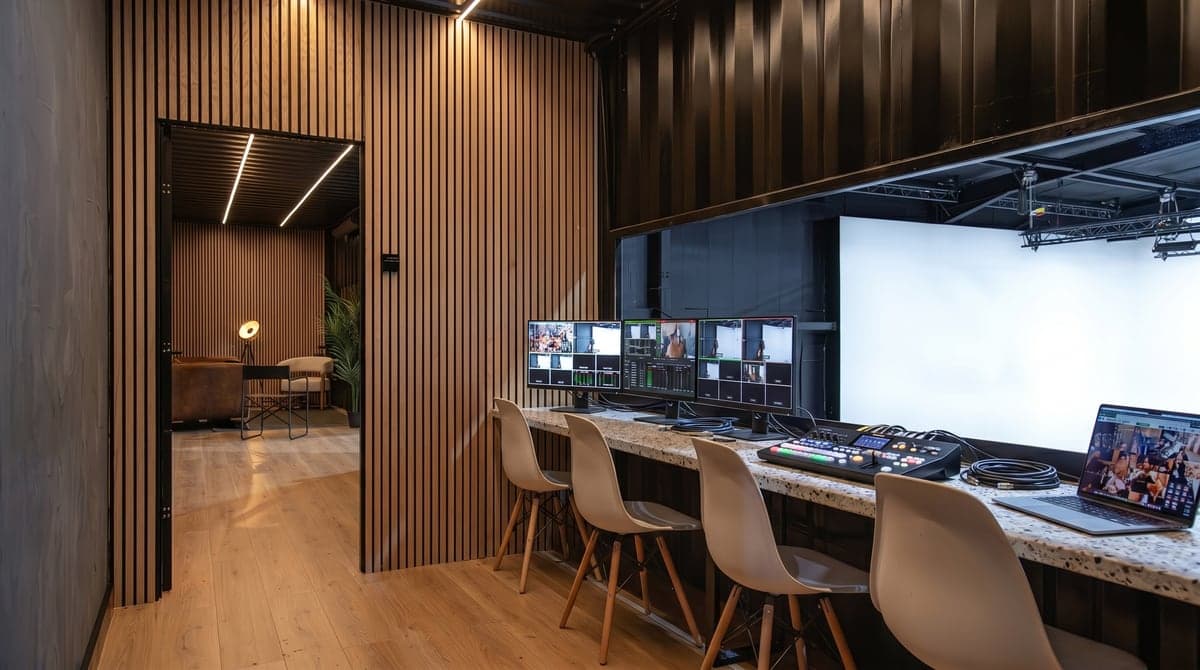
- Facilities: Look for amenities such as ample parking, dedicated client areas, and production rooms to simplify on-set logistics.
- Access and Transport: Drive-in accessibility can save time and reduce complications for crews transporting heavy equipment.
- Policy Structure: Studios with clear answers regarding cancellations, overtime, and support make the production process significantly less stressful.
These factors indicate whether the studio can deliver consistent results while accommodating the inevitable challenges of complex productions.
Why Review Past Work Before Booking?
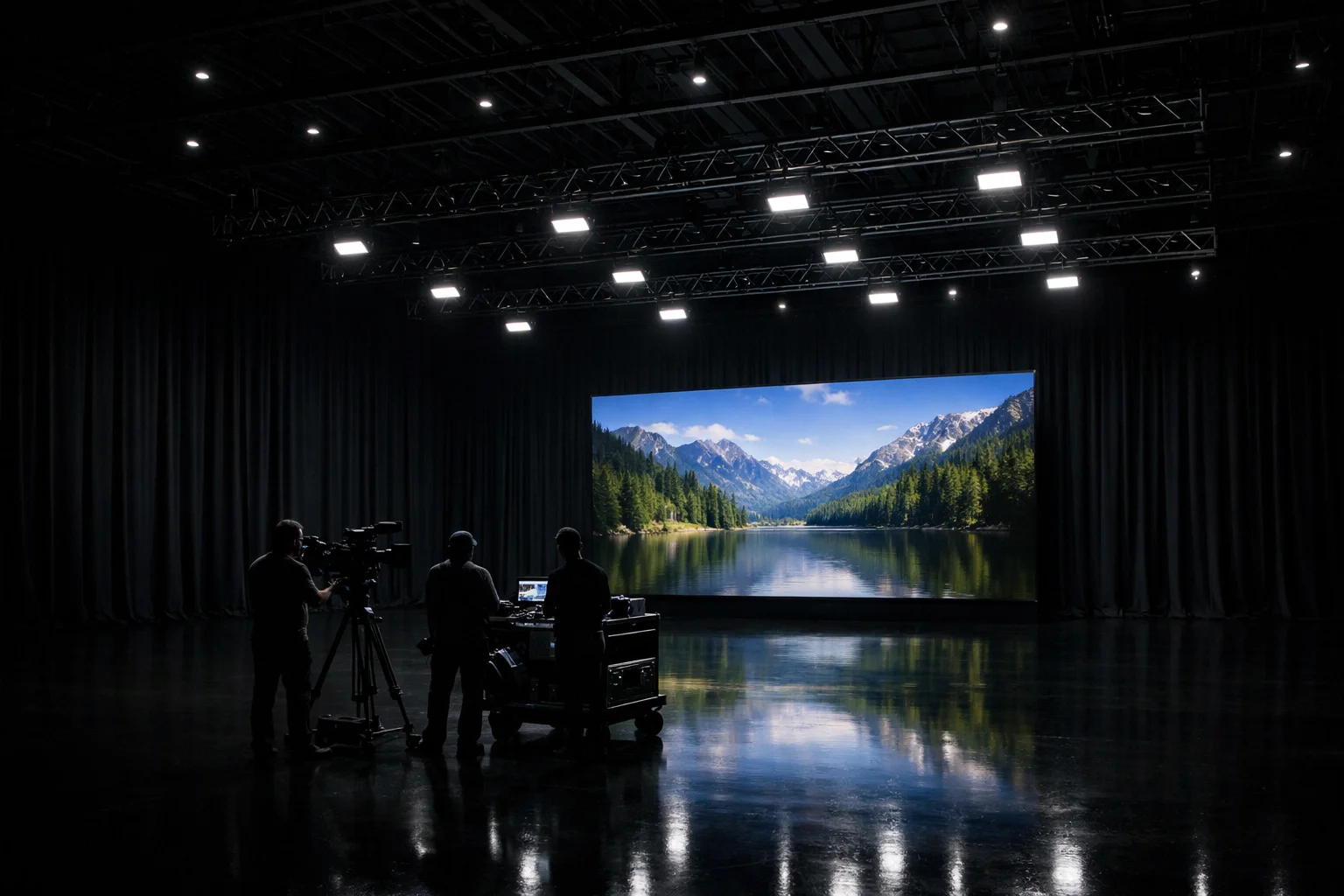
Case studies, past projects, and testimonials offer valuable insights into whether a studio aligns with the scale and needs of your production. Look for examples that demonstrate similar challenges or creative ambitions to your own project. Assess whether the studio’s previous work reflects quality, professionalism, and effective collaboration with clients.
Beyond public portfolios, consider asking the studio for feedback from past clients or specific examples of how they overcame production challenges. This process evaluates the studio’s capabilities, but also ensures their team’s working style suits your own expectations.
How Can You Make an Informed Decision?
booking a virtual production studio, the key lies in thorough preparation and evaluation. Here are the final steps to take:
- Validate Technical Features: Confirm that the studio’s specifications are sufficient for your project’s requirements, including LED panel quality, load capacity, and connectivity.
- Analyse Team Expertise: Ensure that the staff are experienced in virtual production workflows. Ask about on-set support and supervisor availability.
- Evaluate Workflow Compatibility: Discuss how the studio integrates virtual and traditional production processes. Check for pre-visualisation tools and efficient setup transitions.
- Check Operational Clarity: Review the studio’s policies on pricing, scheduling, and contingencies. Operational transparency is critical for smooth shoots.
- Examine Case Studies: Review examples of past work to assess their quality and relevance to your own production.
By taking these steps, you can align the studio’s capabilities and reliability with your project’s creative and logistical requirements, ensuring a successful experience.