What makes virtual production a fit for high-end campaign work?
Virtual production adds value when the production requires controlled environmental conditions, rapid location changes, and consistency in lighting and visuals. It becomes especially effective for campaigns facing tight timelines, weather constraints, or reflective product needs.
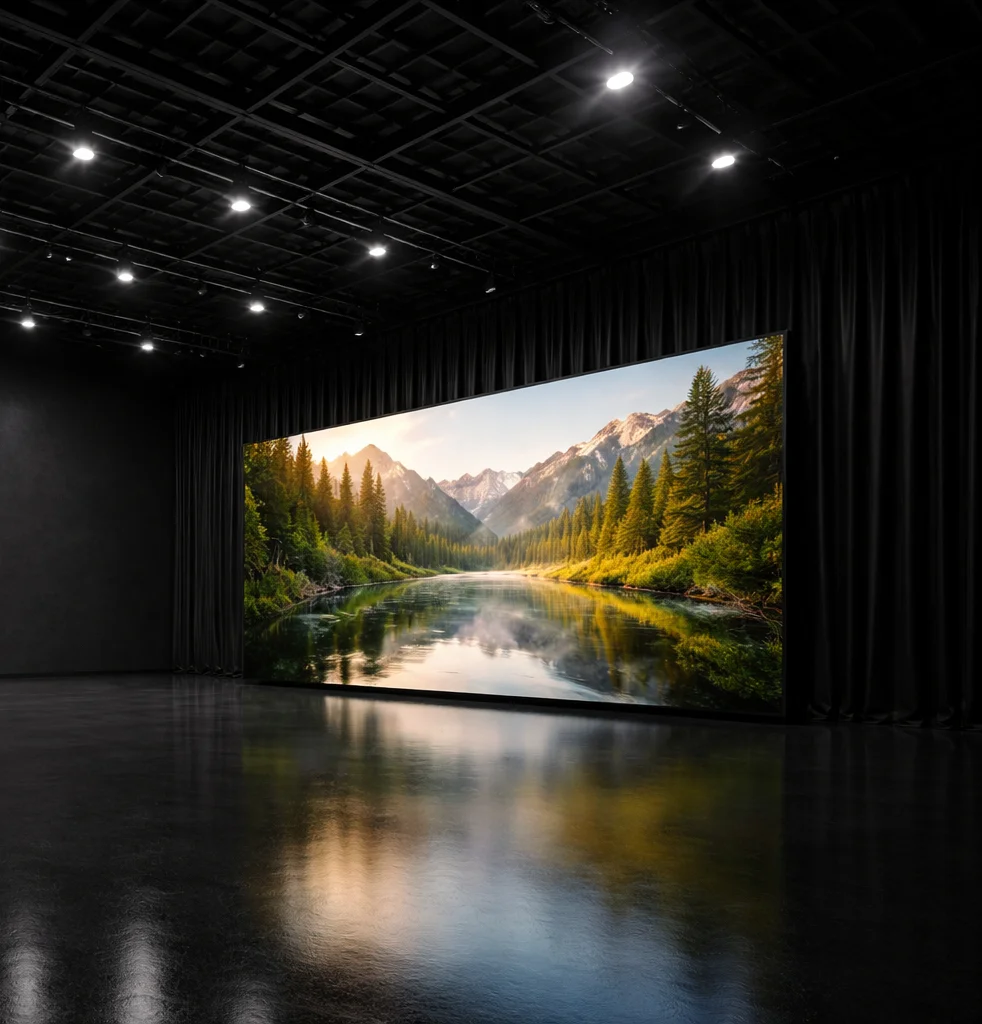
A Commercial View of Virtual Production
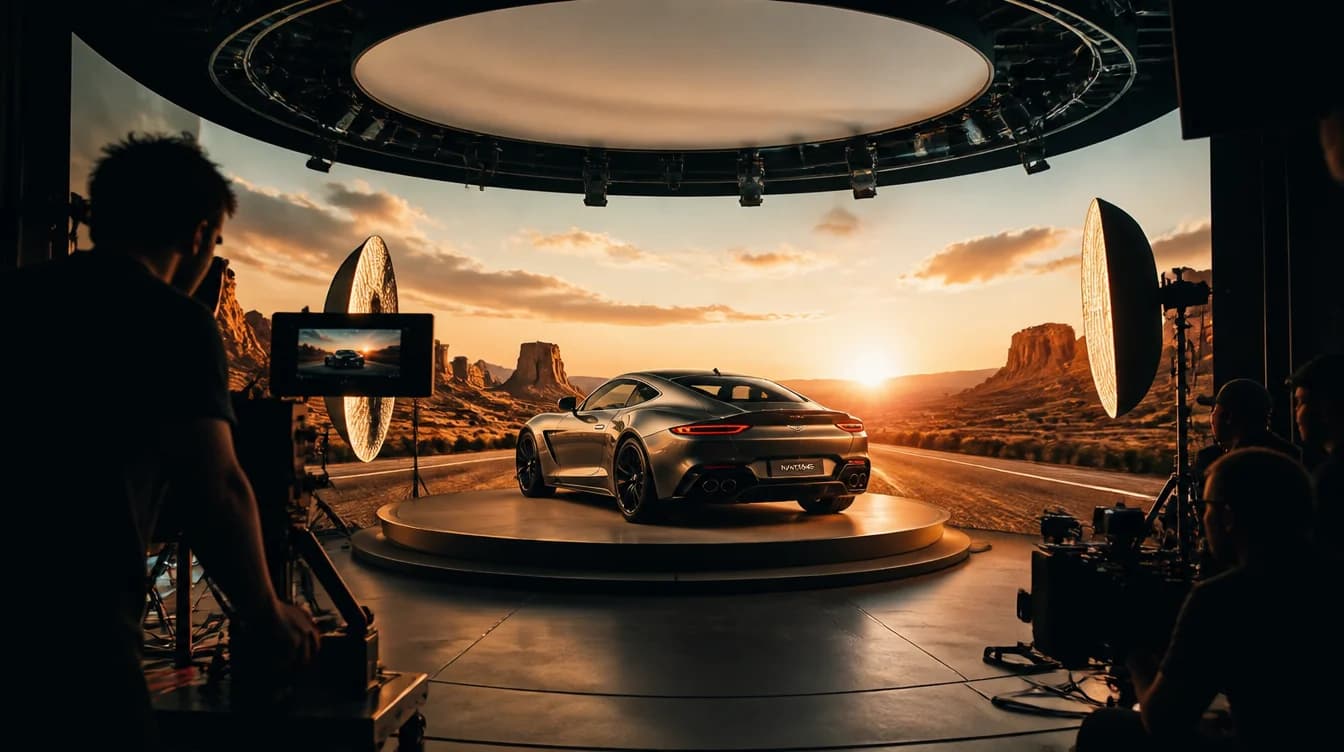
Virtual production is often misread as either a technical gimmick or a wholesale replacement for location shooting. In commercial production, the reality is more measured. It is a toolset built around real-time environments where digital backgrounds are rendered live on an LED volume, responding dynamically to the camera’s position.
While technologies like Unreal Engine, Disguise, and camera tracking systems underpin the process, success hinges on how these tools are used within structured workflows, not on individual components. The LED volume allows for interactive lighting and parallax-accurate backgrounds, which differs significantly from traditional green screen.
Hybrid workflows are common. Physical set builds, practical props and selective on-location shooting often sit alongside digital backdrops. This approach adds flexibility without discarding traditional methods. As a result, virtual production slots into commercial campaigns not as a replacement, but as a versatile companion.
Where Virtual Production Brings Measurable Value
Virtual production does not apply to every campaign. However, in specific scenarios, it delivers tangible logistical and creative advantages.
- Multi-location concepts Campaigns that involve multiple settings in a single day benefit from digital scene switching, reducing downtime and relocation challenge.
- Highly reflective products Jewellery, vehicles and tech devices are difficult to shoot on location due to unpredictable reflections. An LED volume provides a customisable light environment without green spill.
- Weather-dependent visuals Seasonal or time-specific lighting can be achieved on demand, allowing sunset sequences or foggy mornings without relying on the forecast.
- Compressed schedules Campaigns with limited shoot days or rapid delivery timelines gain efficiency from fewer resets and tighter shot control.
- Environmental and logistical goals Where travel is restricted or carbon impact matters, minimising flights and transport through virtual settings becomes operationally relevant.
Each of these scenarios builds a case not on novelty but on production architecture. The decision to use virtual production is made by evaluating constraints, not chasing features.
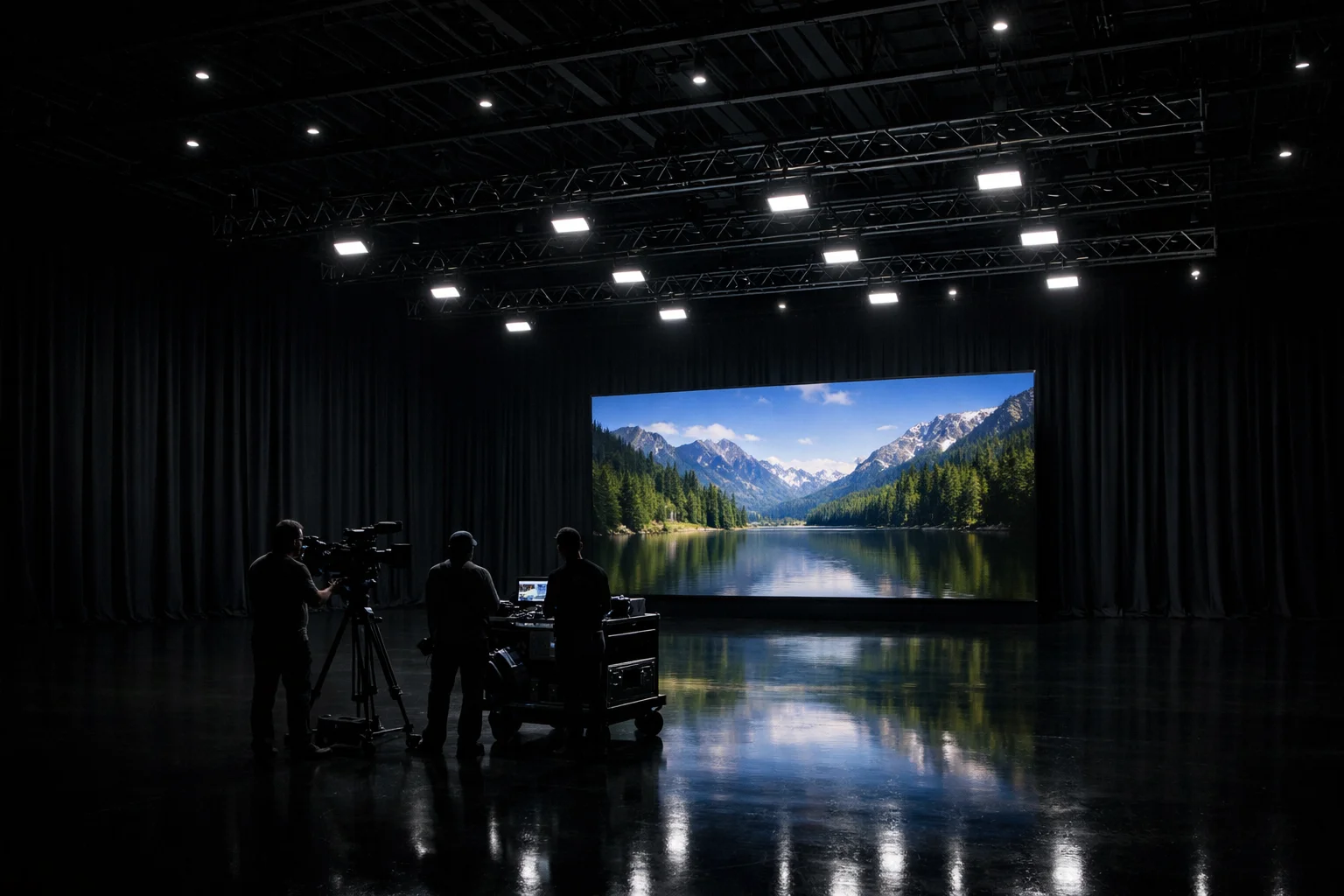
Infrastructure That Supports High-End Results
Delivering strong results from virtual production depends heavily on the underlying infrastructure. Studio environment, technical setup and operational consistency all play a part.
At Mammoth Film Studios, Film Studio 2, our fashion and campaign studio, has been configured specifically for this purpose. A few key elements stand out:
- LED volume quality The in-house ROE 2.8mm HDR LED wall provides high-resolution, colour-accurate backdrops with subtle depth and motion capability. Resolution, pitch and active range are not abstract stats. They determine realism and post-production headroom.
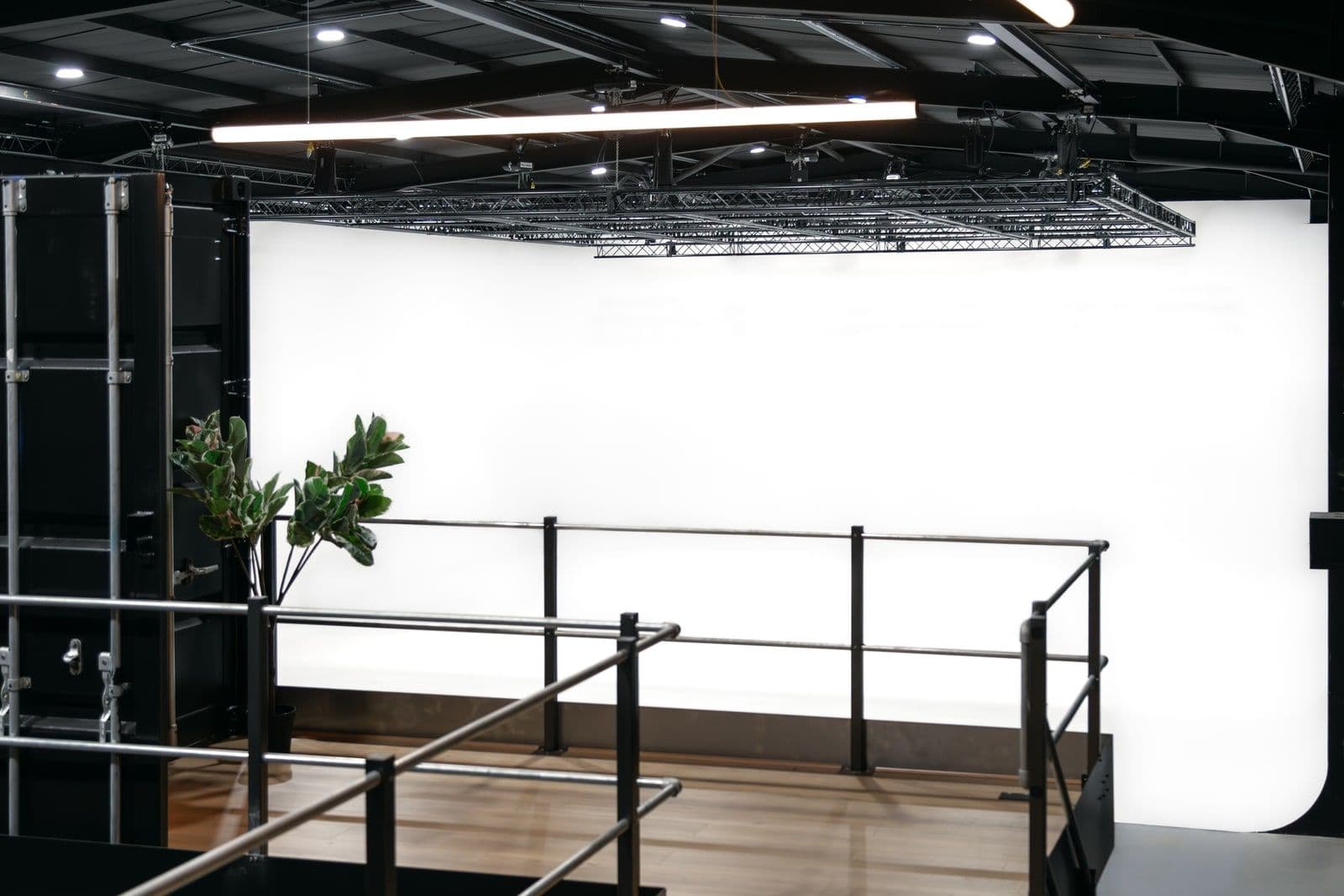
- Rigging and blackout control With 24 ft clear height, twelve one-tonne chain hoists and full 360° blackout, the space accommodates build challenge and lighting isolation without structural compromise.
- Capability and connectivity The studio provides dedicated 63A 3-phase capability, internal 12G SDI video routing and hard-wired internet up to 4 Gbps. These are not conveniences, but requirements for stable real-time rendering and playback.
- Technical operations Virtual production here is delivered in partnership with Elsewhere Productions, who provide integrated crew roles including supervision, playback operators and camera tracking technicians.
- Support areas On-set work is supported by client space, production areas, hair and makeup rooms and step-free access throughout. These features simplify unit flow across prep, shoot and review stages.
A virtual shoot requires more than a screen and a camera. Without a stable technical base, clients risk falling short of creative targets or facing unnecessary downtime.
Budgeting with Clarity, Not Simplicity
Cost planning for virtual production requires a shift in focus. It is less about comparing line items, and more about rebalancing where resources are allocated.
- Set costs vs asset creation Physical builds may reduce, but digital previsualisation and background development increase. For the right concept, this represents a strategic reallocation.
- Crew roles and duration Some crew categories change, with emphasis on playback operators and real-time technicians. However, shoot durations are often more controlled due to rapid resets and minimal weather delays.
- Studio time vs travel costs Fewer location days can reduce transport and accommodation spend, particularly for multi-market campaigns filmed in one location.
- Structured pricing Studios such as Mammoth Film Studios offer transparent, quote-based structures that vary depending on duration and technical requirements. Rates are not discretionary; they are based on the infrastructure used.
Budgeting becomes a question of scope definition and clear planning, rather than unpredictable overruns or speculative cost-saving.
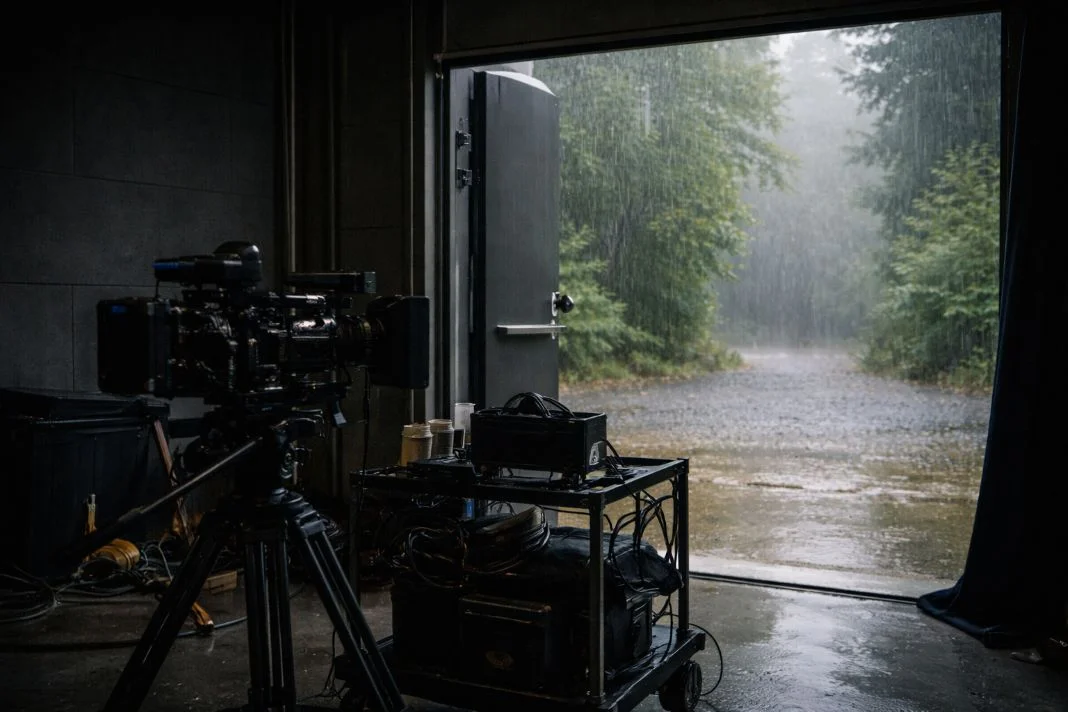
Supporting Brand Control and Visual Continuity
Campaigns often depend on exact replication of colour, light and texture. Virtual production supports this by stabilising the variables that typically shift during traditional shoots.
- Lighting continuity Ambient lighting, sun position and bounce characteristics remain controlled throughout long shoot days, ensuring that sequence edits hold together visually.
- Real-time visual adjustments Directors, DPs and clients can request changes to background texture, lighting angle or time of day mid-shoot, seeing the changes immediately in-camera.
- Reflective product control Brands with polished surfaces, silver finishes or mirror-like packaging benefit from precise illumination without spill artefacts or uncontrollable reflections.
- Creative adjustments during filming Instead of waiting for reviews in post, teams can modify blocking and performance to match live composites, reducing rework and reinforcing brand intent.
Visual consistency is not a luxury for luxury campaigns. It is a necessity. Virtual production offers an operational method for protecting that standard, which is why fashion brands are turning to virtual production studio hire in growing numbers.
Workflow Fit and On-Set Efficiency
For virtual production to succeed, it must integrate into established workflows. At its best, it does not disrupt processes. It supports them.
- Pre-production planning Teams begin by developing digital assets, confirming behaviours of backgrounds, determining parallax effects and lighting parameters. Elsewhere Productions supports this technically and tactically.
- Asset approvals and previs Clients sign off on virtual backgrounds before shoot day using previsualisation tools, ensuring shared expectations.
- On-set coordination Playback teams handle rendered environments, while camera crews and virtual supervisors synchronise frame, lens and movement data to ensure interactive realism.
- Simultaneous output generation Footage is captured with backgrounds baked in, reducing compositing effort while preserving optionality for post.
- Cross-department communication Traditional photography, editorial and design workflows plug into the same schedule, allowing campaign stills and motion to be captured in coherent environments.
In Studio 2, technical crew, client viewing areas and networked systems are set up to support these needs from arrival to wrap. The aim is workflow continuity, not technology demonstration.
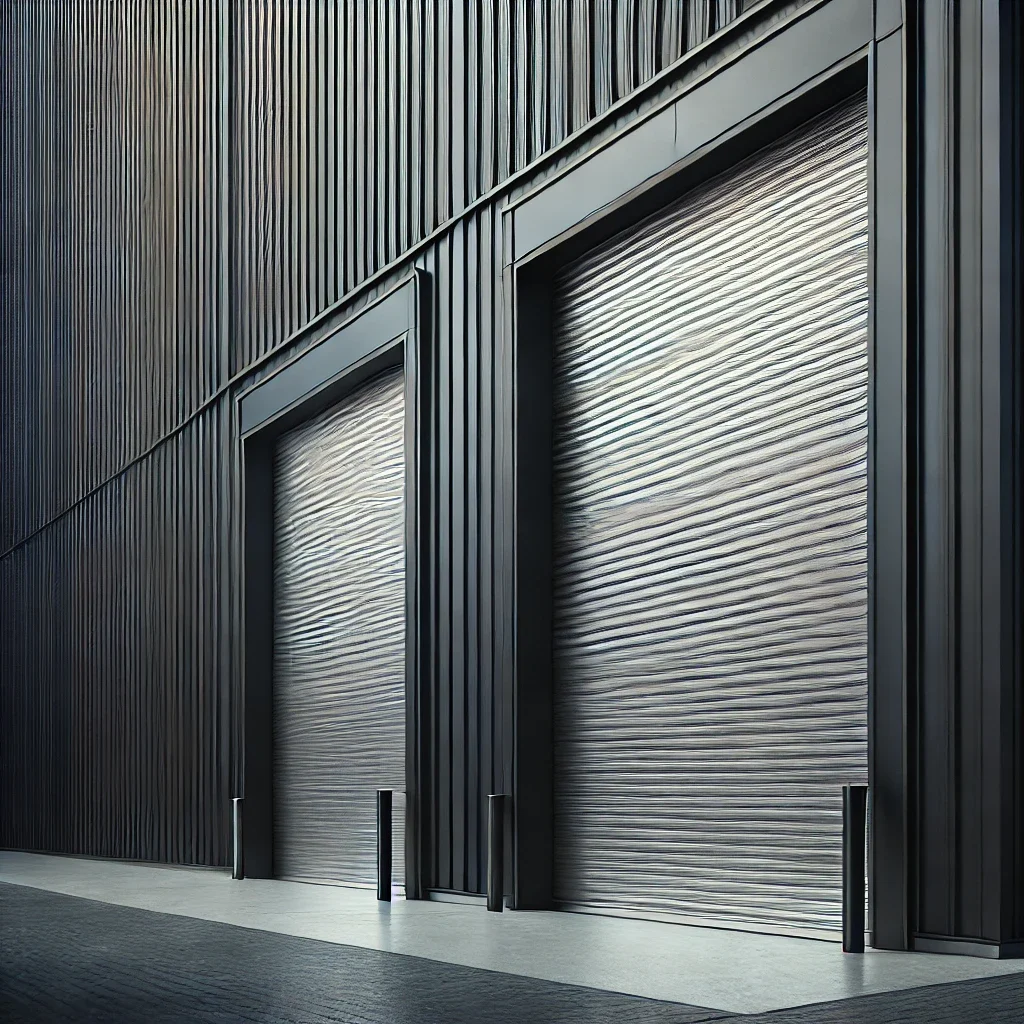
Access Still Matters
Virtual production reduces the number of locations, but it does not eliminate production logistics. Studio location, vehicle access and support infrastructure remain important.
- Drive-in access Both studios at Mammoth Film Studios provide full vehicle access, simplifying load-in for lighting, grip and wardrobe teams.
- Zone 2 location Situated within London’s Zone 2, the site is close to both Overground and Jubilee line transport. This keeps travel reliable for city-based crews and agency teams.
- Parking and unit support Ten on-site parking spaces support Studio 2’s production capacity. Backlot space can be used flexibly for external setups or overspill operations when required.
- Load and strike efficiency Easy access to production areas, step-free design and onsite crew support allow tight transitions between hire periods, which is important when campaigns are on compressed schedules.
A controlled environment still needs capable logistics behind it. Proximity and access play as large a role in success as the LED screens and rendering software themselves.