Is virtual production worth it for your campaign?
It can be, but only when the conditions are right. Virtual production gives you more visual control, repeatable setups, and flexible scene changes. However, it also brings extra planning, specialist crew needs, and restructured costs. Whether it's the right fit comes down to how well your campaign aligns with those traits and how ready your team is to support them.
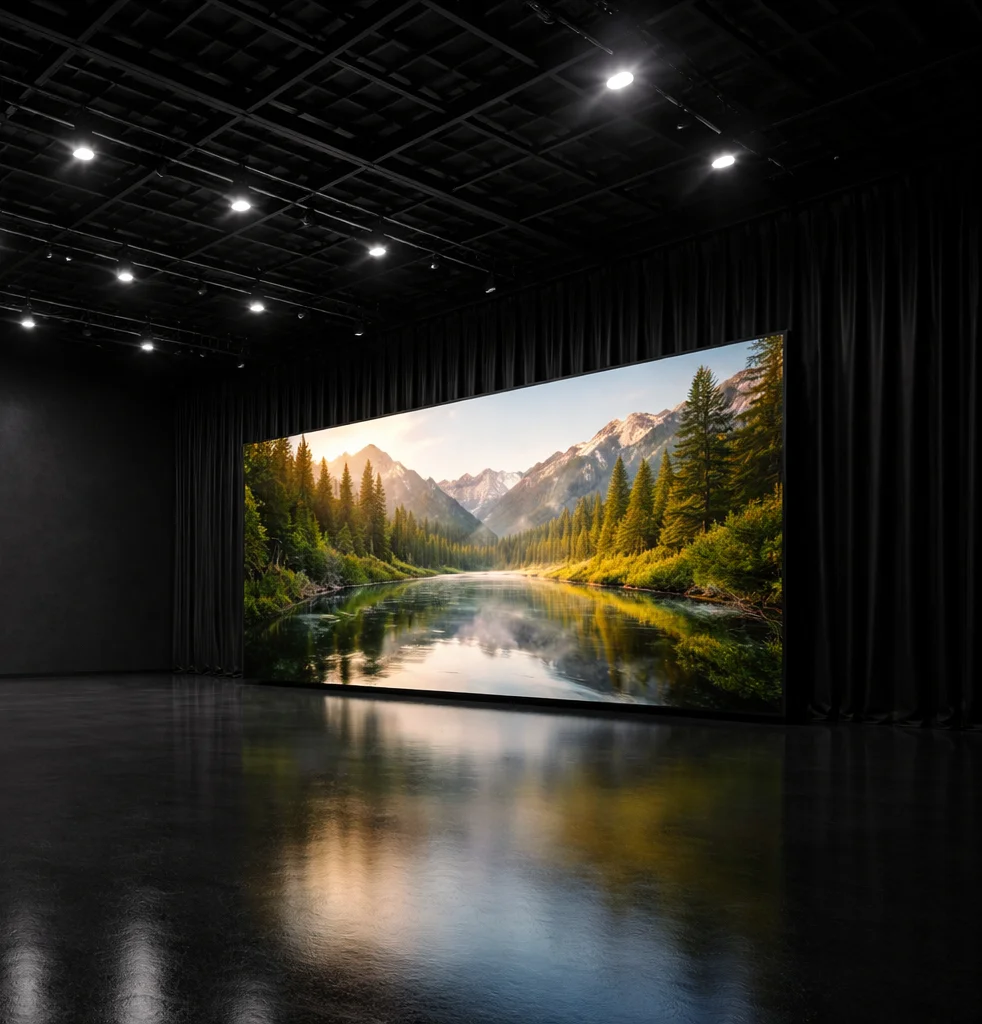
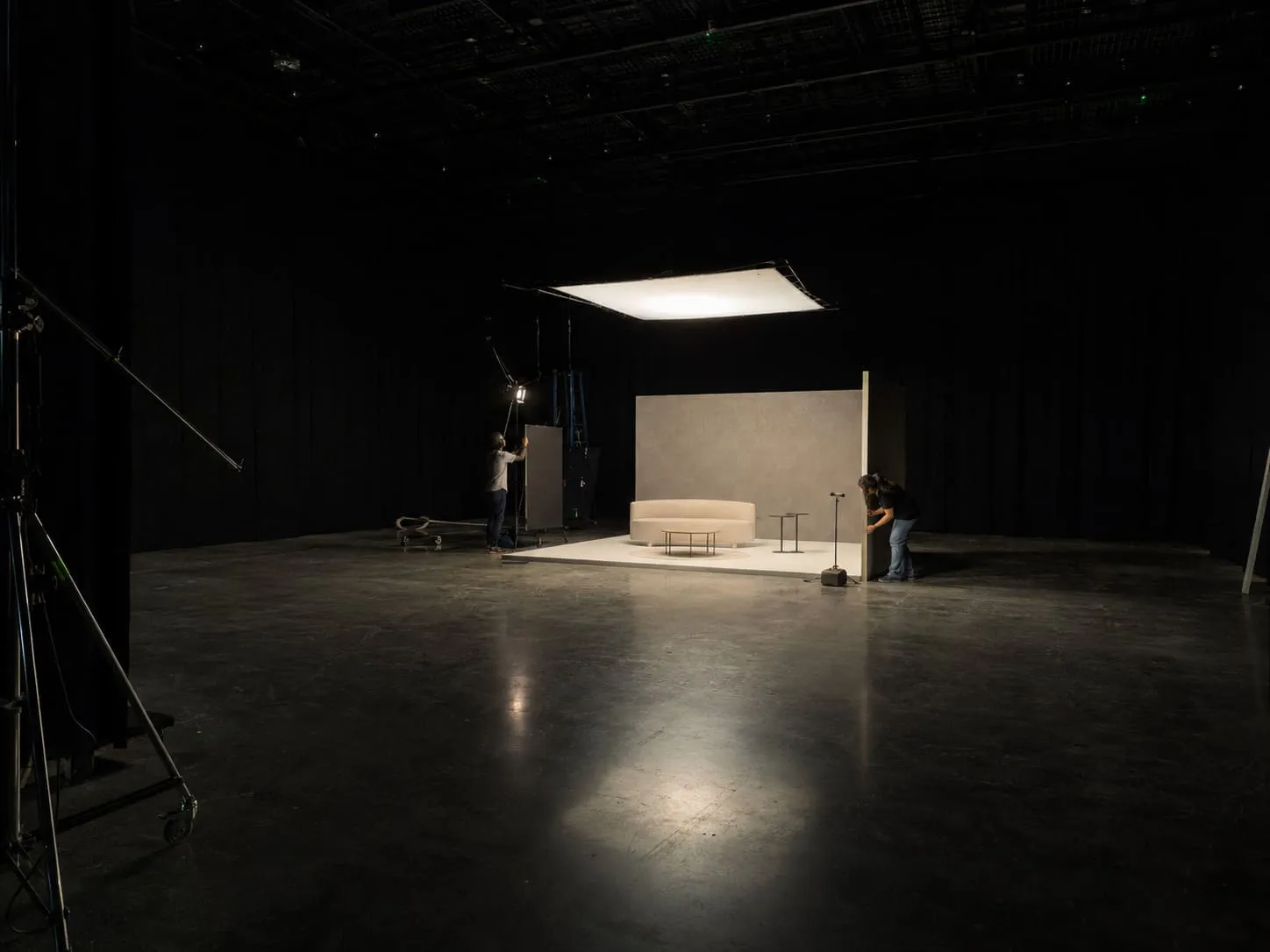
An illustrative image of a large screen displays a scenic landscape with mountains, trees, and a river. It's set in a dark room with reflective floors, lit by overhead lights.
What "Worth It" Actually Means in Campaign Production
Cost is only part of it. What you're really weighing up is control, risk, speed, and suitability. Sometimes paying more is the right move if it saves a reshoot or gets sign-off faster.
If your timeline is tight and changes are likely late in the game, then virtual production's predictability might save your schedule. Likewise, if you're shooting outdoors and cannot count on the weather, controlling your light indoors could protect your edit, grade, and approval stages. Virtual production is a tool, and it is valuable only if it fits the job.
What Virtual Production Actually Changes on Set
Virtual stages feel different. The LED walls light the scene and reflect in your subject, which means that there is less fixing in post and more capturing in camera. You are not racing the sun or re-rigging every time you tweak a scene. Environments shift quickly. Blocking becomes tighter. Movement stays consistent. The production pace feels more controlled. Terms like parallax or playback sync are what make the illusion hold. However, none of it works without supervision, which is exactly what the VP planning process with Elsewhere is built to provide. A misstep here ripples through everything. In-camera VFX depends on this precision.
When Virtual Production Makes Sense for Campaigns
Virtual production is worth considering if you are working across multiple locations or product versions where lighting and framing need to match exactly. It helps when sign-off cycles are tight. Showing clients a real-time LED preview reduces confusion and shortens feedback loops. That speeds everything up.
If you are rolling out one visual style across different backdrops or languages, this setup gives you control and consistency. When the creative depends on repeatability, this approach matters.
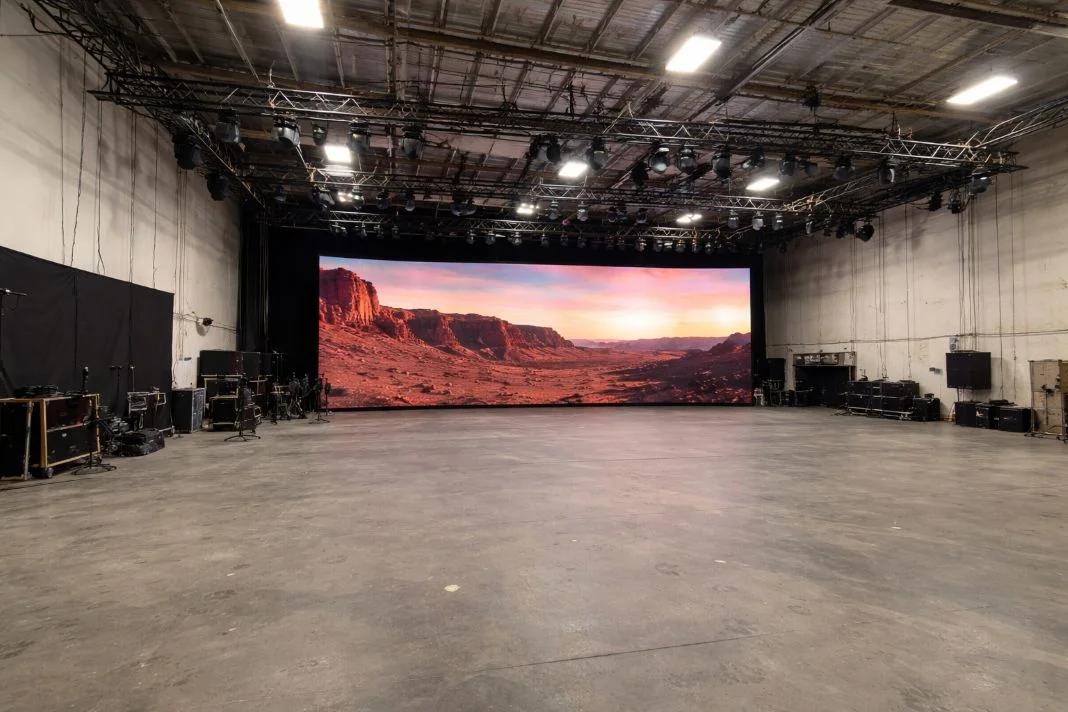
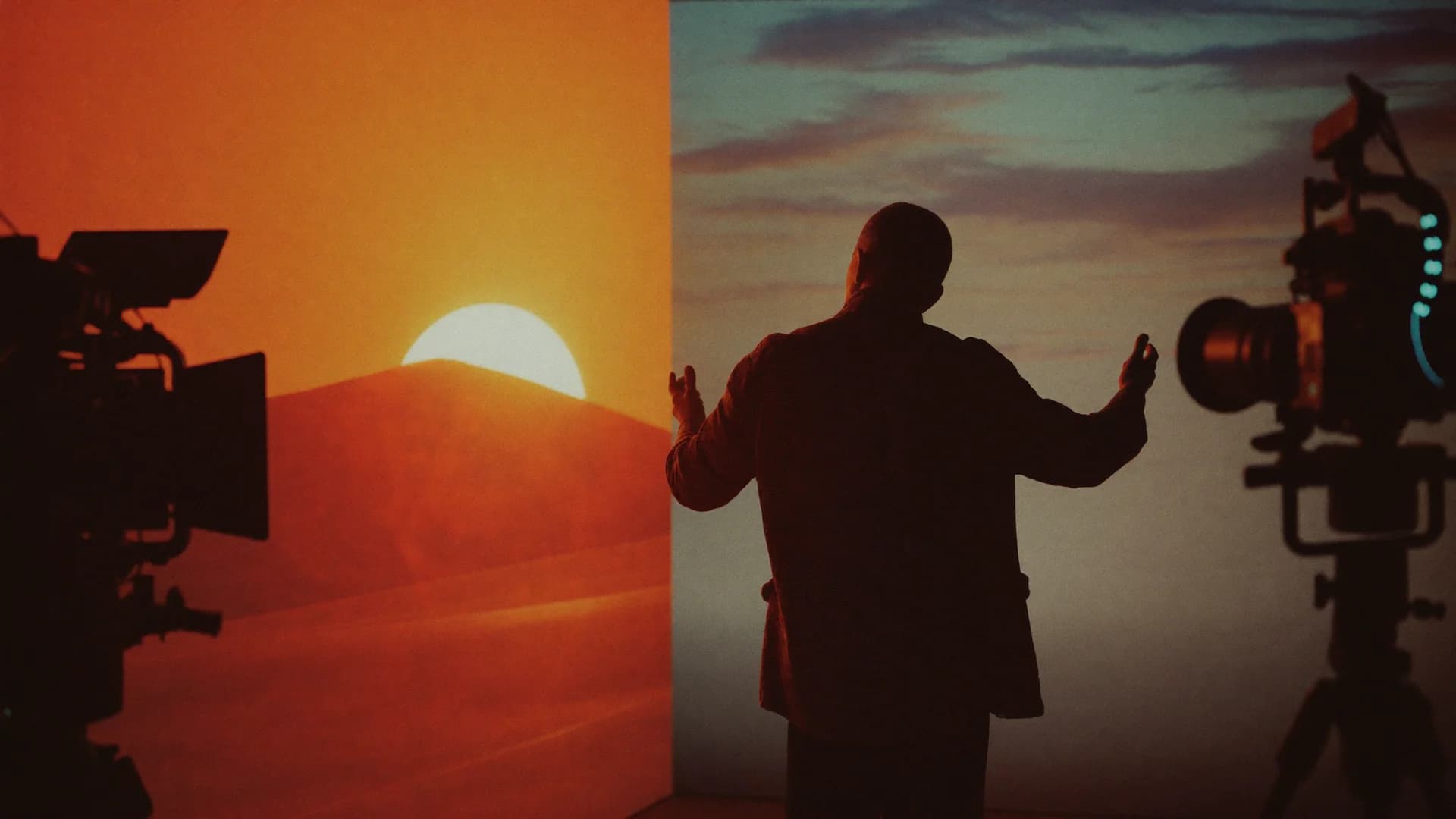
An illustrative image of a large studio with a high ceiling displays a vivid desert landscape on a massive screen. Equipment lines the walls, creating an immersive setting.
When It Doesn’t (And Why That Matters)
Sometimes it is unnecessary. If your scene is a basic kitchen or park bench, a real location might do the job better. Virtual production is not a turnkey solution. It demands planning, previs, technical coordination, and experienced crew. If you skip those, your results will not land. The mistake is using it when it is not required. Complexity without purpose just slows you down. Knowing when not to use LED stages is part of having the right evaluation mindset.
Cost, Time, and the Myth of Automatic Savings
Virtual production does not save money. It changes where you spend it. Scene changes and lighting tweaks can be faster. However, those gains only happen if you have completed the preparation. That means building environments ahead of time, locking movements early, and syncing teams before the camera rolls.
You will also need specialists. Your LED team must understand playback, sync, and system timing. Generalists might not be enough. This is not a lower-cost route. It is a different one. Budgeting for virtual production means recognising where the cost sits.
How Studios Structure Virtual Production in Practice
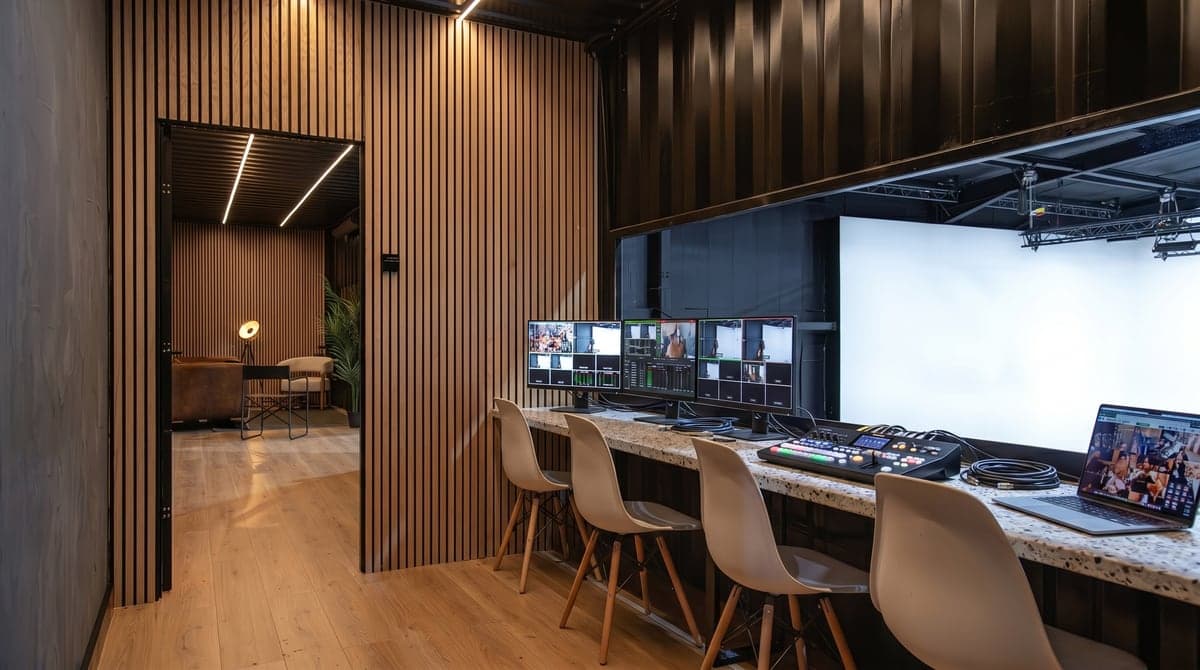
Studios that manage this well separate their spaces. At Mammoth Film Studios in London, that approach is built into the design. Studio 1 is traditional. It offers a large white cove, blackout option, and drive-in access, which makes it suitable for high-end stills and conventional film setups.
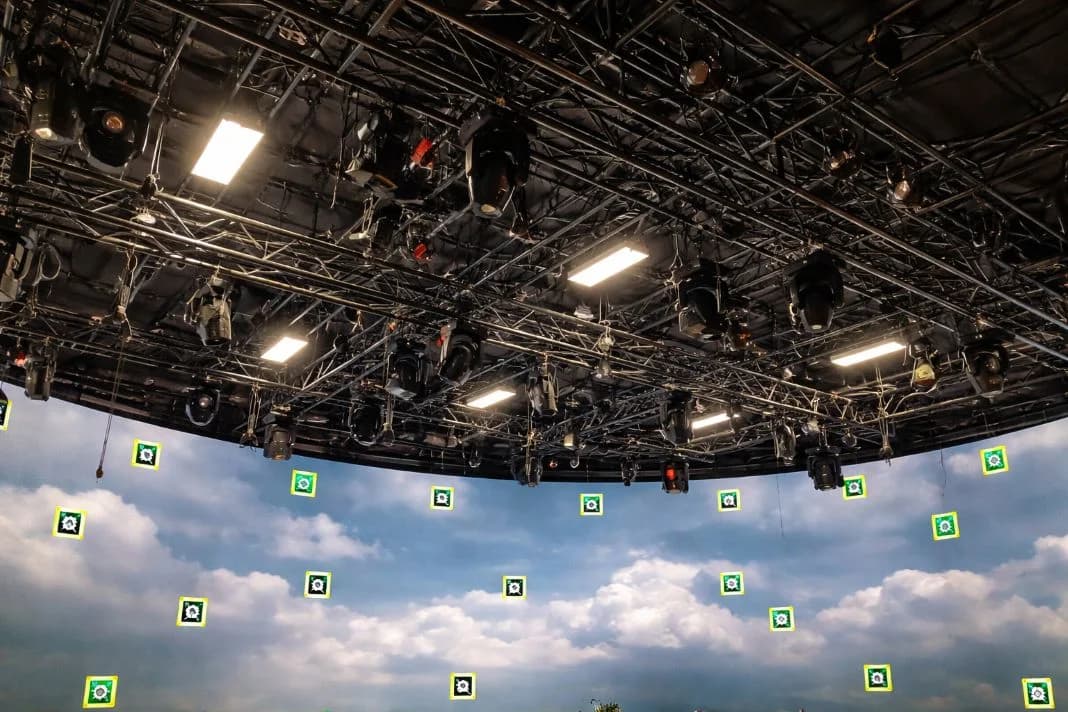
Studio 2 is the virtual stage. It includes full blackout, a modular LED volume, fixed rigging beams, and in-house LED crew from Elsewhere Productions. It is designed for fast turnarounds and reliable in-camera setups. This split supports clear commercial production workflows. Teams know exactly what each space is built for.
Questions to Ask Before Committing
Before booking a virtual stage, ask:
- Creative suitability – Is the concept dependent on environment control or light precision?
- Technical supervision – Do you have LED specialists involved early?
- Approval readiness – Will decisions come early enough to match the schedule?
- Lighting continuity – Are you matching multiple setups or locations?
- Location compression – Would travel swaps slow things down?
- Playback benefit – Could real-time feedback reduce review cycles?
This checklist, alongside our virtual production tips on LED, Unreal and camera tracking, gives production teams a way to test alignment early and reduce friction later.
So Is It Worth It?
Sometimes, yes. For complex, layered campaigns with versioning needs and tight timelines, virtual production can deliver. However, do not force it. Simpler shoots run best on simpler setups. If it adds weight without payoff, skip it.
Where it fits, it works. Where it does not, it slows things down. Making the right call at the beginning protects the schedule, your crew, and the outcome.
When campaign production decisions are based on fit, maturity, and technical clarity, virtual production becomes a working solution rather than a passing trend.