What should you check before booking a virtual production studio in the UK?
Before booking a virtual production studio in the UK, you need to assess the studio's LED volume specifications, crew experience, hire terms, on-site logistics, regional filming incentives, real-time flexibility, safety protocols, and post-production deliverables. Each of these checks will help ensure your project runs efficiently and delivers to client expectations.
Virtual production isn't a simple hire
Hiring a virtual production (VP) studio is more like piloting a jet than renting a room. It is high-powered and detail-dependent. Even one oversight can lead to overspending, missed deadlines, or frustrated clients. This guide provides the clarity to avoid those risks.
These eight checks are designed to help you book with clarity and confidence. Whether you are managing a commercial, episodic series, or feature film, these checks help you prioritise real capability. At Mammoth Film Studios, we value transparency, reliability, and supporting well-informed clients.
1. Check the Studio’s LED Volume, Tracking, and Real-Time Tech
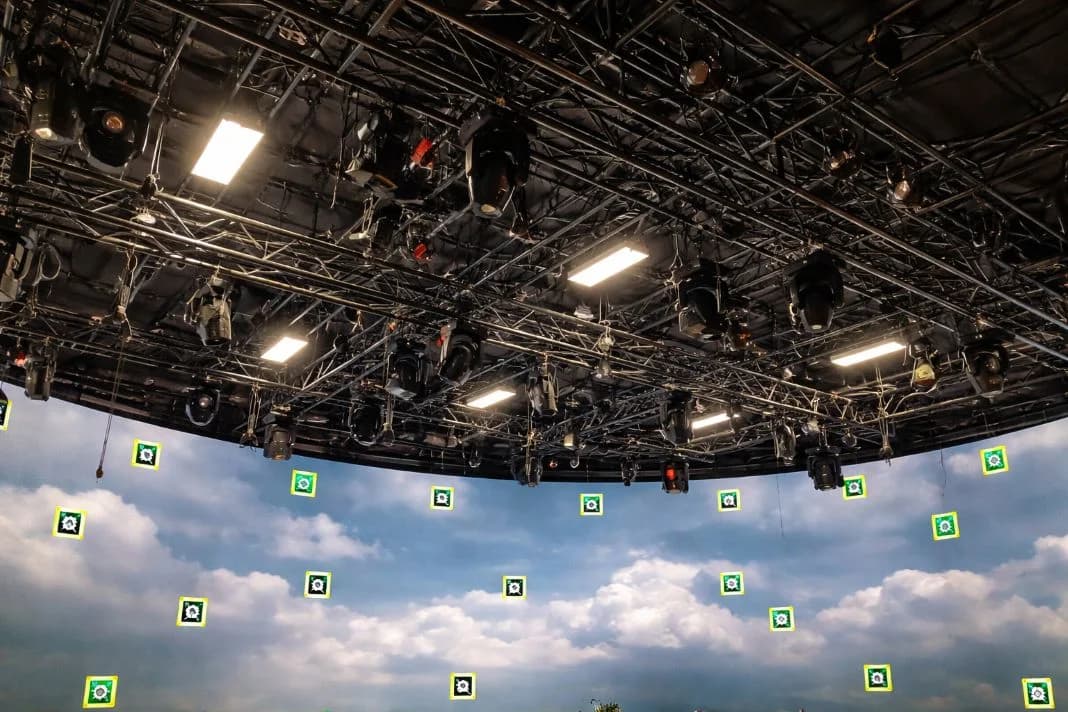
A visually impressive virtual stage, like Studio 2's LED volume, must be supported by strong technical foundations. You should dig into the details to understand the setup.
- What is the LED volume's pixel pitch and dimensions?
- Is the virtual environment powered by Unreal Engine or Unity?
- How accurate is the camera tracking system?
- What frame rates and colour spaces are supported?
- Are systems like Mo-Sys, Brompton, or Disguise used for rendering and synchronisation?
Minimum vs Best-in-Class Specs
Minimum
- Pixel pitch above 2.6mm
- Basic positional tracking
- Frame synchronisation and latency issues
Best-in-Class
- 1.9mm pitch or tighter for high visual fidelity and VP stage resolution
- Mo-Sys camera tracking system
- Disguise for real-time playback
- Brompton processors for colour accuracy, refresh rate, and parallax precision
You should test the studio’s environment responsiveness in real time. A polished showreel should not be your only reference. Ask questions such as, "What resolution and latency guarantees do you offer for real-time playback?"
2. Evaluate the Crew’s Expertise and Creative Workflow
Technology is only as effective as the people behind it. You should focus on the following points.
- Who will operate the LED wall and camera tracking systems?
- Has the studio’s team supported similar-scale projects?
- Do they provide a Virtual Art Department (VAD) or a Creative Technologist?
- Can they walk you through previs workflows and previous project roles?
- How are real-time assets and playback handled during the shoot?
Look for solid previs pipelines, interactive lighting capabilities, and real-time compositing experience. You should request references or testimonials from comparable productions. It is also useful to ask, "Can we meet the LED wall operator and technician ahead of time?"
3. Review Booking Terms, Minimum Hire Periods, and Hidden Costs
Booking terms can significantly affect your shoot’s budget. You should clarify the following details in advance.
- Are setup or pre-light days included in the base cost?
- What is considered a full production day?
- Are overage fees charged hourly or per block?
- Are you being quoted for dry hire or wet hire?
- Are there fees for digital asset storage or access after the shoot?
5 Questions to Ask Before Signing
- Are delay penalties or overtime costs clearly listed?
- What is the required deposit and cancellation window?
- Are pre-light, pre-vis, or test days charged additionally?
- What are the inclusions for wet versus dry hire?
- Are backup drives or file transfers charged separately?
4. Match Studio Layout and Logistics to Your Creative Vision
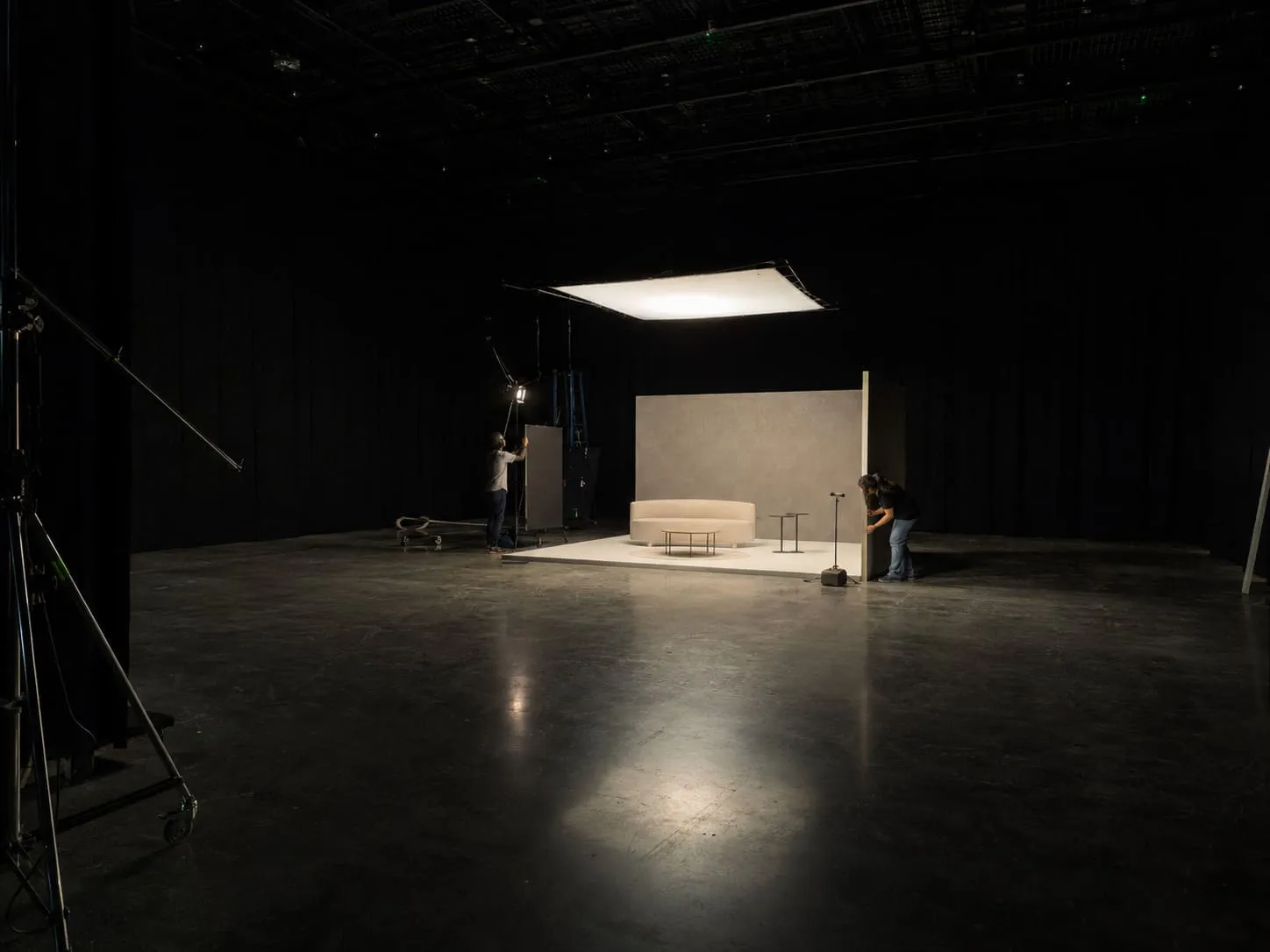
The studio must function effectively, not just look good. During your location recce, make sure to ask the following.
- What is the ceiling clearance, and can it support your lighting rig?
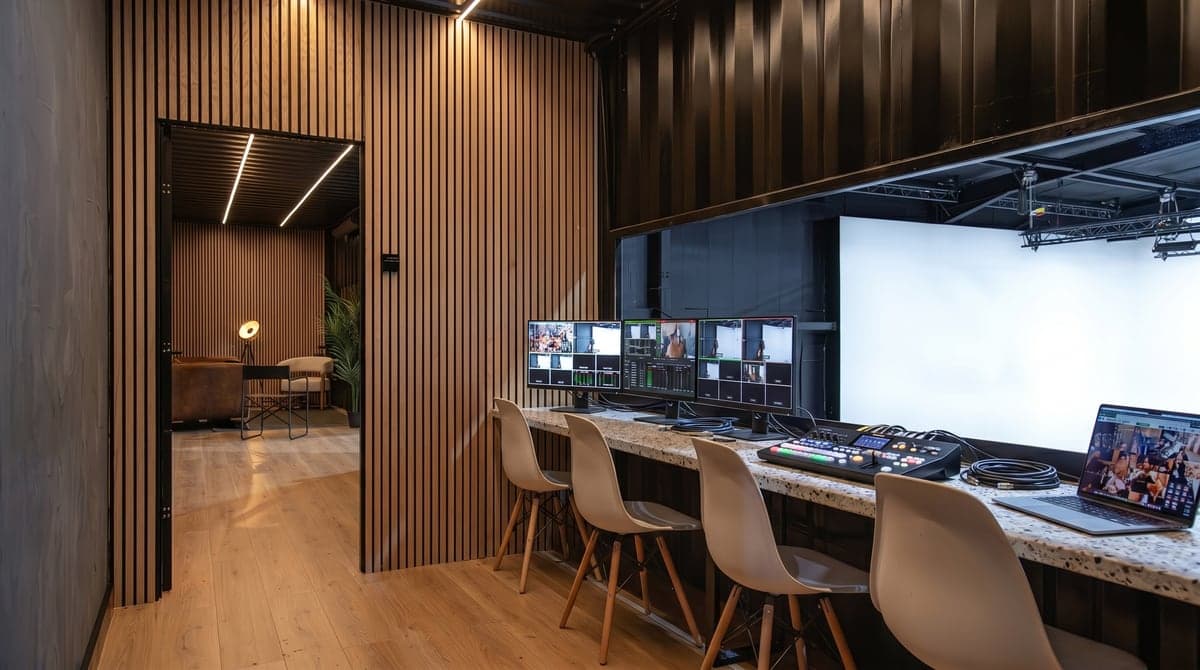
- Are there quiet holding areas, green rooms, and crew facilities?
- Is there loading bay or vehicle access for large props and equipment?
- What acoustic treatment is in place?
- Can props or constructed elements be stored securely on site?
Tip:
Walk the studio as your team would. Test movement routes, sight lines, and staging areas. Layout plans may appear ideal but might not work in real-world scenarios.
5. Explore UK-Specific Incentives, Tax Reliefs and Studio Location Benefits
Studio location affects more than travel. It can unlock tax rebates and reduce costs.
- Is the studio based in a qualifying UK film tax relief region?
- Does your production meet HMRC’s criteria for the incentive?
- Are AVEC or BFI schemes relevant to your project?
- How close are crew pools, hotels, and transport hubs?
Use public resources like the UK Film & TV Charity, Creative UK, and the British Film Commission to check eligibility. These organisations provide advice on UK virtual stage rental planning and production budgeting.
6. Assess Flexibility, Client Service, and Mid-Shoot Adaptability
Production often requires changes. Your studio should be ready to support you during those changes.
- Can background environments be swapped mid-scene?
- Are live adjustments possible to playback or lighting setups?
- How responsive is the studio to last-minute direction changes?
- Do they offer technical redundancy or backup systems?
7. Confirm Safety Standards, Insurance Cover, and Legal Protections
Health and safety standards are critical in a high-tech studio environment. Confirm the following.
- Do they provide up-to-date HSE-compliant risk assessments?
- Has all electrical equipment passed PAT testing?
- Are exits, emergency systems, and hazards clearly marked?
- Who is responsible for production insurance during the hire?
- Are waivers or indemnity clauses clearly defined?
Safety Checklist
- Review the studio’s risk assessment documents.
- Confirm that all gear has valid PAT certification.
- Walk emergency exit routes and check signage.
- Clarify responsibility for insurance during hire.
- Ensure legal and insurance responsibilities are clearly outlined in contracts.
This checklist is also useful when comparing studios using your virtual production pre-booking guide.
8. Clarify Deliverables, Post-Production Support, and IP Ownership
You must understand the handoff process after your shoot.
- Can you receive edit-ready files or exported Unreal environments?
- Are all usage rights to footage and assets clearly transferred?
- Is cloud delivery or on-site drive handoff included?
- Will the studio assist with post-production or VFX integration?
Ask This:
Will we leave with full ownership of footage and access to all files required for editing and VFX, including backups?
Clarify deliverables, the asset transfer process, and intellectual property rights before signing. Ask whether the studio can collaborate with external post houses or provide internal support.
Plan with clarity
Booking a virtual production studio in the UK involves technical, logistical, and legal considerations. These eight checks give you a structured way to evaluate your options:
- Verify the LED volume, VP stage resolution, and camera tracking capabilities.
- Confirm the crew’s experience, including the LED wall operator.
- Understand hire terms, added charges, and cancellation policies.
- Ensure the space matches your creative and production needs.
- Explore incentives like UK film tax relief and AVEC support.
- Evaluate responsiveness and client experience in virtual production.
- Confirm insurance coverage and legal compliance with UK filming standards.
- Clarify your rights, deliverables, and file access after the shoot.
Ready to book a walkthrough? Mammoth Film Studios welcomes proactive producers and production teams. If you're planning your next shoot, reach out to arrange a site visit or ask us your most important questions. We’re here to help you plan with confidence.