How do you make a single London studio day count for a summer fashion campaign?
You make it count by narrowing the brief before the crew arrives, choosing a studio that fits the set and lighting plan, and building a schedule that protects shooting time. A strong studio day depends less on squeezing in more ideas and more on aligning visual direction, technical setup and approvals in advance.
Table of Contents
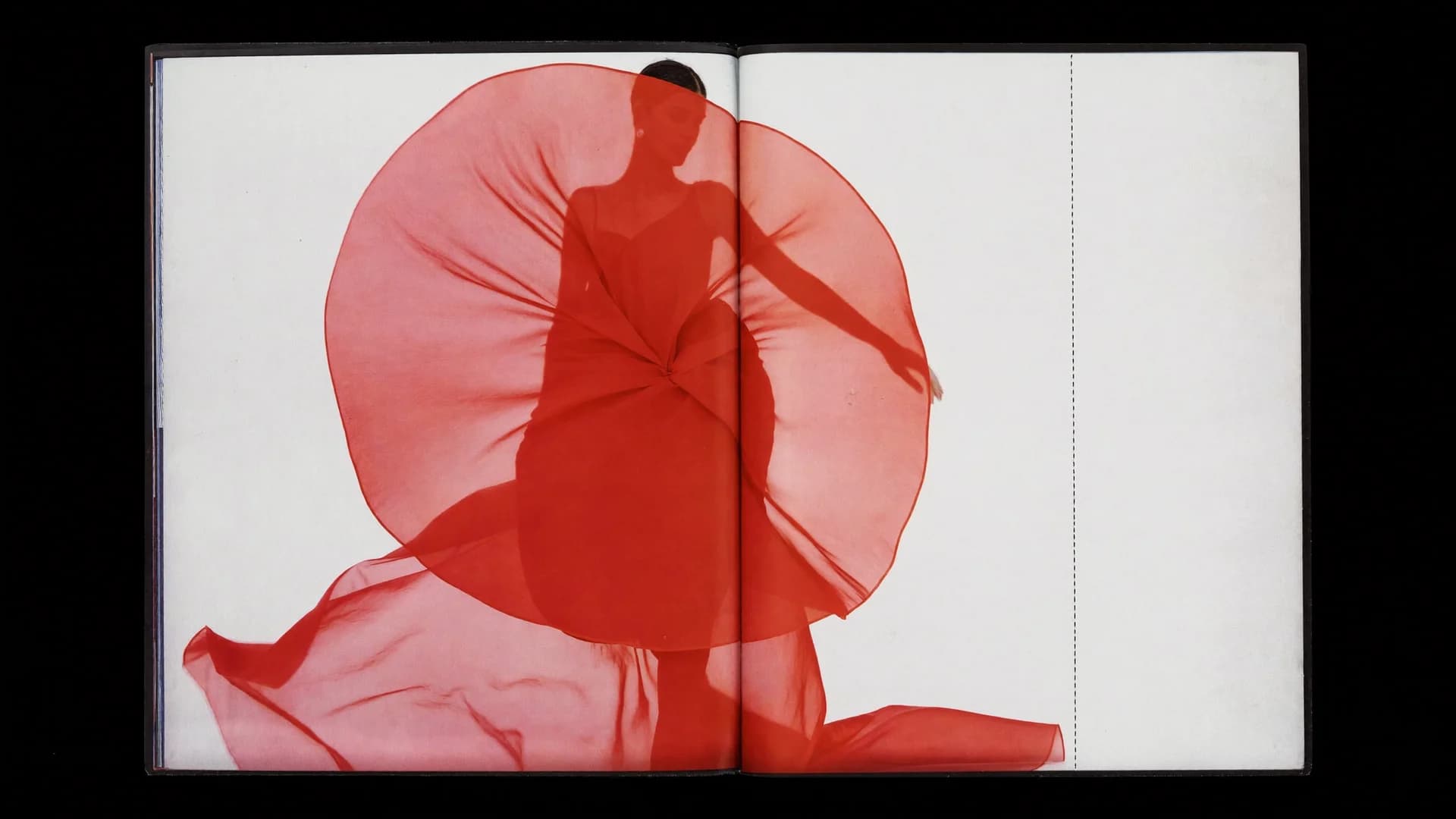
A summer fashion campaign can lose shape very quickly if the team enters the studio with an attractive mood board but no clear hierarchy of images. One studio day is usually enough for a focused campaign package, but only if the creative director, producer and client team agree on what must be captured, what would be useful, and what can wait.
Common problems usually start before the first call time:
- A mood board sets a tone but does not define the final shot list
- Campaign goals expand after the schedule has already been built
- The approval process is vague, so decisions stall on set
- Time constraints are treated as flexible when they are not
Clear campaign planning turns references into production choices. A good creative brief names the hero frames, aspect ratios, garment priorities, talent count and intended usage, then connects each of those decisions to a realistic shot list. Ambiguity at this stage usually reappears later as overtime, reset pressure or missing assets.
Choosing the right studio: scale, specification and workflow
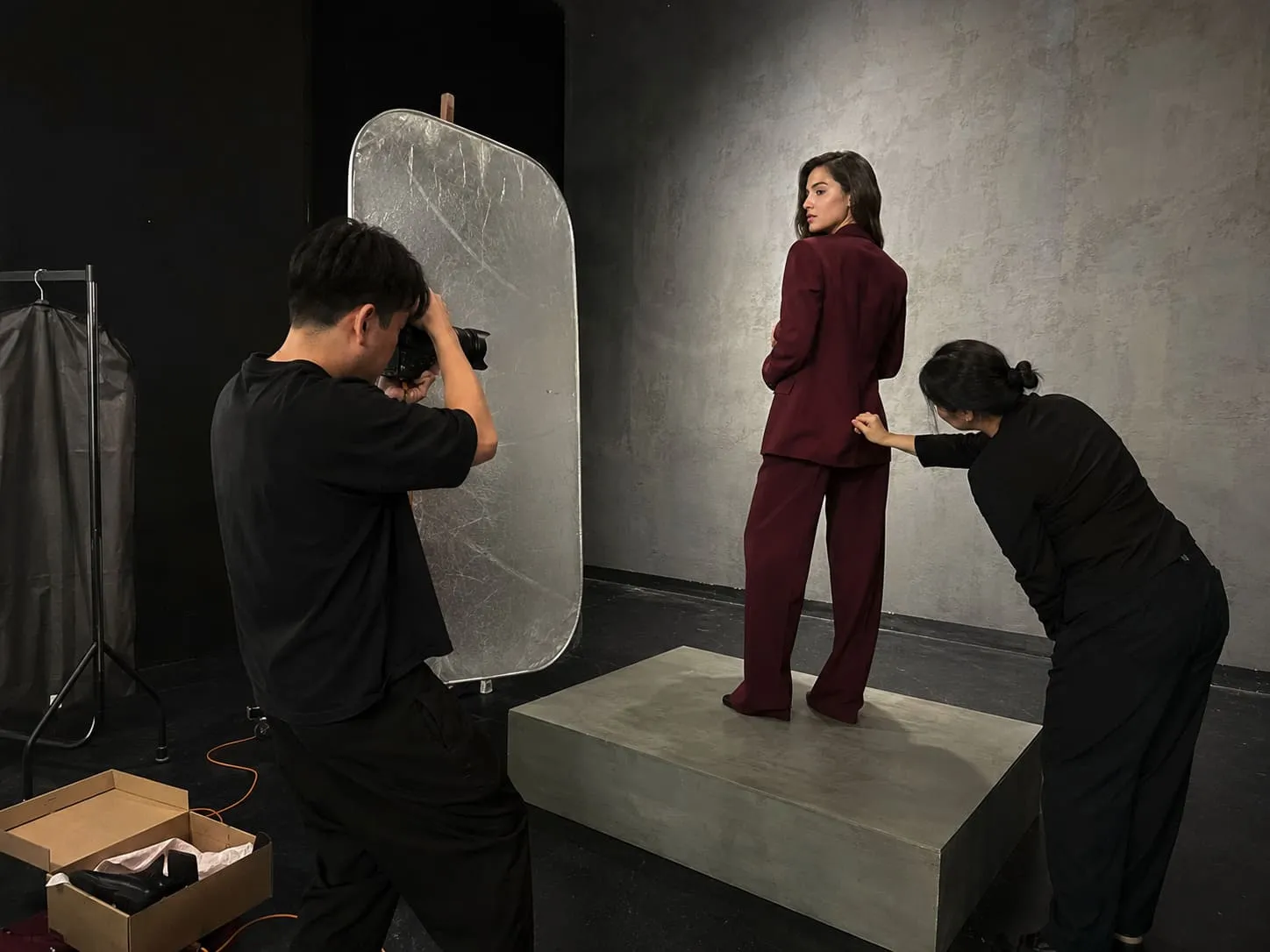
Studio choice shapes the day long before lighting is rigged. A fashion team shooting clean e-commerce looks, campaign stills and motion cutdowns has very different needs from a team building controlled virtual backgrounds or a blackout-heavy concept.
At Mammoth Film Studios, the distinction between Studio 1 and Studio 2 is useful because the spaces are built for different production patterns rather than slight variations of the same room.
- Studio 1: 8,000 sq ft with a 60 x 60 ft white infinity cove, full blackout drapes, 24 ft grid height, 3 motorised truss systems, 200A 3-phase power, drive-in access for larger vehicles, production support rooms and internal 12G SDI routing
- Studio 2: 5,000 sq ft with 360° blackout, an in-house modular 8 x 4 m ROE 2.8mm HDR LED volume, 24 ft rigging height, steel beams, chain hoists on travel trolleys, 63A 3-phase power, drive-in access, HMU room, client and production areas, and step-free access throughout
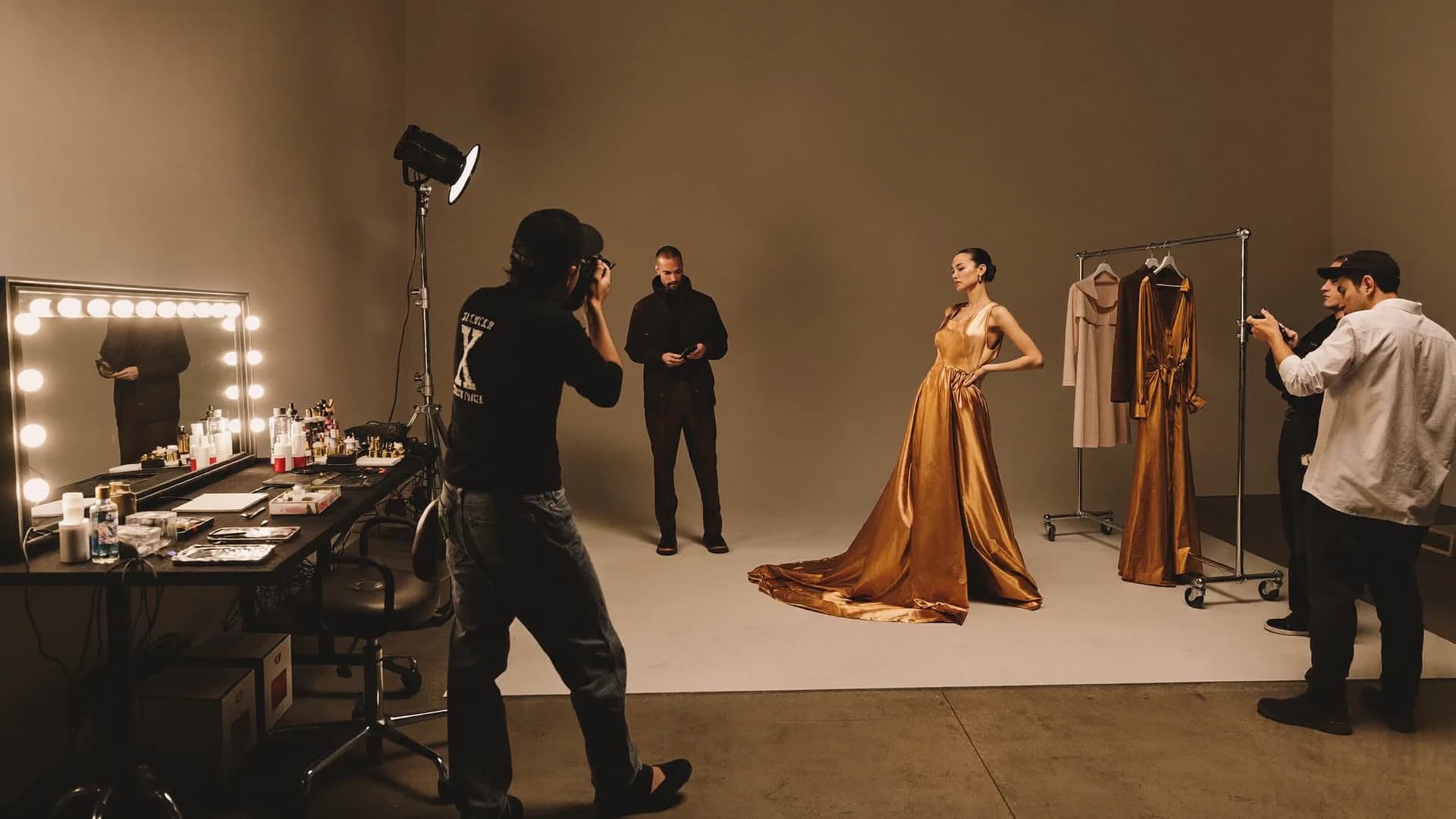
A summer campaign built around high-key lighting, wide compositions and fast transitions between clean setups may sit naturally in Studio 1, especially if the infinity cove is central to the visual direction. A concept that depends on controlled blackout conditions and LED-based backgrounds points in a different direction, with Studio 2 offering the technical fit for that workflow.
Facilities matter as much as headline specifications. Drive-in access affects load-in speed. A production office changes how approvals are handled. An in-house rigging team and an established lighting partner can simplify coordination because rigging plans, power distribution and set layout are addressed within a known system. The right decision usually comes down to fit between the campaign's visual requirements and the space's working logic, including how people, kit and vehicles move through the day.
Pre-production: streamlining crew, kit and scheduling
Single-day efficiency is usually won in pre-production rather than on set. Once a call sheet is live, every unresolved detail has a way of surfacing at the worst possible moment.
A production manager should pin down three timings with unusual precision: when kit arrives, when the stage is ready for first light, and when photography can start without caveats. Those three moments often look close together on paper, yet they involve different teams, different dependencies and different risks.
- Confirm the load-in schedule against vehicle access, parking allocation and lift or door constraints if any supplier is not driving straight onto the stage.
- Align the kit list with the lighting partner and rigging team so that rigging points, truss moves, distro and backup units are agreed before the day.
- Build the production timeline around actual setup time, talent prep duration, wardrobe change frequency and client review windows rather than ideal timings.
London shoots often lose time through apparently minor access issues. A delayed courier, an early unit vehicle with nowhere to wait, or a supplier arriving without a named contact can compress the first shooting block by an hour before anyone notices. Tight pre-production turns these into managed variables instead of morning surprises, and the difference is often visible by lunch when one set of teams is already chasing the schedule and another is still shooting to plan.
Lighting and set control: achieving consistency and flexibility
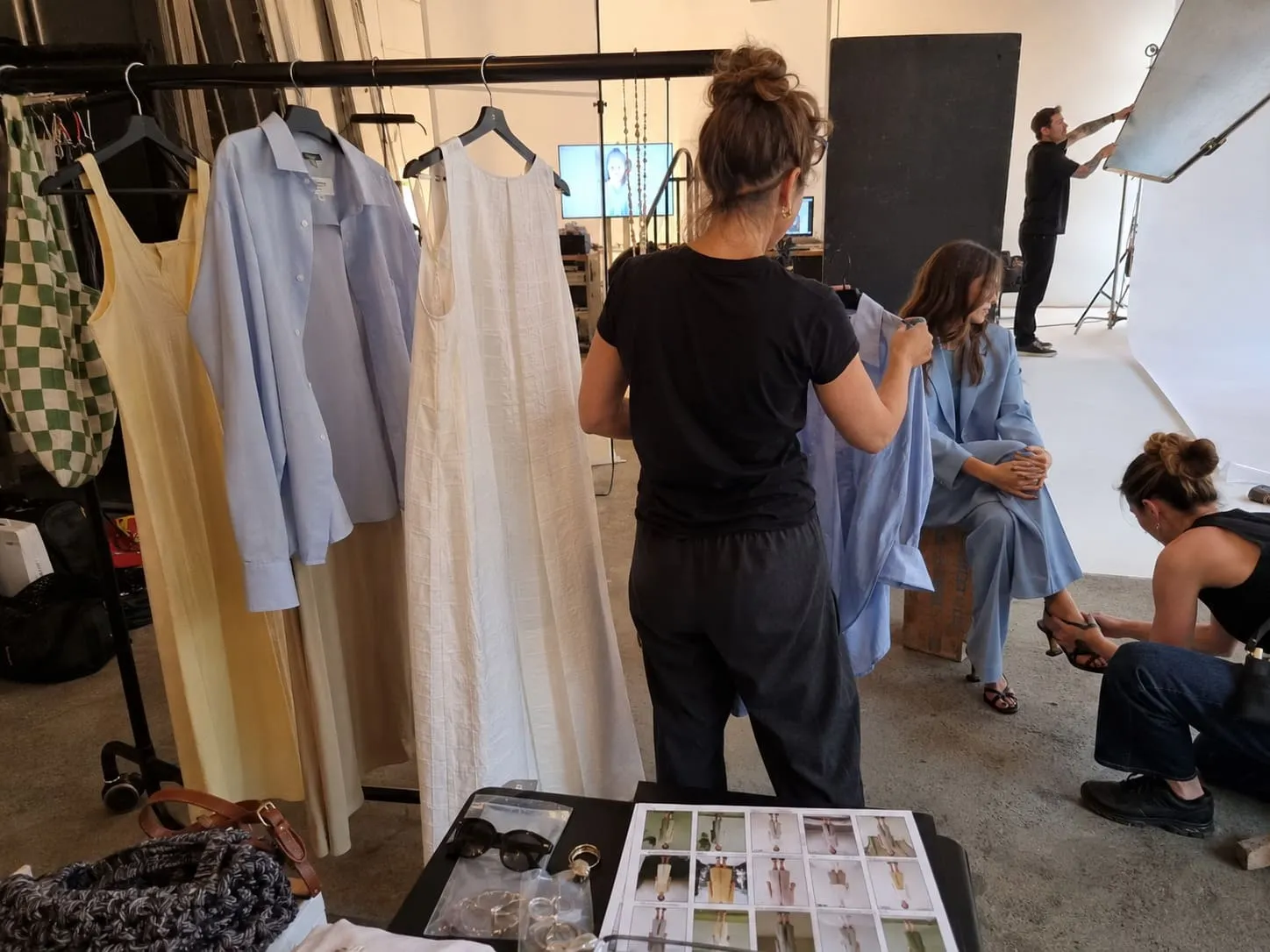
Summer campaigns often ask for brightness, softness and a sense of airiness, but they still need repeatability. A studio gives you that repeatability only if the lighting plan is built for movement as well as look.
An infinity cove gives broad, clean space for full-length fashion frames and controlled horizon lines. Blackout drapes give the team the option to shut out external changes completely and rebuild the scene from scratch. That combination is useful when a campaign needs several summer moods in one day, including crisp midday polish, softer beauty coverage and tighter motion setups.
Motorised truss systems and a properly planned lighting grid reduce the number of full resets. Instead of rebuilding from floor level every time the shot changes, the team can pre-rig key units, save lighting presets in practical terms, and move between looks with fewer interruptions. Colour temperature choices also stay more consistent when the room is genuinely controlled rather than partly dependent on outside conditions.
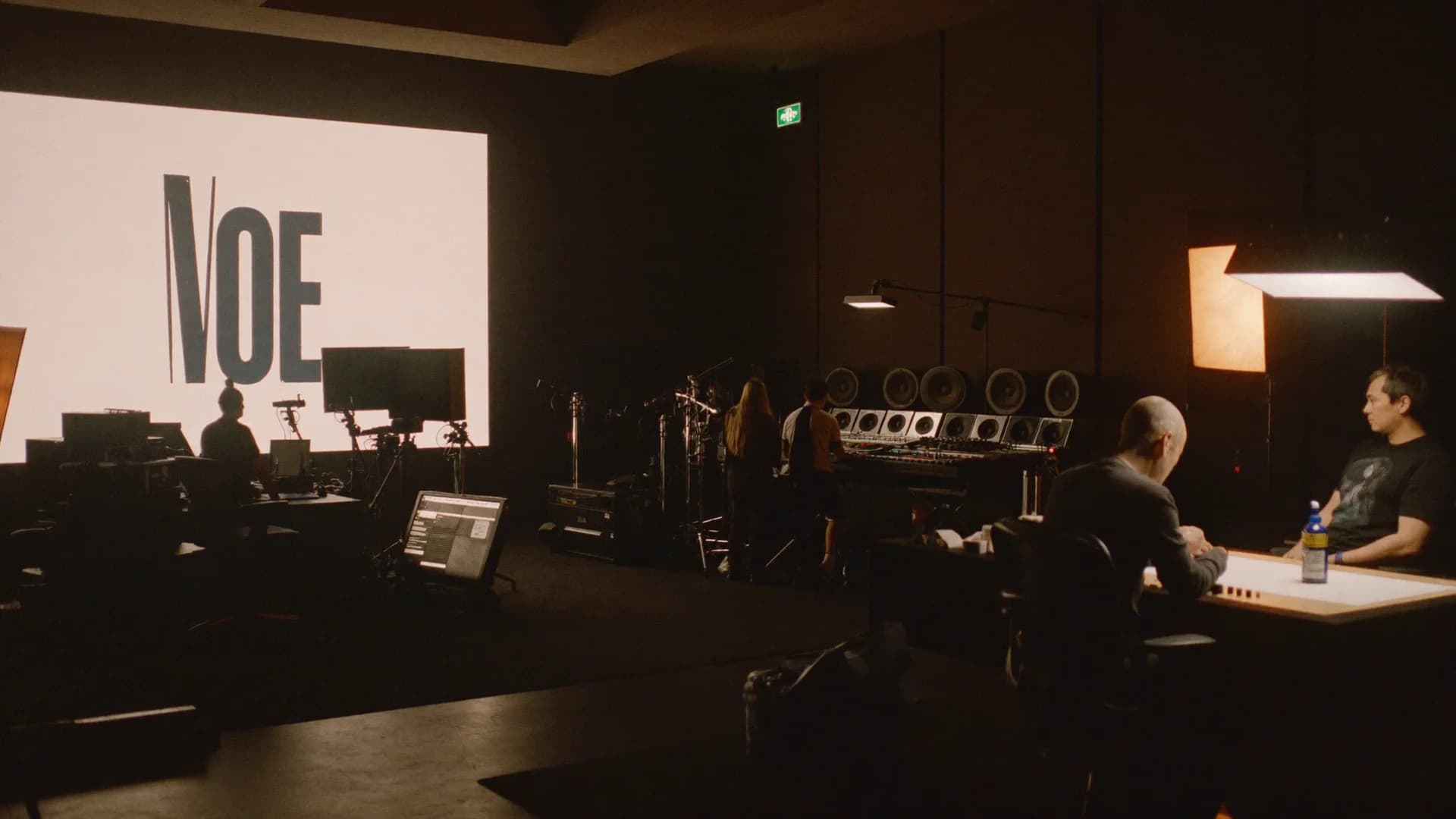
Studio 2 answers a different kind of lighting problem. A blackout-first environment paired with LED volume capability can support scenes where reflections, backgrounds and interactive light need to stay aligned across stills and motion. For campaigns moving between conventional set builds and screen-based environments, that control can keep visual continuity intact even when the styling shifts sharply from one scene to the next.
Managing styling, talent and client flow on the day
People flow is often the hidden schedule. If wardrobe changes back up, hair and makeup runs late, or approvals happen in the shooting space instead of beside it, the set slows down regardless of how well the camera department is operating.
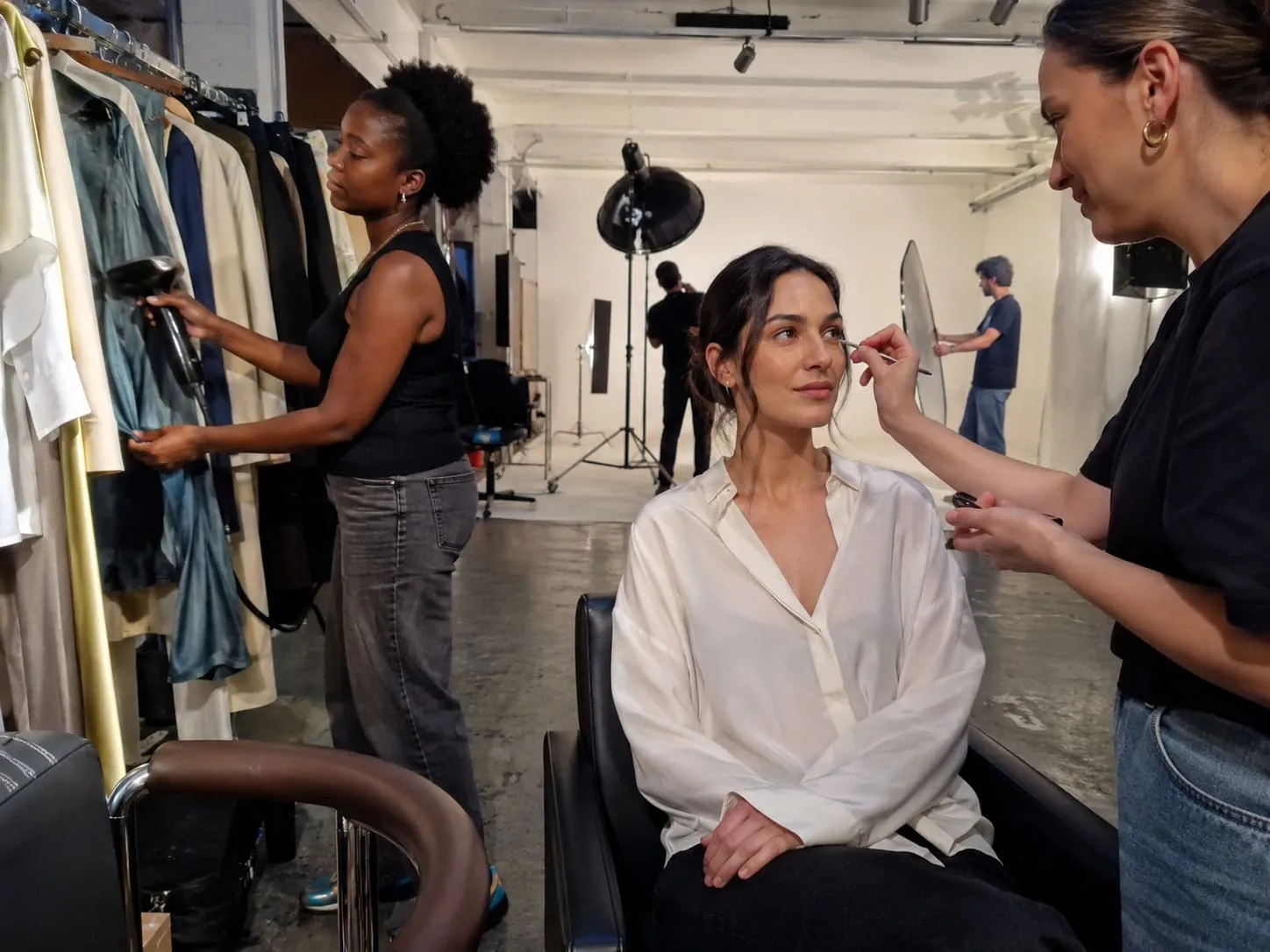
Dedicated rooms make a direct difference here. A styling room or HMU room creates separation between preparation and active shooting, which keeps the stage quieter and makes rotations easier to predict. Client areas and production offices serve a similar purpose by giving the client team somewhere to review, comment and regroup without turning the set into a meeting.
A simple movement plan keeps the day cleaner:
- Talent enters prep on a staggered schedule tied to the shot order, not general call time.
- Wardrobe changes are grouped by look family so that rails, accessories and steaming stay organised.
- Client approvals are channelled through one agreed decision-maker before notes reach the floor.
On a summer fashion shoot, the pace can change quickly once garments, beauty changes and motion inserts begin overlapping. A talent coordinator or producer who watches those handovers closely can keep one look in prep, one on deck and one on set. That rhythm is usually more useful than trying to move everybody at once.
Using technology: connectivity, streaming and on-set review
Modern campaign days depend on technical infrastructure that works quietly in the background. Remote approvals, live review and file handling all affect the speed of decision-making, even when the job itself is shot entirely in studio.
Useful systems typically include:
- A dedicated streaming network for live review
- Up to 4 Gbps symmetrical hard-wired internet where available on site
- Internal LAN for production data handling
- 12G SDI routing between stages and production areas
- An on-set review station that can support immediate playback and sign-off
Those systems matter because approvals now happen in several places at once. A client may be on site, the wider brand team may be remote, and the photographer or director may need playback routed away from the stage to keep the floor clear. Reliable studio connectivity supports that structure without forcing the crew into improvised workarounds with personal hotspots, ad hoc cables or inconsistent device sync.
None of this removes the need for judgement on set. Live feedback still needs filtering, and remote comments still need a clear route through the producer or client lead. Good technology keeps the review process moving, but the discipline comes from how the team uses it.
Contingency planning: weather, delays and last-minute changes
Studio work reduces exposure to weather, but it does not remove it completely from the schedule. Travel disruption, late talent, delayed garments and unit vehicle timing can all be weather-related even if the set itself is fully indoors.
A production manager should identify the pressure points before the day starts. If a key supplier is cutting arrival times close, the first setup may need a backup version. If client approvals are likely to involve several stakeholders, the escalation process should be agreed before the first review round. If the shoot requires occasional exterior utility, conditional outdoor space can sometimes absorb a last-minute need for storage, overflow or practical repositioning, provided the team has confirmed availability and suitability in advance.
The same applies to overruns. One lost hour does not always require a full redesign of the day, but it does require an ordered response. Hero looks may need to move to the front, lower-priority content may need to fall away, and breaks may need to be redistributed without compromising welfare or set safety. Supplier contacts, revised timings and a single communication chain are more useful in that moment than a long risk document that nobody can apply under pressure. Professional contingency planning is usually quiet and unspectacular, which is exactly why it works.
Editorial insight: rethinking the value of a single studio day
A single studio day can look restrictive on paper. In practice, it often exposes whether a campaign has been properly edited before production begins.
More time does not automatically produce better fashion imagery. Additional hours can just as easily create more indecision, more versions and more drift in the visual direction. By contrast, a well-defined studio day asks the production team and creative leads to commit early to campaign goals, set logic and approval routes.
That discipline matters more as studio infrastructure becomes more technically capable. Larger stages, blackout control, LED workflows, internal routing and stronger connectivity all expand what can be done in a day, but they do not remove the need for precise choices. The productions that benefit most from modern studio environments are usually the ones that treat them as systems for concentration and control.
For summer fashion campaigns in London, that is a useful way to think about efficiency. The strongest days are rarely the busiest-looking ones. They are the days where every department knows what the images need, the space supports the plan, and the schedule holds its shape from first setup to final frame.