What are the best tips for shooting a successful fashion campaign?
Shooting a fashion campaign successfully involves a clear creative vision, selecting the right team, thoughtful planning, using lighting well, and having a reliable post production process. Whether you’re working with high end fashion houses, local labels, or growing brands, these tips help make sure your campaign reflects the brand’s look and feel clearly. At Mammoth Film Studios, we focus on delivering a film studio, our 5,000 sq ft virtual production studio, that is capable of producing high quality, well organised campaigns that feel natural and connect with people.

Tip 1: Define a Strong Creative Concept
The Starting Point for a Great Fashion Campaign
Every fashion campaign starts with a clear idea. It shapes everything that follows including who you cast, where you shoot, and how the final images feel. Begin by asking questions about the brand. What does it stand for? Who is it speaking to? What does this collection communicate? Use that information to guide your visual decisions.
Building a Moodboard Everyone Understands
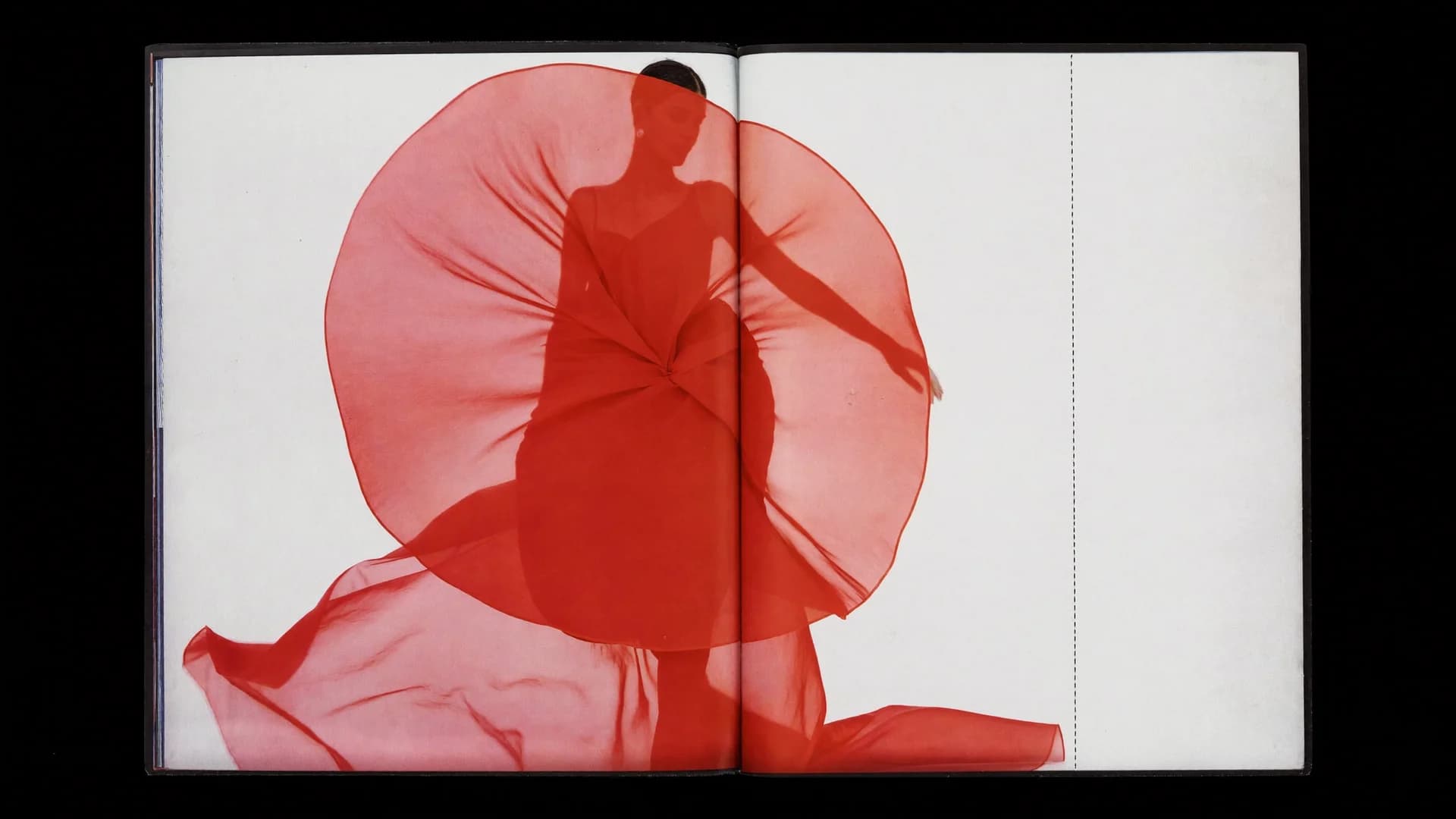
Moodboards bring direction to your campaign. They align your team visually and creatively. Collect references from fashion photography, colour palettes, fabric swatches, lighting styles, and design layouts. Tools such as Milanote or a shared digital board can help. This visual planning ensures the concept remains clear and easy to follow across the entire production team.
Matching the Look to the Job
A fashion campaign can be created for billboards, print publications, social media, or all of them combined. Different formats can influence shot composition, styling, and post production. Planning this early helps avoid missteps.
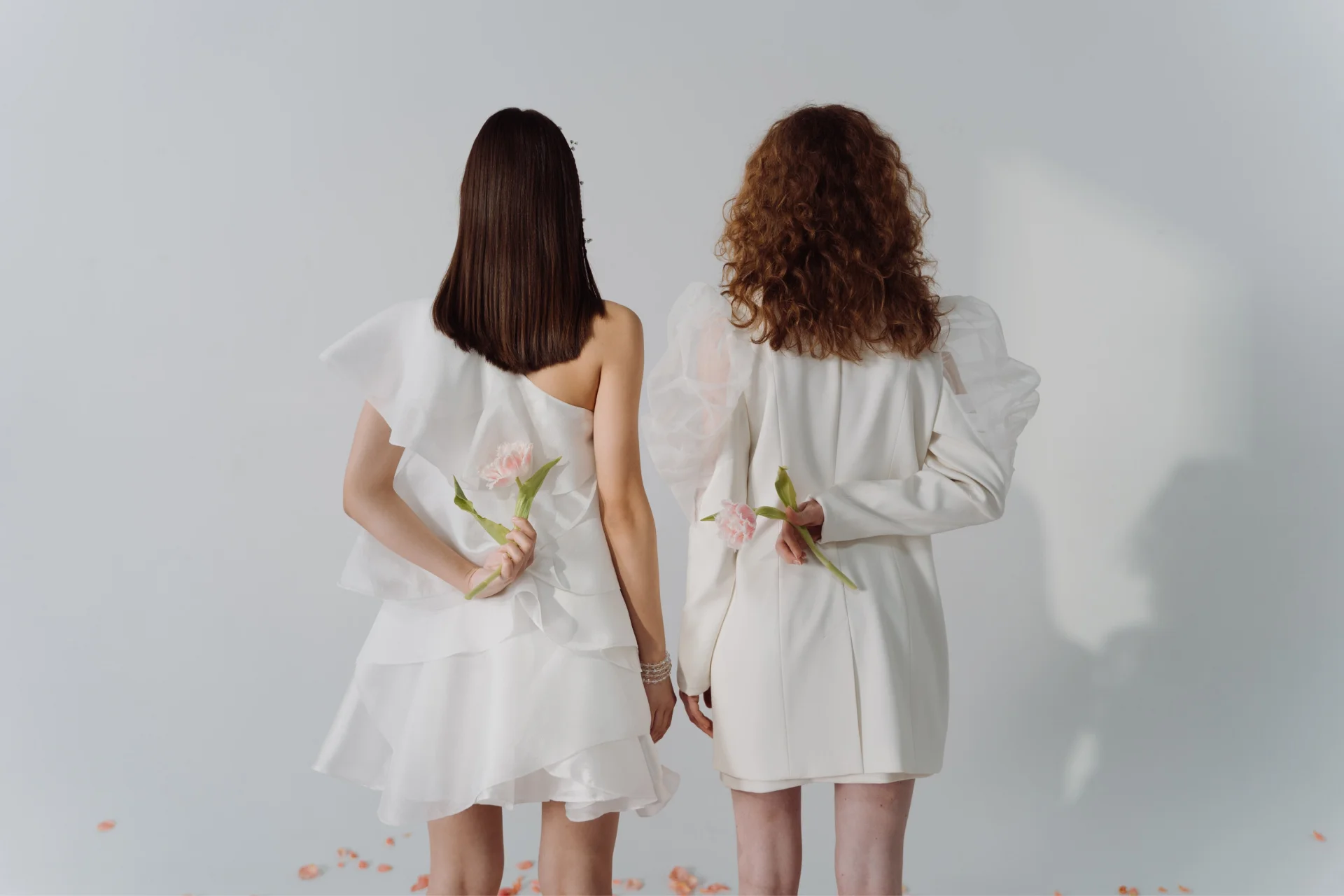
Tip 2: Select the Right Team
Build a Team You Trust
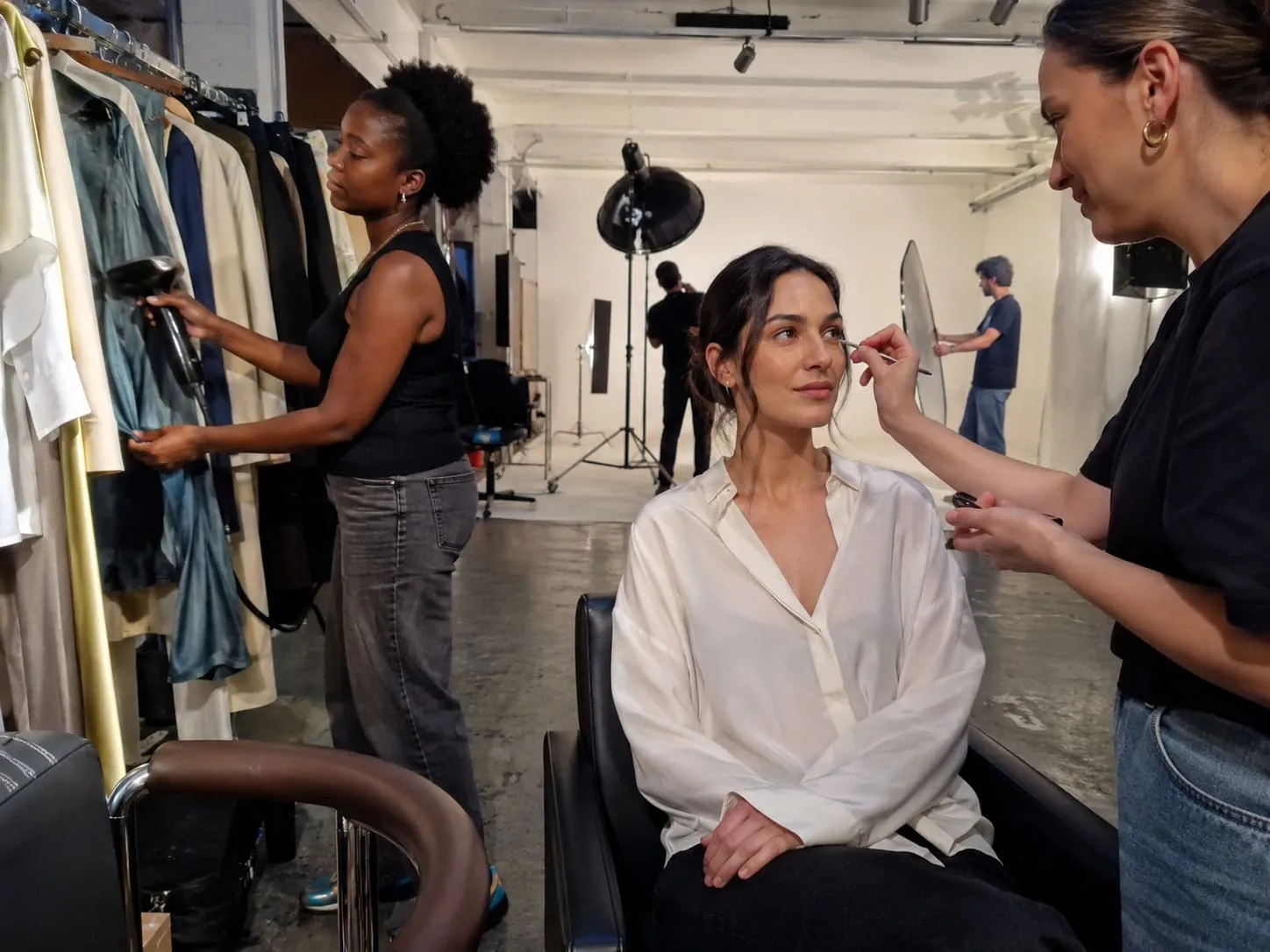
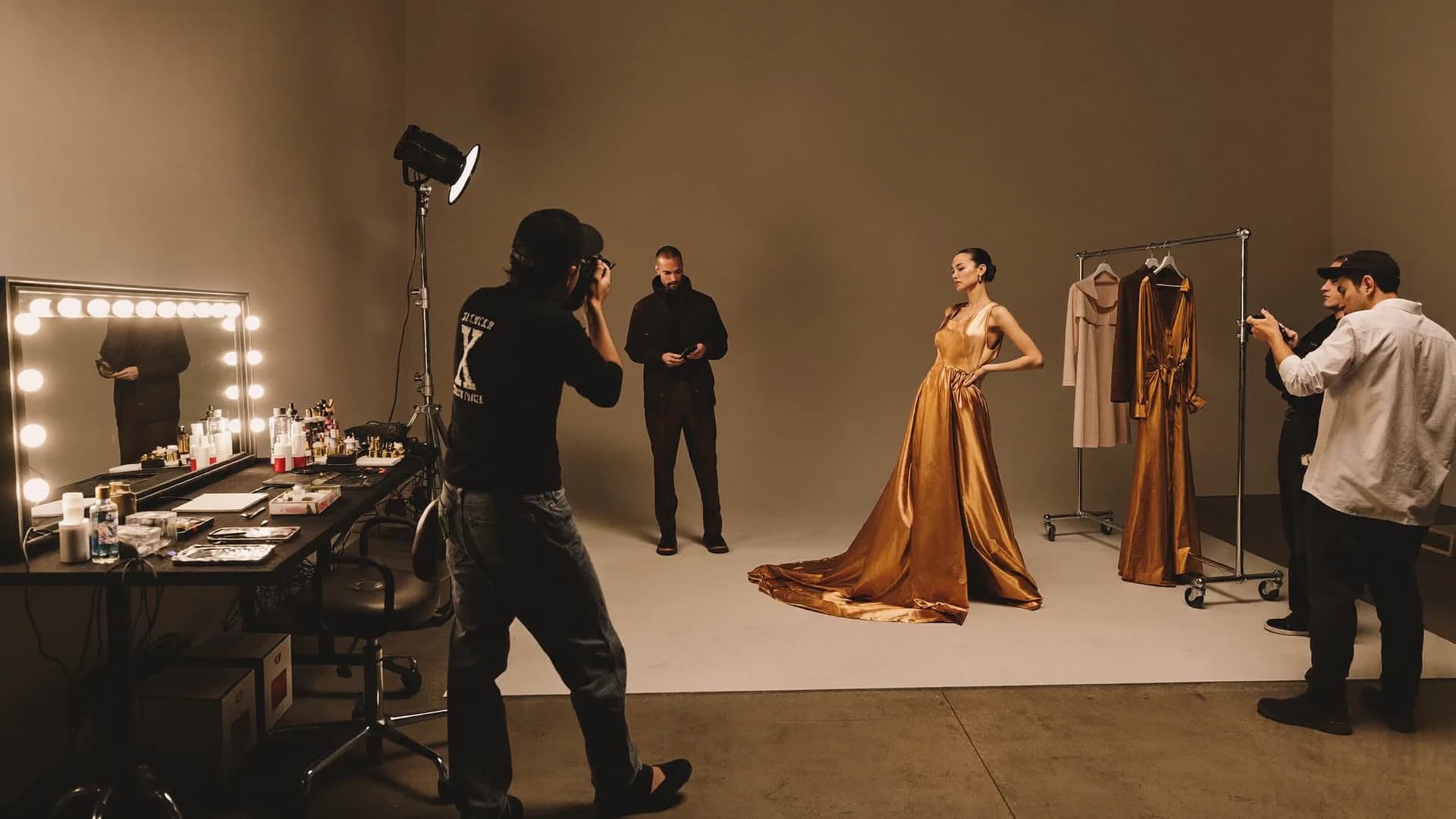
Working with experienced professionals makes a big difference. Choose a stylist with attention to detail, a reliable hair and makeup artist, and a crew who know how to work quickly and keep things moving. The right team keeps things organised and makes the day feel more manageable.
Choose a Photographer With the Right Eye
Clothing needs to be captured in a way that highlights design, fit, texture, and shape. Choose a photographer with strong knowledge of fashion lighting setups, composition, and the technical aspects of cameras such as focal length, aperture, and shutter speed. They should be comfortable with fast paced environments and know how to bring out the best in every garment.
Pick Models Who Fit the Brand
Casting influences how the final campaign will be perceived. The model should reflect the brand’s audience and values. Work with agencies or freelancers who understand the brief and are flexible to direction. Consider using natural light test shoots during casting to get a feel for how the model presents on camera.
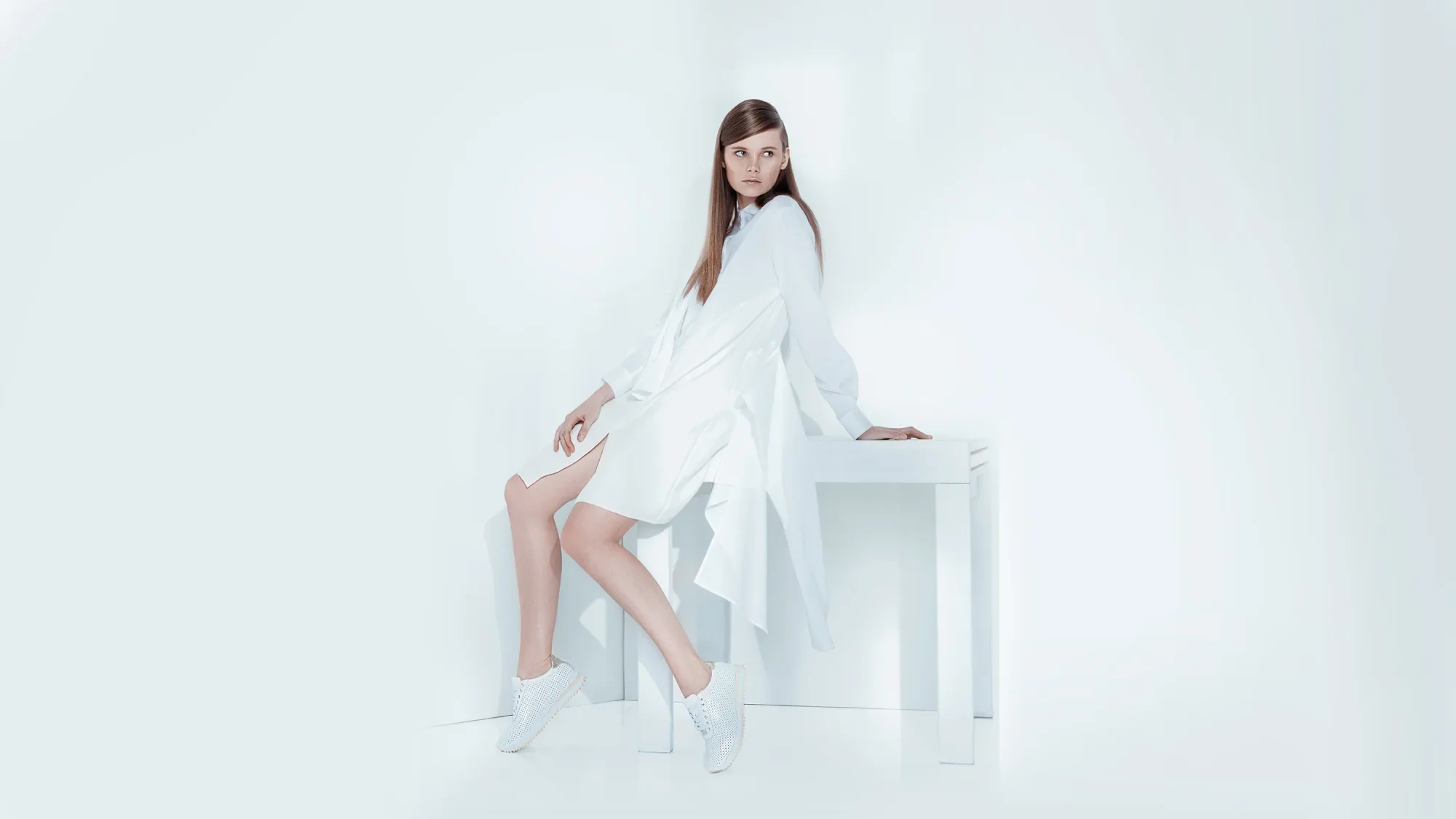
Tip 3: Plan the Shoot Properly
Get the Basics Sorted in Advance
The more organised you are before shoot day, the better things run. Build a shoot schedule that includes travel details, call sheets, shot lists, and contact information. Share it with the full team in advance. Preparing the production schedule early keeps everyone aligned and reduces downtime on the day.
Pick the Right Location for the Clothes
Choosing a location affects the lighting, energy, and context of the shoot. Natural environments provide real textures and depth. Studios offer controlled settings that work well for clean, modern looks. Assess the practical side too. Check light availability, power supply, weather, accessibility, and travel logistics.
Prep the Wardrobe and Styling Down to the Details
Have each look steamed, fitted, and paired with the right accessories. Pack styling kits with clips, pins, and stain remover to handle anything unexpected. Organise garments by look and scene to make quick changes easy. Matching each outfit to its corresponding shot setup ahead of time speeds up transitions and keeps the day running to schedule.
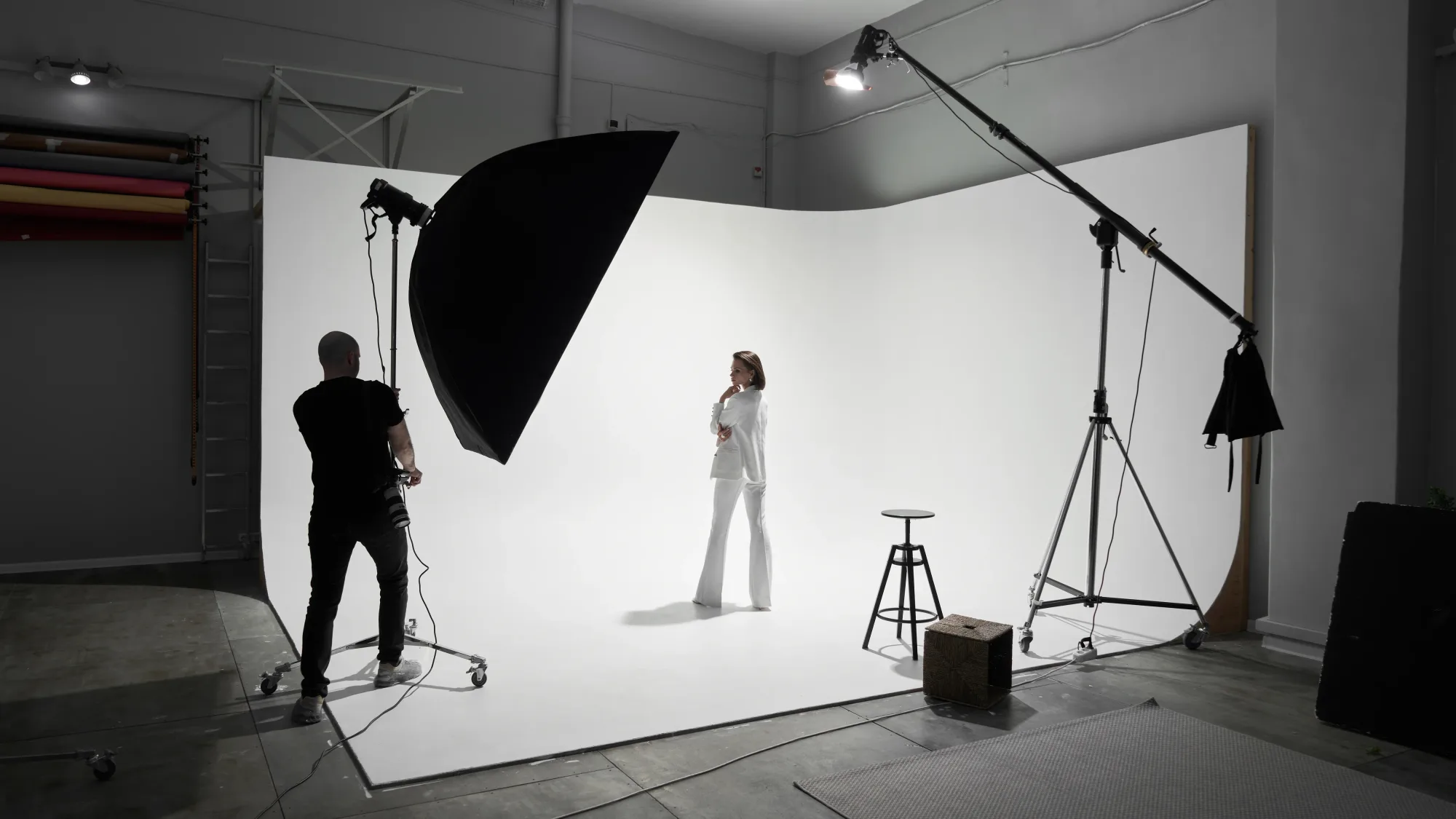
Tip 4: How important is lighting and composition in a fashion campaign?
Use Light to Show Off Texture and Shape
Lighting affects how every detail in a garment appears. A hard light source will sharpen folds and add contrast. A softbox or natural light can smooth textures for a more subtle finish. Match the lighting to the fabric type. For example, metallic or structured fabrics benefit from directional lighting to catch sheen and shape.
Plan Camera Angles and Focal Lengths
Choosing the right focal length and shooting angle is key. Wide angle lenses such as a 24mm can elongate limbs and exaggerate movement. A longer lens like 85mm can compress space and focus attention on the clothing. Use high aperture settings when you want more background detail and lower f stops for depth of field that draws attention to the model.
Compose With the Frame in Mind
Plan for how the images will be used. If the image is for a homepage banner or an Instagram carousel, your composition needs to consider text overlays and cropping. Give extra space where needed and always test a few layouts with your graphic designer beforehand. Knowing the end use helps frame shots with more intention.
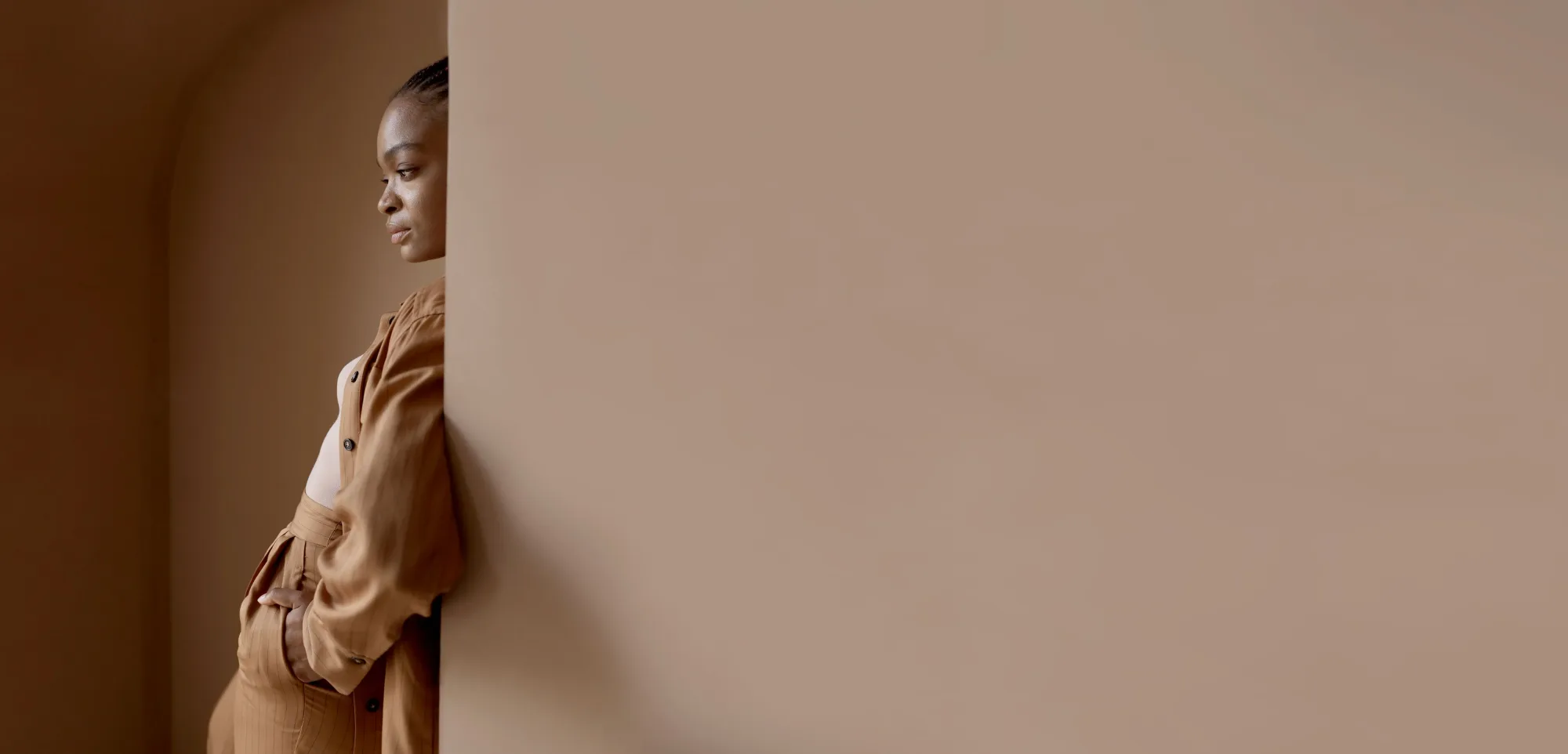
Tip 5: Post Production and Distribution Strategy
Colour Correction and Retouching
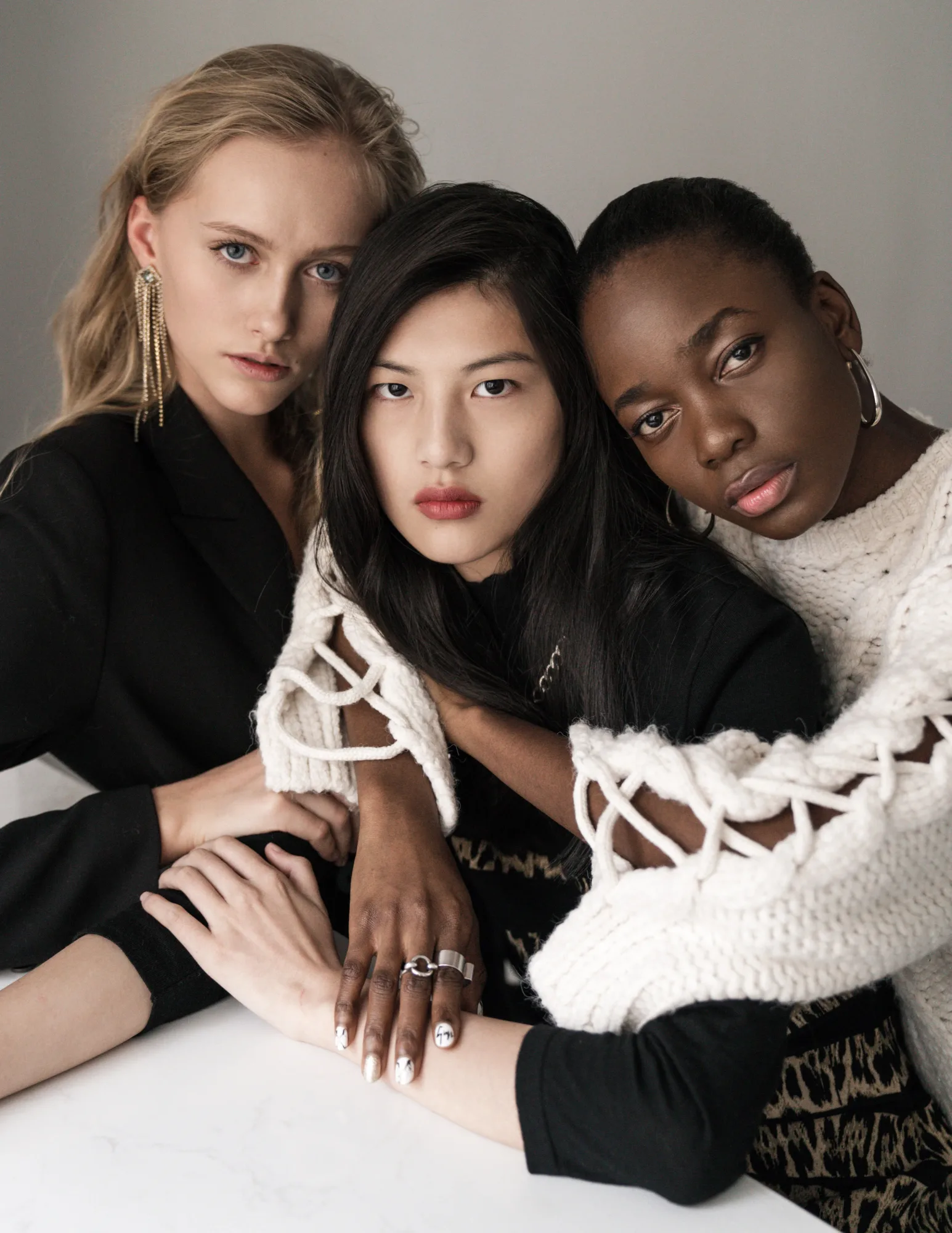
Once the shoot wraps, post production brings the visuals together. Colour grading needs to match the brand’s tone, whether that’s high contrast, natural finish, or muted tones. Retouching should keep skin tones realistic and fabric textures intact.
Create for Multiple Formats
Think about how each image or video will be used. Will it be posted on a website, in an ad campaign, or used for packaging? Shoot in high resolution so files can be cropped and resized without losing quality. Capture vertical and horizontal versions where possible. During editing, we often see clients prepare separate exports optimised for web, social, and print use.
Distribute Across the Right Channels
Use the campaign assets strategically. Share behind the scenes content to build interest before launch. Pair the main campaign images with product shots to support ecommerce sales.