What happens inside a film studio?
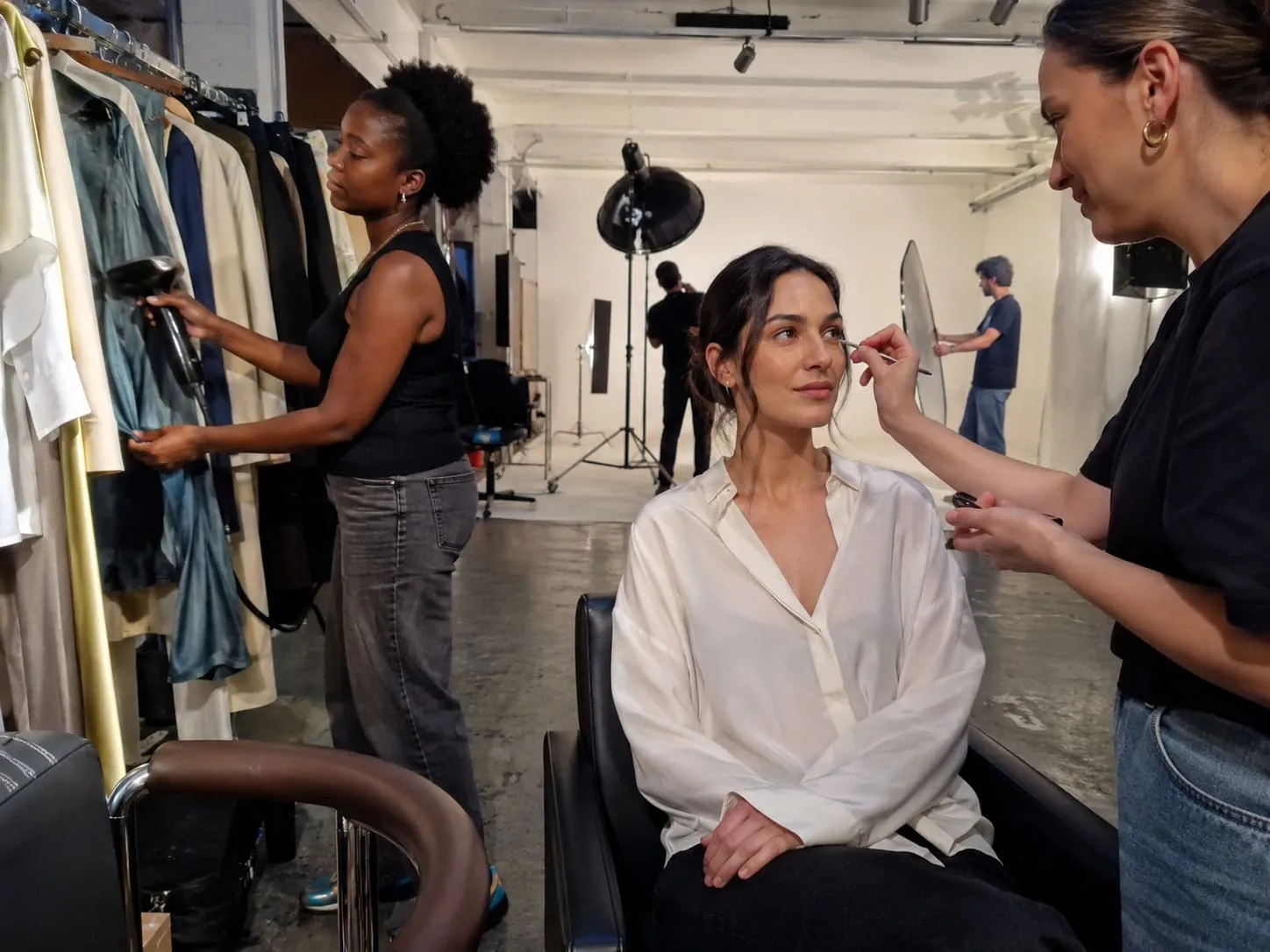
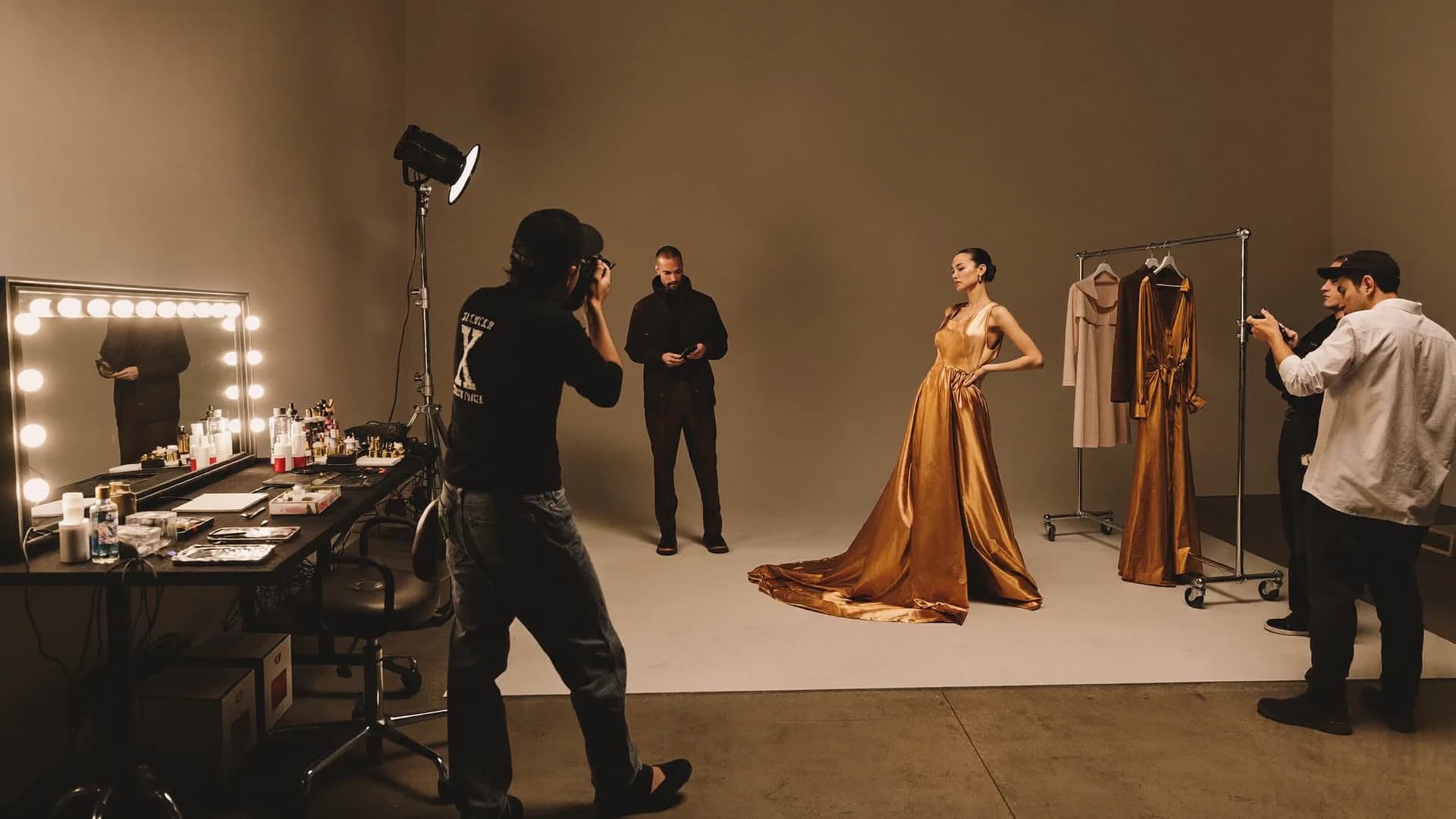
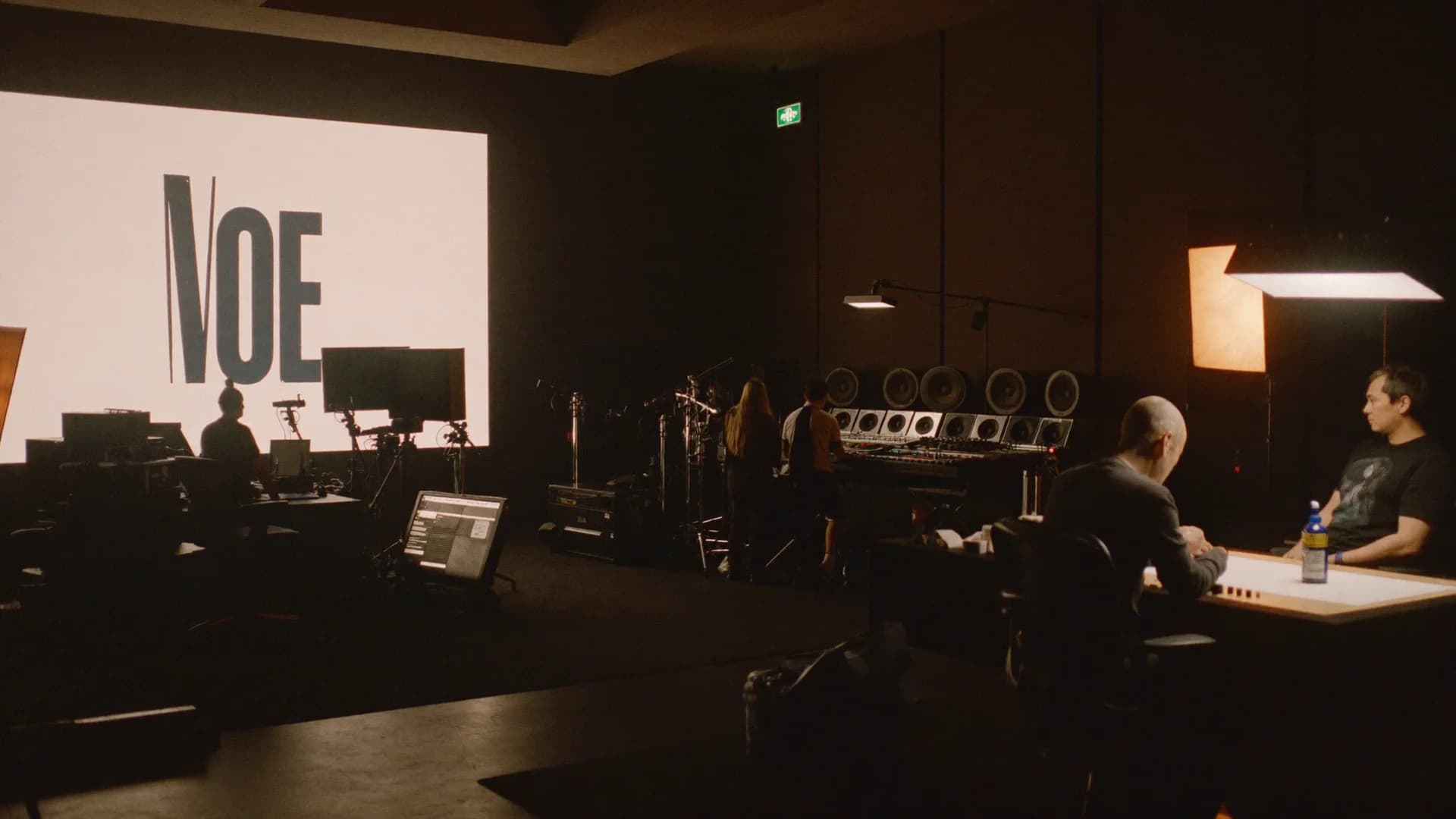
A film studio, like Mammoth Film Studios, is a dedicated space where creative work is turned into professionally finished content. While many associate studios with movie production, they are equally important for shooting TV series, advertisements, music videos, virtual shoots, and branded content. These environments are fully equipped to handle varied production needs, with soundproof stages, adjustable lighting rigs, green screen setups, and production control rooms.
Studios allow directors, producers, and technical crews to work without interruptions from weather or inconsistent lighting. They make it possible to follow a tight shooting schedule while maintaining visual continuity, scene blocking, and high fidelity audio. The flexibility of these controlled filming environments helps production teams achieve accurate, polished results every time.
What are film studios used for?
Feature film production
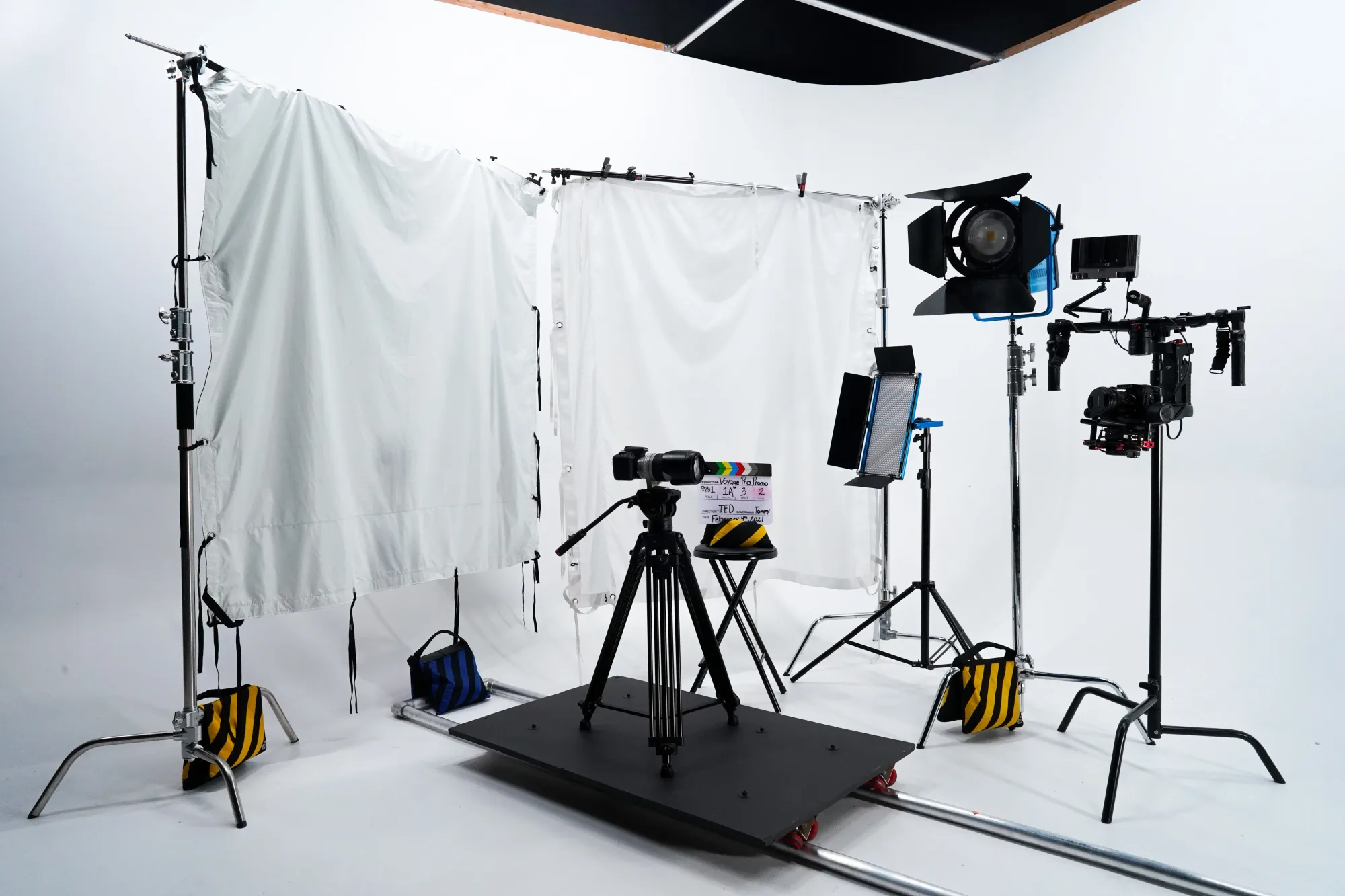
Film studios are purpose built for shooting cinematic content. Directors, directors of photography, and production designers collaborate to build entire indoor sets that reflect the script's vision, whether that’s a realistic street or a futuristic spaceship. Lighting teams use key lights, fill lights, and backlights to simulate specific times of day. This control supports accurate continuity throughout complex scenes.
Studios support advanced camera rigging systems such as dolly track setups, jib arms, and gimbals. Soundproofing ensures clean dialogue capture, and reverb is managed to studio-grade standards. Visual effects teams integrate practical effects, matte paintings, and chroma key green screen stages to prepare for digital compositing. Shooting indoors reduces delays and improves consistency in cinematic storytelling.
For more on production techniques, see this guide on film set lighting.
Pro Tip: Plan lighting with set build in mind. Coordinating these early avoids costly reshoots and speeds up setup time.
How are studios used in TV production?
TV series, especially sitcoms and panel shows, rely on studio spaces for consistent and efficient filming. Multi camera setups, often with stationary and moving cameras, allow producers to capture scenes from multiple angles simultaneously. Sitcoms typically include a live studio audience, enhancing timing and atmosphere with natural reactions.
The studio setup includes cue card stations, teleprompters, and wardrobe trailers. Showrunners, script supervisors, and assistant directors benefit from prebuilt scene blocks and uniform lighting plans. This makes studio based filming a reliable solution for episode based television production, live to tape shows, and recurring formats.
You can learn more about multi camera setups in this guide.
Commercial and product video shoots
Studios are frequently used by brands to create high quality commercials and explainer videos. Product styling and art direction benefit from controlled lighting environments using softboxes, reflectors, and studio lighting grids. These allow for detailed rendering of product features, surfaces, and branding elements.
Green screen techniques and branded set construction enable flexibility in location and theme representation. Directors use product pedestals and macro lenses to focus viewer attention on core product highlights. Studios provide a controlled setting that supports storyboard alignment, chroma key work, and visual storytelling for digital ads. If you need to advertise in a controlled environment then Mammoth Film Studios London is about the most controlled environment you can get.
Pro Tip: Use drone cinematography indoors for more dynamic shots where traditional rigs are too restrictive.
What makes studios ideal for music videos?
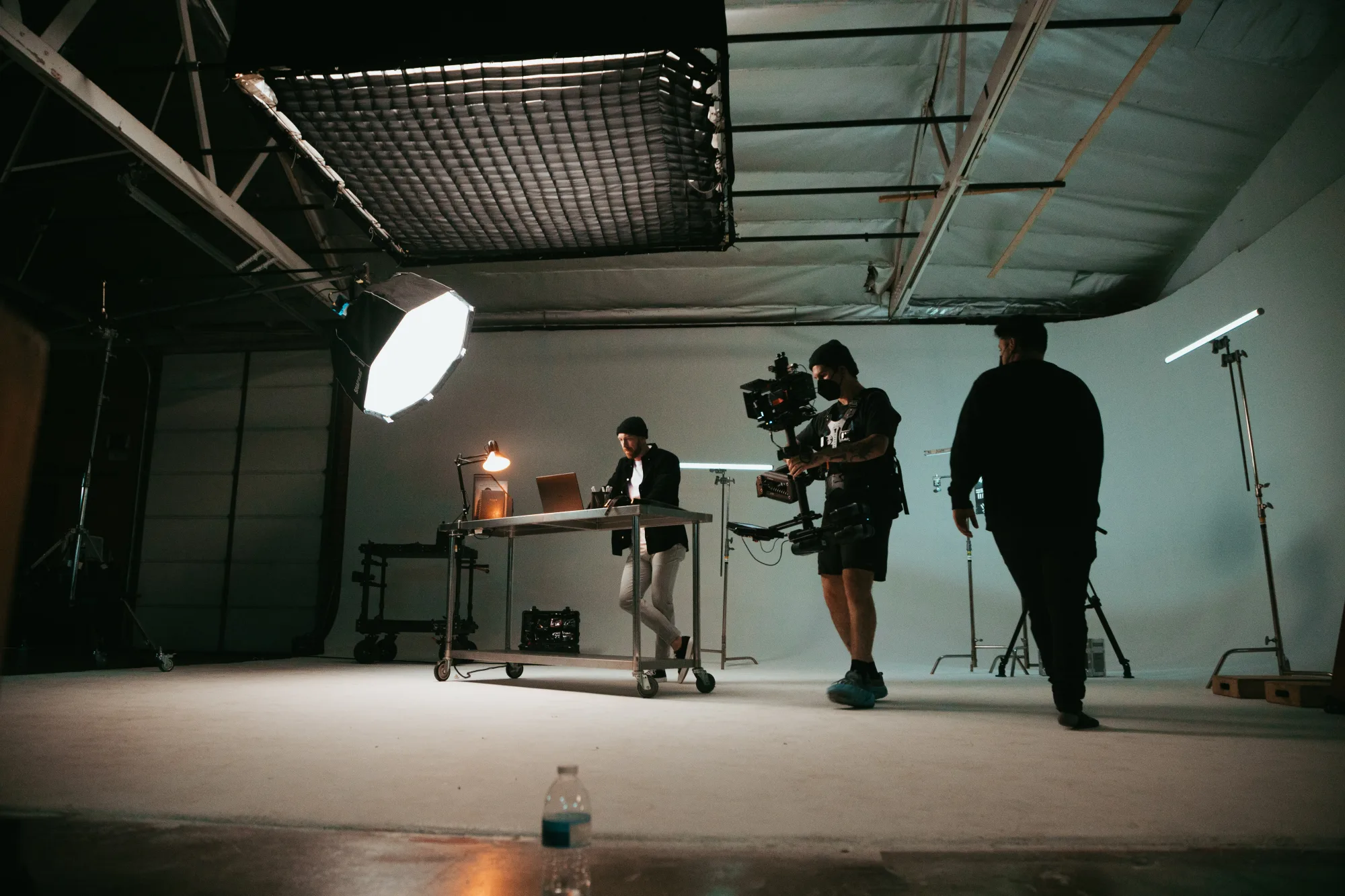
Music videos rely on precise choreography, lighting sync, and stylistic experimentation. Studios provide a performance space with consistent sound levels, adaptable lighting cues, and room for multiple set changes. Choreographers, playback operators, and set dressers collaborate to synchronise movement with music tempo.
Common tools include fog machines, LED panels, wide angle lenses, and truss systems. These allow directors to alternate between minimalist performance shots and surrealist story scenes. With weather no longer a concern and audio levels consistent, studios are a practical choice for performance shoots, even when you only need to hire one for a few hours.
What is on set virtual production and how is it used in UK studios?
Studios equipped with chroma green backdrops, LED volumes, and real time rendering systems are essential for visual effects production. Actors perform in front of tracking markers while VFX supervisors monitor scene alignment and depth mapping. Motion capture suits, facial rigs, and LED walls enable realistic interaction with virtual sets. Google Flow AI storyboarding is now also supporting UK-based productions with scene previews and layout planning in real time.
Post production specialists and compositors use software like Unreal Engine and Nuke to integrate live action with 3D environments. Studio based green screen filming reduces guesswork and allows directors to preview final compositions on set. Virtual production not only improves turnaround but supports creative precision, especially for streaming content.
Quick Definitions
- Film emulation: A digital process that applies effects like grain, halation, and tone curves to mimic the look of traditional film stock. This digital film grain enhances mood and offers creative depth to video footage.
- Drone cinematography: The use of autonomous UAV cinematography systems indoors for complex, dynamic camera movement. These drones can carry lighting or cameras and are often used for tracking shots within large indoor sets.
How are film studios changing?
What are the latest trends in studio production?
Studios are adapting to accommodate remote workflows and next generation filming demands. Vertical film studios, designed for compact cities, stack sound stages and post production facilities over multiple levels. These layouts optimise space and enable continuous filming.
Hybrid shoots using cloud synced production systems allow distributed teams to collaborate in real time. Lighting rigs and modular scene elements can be reused and adjusted digitally, speeding up transitions between shots. Virtual asset management platforms support version control and global access.
New studio builds cater to content creators working for broadcast, film, and social media platforms. With sets ready for live streaming, high frame rate video, augmented reality, and Lidar-supported scene tracking, studios are playing a bigger role in content delivery across every medium.