What does studio approval mean for your shoot?
Studio approval means the manager can see that your shoot matches the room, the timings, the access, the electrical supply, the crew flow and the risk controls. A strong brief gives enough operational detail for the studio to say yes without chasing basic information.
Table of Contents
Studio approval is an operational check
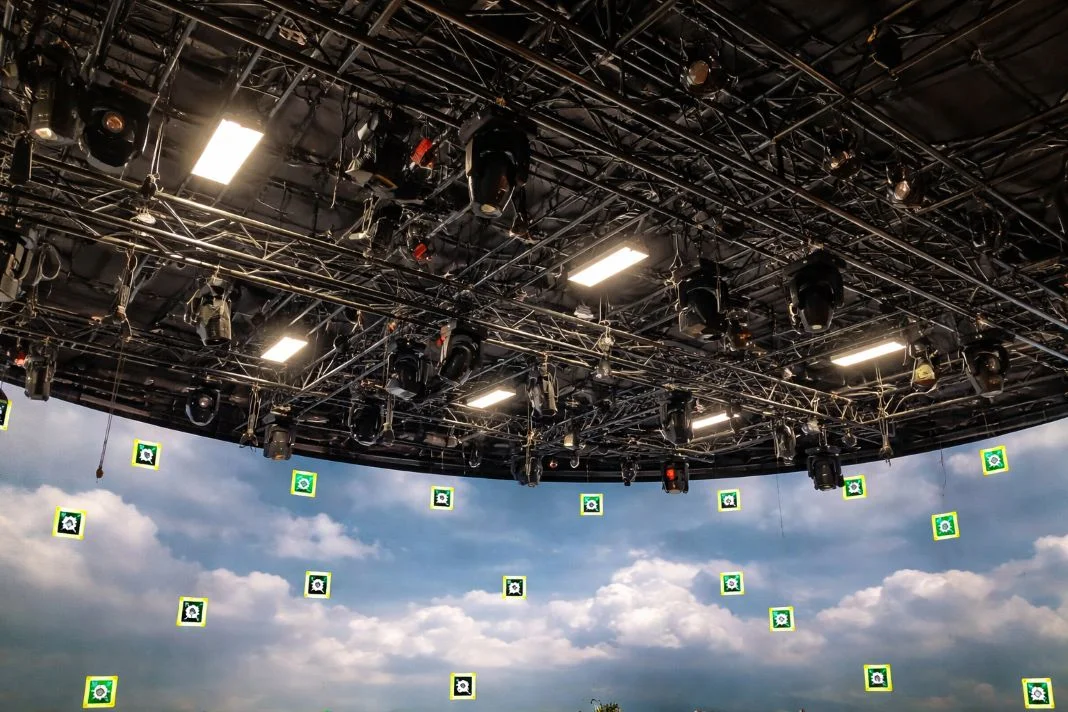
An enquiry lands with a treatment attached. The studio manager will read it, but the approval conversation soon moves to what will happen on site: how many people are coming, what equipment is being rigged, what vehicles need access, how long set-up and strike will take, and whether any unusual activity is planned.
Creative ambition matters to the production. Declared activity matters to the studio.
A simple interview shoot with a small crew, seated contributors and modest lighting is easy to assess. A vehicle shoot with haze, overhead rigging, playback to client areas and a tight load-out needs a different level of detail. Both may be perfectly workable, but they create different demands on the building and the operations team.
Vague briefs slow studio approval for film shoots because the manager has to fill in too many blanks. “Brand film with talent” says almost nothing about space use, technical demand or site risk. “Two cars driven into stage, static only, overhead softbox, playback to production office, no effects” gives the studio something it can assess.
Approval is a matching exercise between the production scope and the studio’s capacity. Those checks are where the practical approval work starts.
Documents give the studio evidence rather than reassurance
Paperwork is not decoration around the booking. It tells the studio that the production has identified the activity, assigned responsibility and put controls in place before the shoot day.
From the studio manager’s side, each document answers a specific question. Insurance shows that liability has been considered. A studio risk assessment shows that the production has looked at the activity inside that room. A method statement explains how higher-risk work will be carried out, especially where the activity could affect the building, crew or suppliers.
The Health and Safety Executive is clear that employers and organisations in control of premises and facilities carry ultimate responsibility, while the producer has overall day-to-day responsibility during production. That split matters. A studio can review your documents before access is granted, but the production still owns the production risk.
A practical approval pack usually includes:
- A production summary with real activity in it. Format alone is weak. State what is being filmed, what will move, what will be built and what the studio is being asked to support.
- Insurance evidence. Public liability insurance for filming is commonly requested early because it affects permission, indemnity and access for contractors.
- A risk assessment. Small shoots still need thought. Crew size does not remove risk if the activity involves rigging, vehicles, hot lights, working at height or unusual equipment.
- Method statements for specialist work, where the activity needs a plain account of how it will be done safely.
- Contractor or equipment evidence where relevant, such as proof that a specialist supplier is competent for the work being proposed.
Film London’s Code of Practice says productions should provide public liability insurance to the filming location or relevant film contact for location filming, and that risk assessments may be needed depending on the type, nature and place of filming. For stunts, physical effects or pyrotechnic effects, expect closer questions about competent supervision, method statements and relevant oversight, including the British Stunt Register, the Joint Industry Special Effects Committee or the Metropolitan Police Service Film Unit where the activity calls for it.
Early papers give the manager something firmer than verbal confidence, especially when suppliers need access before the main shoot day.
Electrical load, rigging and stage fit can make or stall approval
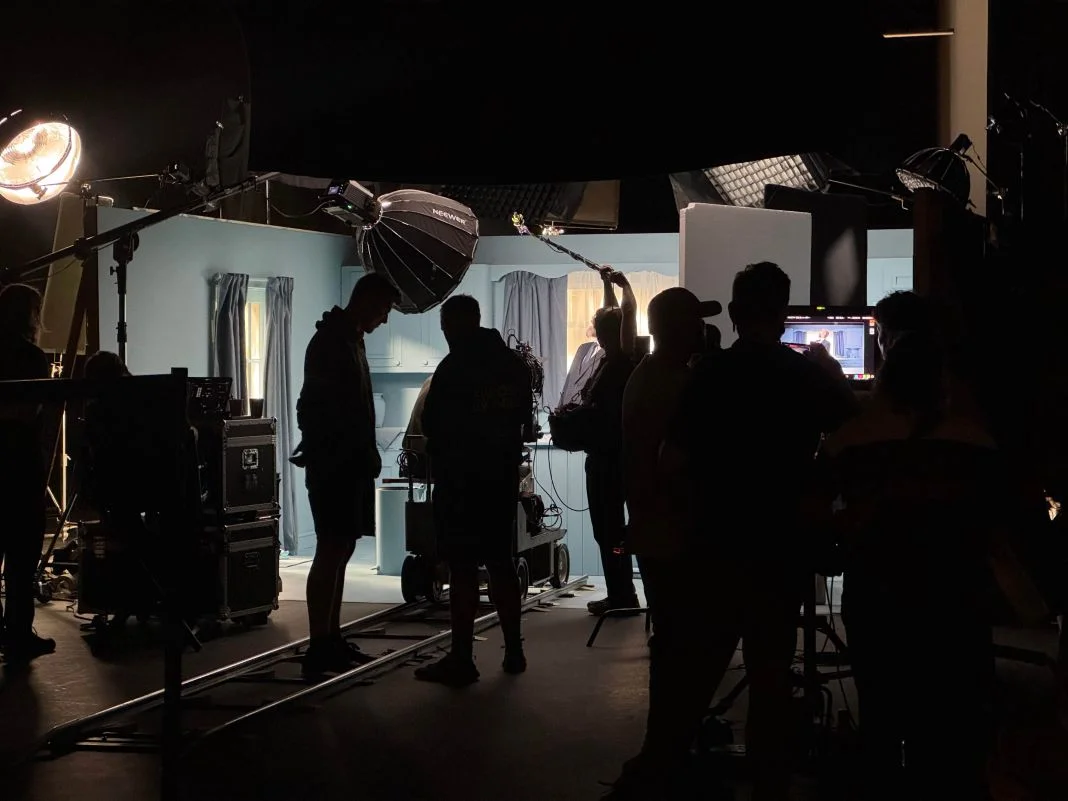
A studio that looks right on a deck can still be the wrong operational match. Approval depends on whether the declared lighting, rigging, blackout, set build, vehicle movement and playback needs fit the specific stage being booked.
Under-specified technical demand is one of the fastest routes to delay. A manager cannot approve overhead work from a line that says “some rigging”. The same applies to electrical draw, heavy set pieces, vehicle positioning or a virtual production workflow that has not been separated from a standard blackout shoot.
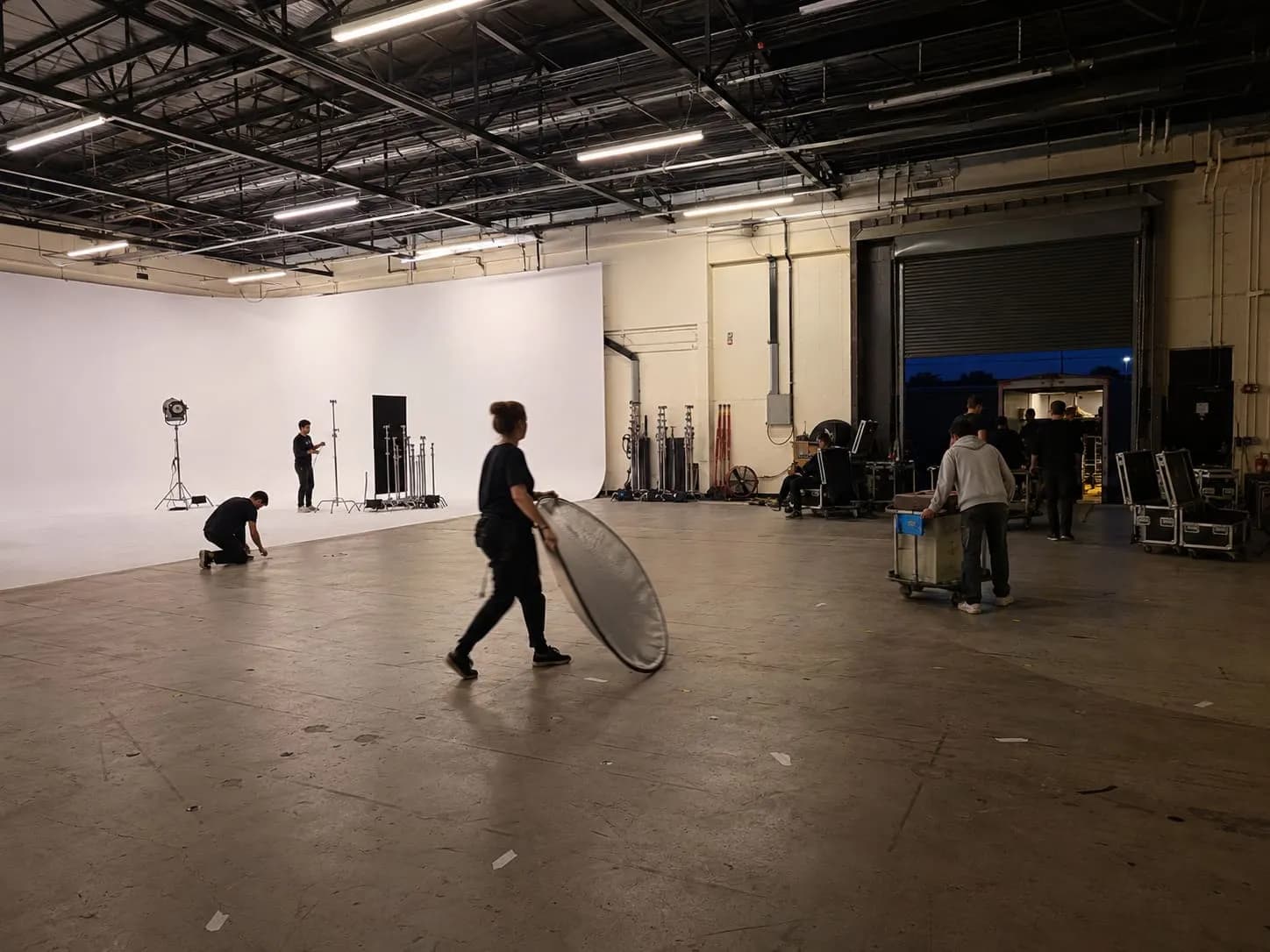
Mammoth Film Studios is a useful London Zone 2 example because its two stages are configured for different production uses. Studio 1 is an 8,000 sq ft Infinity Cove and Blackout studio with a 60 x 60 ft white cove, 24 ft grid height, motorised trusses, 200A three-phase electrical supply, drive-in access and on-site parking. Studio 2 is a 5,000 sq ft Blackout and Virtual Production studio with 360 degree blackout capability, an in-house 8 m x 4 m light-emitting diode volume, 24 ft rigging height, steel beams, chain hoists, 63A three-phase electrical supply, drive-in access and on-site parking.
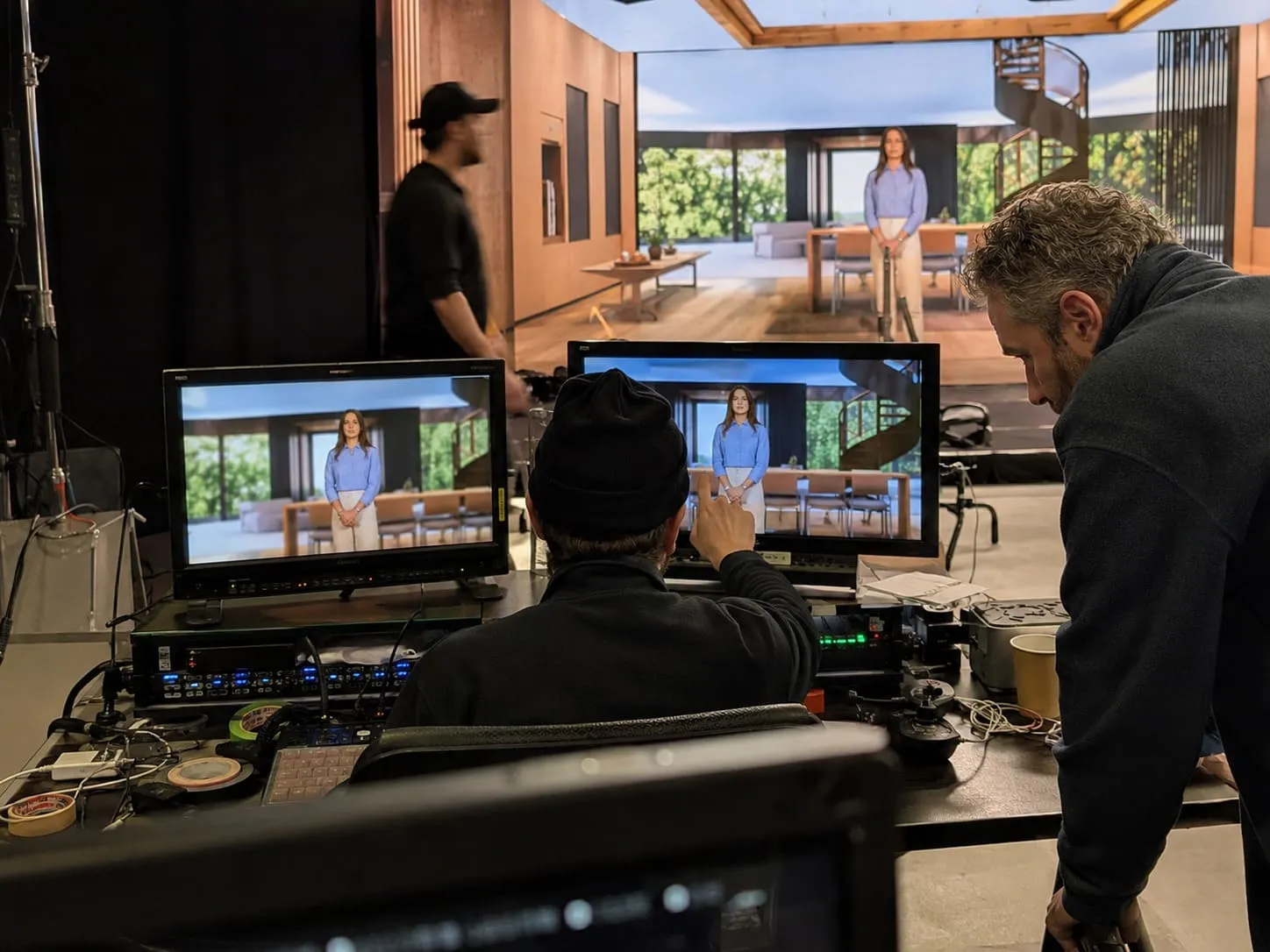
Those are different approval conversations. Studio 1 suits large-format cove or blackout work. Studio 2 suits blackout and virtual production workflows where playback systems, light-emitting diode volume supervision and technical crew need to be part of the plan.
A technical recce works best when the Gaffer, Production Electrician, art department lead or virtual production supervisor can answer the same questions as the producer. Precise technical notes let the studio identify constraints before a booking becomes hard to change.
Access and crew flow affect the whole shoot day
A technically simple shoot can still become awkward if access is vague. The manager needs to know how people, kit, clients, suppliers and vehicles will move through the site before the first call time becomes fixed.
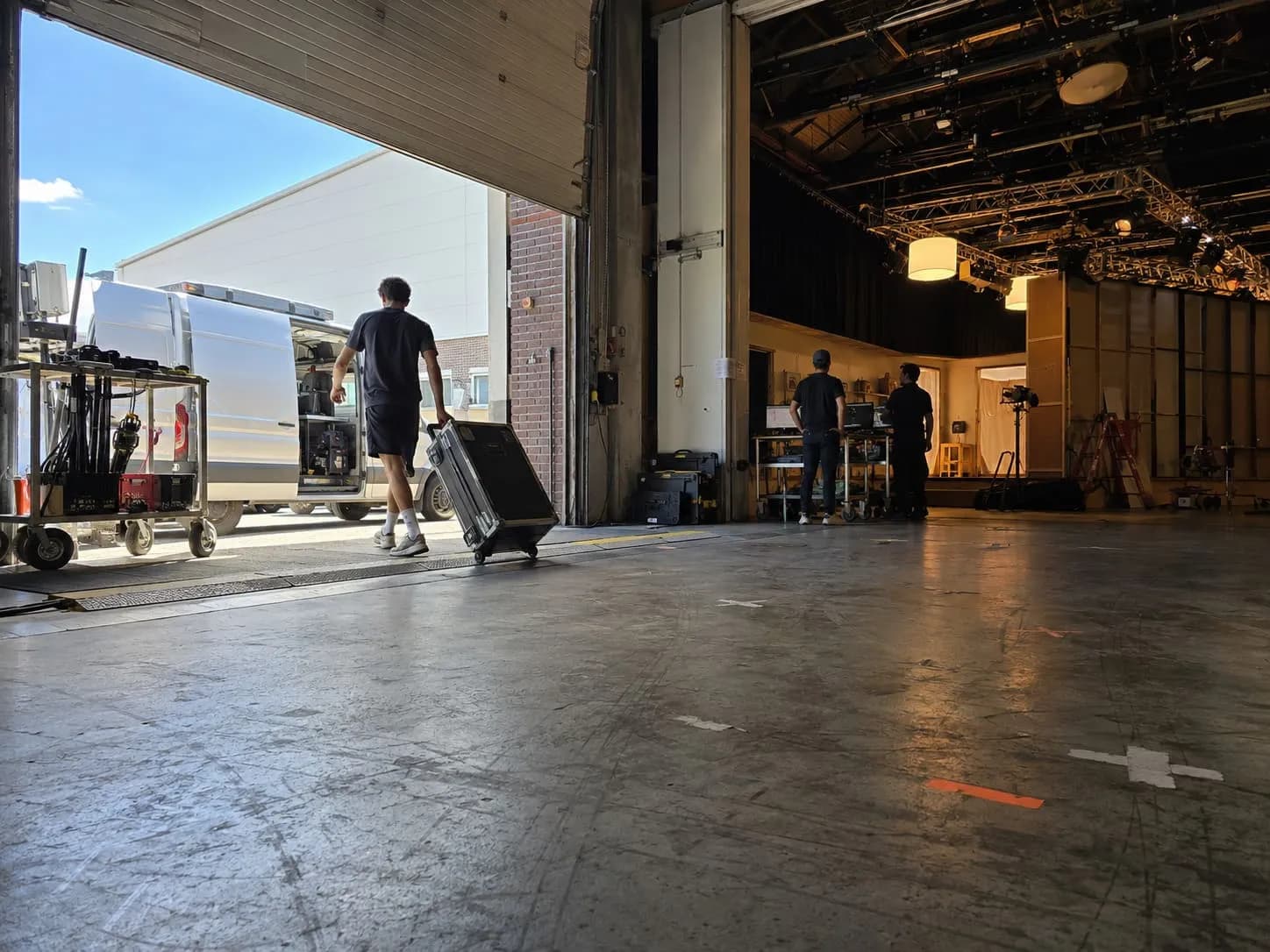
London Zone 2 logistics make this especially practical. Overground and Jubilee line proximity can help crew and agency movement, but studio approval still turns on the plan for vehicles, loading and on-site parking. A producer who says “small unit” has left room for doubt. A producer who explains which vehicles are arriving, what needs to be unloaded and how long load-in is expected to take has removed a common source of friction.
Crew and client areas are part of workflow, not soft extras. Hair and make-up, production desks, client rooms and holding space affect how many people can be kept away from the stage at the right moments. A crowded stage is rarely a creative choice. It is usually a planning gap.
Overruns deserve the same direct treatment. Studios need set-up, shoot and strike assumptions because time pressure changes how the building is used. External or backlot-style space should also be treated as conditional until agreed, particularly where parking allocation and unit movement are part of the same site plan.
Send access and parking assumptions early, preferably before the recce, so the studio can assess the actual movement around the building.
A prepared production sends operational truth early
A polished treatment will not carry a booking if the operational detail arrives late. Before a recce or booking confirmation, the strongest enquiries give the studio manager enough information to test the shoot against the room, the schedule and the site rules.
For a professional studio shoot, that handover should cover the activity as it will actually happen on the day. Keep it compact, but do not hide the awkward parts. The point is to remove uncertainty while there is still time to adjust the plan.
Useful information includes:
- Shoot type, production scope and the activities taking place on stage
- Crew, client and talent numbers, with any separate holding or production area needs
- Set-up, shoot and strike assumptions
- Electrical load, rigging, blackout, set build and vehicle requirements
- Specialist activity, insurance, risk assessment and method statements where needed
- Playback, streaming, remote approval and production office monitoring requirements
- Access, parking, supplier arrivals and any conditional external space request
Connectivity belongs in the approval conversation when remote stakeholders are involved. Mammoth Film Studios lists up to 4 Gbps symmetrical hard-wired internet, internal local area network and 12G Serial Digital Interface routing from stages to production spaces, which are the kinds of details that matter for remote approval, live streaming, playback and production office monitoring.
Footage handling also belongs on the radar. Film London’s current Code includes guidance that productions should have location permission before using artificial intelligence tools or platforms for processing and sharing footage of the location. In practice, that makes confidentiality and data handling part of approval where studio imagery, client content or location material will be processed outside the normal production chain.
The key point is simple: studio approval becomes straightforward when the production states its operational reality early, because the priority is not more paperwork, it is earlier truth about what the building is being asked to support.
Common questions about studio shoot approval
Do you need insurance to hire a film studio in the UK?
A studio will commonly ask for public liability insurance before confirming access because production activity can create claims involving people, property or suppliers. The required terms vary by site and by the nature of the shoot.
Does a small video shoot still need a risk assessment?
A smaller crew does not automatically remove the need for a risk assessment. The activity matters more than the headcount, especially where lighting, rigging, vehicles, effects or unusual equipment are involved.
Can a studio stop a shoot if documents arrive late?
A studio can delay or refuse access if missing documents prevent it from assessing safety, insurance, permissions or site impact. Late paperwork also makes supplier access and pre-light arrangements harder to confirm.
What should be covered during a technical recce?
A technical recce should test the shoot plan against the stage, including electrical load, rigging, access, blackout, set build, playback and crew flow. The most useful recce answers the questions that cannot be solved from a treatment.
Does virtual production need different approval information?
Virtual production needs clear information about the light-emitting diode volume, playback, supervision, camera workflow, client monitoring and technical crew. A blackout room alone does not define the workflow, so the studio needs the production plan in practical terms.
This is general information, not professional advice.