What equipment is included as standard with a London virtual production studio hire?
A modern London virtual production studio typically includes a modular LED volume, playback systems, core rigging infrastructure, and dedicated on-set technical crew as part of the hire. Additional support spaces, power, and strong connectivity are also standard.
Understanding Virtual Production in a London Studio Context
Virtual production has established itself as a practical tool for today’s film and commercial shoots in London. Instead of replacing traditional filming, it offers production teams a controlled environment where complex digital backdrops and interactive lighting can be combined with real-world action. The operational approach is founded on predictability, workflow integration and technical reliability rather than spectacle.
A clear distinction exists between traditional studios and those built with dedicated virtual production capabilities:
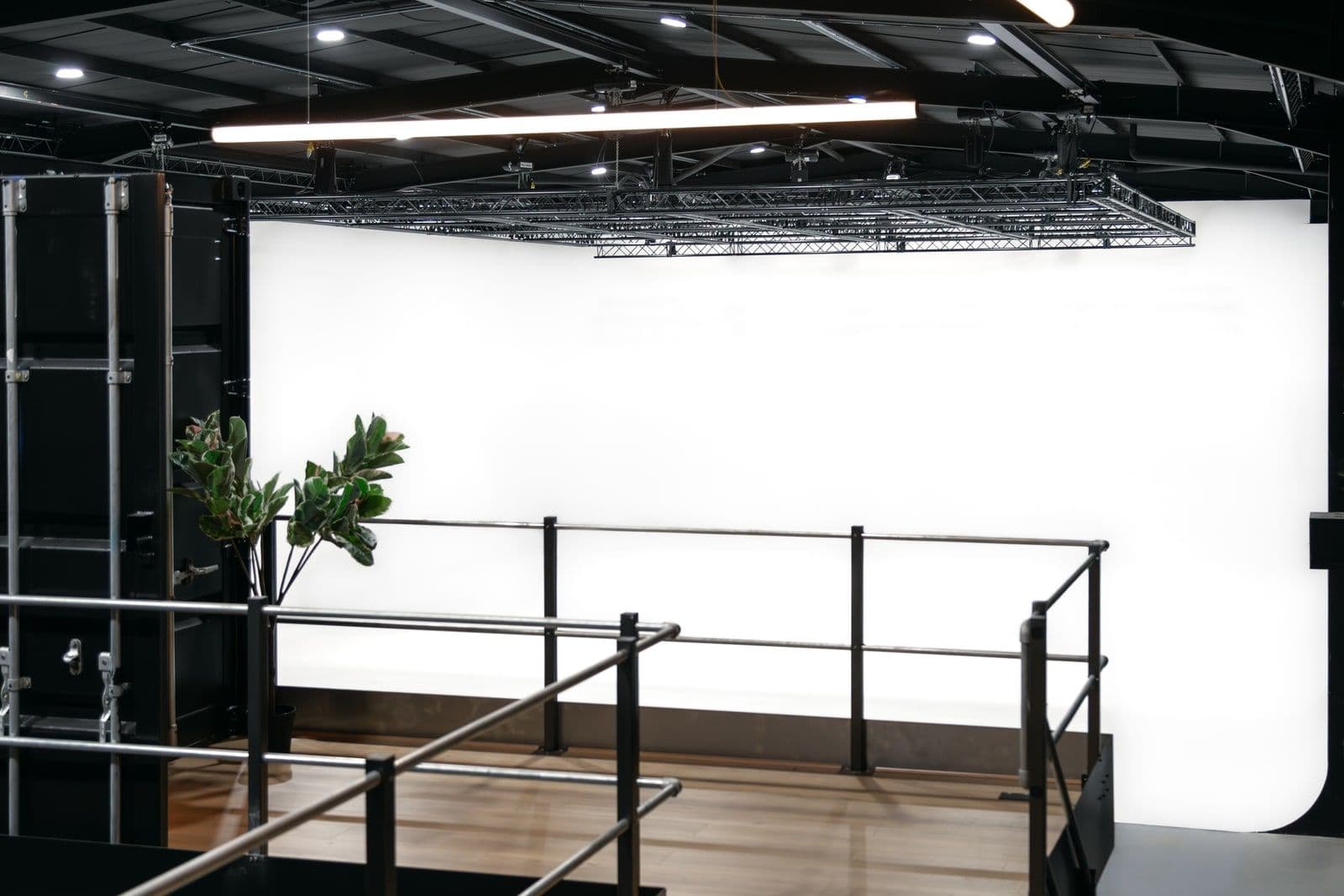
- Traditional studio: Typically offers white or blackout stages suited to photographic or film builds, with standard rigging and power infrastructure. Any visual effects or digital backgrounds are handled off-set or need specialist equipment brought in.
- Virtual production studio: Purpose-built to integrate LED screens and playback systems for real-time backgrounds, interactive light and reflections. Technicians and systems are set up to support digital content within the shoot itself.
In London, studio infrastructure is shaped by the demands of agency producers, directors and production teams working to tight schedules. Not every stage comes with virtual production as standard, and some sites offer only basic equipment under the term “LED stage.” It helps to verify exactly what is included before booking. At many specialist studios, such as Mammoth Film Studios in Zone 2, the definition of “virtual production” is grounded in operational clarity and production workflow rather than marketing.
The Core Virtual Production Equipment Included as Standard
A professional virtual production studio hire in London typically includes a tightly defined set of equipment and systems as standard. “Included” refers to the baseline technical provision necessary for on-set LED workflows and does not extend to specialist extras or creative kit.
Key elements usually provided as part of the hire package:
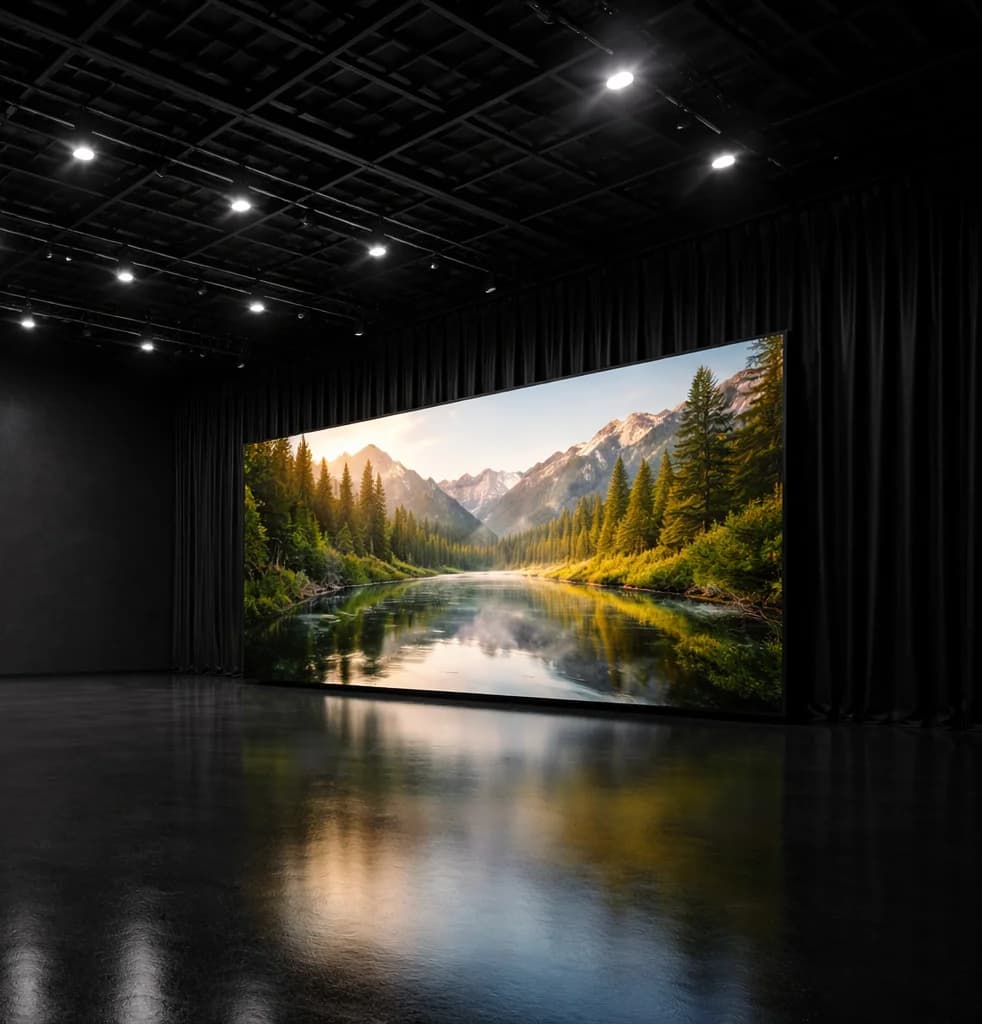
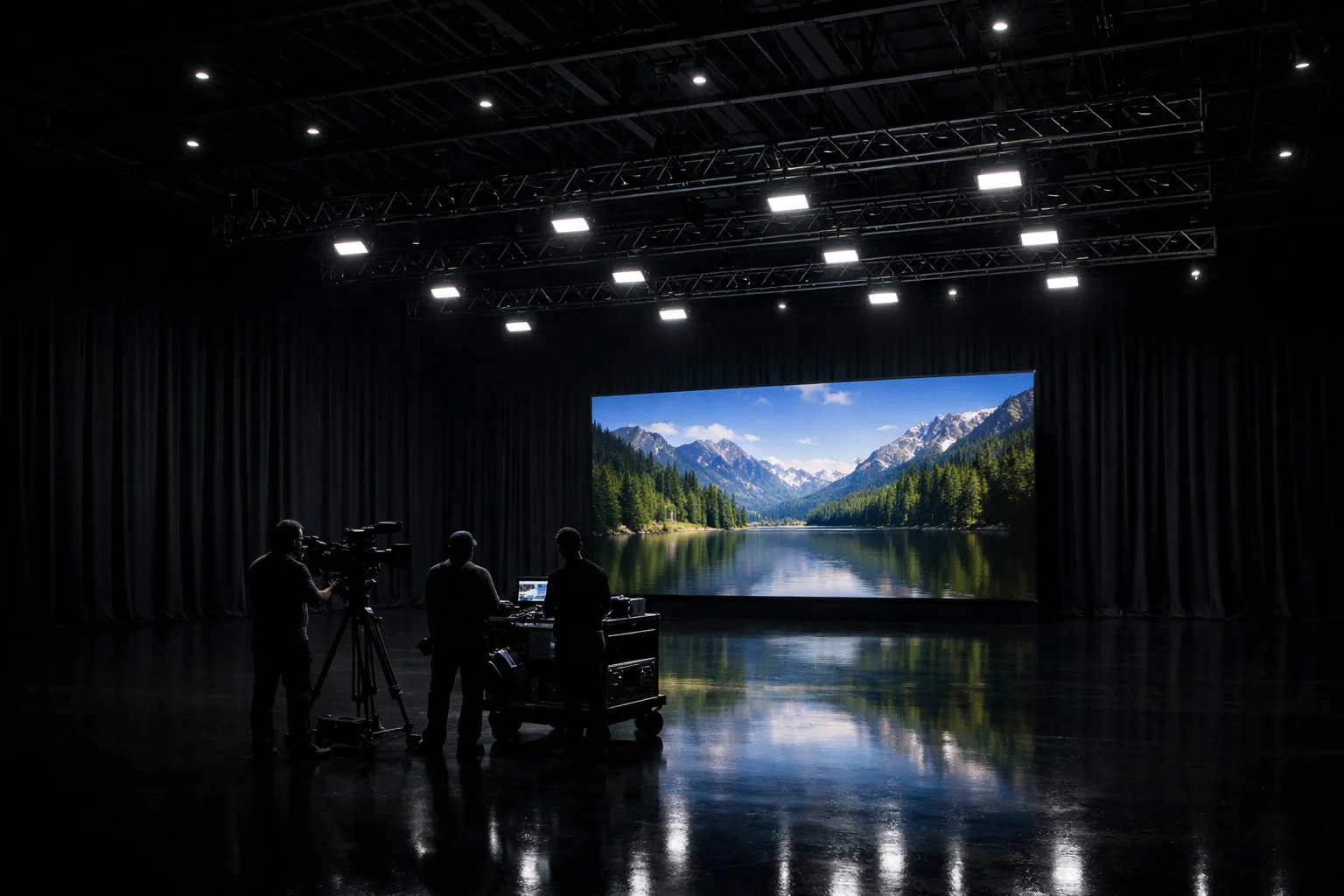
- LED volume: A modular, high-resolution LED wall or volume (such as ROE 2.8mm HDR) sized for small to medium set builds, with real-time playback capacity.
- Playback systems: Dedicated playback servers and controls for displaying digital backgrounds and interactive light.
- On-set technical crew: Supervision and operation by technicians who specialise in LED workflows, playback and systems integration.
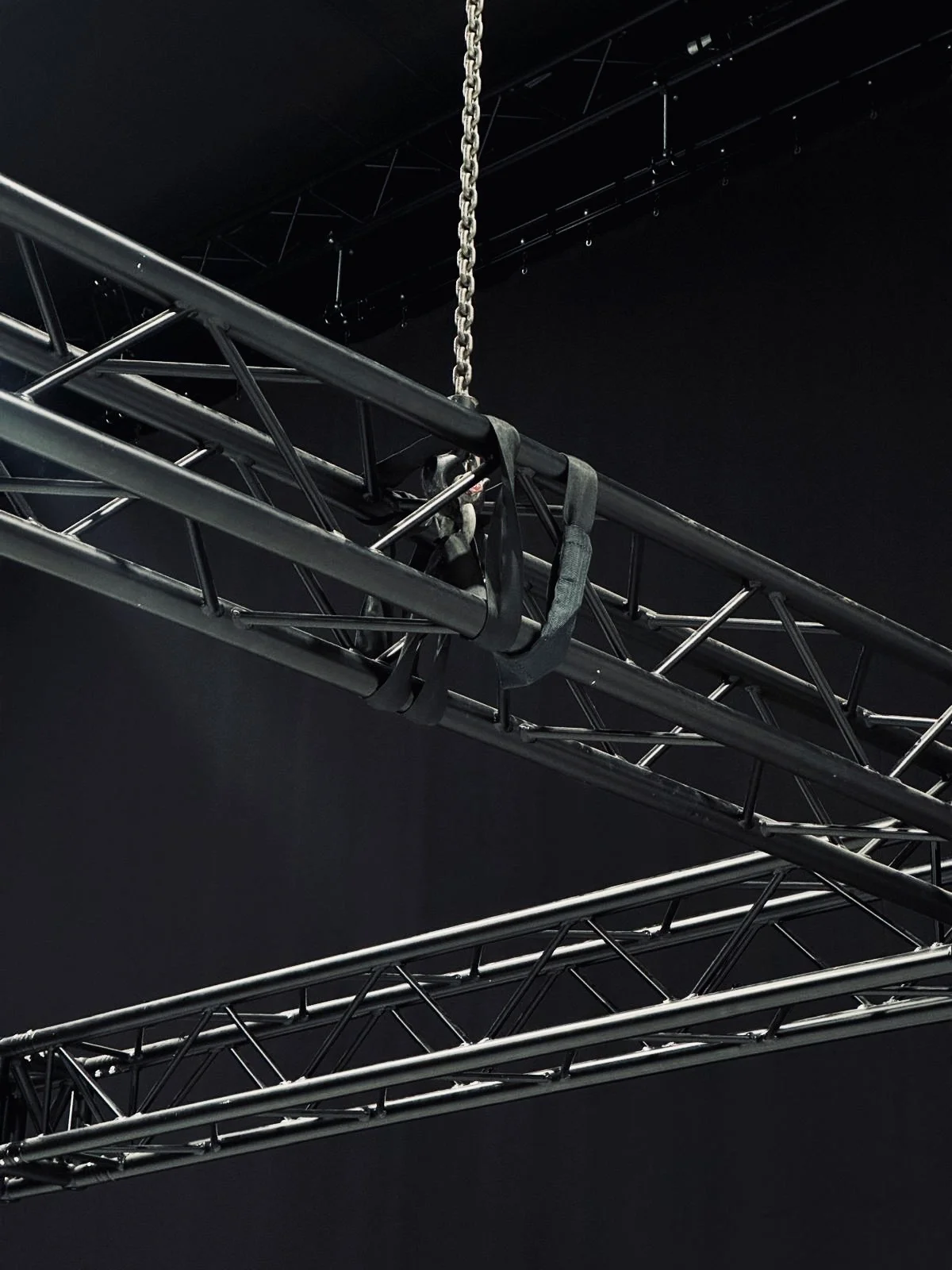
- Rigging infrastructure: Heavy-duty beams, chain hoists and modular truss to support LED, lighting and scenic elements as required.
- Core power and data: Strong 3-phase power, integrated data and networking to run all included digital systems.
This core list does not cover cameras, lenses or creative resources that remain the responsibility of the production.
Studio 2 at Mammoth Film Studios: A Case Study in Included Virtual Production Infrastructure
Studio 2 at Mammoth Film Studios offers a detailed example of what leading London-based virtual production infrastructure looks like in practice. Studio 2 at Mammoth has been configured with workflow efficiency and operational detail as a priority.
Included as standard within Studio 2:
- LED volume: 8 x 4 metre ROE 2.8mm HDR LED, modular and expandable for a range of scene sizes.
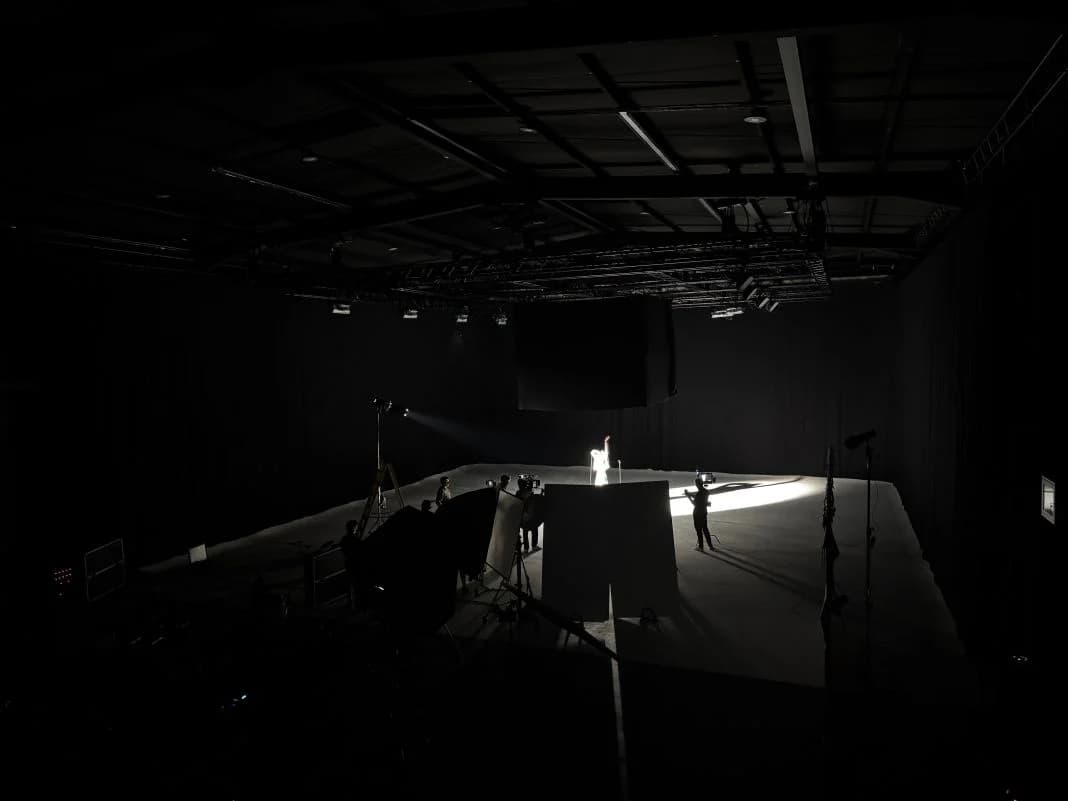
- 360° blackout: Full blackout environment for precise light control and secure digital shooting.
- Playback systems: Real-time playback, operated by specialist technical crew through partnership with Elsewhere Productions.
- Rigging: Five 15 metre steel beams, each rated to one tonne, with twelve one-tonne chain hoists on travel trolleys for flexible layout.
- Power and data: 63A 3-phase power, hard-wired data points and dedicated production area connections.
- Support areas: Step-free access, drive-in vehicle entry, eight-bay HMU room, dedicated client and production spaces.
Technical supervision and crew from Elsewhere Productions are included as part of each virtual production hire, ensuring that operation of the LED volume and playback is closely managed. Lighting, via Cinelight London, is provided in an integrated manner. This level of provision reflects a commitment to reliable, repeatable production outcomes for agency and commercial work rather than simply supplying equipment.
Operational Support and On-Set Technical Crew: What’s Built In
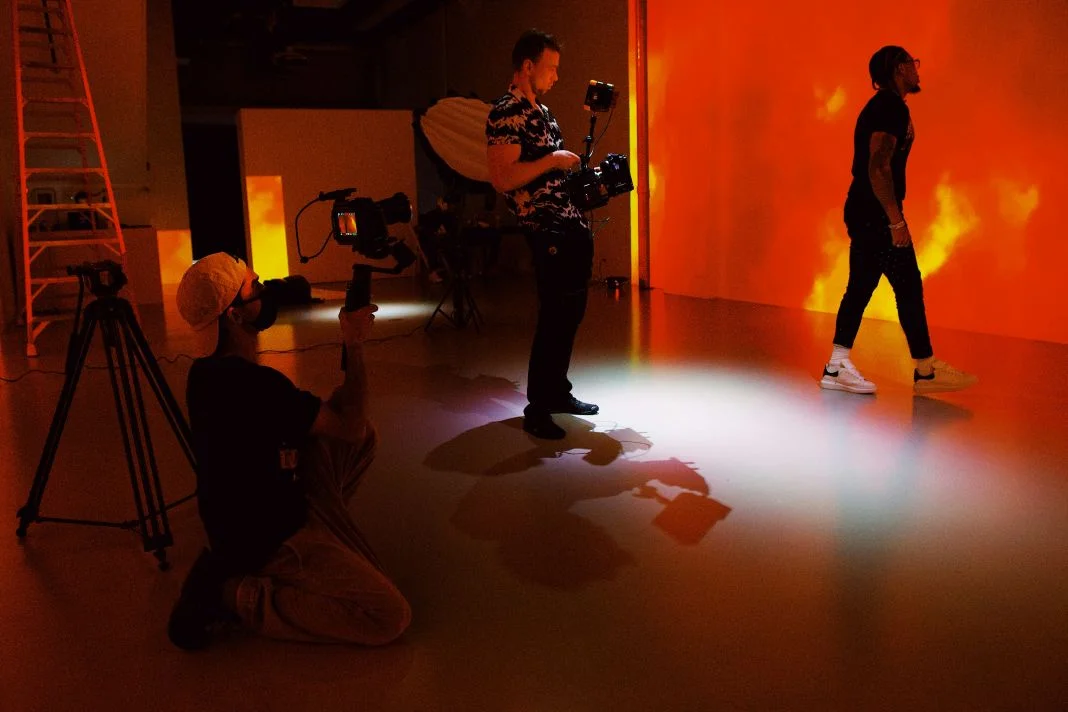
Virtual production equipment relies on specialist knowledge for safe and effective use. Most London studios with dedicated stages include hardware but also operational support and core technical personnel as part of the package. This approach safeguards workflow and reduces production risk.
Typical included roles:
- Technical supervisor: Responsible for overall system management and safe LED operation.
- Playback operator: Runs video backgrounds, coordinates real-time playback and adjust content as required on set.
- Rigging crew: Manages trussing, chain hoists and physical installation of LED and accompanying equipment.
- Facility support: On-site representatives to oversee access, logistics and smooth working within production support areas.
Commonly excluded or external roles:
- Camera crew
- Lighting design and programming (beyond core rigging)
- Creative direction, VFX supervisors or digital content creators
- Production managers and runners (unless separately arranged)
This division preserves operational clarity and helps production teams plan their own creative and technical resourcing for a typical London studio hire.
Connectivity, Power, and Technical Infrastructure Included
London virtual production studios address the need for strong technical backbone by providing important connectivity, power and networking as standard. This ensures reliability for real-time workflows and smooth data movement between set and production areas.
Standard inclusions typically cover:
- Symmetrical, high-capacity internet: Hard-wired connections supporting up to 4 Gbps or more, designed for streaming and collaborative workflows.
- Dedicated crew Wi-Fi: Secure wireless network for production teams.
- Internal LAN: Wired production network linking stages, technical areas and production offices.
- 12G SDI video routing: Internal connections to send camera and video feeds between set, control room and production zones.
- 3-phase power supply: Sufficient for all LED, playback and support equipment, provided from dedicated studio distribution.
These elements create an environment where each piece of virtual production equipment can operate at full capacity, underpinning technical reliability throughout a shoot.
What’s Not Included: Common Exclusions and Optional Add-Ons
While London virtual production studios include full core systems, several elements are typically excluded from the hire as standard. Understanding these exclusions helps prevent later issues or costly omissions during pre-production.
Items usually not included:
- Cameras and lenses
- Creative teams such as directors, VFX supervisors or animation providers
- Specialist camera tracking systems or motion control rigs
- Bespoke content, video servers or offboard rendering hardware
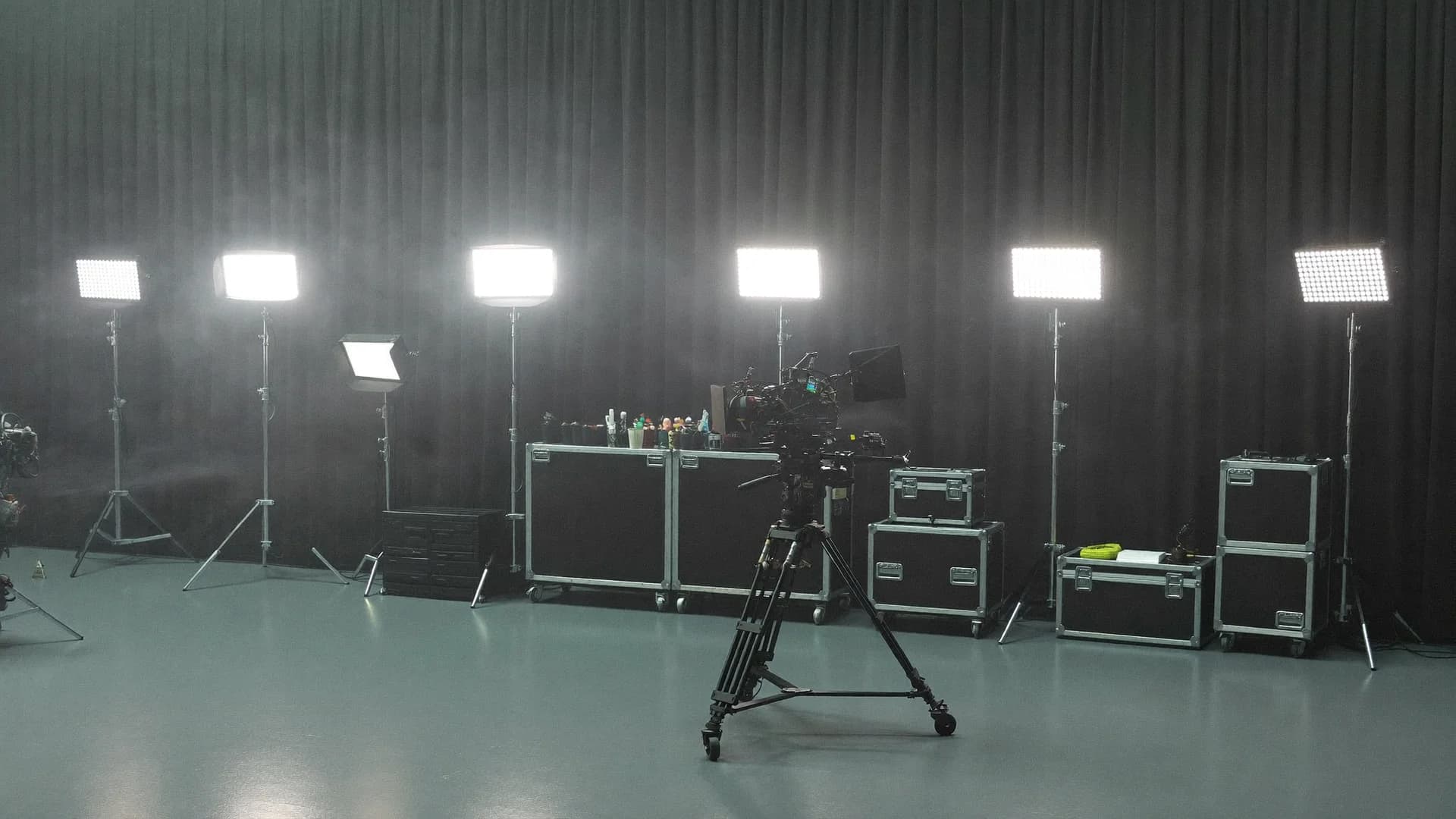
- On-set lighting beyond rigging and basic fixtures
- Unit catering or extended hospitality services
Where additional support or equipment is necessary, production managers should request these at the booking stage. Most studios, including Mammoth Film Studios, can arrange add-ons such as specialist lighting via partners like Cinelight London or enable external suppliers to deliver custom setups, provided operational requirements are met.
Practical Considerations When Hiring a London Virtual Production Studio
Hiring a virtual production studio in London involves careful consideration of several practical factors that influence both equipment inclusion and overall workflow.
Key points for planning:
- Access and logistics: Check for drive-in vehicle access, step-free movement for crew and gear, and proximity to Overground or Underground lines.
- Production support areas: Assess the availability of dedicated HMU rooms, client suites and production offices to ensure smooth on-site operations.
- Parking and external space: Verify on-site parking capacity and whether flexible backlot use is possible by arrangement.
- Studio configuration: Confirm the specific technical specification of the hired stage, such as LED volume size, blackout capability and rigging infrastructure.
- Pricing structure: Expect rates to be structured and transparent, with costs determined by studio, duration and technical requirements.
Aligning operational requirements with a studio’s included provision helps production teams approach bookings confidently. Operational clarity and strong specification offer far more practical value than broad marketing claims or generalised promises.