Why does drive-in access still matter for your shoot?
Drive-in access still matters because it keeps load-in, vehicle movement and heavy kit under production control. The real test is whether the studio route supports vans, props, lighting and crew without bottlenecks, so the schedule is protected before the first setup reaches the floor.
Table of Contents
Why drive-in access is still production infrastructure
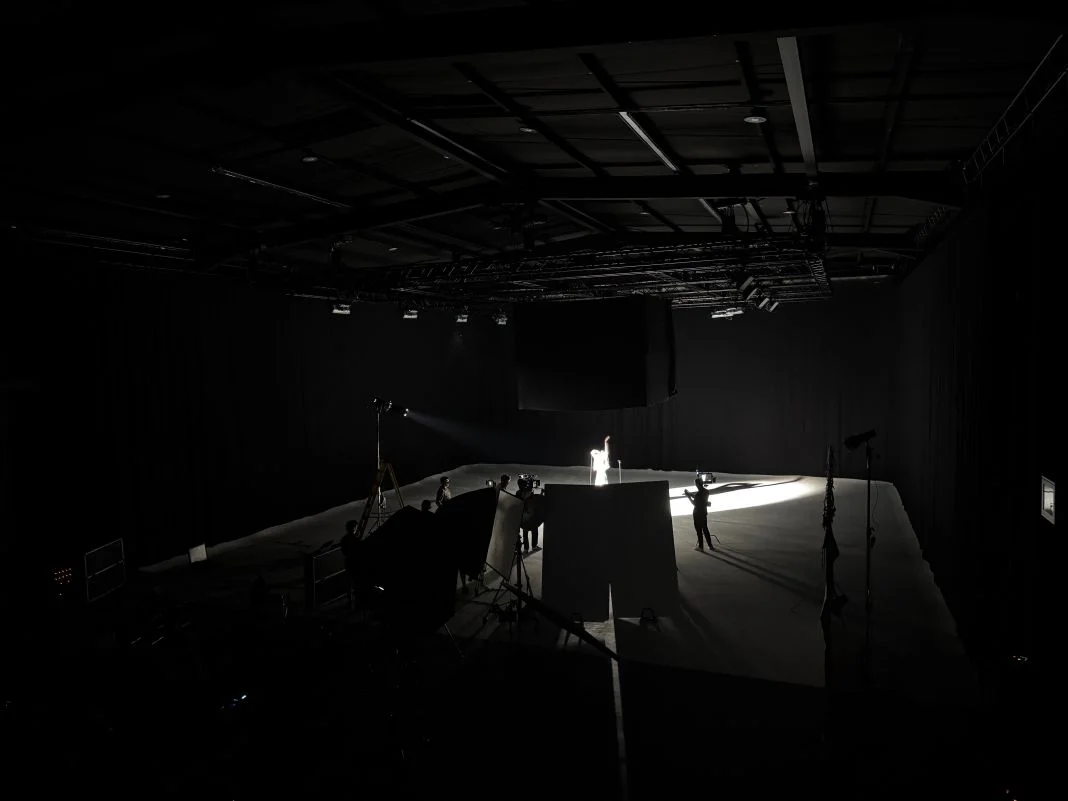
A studio can look right on paper until the first van arrives and a set piece has to be broken down outside because the route into the space is awkward. At that point, drive-in access for shoots stops being a nice listing term and becomes a scheduling issue.
Production managers and line producers already know where time disappears. A late supplier arrival pushes the art department. A lighting package stuck at the wrong door holds pre-light. Oversized kit moved through a narrow route creates handling points that nobody built into the call sheet. None of that is glamorous, but it decides how cleanly the day starts.
Good studio vehicle access gives departments a simpler movement pattern. Unit vehicles arrive closer to the studio floor, load-in becomes easier to control, and load-out is less likely to turn into a queue of cases, rails and trolleys waiting for the same pinch point. Agency producers and client-side teams may never see the access plan, but they feel it when the crew is still shifting kit during the first client arrival.
A drive-in film studio or drive-in photography studio earns its place when it reduces unnecessary transfers between vehicle, holding area and working floor. The useful question is not whether a door opens wide enough for a vehicle. The useful question is whether the whole access route keeps the production moving.
The load-in proves the access claim
The door is only one part of a working access system. A vehicle entering the building means little if the floor route, turning space or unloading position still force the crew into slow handling.
Here is the practical difference producers should test before accepting a drive-in studio load-in claim.
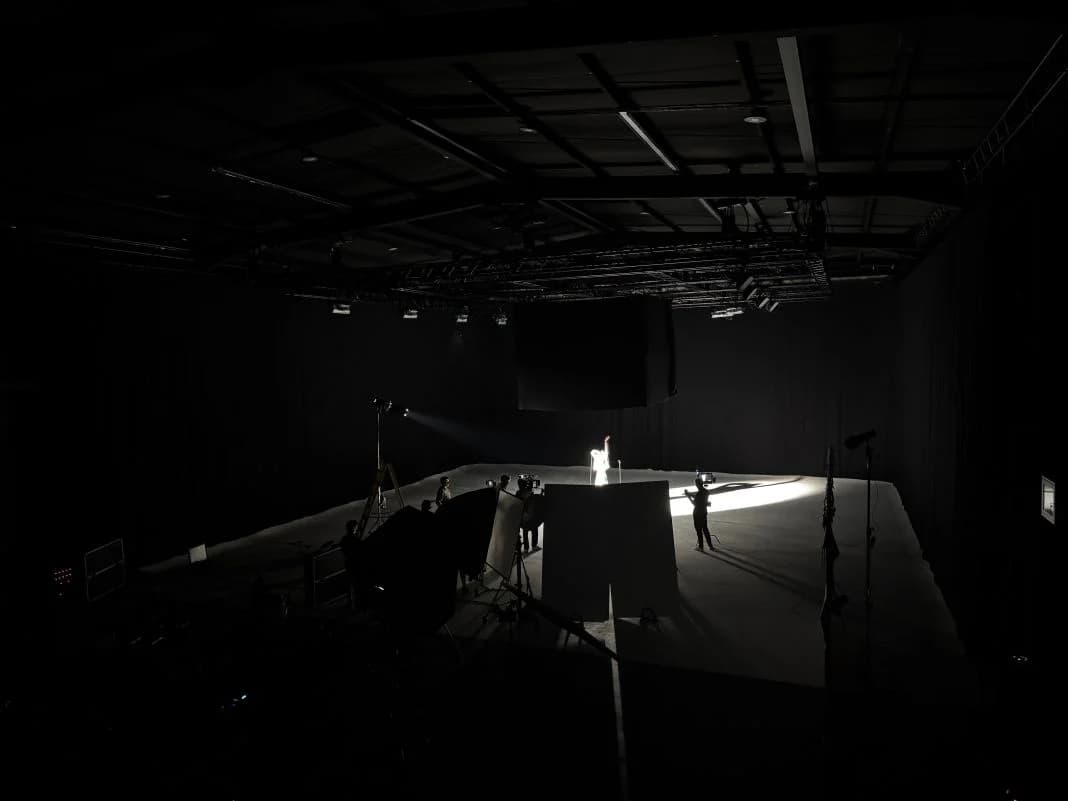
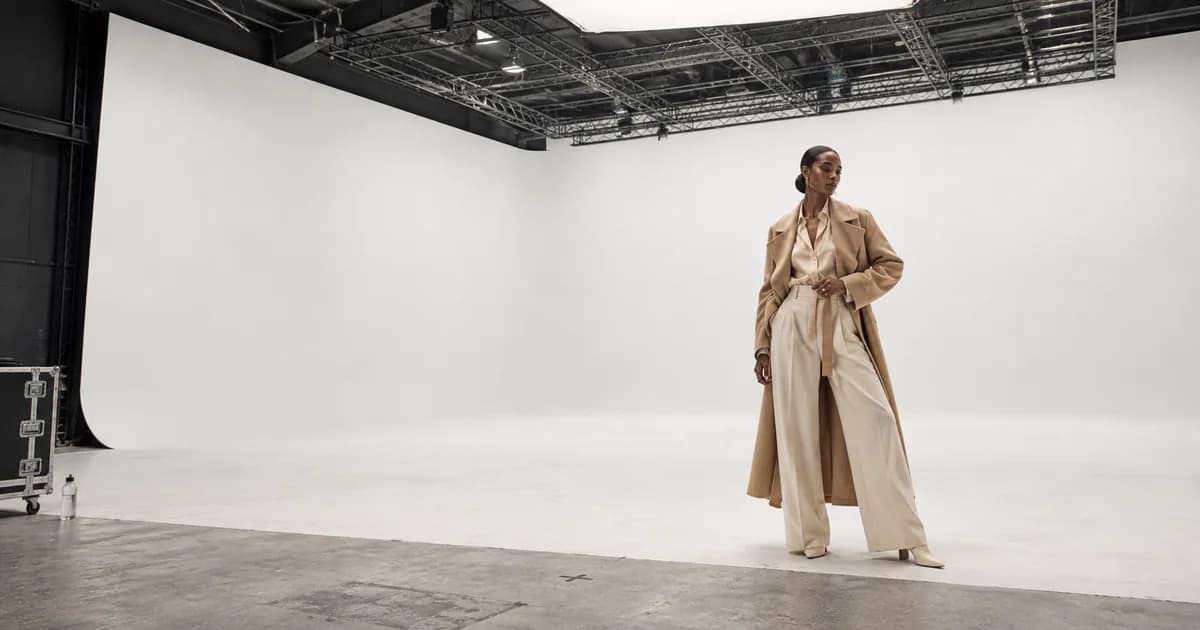
Mammoth Film Studios gives a useful London example here because the detail is studio-specific. Studio 1 is an 8,000 sq ft Infinity Cove and Blackout stage with drive-in access, and its technical specification states that vehicle access supports up to an 18t box vehicle. That figure matters because it is a working limit, not a vague promise.
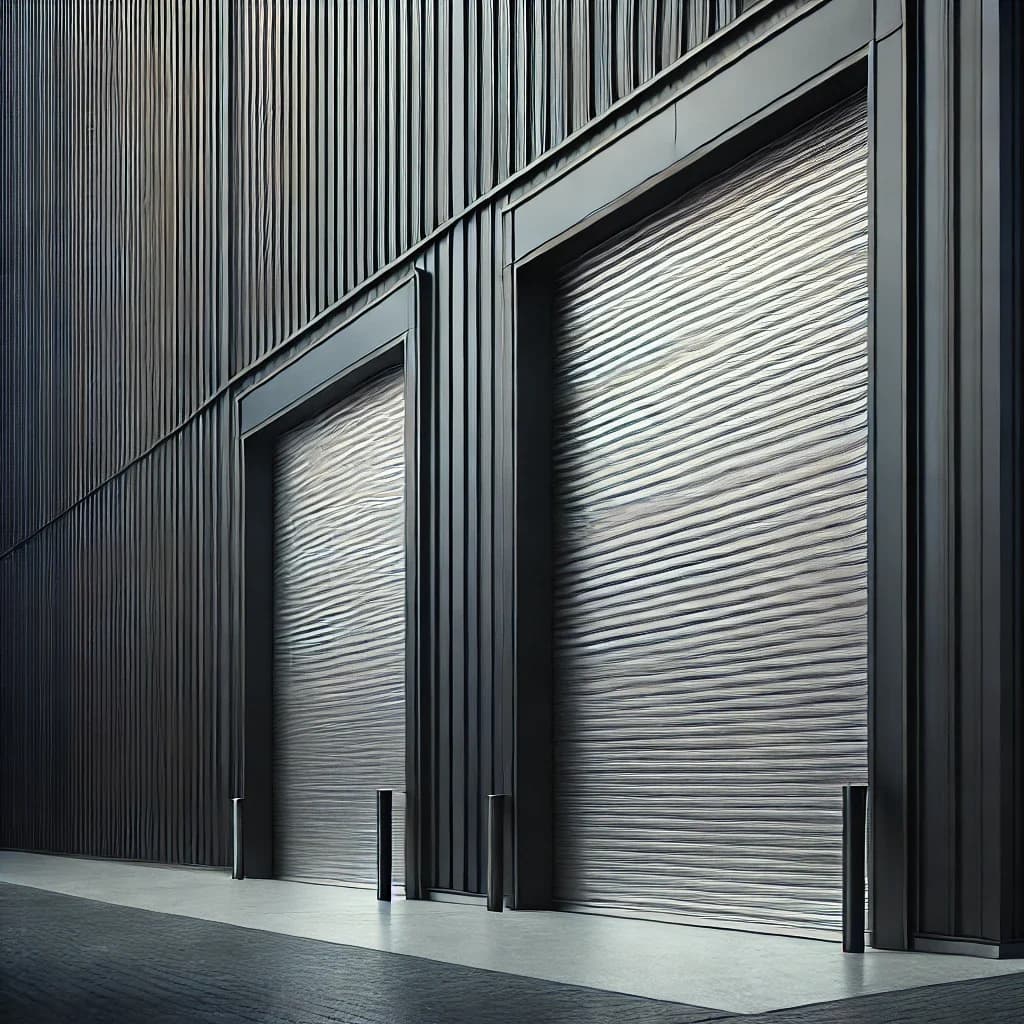
Clearance and weight limits still do not tell the whole story. A production manager also needs to know where the vehicle stops, whether a turn is needed, how the floor surface behaves under trolleys, and whether access supervision is built into the plan. A large roller shutter with a poor unloading position simply moves the bottleneck indoors.
On a commercial shoot, weak loading access does not stay confined to the start of the day. It can affect art department movement, delay lighting, slow dressing, and compress time that was meant for camera tests or client review. The access claim has proved itself only when the route from arrival to working position is clear.
The value goes beyond automotive work
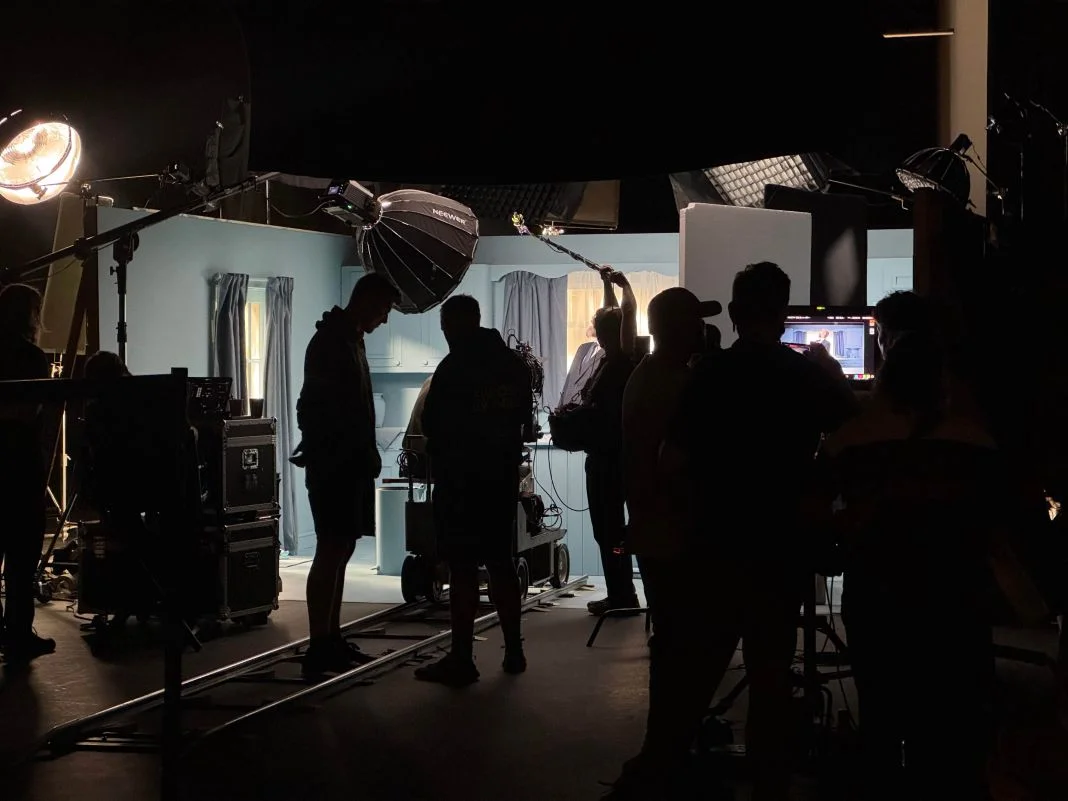
Drive-in access is easy to associate with car commercials, but that is too narrow. A vehicle on camera is one use case. A vehicle supporting the production is just as common, and often more important to the schedule.
The vehicle as the subject
Automotive shoots, motorbike work and vehicle photography need controlled entry for obvious reasons. A car shoot studio has to account for vehicle positioning, floor protection, lighting angles and enough space for camera and grip to work around the subject. Access also affects whether the vehicle can be reset without turning the floor into a traffic problem.
For stills and commercial work, the point is control. A hero vehicle may need to arrive cleanly, sit in a fixed position, and leave without disturbing nearby set dressing or lighting. Studio vehicle access is useful only if that movement has been thought through before the vehicle reaches the door.
The vehicle as the support route
Many shoots that never place a vehicle on camera still benefit from drive-in access. Large props, product rigs, scenic elements, wardrobe rails and camera equipment all arrive by vehicle, then have to reach the floor in usable condition. Every extra transfer adds time and increases the chance that something arrives late, damaged or in the wrong place.
Commercial shoot studio planning has its own pressure. Brand teams, agency producers, styling, art, camera and lighting may all need their own working areas, while suppliers and couriers continue to arrive through the day. Drive-in access gives those movements a cleaner physical route when the studio is set up to use it properly.
Access should match the production load, not the category printed on the call sheet.
Why managed vehicle movement changes safety planning
Drive-in access is useful, but it is not a safety system by itself. Safe studio vehicle access comes from managed movement, clear routes and people knowing where vehicles are allowed to go.
The Health and Safety Executive says loading and unloading areas should be clear of other traffic, pedestrians and people who are not involved in the activity. That principle applies directly to studio loading safety, because a shoot day brings crew, kit and vehicles into close contact under time pressure.
Film-specific HSE guidance on filming and recording in, from and around vehicles lists hazards such as people or equipment entering the path of moving vehicles, being struck by vehicles or camera equipment, collisions, fumes and fuels. For producers, the practical lesson is simple: vehicle movement on set belongs in normal risk planning, alongside the risk assessment, marshalling and site controls.
A drive-in studio can support safer load-in planning by reducing awkward manoeuvres and making pedestrian separation easier to manage. It still needs a banksman, marshal or agreed vehicle control where the production requires one. Managed access reduces uncertainty on the floor at the exact point where uncertainty wastes time.
The London studio decision rests on proof of access
In London Zone 2, production studio logistics are rarely about one vehicle arriving in isolation. Crew, agency producers, suppliers, couriers, unit vehicles and client attendees can converge within tight windows, and a small access weakness becomes visible fast.
A London drive-in studio has to be judged as a working system. Overground and Jubilee line proximity can help people reach the site, but vehicles still need allocation, routes and loading control. For a commercial shoot studio in London, parking and access are part of the production plan, not a separate facilities note.
Before committing to studio hire with vehicle access, verify the details that affect the day:
- Confirm shutter dimensions and the vehicle weight limit for the actual vehicle, not a generic van.
- Check turning space, floor route and the unloading position in relation to the studio floor.
- Ask how parking is allocated for unit vehicles, suppliers and key crew vehicles.
- Confirm how unloading is supervised and how pedestrian routes are separated during vehicle movement.
- Match the technical needs to the space, including electrical supply, grid height, blackout and any virtual production workflow.
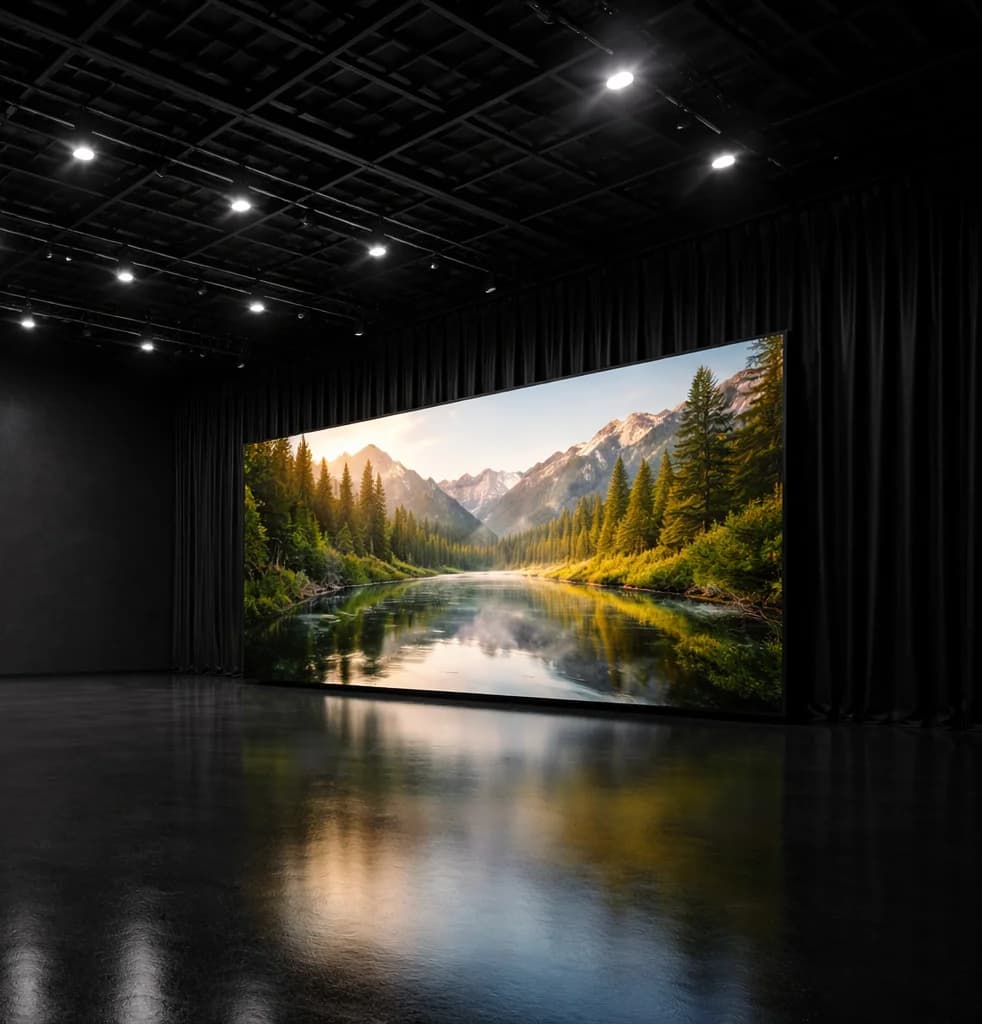
Mammoth Film Studios shows why those distinctions matter. Studio 1 is the Infinity Cove and Blackout stage, while Studio 2 is the Blackout and Virtual Production studio, and both have drive-in access. Treating them as one generic drive-in site would miss the point, because each studio serves a different production role.
The thing to prioritise is proof that access works under real shoot pressure, because a useful drive-in studio protects the schedule through specific limits, managed movement and a route that matches the production.
Common questions about drive-in studio access
Can a drive-in photography studio take low-clearance vehicles?
That depends on the actual shutter height, ramp profile, floor route and any site rules. A low vehicle needs the same level of access checking as a tall van, because clearance is only one part of the route.
Is a loading dock better than drive-in access for some shoots?
A loading dock can work well when the vehicle type, dock height and internal route suit the kit. Drive-in access is stronger when the production benefits from bringing the vehicle closer to the working floor.
Do client arrivals affect studio access planning?
Client attendance affects access when arrivals overlap with suppliers, unit vehicles or vehicle movement on the floor. A good access plan separates client routes from loading activity so the production does not have to pause movement unexpectedly.
Who controls vehicle movement once the vehicle is inside the studio?
Vehicle movement should be controlled by the production and studio team through the agreed risk plan. The exact arrangement depends on the shoot, but uncontrolled reversing, loading or repositioning should never be left to improvisation.
Can couriers and suppliers use drive-in access during the shoot day?
Couriers and suppliers can use drive-in access only if the studio plan allows it and the timing does not interfere with the floor. Mid-shoot deliveries need tighter control than the main load-in because crew and kit are already in motion.
This is general information, not professional advice.