What should you look for in a studio for automotive photography and video?
You need a film studio that can handle vehicle access, controlled lighting, reliable power, and production workflow without compromise. For automotive shoots, the right space is not simply large. It must allow safe drive-in movement, support precise reflection management, and give production managers and DPs the technical control that cars demand on set.
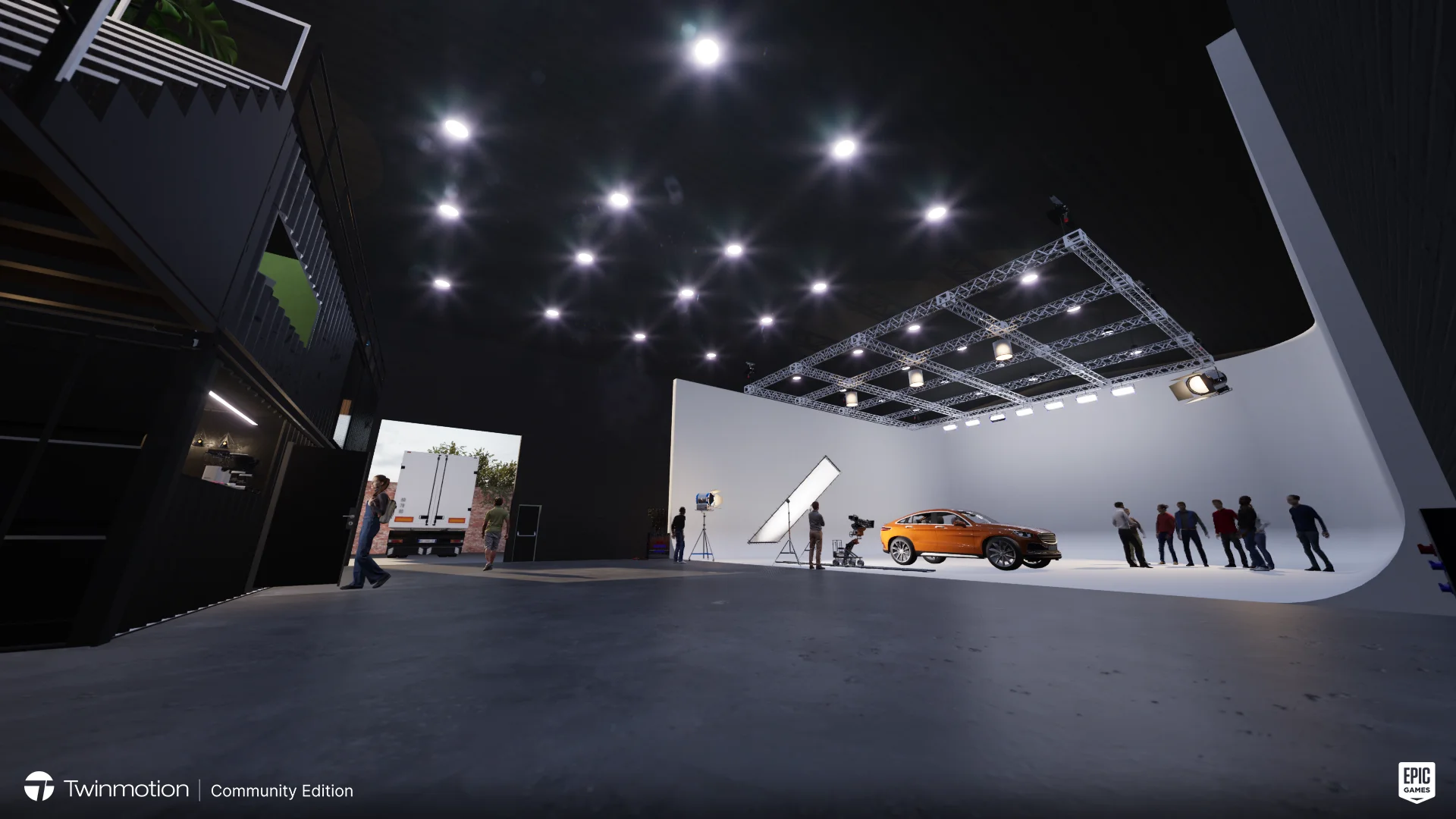
Understanding the core requirements of automotive studio shoots
Automotive studio requirements are stricter than many standard commercial briefs. A vehicle changes the scale of the set, the load-in plan, the lighting approach, and the amount of working space needed around camera, crew, and rigging.
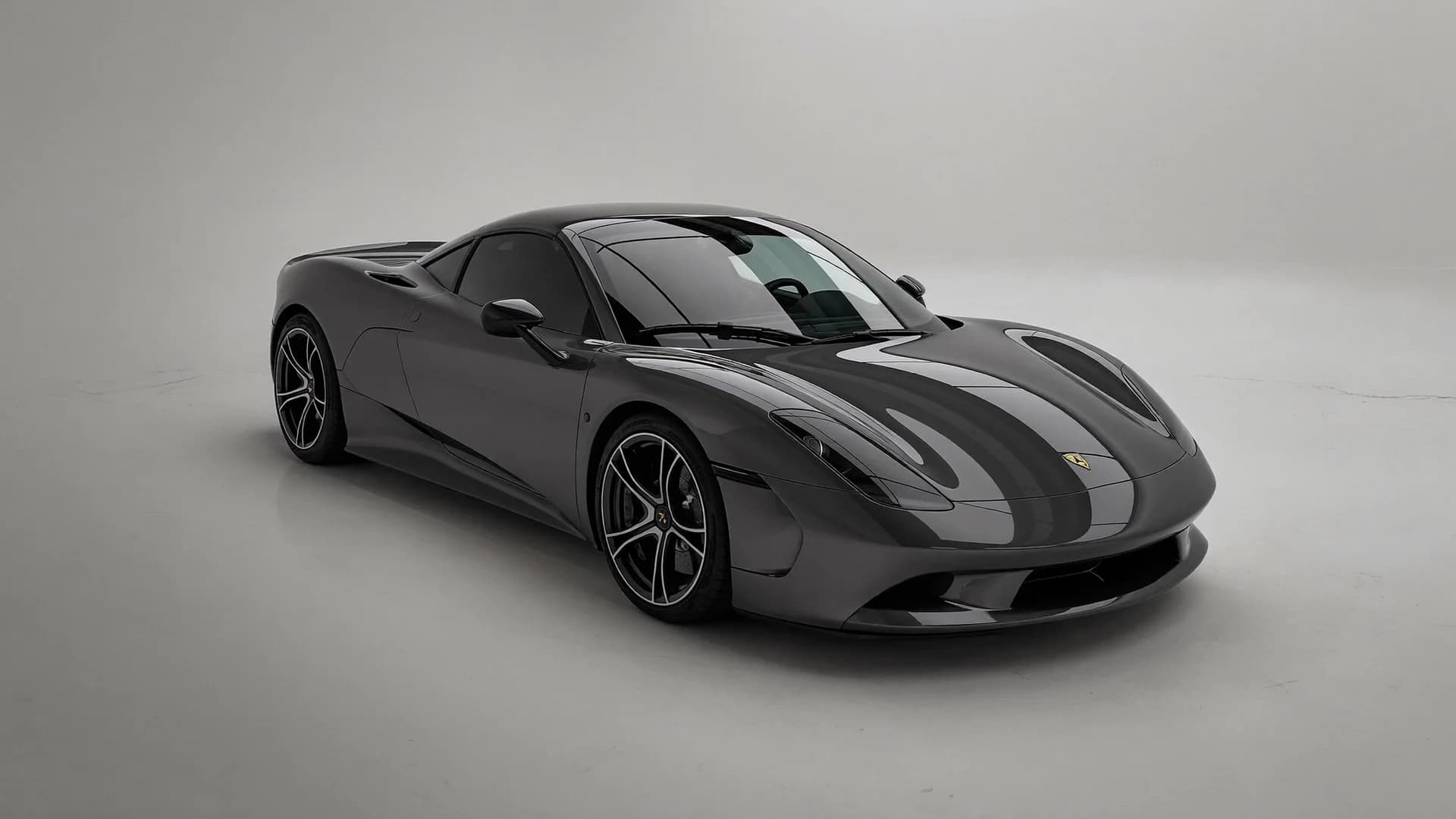
Reflective bodywork is often the first dividing line between a suitable studio and a poor fit. A car can pick up every uncontrolled highlight, ceiling element, and spill source in frame. Blackout capability, rigging systems, and a clean environment matter because surface control starts with the room itself, not just the lighting package.
Access is equally important. A professional automotive production space needs proper studio access for vehicles, enough turning room, and a layout that does not force awkward manoeuvring during load-in. A nominally large room can still fail if the entry point, internal circulation, or support areas are badly arranged.
Three car shoot studio essentials usually decide whether a stage is workable:
- Vehicle drive-in access that supports smooth entry, positioning, and exit
- Lighting control through blackout, rigging height, and adaptable hanging points
- Sufficient power supply and workflow infrastructure for camera, lighting, monitoring, and crew operations
At Mammoth Film Studios, that distinction is visible in the separation between Studio 1 and Studio 2. Studio 1 is the large-format stage with a white infinity cove and blackout capability. Studio 2 is a blackout-led hybrid stage with an LED volume for virtual production. Those are different tools for different kinds of automotive work.
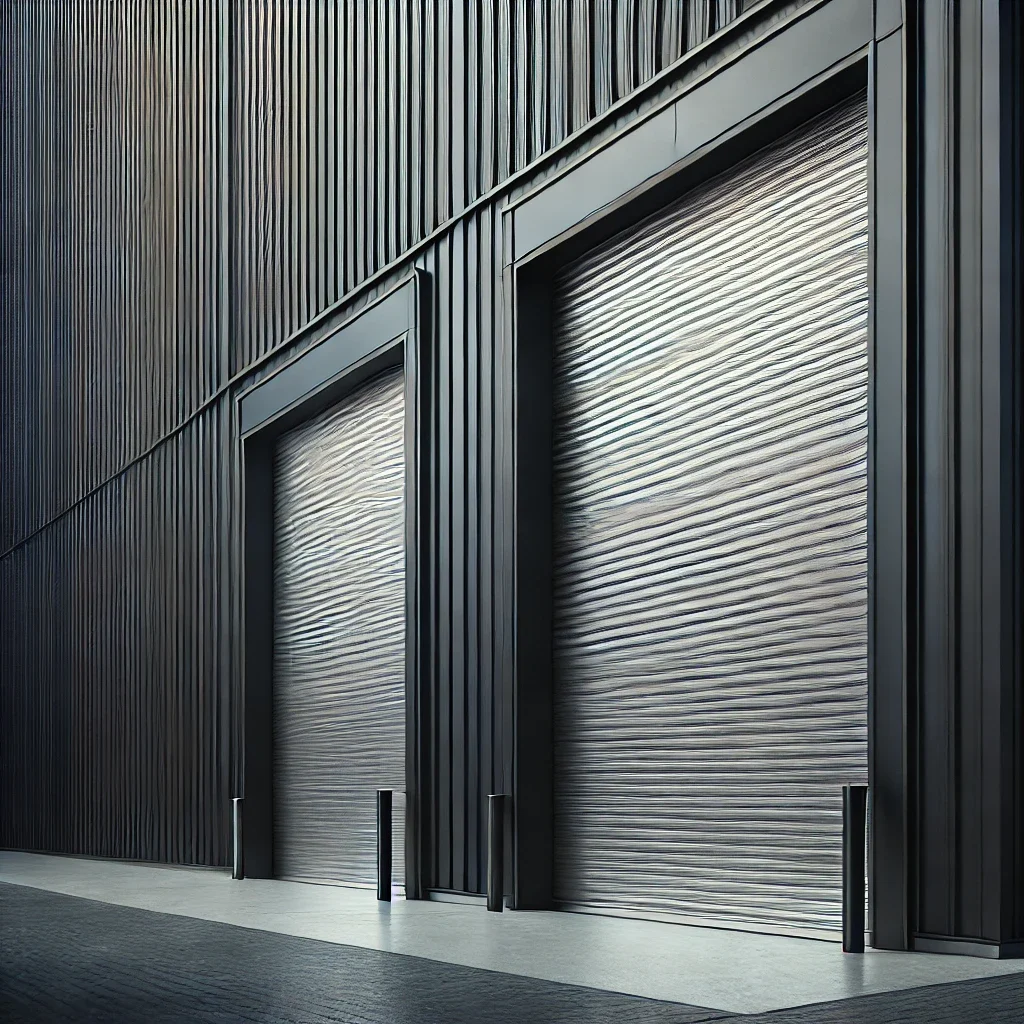
Space, scale and vehicle access: what matters most
A studio size for car shoots has to be judged by usable space, not brochure square footage. Once a vehicle is in place, the production still needs room for camera movement, lighting positions, grip equipment, monitors, safety clearance, and the people actually running the set.
A low sports car, a saloon, and a larger SUV create different demands, yet all of them need more than an open floor. Vehicle manoeuvring matters before the first frame is composed. Drive-in vehicle access removes the need for improvised ramps, partial dismantling, or awkward hand-pushing that can waste time and raise risk.
Studio 1, our infinity cove and blackout stage, is built for this kind of large-format studio space. At 8,000 sq ft, with full vehicle drive-in access for up to 18t box vehicles, it supports shoots where the car, lighting package, and crew need to coexist without compression. The associated production office, client room, mezzanine, and separate photography area also reduce set congestion, which is often overlooked in automotive studio logistics.
Parking plays a bigger role than many expect. On-site parking for production crews and unit vehicles affects load-in timing, supplier access, and how quickly departments can move between prep and set. In London Zone 2, that operational convenience has real value because city schedules can tighten quickly once vehicles, crew calls, and delivery windows start overlapping.
For access planning, a few checks are worth making early:
- Can the vehicle drive directly into the stage without improvised handling?
- Is there enough internal clearance to position the car and still light it properly?
- Are parking allocation and load-in routes workable for crew, suppliers, and support vehicles?
Open-plan space can sound adequate on paper, but automotive work exposes every compromise in circulation and layout. A stage may be technically large, yet still feel cramped if the doors, approach route, or adjacent working areas were never set up with vehicle production in mind.
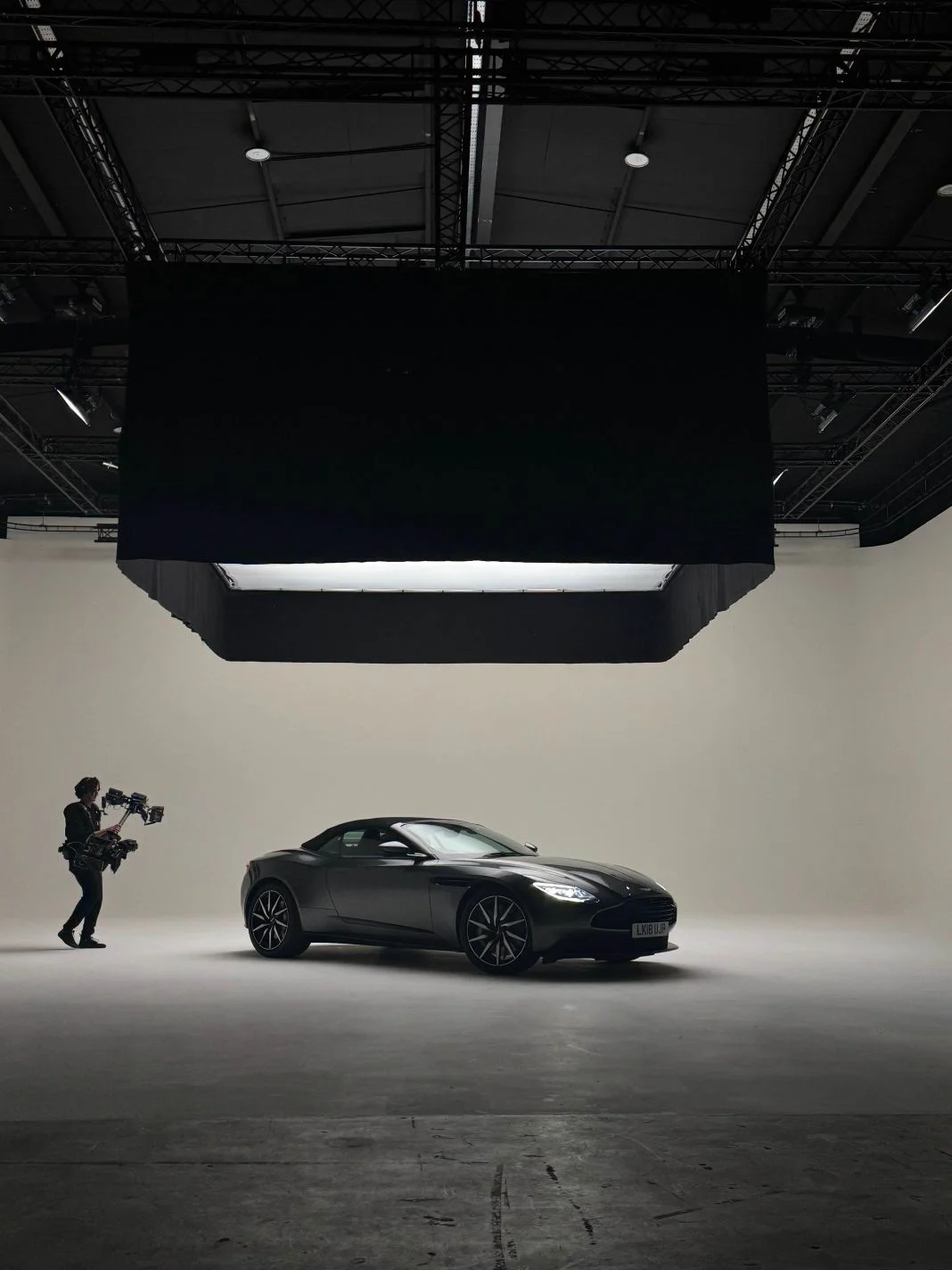
Lighting control and surface management for automotive subjects
Cars are unusually unforgiving subjects. Paint finish, glass, chrome, and trim all respond to tiny changes in angle, spill, and reflection, which means that the studio itself becomes part of the lighting setup.
A white infinity cove can be especially useful for vehicle photography where clean horizon lines and smooth backgrounds are needed. Studio 1 includes a 60 x 60 ft infinity cove, giving crews a controlled base for hero stills, motion work, and campaigns that need a polished, contained environment. Full blackout via drapes adds another layer of control when ambient contamination has to be eliminated.
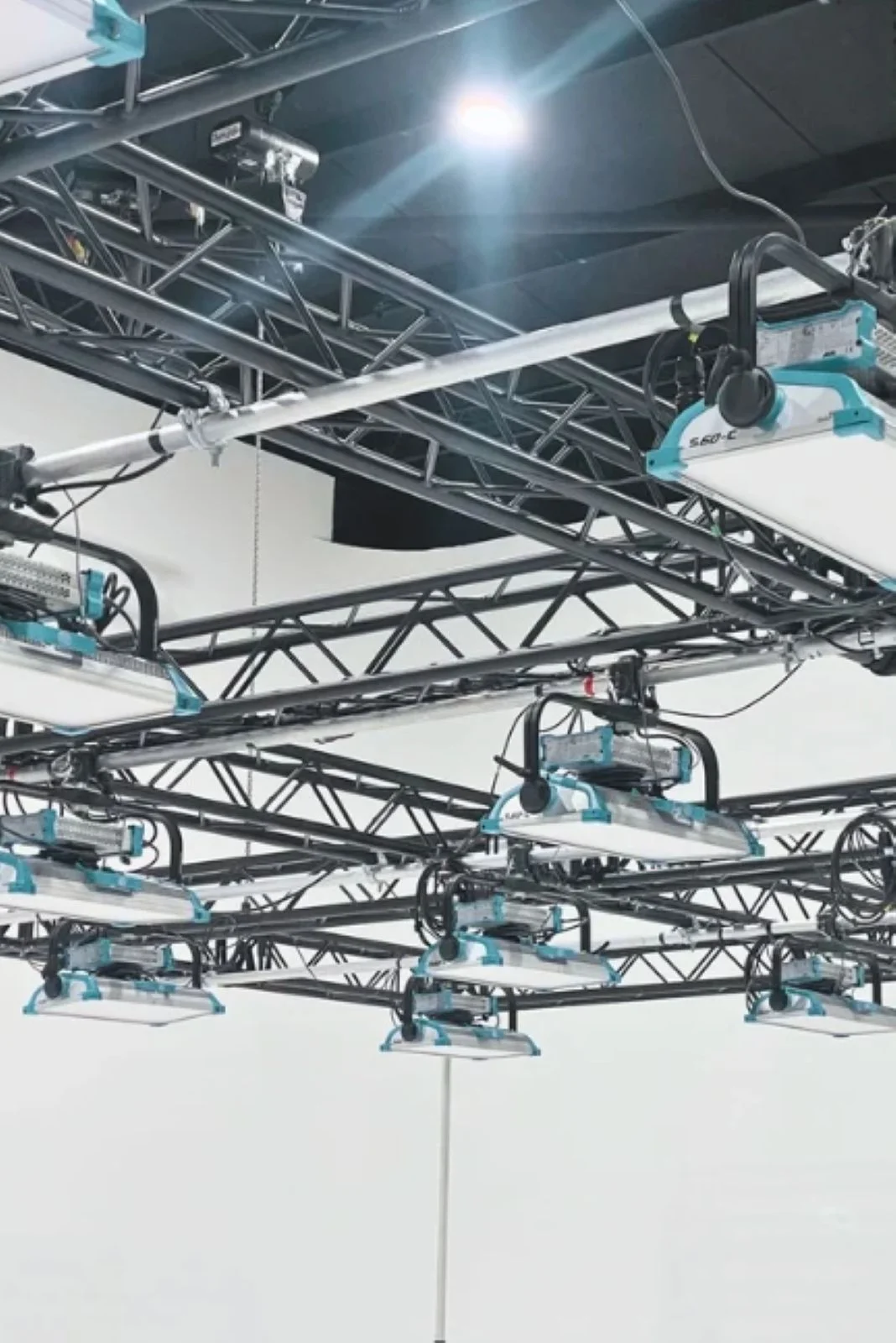
Rigging height has a direct effect on what a crew can achieve. A 24 ft grid height gives more options for overhead shaping, negative fill, suspended frames, and cleaner reflection management than a lower room with limited hanging points. Studio 1 also includes three motorised truss systems, which can simplify repositioning during a busy day when the car angle, lens choice, and lighting design are shifting shot by shot.
Studio 2 enters the discussion from a different angle. Its 360° blackout capability is useful where the job depends on total environmental control, including darker vehicle launches, moody plate work, or scenarios that benefit from LED-based backgrounds and interactive light. For some automotive lighting studio setups, blackout is the feature that protects consistency across multiple camera positions.
Cinelight London, as the exclusive lighting partner on site, reflects a wider point about vehicle photography studio features. Automotive shoots often run more smoothly when lighting support is integrated into the studio's operating model, because reflection-heavy work leaves less room for guesswork. That becomes obvious on dark paint finishes, where a small change in overhead rigging can alter the shape of the car more than any lens adjustment.
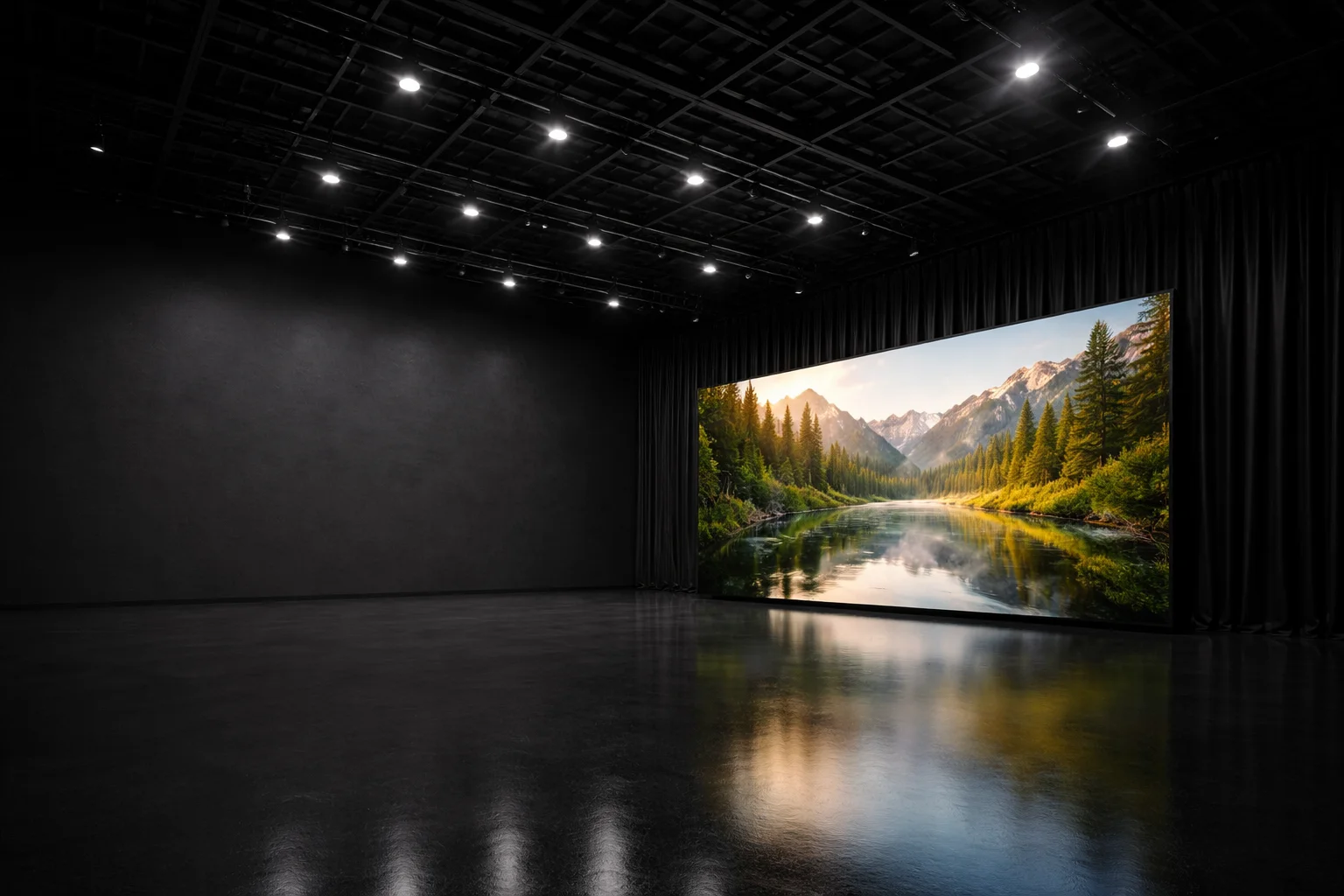
Virtual production and LED volumes: when are they relevant?
Automotive virtual production is useful in specific situations, but it is not a default answer for every car brief. An LED volume works best when the production needs controlled environment filming, repeatable conditions, or fast transitions between visual settings without moving the vehicle off stage.
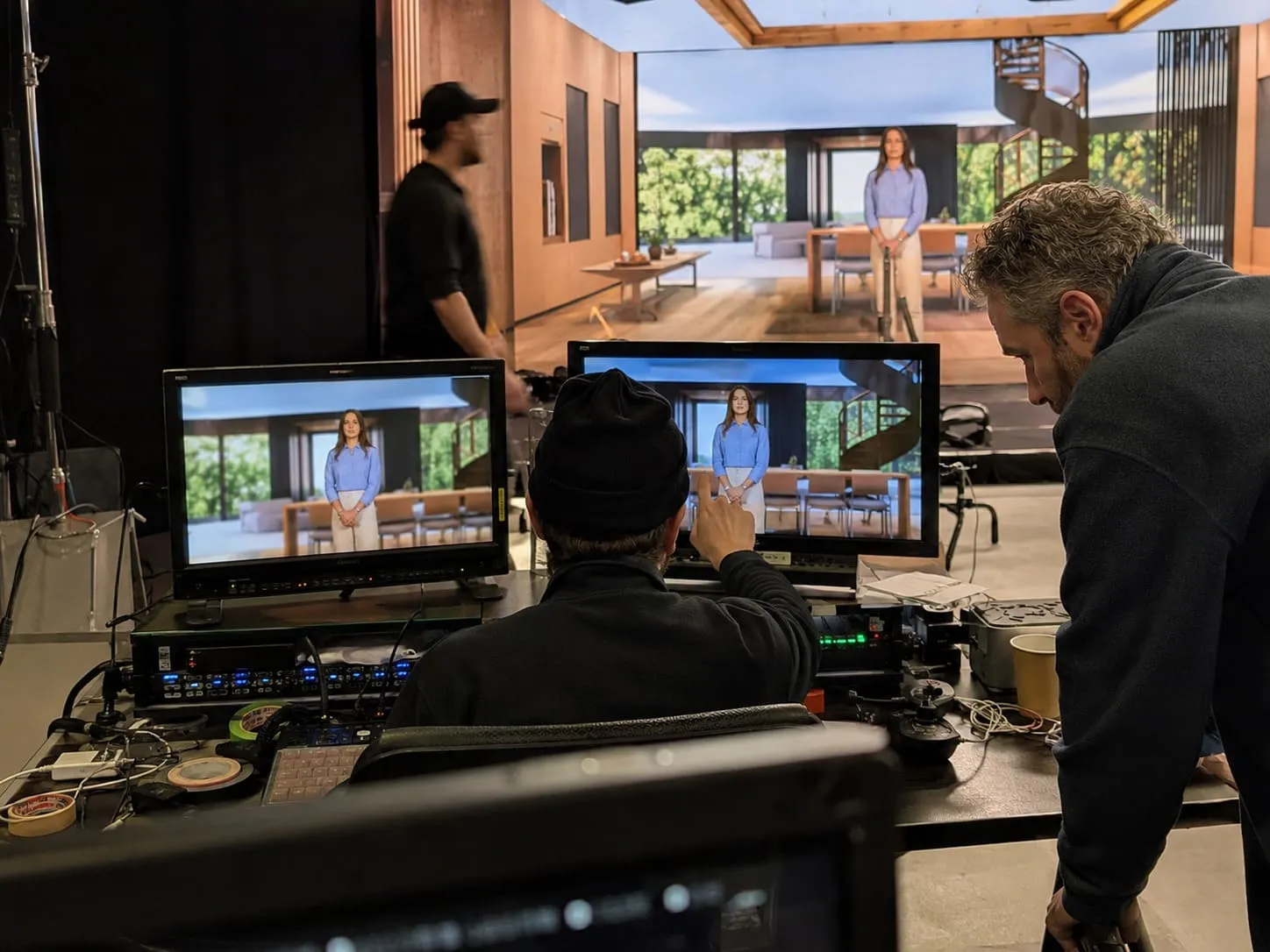
Studio 2 is the relevant space here. It is a 5,000 sq ft blackout and virtual production stage with an in-house modular 8 x 4 m ROE 2.8mm HDR LED volume, expandable according to the setup. Virtual production on that stage is delivered with Elsewhere Productions, including technical supervision, playback systems, and on-set crew support.
That setup can suit automotive video where interactive reflections matter. A car body can respond well to LED-generated environments because the reflections feel present in camera, particularly across windscreens, side panels, and polished surfaces. Scene transitions are also quicker when the background changes digitally rather than through a physical rebuild.
Traditional methods still make more sense in many cases. A white cove, a blackout stage, or a conventional built set may be the better choice where the brief depends on very specific practical lighting, large physical rigging, or a simpler visual treatment that does not need an automotive LED stage. Scale is part of the decision too, since some shots benefit more from raw floor area and overhead flexibility than from screen-based background work.
Used properly, studio virtual production for vehicles sits alongside established production methods. It supports certain jobs extremely well, particularly where consistent lighting, controlled timing, and repeatable setups carry more value than a purely physical location approach.
Technical infrastructure: power, connectivity and workflow support
Automotive shoots can look visually smooth while running on a very demanding technical backbone. Lighting loads, camera systems, playback, streaming, tethering, and client monitoring all depend on infrastructure that holds up under pressure.
Power is one of the first checks. Studio 1 provides 200A 3-phase power, which suits larger lighting packages and more complex stage requirements. Studio 2 provides 63A 3-phase power, which may align well with controlled blackout and LED-led workflows, depending on the package and production plan. Studio power supply for automotive work should always be matched to the brief, not assumed from the room name alone.
Connectivity also shapes how efficiently the day runs. On-site infrastructure includes free crew Wi-Fi, a dedicated streaming network, internal LAN, and up to 4 Gbps symmetrical hard-wired internet. For productions managing remote viewing, live approvals, or data-heavy transfers, those details matter far more than vague claims about strong internet.
A few technical elements deserve close attention:
- 12G SDI video routing from stages to production areas
- Internal LAN for reliable device and workstation connectivity
- Dedicated streaming network for remote monitoring and live review
Video routing in studio has become especially useful for modern approval structures. When feed distribution is clean and predictable, production, agency, and client teams can monitor without crowding the floor. On an automotive film set, where space around the vehicle is precious, that separation improves working conditions in a very practical way.
Operational support and integrated services: what to expect
A well-equipped stage still needs competent operational support around it. Automotive productions rarely function smoothly in a blank-shell venue where every service has to be built from scratch under time pressure.
In-house rigging changes the rhythm of the day because overhead adjustments, hanging plans, and stage resets can be handled with site-specific knowledge. Integrated production services have similar value for lighting, access coordination, and technical preparation, especially on jobs where the vehicle itself narrows the margin for delay.
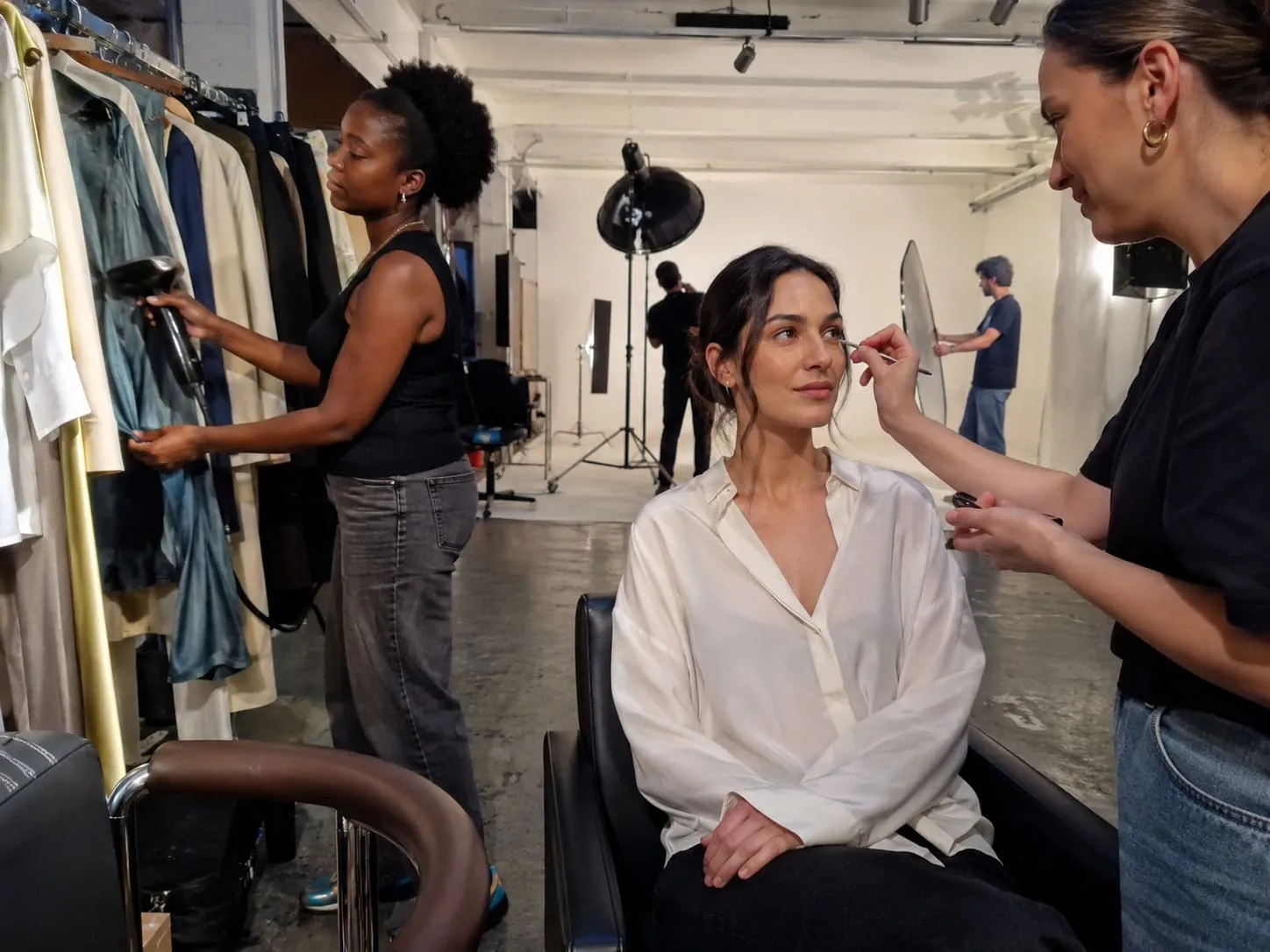
Support spaces are part of that equation. Production office capacity, client areas, HMU rooms, and crew facilities keep decision-makers and departments off the stage when they do not need to be physically present. Studio 1 includes a production office, client room, styling room, and mezzanine. Studio 2 includes an 8-bay HMU room, client area, production area, kitchenette, toilets, and step-free access throughout. Those details affect the flow of the day more than many first-time bookers expect.
At Mammoth Film Studios, the presence of an in-house rigging team and established technical partners creates operational clarity. That does not dictate the creative approach. It does mean the production is working in an environment where systems, responsibilities, and workflow support are already defined.
Pricing sits in the same category of practical planning. Structured, transparent rates are useful because automotive work can vary significantly by stage choice, duration, technical requirements, and support needs. The sensible comparison is never just day rate against day rate. A cheaper room can become an expensive one once missing services, access delays, and workaround costs start accumulating.
Common misconceptions and forward-looking considerations
The biggest automotive studio myths usually start with space alone. A large room is helpful, yet choosing the right studio depends on access, lighting control, infrastructure, and workflow design just as much as floor area.
Another common misconception places too much weight on virtual production. LED volume car shoots can be highly effective, although they are still one option among several. For some briefs, a blackout stage offers enough control. For others, a white infinity cove remains the most direct route to the image.
Technical infrastructure is often undervalued until the set is live. Production studio misconceptions tend to focus on visible features, including square footage and background type, while neglecting power distribution, video routing, remote review capability, and support spaces. Those less visible systems often determine whether a day feels orderly or constantly compromised.
London studio infrastructure is also shifting with production needs. Contemporary production standards increasingly favour spaces that separate use cases clearly, such as large-format traditional stages on one hand and specialist blackout or LED stages on the other. That kind of distinction is useful for automotive work because it lets teams choose a room based on the actual brief instead of forcing every project into the same format.
The future of automotive studios is unlikely to rest on one technology or one ideal room shape. The better direction is specificity: studios that know what they are built to do, and production teams that match the vehicle, the shot plan, and the workflow to the right environment from the start.