Why does studio lighting matter so much in automotive commercials?
Studio lighting influences more than just how a car looks on screen. It determines how it feels. It can make a vehicle appear luxurious, bold, innovative, or unremarkable. Lighting has the power to emotionally anchor a brand in the viewer’s mind more than any other production element. The right lighting emotion helps ensure your campaign resonates.
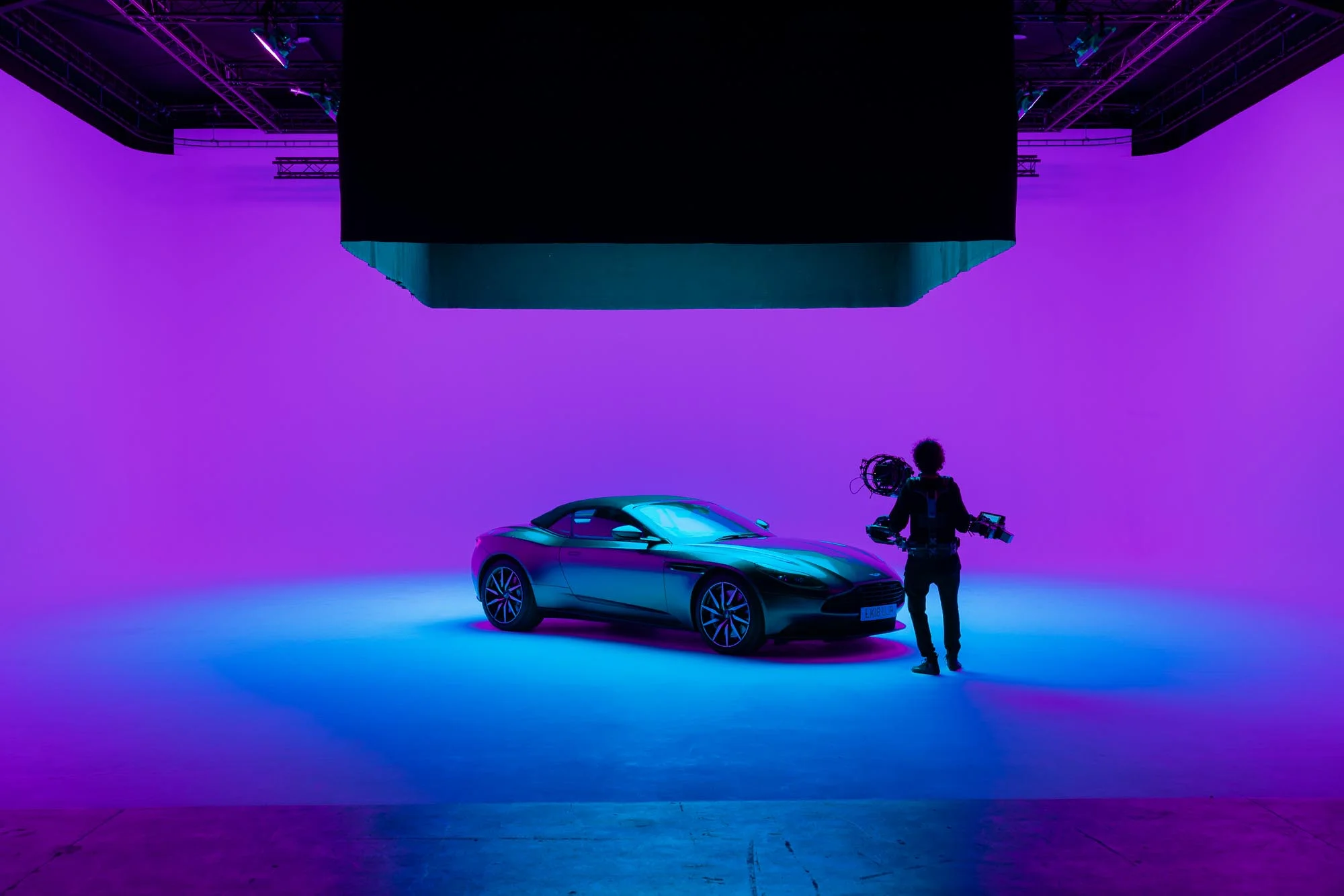
Why Studio Lighting Can Make or Break Your Automotive Commercial
Lighting sets the visual tone of your car commercial. It turns a static object into something expressive, such as sleek, powerful, or innovative. Yet lighting decisions often come late in the production process. Brands might spend weeks on storyboards and scripts but finalise lighting choices at the last minute.
It is more effective to treat lighting as a starting point in your creative planning. When it is thoughtfully executed, lighting directs attention, sets mood, and reinforces message. If it is rushed, it can introduce glare, flatness, or visual confusion.
For example, one SUV was filmed using soft, even lighting. The results felt dull and emotionless. A re-shoot with controlled directional lighting brought out the vehicle’s lines and elevated its presence entirely. Lighting should express more than brightness. It should reflect the brand’s personality and lighting brand aesthetics. Choose your visual language early.
What Makes Lighting for Motion Different From Still Photography
Lighting for moving images is not just more complicated. It is fundamentally different. What works in a photograph often fails on film.
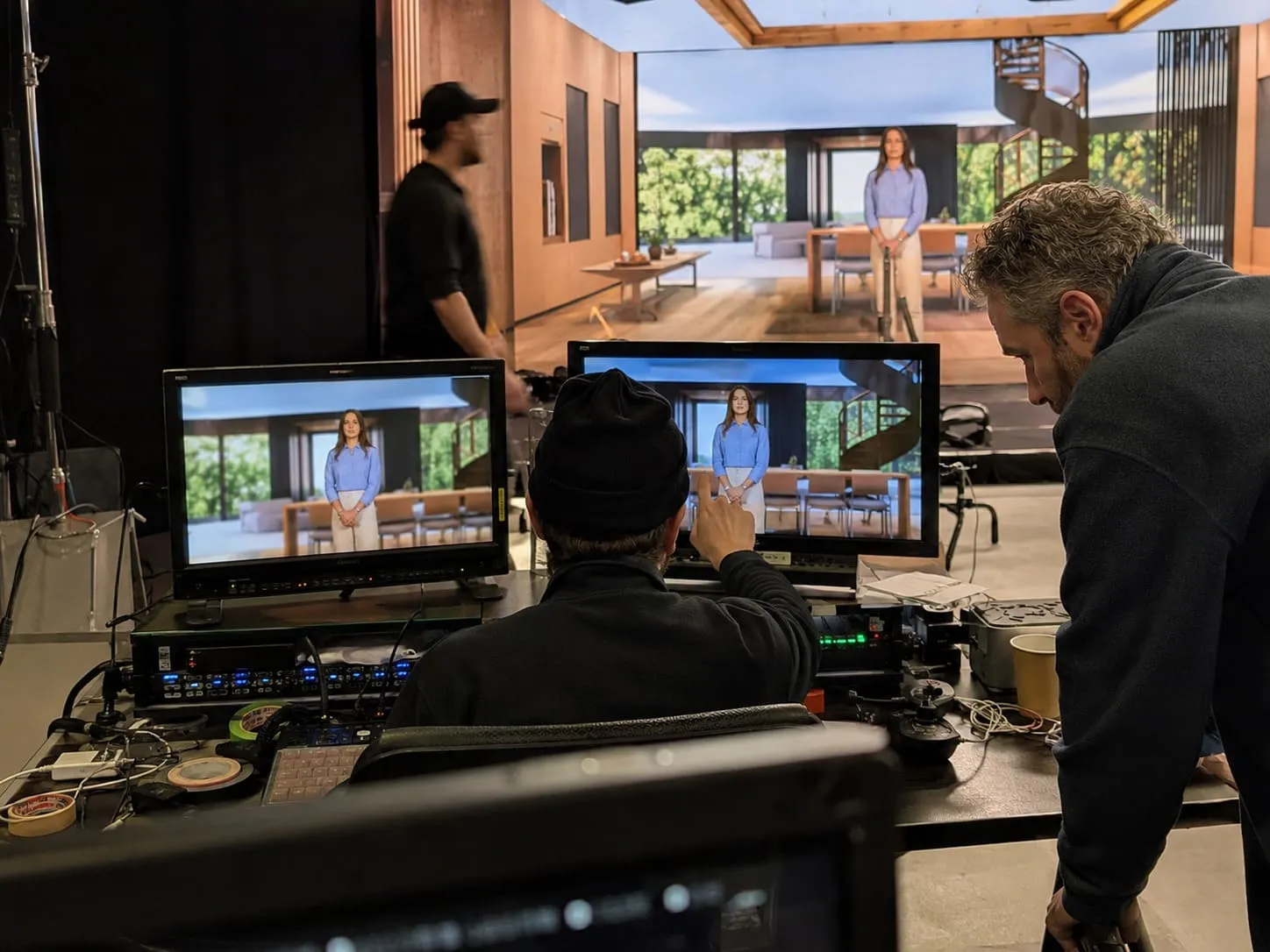
In motion, lighting needs to stay consistent as the camera moves. Reflections, shadows, and lighting artefacts can suddenly appear once shooting begins. Video setups demand higher power, larger rigs, and more space, the kind of room our 60x60ft cove stage is built to provide.
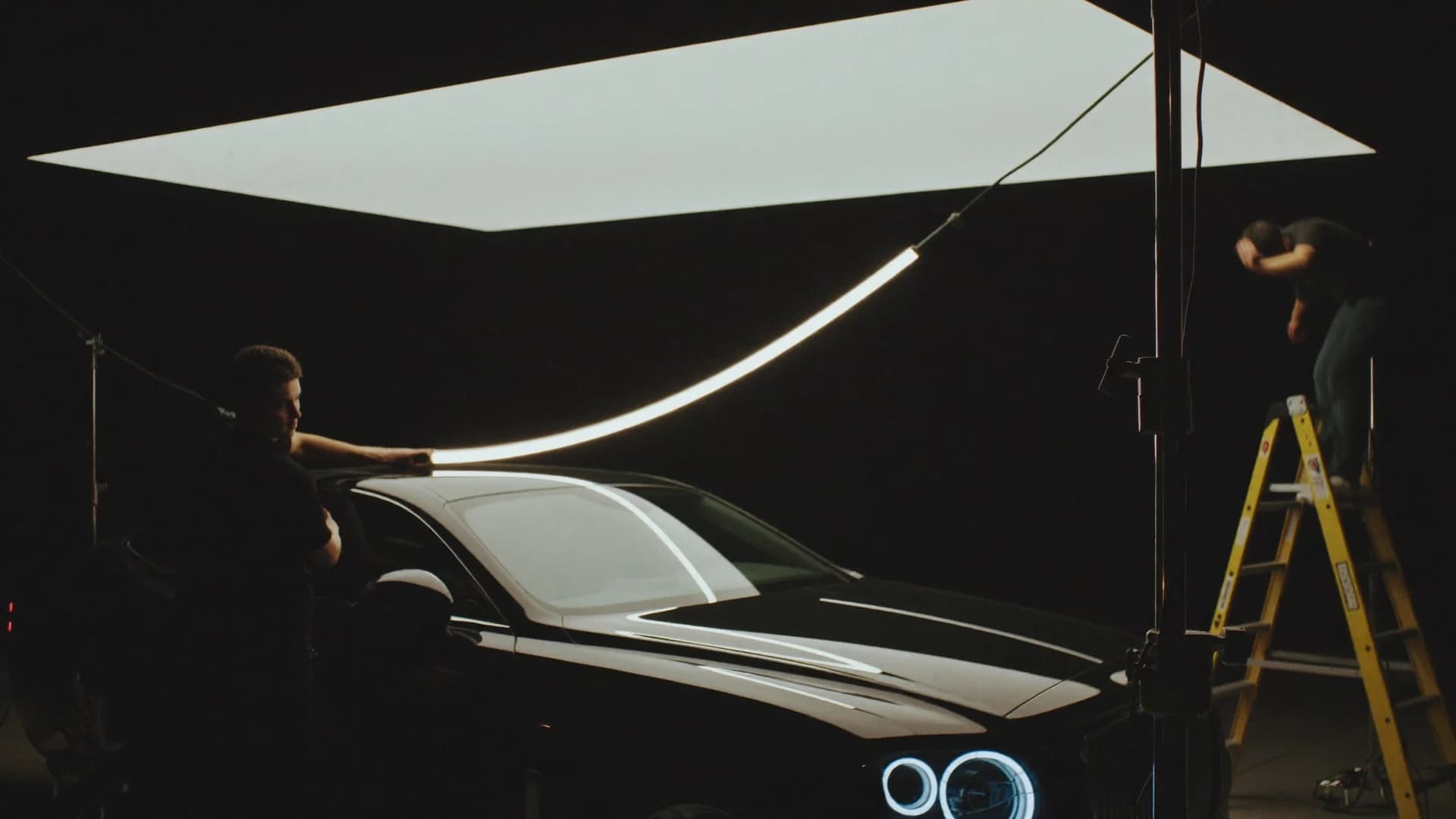
Studios built for stills may lack proper rigging or power distribution. These issues often do not show up until it is too late, unless there is a pre-light session in place. Think of lighting as choreography. When your camera glides over the vehicle, the reflections and specular highlights must move with intention. This is why proper video car shoot setup is essential.
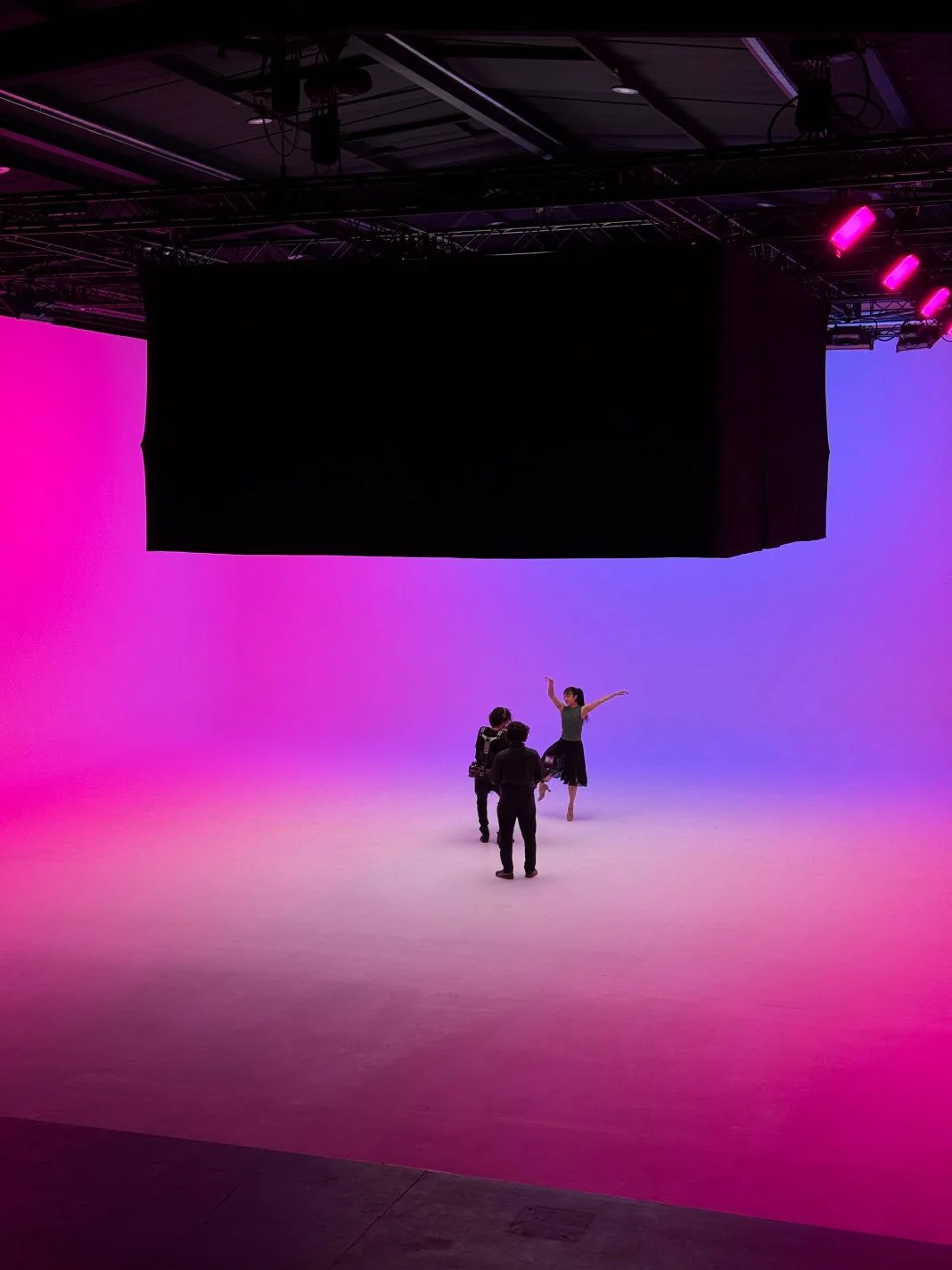
Studio Space, Rigging and Power: What You Must Ask Before You Book
Before choosing a studio, check that it meets the technical demands of your lighting plan. Not all spaces are designed with car shoots in mind.
Studio Specifications
- What is the ceiling height? Does it allow for rigging or diffusion panels?
- Does the studio support Arri SkyPanels, Astera tubes, or similar rigs?
Technical Access
- Can the electrical supply handle high-power lighting setups?
- Will your vehicle fit through access doors and turning areas?
Hire Structure
- Does the studio offer dry hire or wet hire with crew and kit?
- Is there enough room to stage lighting across different camera angles?
Studios such as Mammoth Film Studios are designed with these needs in mind. They support full-scale commercial productions with on-site teams ready to advise.
How to Brief Your Lighting Team: Creative and Practical Essentials
A clear lighting brief improves collaboration and outcome. It connects your brand goals with the technical choices being made on set.
What to Include in Your Brief
- Mood boards and brand reference visuals
- The visual tone you are aiming for, such as sharp, atmospheric, or dramatic
- Camera movement plans and asset deliverables
- Technical notes including output format and available shoot hours
You do not need to speak in lighting jargon. Simply explain how you want the audience to feel. Your gaffer and DOP can translate that into light shaping, placement, and continuity.
By sharing your creative direction early, you avoid misalignment and reduce the need for reworks. Include your video car shoot setup and studio shoot prep requirements directly in the initial brief.
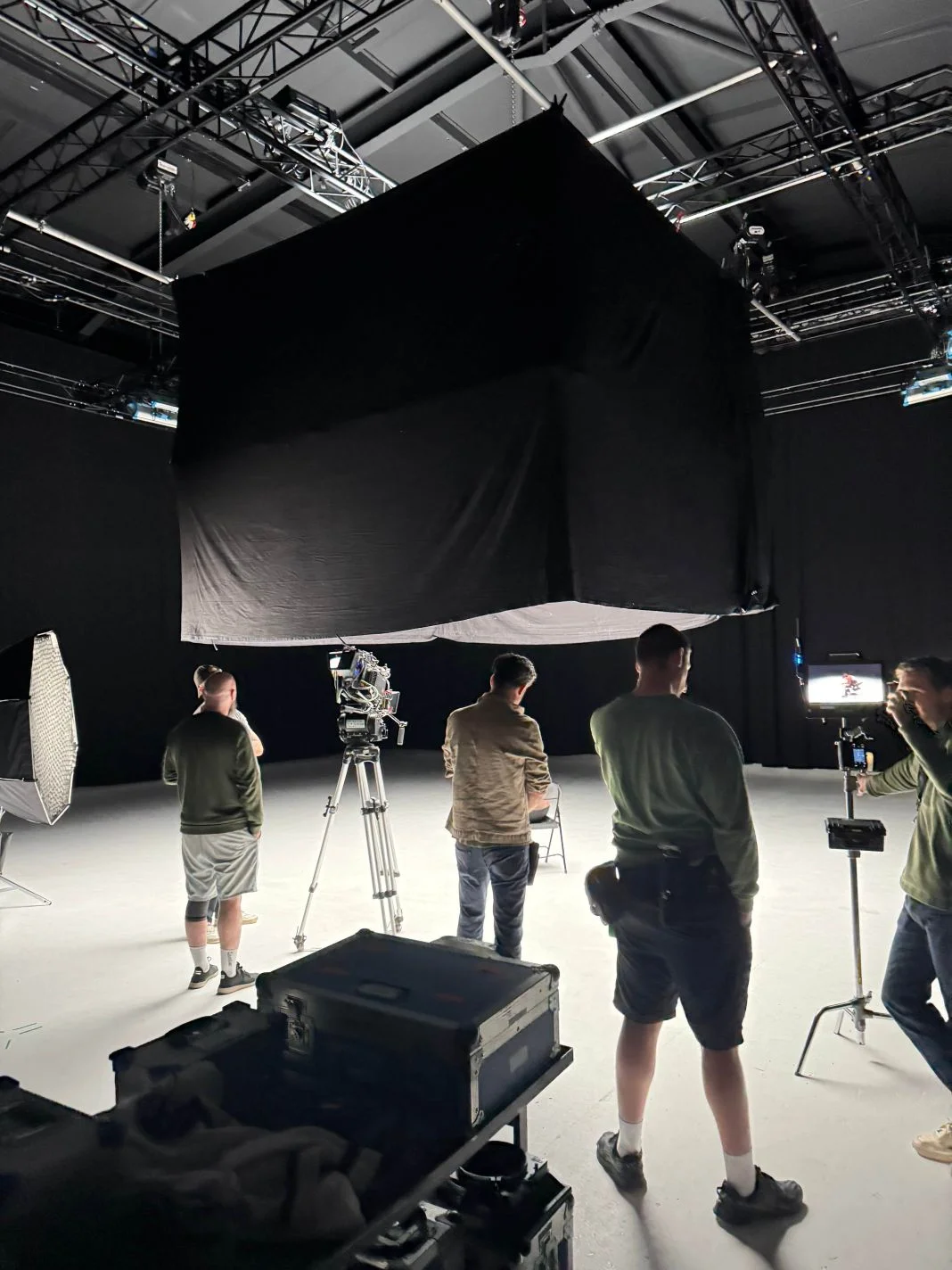
Budgeting for Light: Costs, Risks and Time Considerations
Lighting can become the most expensive part of your shoot if it is poorly scoped. Unexpected re-rigs, power overruns, and tight timelines create costly delays.
Where Costs Build Up
- Wet hire includes crew and equipment. Dry hire requires separate hires.
- Large lighting setups draw more electricity. Studios often charge for energy use.
- Skipping a pre-light day risks multiple delays on the shoot day.
- Fixing lighting issues in post-production is costly and rarely ideal.
One brand booked a half-day shoot. With no lighting test, the setup failed to deliver the right look. Re-rigging took hours, pushing the schedule and budget beyond plan. Lighting is not just an add-on. It shapes your efficiency, your spend, and your outcome.
How Lighting Choices Shape Brand Image, Mood and Messaging
Before anything is said in a commercial, the lighting speaks for the brand. It defines atmosphere, product personality, and viewer expectation.
- Warm, soft lighting evokes trust, family, or premium comfort
- Cooler tones and sharper contrast can suggest precision and innovation
- Hard light with shadows often pairs with bold or sporty vehicles
- Balanced lighting with cinematic tones offers high-end appeal
Poor lighting choices can undercut the entire message. If the light tone contradicts the brand identity, even a perfect performance or shot will feel wrong. Your lighting must fit the brand’s established style and emotional language. Lighting brand aesthetics must be carefully considered to maintain consistency.
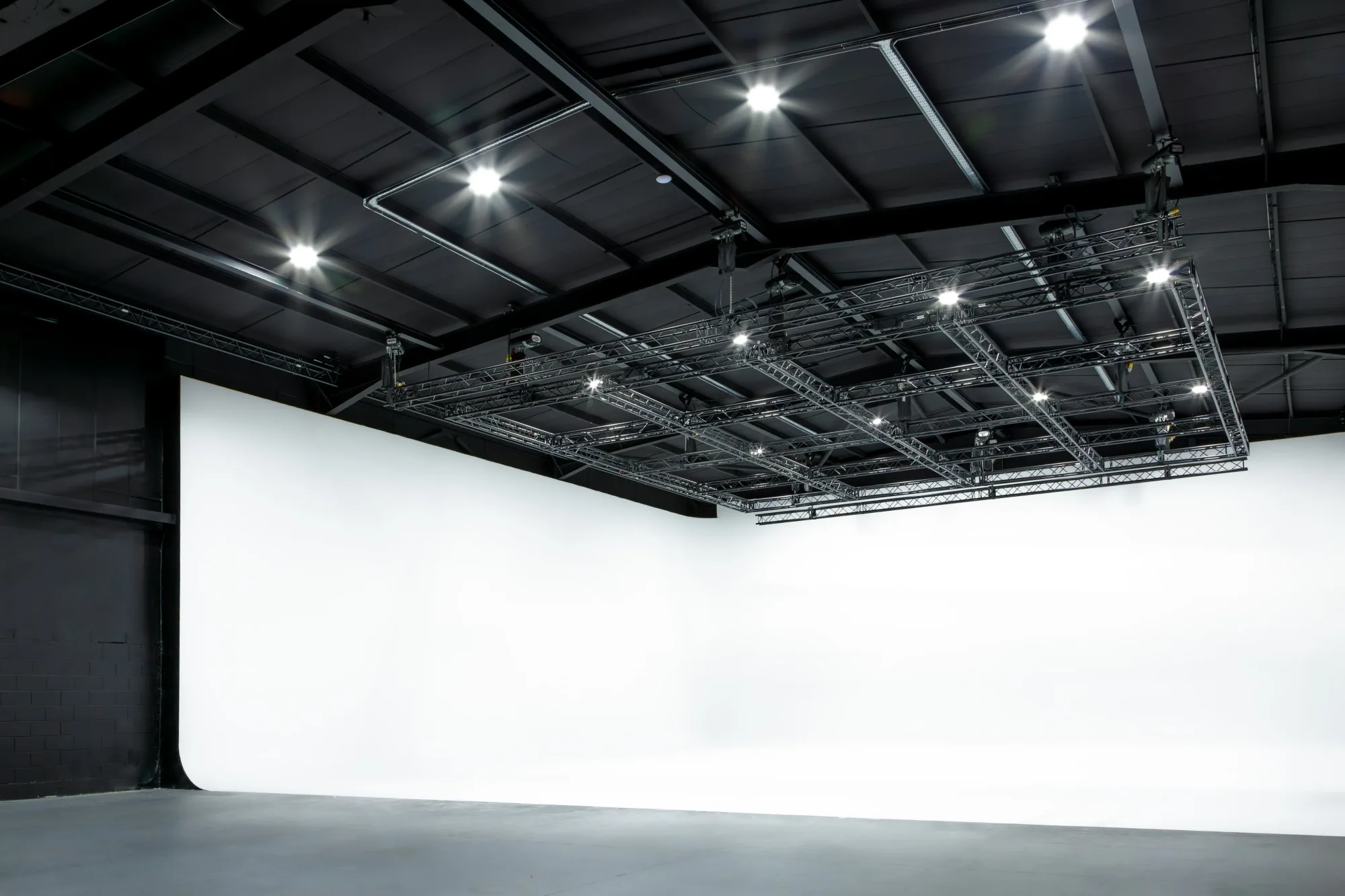
Your Final Lighting Checklist Before Booking a Studio
Use this pre-production checklist to ensure you are ready:
Studio Readiness
- Ceiling height and power supply are suitable
- Studio floor allows free camera and vehicle movement
Lighting Preparation
- A lighting plan is signed off and aligned with brand tone
- A pre-light day is booked or scheduled with the crew
Brand and Creative Brief
- Brand visuals, storyboards, and tone references are shared with the team
- Your gaffer and DOP understand the visual mood and continuity requirements
Contingency Planning
- Time buffer is built into the schedule
- Budget covers lighting crew, overtime, and energy usage
Studios such as Mammoth Film Studios offer tailored support for these production needs. Planning lighting properly saves time, money, and frustration.
Lighting is not secondary. It is your brand’s visual voice, and it must say the right thing.