What is the best lighting for car photography?
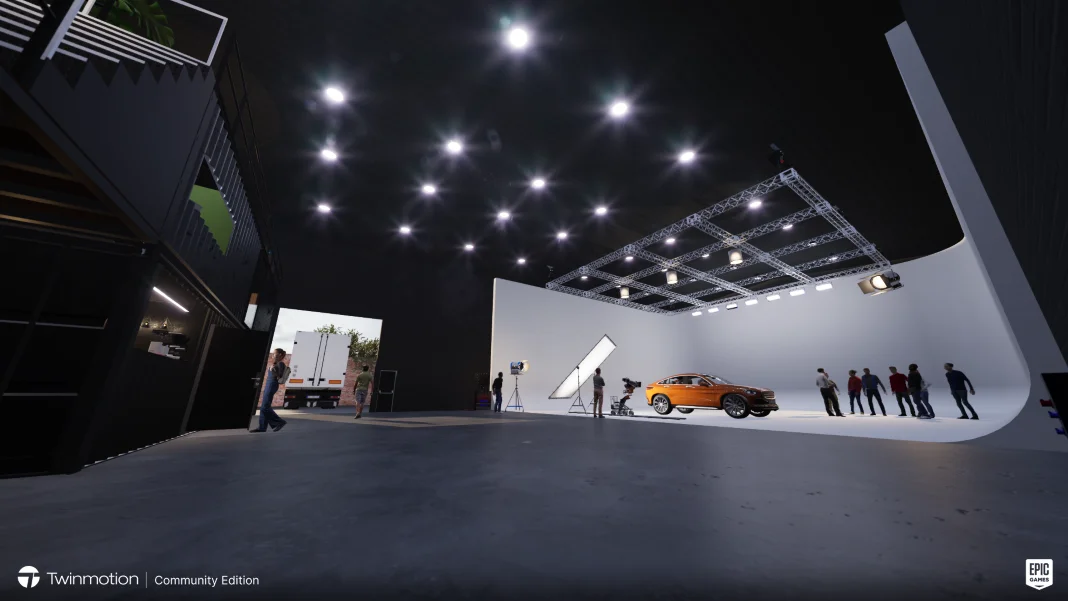
Lighting transforms how a car appears in photographs, especially in our 8,000 sq ft infinity cove studio. Golden hour sunlight casts soft natural tones that highlight contours, while strobes and softboxes offer precise control over shadows and reflections. The best option depends on the car’s surface, setting, and the mood you aim to capture. For beginners seeking car photo lighting tips, starting with natural light can build confidence before exploring more complex gear.
Why does lighting matter in car photography?
How does lighting affect surface definition and visual drama?
Lighting shapes a vehicle’s structure and visual appeal. Soft light enhances curves and bodylines with a refined, high end feel. Harsh lighting brings out textures and aggressive styling. Managing contrast and highlight control adds depth and gives images a strong, professional quality.
How do reflections influence mood or branding?
Reflections play a large role in how a car is perceived. Clean, intentional reflections reinforce style and design. Uncontrolled glare can detract from the overall impact. When properly managed, reflections add polish and support the image’s tone and message. Flare control and visual tension contribute to mood and brand clarity.
What are the fundamentals of car photography lighting?
When should you use hard light or soft light?
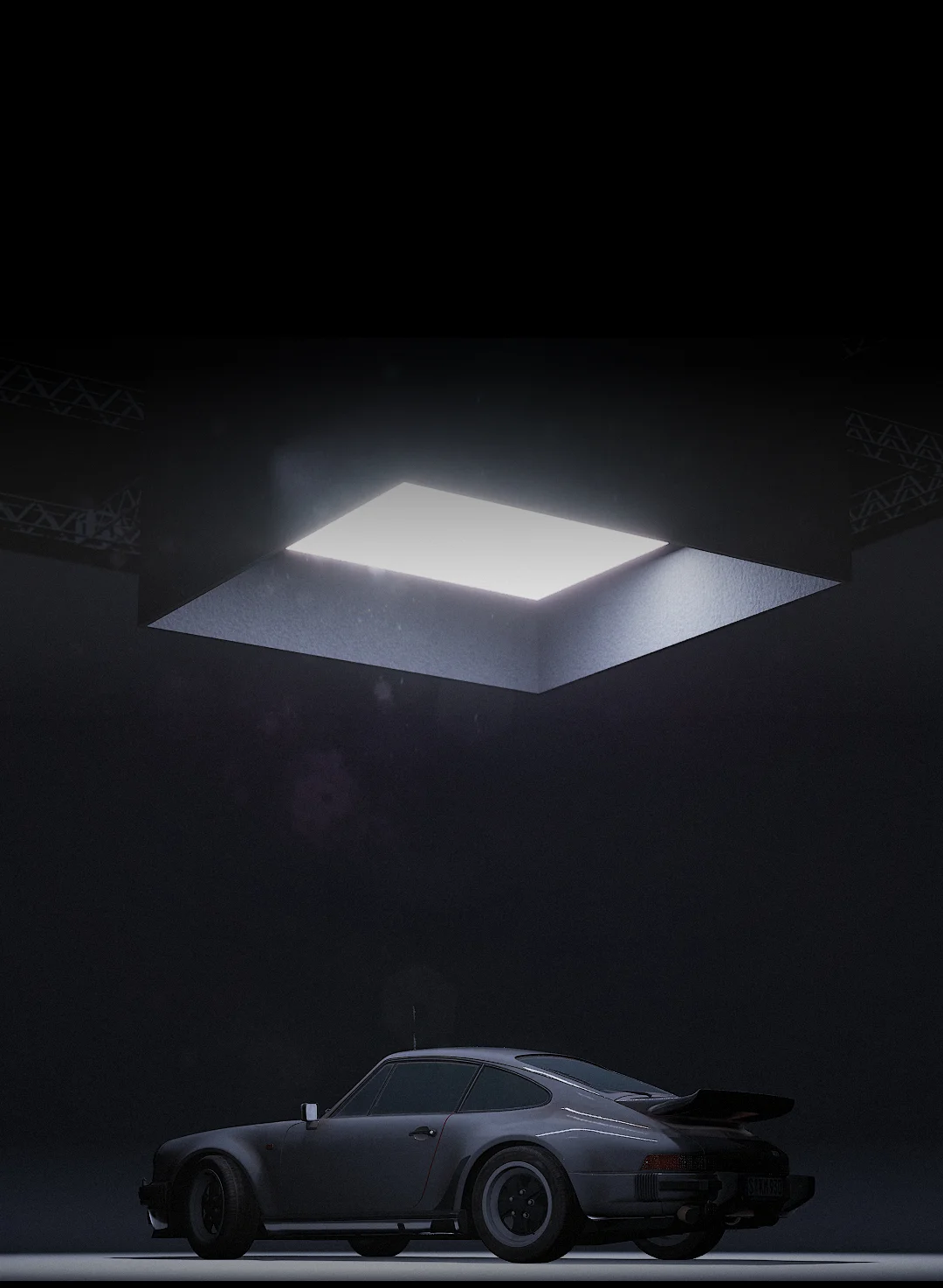
Use hard light when photographing rugged or sporty vehicles. It adds bold shadows and highlights structure. Soft light works well for clean finishes, reducing harsh spots and smoothing out imperfections. Each option brings out different qualities in the subject. Understanding soft light versus hard light in car photography helps guide styling choices.
What is the difference between direct and indirect lighting?
Direct light creates clear, dramatic contrast. Indirect lighting, such as bounced or diffused sources, gives smoother results with better balance. Reflectors and diffusers help tailor the exposure and bring control to the overall composition. Adjusting falloff and tone blending supports exposure layering and natural transitions.
Pro Tip: Never shoot glossy paint under hard midday sunlight. Use cloud cover or a diffuser to avoid distracting reflections and glare.

How can natural light be used effectively for car photography?
What makes golden hour lighting ideal for cars?
Golden hour light is soft and directional, adding warmth and cinematic depth. Shadows stretch and reflections soften. Aligning the car with the sun’s angle lets you emphasise shapes and minimise distractions across reflective surfaces. This timing window creates a painterly effect ideal for emotional tone.
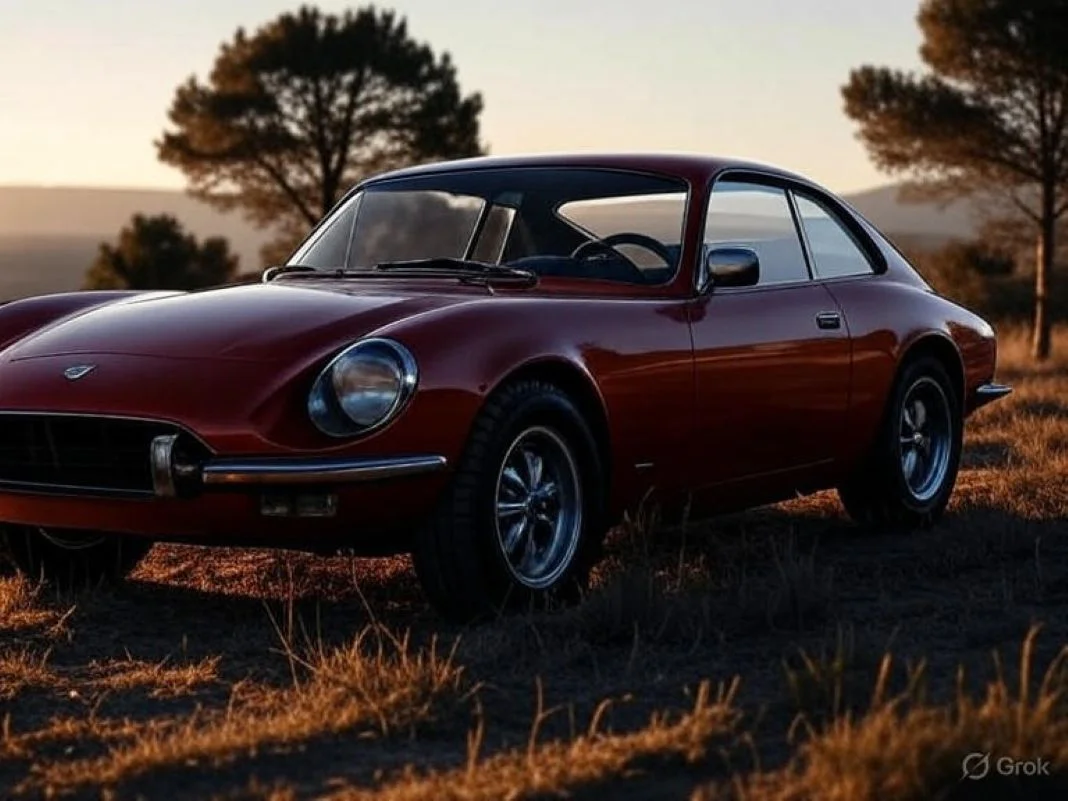
A photo of a classic car in natural light - Image created by GrokAI
How does the horizon help mimic soft lighting?
Positioning the car under an open or cloud covered sky spreads soft, even light across panels. This approach acts like a natural softbox, reducing glare and adding an even finish. It is especially useful for exterior shoots with limited gear. Understanding sunlight direction and ambient fill helps manage outdoor car lighting tips efficiently.
What artificial lighting setups work best for car photography?
Which lighting tools give you the most control?
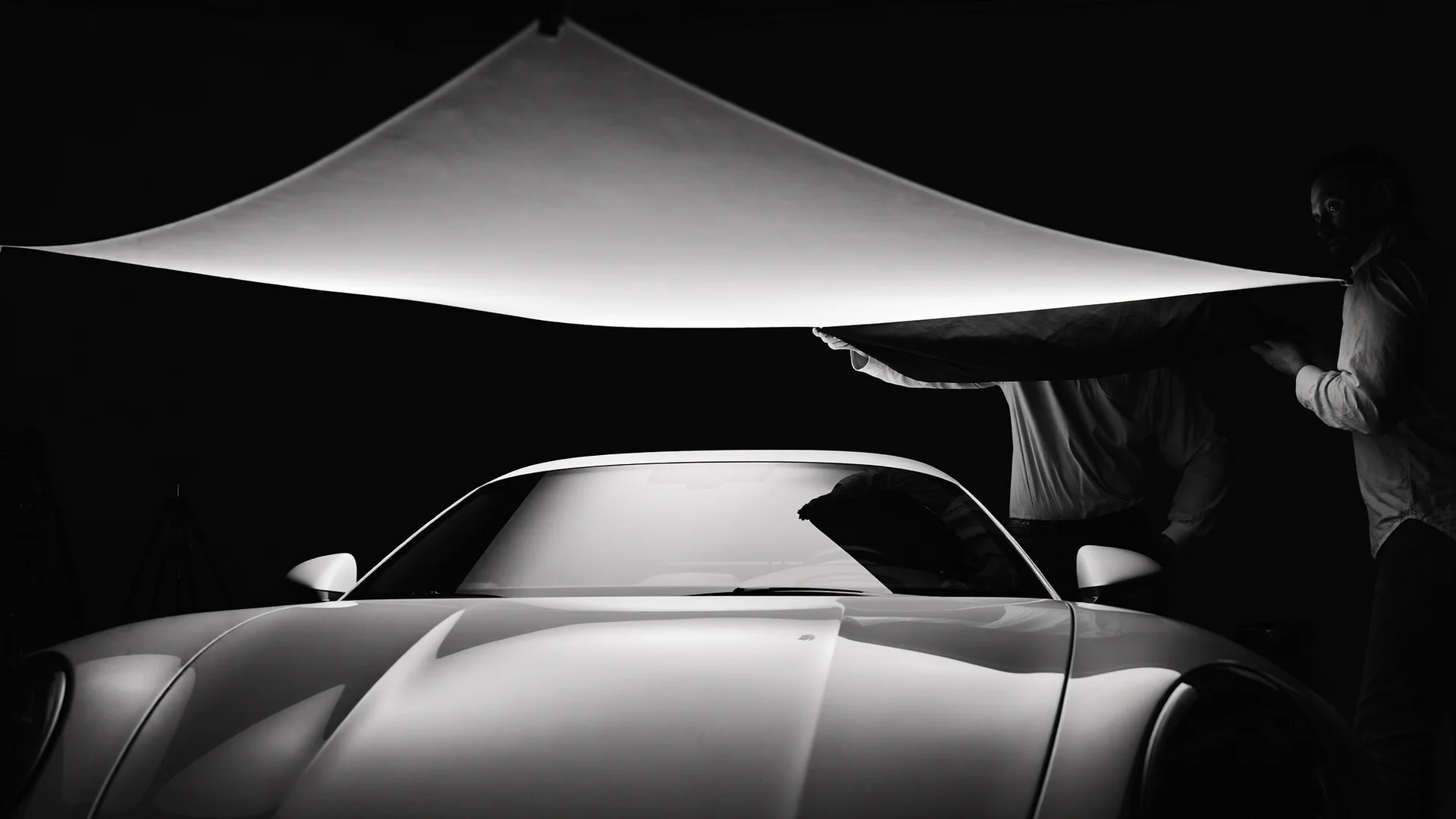
Softboxes spread light evenly for a smooth, glossy look. Strobes bring punch and crispness, perfect for revealing sharp details. Flying flats help reflect or block light in specific areas, helping maintain control over the lighting environment. This trio enhances light shaping and reflection control for studio setups.
How can you create a balanced three point lighting setup?
Start with a key light to shape the car, use a fill light to ease shadows, and add a rim light for edge definition. This combination adds structure and visual interest. Adjust each light’s position and strength for a balanced outcome. This classic car photo softbox setup improves exposure ratio and consistency.
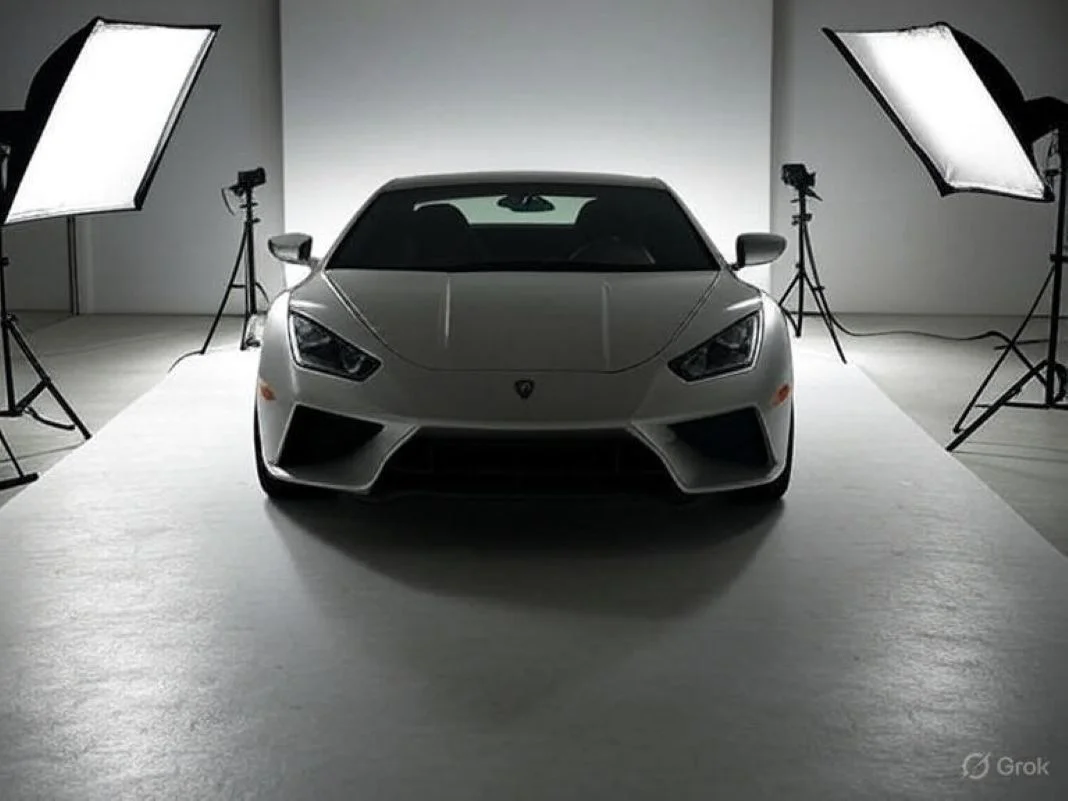
lighting set up for professional car photography - Image created by GrokAI
What creative lighting techniques make car photos stand out?
How do you use light painting for unique car images?
Light painting lets you manually sculpt the lighting by moving a source around the car during a long exposure. It gives a handcrafted look with controlled highlights and shadows. This method works well for dramatic or stylised shots. Adding an ND filter can reduce overexposure while managing motion blur and rim glow.

How do you combine flash with ambient light for effect?
Pairing flash with available light helps build atmosphere without losing detail. The flash highlights the car, while ambient light supports the scene. When balanced well, this creates layered and visually rich results. Proper sync timing is key to clean composite layering.
Pro Tip: For light painting, lock your camera on a sturdy tripod and take several passes with different angles, then blend in post for a seamless finish.
How do you choose the right lighting equipment for car photography?
What are the differences between strobes and LEDs?
LEDs are portable and allow live adjustments, which is helpful for location shoots. Strobes provide stronger light and freeze motion for ultra sharp images. Choose based on the type of shoot, light needed, and how mobile your setup must be. Consider ambient override and battery pack compatibility when deciding between them.
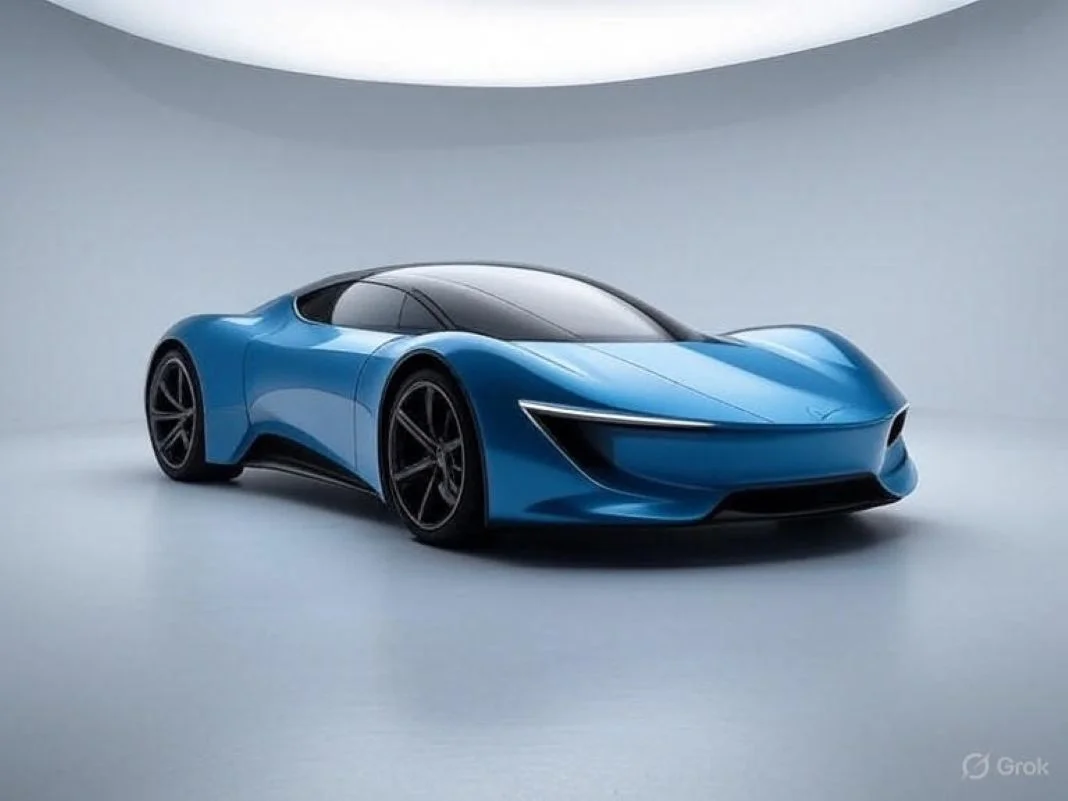
Best lighting set up for taking photos of cars in studios - Image created by GrokAI
What light modifiers work best for automotive subjects?
Large softboxes produce even lighting across body panels. Strip lights focus on narrower details, such as door lines or wheel arches. Domes diffuse light to remove harsh reflections. Modifier footprint and gear stacking are also factors to keep in mind when selecting your lighting tools.
What are some real world lighting setups for car photography?
What lighting plans work across different locations?
- Studio: Position soft lights above and to the sides to control reflections and shape the car.
- Outdoor: Combine daylight with a reflector to brighten shaded areas without losing natural balance.
- Night: Use strobes or long exposure techniques to highlight the car and preserve a dark background.
- Hybrid: Mix flash and ambient light for flexible, on location results with depth and contrast.
How can beginners progress to professional setups?
Start with one soft light and a reflector to learn how light affects surfaces. Add strobes to create more depth and highlight contours. As you progress, experiment with multiple light sources and modifiers to shape the look with precision and consistency. These lighting setups help beginners learn visual layering before advancing to professional studio techniques.