What is a blackout film studio and why do productions rely on them?
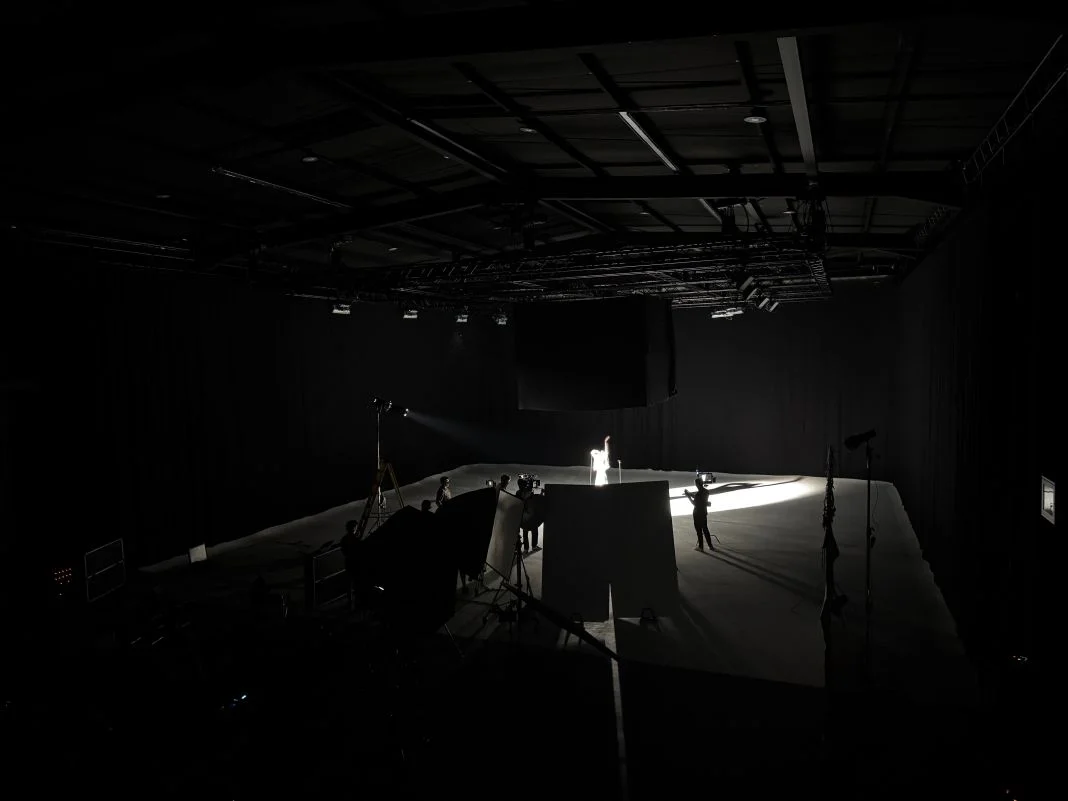
A blackout film studio is a controlled filming environment built to eliminate external light and provide total command over internal lighting setups. Productions rely on these studios to ensure consistent results. This is especially important when filming sensitive visual content where ambient light, spill, or unwanted reflections can compromise image quality. Unlike standard studios, a professional blackout studio, such as Studio 1's white cove and blackout stage, uses purpose-built materials and engineering to create a light-controlled, matte-surfaced, ambient-suppressed space.
Understanding What a Blackout Film Studio Really Is
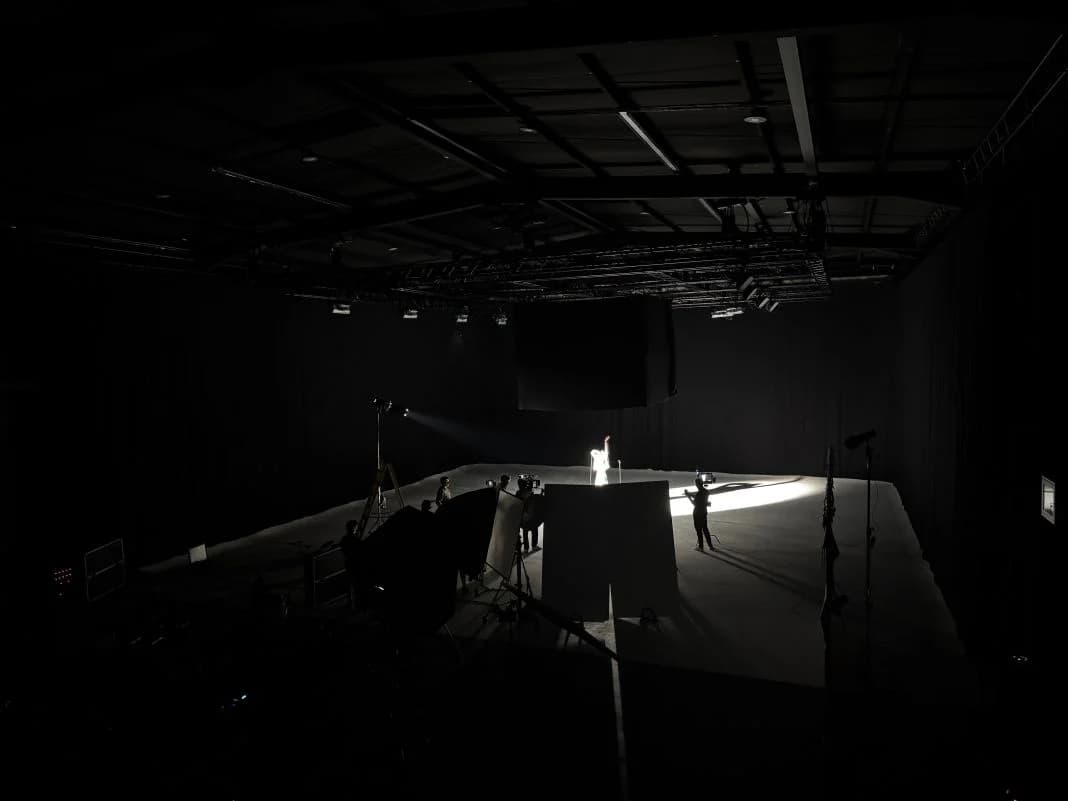
When you step into a production-grade blackout studio, it immediately feels different. Matte black walls, ceilings and floors absorb light. Nothing reflects back unless you intend it to. The studio is a sealed space with controlled exposure, free from light leakage or ambient contamination. Entrances are also designed with light traps and baffled corridors to protect the environment inside.
This space is not merely dark. It is a matte environment optimised for complete visual control. Filmmakers and commercial crews use it to reduce light bounce, eliminate unwanted shadows and build lighting setups from scratch without environmental interference.
How Blackout Studios Create Total Control Over Light
Light control inside a blackout studio is achieved through physical design and specialist materials:
- Duvetyne and molton fabrics line surfaces for light absorption.
- Matte black walls and floors remove reflectivity and reduce bounce.
- Light-sealed entrances prevent any external illumination from entering.
- Lighting grids and rigging infrastructure support creative flexibility.
Each component stops uncontrolled spill or flare. This creates a light-sealed stage design where exposure, shadow and bounce are all fully within the crew’s control.
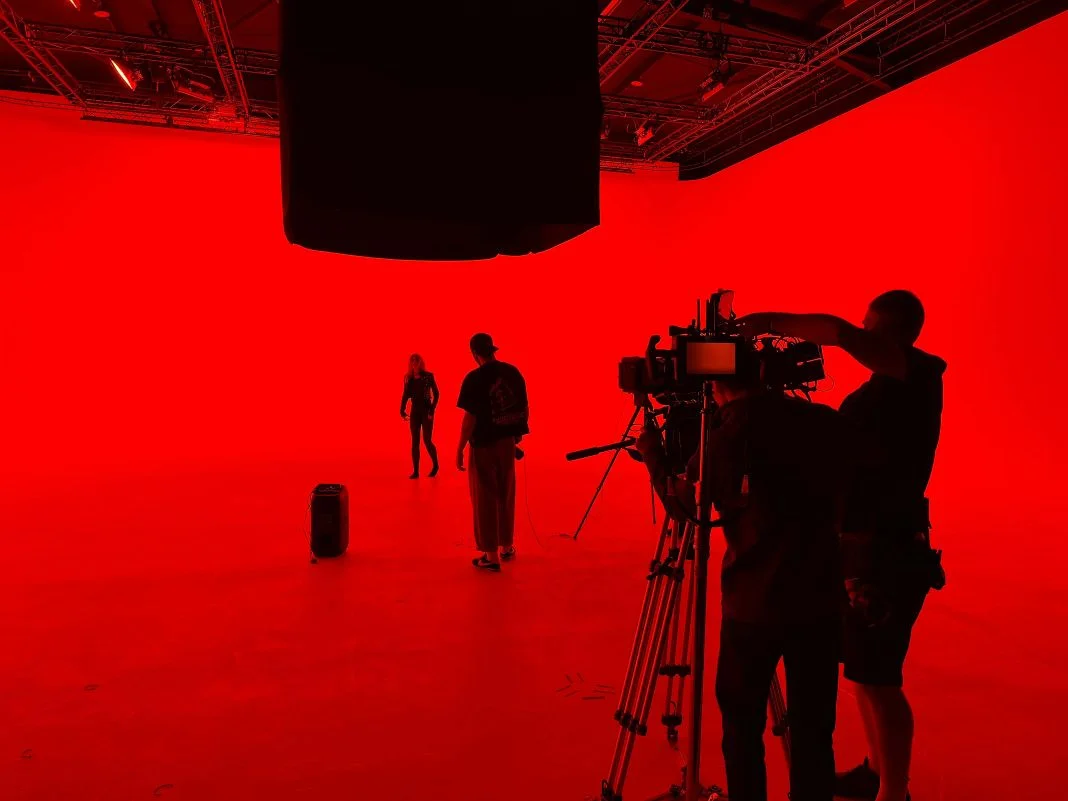
Why Productions Rely on Blackout Studios for Precision and Consistency
From commercials to product cinematography, production teams rely on blackout studios to solve real problems:
- Controlled lighting repeatability across shoot days and scenes.
- Improved continuity, even during complex shoots.
- No external light interference, such as windows or daylight shifts.
- Reduced colour cast and cleaner shadows, ideal for post-production.
This level of control supports visual integrity and helps keep production smooth and efficient.
Where Blackout Studios Make the Biggest Difference on Set
Some filming scenarios benefit more than others from blackout environments:
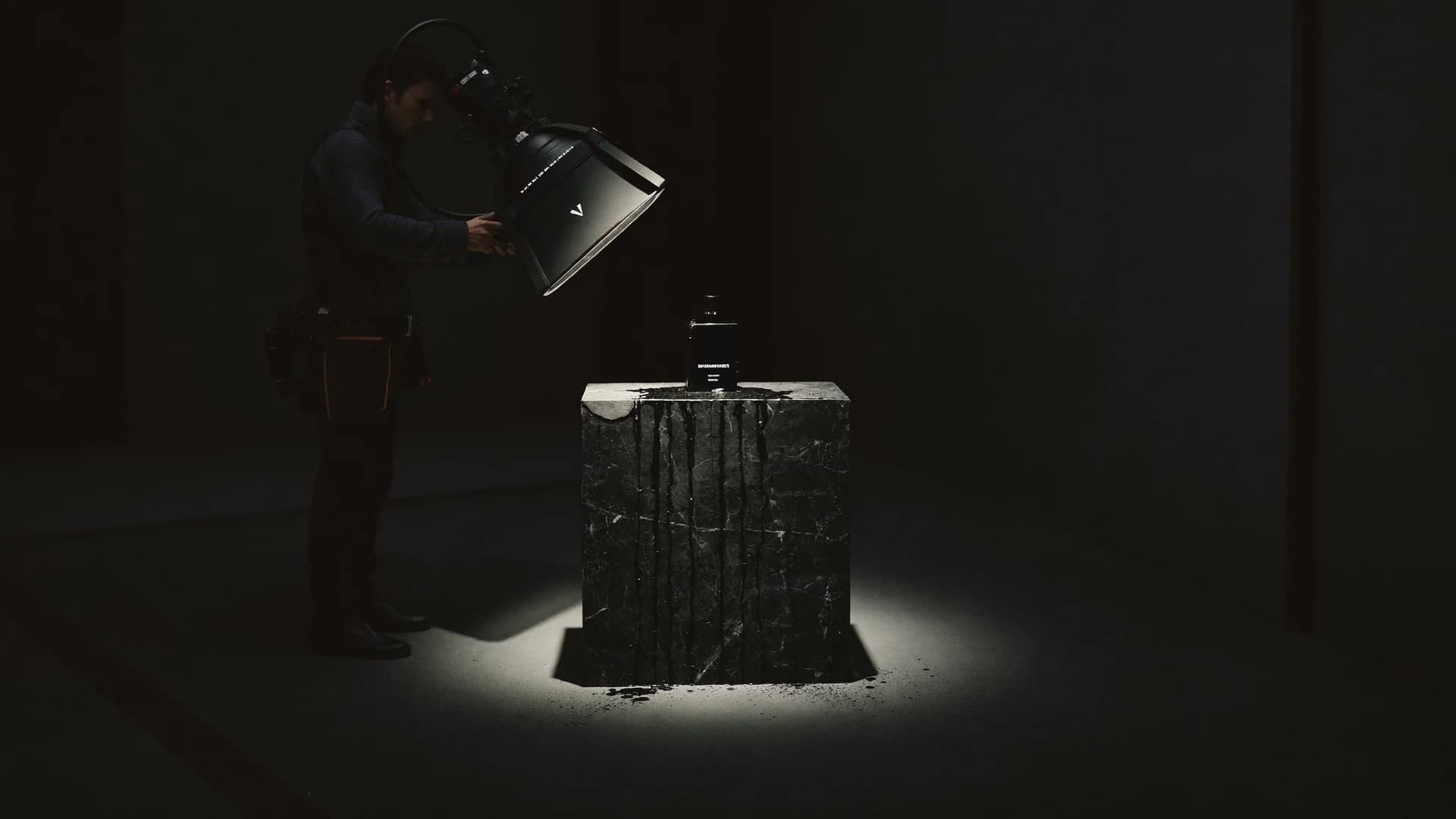
- Reflective product filming, such as bottles, screens, or polished surfaces.
- Automotive close-ups, where reflections must be tightly controlled.
- Dramatic silhouette or portrait work, which demands sharp contrast.
- VFX plates, requiring clean separation for compositing and avoiding chroma spill.
- Motion-control or high-speed capture, which needs consistent lighting.
These high-precision shoots demand a light-controlled studio. Nothing unexpected should interfere with exposure or composition.
How Light Behaves Inside a Properly Blacked-Out Space
In a sealed blackout space, light behaves in a predictable way:
- No ambient spill: every light source is placed deliberately.
- Shadows remain sharp: there is no unintended softening.
- Accurate contrast ratios: darks remain rich and highlights stay clean.
- Colour neutrality: surfaces do not bounce tone into the shot.
This level of control helps filmmakers shape light with accuracy, enhancing contrast and preserving colour.
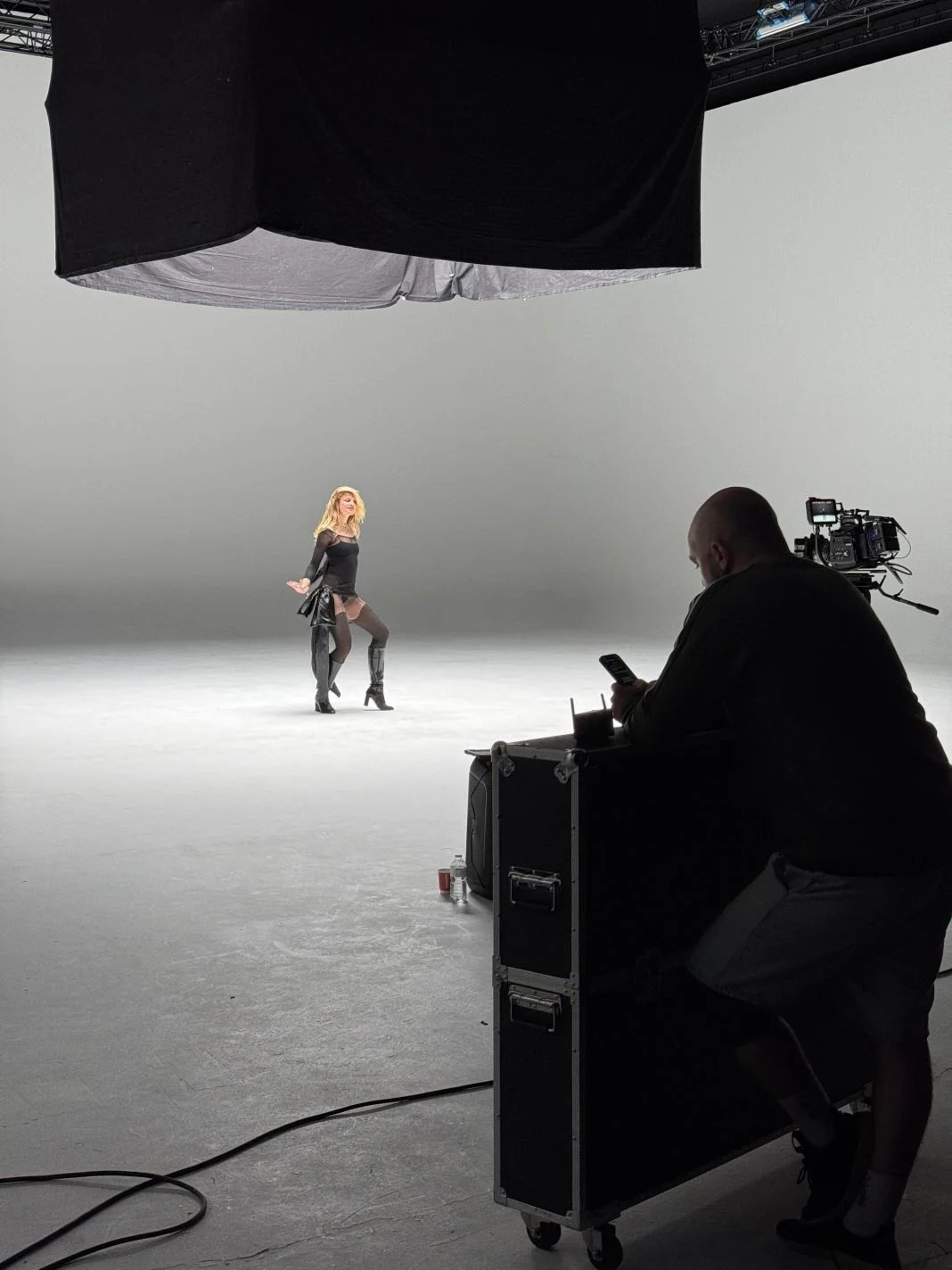
Misconceptions That Lead Filmmakers to Underestimate Blackout Studios
A few myths still surround blackout environments:
- Some think it is just a dark room. In reality, it is a matte, purpose-engineered, light-controlled space.
- Others assume DIY blackout works just as well. Bin liners and drapes tend to leak light.
- There is a belief that black paint is enough. Glossy black reflects, while matte finishes absorb light properly.
- Another common mistake is thinking lighting is unnecessary. The blackout studio enables precise lighting control but does not eliminate the need for lighting equipment.
Understanding these differences helps avoid lighting issues that waste time and limit results.
When a Blackout Studio Is Not the Right Environment
Blackout studios are not ideal for every project. Some productions are better suited elsewhere:
- Natural light setups, such as documentary or lifestyle shoots.
- Large physical set builds, which require additional height or ambient space.
- Coloured or white environments, used for commercial styling or backdrops.
- Soft lighting aesthetics, which benefit from diffuse ambient light.
A blackout studio provides control. However, some projects thrive with natural variation.
Blackout Studios vs Other Filming Spaces: What You Need to Know
Comparing studio types helps clarify your choice:
- Blackout studios are sealed and matte-surfaced for contrast and light control.
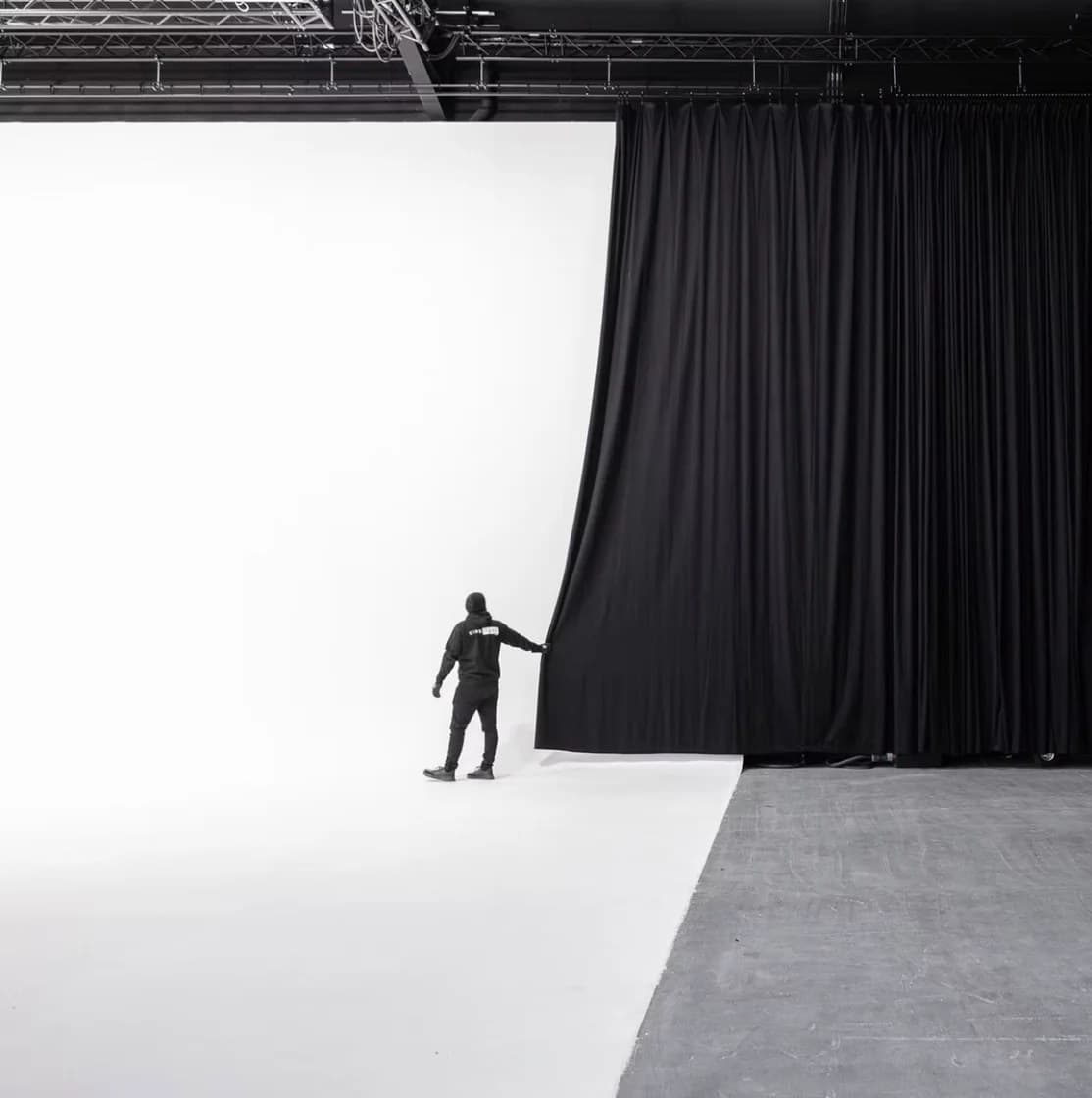
- White cycloramas reflect light evenly and support seamless backgrounds.
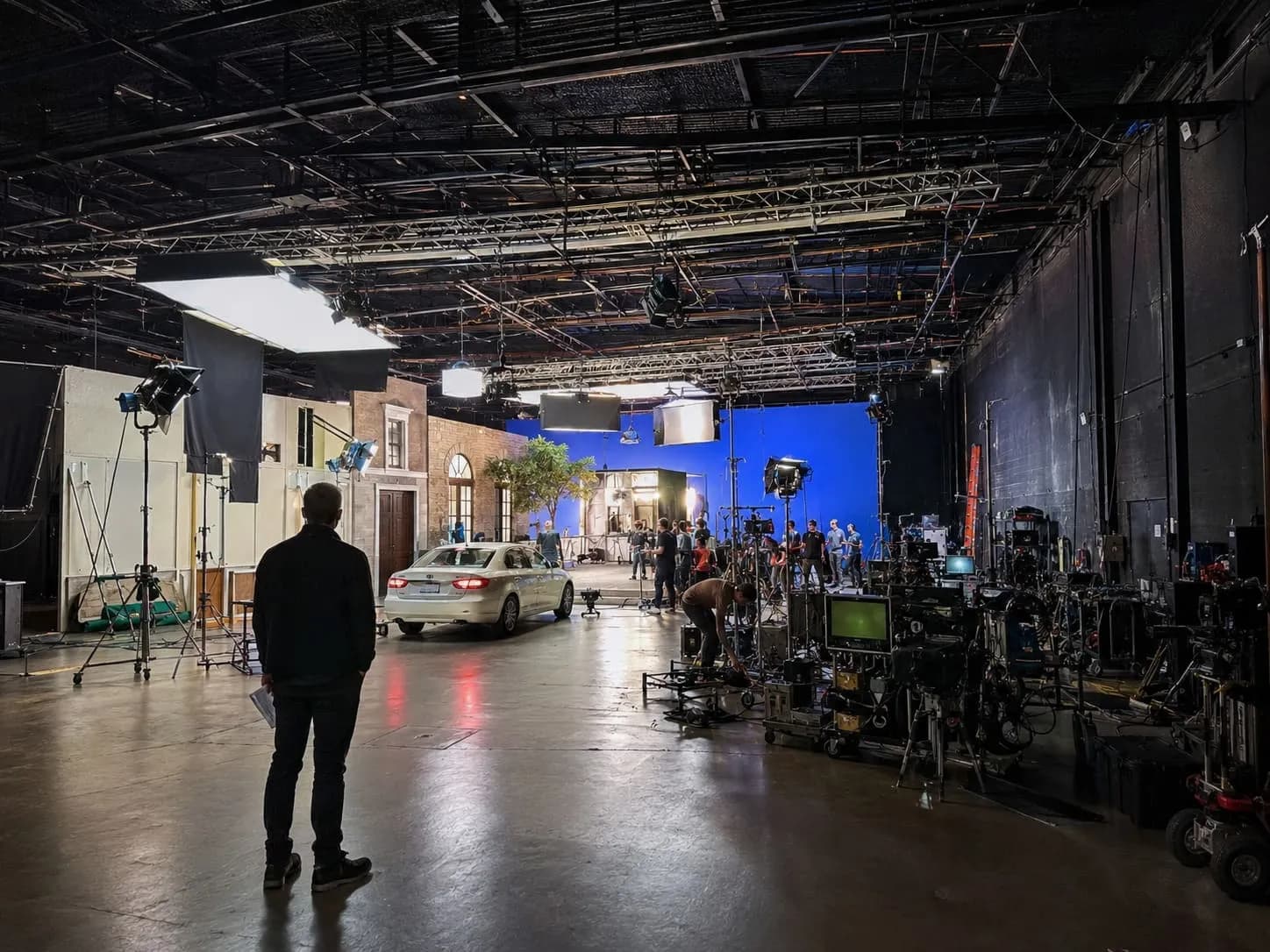
- Green or blue screen stages are tailored for compositing workflows but may suffer from green spill without proper light isolation.
- Open studios or locations allow ambient shift and reflect real-world tone.
Each space offers something different. A blackout studio is a specialist environment designed for precision lighting and clean visuals.

How Blackout Studios Improve Workflow, Timing, and Creative Control
Blackout environments make production more predictable:
- Lighting setups are faster, with fewer variables to manage.
- Reshoots and pickups match seamlessly, even across days.
- Call times stay consistent, since crews do not need to wait for daylight.
- Crews stay focused, because environmental conditions remain consistent.
By controlling lighting from the outset, productions gain efficiency and maintain client confidence, qualities that also define the best TV commercial production studio space.
Why Modern Filmmaking Tools Work Best in a Controlled Blackout Space
Today’s production tools benefit from stable light conditions:
- Motion-control rigs need matching conditions frame by frame.
- High-speed cameras reveal every inconsistency or reflection.
- VFX plates must be clean and isolated from background spill.
- LED volumes work best without light leak or bounce.
The tighter the control, the better these technologies perform. This translates into cleaner footage and fewer retakes.
What to Look For When Choosing a Blackout Studio
Before booking, consider the following:
- Sufficient space and height for movement, rigging and flexibility.
- Reliable rigging points and grids for lighting setups.
- Three-phase power options and safe electrical access.
- Practical load-in routes and vehicle access for equipment.
- Acoustic performance, especially when recording sound.
- Support from experienced staff familiar with production needs and UK studio hire norms.
- Grip equipment compatibility and lighting specification standards such as ARRI or FilmLight.
A visit or video walkthrough can highlight what the studio truly offers.
How Mammoth Film Studios Supports High-End Blackout Productions
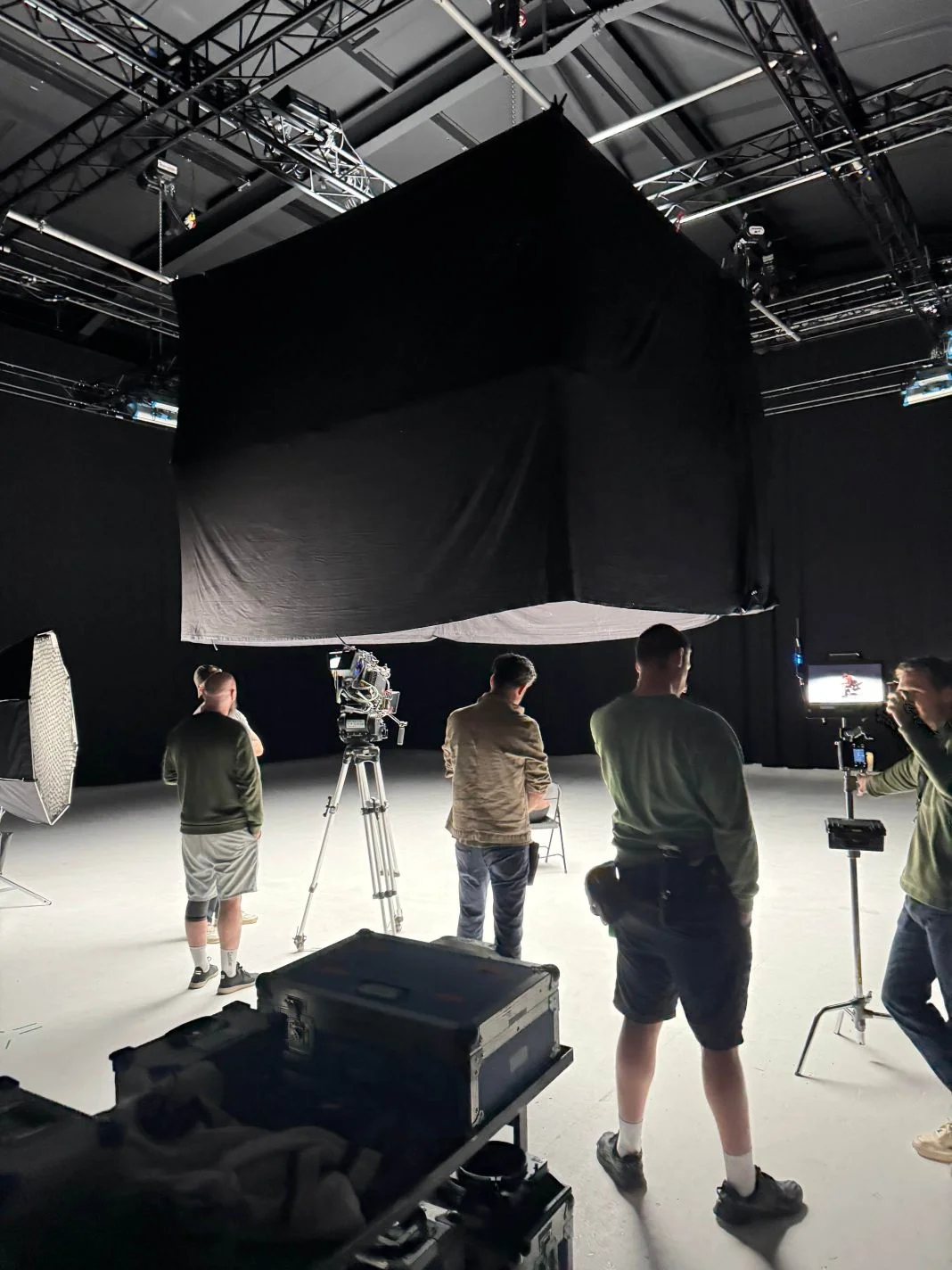
Mammoth Film Studios provides dedicated blackout stages in London. They offer:
- Fully sealed, matte-black production stages.
- Pre-installed rigging and adjustable lighting grids.
- Clean loading zones and three-phase power access.
- Quiet surroundings suitable for audio and visual capture.
- Crew who understand light control, continuity and commercial production.
These features help productions start strong and finish with high-quality results.
Why Total Light Control Still Matters in Modern Production
In modern workflows, light control remains essential. A blackout studio provides:
- Reliable lighting for every shot.
- Clear visuals with fewer post-production corrections.
- Reduced on-set stress from changing conditions.
- Greater accuracy and creative control during filming.
Blackout studios help remove the guesswork. Since lighting is one of the most powerful tools in production, full control still matters.