Why are brands shifting TV commercial production back into studio settings?
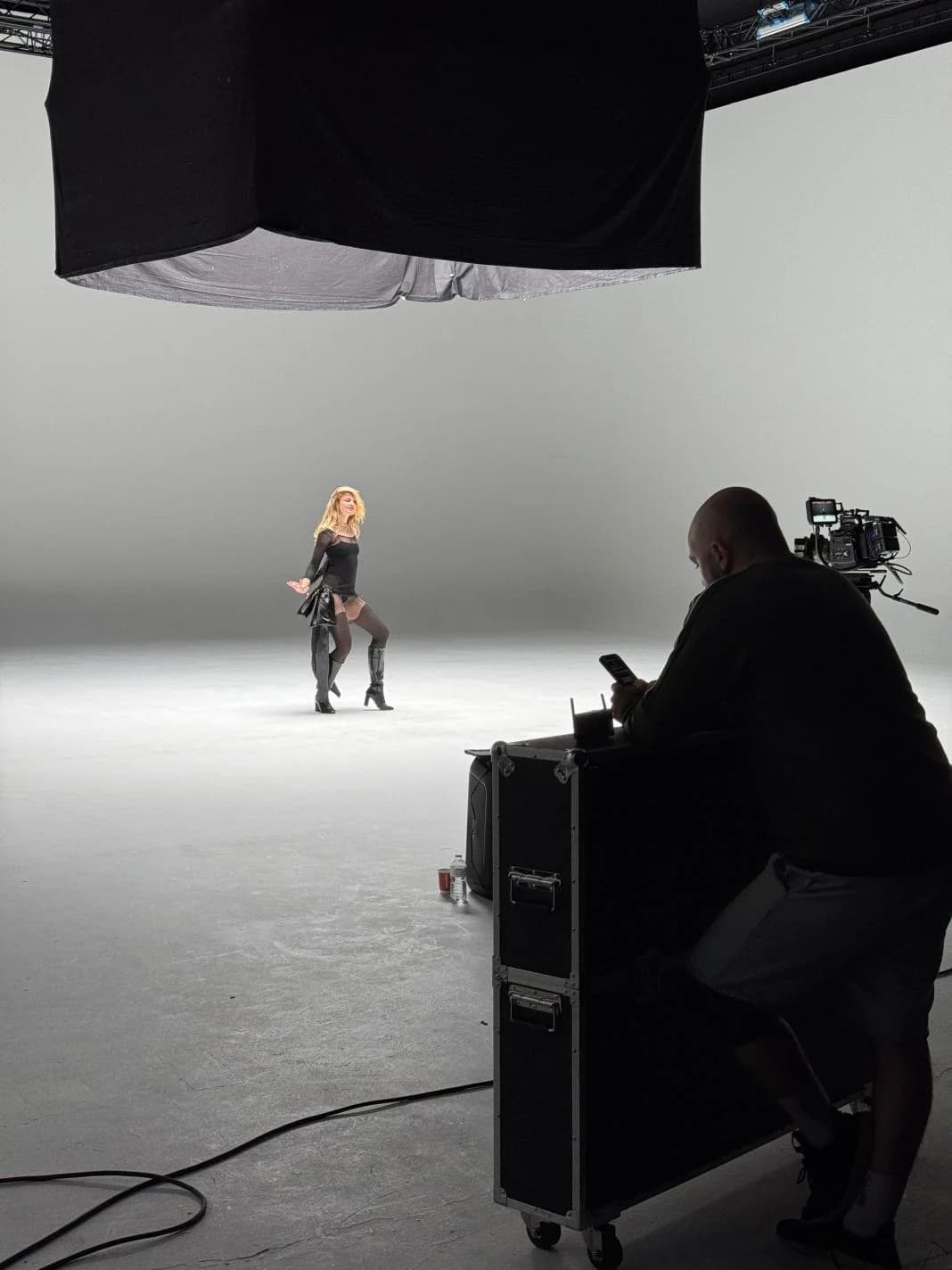
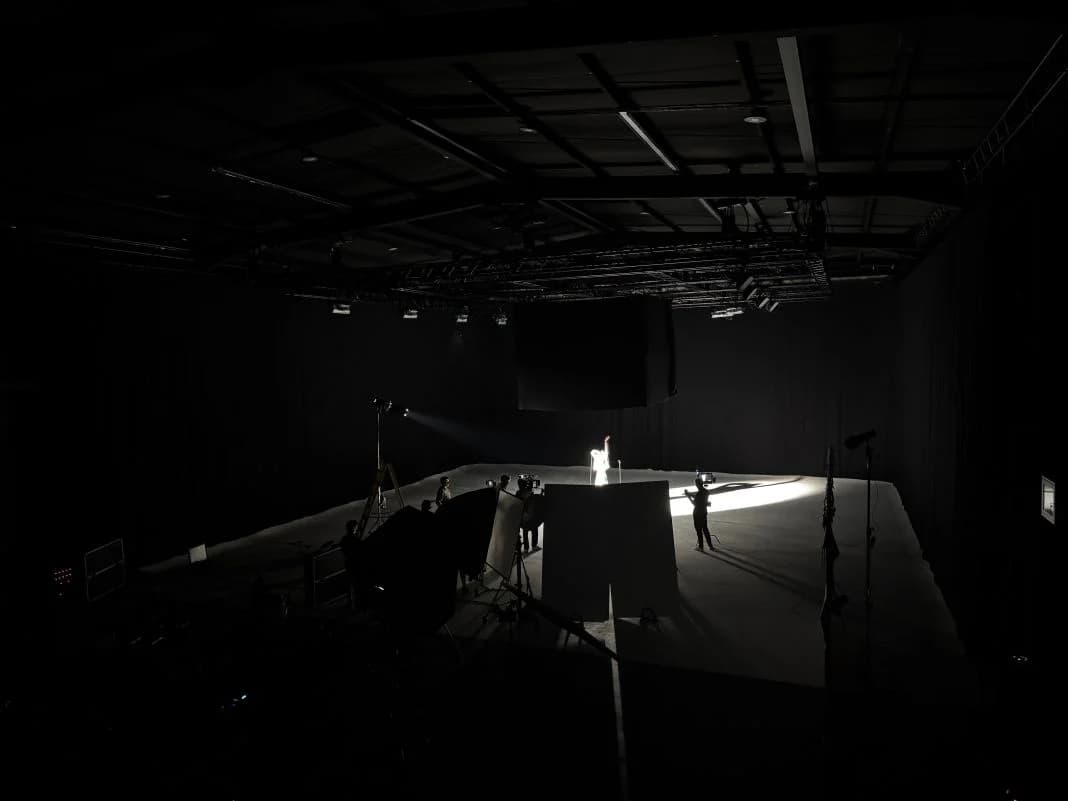
Brand marketers are increasingly choosing studio production for TV commercials. This move is driven by a need for predictability, better creative control, and cost efficiency. Outdoor filming often introduces problems like unpredictable weather, difficult logistics, and lighting inconsistencies. A controlled studio environment, like our biggest stage, the infinity cove, provides reliable conditions that help keep campaigns on track.
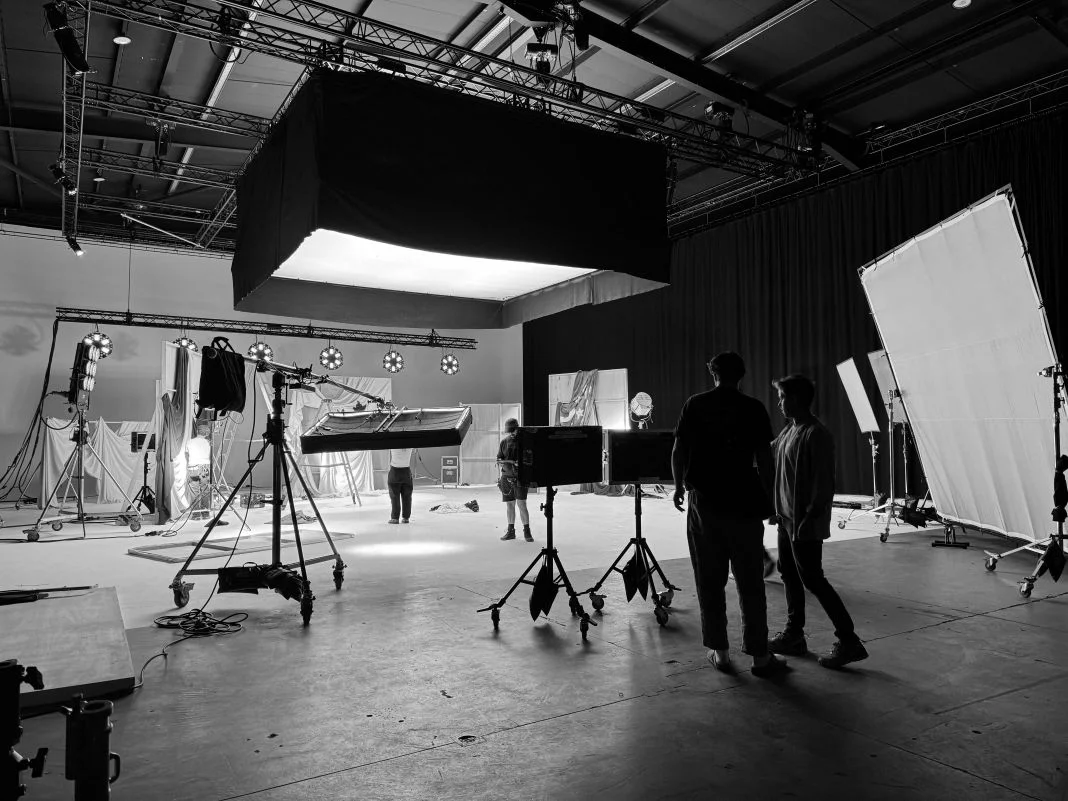
Why Location Shoots Are Losing Favour With Smart Brands
Picture a crew setting up on a beach, only to have a sudden downpour soak equipment and disrupt lighting. The schedule falls apart and the team is left scrambling. This kind of scenario no longer fits with the expectations of modern brand teams.
Filming TV ads outdoors brings its own set of challenges. Permits cost more, insurance is harder to manage, and background noise or access issues often delay production. These disruptions make the process more stressful than it needs to be.
Executives now expect smoother campaigns and fewer production risks. Controlled environments make this possible. CMOs and creative leads can oversee filming in a space that limits distractions and ensures consistent outcomes.
Habits formed during the pandemic also played a part. With more remote collaboration, teams discovered how much simpler studio filming could be. Fast decisions, easier coordination, and reliable results became the new standard.
Choosing a studio is a smart move that delivers reliable results. More CMOs are now prioritising brand-controlled advertising spaces that remove guesswork.
How Studio Production Gives You Total Creative Control
If you want to be sure your brand visuals are consistent, a studio is the right place to shoot.
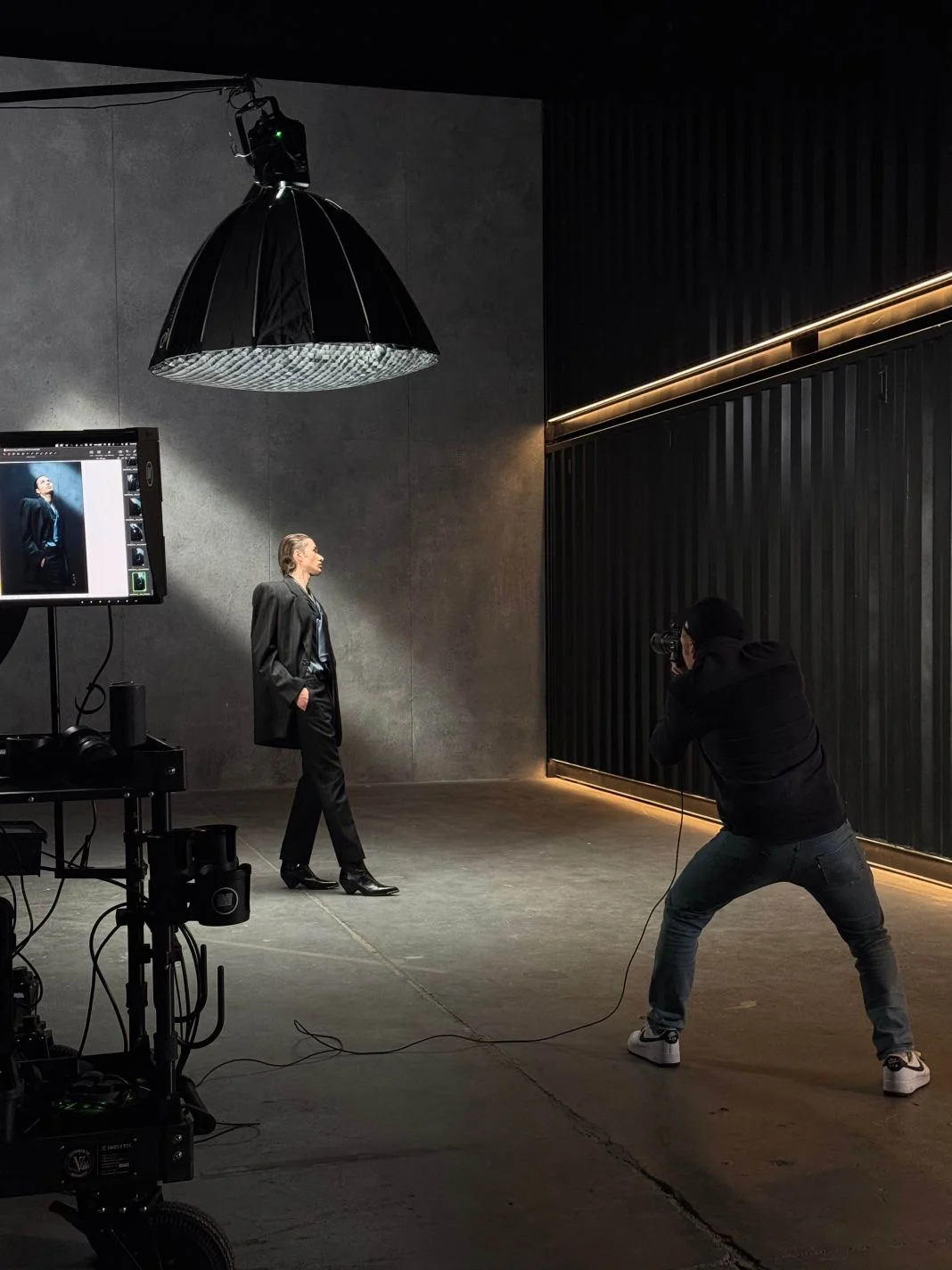
These environments are built for control. Lighting remains stable, sound is isolated, and sets can be built or adjusted with minimal disruption. Your team gets exactly what they need to keep the creative consistent.
Here are some of the major advantages:
- There are no delays due to bad weather or location restrictions.
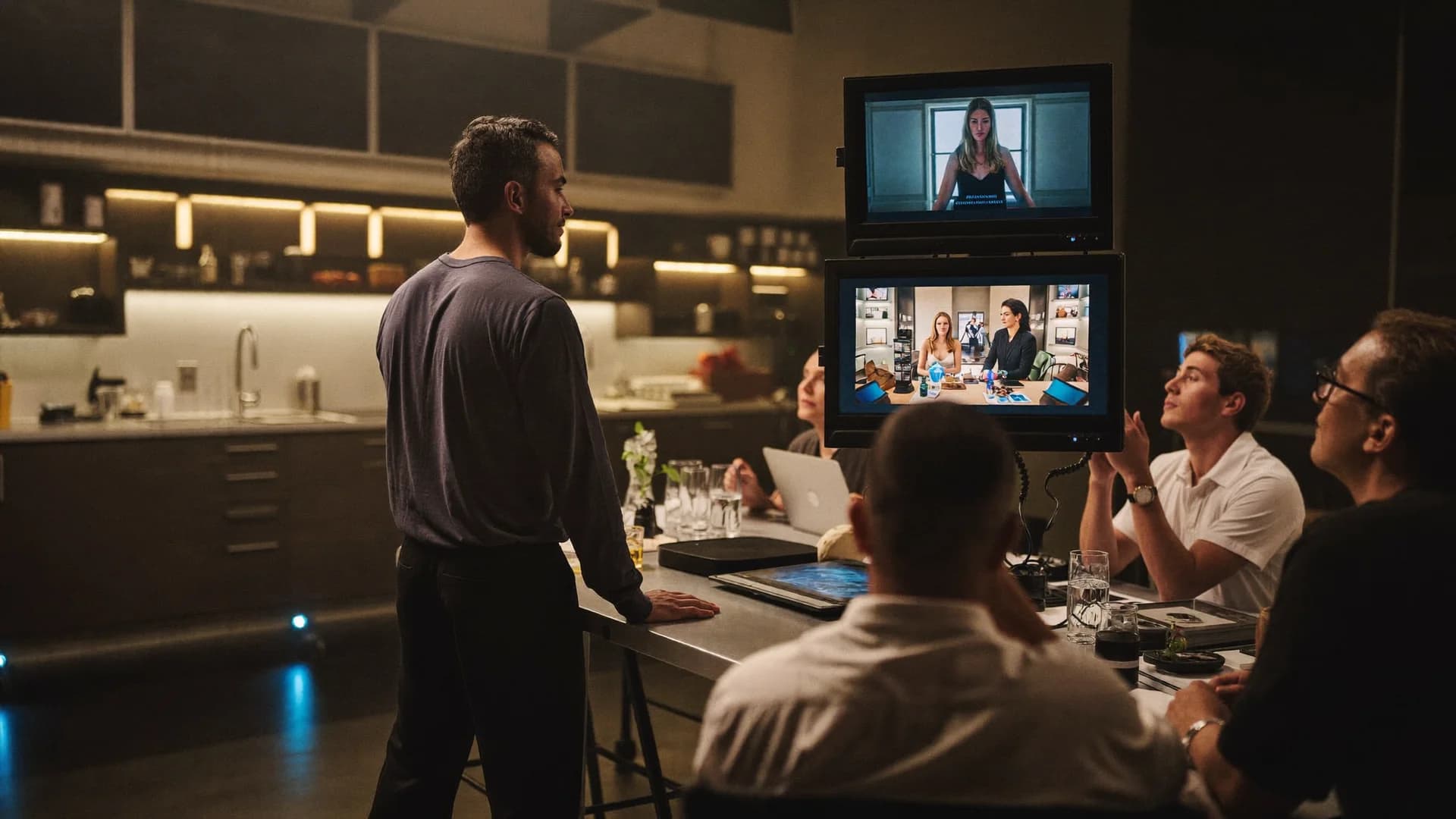
- Studios include space for client teams to review footage as it is filmed.
- There is easier movement between shots and setups.
- Private settings are ideal for unreleased product launches.
Studio planning methods, similar to those promoted by organisations like StudioBinder or the BFI, help ensure smoother workflows. Whether you are running a product shoot or filming a commercial with multiple scenes, a studio setting helps you stick to the plan. You get flexibility without losing consistency.
The Studio Advantage: Reuse, Repurpose, and Scale Campaigns
Campaign content needs to travel across formats, platforms, and channels. Studio shoots make that possible.
Shooting in a consistent setting makes editing much easier. Everything from lighting to angles stays the same, which simplifies updates and versioning. You can adapt content for:
- TV ads
- Short-form content on YouTube and Instagram
- Out-of-home displays
- Online banners or social cutdowns
You can produce all of this in one studio day:
- One 30-second commercial
- Several social video clips
- Image-based content for web and print
This supports the content lifecycle and allows for scalable brand content. Your campaign becomes easier to manage and extend without repeating the entire process. Brands focused on boosting studio production ROI will see stronger returns from this modular approach.
Why Studio Shoots Are a Strategic Brand Decision, Not Just a Creative One
Studios support more than creativity. They support the wider brand strategy.
When everything happens in one place, timelines are easier to manage. Your teams know what to expect. This helps avoid delays and removes confusion. It also means that content stays consistent with your brand’s visual standards.
From a leadership view, studios make oversight easier. Senior marketers can monitor progress, assess risk, and maintain messaging quality throughout the process. This creates more confidence when launching campaigns to different markets.
Insights from the CMO Council and WFA show that brand governance and fast campaign deployment are key concerns for decision-makers. A studio setup supports these priorities and enables CMOs to make production decisions that scale effectively.
Instead of reacting to problems as they come, teams can plan and deliver with clarity.
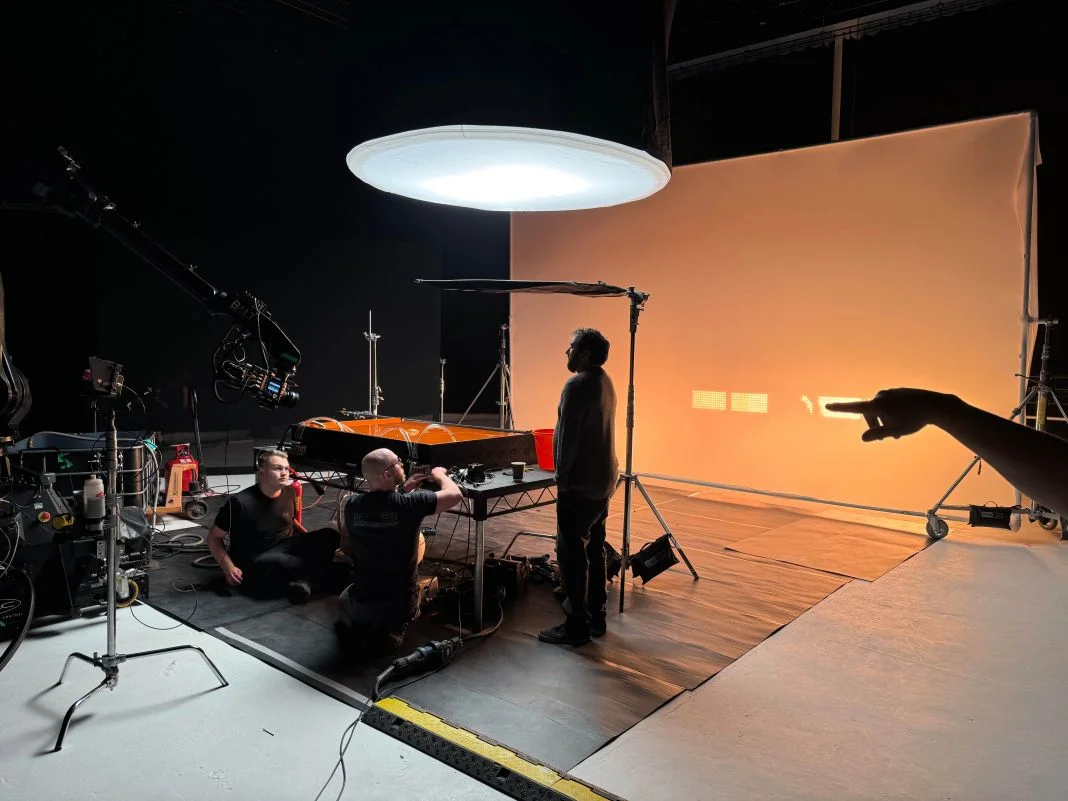
What to Look For When Booking a Film Studio for Your Next Ad
Planning to bring your ad production into a studio? Here are five things to check before booking:
1. Studio Size and Flexibility
Look for a space that can handle the scale of your shoot. Multiple stages, cyc walls, and drive-in access can open up creative possibilities.
2. Equipment and Trusted Suppliers
Find out what equipment is available on-site. If the studio works with reliable suppliers for cameras, lighting, grip packages, and editing tools, it makes your setup faster.
3. Access to Skilled Crew
Studios with in-house teams or recommended freelancers save you time. It is easier to work with crew members who know the space and the workflow.
4. Technical Infrastructure and On-Site Support
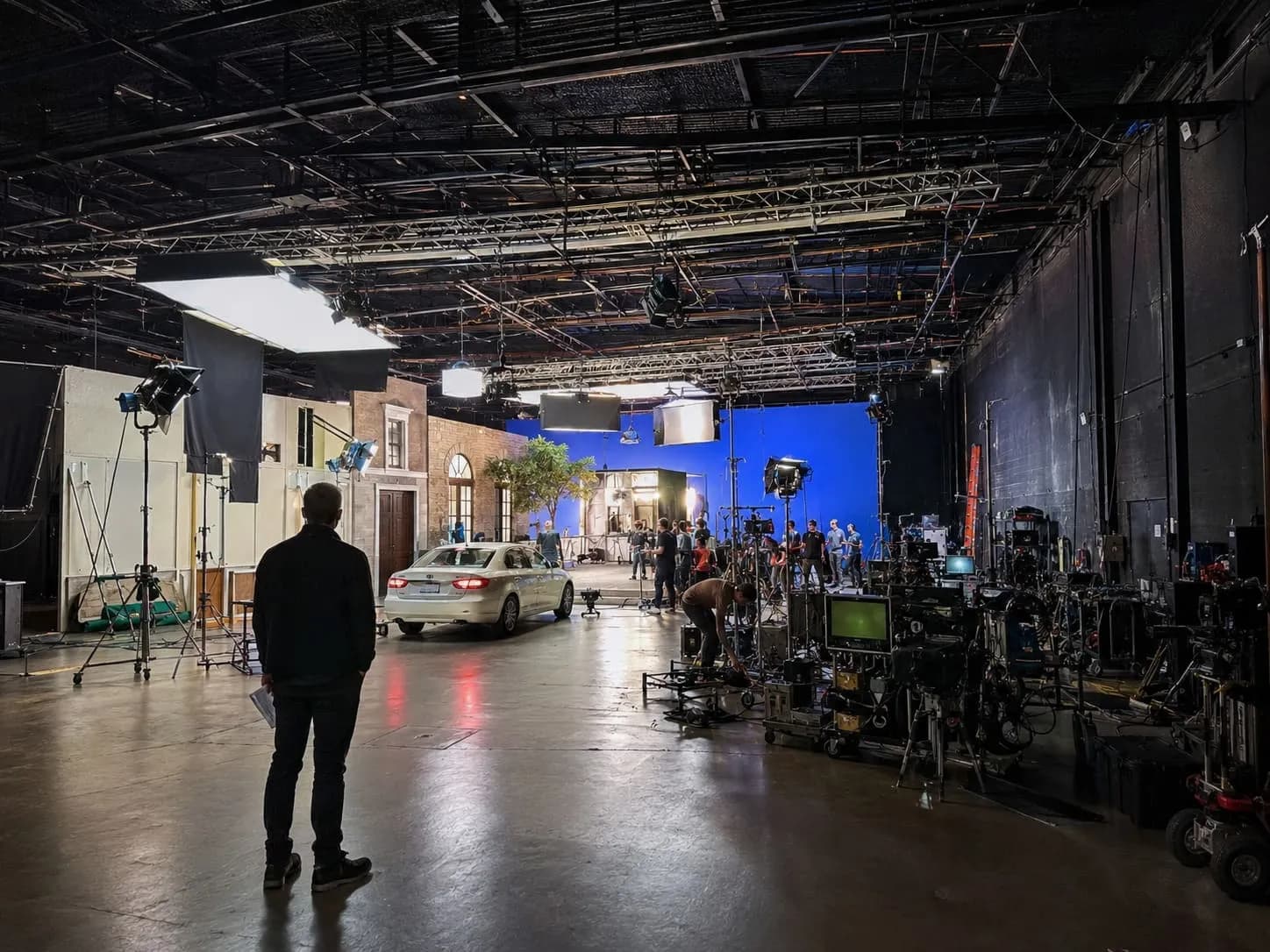
Green screens, volume stages, dry hire options, and professional production support are all essential. You need a studio that understands commercial production workflows and tight shoot timelines.
5. Location and Transport Access
If the studio is close to London or other major transport links, it is more accessible for crew and clients. Parking and delivery access also help things run more efficiently. The right production studio is about available space and working with a team and facility that enables creative control, faster execution, and scalable campaign success.