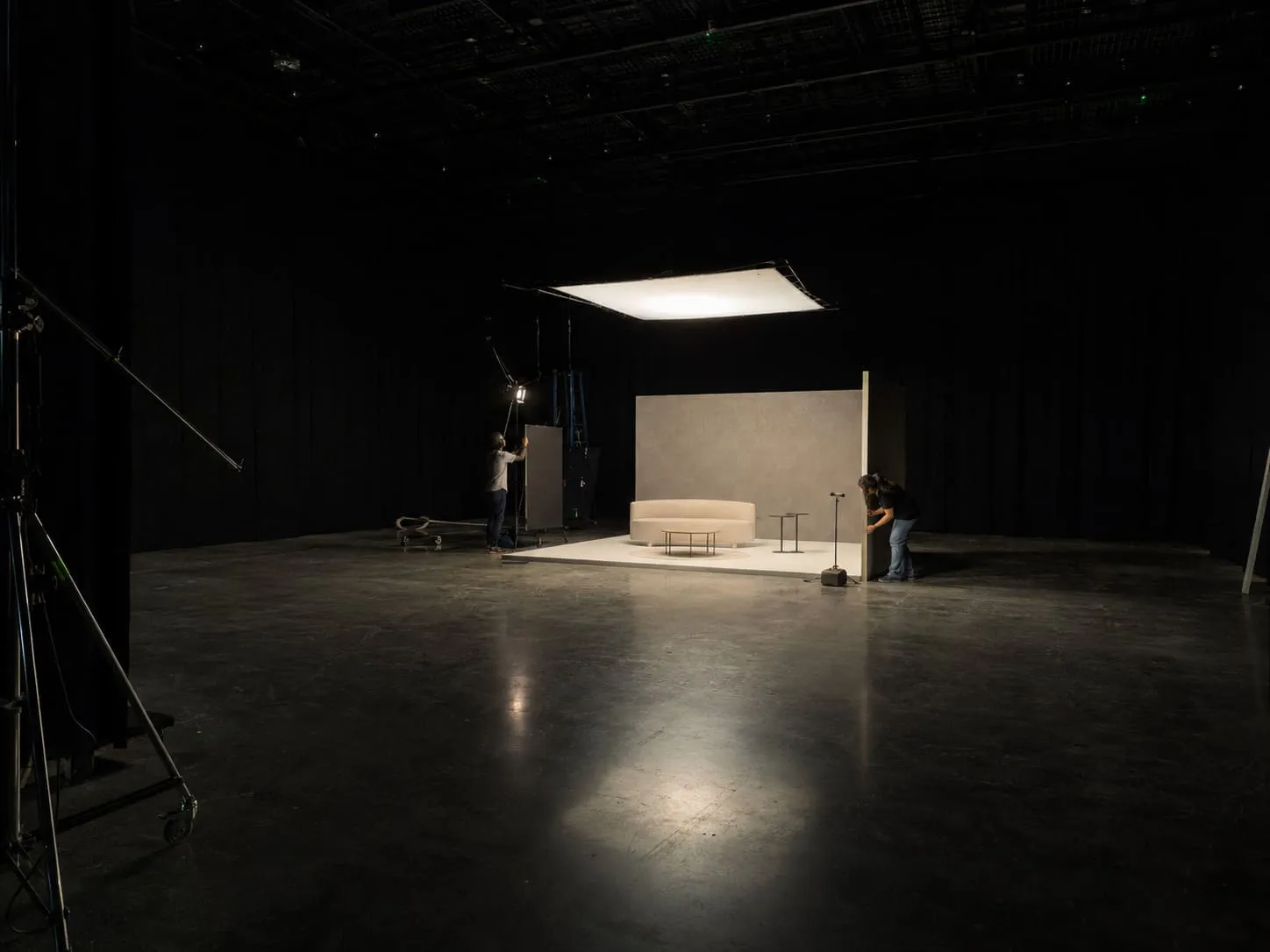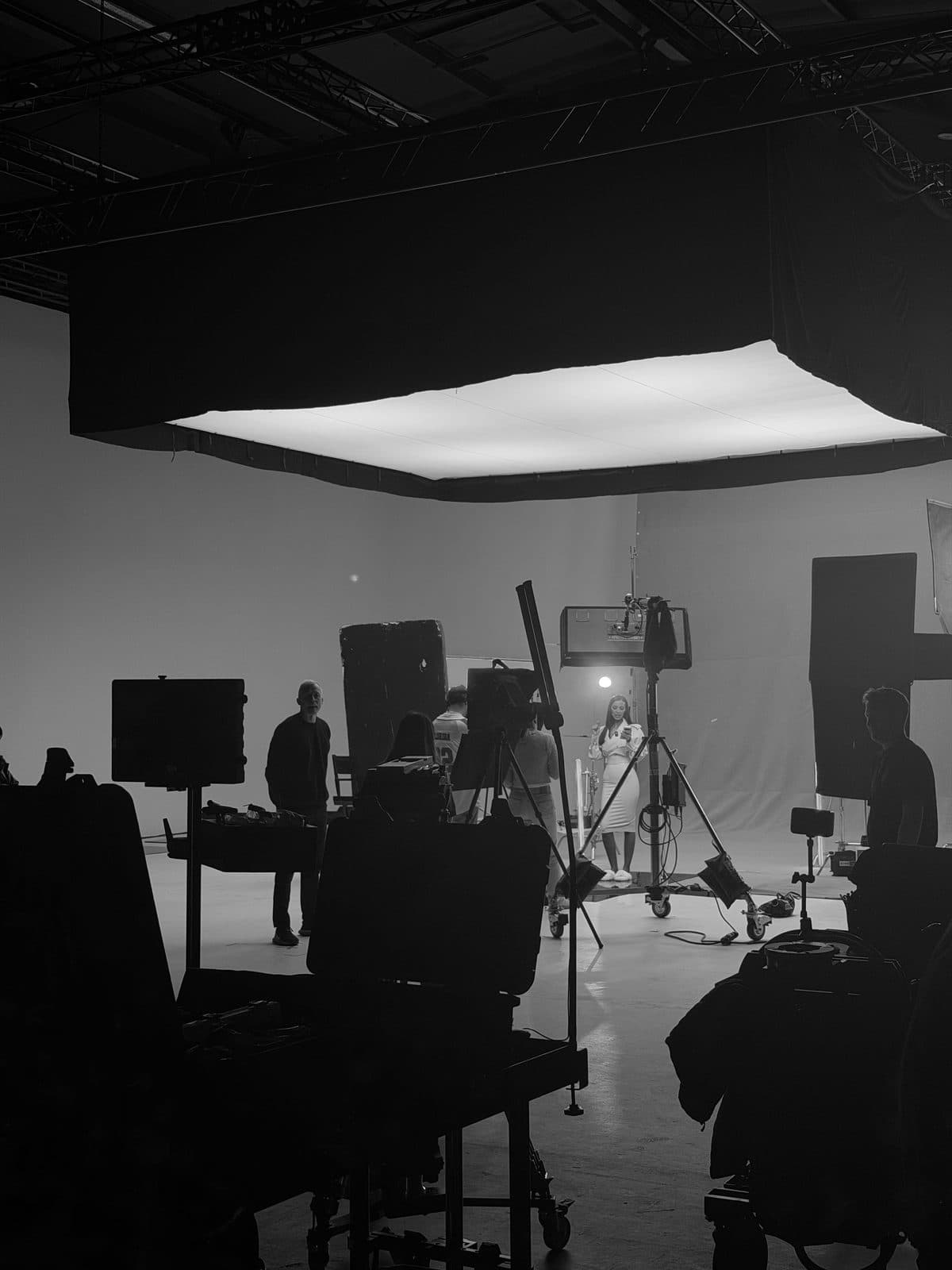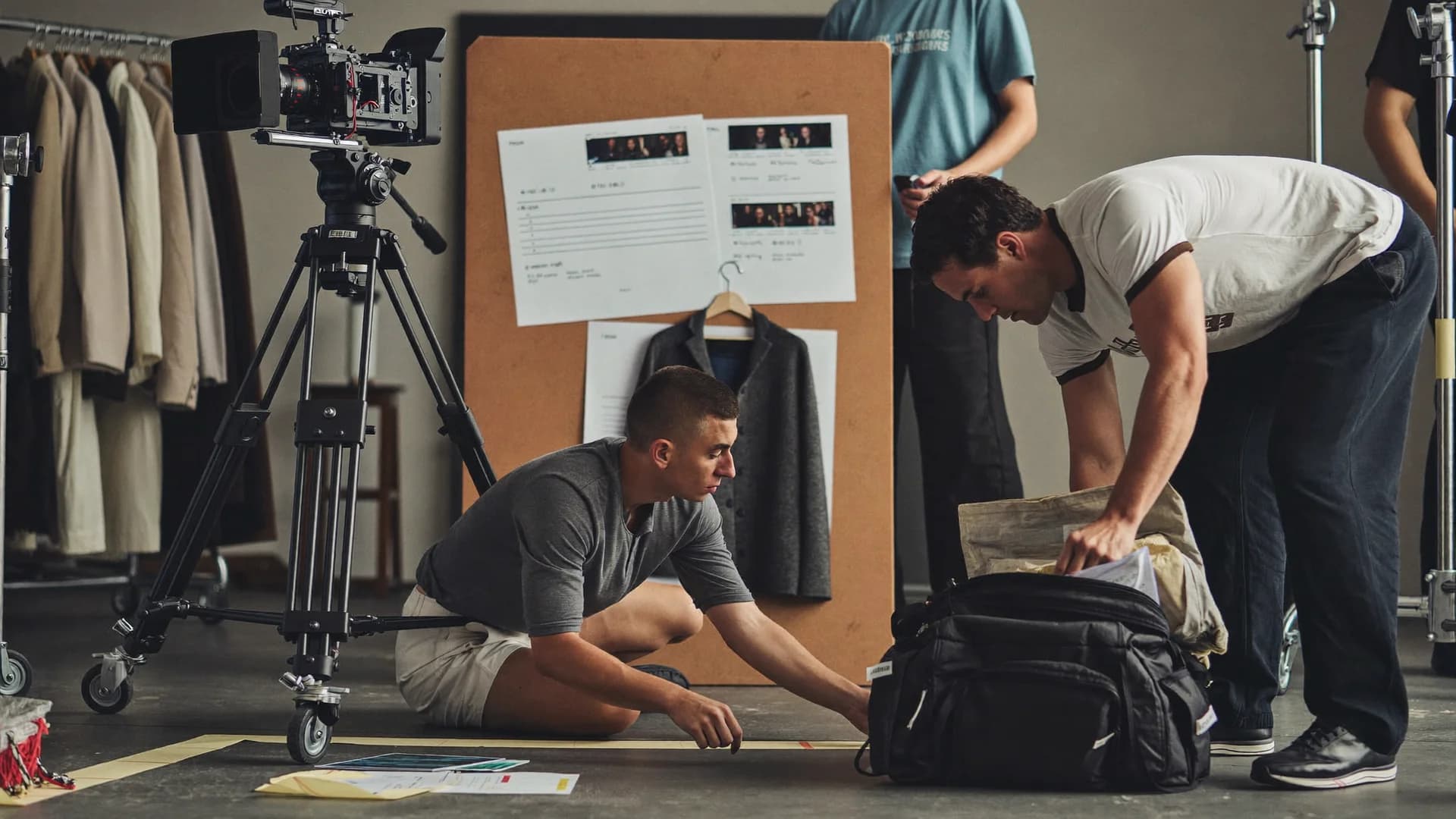
What should you prepare before filming in a professional studio?
To get the most out of your studio booking, preparation needs to be solid. Studios, like our two stages in Deptford, operate to tight schedules with structured workflows, so planning in the days before filming has a direct impact on how everything runs. From understanding the layout to getting your crew fully briefed, good preparation leads to a smoother, more confident shoot with fewer surprises.
The Real Reason Studio Prep Matters More Than You Think
Studio shoots often appear calm and controlled. However, without proper preparation, things can fall apart quickly. With timelines tight and little margin for error, every minute matters. Preparing in advance helps you arrive clear-headed and ready to lead. If you assume studios are easy plug-and-play spaces, you are more likely to encounter delays. Clients and crews can tell when things are flowing well and when they are not.
What should you learn about a studio before filming there?
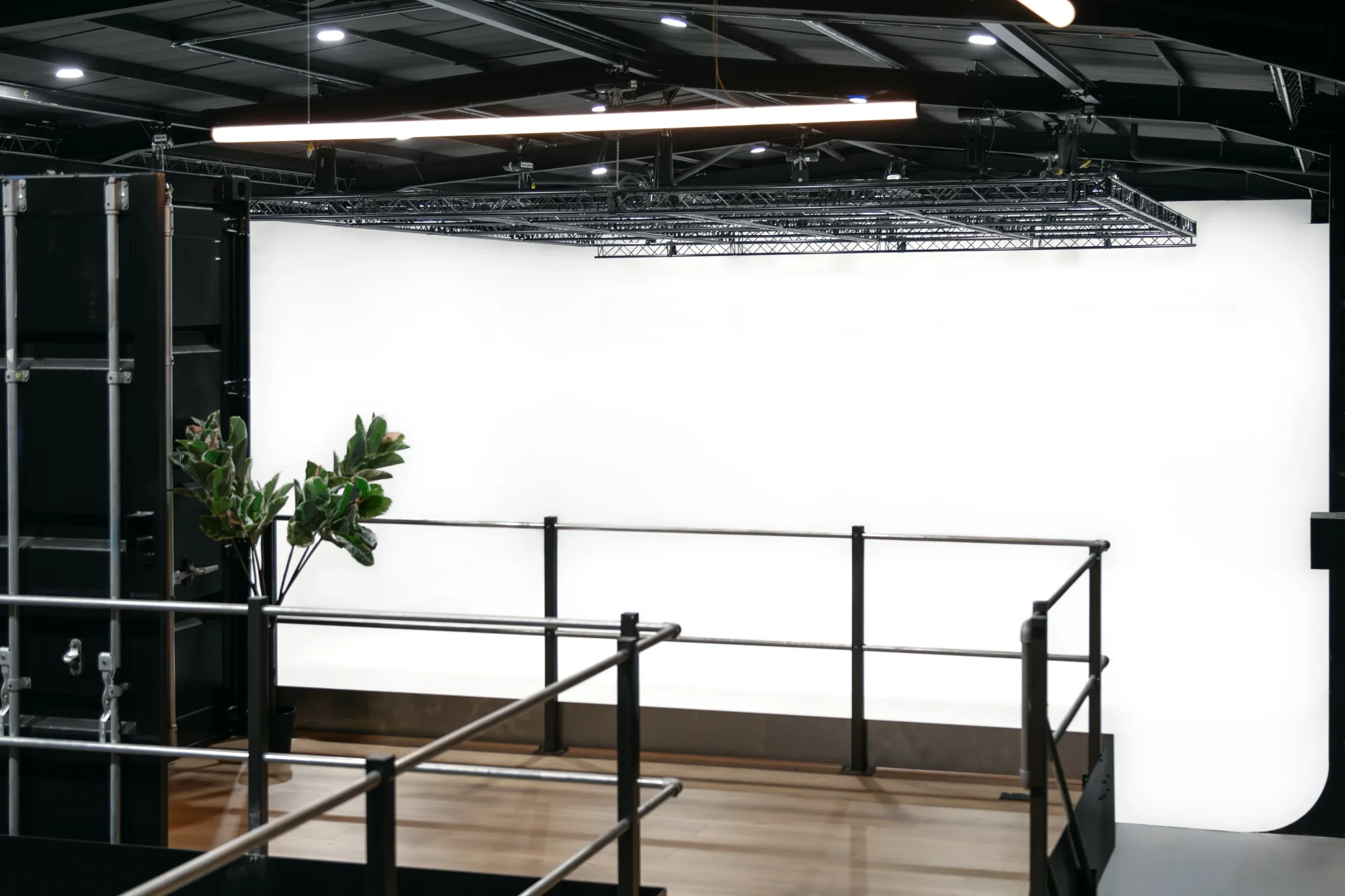
Before filming day, learn everything you can about the studio layout and technical setup. Go through the spec sheet:
- Cyc wall dimensions
- Lighting grid height
- Available power load
- Soundproofing and acoustic properties
- What is included and what must be hired in
If you can, visit in person or request a virtual walkthrough of the film studio. Knowing where to access power, how sound travels, and how the space handles echo makes your shoot more efficient. Preparation allows you to work confidently rather than guess under pressure. A studio map or orientation from the studio manager can help clarify access points and stage layout.
How does early pre-production improve studio filming?
When pre-shoot planning is finished early, the filming day runs more smoothly. Make sure your script, shot list, and storyboards are ready. Share the full production plan and ensure clients have approved everything. Help your crew understand the creative brief.
Use these tools to stay on track:
- Timing grids
- Call sheets
- Setup counts
- Reference folders
- Approval sign-offs
- Pre-shoot checklist
This approach strengthens your filming workflow and avoids confusion when it matters most.
What studio requirements often get overlooked?
Studios have rules and safety standards you must follow. Confirm access times and parking. Make sure you have insurance sorted and submit your RAMS documents ahead of time.
Check for the following:
- Noise restrictions
- Safety briefings
- Load-in procedures
- Equipment limits
- Booking policies
Your production company should clarify expectations and help ensure all filming policies are followed. Overlooking any of these areas can cause setbacks or unexpected charges. Clarity helps you avoid problems.
How do you make sure your crew is aligned?
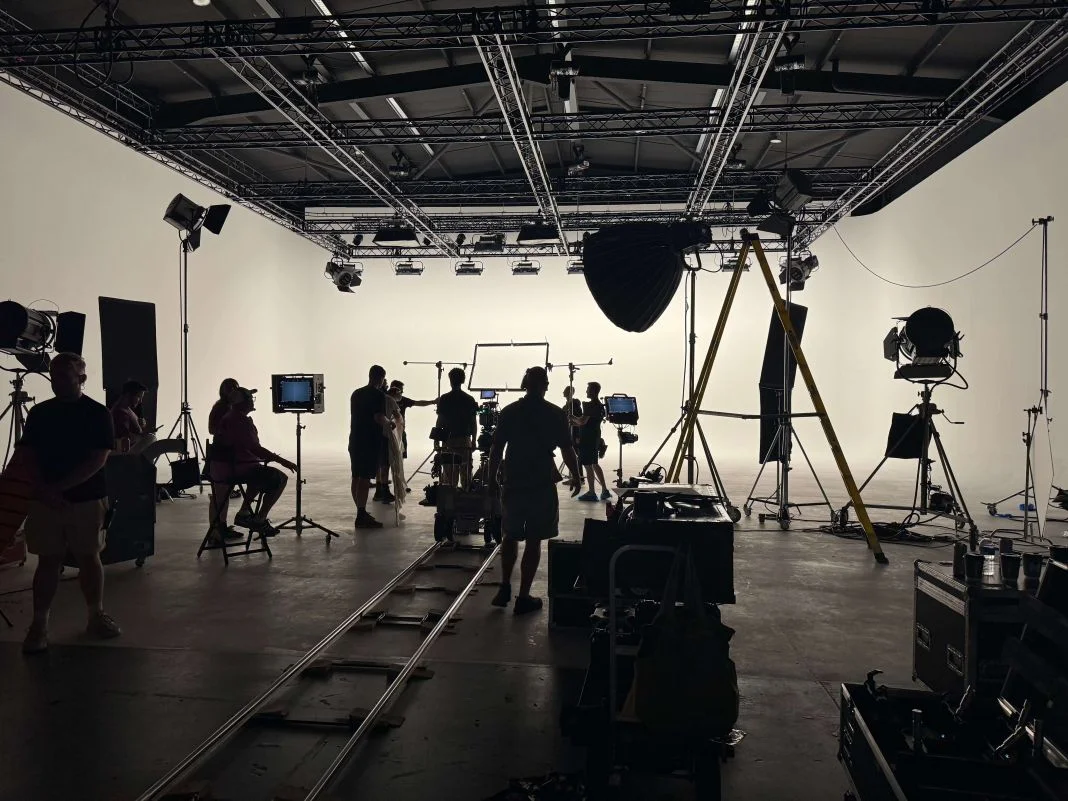
Your crew needs clear roles and instructions. Set call times. Assign responsibilities. Make sure someone is in charge of client communication, technical preparation, and the daily schedule.
Use briefings and choose clear communication methods. Whether you use radios, messaging apps, or face-to-face updates, it is essential to keep everyone informed. When the crew knows what to do, the production runs more efficiently. A consistent filming workflow saves time and avoids duplicated effort.
How should you prepare on-camera talent for studio shoots?
Talent needs just as much preparation as your kit. Share wardrobe and HMU notes early. Provide time for rehearsal and help them understand what is expected.
Include the following in your talent pack:
- Hair, makeup, and wardrobe briefs
- Scripts or rehearsal notes
- Continuity references
- Arrival times and studio access information
- Comfort and hospitality details
Well-prepared talent builds momentum and reduces delays.
What is involved in technical preparation for studio day?
Technical setup should be sorted well before the crew walks in. Go through your checklist:
- Clean and inspect all lenses
- Set camera preferences and test sensors
- Format media cards and label clearly
- Load and test lighting setups and DMX controls
- Select microphones and do test recordings
- Prepare backup gear in case of issues
If you are hiring in additional kit, confirm with your equipment supplier that everything will arrive labelled and on time. The more you prepare ahead, the fewer problems you will face later.
What gear and essentials should you bring to a studio shoot?
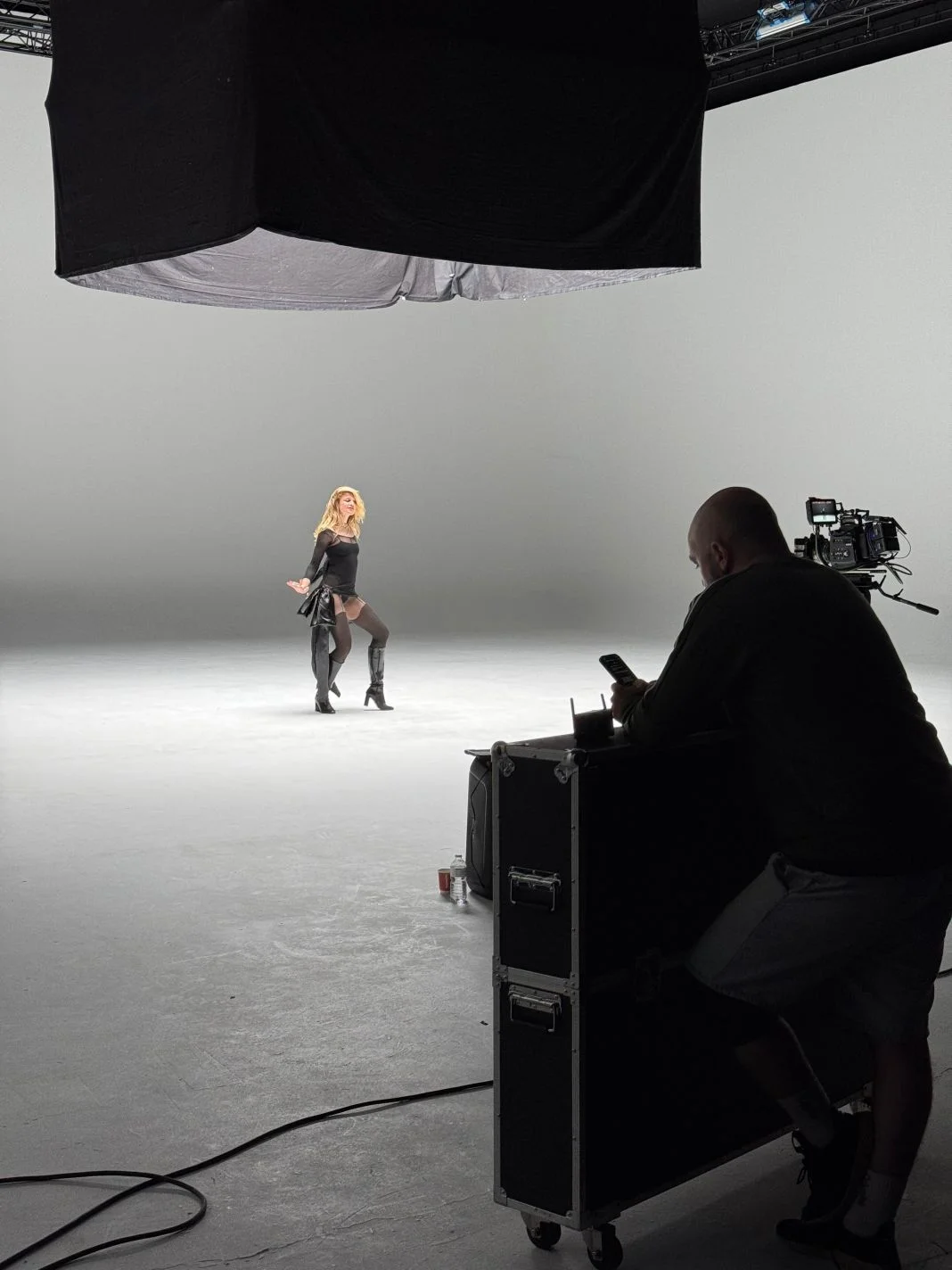
Studio gear should be complete and well organised. Pack the following:
- C-stands and clamps
- Sandbags
- Power splitters and long cables
- Backup audio tools
- Monitors, grip accessories, and cables
- Tools for quick fixes
Label each bag and use a checklist. Forgotten gear often results in wasted time. Your studio packing list should reflect your shoot objectives and not just technical needs.
Why does studio logistics affect shoot efficiency?
When logistics are handled early, the day flows better. Confirm where to unload, where to store cases, and who is responsible for hospitality. Check access codes, crew lists, and studio policies.
If load-in goes well, the rest of the day usually follows suit. Order in the first hour sets the rhythm for everything that follows. Strong on-set organisation also improves crew morale.
What are common etiquette rules in film studios?
Studios expect professionalism. Follow these rules:
- Never lean on or touch the cyc wall
- Keep noise levels low in shared spaces
- Respect all studio staff
- Follow safety instructions at all times
- Keep gear tidy and out of the way
Often, it is the small things that cause issues. Professional behaviour helps keep things running smoothly.
How do you plan a proper data workflow?
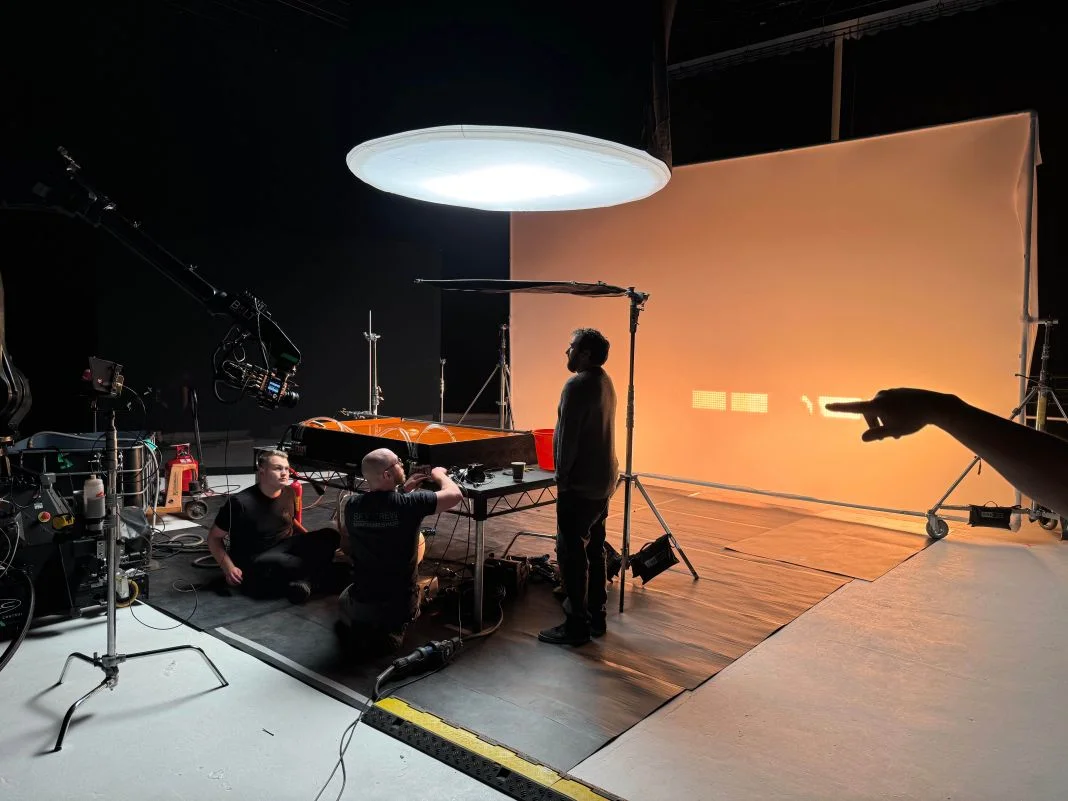
Data needs a clear plan. Decide early how to name folders, back up files, and check for errors. Appoint someone to oversee the workflow.
Use the following:
- Consistent file naming conventions
- Labelled cards and drives
- Checksum tools for file verification
- Redundant storage methods
- Clearly defined backup duties
When handled well, data stays secure. When handled poorly, it can ruin your shoot. Your DIT (Digital Imaging Technician) should be looped in early.
How can you prepare for the unexpected during studio shoots?
Problems will come up, so you should expect them. Keep spares ready and remain flexible.
Plan for the following:
- Lighting failures
- Late arrivals
- Power compatibility issues
- Missing props or noisy wardrobe
- Grip breakdowns
Your ability to solve problems quickly is a clear sign of professionalism.
What should you confirm with the studio before the shoot?
Call the studio the day before to confirm:
- Access and load-in times
- Room access and layout
- Parking arrangements
- Air conditioning or heating controls
- Any last-minute changes
It is a small task that prevents major issues.
Studio Terms You Should Know
Cyc wall: A curved wall used for clean, seamless backgrounds.
DMX: A lighting control system for programming setups.
RAMS: Risk Assessment and Method Statement - standard safety paperwork.
Call sheet: A document listing the who, when, and where for shoot day.
Soundstage: A soundproofed production area.
DIT: The crew member managing your footage and backups.
Studio Day Checklist
Use this checklist before loading in:
- Confirm access times and secure parking.
- Check and label all gear.
- Share call sheets with the team.
- Rehearse and assign tasks.
- Pack wardrobe, props, and comfort items.
- Double-check data storage setup.
- Load the van and cross-check the packing list.
- Confirm green room and catering plans.
- Make sure all permissions and codes are shared.
- Get a good night's sleep - you are ready.
Walk Into the Studio Confident, Prepared and Ready to Create
Studio shoots run best when everything is ready. With your preparation complete and your crew aligned, you are not reacting to problems - you are leading the production.
This guide is based entirely on standard UK studio practices and production planning principles. It does not reference or make claims about any specific businesses or legal entities. Readers are encouraged to confirm all studio rules and local requirements directly with the facility they are booking.
Being prepared shows in everything: your pace, your communication, and your results. This is what marks out a professional.