What features make a film studio suitable for long shoot days?
Studios that support long shoot days combine spatial design, technical reliability, environmental control and operational structure in ways that minimise disruption and fatigue. A suitable studio ensures crews can work efficiently across extended hours without delays caused by layout limitations or technical gaps.
Endurance Begins with Space Built for Occupancy
A long shoot day is not just about how many hours are scheduled. It’s about how well a studio’s space can accommodate constant movement, simultaneous workflows and small moments of reset without slowing production down.
Ceiling height and open floor space matter
Headroom above the set is about more than spectacle. A generous grid height, like the 24 ft clearance in both Studio 1 and Studio 2 at Mammoth Film Studios, SE8, gives riggers time and space to operate safely without halting ground activity. Similarly, a broad, unobstructed floor allows for clear crew flow and prevents congestion when multiple teams are working simultaneously.
Drive-in access and vehicle accommodation
Studios designed with large vehicle access reduce lost time during set builds, tech load-ins and breakdown. A space that supports 18-tonne box trucks directly inside, as seen in both studios at Mammoth, means teams spend less time wrestling with dollies and more time focused on execution.
Zoning reduces interruptions
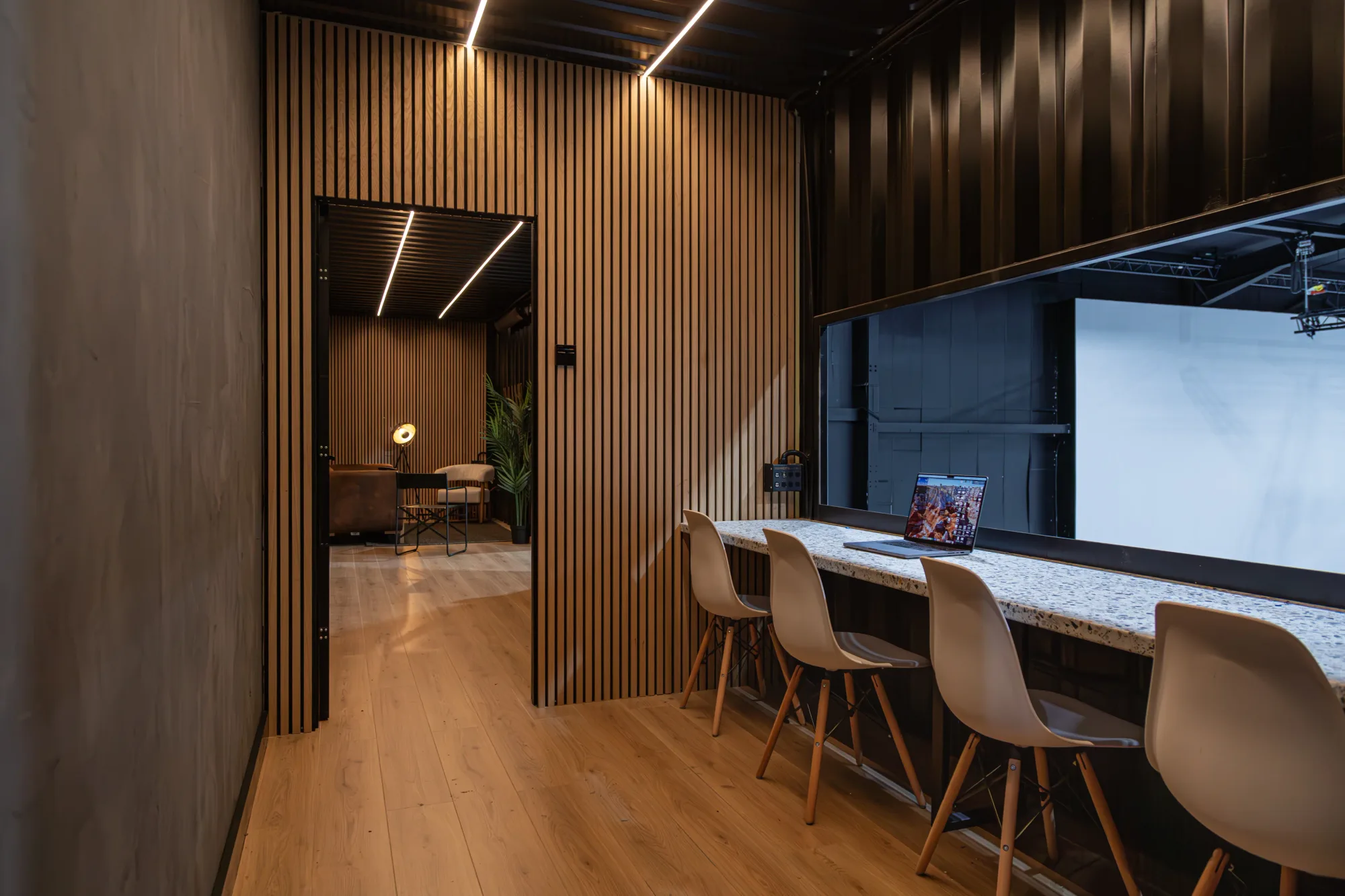
Well-separated client rooms, styling areas and production offices lower the friction created by overlapping needs. Studio 1, for example, uses a mezzanine and dedicated photography bay to keep concurrent tasks functional without distraction. This kind of zoning reduces spatial fatigue and improves collective focus during long stretches on set.
Technical Infrastructure That Keeps Up
On long shooting days, reliability trumps improvisation. The best studios don’t just provide gear-ready spaces but streamline its use with technical infrastructure that limits risk and maximises production uptime.
Capability that supports heavy run times
Lighting setups often demand high draw over extended periods. Studios wired for 3-phase capability with high amperage capacities, such as 200A in Studio 1, make it possible to run complex lighting rigs without the stress of load balancing or unplanned resets.
In-house rigging improves speed and reliability
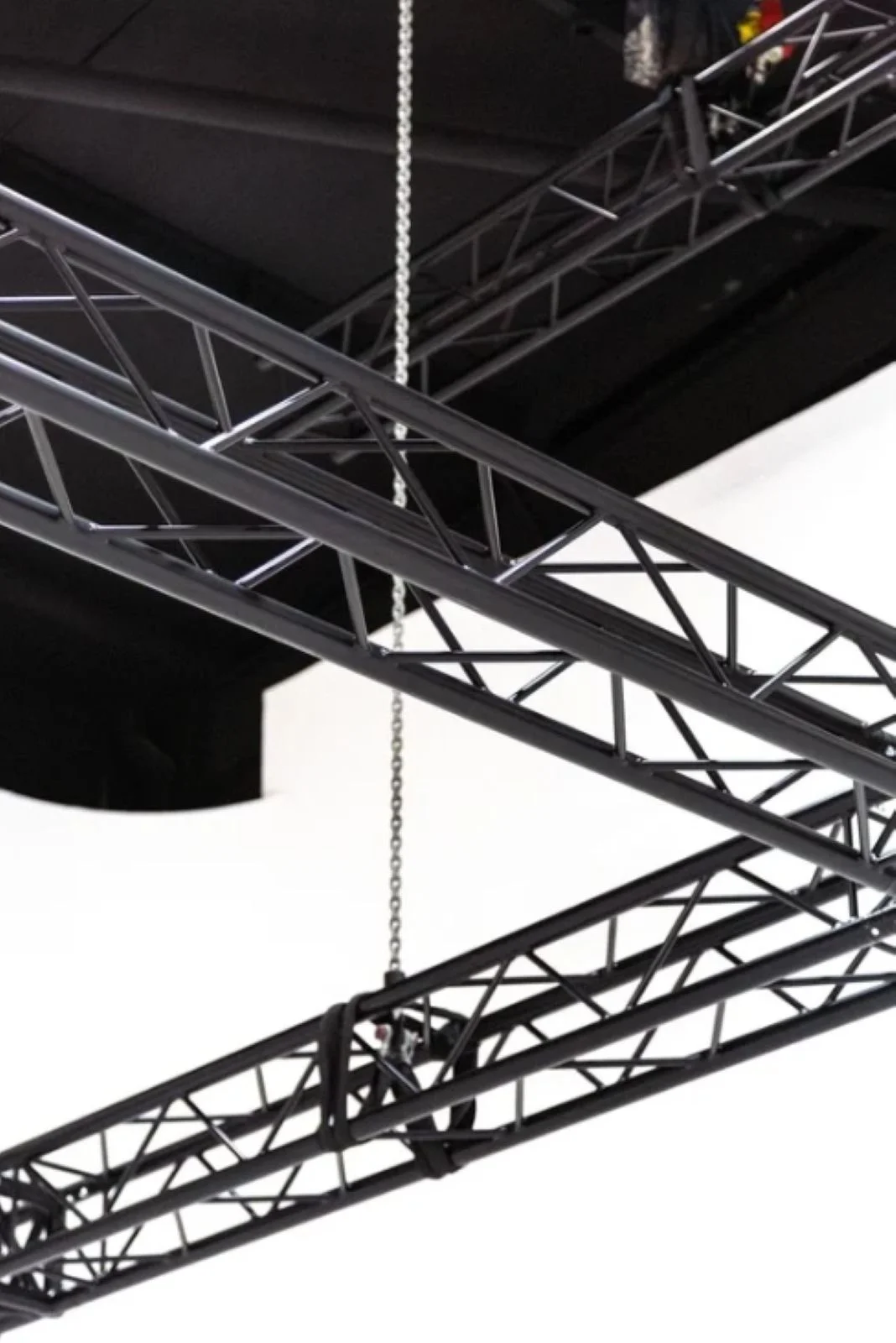
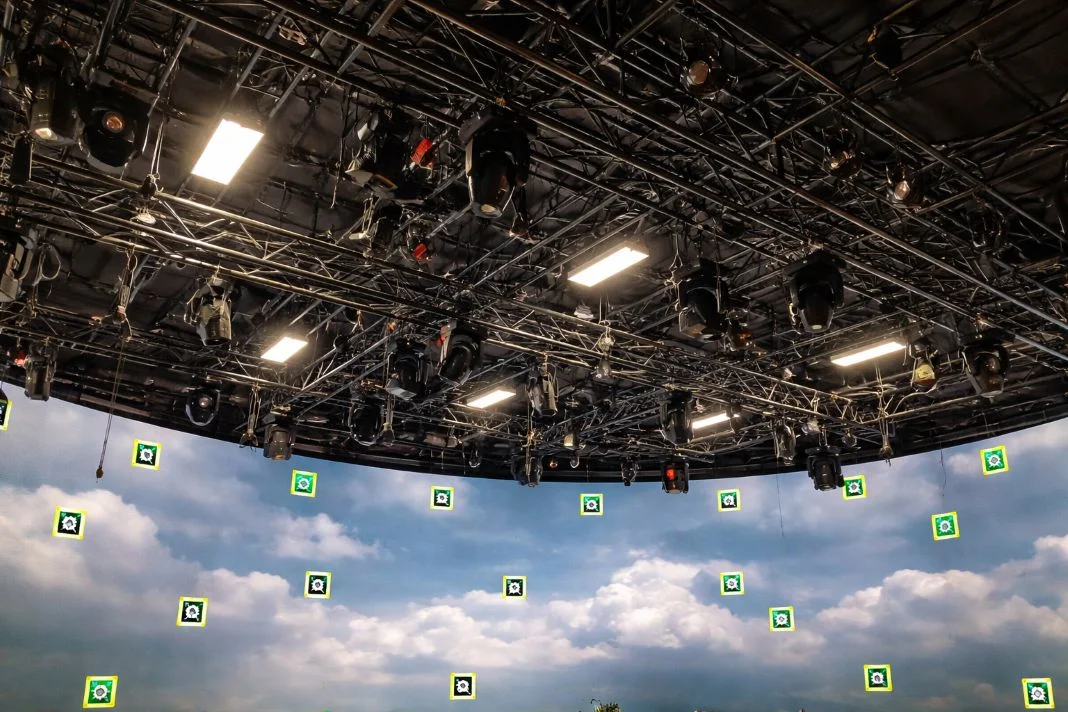
Waiting for rigging adjustments between setups costs time. Integrated truss systems, like the three motorised units built into Studio 1, offer riggers fast and safe overhead access. Studio 2’s twelve chain hoists combined with high-load steel beams provide flexibility for virtual environments where rig changes may happen more often and require exact positioning.
Routing systems for real-time oversight
12G SDI video routing and internal LAN infrastructure reduce the need for repeated playback setups and give production leads better visibility from non-stage areas. Internal signal routing supports live previews, quick dailies review and minimal turnaround between camera setups.
Controlled Conditions Over Time
Consistent light, sound and environmental parameters are fundamental to continuity. Studios that allow full control over these elements prevent unpredictable resets and reduce unnecessary fatigue across long days.
Total blackout for uninterrupted lighting control
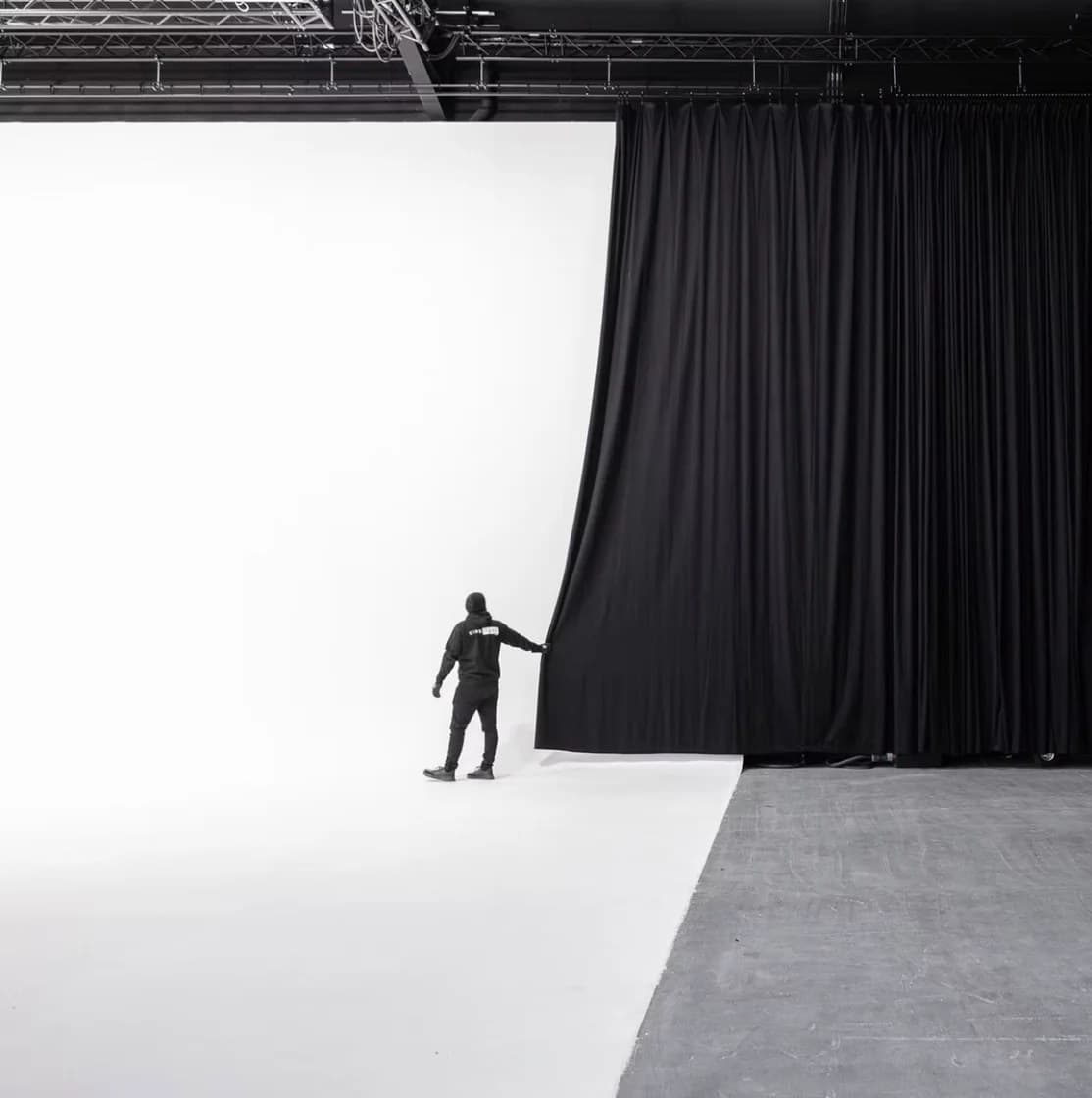
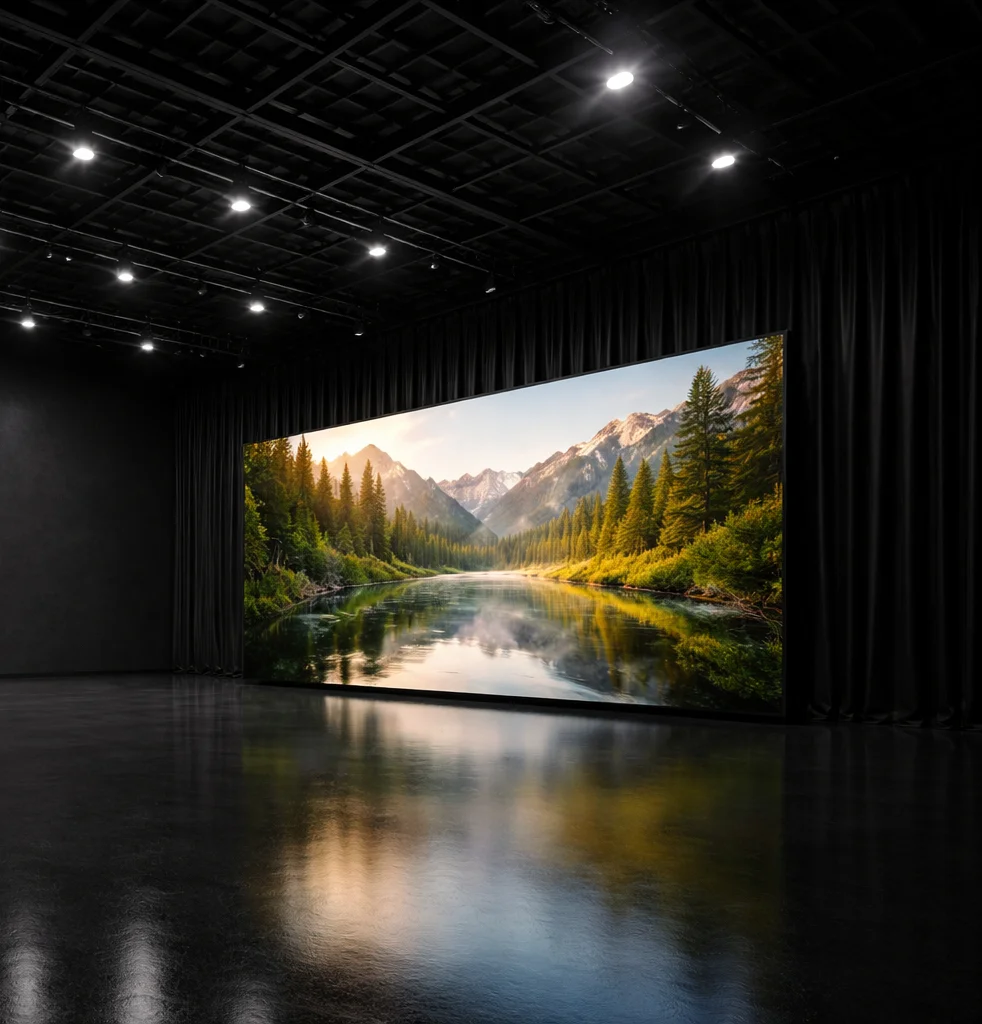
Whether for photography or film, full blackout capability ensures lighting remains consistent, even as external conditions change. Studio 1 transitions from white cove to complete blackout with draped systems, while Studio 2 is built for 360° light isolation as a baseline.
LED volumes allow repeatable visual conditions
In Studio 2, modular ROE panels give productions the ability to maintain lighting and environment settings across multiple takes and days. The advantage here is not novelty, but precision and control, key on shoots where time, budget or continuity require tight replication across setups.
Environment management affects performance
Uncontrolled temperature or sound pollution degrades both output and morale. Studios with acoustic insulation and managed HVAC systems, like those supporting Studio 2’s hybrid setup, provide a stable working environment that allows teams to stay focused for the duration.
Facilities That Keep Teams Operational
Studios that anticipate human needs perform better across long days. Spaces that allow crew to reset, clients to monitor and production teams to troubleshoot reduce inefficiencies at every tier of the job.
- HMU rooms: An eight-bay hair and makeup room, such as in Studio 2, reduces prep time and supports parallel readiness.
- Client and production areas: Separate monitoring and planning zones allow feedback and scheduling to happen without disrupting set rhythm.
- Step-free access: Movement of gear and crew is faster and safer when there are no stairs to work through between key areas.
- Kitchenette and toilets: Proximity matters. Mid-day resets should not require off-stage travel that eats into schedule.
- On-site parking: Facilitates staggered call times and on-the-day supplier runs without pulling crew off-task or creating start-time bottlenecks.
Small delays compound over time. Studios equipped with basic yet thoughtfully placed crew facilities help prevent schedule creep and allow for quicker transitions between segments.
Operations That Eliminate Guesswork
Clear systems reduce cognitive load during long shoots. When responsibilities, access and timing are obvious, crews spend less time managing logistics and more time operating effectively.
Integrated teams enable fast turnaround
A studio that includes in-house rigging and lighting partners, such as Cinelight London at Mammoth Film Studios, reduces coordination overhead. These teams arrive familiar with the infrastructure, allowing faster initial builds and on-the-fly updates without lengthy readjustments.
Structured systems prevent miscommunication
Studios offering clear booking procedures, defined support roles and reliable lines of technical escalation help production managers plan with more accuracy. Ambiguity in access, setup times or equipment policy translates to downtime later.
Live technical support prevents cascading delays
Whether working with LED volumes or conventional sets, availability of on-set supervision and playback support, as provided by Elsewhere Productions within Studio 2, ensures that technical inconsistencies or gaps are corrected quickly, not found at review.
Location and Access That Save Time
A technically equipped studio still fails if units waste hours arriving or gear must be relayed from distant parking or loading zones. Long day shoots demand access efficiencies often overlooked at the point of booking.
- London Zone 2 location: Placing the studio close to Overground and Jubilee services simplifies multi-unit coordination. Crew and agency teams can cycle between set and base with relatively low friction.
- Drive-in support: Both Studio 1 and Studio 2 accept direct vehicle access, up to 18 tonnes. This saves time in load-in and offers immediate shelter for equipment staging.
- On-site parking: Available spaces for unit and crew vehicles reduce the need for off-site coordination or drop-and-return delays.
- Efficient load-in workflows: Step-free transitions from truck to stage promote safer and faster unloading. Thoughtful planning of intake points also eases resets between shooting phases.
When every minute counts, the ability to start and finish days without transport friction becomes a material advantage.
Flexibility Without Friction
Even the best schedules encounter change. Studios that accommodate adjustment without full reset maintain momentum across unpredictable shoot days.
Modular systems expand creative options
Studio 2’s LED volume is modular and expands easily within the stage envelope. Scene transitions or environment shifts can therefore occur without needing to rebuild from scratch or exit the controlled space.
Reserved backlot for conditional needs
While not a permanent set, the on-site 6,000 sq ft external space at Mammoth can function as a backlot where needed, useful when last-minute exterior pickups surface or unexpected props require isolated treatment.
Parallel workflows save time
Having a separate photography or pickup area available, such as what Studio 1 provides outside the main cove, allows creative teams to shift focus or reset without interrupting the main unit’s operations.
Internal routing supports hybrid modes
12G SDI and other network systems across stages make it easier to manage camera feeds, dailies or virtual elements across departments without requiring relocation or re-rigging.
Studios that allow the schedule to flex without collapsing are often those that keep projects on track when timelines tighten unexpectedly. In high-pressure production, resilience often lies in the infrastructure, the team.
A film studio suited to long days is not always the largest or the flashiest. It is the one that keeps people moving, systems working and conditions steady from first call to wrap. With a focus on spatial design, operational clarity and practical control, studios like Mammoth set benchmarks for how London production spaces can support serious work without disruption.