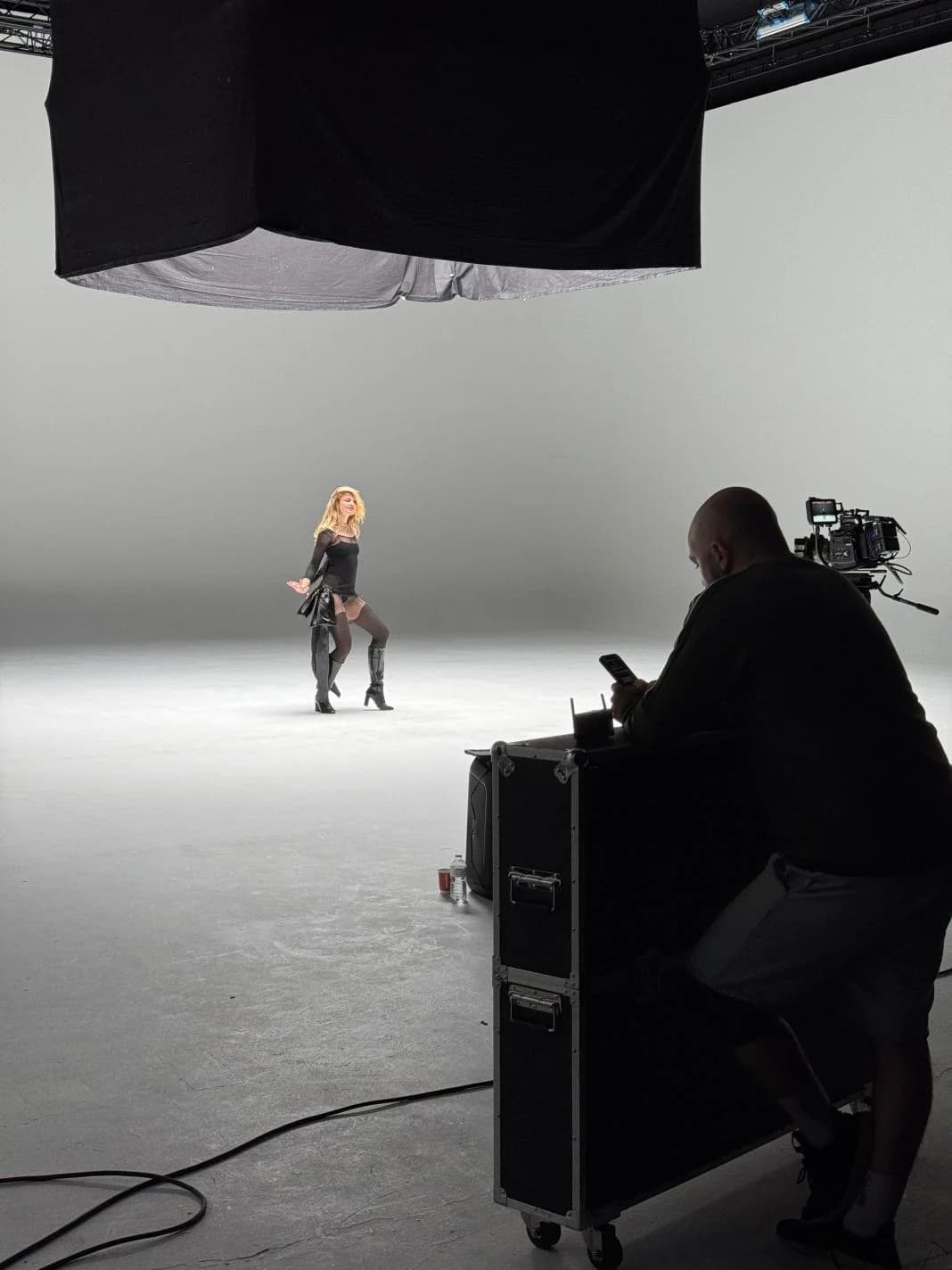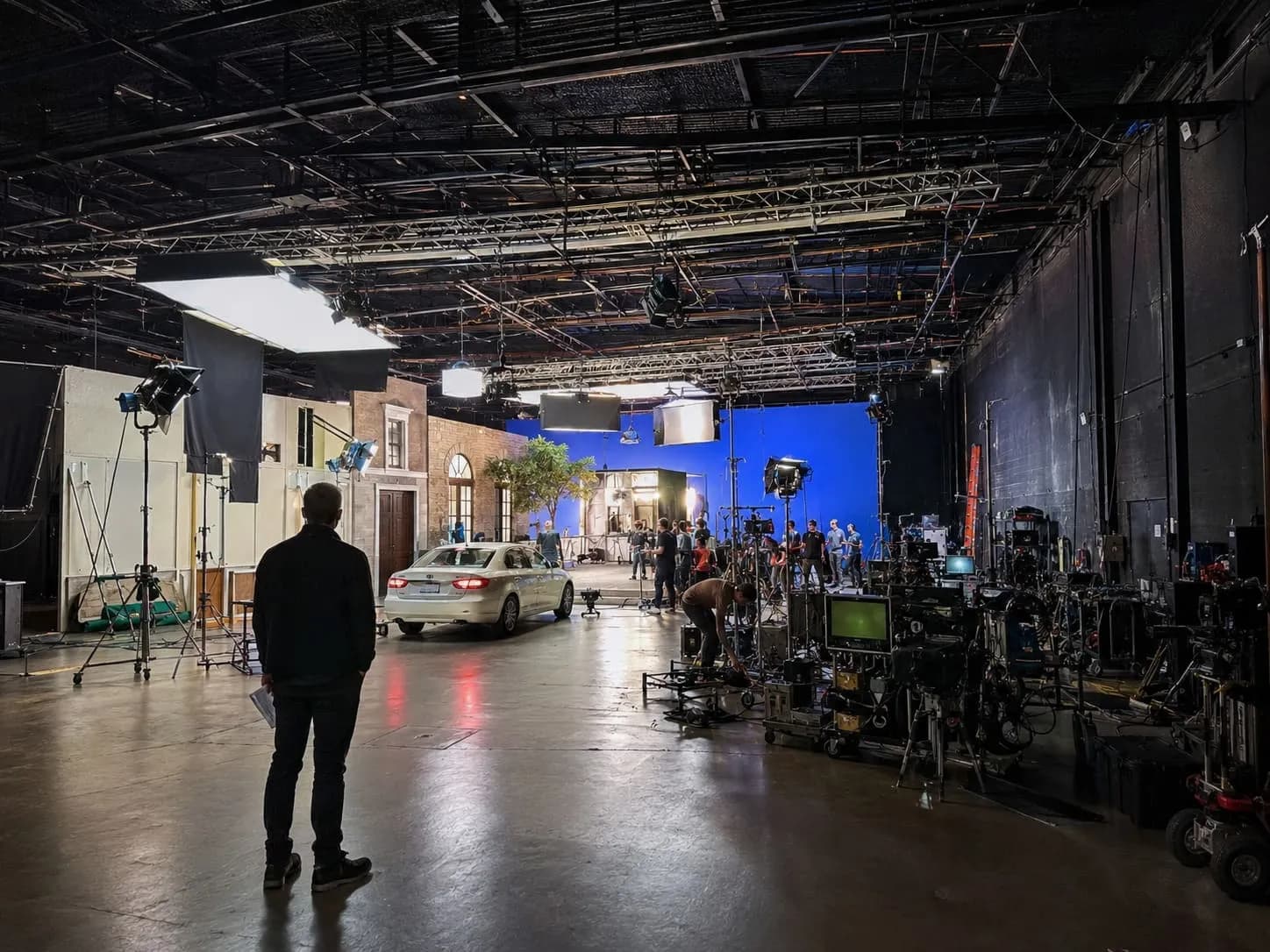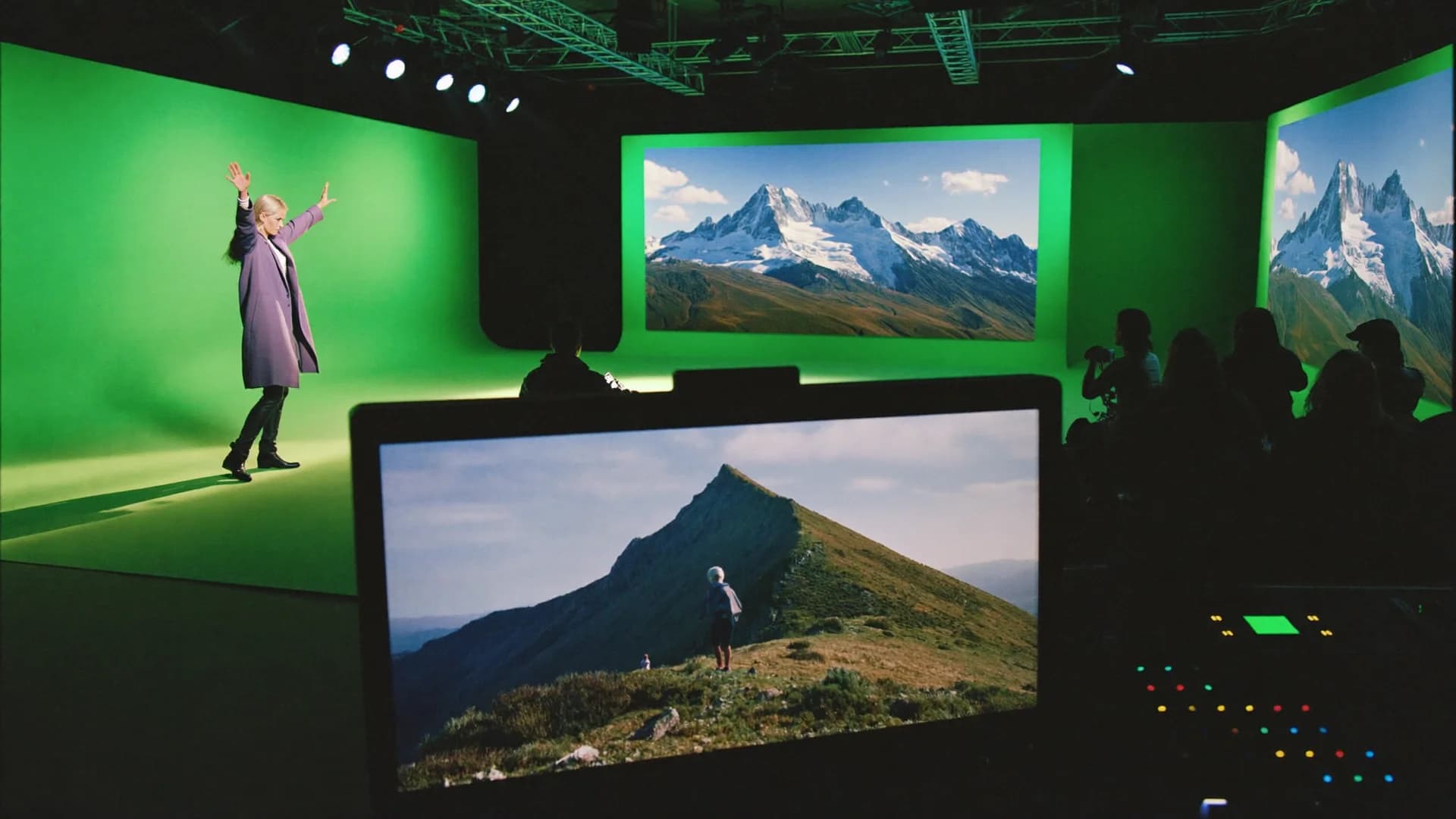
Green screen technology makes it possible to replace a plain coloured backdrop with just about any location or visual you can imagine. This technique gives filmmakers the freedom to create rich and realistic scenes without having to physically travel or build large scale sets. It saves time and reduces production costs while offering greater flexibility. From epic landscapes to detailed interiors, green screen filming provides consistent results and reliable visual control across all types of productions.
What's your favourite technology to use when filming?
- Green screen
- White cove
- LED wall
- Other
Making More Possible Without Leaving the film Studio
Green screens are widely used in film and video production. They allow teams to create different locations without needing to travel or construct expensive physical sets. Green screen setups are used for all kinds of content from television and advertising to corporate videos and online tutorials. This approach makes it easier to concentrate on the story and performances.
What is Green Screen Technology?
Chroma Key Explained
Chroma keying is a post production method that replaces a solid coloured background with a digital image or video. Subjects are filmed in front of a green screen and then placed into any chosen setting using visual effects software. This process lets filmmakers simulate environments such as laboratories, landscapes or city streets without needing to film on location.
Green vs. Blue Screens
Both green and blue screens are used for chroma key compositing. Green is more common because most cameras pick it up better. It is also less likely to clash with clothing and skin tones. Blue works well in darker scenes or when the subject is wearing green clothing, though it often needs more lighting.
Tools and Setups
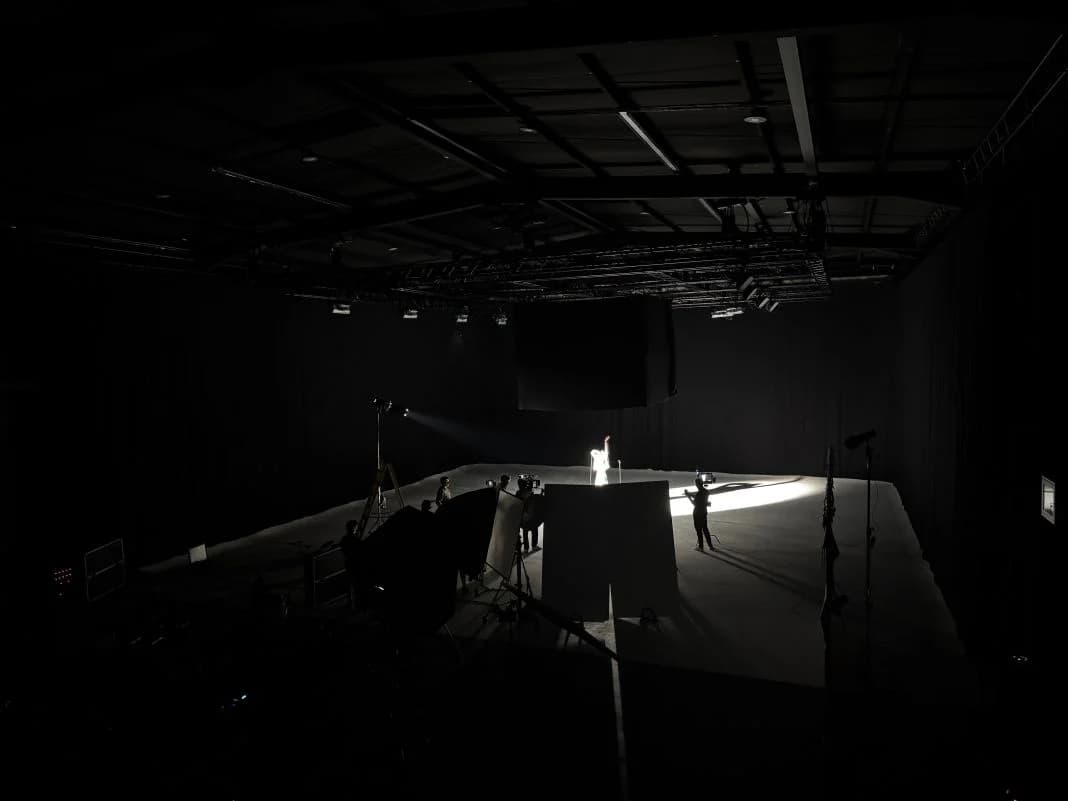
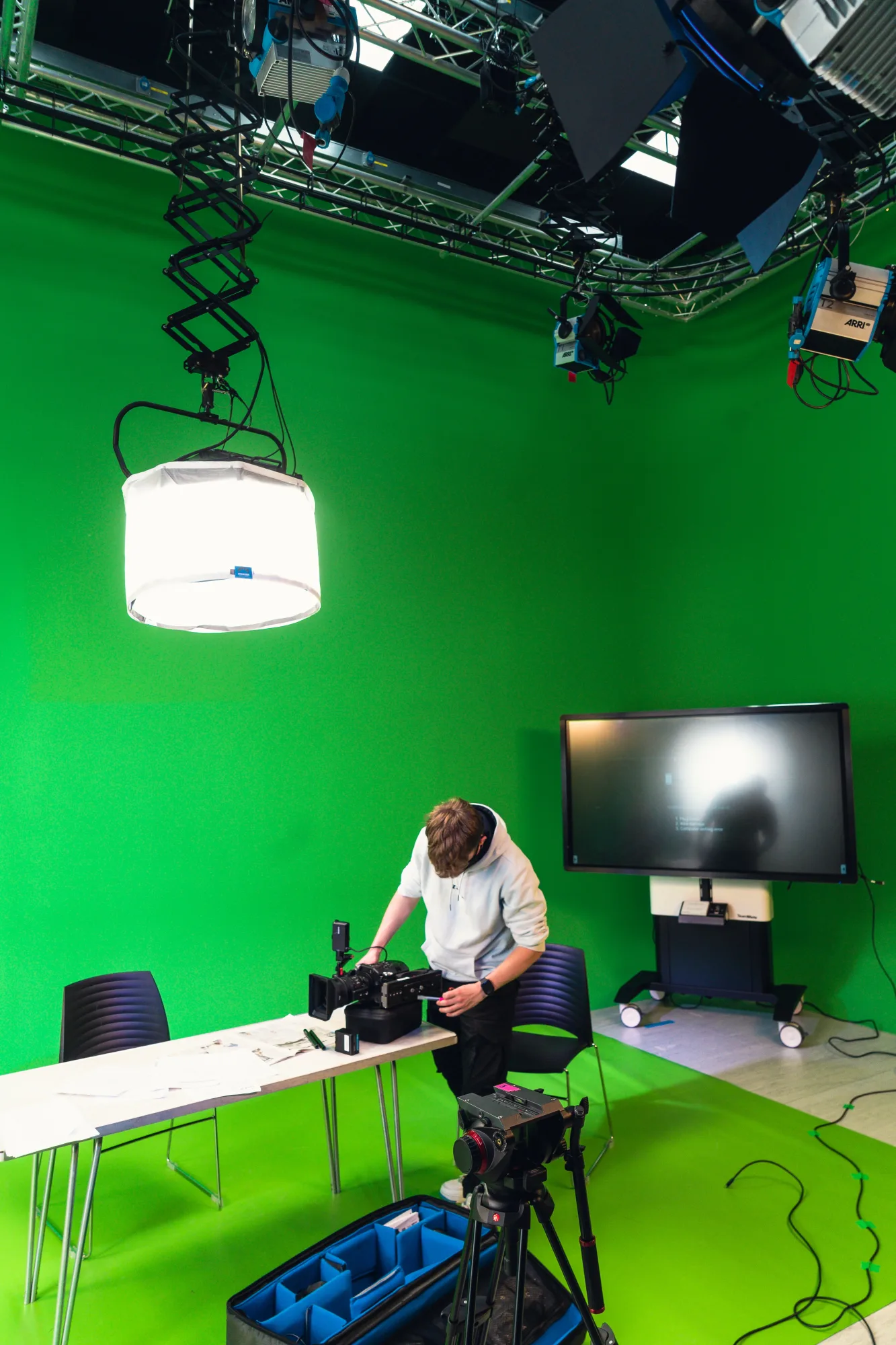
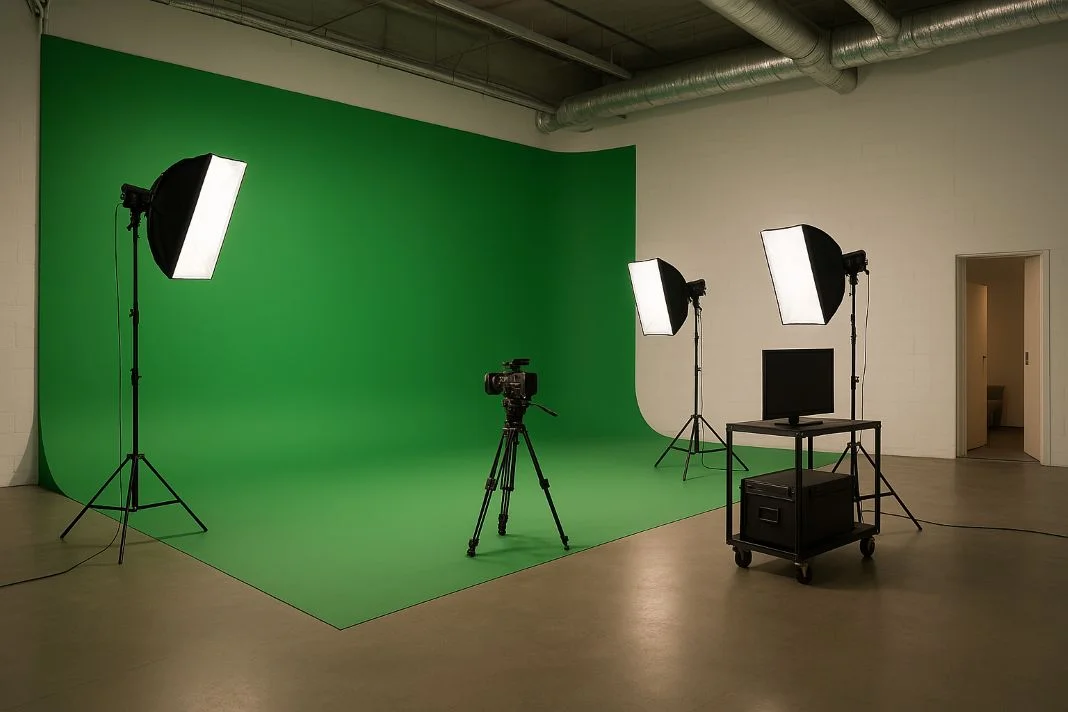
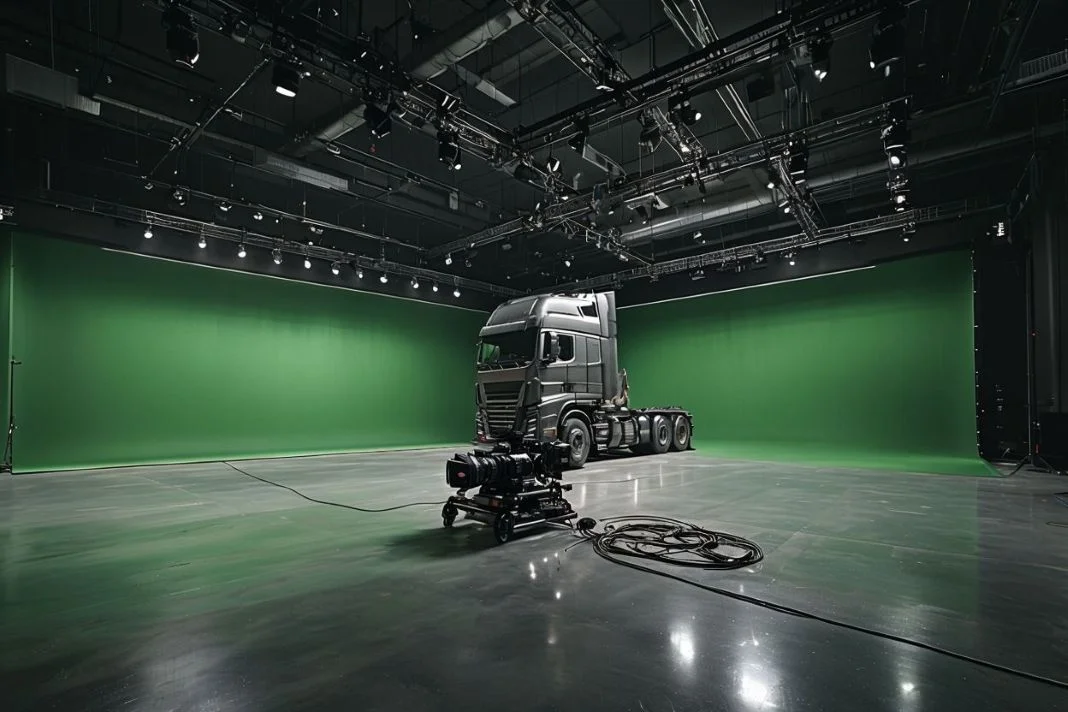
You can use green cloth backdrops, pop up stands or chroma green paint for your background. Portable options are useful for smaller shoots or remote locations. For larger productions, permanent green screen walls or painted studio spaces, such as Studio 2, our LED volume and blackout stage, give more flexibility. Choosing the right size depends on how much room your subject needs to move within the frame.
Avoiding Common Pitfalls
Lighting is key to good chroma key results. Keep the lighting soft and even on both the subject and the background. Place the subject at a slight distance from the screen to avoid casting shadows. Most editing software includes tools for chroma key effects. Programmes like Final Cut Pro, Adobe Premiere Pro, iMovie and Camtasia are widely used across professional and home studios.
Expanding What Can Be Filmed Without Leaving the Studio
Flexible Scenes Without Location Limits
Green screen gives creative teams more freedom in setting up scenes. Actors can appear in almost any environment without needing to move locations. For instance, a presenter can stand in a virtual classroom, a newsroom or even an outer space simulation without leaving the studio.
Works With All Kinds of Visual Effects
This method integrates easily with CGI and other post production effects. Whether it is a fantasy world, a historical recreation or a modern cityscape, you can add elements in layers to make each shot more engaging. This helps bring scripts to life with more visual variety.
Easier To Get the Right Look
Filming inside a studio ensures lighting and sound remain consistent throughout the shoot. This avoids problems like changing daylight, weather issues or background noise. With fewer distractions, production teams can focus on camera work and directing.
Keeping Production Budgets Lean and Practical
Fewer Set and Travel Costs
Using a green screen setup reduces the need to build detailed sets or travel to multiple locations. For example, instead of flying a crew abroad for a two minute scene, a high resolution background can be added digitally. This saves money and keeps the project on budget.
Less Crew, Less Equipment
Smaller teams can manage green screen shoots more easily. There is no need to transport lighting rigs or props between locations. This also makes things more manageable when working with limited resources.
Ideal for Independent and Educational Projects
Smaller production companies, universities and charities can benefit from the green screen approach. It helps them produce visual content with professional results at a lower cost. Many training videos and e learning modules are now filmed using this method.
Saving Time on Set Without Sacrificing Quality
Speeds Up the Whole Process
Green screen setups simplify production schedules. There is no delay for location booking, weather changes or long travel days. Shoots can happen in one place with minimal disruption, helping meet tight deadlines.
Flexible Filming Schedules
You can record one person today and someone else next week. The footage can be edited together later. This makes planning easier and allows for more flexibility in working with busy presenters or multiple contributors.
Useful for Remote or Socially Distanced Filming
Green screen filming became especially useful during the pandemic. When filming in busy spaces was not safe, teams recorded presenters separately and added them to empty or pre recorded backgrounds. This method is still used in interviews, science videos and presentations where safety or convenience is a concern.
Why Use Green Screens for Background Versatility?
Green screens give full control over the visual setting. From underwater scenes to mountaintop views, any background can be digitally added. This means you can switch locations within minutes instead of moving crews and equipment.
Creative Options in Every Genre
Science fiction, fantasy, news, historical films and even corporate interviews all benefit from flexible backdrops. One room can become several different settings during a single day of shooting. That saves time and helps maintain production momentum.
Consistent Lighting and Colour Control
Using digital backgrounds avoids problems with sunlight, shadows or unpredictable colours. Matching lighting between shots becomes much easier. The final product looks more professional with fewer colour correction issues.
Keeping Style and Tone Consistent From Scene to Scene
Seamless Transitions Between Scenes
When every scene is filmed in the same studio environment, the visual tone stays uniform. That helps tell the story more clearly. For multi location stories or educational modules, green screen provides reliable visual links between different scenes.
Easy to Match Styles Across Productions
If you are making a series or working on repeat content, green screen helps keep the look and feel the same. That is important in branded videos, corporate training and long form content that needs a consistent identity.
Safer Filming Conditions for Everyone Involved
Controlled Filming Environment
Filming in a studio keeps everyone in a safer space. You do not need to send people into unsafe or remote locations. For example, a scene that takes place in a laboratory or at a construction site can be filmed safely offsite.
Reduced Need for Risky Shots
Green screen helps reduce the need for practical effects or on site stunts. Explosions, dangerous machinery or natural disasters can be added during editing. This protects cast and crew from unnecessary exposure.
How Do Green Screens Improve Presentation and Viewer Engagement?
Green screens add energy and variety to presentations. Whether it is a training session, a marketing pitch or a science demonstration, changing the background helps support the message visually. Instead of static walls or plain meeting rooms, presenters can use maps, diagrams or immersive visuals that keep the audience interested.
Better Visual Communication
Viewers absorb more when they can connect information with imagery. A teacher explaining a cell structure or a business analyst walking through data trends can show relevant graphics behind them. This makes the content clearer and more memorable.
Effective in Remote Settings
In remote interviews or online meetings, green screens help presenters look more polished. You can replace cluttered home offices with clean, branded spaces. This is particularly useful for webinars, online courses and livestreams.
Making Branded Content Look Professional Every Time
Reusable Visual Identity
Green screen allows you to create a consistent visual style. You can apply brand colours, logos or office backdrops across different videos. That helps your content look more professional and feel more connected.
Helps Maintain Recognition
If every video looks different, viewers might not recognise your company or project. Using green screen elements like virtual sets and static branded layouts keeps your identity strong. It also makes updates quicker since you only need to change the visual file behind the speaker.
Practical for Large Campaigns
For businesses running multiple ads or updates, such as when you shoot a fashion campaign, green screen provides flexibility. Record once, then use different backdrops for different audiences or platforms. This approach saves time and delivers more content from one session.
How Does Green Screen Help With Sound and Noise Control?
Green screen filming often takes place in controlled studio environments. That automatically lowers the background noise from traffic, crowds or machines.
Cleaner Audio Quality
When there is no external noise, microphones pick up dialogue and narration more clearly. This reduces the need for audio repair or re recording.
Simpler Editing
Quiet recordings make post production easier. You can add background music, effects or ambient sounds without fighting against unwanted noise.
How Is Green Screen Used in Virtual and Remote Production?
Green screen is central to modern virtual production. It enables real time compositing where backgrounds and effects appear live on set. This is especially useful for directors and actors who need to visualise the final scene while filming.
Integration With Virtual Sets
Teams combine green screen with motion tracking and LED reference monitors. This lets actors see key elements of the scene as they perform. It also helps camera crews frame and plan shots more accurately.
Remote Contributor Inclusion
Remote production teams can film individuals in different locations and composite them together seamlessly. This is ideal for hybrid interviews, live event coverage and panel shows where contributors cannot attend in person.
Syncs With Real Time Editing Tools
Software like Unreal Engine and Unity work well with green screen for real time graphics rendering. This speeds up feedback loops, allowing for quicker corrections and more confident creative decisions.
What Types of Productions Use Green Screen?
Green screen is used across many content types. It supports everything from film and television to live events and corporate training.
Broadcast and Commercial Work
News presenters and weather reporters use green screens daily to overlay graphics and maps. Advertisers use it to create dynamic branded settings without building physical environments.
Educational and E Learning Content
Green screen helps instructors share information alongside visual aids like diagrams, photos and simulations. This improves retention and keeps learners engaged.
Corporate, Live and Social Media Video
Companies use green screens for internal training, external marketing and online communication. Content for platforms like YouTube, Instagram and TikTok often includes green screen segments for consistent branding and versatility.
Why Green Screen Still Matters Today
Green screen technology continues to be a practical and powerful tool for film, broadcast, education and business media. It brings flexibility to productions, saves time and money and creates a safe, efficient filming environment. Green screen is part of the everyday workflow that helps our clients tell their stories without limits. From training videos to virtual production, the technology gives creators more control, more consistency and more opportunity to produce standout visual content.